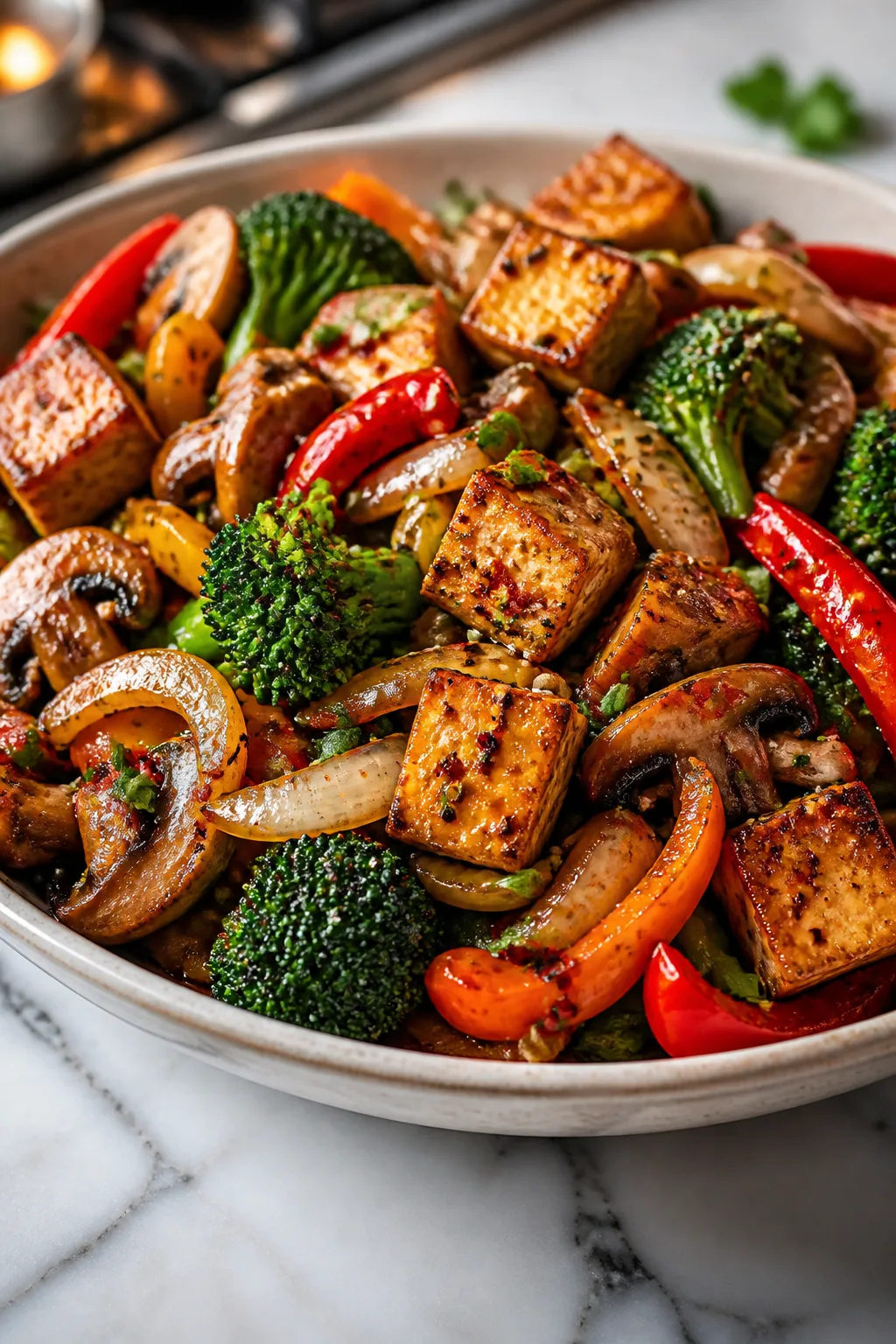
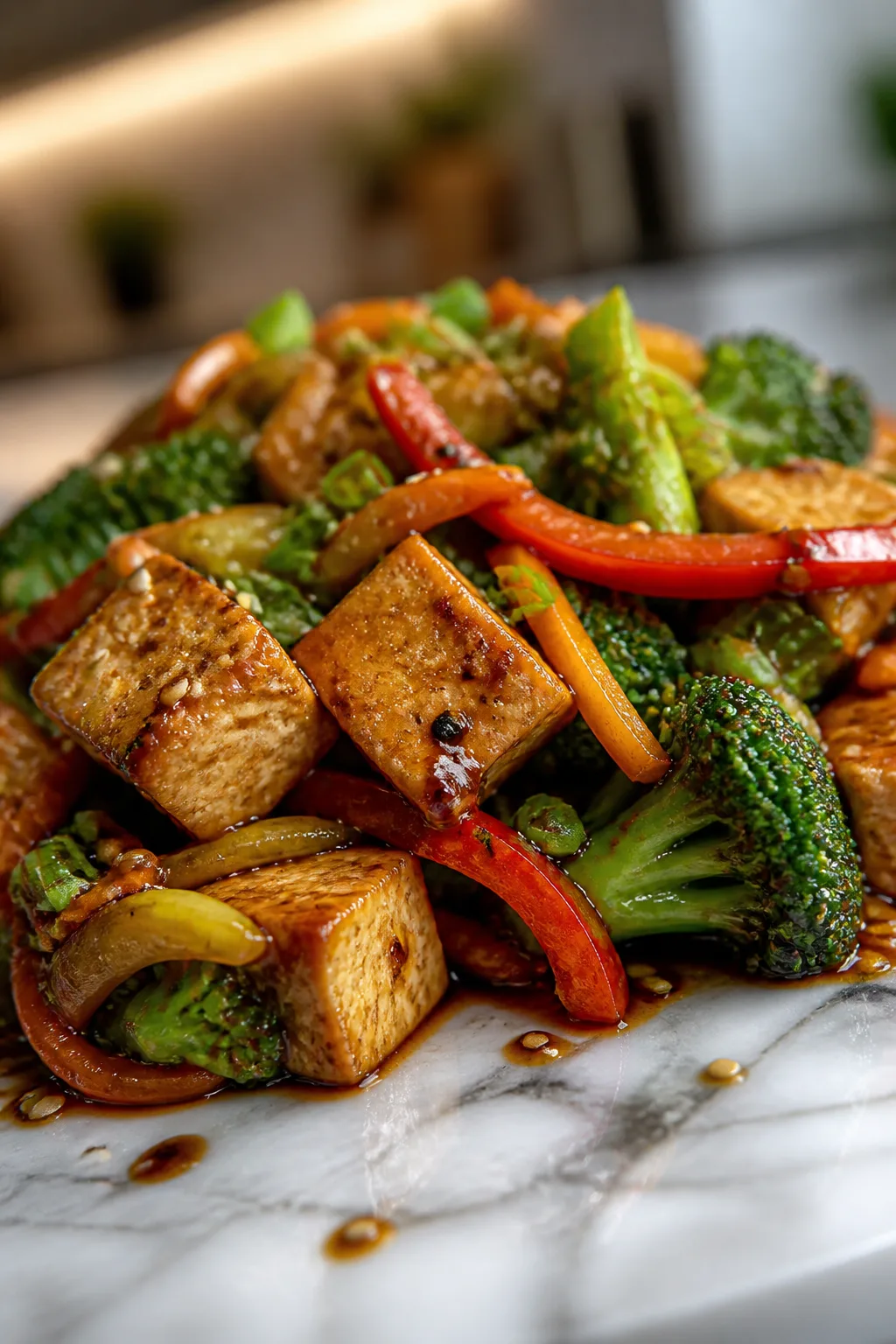
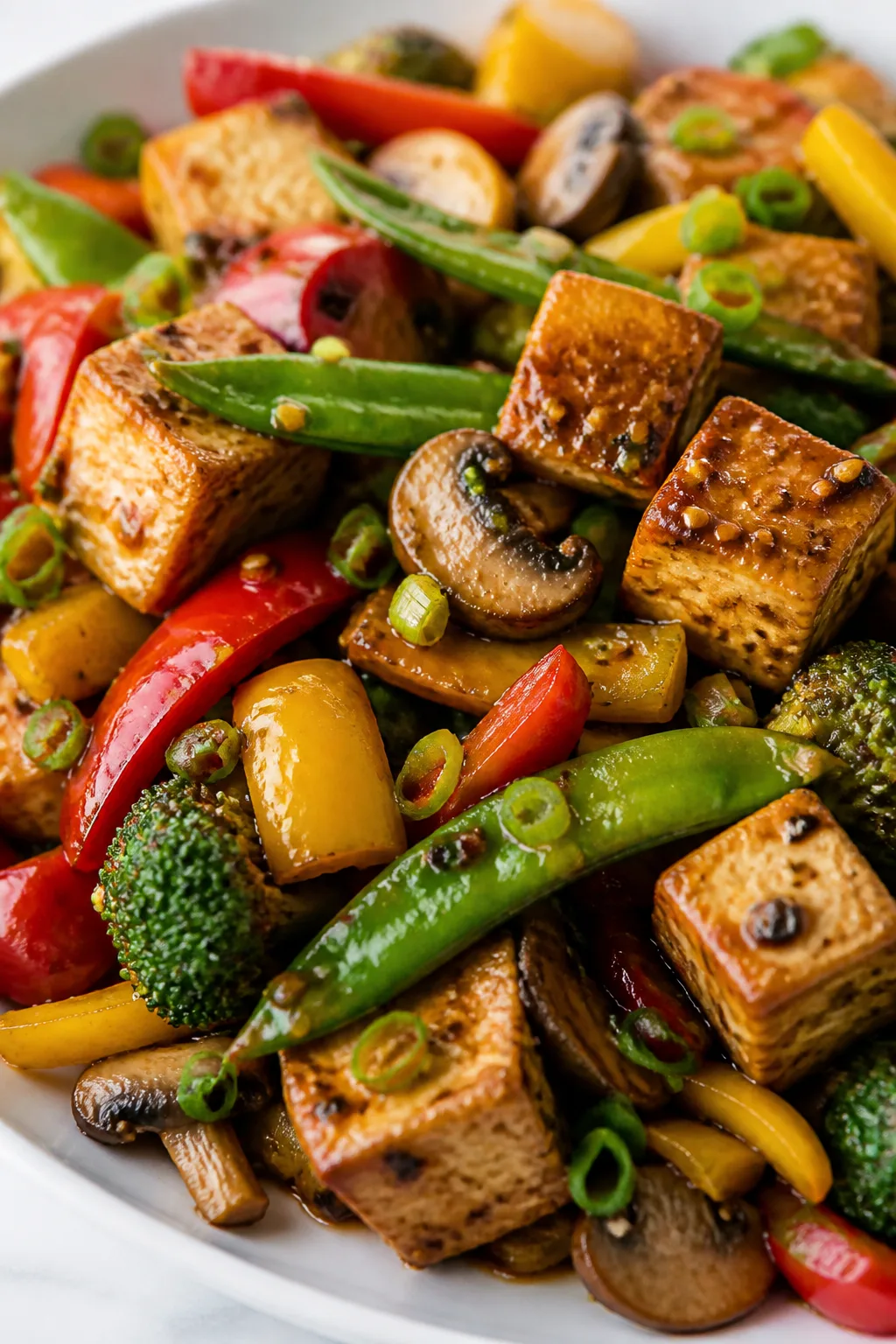
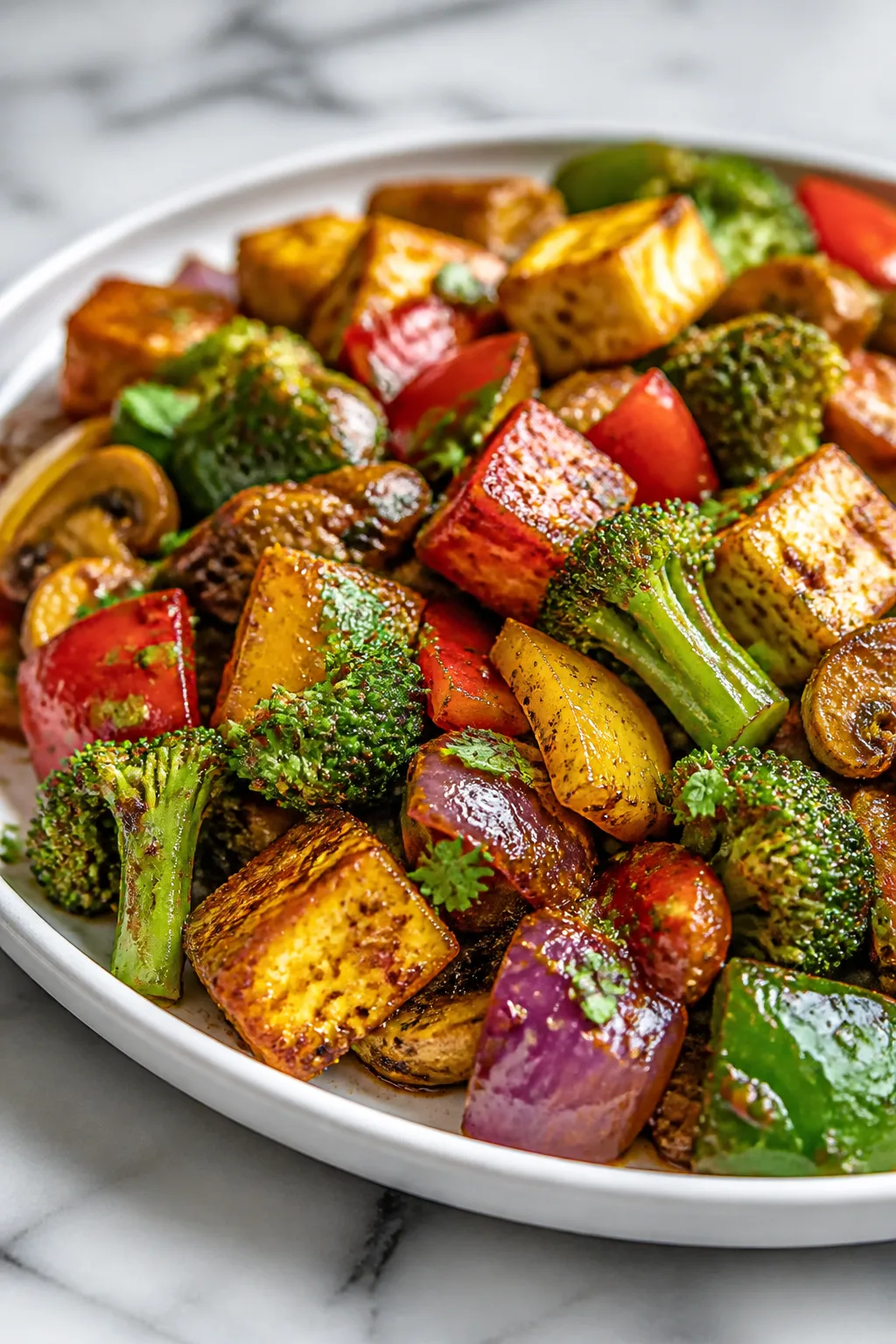
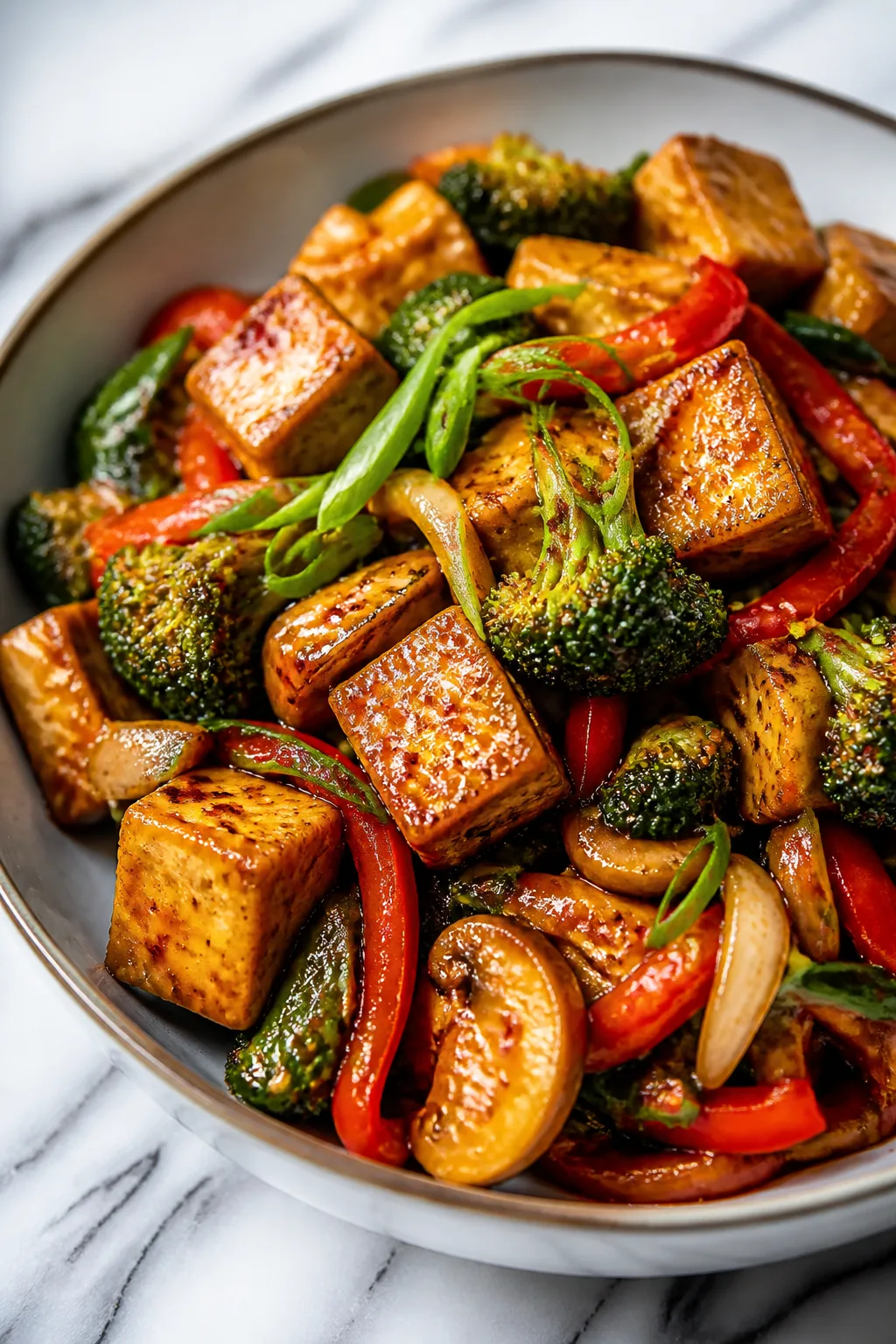
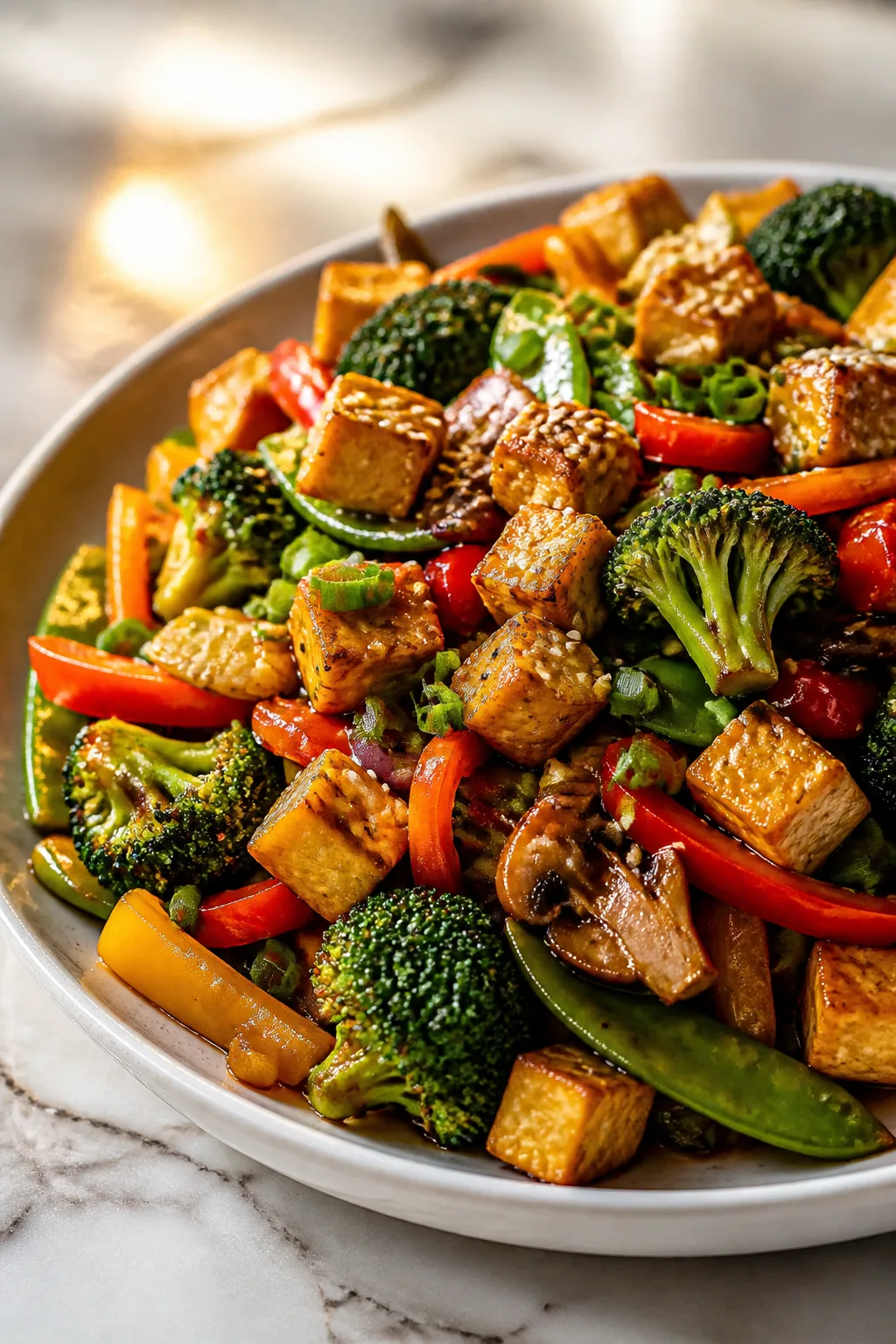
This vegan stir fry is my go-to for busy weeknights. The fresh veggies soak up a simple soy-ginger sauce that’s packed with flavor but super easy to whip up. Perfect for a healthy family dinner!
Introduction
I first made this vegan stir fry a few years ago when I was craving something quick but satisfying after a long day. I wanted a meal that didn’t rely on complicated sauces or hard-to-find ingredients but still delivered on flavor. Over time, I tweaked the sauce to balance salty soy with a touch of sweetness from maple syrup and brightness from fresh ginger. I also learned that pressing the tofu well and pan-frying it separately before adding the veggies makes a huge difference in texture — it stays firm and gets a nice crust. What I love most is how colorful and fresh the dish feels, even though it comes together so fast. It’s become a favorite in my house for those busy weeknights when I want something healthy, vibrant, and totally satisfying. The finished stir fry has tender-crisp vegetables with a glossy, flavorful sauce coating every bite. Plus, it’s super versatile — you can swap in your favorite veggies or add some chili flakes if you want a kick. Honestly, it’s the kind of meal that feels like a little celebration of simple, fresh ingredients in every forkful.
How To Do It
Step 1
Start by pressing your tofu to remove excess moisture—this helps it crisp up nicely when cooked. Wrap the tofu block in a clean kitchen towel or paper towels and place a heavy skillet or book on top for at least 15 minutes. This step prevents soggy tofu and ensures it’ll hold its shape during stir-frying.
⏱ Time: 15 minutes
✓ Doneness: Tofu feels firm and less watery when pressed
Step 2
Heat 1 tablespoon of vegetable oil in a large non-stick skillet or wok over medium-high heat. Once hot, add the cubed tofu in a single layer and cook without moving for 3-4 minutes until the bottom is golden and crisp. Flip the cubes and cook the other sides until all sides are nicely browned. This step locks in texture and adds a delightful crunch.
⏱ Time: 8-10 minutes
✓ Doneness: Tofu cubes are evenly golden brown and crispy on all sides
Step 3
Remove the tofu from the pan and set aside. In the same skillet, add the remaining 1 tablespoon of oil. Toss in minced garlic and grated ginger, stirring quickly to prevent burning. You want this to become fragrant within 30 seconds to 1 minute, which builds the flavor base for your sauce.
⏱ Time: 1 minute
✓ Doneness: Aromatic garlic and ginger scent fills the kitchen without browning
Step 4
Add the sliced bell peppers, carrot, broccoli florets, and snap peas to the skillet. Stir-fry over medium-high heat, stirring frequently to cook evenly. The goal is to cook the vegetables until they are tender but still crisp, preserving their bright colors and fresh texture. This usually takes about 5-7 minutes.
⏱ Time: 5-7 minutes
✓ Doneness: Vegetables are vibrant, tender-crisp, and slightly softened
Step 5
While the veggies cook, whisk together soy sauce, maple syrup, toasted sesame oil, and the cornstarch slurry in a small bowl. This sauce will thicken slightly and coat the stir fry beautifully.
⏱ Time: 2 minutes
✓ Doneness: Sauce is smooth and ready to pour
Step 6
Return the crispy tofu to the skillet with the vegetables. Pour the sauce over everything and toss gently but thoroughly to coat. Continue cooking for 2-3 minutes, stirring often, until the sauce thickens and glazes the tofu and veggies. Avoid over-stirring to keep tofu cubes intact.
⏱ Time: 2-3 minutes
✓ Doneness: Sauce is glossy and clings evenly to tofu and vegetables
Step 7
Turn off the heat and sprinkle sliced green onions and sesame seeds on top for a fresh, nutty finish. These garnishes add texture and a burst of color that makes the dish feel complete.
⏱ Time: 1 minute
✓ Doneness: Bright green onions and sesame seeds are evenly distributed
Step 8
Serve the stir fry immediately over cooked rice or noodles. The warmth of the base helps soak up the sauce and makes every bite comforting and satisfying. If serving later, wait to add garnishes until just before plating.
⏱ Time: Immediate
✓ Doneness: Dish is warm and saucy with vibrant veggies
Step 9
Clean up your prep area and enjoy! This stir fry tastes best fresh but can be refrigerated for leftovers. Reheat gently to keep the tofu crispy and veggies tender.
⏱ Time: N/A
✓ Doneness: Leftovers are reheated evenly without sogginess
Variations
Spicy Vegan Stir Fry
Add red pepper flakes or chopped fresh chili peppers to the garlic and ginger step for a spicy kick. You can also drizzle sriracha over the finished dish. This adds heat without overpowering the fresh veggie flavors.
Note: Watch your pan temperature closely as spices can burn quickly; add them early in the aromatics step for balanced heat.
Peanut Sauce Stir Fry
Swap the soy-ginger sauce for a creamy peanut sauce made with peanut butter, soy sauce, lime juice, and a touch of maple syrup. This gives the stir fry a rich, nutty flavor and thicker texture.
Note: Thin the peanut sauce with a splash of water or coconut milk to achieve the right consistency for coating veggies.
Mixed Grain Stir Fry Bowl
Serve the stir fry over quinoa, brown rice, or farro instead of white rice or noodles to add more fiber and a nutty flavor. This variation makes the meal heartier and more filling.
Note: Cook grains ahead of time and fluff before serving to keep them light and separate.
Tofu and Mushroom Stir Fry
Add sliced cremini or shiitake mushrooms to the vegetable mix for an earthy depth of flavor and meaty texture. Mushrooms absorb the sauce beautifully and complement tofu well.
Note: Sauté mushrooms first until browned before adding other vegetables to prevent excess moisture.
Low-Sodium Version
Use low-sodium soy sauce or tamari and reduce the maple syrup slightly. Boost flavor with extra ginger and garlic to keep it tasty without the salt overload.
Note: Taste and adjust seasonings carefully; low sodium versions may require a bit more aromatics or acid to balance flavors.
Pro Tips
Press your tofu thoroughly before cooking.
Removing excess moisture from tofu prevents it from steaming during cooking and helps it develop a firm, crispy texture. If you skip pressing, the tofu will release water in the pan, making it soggy and less appetizing.
Use a hot pan and work quickly when stir-frying vegetables.
High heat cooks vegetables fast, preserving their color and crunch. If the pan isn’t hot enough or you crowd it, the veggies will steam and become mushy, losing that fresh, vibrant texture.
Cook tofu separately before adding vegetables.
Cooking tofu alone allows it to brown evenly without interference from moisture released by veggies. Adding tofu too early can prevent browning and result in a soggy texture.
Make the sauce ahead and keep it ready to add.
Having the sauce pre-mixed means you can add it quickly once the veggies are cooked, ensuring it thickens properly and coats everything evenly without overcooking the vegetables.
Use fresh garlic and ginger for maximum flavor.
Fresh aromatics provide a vibrant, zesty base for the dish. Using powdered or pre-minced versions often results in muted or one-dimensional flavor.
Don’t overcrowd the pan when stir-frying.
Crowding lowers the pan temperature and causes steaming instead of frying, which affects texture and flavor. Cook in batches if necessary for best results.
Add garnishes last to keep them fresh and crunchy.
Green onions and sesame seeds lose their bright flavor and texture if cooked too long. Adding them at the end preserves their freshness and visual appeal.
Common Mistakes to Avoid
Not pressing tofu before cooking.
Why it happens Many cooks underestimate how much moisture tofu holds and skip pressing to save time.
Fix Always press tofu for at least 15 minutes using a tofu press or weighted towels. This step is crucial for achieving a crispy texture and preventing sogginess.
Overcooking vegetables until mushy.
Why it happens Rushing or using low heat can cause veggies to lose their crunch and vibrant color.
Fix Stir-fry veggies on high heat for a short time, stirring frequently. Remove from heat once they are tender-crisp.
Adding sauce too early or too late.
Why it happens Timing the sauce addition incorrectly can make it either burn or not thicken properly.
Fix Add the sauce after vegetables are cooked but before serving. Stir gently until the sauce thickens and coats the ingredients.
Using low-quality soy sauce.
Why it happens Buyers often choose based on price or availability without considering flavor impact.
Fix Choose naturally brewed soy sauce for richer taste. Tamari is a good gluten-free option.
Crowding the pan.
Why it happens Trying to cook everything at once to save time.
Fix Cook in batches if needed to maintain high heat and prevent steaming.
Nutrition
Per Serving:
Nutritional values are estimates and may vary based on specific ingredients used.
Storage & Tips
Room Temperature
This stir fry can safely sit at room temperature for up to 2 hours if covered. Beyond that, it’s best to refrigerate to prevent bacterial growth.
Refrigerator
Store leftovers in an airtight container for up to 3 days. The tofu may soften slightly, and veggies might lose some crispness. Reheat gently to preserve texture.
Freezer
Freeze the stir fry in a freezer-safe container for up to 2 months. Wrap tightly to avoid freezer burn. Thaw overnight in the fridge before reheating.
Reheating
Reheat on the stovetop over medium heat, adding a splash of water or broth to loosen the sauce if needed. Microwave works too but may make tofu less crispy. Avoid overheating to prevent sogginess.
Make Ahead
You can prepare the tofu and sauce up to 1 day ahead. Store separately from the veggies to keep textures optimal. Assemble and stir-fry veggies just before serving for best freshness.
FAQ
Can I use frozen tofu for this stir fry?
Yes! Frozen tofu has a firmer texture after thawing, which some people prefer for stir fry. Just thaw completely, press out excess water, and proceed as usual. The texture will be chewier and absorb sauce well.
What can I substitute for soy sauce if I have allergies?
You can use coconut aminos as a soy-free alternative. It’s slightly sweeter and less salty but works well in stir fries. Just adjust the quantity to taste and consider balancing with a little extra salt if needed.
How do I keep the vegetables crisp and not soggy?
Cook veggies on high heat for a short time, stirring constantly. Avoid overcrowding the pan so they steam less and fry more. Remove from heat as soon as they’re tender-crisp.
Can I make this stir fry gluten-free?
Absolutely! Use tamari or a gluten-free soy sauce substitute and double-check any other sauces or ingredients. The recipe is naturally gluten-free aside from the soy sauce.
Is it okay to use pre-minced garlic and ginger?
While fresh garlic and ginger provide the best flavor, pre-minced versions can work in a pinch. Just use slightly less and add toward the end of cooking to avoid a bitter taste.
How do I prevent tofu from sticking to the pan?
Make sure your pan is hot before adding tofu and that you use enough oil. Don’t move the tofu cubes immediately—let them form a crust before flipping. This helps release them naturally.
Can I add other vegetables to this stir fry?
Definitely! Feel free to add mushrooms, zucchini, baby corn, or bok choy. Just adjust cooking times slightly for each vegetable’s texture to ensure even cooking.
What’s the best way to reheat leftovers without losing texture?
Reheat gently on the stovetop with a splash of water or broth, stirring occasionally. Avoid high heat or microwaving for long periods, which can make tofu soggy and veggies mushy.
Final Thoughts
I hope you enjoy making this vibrant vegan stir fry as much as I do! Don’t forget to share your results — I love hearing how it turns out for you.