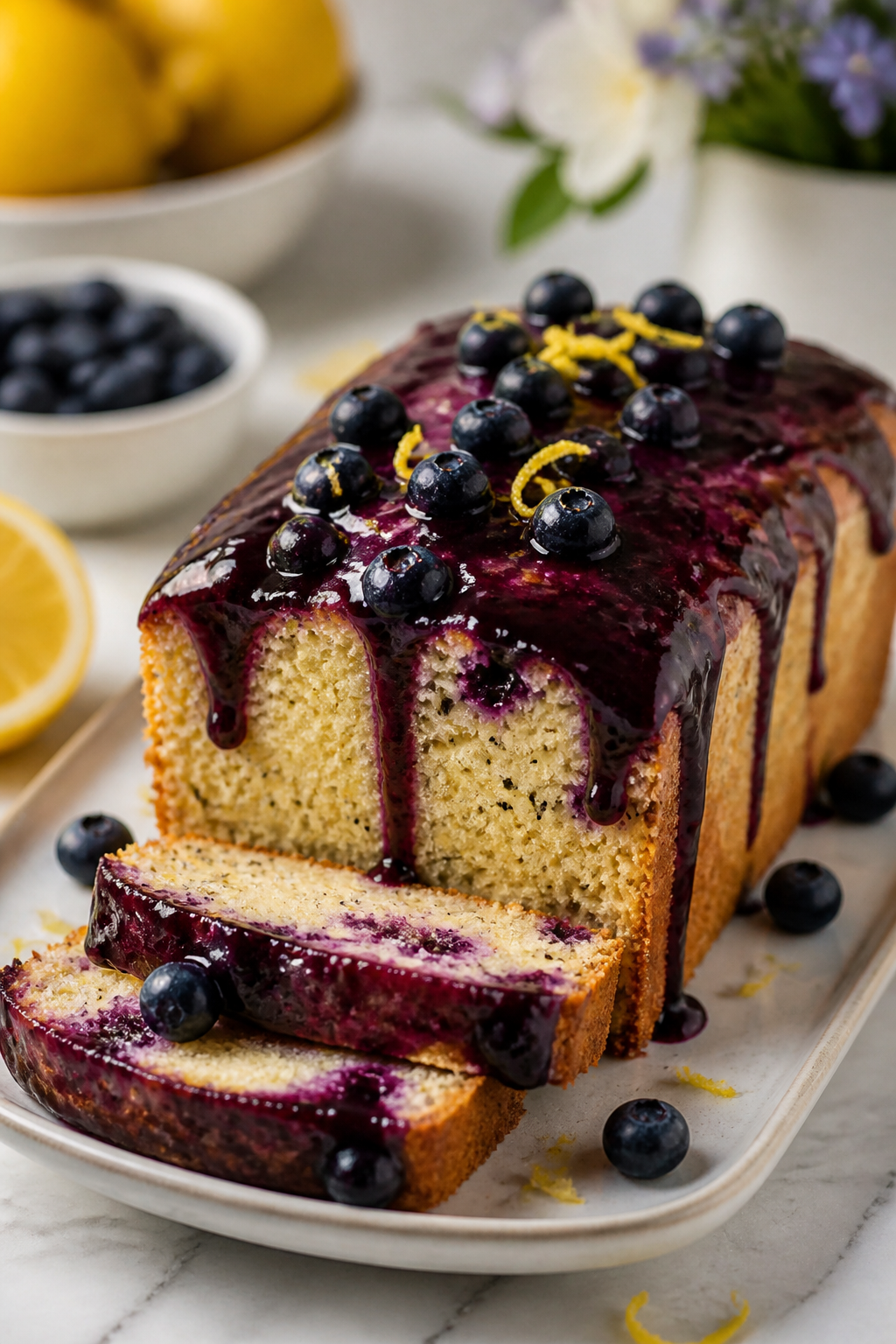
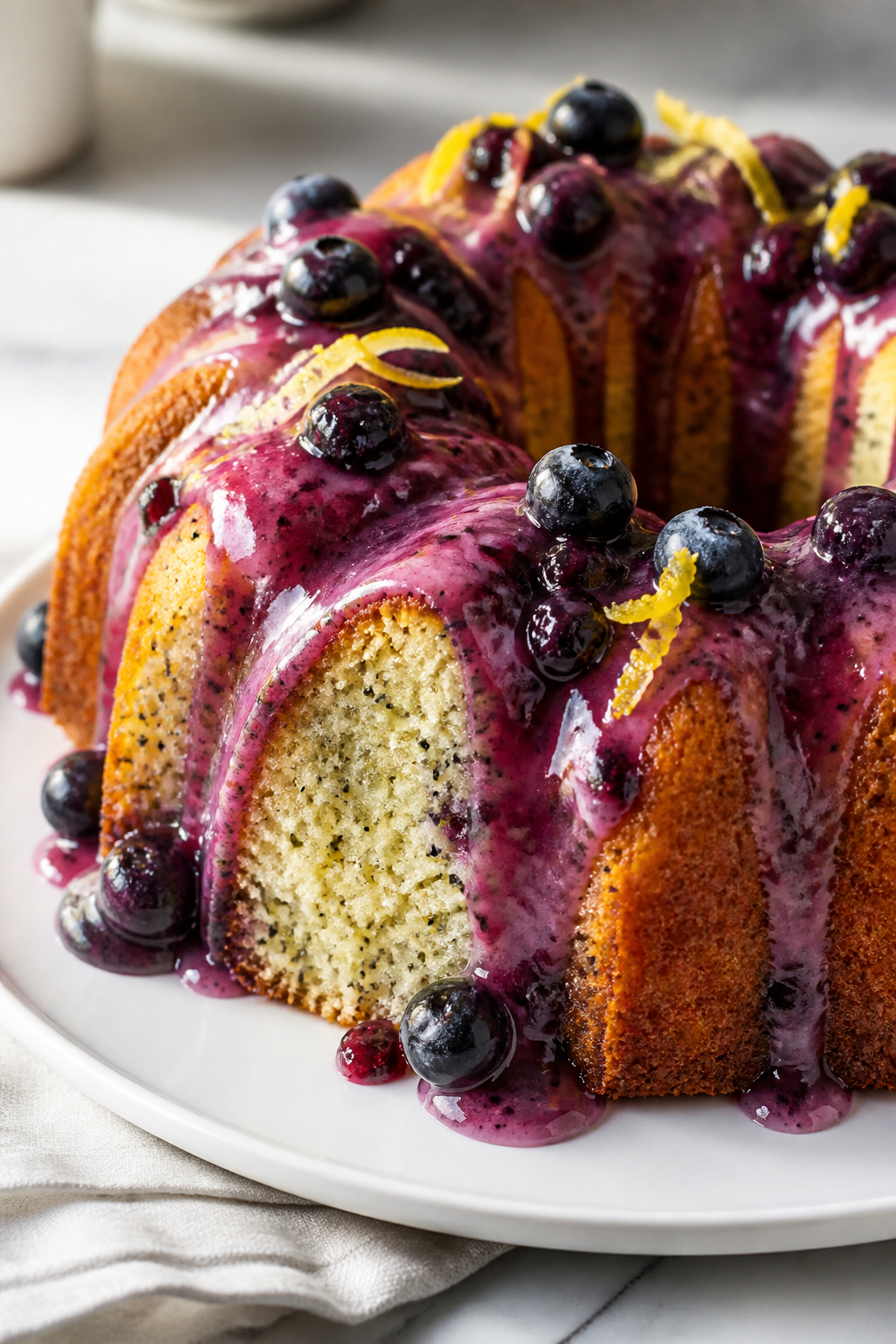
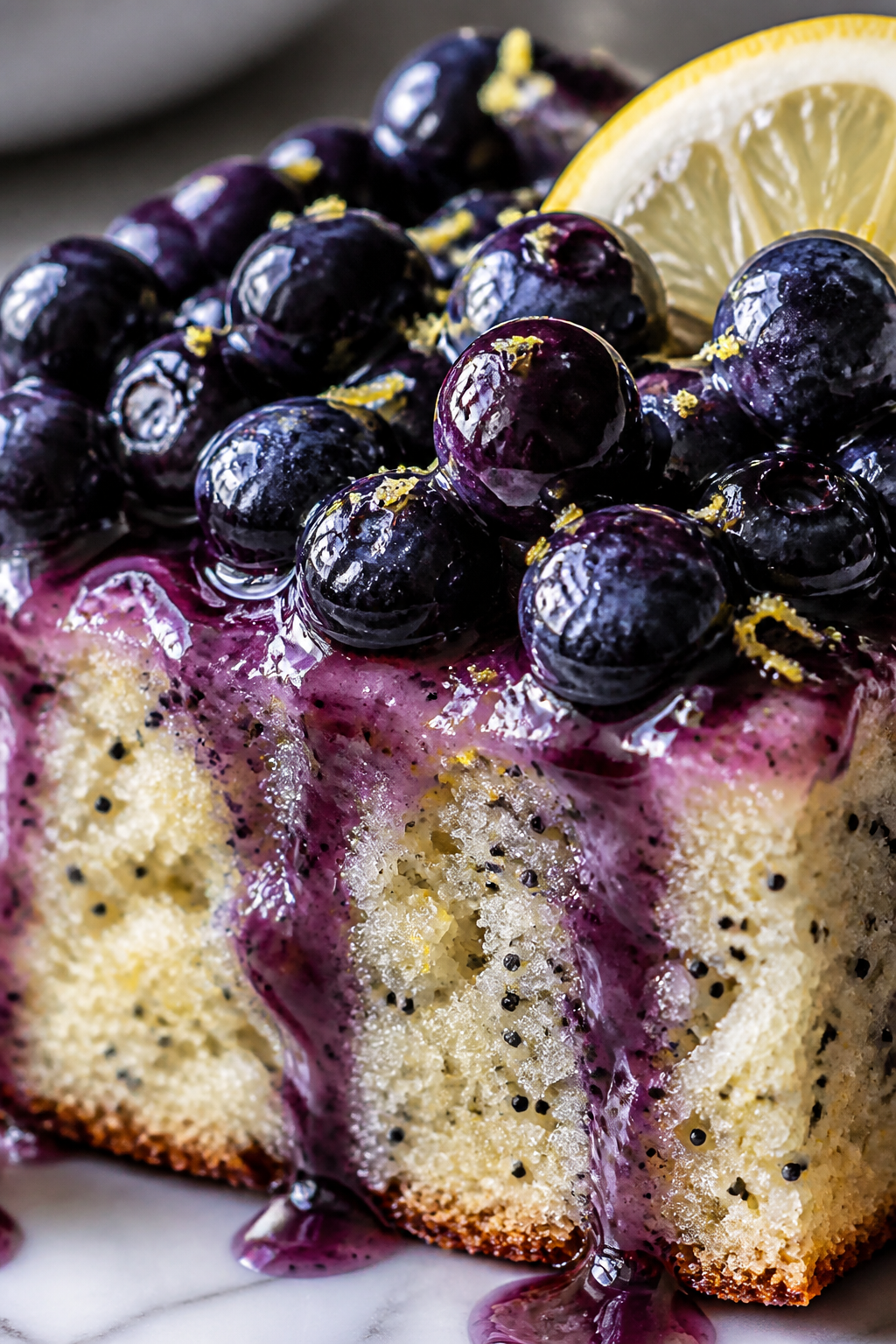
This lemon poppy seed cake is delightfully light with a fresh blueberry glaze that adds sweetness and tartness. The poppy seeds give a lovely crunch, making it perfect for a spring brunch or afternoon tea.
Introduction
I've always loved lemon desserts, but this lemon poppy seed cake quickly became a favorite in my family. The first time I made it, I was aiming for something light and fresh for a spring brunch, and the blueberry glaze was a happy accident—I wanted a topping with a bit of tartness to balance the sweetness. What makes this cake stand out for me is the texture the poppy seeds add; it’s subtle but gives a nice little crunch in every bite. Plus, the sour cream keeps the crumb moist without making it heavy. I used fresh lemon juice and zest to get that bright citrus flavor that really wakes up the palate. One trick I learned is not to overmix the batter once the wet and dry ingredients combine; it keeps the cake tender and light. When it's done, you get this golden cake with little specks of black poppy seeds, topped with a glossy blueberry glaze that’s both sweet and a little tangy. It’s perfect for a sunny afternoon tea or a casual weekend brunch with friends. I love how it looks and tastes like spring on a plate, and honestly, it’s pretty straightforward to make, even if you’re not a seasoned baker. Just be patient with the glaze—it needs a bit of time to thicken, but it’s worth the wait!
How To Do It
Step 1
Preheat your oven to 350°F (175°C) and grease a 9-inch cake pan with butter or nonstick spray. This ensures the cake releases easily after baking and helps achieve a nicely browned crust. Greasing also prevents sticking, which can ruin the cake’s surface. Line the bottom with parchment paper for extra insurance against sticking. This step is crucial because a well-prepared pan leads to a smooth, intact cake that looks as good as it tastes.
⏱ Time: 10 minutes
✓ Doneness: Pan is evenly greased with no dry spots and parchment paper fits snugly
Step 2
In a medium bowl, whisk together the flour, baking powder, baking soda, salt, and poppy seeds. This dry mix will evenly distribute the leavening agents and poppy seeds, which helps the cake rise uniformly and gives consistent texture. Whisking also breaks up any flour clumps, which can cause uneven baking. Don’t skip this step—it ensures your cake has a light crumb and a nice poppy seed crunch throughout.
⏱ Time: 5 minutes
✓ Doneness: Dry ingredients are well combined with no lumps
Step 3
In a large bowl, beat the softened butter and sugar together until light and fluffy, about 3-4 minutes. This step is key because creaming incorporates air into the batter, which helps the cake rise and gives it a tender texture. Use an electric mixer on medium speed, scraping down the sides occasionally. If you rush this or don’t cream well, the cake can turn out dense and heavy.
⏱ Time: 4 minutes
✓ Doneness: Mixture is pale, fluffy, and has increased in volume
Step 4
Add eggs one at a time, beating well after each addition. This gradual incorporation helps maintain the airiness from the creamed butter and sugar. Adding eggs too quickly can cause the batter to curdle. Once eggs are fully incorporated, mix in vanilla extract, lemon juice, and lemon zest. These wet ingredients bring moisture and fresh citrus flavor, which balances the sweetness beautifully.
⏱ Time: 5 minutes
✓ Doneness: Batter is smooth and glossy with no streaks of egg
Step 5
Add the dry ingredients to the wet ingredients in three additions, alternating with sour cream, beginning and ending with the dry mix. Mix gently with a spatula or on low speed to avoid overmixing, which can develop gluten and make the cake tough. The sour cream adds moisture and a slight tang, keeping the cake tender and rich without heaviness.
⏱ Time: 3 minutes
✓ Doneness: Batter is uniform with no visible flour streaks, slightly thick but pourable
Step 6
Pour the batter into the prepared cake pan and smooth the top with a spatula. This ensures even rising and a nice flat surface for glazing later. Tap the pan gently on the counter to release any large air bubbles trapped in the batter, which can cause holes or uneven texture in the cake.
⏱ Time: 5 minutes
✓ Doneness: Batter surface is smooth and even in the pan
Step 7
Bake in the preheated oven for 28-32 minutes or until a toothpick inserted in the center comes out clean. Avoid opening the oven door too early, which can cause the cake to sink. The cake should be golden on top with a slight spring back when touched. If it’s browning too fast, tent with foil halfway through baking to prevent burning.
⏱ Time: 30 minutes
✓ Doneness: Toothpick comes out clean and cake springs back lightly when pressed
Step 8
While the cake cools, prepare the blueberry glaze by combining fresh blueberries, powdered sugar, and lemon juice in a small saucepan over medium heat. Simmer gently, mashing the berries to release juice, until the mixture thickens slightly, about 8-10 minutes. This slow simmer concentrates the blueberry flavor and thickens the glaze naturally without needing cornstarch or gelatin.
⏱ Time: 10 minutes
✓ Doneness: Glaze is thick enough to coat the back of a spoon but still pourable
Step 9
Strain the blueberry mixture through a fine mesh sieve to remove skins and seeds, then let the glaze cool slightly before pouring it over the cooled cake. This step ensures a smooth, glossy finish on the cake. Pouring glaze over a warm cake can cause it to soak in too much, so wait until the cake is cool to maintain a nice glaze layer on top.
⏱ Time: 5 minutes
✓ Doneness: Glaze is smooth and evenly coats the cake surface
Variations
Orange Poppy Seed Cake
Swap lemon juice and zest with fresh orange juice and zest for a sweeter, more floral citrus flavor. The poppy seeds still add crunch, but the cake will feel a little less tart and more mellow.
Note: Orange juice has less acidity than lemon, so the cake may rise slightly differently; keep an eye on baking time, which might be a minute or two longer.
Gluten-Free Version
Replace all-purpose flour with a gluten-free blend that includes xanthan gum. This keeps the texture moist and tender while accommodating gluten sensitivities.
Note: Gluten-free flours absorb moisture differently; you may need to adjust sour cream slightly or add an extra egg for structure.
Vegan Lemon Poppy Seed Cake
Use flax eggs (1 tbsp ground flax + 3 tbsp water per egg) and coconut yogurt instead of sour cream. Substitute butter with vegan margarine. The cake will be just as moist with a slightly different texture and flavor.
Note: Vegan batters tend to be denser; avoid overmixing and check doneness with a toothpick carefully.
Lemon Poppy Seed Muffins
Divide the batter into muffin tins for portable treats. Baking time reduces to about 18-22 minutes. Perfect for breakfast or snacks on the go.
Note: Muffins bake quicker due to smaller size; watch closely to avoid drying out.
Blueberry Swirl Cake
Instead of glazing, gently fold some fresh blueberries into the batter before baking. You’ll get pockets of juicy berries inside the cake for a different texture and burst of flavor.
Note: Add berries last and fold gently to avoid crushing; bake the same but expect a moister crumb.
Pro Tips
Don’t overmix the batter once you add the dry ingredients.
Overmixing develops gluten, resulting in a tough, dense cake rather than a tender crumb. Mixing just until ingredients are combined ensures a light, fluffy texture.
Use room temperature eggs and butter for better emulsion.
Cold ingredients don’t blend well, causing a lumpy batter and uneven texture. Room temperature helps create a smooth, uniform batter that traps air for rise.
Let the cake cool completely before glazing.
Applying glaze on a warm cake can cause it to melt and soak in, losing the glossy finish. Cooling preserves the glaze’s texture and appearance.
Gently tap the filled cake pan before baking.
This releases large air bubbles trapped in the batter, preventing holes or uneven crumb texture in the finished cake.
Use fresh lemons for juice and zest.
Fresh lemon zest contains essential oils that add brightness and aroma, which bottled juice can’t replicate, improving overall flavor.
Simmer the blueberry glaze slowly to thicken naturally.
Slow simmering concentrates flavors and thickens the glaze without needing thickeners, resulting in a fresh, vibrant topping.
Line the cake pan with parchment paper.
This ensures easy removal and prevents the cake’s bottom from sticking or breaking.
Common Mistakes to Avoid
Overbaking the cake
Why it happens It’s easy to leave the cake in too long, hoping it’s fully set, but this dries it out and makes it crumbly.
Fix Check the cake at the minimum baking time with a toothpick; it should come out with a few moist crumbs, not wet batter. Remove promptly to keep the cake moist.
Skipping the creaming step
Why it happens Some cooks rush and mix all ingredients at once, missing the aeration step.
Fix Take time to beat butter and sugar until fluffy. This traps air and helps the cake rise with a tender crumb.
Not measuring flour properly
Why it happens Scooping flour directly can pack it, adding too much and causing dryness.
Fix Spoon flour into your measuring cup and level off with a knife for accurate measurement.
Adding eggs too quickly
Why it happens Pouring eggs all at once can cause the batter to curdle and separate.
Fix Add eggs one at a time, beating well after each to maintain a smooth, emulsified batter.
Pouring glaze on warm cake
Why it happens Warm cake absorbs glaze too fast, making it soggy and dull.
Fix Wait until the cake is completely cooled before glazing for a shiny, set finish.
Nutrition
Per Serving:
Nutritional values are estimates and may vary based on specific ingredients used.
Storage & Tips
Room Temperature
Keep the cake covered at room temperature for up to 2 days. Use a cake dome or airtight container to prevent drying out. The glaze may soften slightly but will remain flavorful.
Refrigerator
Store in an airtight container for up to 5 days. The cake may firm up and the glaze can thicken further; bring to room temperature before serving or enjoy chilled for a refreshing treat.
Freezer
Wrap the cake tightly in plastic wrap and foil, then freeze for up to 3 months. Thaw overnight in the fridge, then bring to room temperature. The glaze texture might change slightly but flavor remains intact.
Reheating
Warm slices gently in the microwave for 15-20 seconds or in a low oven (300°F) for 10 minutes. Avoid overheating to keep the cake moist. Add a tiny splash of lemon juice or water if glaze seems too thick.
Make Ahead
Bake the cake a day ahead and store without glaze. Prepare the blueberry glaze the morning of serving and pour over just before guests arrive to keep it fresh and vibrant.
FAQ
Can I use frozen blueberries for the glaze?
Yes, you can use frozen blueberries but thaw them fully and drain excess juice before cooking. Using frozen berries might result in a slightly thinner glaze, so simmer a little longer to thicken it properly.
What if I don’t have sour cream?
You can substitute sour cream with full-fat Greek yogurt or buttermilk. Both provide acidity and moisture but yogurt might make the cake a bit denser, while buttermilk can slightly increase rise.
How do I prevent the poppy seeds from clumping?
Whisk the poppy seeds with the dry ingredients thoroughly to distribute them evenly. Avoid adding them directly into wet ingredients, which can cause clumping or uneven texture.
Can I make this cake gluten-free?
Absolutely! Use a gluten-free flour blend with xanthan gum. You might need to adjust moisture levels slightly and avoid overmixing to maintain a tender crumb.
Why is my cake dense or heavy?
This often happens from overmixing the batter or not creaming the butter and sugar enough. Be gentle when combining ingredients and take your time creaming to trap air.
How long can I keep the cake after glazing?
Once glazed, store the cake at room temperature for up to 2 days or refrigerate for up to 5 days. The glaze stays fresh but may thicken or soften depending on storage.
Can I make the glaze ahead of time?
Yes, make the glaze a day ahead and refrigerate. Bring it to room temperature and stir gently before pouring over the cake to restore its pourable consistency.
What’s the best way to remove the cake from the pan?
Grease and line the pan with parchment paper. Once cooled, run a knife around the edges, invert the cake onto a cooling rack, then peel off the paper carefully to avoid tearing.
Final Thoughts
I hope you enjoy making and sharing this lemon poppy seed cake with blueberry glaze as much as I do. It’s a bright, fresh treat that’s perfect for any occasion—let me know how it turns out!