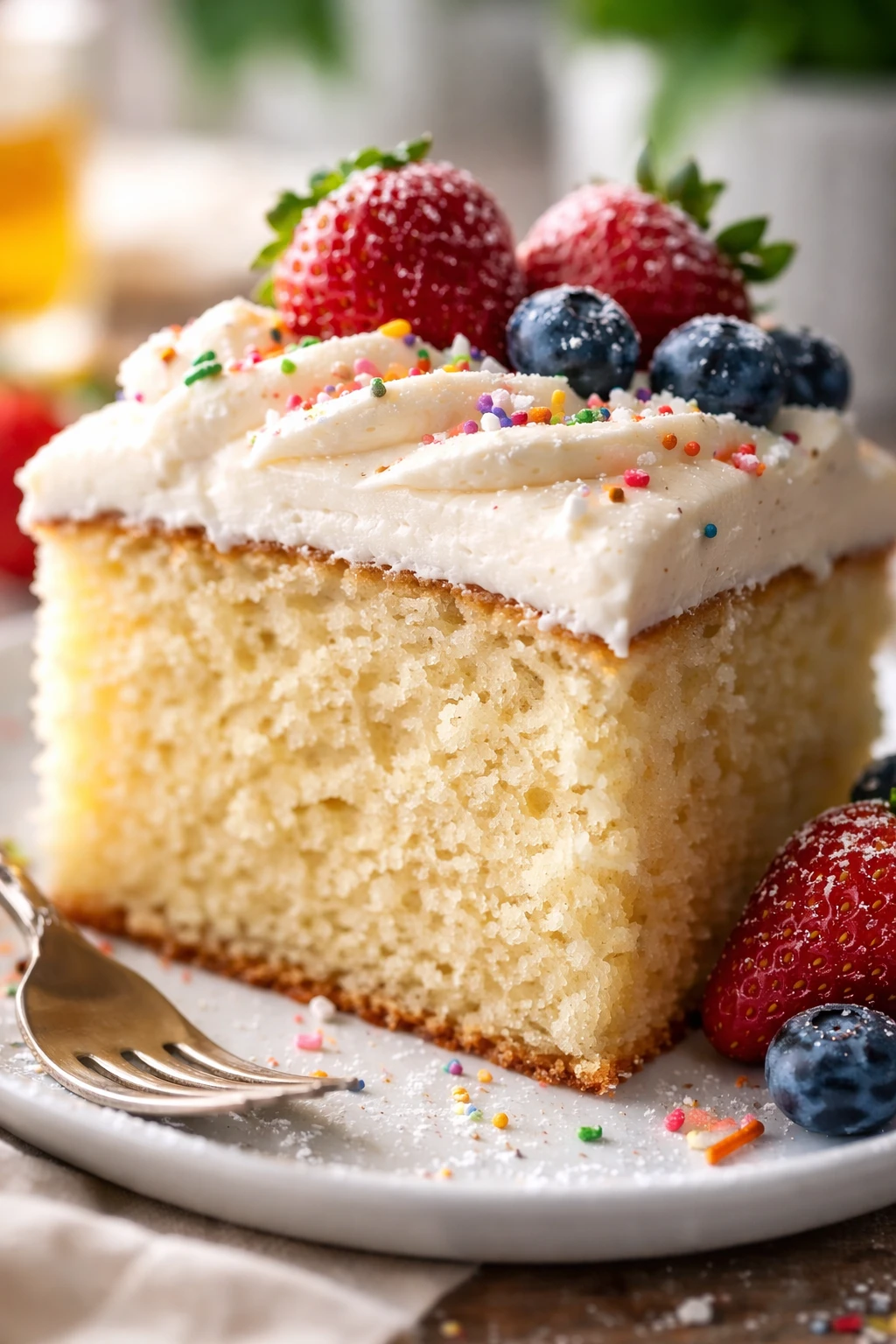
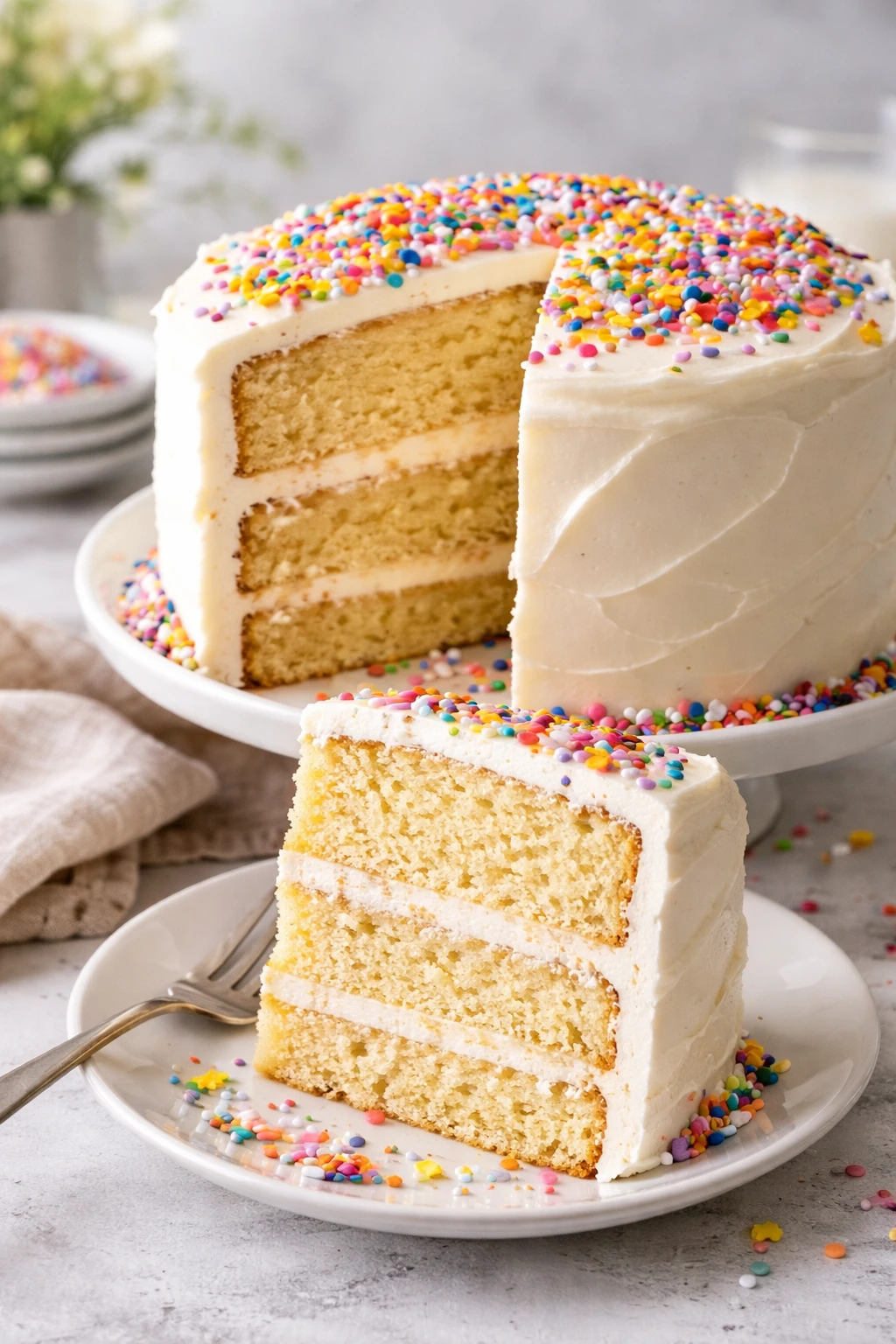
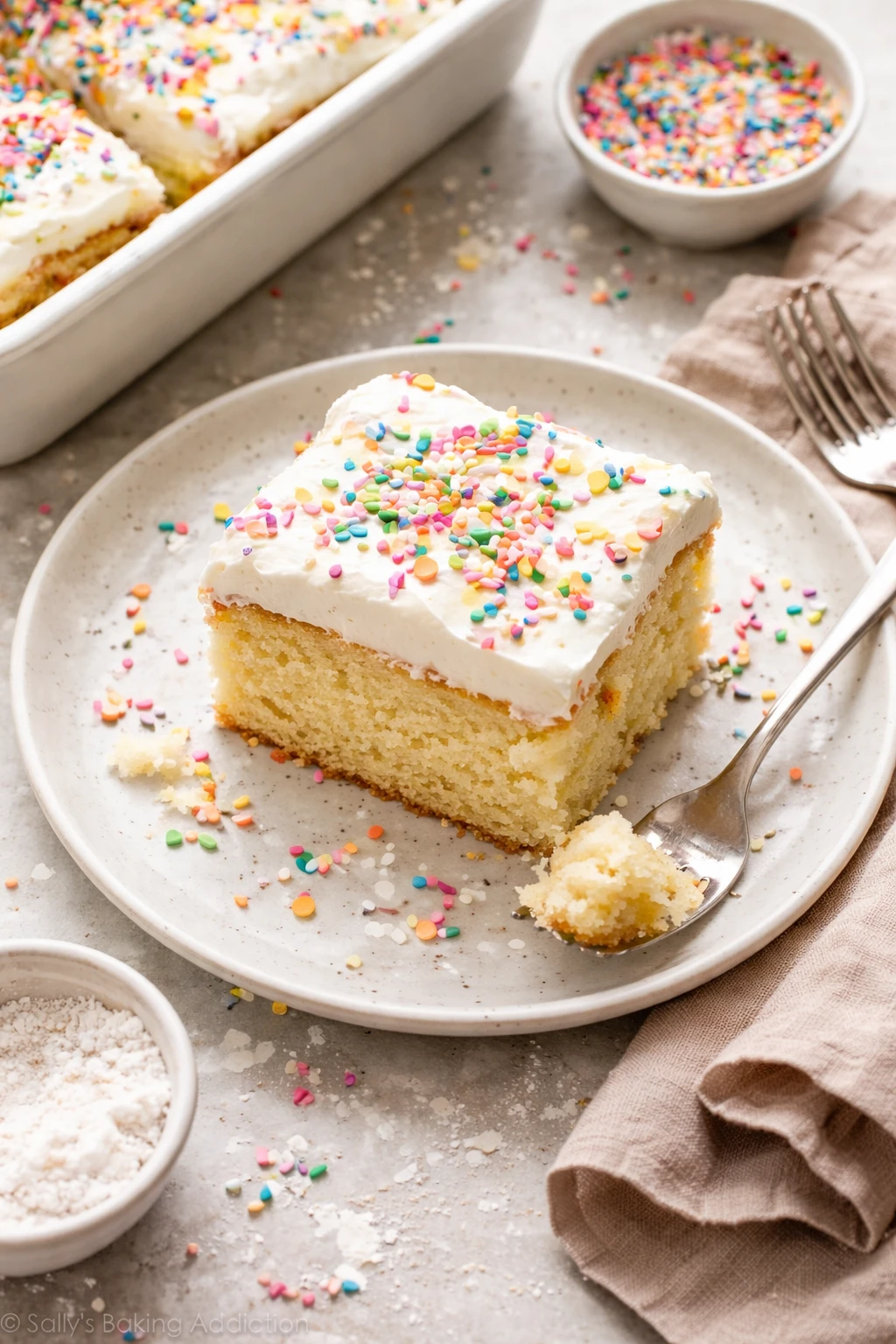
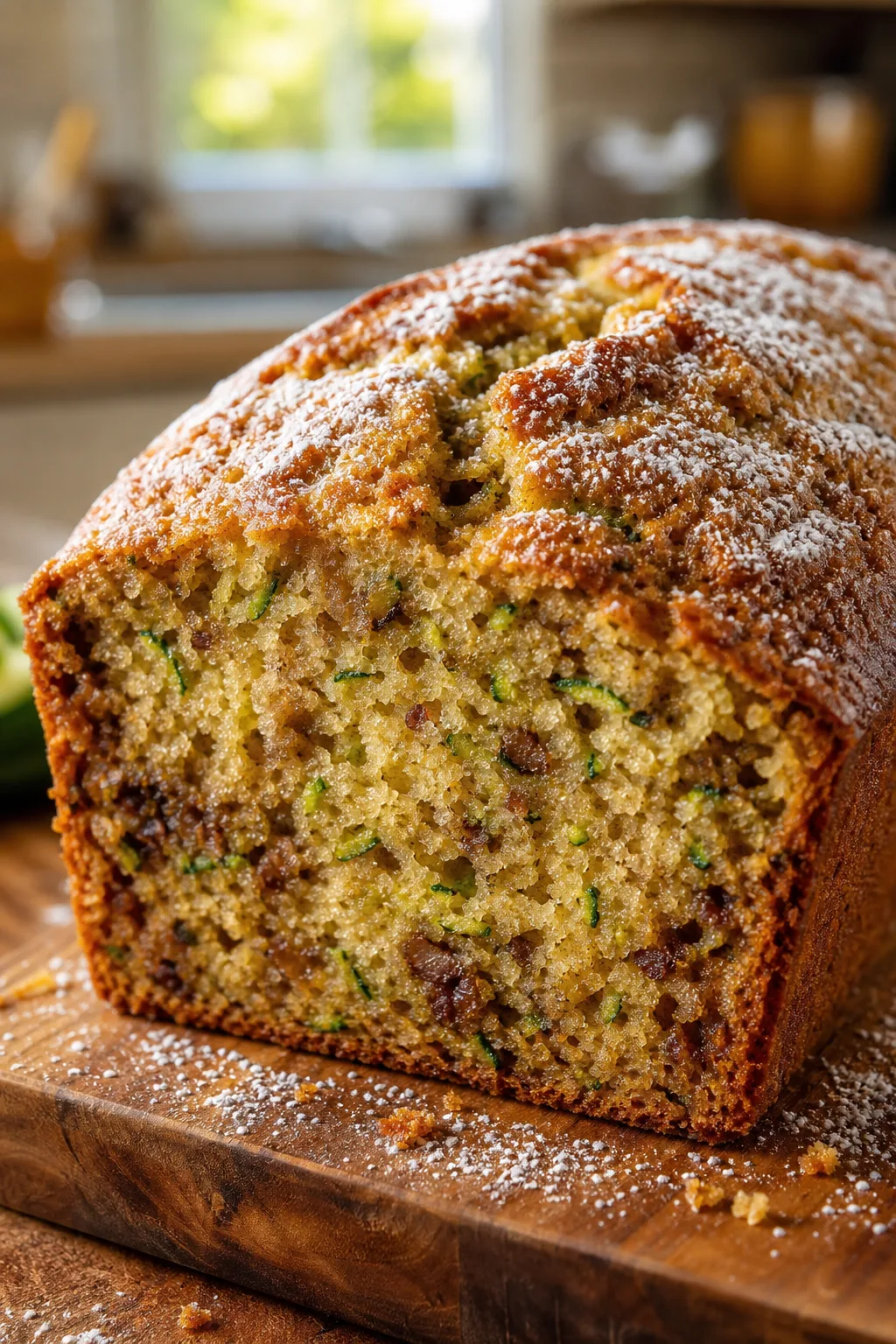
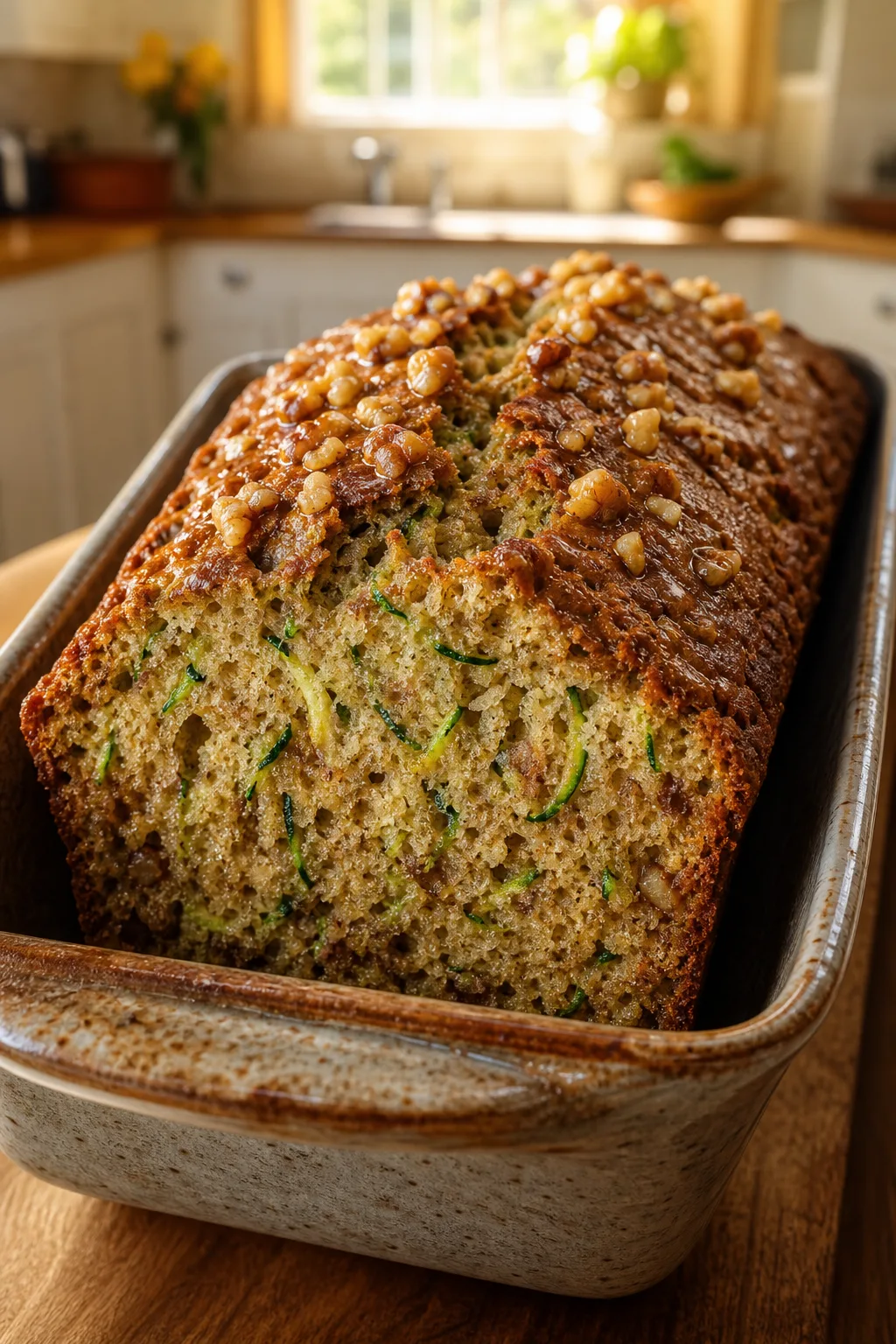
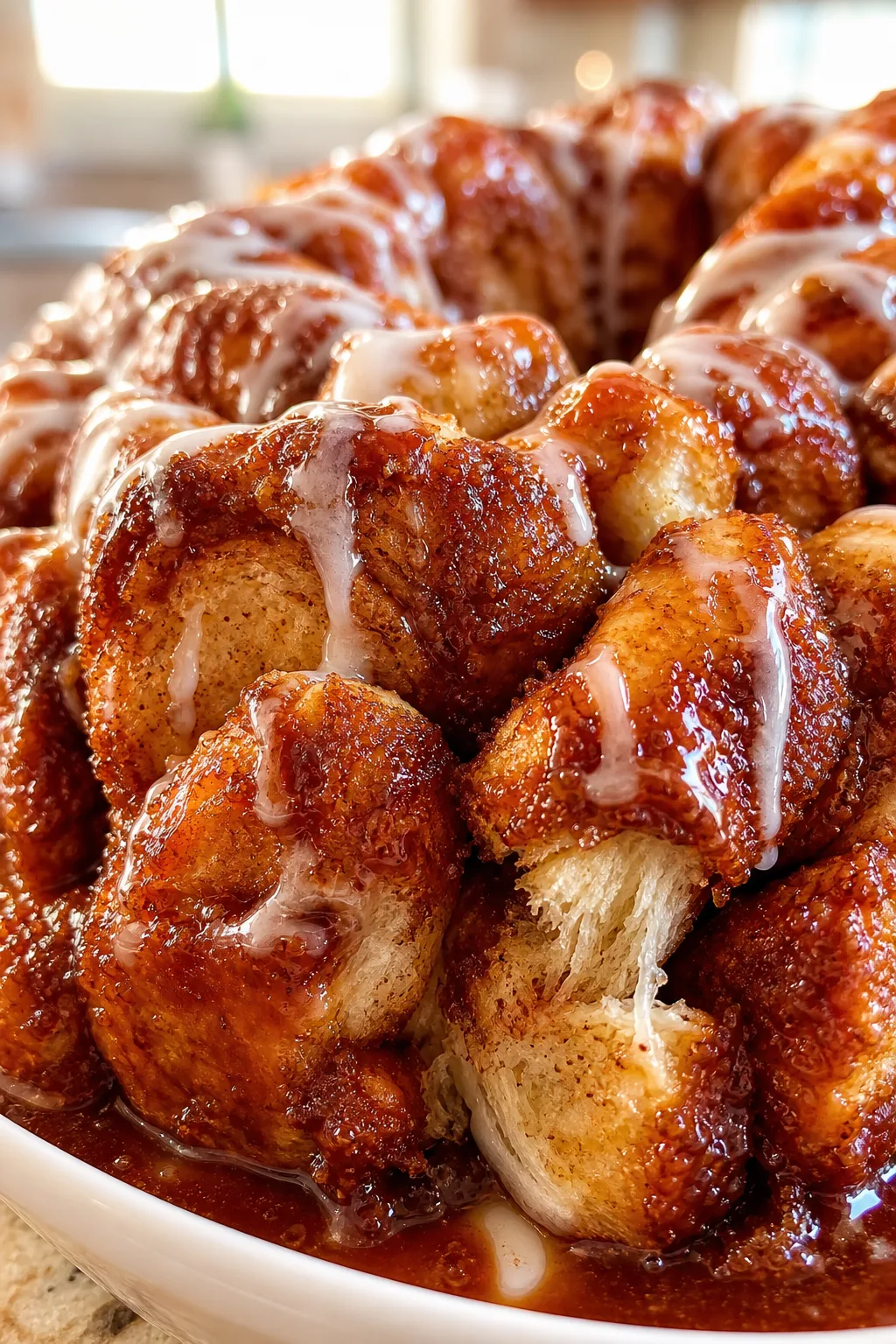
This one bowl vanilla cake is a total lifesaver when you want something moist and delicious without the fuss. Minimal cleanup and simple ingredients make it ideal for quick celebrations or a cozy treat anytime.
Introduction
I remember the first time I made this vanilla cake—it was a total game changer for me. I was looking for a way to bake something delicious without dealing with a mountain of bowls and dishes afterward, and this one bowl cake recipe delivered perfectly. What makes it stand out is not just the ease but how incredibly moist and tender the cake turns out. The trick I learned early on is to mix the dry ingredients all together first and then add the wet ingredients gradually while beating just enough to combine everything smoothly. This keeps the batter light and airy, which translates to that soft crumb we all love. Plus, I always use room temperature eggs and milk to help everything come together nicely. The finished cake is golden, fluffy, and carries a lovely vanilla aroma that fills the kitchen. It’s perfect for birthdays, afternoon tea, or even just a cozy weekend treat. Honestly, it’s become my go-to for when I want something impressive without the hassle. If you’re like me and appreciate simple, tasty baking with minimal cleanup, you’re going to love this recipe.
What You'll Need
One 9-inch round cake, 8 servings
- 2 1/2 cups all-purpose flour, sifted
- 2 1/2 teaspoons baking powder
- 1/2 teaspoon salt
- 1 cup unsalted butter, softened
- 1 3/4 cups granulated sugar
- 4 large eggs, room temperature
- 1 tablespoon pure vanilla extract
- 1 cup whole milk, room temperature
How To Do It
Step 1
Preheat your oven to 350°F (175°C) and grease a 9-inch round cake pan with butter or non-stick spray. This step ensures your cake won’t stick and will come out cleanly after baking. Also, line the bottom with parchment paper for extra insurance against sticking. Proper oven temperature is crucial here to get a nicely risen cake with a golden crust without drying it out.
⏱ Time: 10
✓ Doneness: Pan is evenly greased with no dry spots, parchment paper fits snugly at the bottom
Step 2
In a large bowl, whisk together the sifted flour, baking powder, and salt until evenly combined. Sifting helps aerate the flour and remove lumps, which leads to a lighter cake texture. Mixing these dry ingredients first ensures even distribution of leavening agents so your cake rises uniformly without dense spots.
⏱ Time: 5
✓ Doneness: Dry ingredients appear well blended, no clumps visible
Step 3
Add the softened butter and sugar to the dry ingredients. Using an electric mixer, beat on medium speed until the mixture looks creamy and pale—about 3-4 minutes. This creaming step is what traps air into the batter, contributing to the cake’s light, fluffy crumb. Don’t rush this part; under-creaming can cause a dense cake.
⏱ Time: 4
✓ Doneness: Mixture is pale, smooth, and fluffy
Step 4
Add the eggs one at a time, beating well after each addition. This gradual incorporation helps keep the batter smooth and prevents it from curdling. If you add eggs too quickly, the batter may split, resulting in a less tender crumb.
⏱ Time: 5
✓ Doneness: Batter is smooth and glossy after all eggs are incorporated
Step 5
Pour in the vanilla extract and mix briefly to combine. Vanilla adds warmth and depth to the flavor, making the cake taste richer and more inviting. Be sure to use pure vanilla extract for the best results.
⏱ Time: 1
✓ Doneness: Vanilla evenly mixed with no streaks
Step 6
Alternately add the flour mixture and milk to the batter, starting and ending with the dry ingredients. Mix on low speed just until combined after each addition. Overmixing at this stage develops gluten, which can make the cake tough, so keep it gentle and brief.
⏱ Time: 5
✓ Doneness: Batter is smooth, no visible streaks of flour or milk
Step 7
Pour the batter into the prepared pan and smooth the top with a spatula. This helps the cake bake evenly and rise uniformly. Tap the pan gently on the counter to release any large air bubbles trapped in the batter.
⏱ Time: 3
✓ Doneness: Batter surface is even and free of large bubbles
Step 8
Bake the cake in the center of the oven for 30-35 minutes. Check doneness by inserting a toothpick into the center—if it comes out clean or with a few moist crumbs, it’s done. Avoid opening the oven door too early to prevent the cake from sinking.
⏱ Time: 30
✓ Doneness: Golden top, toothpick inserted comes out clean or with moist crumbs
Step 9
Let the cake cool in the pan for 10 minutes, then run a knife around the edges and invert onto a wire rack to cool completely. Cooling in the pan too long can cause sogginess, but flipping it too soon risks breaking the cake. This step ensures the perfect texture and easy removal.
⏱ Time: 15
✓ Doneness: Cake releases easily from pan and cools evenly on rack
Variations
Lemon One Bowl Cake
Add 2 tablespoons of fresh lemon juice and 1 teaspoon lemon zest to the batter for a fresh, tangy twist. This brightens the flavor and pairs beautifully with a light glaze or whipped cream.
Note: Reduce the milk by 2 tablespoons to compensate for added lemon juice and avoid thinning the batter.
Chocolate Swirl Cake
Stir in 1/3 cup cocoa powder with 1/4 cup milk and swirl it gently into half the batter for a marbled effect. This adds a rich chocolate flavor without overpowering the vanilla base.
Note: Do not overmix the swirl to maintain a pretty pattern and light texture.
Gluten-Free Version
Swap all-purpose flour for a 1:1 gluten-free baking flour blend. The texture will be slightly denser but still moist and delicious, perfect for those avoiding gluten.
Note: Add 1/4 teaspoon xanthan gum if your blend doesn’t contain it, to improve structure.
Buttermilk Vanilla Cake
Replace whole milk with buttermilk for a tangier flavor and extra moist crumb. The acidity tenderizes the gluten and gives a subtle richness to the cake.
Note: Reduce baking powder to 2 teaspoons and add 1/2 teaspoon baking soda to balance acidity.
Vanilla Almond Cake
Add 1/2 teaspoon almond extract along with vanilla and fold in 1/3 cup sliced almonds for a nutty crunch. This adds complexity and a lovely texture contrast.
Note: Toast almonds lightly before folding to enhance flavor and prevent sogginess.
Pro Tips
Always use room temperature ingredients.
Room temperature eggs and milk blend more smoothly into the batter, preventing curdling and helping the cake rise evenly. Cold ingredients can cause the batter to seize and result in a dense, uneven crumb.
Don’t overmix after adding flour.
Overmixing develops gluten, which makes the cake tough and chewy rather than tender. Mix just until dry ingredients are incorporated to keep the crumb soft and light.
Cream butter and sugar thoroughly.
This step traps air into the batter, which is essential for a fluffy texture. Under-creaming can lead to a denser cake, so beat until the mixture is pale and fluffy.
Use fresh baking powder.
Baking powder loses potency over time, which can cause your cake to not rise properly. Always check the expiration date for best results.
Line the bottom of your pan with parchment paper.
Even when greased, cakes sometimes stick to the bottom. Parchment ensures easy release and a clean bottom crust.
Let the cake cool before frosting or slicing.
Cutting or frosting a warm cake can cause it to crumble or melt the frosting. Cooling helps it set and hold its shape better.
Tap the pan gently before baking.
This releases large air bubbles trapped in the batter, preventing holes or tunnels in the cake crumb.
Common Mistakes to Avoid
Using cold ingredients
Why it happens Many people forget to take eggs and milk out ahead of time, or use refrigerated butter, which can cause uneven mixing.
Fix Plan ahead and leave eggs and milk on the counter for at least 30 minutes before baking. Soften butter by letting it sit at room temperature until it’s easily indented but not melted.
Overmixing batter after flour is added
Why it happens It’s tempting to mix thoroughly to avoid lumps, but this develops gluten.
Fix Mix just until you no longer see dry flour. A few small lumps are okay and will bake out, ensuring a tender crumb.
Opening the oven door too early
Why it happens Impatience or curiosity can cause this, but it lets heat escape.
Fix Wait at least 25 minutes before checking doneness. Opening early can cause the cake to sink or bake unevenly.
Not greasing the pan properly
Why it happens Skipping greasing or using insufficient butter can cause sticking.
Fix Grease the pan thoroughly and line the bottom with parchment paper for easiest release.
Using expired baking powder
Why it happens Baking powder loses effectiveness over time, especially if stored improperly.
Fix Test baking powder by adding a teaspoon to hot water—it should bubble vigorously. Replace if it doesn’t.
Nutrition
Per Serving:
Nutritional values are estimates and may vary based on specific ingredients used.
Storage & Tips
Room Temperature
Store the cooled cake covered loosely with a clean kitchen towel or cake dome for up to 2 days. This keeps it moist but avoid leaving it uncovered to prevent drying out.
Refrigerator
Keep the cake in an airtight container or wrapped tightly in plastic wrap for up to 5 days. The texture firms up slightly when chilled; bring it to room temperature before serving for best flavor and softness.
Freezer
Wrap the cooled cake tightly in plastic wrap and then foil. Freeze for up to 3 months. Thaw overnight in the fridge, then bring to room temperature before eating to restore softness.
Reheating
Warm slices gently in a microwave for 10-15 seconds or in a low oven (300°F) wrapped in foil for 10 minutes. Avoid overheating to prevent drying out. A small splash of milk or butter can refresh moisture if needed.
Make Ahead
You can prepare the batter a few hours ahead and keep it refrigerated tightly covered. Bring it to room temperature and give a gentle stir before baking. Alternatively, bake the cake a day ahead and store it wrapped; this actually helps flavors develop.
FAQ
Can I use oil instead of butter in this cake?
Yes, you can substitute an equal amount of neutral oil like vegetable or canola oil for butter. The cake will be moist but lose some richness and flavor that butter provides. Also, the texture might be slightly different, more tender but less fluffy.
What if I don’t have an electric mixer?
You can definitely mix by hand using a sturdy whisk or wooden spoon, but it will take more time and effort, especially for creaming the butter and sugar. Make sure your butter is very soft to make this easier. Mixing thoroughly is key to a light cake.
How do I know when the cake is done?
Insert a toothpick or thin skewer into the center of the cake. If it comes out clean or with a few moist crumbs, the cake is done. Avoid waiting until it’s completely dry, as that can indicate overbaking and dryness.
Can I make this cake dairy-free?
Yes, substitute the butter with a dairy-free margarine or coconut oil and use a plant-based milk like almond or oat milk. The texture may vary slightly, but it will still be delicious.
Why does my cake sometimes sink in the middle?
Common causes include opening the oven door too early, overmixing the batter, or using expired baking powder. Make sure to follow mixing and baking times carefully and check your leavening agents.
Can I double this recipe?
Absolutely! Just double all ingredients and bake in a larger pan or two pans. Baking time may vary, so start checking doneness a bit earlier and adjust as needed.
What frosting pairs well with this cake?
Classic buttercream, cream cheese frosting, or a simple vanilla glaze all work beautifully. For a lighter option, whipped cream with fresh berries is lovely too.
Is it okay to use cake flour instead of all-purpose?
Yes, cake flour will produce an even lighter, softer crumb because it has less protein. Use slightly more cake flour (about 2 tablespoons extra per cup) or sift well to compensate for its lower density.
Final Thoughts
I hope you give this one bowl vanilla cake a try — it’s truly one of my favorite simple recipes that never disappoints. Let me know how it turns out for you!