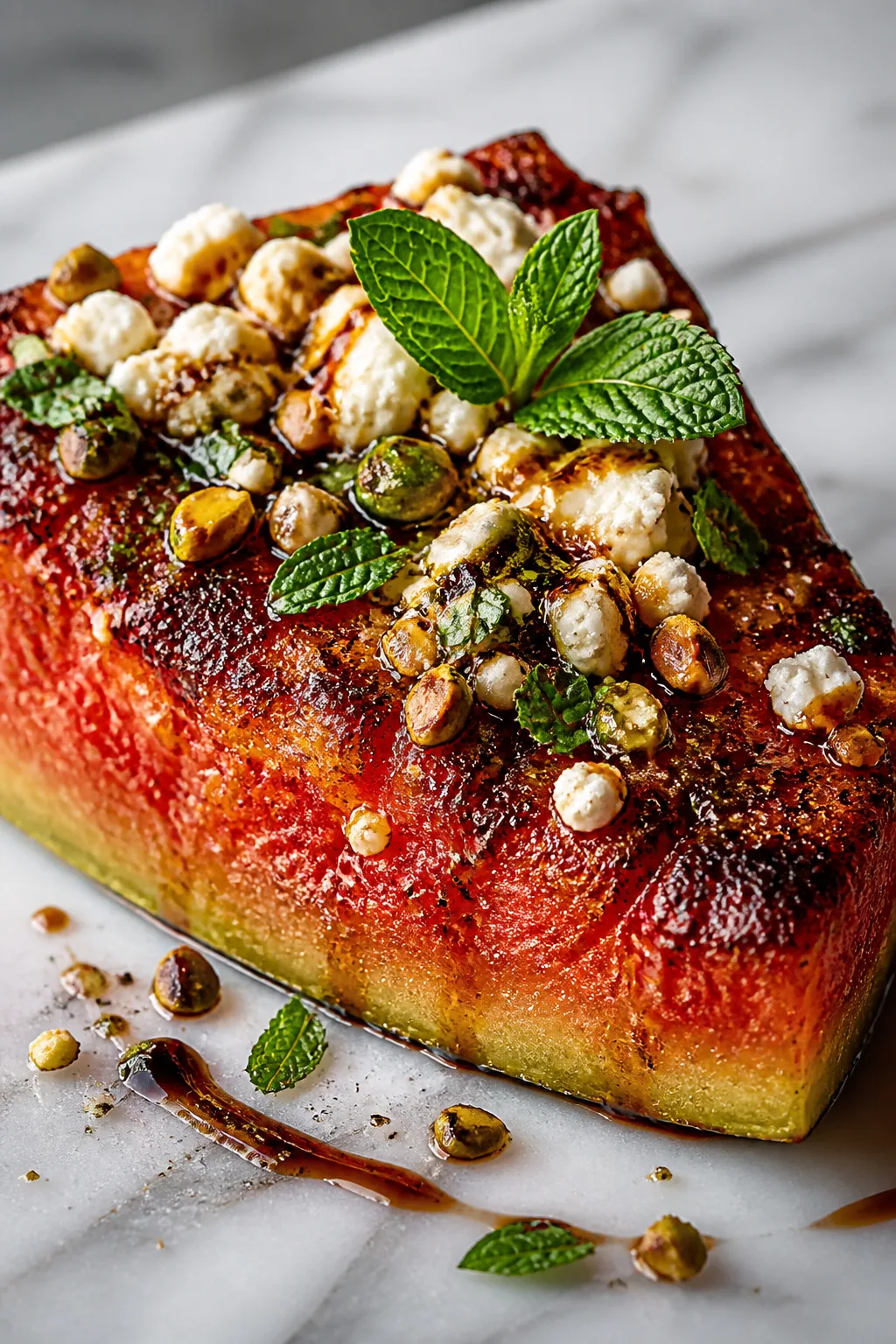
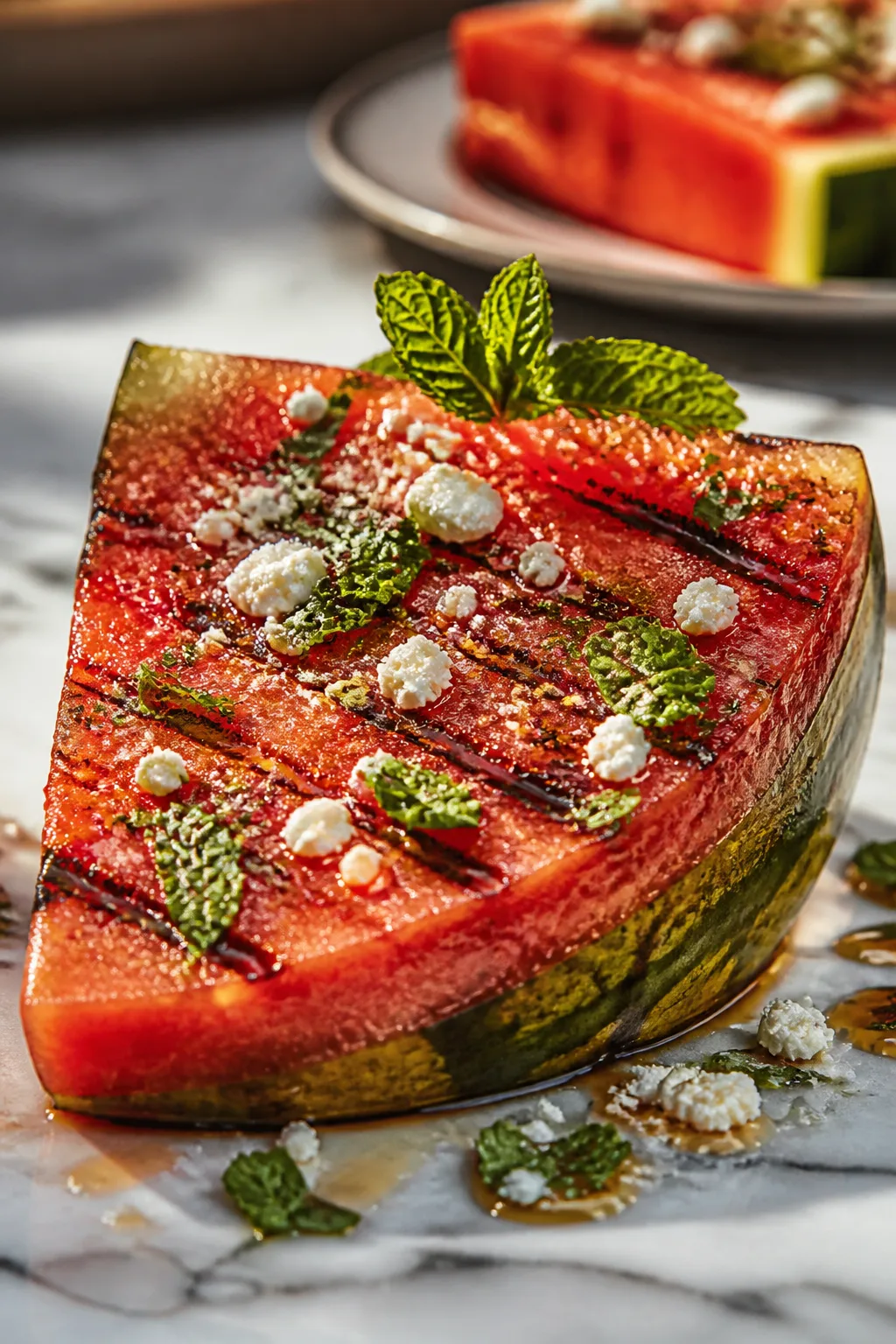
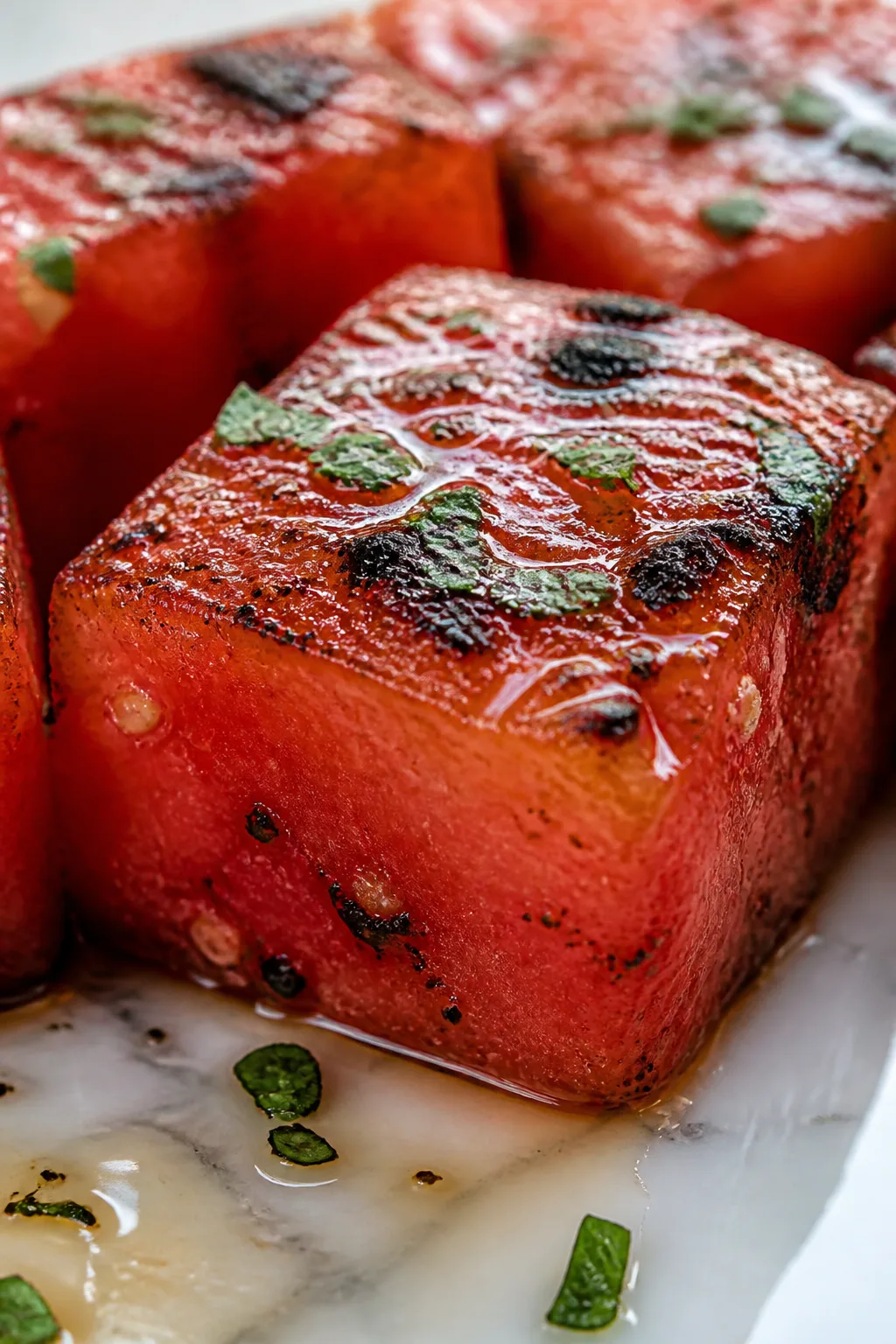
This oven-baked watermelon takes the juicy summer fruit to a whole new level with a hint of caramelized sweetness. It’s a simple twist that makes it perfect for casual dinners or a unique dessert to impress friends.
Introduction
I never imagined baking watermelon would be such a game-changer until I tried it last summer. Usually, I eat watermelon cold and fresh, but roasting it in the oven brings out a caramelized sweetness that’s surprisingly addictive. The first time I made this, I was skeptical, but the juicy, slightly charred edges totally won me over. What makes this version special is the drizzle of honey and a squeeze of lime that balance the natural sugars with a hint of tang, plus roasting at a moderate temperature lets the watermelon soften without losing its shape. It’s a refreshing, unexpected dessert or side that works great for summer dinners or cookouts when you want something light but interesting. The finished dish looks vibrant with those golden edges and tastes like a sweet summer treat with a twist. I love serving it with fresh mint to add a cool, herbal note. If you’re looking to shake up your fruit game, this is definitely worth a try!
How To Do It
Step 1
Preheat your oven to 375°F (190°C). While it heats, prepare the watermelon by cutting it into thick wedges about 1 inch thick. This thickness helps the watermelon hold its shape during roasting and prevents it from turning mushy. Arrange the wedges on a baking sheet lined with parchment paper or a silicone mat to prevent sticking. This step is crucial because too thin slices will dry out and too thick may not caramelize evenly. Keep the watermelon pieces spaced out so the heat circulates well and they roast uniformly.
⏱ Time: 10 minutes
✓ Doneness: Wedges should look dry on the surface but still firm and not soggy.
Step 2
In a small bowl, mix the honey (or maple syrup), olive oil, lime juice, and a pinch of sea salt. This glaze adds sweetness, a slight tang, and enhances the caramelization process. Brush this mixture evenly over each watermelon wedge. Don’t rush this step because the glaze helps the watermelon develop that beautiful caramelized crust and balances the flavor. If you skip the glaze, the watermelon won’t get as flavorful or as nicely browned.
⏱ Time: 5 minutes
✓ Doneness: The watermelon wedges are evenly coated and glistening with the glaze.
Step 3
Place the baking sheet in the oven and roast the watermelon for about 25 to 30 minutes. Halfway through, flip the wedges carefully to ensure even caramelization on both sides. Keep an eye on the edges; you want them to turn golden brown but not burn. Roasting at 375°F is perfect to soften the watermelon just enough while concentrating its sugars. Rushing by increasing the temperature will risk drying it out or burning.
⏱ Time: 30 minutes
✓ Doneness: Wedges are golden and caramelized around the edges, and the flesh looks slightly translucent and juicy.
Step 4
Once out of the oven, let the watermelon cool for a few minutes on the tray. This resting time allows the juices to redistribute inside the wedges, keeping them juicy but firm. If you serve it piping hot, the texture might be too soft and the caramelization less noticeable. Cooling also helps the flavors settle and intensify.
⏱ Time: 5 minutes
✓ Doneness: Wedges feel firm but tender to the touch and are no longer steaming.
Step 5
Transfer the roasted watermelon to a serving plate and garnish with fresh mint leaves if you like. The mint adds a refreshing contrast to the sweet, warm fruit. You can also sprinkle a little extra sea salt or a squeeze of lime juice for brightness. This final touch elevates the dish and makes it perfect for serving as a light dessert or a side at summer meals.
⏱ Time: 2 minutes
✓ Doneness: Plate looks vibrant and inviting with the fresh herb garnish.
Step 6
If you want to add a little extra flair, try sprinkling some chili flakes or cracked black pepper over the watermelon before serving. The subtle heat pairs surprisingly well with the sweetness and adds complexity. Be cautious not to overpower it; a light sprinkle is enough to excite the palate.
⏱ Time: 1 minute
✓ Doneness: Light dusting of spices visible without overwhelming the fruit.
Step 7
For a creamy contrast, serve the baked watermelon with a dollop of Greek yogurt or whipped cream. The cool creaminess balances the warm, sweet fruit perfectly. This is especially nice if you’re serving it as a dessert after a spicy meal. The yogurt also adds a slight tang that complements the lime in the glaze.
⏱ Time: 2 minutes
✓ Doneness: Cream is fresh and smooth without melting immediately.
Step 8
Experiment with different citrus options like orange or lemon juice instead of lime in the glaze for a slightly different flavor profile. Each citrus will bring its own brightness and acidity, changing the character of the dish subtly. This customization makes it easy to tailor to your taste or what you have on hand.
⏱ Time: No extra time, just substitution
✓ Doneness: Glaze has a fresh citrus aroma matching the chosen fruit.
Step 9
Serve the baked watermelon warm or at room temperature for the best texture and flavor. If you refrigerate it, the texture may become a bit mushy and the caramelization less pronounced. So plan to enjoy it soon after roasting or bring it to room temp before serving.
⏱ Time: Immediate serving recommended
✓ Doneness: Watermelon tastes juicy and sweet with warm caramel notes.
Variations
Spicy Chili Roasted Watermelon
Add a sprinkle of chili powder or cayenne pepper to the glaze for a spicy kick. The heat contrasts beautifully with the sweet caramelized watermelon, making it perfect for adventurous palates. This variation pairs well with savory grilled meats or as a bold dessert.
Note: Adjust chili quantity carefully to avoid overpowering the delicate fruit flavor. Apply chili after glazing to prevent burning.
Citrus Medley Glaze
Swap lime juice with a mix of orange and lemon juices for a bright, zesty glaze. The combination adds complexity and a refreshing twist that complements the roasted watermelon’s sweetness.
Note: Use equal parts orange and lemon juice, and reduce honey slightly to balance the acidity.
Herb-Infused Olive Oil Glaze
Infuse the olive oil with fresh rosemary or thyme before mixing it with honey and lime juice. This herbal note adds depth and an earthy aroma that elevates the dish from simple to sophisticated.
Note: Warm olive oil gently with herbs for 10 minutes, then strain before mixing into glaze.
Roasted Watermelon with Feta Cheese
Top the warm roasted watermelon with crumbled feta and a drizzle of balsamic glaze. The salty, tangy feta contrasts with the sweet fruit, creating a delightful sweet-savory combination perfect for appetizers or light meals.
Note: Add feta just before serving to maintain texture and freshness.
Grilled Watermelon Variation
Instead of oven roasting, grill the watermelon wedges over medium heat for 3-4 minutes per side. This adds smoky char marks and a slightly different flavor profile while keeping the juicy texture intact.
Note: Brush with glaze before grilling and watch closely to prevent burning.
Pro Tips
Use thick watermelon wedges about 1 inch thick to prevent mushiness.
Thicker wedges maintain structure and juiciness during roasting. Thin slices tend to dry out or become soggy because they release too much water. The thickness allows the heat to caramelize the surface without compromising the tender, juicy interior.
Brush the glaze evenly and generously on each wedge before roasting.
The honey-lime glaze promotes caramelization and balances sweetness with acidity. Uneven application can cause some parts to burn or remain bland. The glaze also helps create a shiny, appetizing crust that makes the dish visually appealing.
Flip the watermelon wedges halfway through roasting for even browning.
Roasting both sides ensures consistent caramelization and flavor development. If you skip flipping, one side may burn while the other stays pale, resulting in uneven texture and taste.
Let the roasted watermelon rest for a few minutes before serving.
Resting allows the juices to redistribute inside the wedges, so they stay juicy and firm rather than watery. Serving immediately while hot can cause the texture to feel mushy and the caramel notes to be less pronounced.
Garnish with fresh mint leaves for a refreshing contrast.
Mint adds a cool herbal note that complements the warm sweetness and caramel flavors perfectly. It also brightens the overall dish visually and flavor-wise, making it more vibrant and balanced.
Experiment with citrus variations like orange or lemon juice in the glaze.
Different citrus juices bring unique brightness and acidity levels, allowing you to customize the flavor profile. This keeps the recipe fresh and adaptable to your taste preferences or seasonal fruit availability.
Serve the watermelon warm or at room temperature for best texture.
Chilling roasted watermelon can cause it to become mushy and dull the caramelized flavor. Room temperature or slightly warm retains the perfect balance of juiciness, sweetness, and texture.
Common Mistakes to Avoid
Using thin watermelon slices that fall apart when roasted.
Why it happens Many people think thinner slices will roast faster, but watermelon’s high water content means thin slices lose too much moisture and become mushy or dry.
Fix Cut thick wedges about 1 inch thick to hold shape and juiciness. This thickness allows caramelization without drying out or collapsing.
Skipping the glaze or applying it unevenly.
Why it happens Some may assume watermelon is sweet enough alone or rush through glazing, but the glaze is essential for caramelization and balanced flavor.
Fix Take time to evenly brush honey, oil, and lime mixture on all wedges before roasting for best flavor and color.
Roasting at too high a temperature causing burning.
Why it happens Impatience or following grilling instincts can lead to cranking up the oven, but watermelon needs gentle heat to caramelize without burning.
Fix Roast at 375°F and monitor carefully. Flip halfway to ensure even cooking without scorching.
Serving immediately while hot without resting.
Why it happens Eager to eat, some serve right away, but hot roasted watermelon can be mushy and less flavorful.
Fix Let the wedges rest for 5 minutes after roasting to let juices redistribute and flavor settle.
Refrigerating leftovers without reheating.
Why it happens People store leftovers but serve cold, which dulls texture and flavor since caramelization is less noticeable chilled.
Fix Reheat gently or bring to room temperature before serving to restore juiciness and aroma.
Nutrition
Per Serving:
Nutritional values are estimates based on typical ingredient amounts and may vary.
Storage & Tips
Room Temperature
The baked watermelon can be kept at room temperature for up to 2 hours if covered loosely with foil or a clean cloth to prevent drying. Beyond this, bacterial growth may increase, so it’s best to refrigerate leftovers promptly.
Refrigerator
Store leftovers in an airtight container in the fridge for up to 2 days. The watermelon texture softens and the caramelization is less pronounced when cold. To enjoy, bring to room temperature or warm gently in the oven for a few minutes.
Freezer
Freezing is not recommended as watermelon’s high water content causes it to become mushy and lose texture upon thawing. If necessary, freeze in airtight containers for up to 1 month and thaw slowly in the fridge.
Reheating
Reheat gently in a preheated oven at 325°F (160°C) for about 5-7 minutes or until warmed through. Avoid microwaving as it can make the texture rubbery. Adding a tiny splash of lime juice before warming can refresh the flavor.
Make Ahead
You can prepare the glaze and cut the watermelon wedges 1 day ahead, storing them separately. On serving day, brush the glaze and roast as directed. This short prep saves time and keeps the fruit fresh.
FAQ
Can I use regular watermelon with seeds for this recipe?
Yes, you can use seeded watermelon, but it’s best to remove as many seeds as possible before roasting to avoid unpleasant bites. Seedless watermelon is easier and more convenient, but seeded varieties work fine if properly prepared.
What if I don’t have honey? Can I use sugar instead?
You can substitute honey with maple syrup or agave nectar for a similar effect. Granulated sugar won’t caramelize the same way and may not coat the watermelon evenly. Liquid sweeteners help create that sticky, caramelized crust.
How do I prevent the watermelon from becoming too mushy after roasting?
Using thick wedges about 1 inch thick and roasting at a moderate temperature helps maintain firmness. Also, avoid overcooking by flipping halfway and checking for caramelization. Resting after roasting allows juices to settle, keeping texture intact.
Can I prepare this recipe on a grill instead of an oven?
Absolutely! Grilling watermelon adds a smoky flavor and char marks. Brush the glaze on and grill over medium heat for 3-4 minutes per side. Watch closely to avoid burning since grills can get hotter than ovens.
Is it better to serve this watermelon warm or cold?
Serving warm or at room temperature is best to enjoy the juicy texture and caramelized flavor fully. Cold watermelon loses the caramelization effect and can become mushy, dulling the overall taste.
Can I add other fruits to roast alongside the watermelon?
You can try roasting firmer fruits like pineapple or peaches together, but be mindful of different cooking times. Softer fruits might become too mushy if roasted as long as watermelon. Add them later or roast separately for best results.
What’s the best way to store leftovers?
Store leftovers in an airtight container in the fridge for up to 2 days. To enjoy later, bring to room temperature or warm gently in the oven. Avoid freezing as it negatively affects texture.
Can I make this recipe vegan?
Yes, simply use maple syrup or agave nectar instead of honey to keep it vegan-friendly. The rest of the ingredients are plant-based, so it’s a naturally vegan dessert.
Final Thoughts
Give this oven-baked watermelon a try and surprise yourself with how delicious and juicy it turns out! I’d love to hear how it goes and what variations you try.