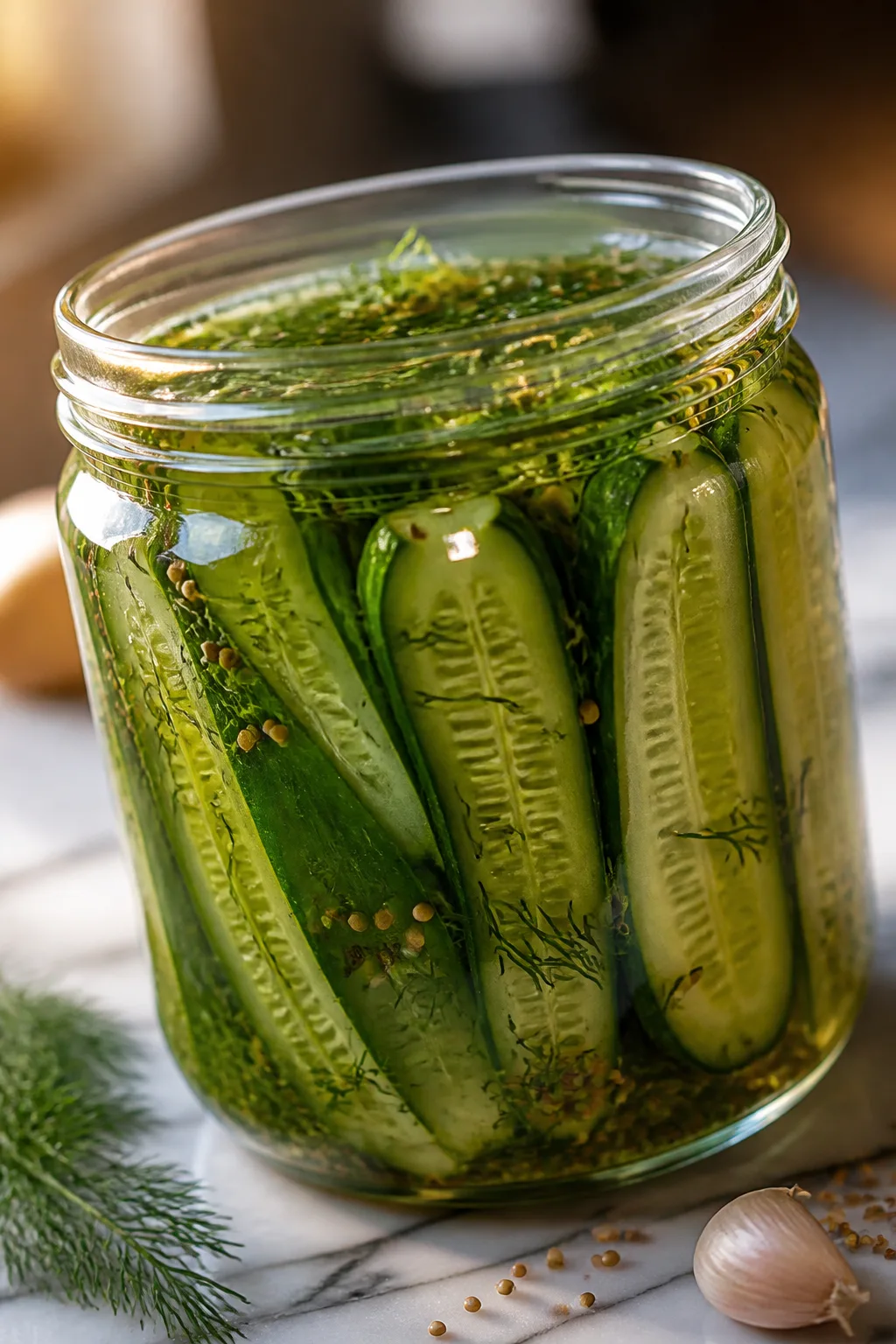
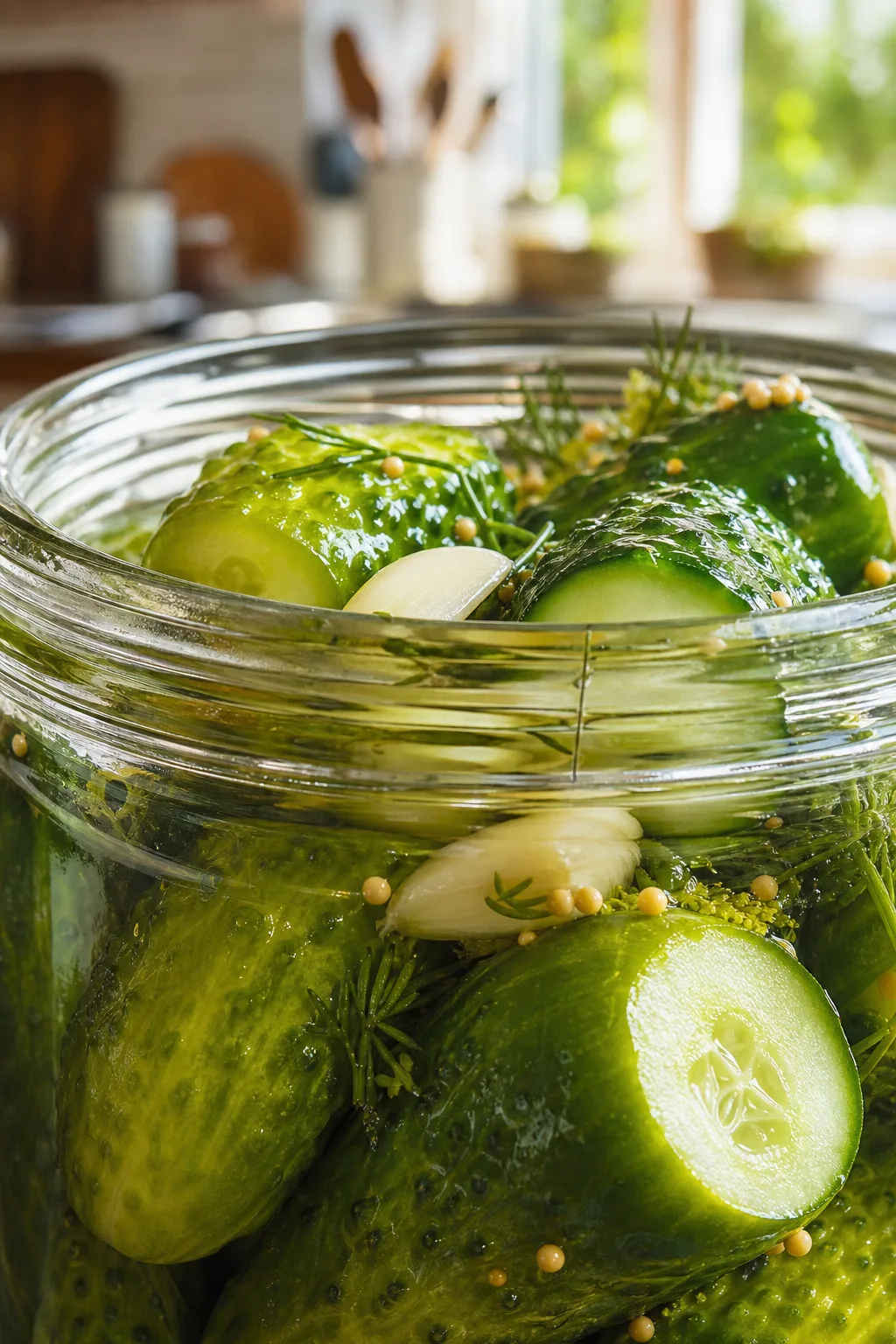
These refrigerator dill pickles are my go-to for a quick tangy crunch. Fresh dill and garlic give them that perfect zing, and no canning fuss means you can enjoy them in just a few days. Great for snacking or jazzing up sandwiches!
Introduction
I stumbled upon this refrigerator dill pickle recipe a few summers ago when I wanted homemade pickles but didn’t have the time or equipment for traditional canning. Honestly, the first batch was a bit bland, but tweaking the salt and vinegar ratio and adding fresh garlic made all the difference. What I love about this recipe is how it captures that classic dill pickle flavor with zero fuss and minimal wait — just a few days in the fridge and you’re good to go. The fresh dill and garlic give it a bright, punchy taste that’s perfect for snacking or adding a tangy crunch to sandwiches and burgers. Plus, since these pickles aren’t cooked or canned, they keep that satisfying crispness that sometimes gets lost in other methods. I usually slice my cucumbers into spears, but rounds work just as well depending on your preference. If you’re like me, you’ll appreciate how straightforward this is — no boiling jars or waiting for weeks. Just mix, pack, and chill. The result is a vibrant, crunchy pickle that feels homemade and fresh every time.
What You'll Need
Approximately 6 cups, 6 servings
- 4 cups water, cold
- 2 cups white vinegar (5% acidity)
- 3 tablespoons kosher salt
- 4 cloves garlic, peeled and smashed
- 2 tablespoons dill seeds or 4 fresh dill sprigs
- 1 teaspoon black peppercorns
- 1 teaspoon mustard seeds
- 5-6 medium cucumbers, sliced into spears or rounds
How To Do It
Step 1
Start by preparing your brine. In a large bowl or measuring cup, combine the cold water, white vinegar, and kosher salt. Stir until the salt dissolves completely. This brine is crucial because the vinegar and salt balance preserves the cucumbers and gives that classic tangy pickle flavor. Using cold water helps keep the cucumbers crisp. Avoid skipping the salt or using iodized table salt, as it can cloud the brine and affect flavor.
⏱ Time: 5 minutes
✓ Doneness: Salt fully dissolved and brine is clear, not cloudy
Step 2
Prepare your cucumbers by washing them thoroughly. Slice them into spears or rounds based on your preference. Packing the cucumbers tightly into a clean quart-sized jar or container is key — this helps keep them submerged in the brine and ensures even pickling. Don’t overcrowd the jar; leave some space for the brine to circulate. If cucumbers float, the top ones might not pickle properly, so pressing them down or using a smaller jar can help.
⏱ Time: 10 minutes
✓ Doneness: Jars filled tightly but not crushed, cucumbers fully submerged when brine is added
Step 3
Add the flavoring ingredients to the jar: smashed garlic cloves, dill seeds or fresh dill sprigs, black peppercorns, and mustard seeds. These aromatics infuse the pickles with that signature dill pickle flavor. Using fresh dill will give a brighter, fresher taste, while dill seeds provide a deeper, earthier note. Don’t skimp on the garlic — it adds a punch that balances the acidity beautifully.
⏱ Time: 5 minutes
✓ Doneness: Aromatics evenly distributed throughout the jar
Step 4
Pour the prepared brine over the cucumbers and spices in the jar, making sure everything is fully submerged. Leaving cucumbers exposed to air can cause spoilage or uneven pickling. Use a clean weight or small jar lid to keep cucumbers submerged if needed. Seal the jar with a lid, but don’t tighten it too much as gases can build up during fermentation.
⏱ Time: 5 minutes
✓ Doneness: All cucumbers fully covered by brine, no air pockets visible
Step 5
Place the jar in the refrigerator. The cold temperature slows down fermentation and pickling, which means the flavors develop gradually but the cucumbers stay crunchy. This recipe skips hot water bath canning, making it quick and safe to prepare. Let the pickles rest for at least 3 days before tasting. The longer they sit, the tangier and more complex the flavor becomes — up to 2 weeks is great for maximum punch.
⏱ Time: 3-14 days
✓ Doneness: Pickles turn a slightly translucent green with a tangy aroma
Step 6
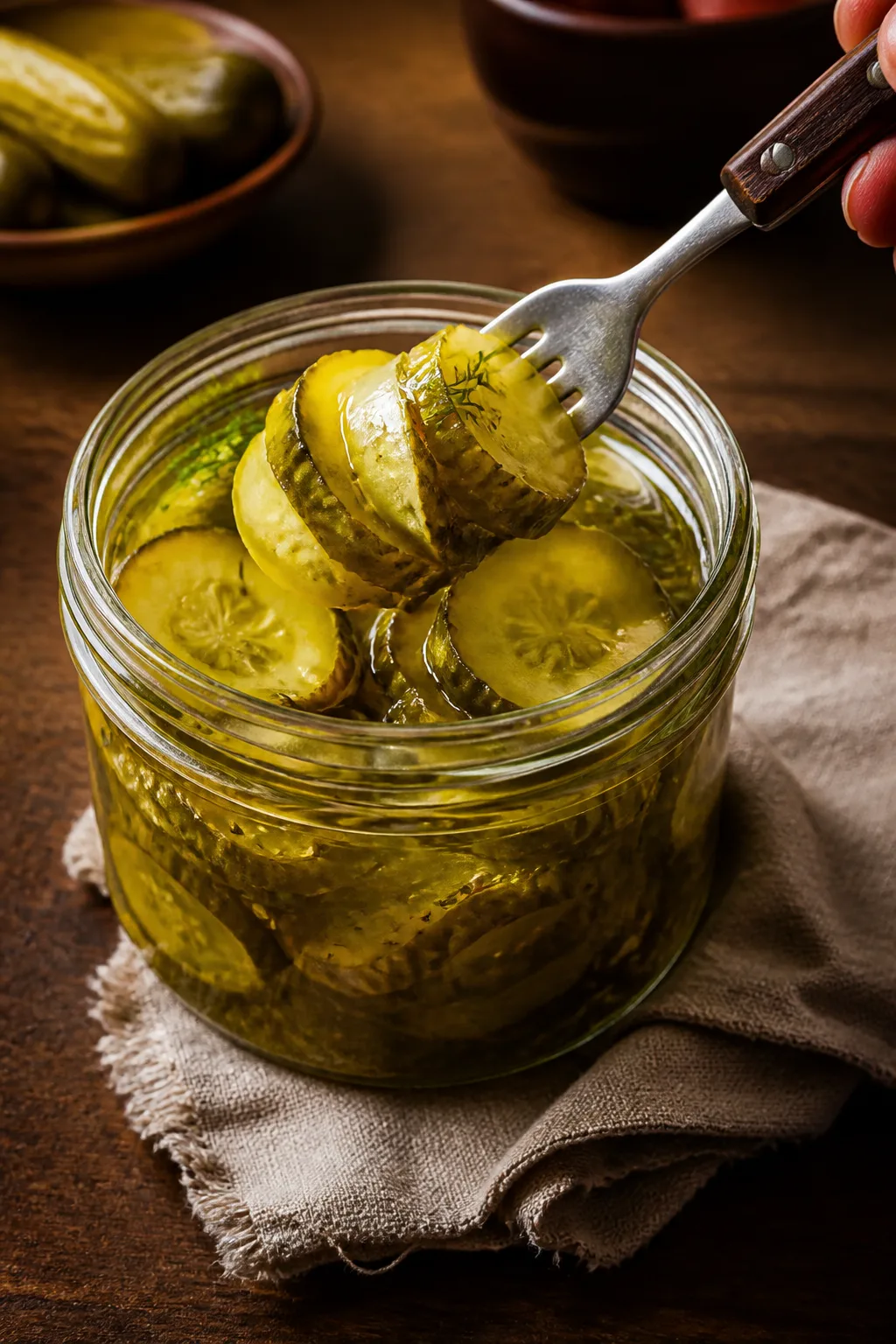
After 3 days, taste your pickles. If they’re not tangy enough, leave them longer. Once they reach your preferred flavor, store them in the fridge and enjoy. Always use a clean fork or utensil when removing pickles to avoid contamination. These pickles keep well refrigerated for up to a month, maintaining their crunch and flavor.
⏱ Time: 1 minute tasting, ongoing storage
✓ Doneness: Desired tangy flavor and crisp texture
Step 7
For best results, use fresh, firm cucumbers — pickling cucumbers or small Kirby cucumbers are ideal. Soft or overripe cucumbers won’t yield the same crunch, and watery cucumbers may dilute the brine. Also, avoid waxed cucumbers as the coating prevents proper pickling. Preparing the cucumbers promptly after purchase preserves freshness and texture.
⏱ Time: 2 minutes prep
✓ Doneness: Firm, fresh cucumbers ready for slicing
Step 8
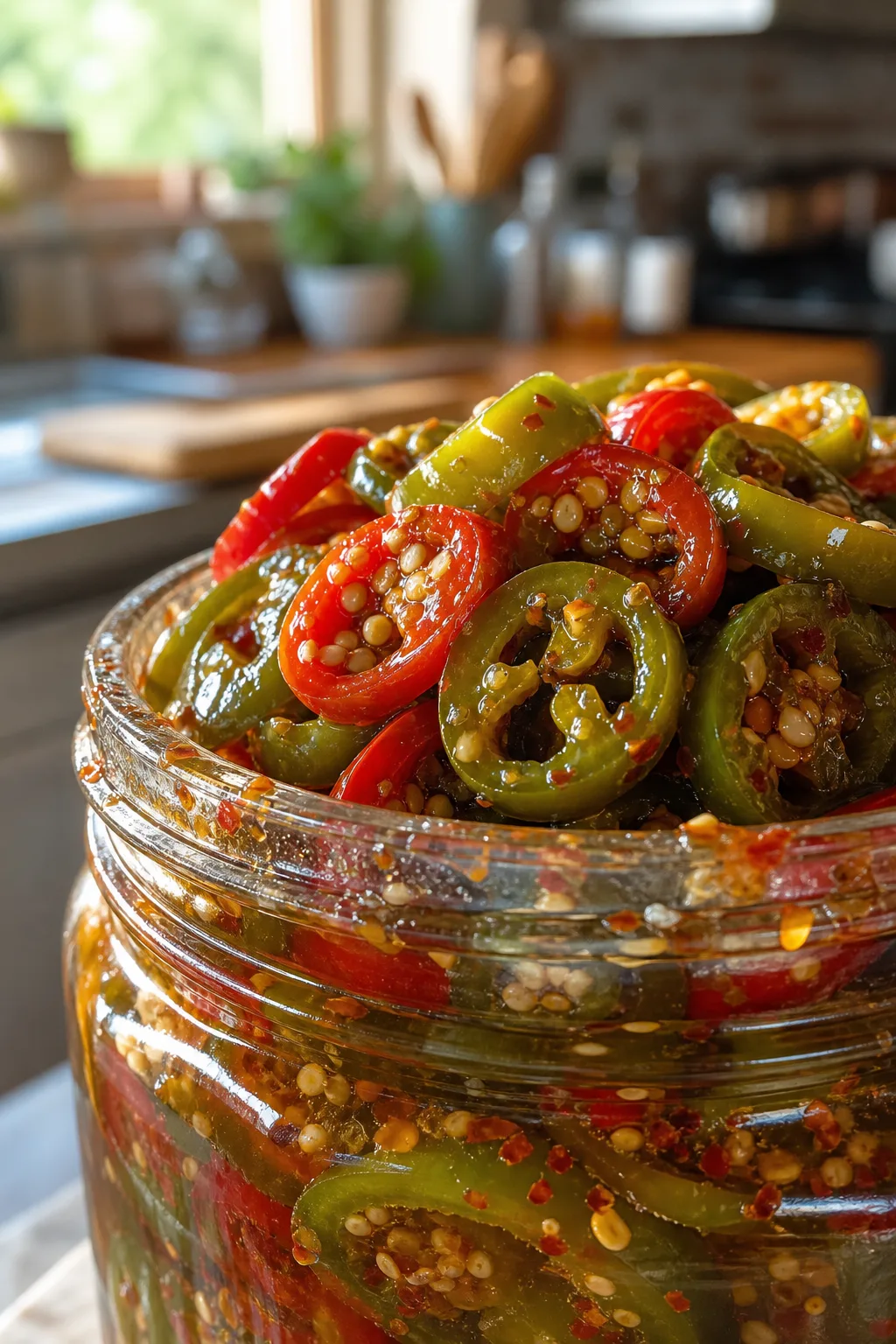
If you want a bit of heat, try adding a small dried chili or a pinch of red pepper flakes to the jar before sealing. This little twist adds a subtle spicy kick without overpowering the classic dill flavor. It’s a nice option if you’re serving these pickles with burgers or sandwiches that could use a flavor boost.
⏱ Time: 1 minute
✓ Doneness: Chili flakes evenly distributed, no clumping
Step 9
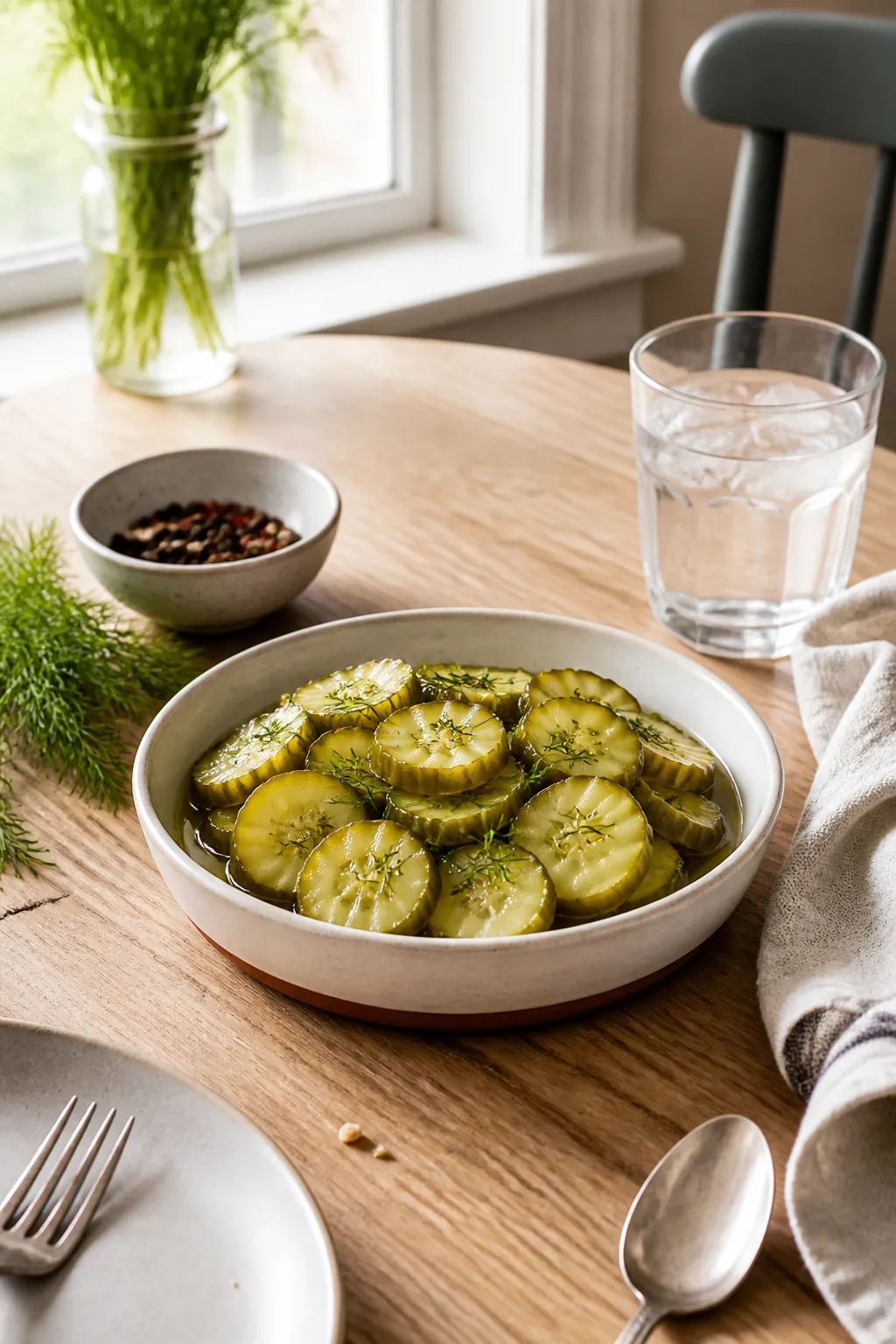
Before serving, drain a few pickles to remove excess brine and pat dry if desired. This helps when adding to sandwiches or salads so they don’t make everything soggy. These pickles are excellent on their own, chopped into potato salad, or alongside grilled meats. Their bright, tangy crunch really elevates simple dishes.
⏱ Time: 2 minutes
✓ Doneness: Pickles slightly dry on surface but juicy inside
Variations
Spicy Dill Pickles
Add a small dried chili pepper or a pinch of red pepper flakes to the jar for a subtle spicy kick that complements the tangy dill flavor. These are great for sandwich lovers who want a little heat.
Note: Adding chili flakes doesn’t change pickling time but can intensify flavor over time, so taste periodically to avoid overpowering heat.
Garlic and Herb Mix
Include fresh herbs like thyme or rosemary along with the dill and garlic for a more complex herbal flavor profile. This variation adds a fresh garden twist to your pickles.
Note: Fresh herbs release oils gradually; add them at the start to infuse fully. Remove herbs after pickling if desired to avoid bitterness.
Bread and Butter Style
Add a tablespoon of sugar and a few slices of onion to the brine for a sweeter, tangier pickle reminiscent of bread and butter pickles. This is a nice change if you want milder acidity.
Note: Sugar slows fermentation slightly; expect a slightly longer pickling time to reach full flavor.
Whole Pickles
Use small, whole cucumbers instead of sliced spears or rounds for a traditional whole pickle experience. They take a bit longer to pickle but stay extra crunchy.
Note: Whole cucumbers require more brine volume and longer pickling time, usually 7-10 days, to fully penetrate.
Quick Pickled Cucumber Slices
Slice cucumbers very thin and use a higher vinegar ratio for pickles ready in 24-48 hours. These are perfect for salads or quick sandwiches.
Note: Thin slices pickle faster but can become soft quickly; eat within a few days for best texture.
Pro Tips
Use cold water for the brine to keep cucumbers crisp.
Cold water slows down enzymatic activity and helps maintain cucumber firmness. Hot water can start softening the cucumbers prematurely, resulting in less crunchy pickles.
Don’t overcrowd the jar; leave space for brine circulation.
Packing cucumbers too tightly can trap air pockets, leading to uneven pickling and possible spoilage. Proper brine circulation ensures all pieces pickle evenly and stay submerged.
Smash garlic cloves before adding to release more flavor.
Smashed garlic breaks cell walls, releasing essential oils and allicin which infuse the brine more effectively, giving pickles a richer garlic aroma and taste.
Keep cucumbers fully submerged using a weight if necessary.
Exposure to air causes spoilage and softening. Using a weight ensures even pickling and prevents mold or off-flavors from developing on exposed cucumbers.
Use kosher salt or pickling salt, not iodized table salt.
Additives in table salt can cloud the brine and impart off-flavors. Kosher salt dissolves cleanly and supports a clear, crisp pickle brine.
Refrigerate pickles immediately after assembling.
The cold temperature slows fermentation and prevents over-softening, preserving the cucumbers’ crunch and extending shelf life.
Taste pickles after 3 days and adjust timing for preferred tanginess.
Flavor develops over time; tasting early allows you to catch the perfect balance of tang and crunch before pickles become too sour.
Common Mistakes to Avoid
Using cucumbers that are too large or old.
Why it happens People often use whatever cucumbers they have on hand without considering texture. Large or old cucumbers tend to be watery and soft, leading to soggy pickles.
Fix Choose small, firm pickling cucumbers or Kirby cucumbers for best texture. If unavailable, slice larger cucumbers thinly and pickle for a shorter time to maintain crunch.
Not dissolving salt fully in the brine.
Why it happens Rushing the mixing step or using coarse salt without stirring can leave undissolved salt, causing uneven flavor and texture.
Fix Stir the brine thoroughly until the salt is completely dissolved before pouring over cucumbers to ensure even seasoning and preservation.
Leaving cucumbers exposed to air in the jar.
Why it happens Not packing the jar tightly or skipping a weight means some cucumbers float above the brine, leading to spoilage.
Fix Use a clean weight or smaller jar lid to keep cucumbers submerged, preventing mold and ensuring even pickling.
Using iodized table salt instead of kosher or pickling salt.
Why it happens Many assume all salt is the same, but iodized salt contains additives that cloud brine and can affect flavor.
Fix Use kosher or pickling salt to keep the brine clear and the flavor bright. These salts dissolve better and contain no additives.
Skipping the refrigeration step.
Why it happens Some try to speed up pickling by leaving jars at room temperature, which can cause over-fermentation or spoilage.
Fix Always refrigerate refrigerator pickles right away to slow fermentation and keep cucumbers crunchy and safe.
Nutrition
Per Serving:
Nutritional values are estimates and may vary based on specific ingredients used.
Storage & Tips
Room Temperature
Refrigerator dill pickles should not be kept at room temperature for more than 2 hours to avoid spoilage. Always keep them covered tightly and refrigerated to maintain freshness and safety.
Refrigerator
Store pickles in an airtight jar or container in the refrigerator for up to 4 weeks. The flavor intensifies over time, but the texture remains crisp. If you prefer less intense pickles, consume within 1-2 weeks.
Freezer
Freezing pickles is not recommended as it breaks down the cucumber’s cell structure, resulting in mushy texture upon thawing. It’s best to enjoy them fresh from the fridge.
Reheating
No reheating needed; these pickles are served cold or at room temperature. If using in cooked dishes, add them at the end to retain crunch.
Make Ahead
You can prepare the brine and slice cucumbers up to 1 day ahead, storing them separately in the fridge. Assemble the jars and start pickling on the day you plan to serve or a few days prior for best flavor.
FAQ
Can I use regular cucumbers instead of pickling cucumbers?
You can, but regular slicing cucumbers have higher water content and thinner skins, which often leads to softer, less crunchy pickles. To help maintain crunch, slice them thicker and pickle for a shorter time. For best results, pickling or Kirby cucumbers are recommended.
How long do refrigerator pickles last?
Stored properly in the fridge, these pickles last about 3 to 4 weeks. Their flavor intensifies over time but they generally maintain a good crunch within this period. Always check for off smells or mold before eating.
Do I need to sterilize the jars for refrigerator pickles?
No need to sterilize jars like you would for canning since these pickles are stored cold and consumed relatively quickly. Just make sure jars and lids are clean and free of debris to avoid contamination.
Why are my pickles not crunchy?
Soft pickles usually result from using cucumbers that are too ripe or large, not using enough salt in the brine, or storing pickles too long at room temperature. Using fresh, firm cucumbers and proper salt ratio helps keep them crisp.
Can I add sugar to this recipe?
Yes, adding sugar creates a sweeter pickle style like bread and butter pickles. Keep in mind sugar slows fermentation slightly and changes the flavor profile to milder and sweeter.
What if my pickles float in the brine?
Floating pickles can lead to uneven pickling and spoilage. Use a clean weight like a small glass or fermentation weight to keep cucumbers submerged, or pack the jar more tightly.
Is it safe to keep the lid loosely closed during pickling?
Yes, slightly loosening the lid allows gases to escape during fermentation, reducing pressure buildup. Just make sure the jar is sealed enough to keep out contaminants and that pickles stay submerged.
Can I use dried dill instead of fresh?
Dried dill lacks the bright, fresh flavor of fresh dill or dill seeds and is less effective in pickles. If you must use dried, increase the quantity but expect a milder taste.
Final Thoughts
I hope you enjoy making these easy, tangy refrigerator dill pickles as much as I do! Don’t forget to share your crunchy creations and favorite variations with friends.