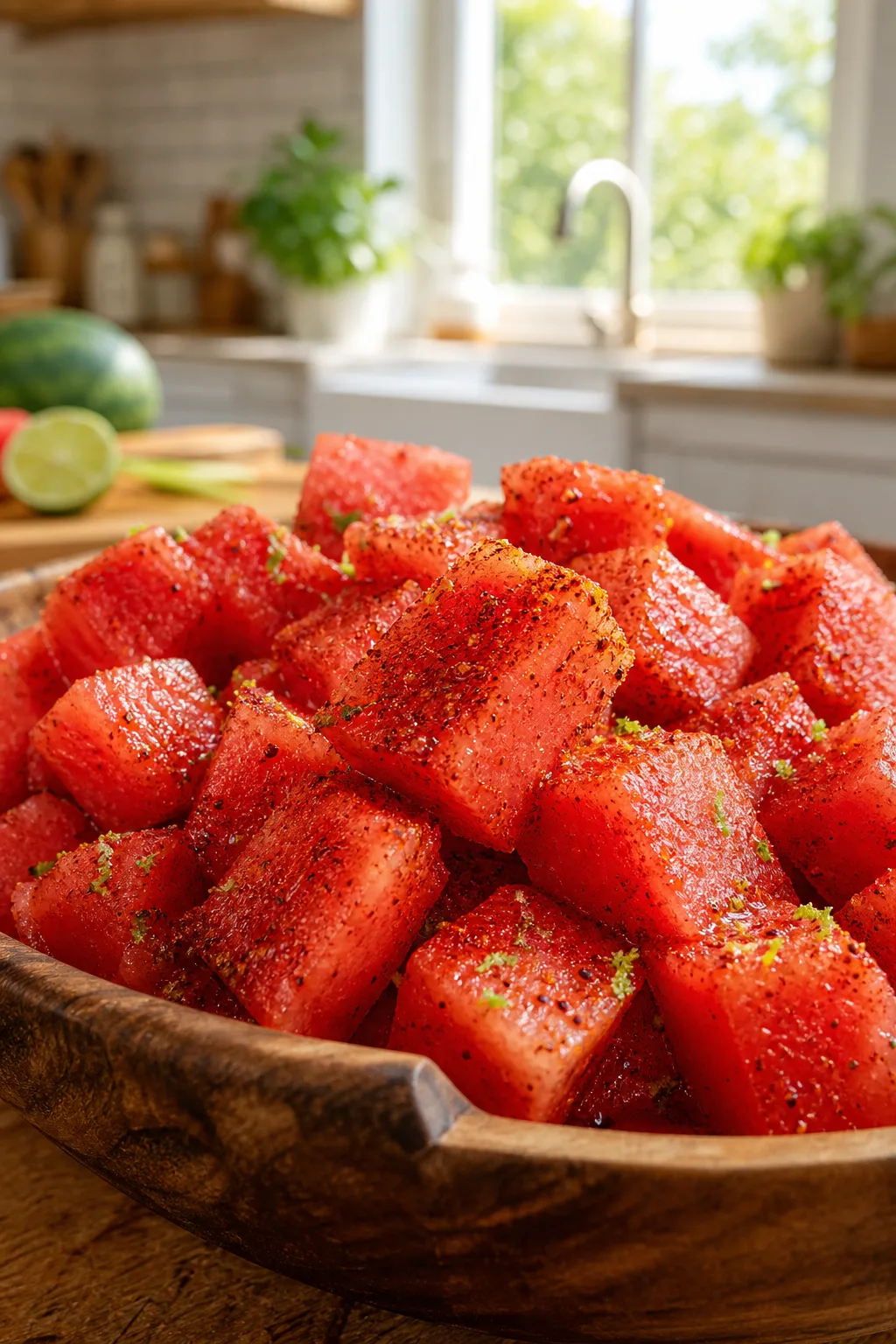
Roasting watermelon might sound odd, but it turns this summer fruit into a juicy, caramelized treat with deeper flavors. I love it as a refreshing side or a fun dessert at BBQs!
Introduction
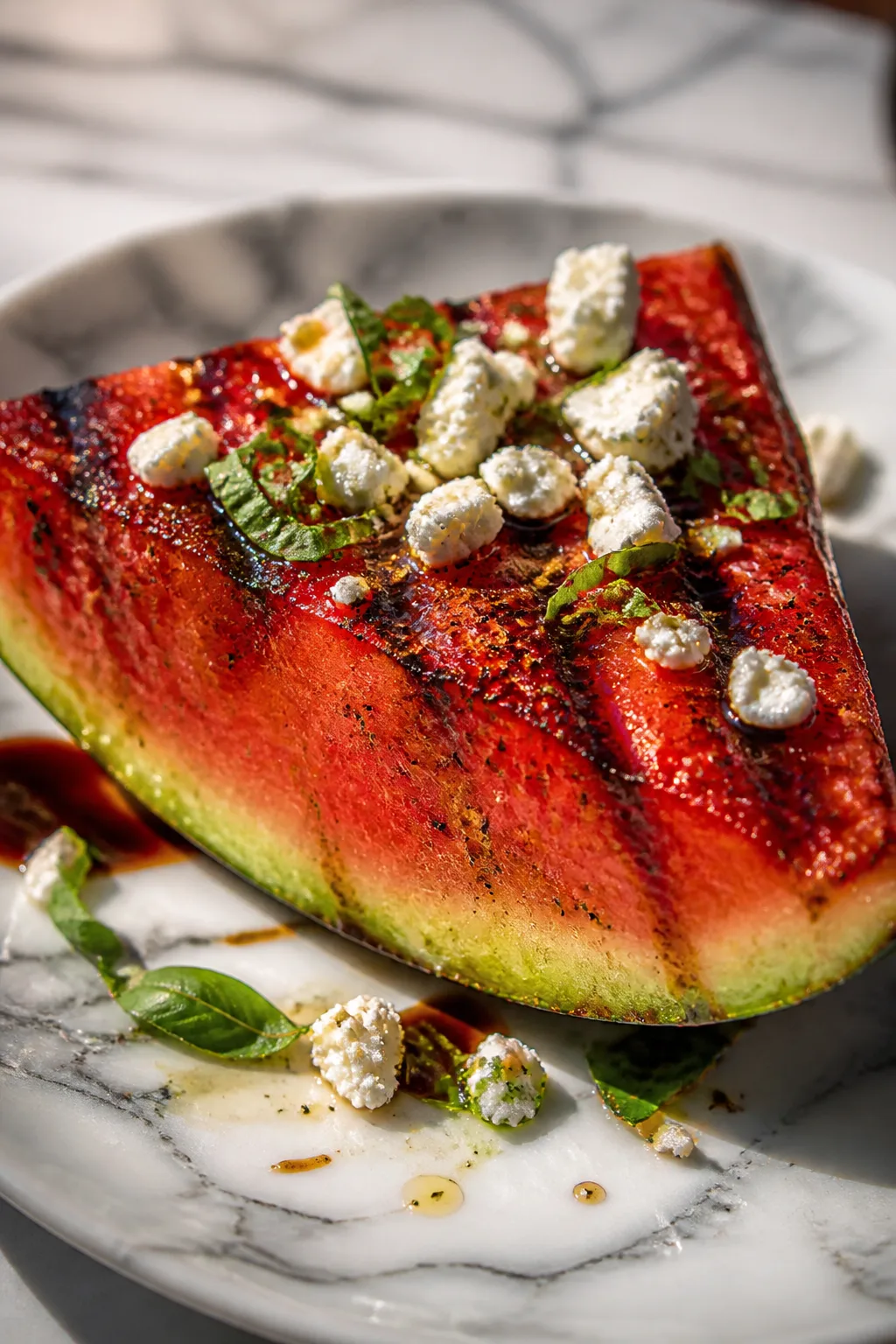
I first stumbled upon roasting watermelon a few summers ago when I was looking for a fun twist on a classic fruit salad. At first, I was skeptical—roasting watermelon? But once I tried it, I was hooked. The heat caramelizes the natural sugars, turning the watermelon into this juicy, slightly smoky, and deeply sweet treat. What makes my version stand out is the drizzle of honey and a sprinkle of sea salt before roasting, which really balances the sweetness and enhances those caramelized notes. I also love adding fresh mint after roasting for a refreshing contrast. The finished dish looks vibrant and juicy, with a slightly charred edge that makes it feel both rustic and elegant. It’s perfect for summer dinners, BBQs, or even as a unique dessert. Honestly, this recipe has been a hit every time I serve it, and I think you’ll love how simple yet special it feels. Just a heads-up—I learned the hard way not to roast it too long or at too high a temperature, or it turns mushy instead of tender and caramelized. So I’ll walk you through the perfect timing and temperature to get it just right!
How To Do It
Step 1
Start by preheating your oven to 425°F (220°C). This high heat is crucial because it helps the sugars in the watermelon caramelize quickly without drying out the fruit. While the oven is heating, pat the watermelon wedges dry with paper towels to remove excess moisture—this step ensures they roast instead of steam, which preserves that lovely texture. Then, lightly brush each wedge with olive oil. The oil aids caramelization and prevents sticking, plus it adds a subtle richness. Avoid skipping the drying or oiling steps, as they make a big difference in the final texture and flavor.
⏱ Time: 10 minutes
✓ Doneness: Watermelon wedges have a golden, slightly charred edge but are still firm and juicy in the center.
Step 2
Arrange the oiled watermelon wedges on a baking sheet lined with parchment paper or a silicone mat, spacing them out so air can circulate. Drizzle each wedge with honey or maple syrup and sprinkle sea salt evenly over the top. The sweet and salty combo is what really makes these wedges pop with flavor. Roast in the oven for about 20-25 minutes, flipping the wedges halfway through to ensure even caramelization. Keep an eye on them during the last 5 minutes—too long and they’ll become mushy, too short and they won’t caramelize properly.
⏱ Time: 25 minutes
✓ Doneness: Edges are golden brown and caramelized, surface looks glossy and slightly sticky, and the watermelon is tender but holds shape.
Step 3
Once roasted, transfer the watermelon wedges to a serving platter. If you like, sprinkle freshly chopped mint leaves over the top for a bright, fresh contrast that cuts through the sweetness. Serve immediately with lime wedges on the side for an extra zesty kick. The lime juice adds a refreshing acidity that balances the caramelized sugars beautifully. This dish is best enjoyed warm or at room temperature for maximum flavor.
⏱ Time: 5 minutes
✓ Doneness: Watermelon is warm, juicy, and fragrant with mint and lime aroma.
Step 4
If you want to add a smoky depth, try finishing the roasted watermelon under a broiler for 1-2 minutes, watching carefully to avoid burning. This step intensifies the caramelization and adds a subtle char that enhances the flavor complexity. Be sure to flip the wedges once under the broiler for even color. Don’t leave it too long or the watermelon will become bitter.
⏱ Time: 2 minutes
✓ Doneness: Surface is evenly darkened but not blackened, with a smoky aroma.
Step 5
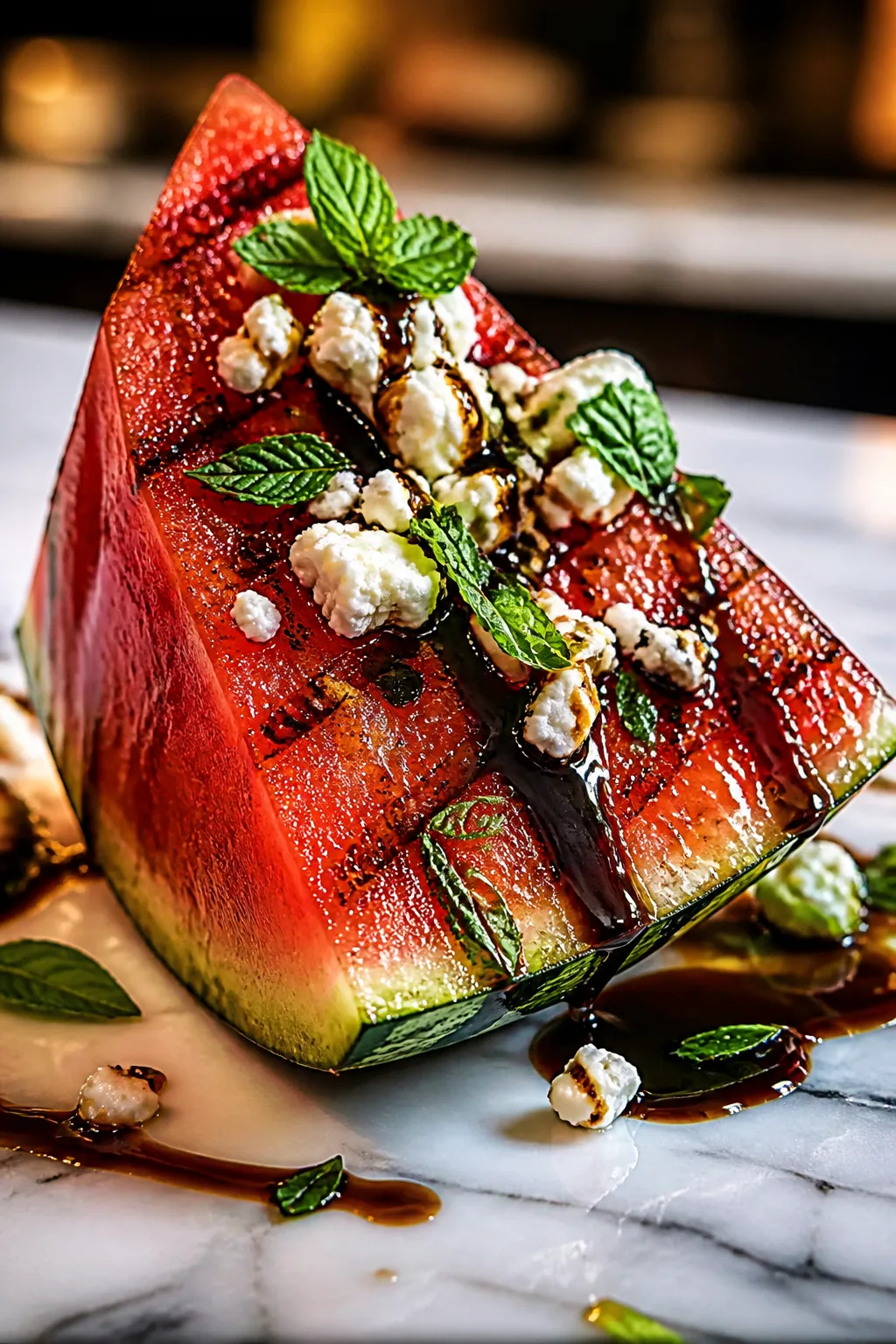
For a fun twist, sprinkle crumbled feta cheese over the roasted watermelon just before serving. The salty, creamy cheese pairs wonderfully with the sweet caramelized fruit and adds a savory balance. Use about 1/4 cup feta crumbles for 4 servings. This step is optional but highly recommended for a flavor contrast that feels fancy yet effortless.
⏱ Time: 2 minutes
✓ Doneness: Feta is slightly softened but still holds shape, complementing the juicy watermelon.
Step 6
If you prefer a touch of heat, sprinkle a pinch of chili flakes or smoked paprika over the wedges after roasting. The subtle spice contrasts beautifully with the sweetness and adds a little kick. Remember, a little goes a long way here, so start with just a pinch and adjust to taste.
⏱ Time: 1 minute
✓ Doneness: Spices are evenly distributed and aroma is warm and inviting.
Step 7
To prepare watermelon for roasting, I recommend cutting the wedges about 1 inch thick. Thinner slices tend to dry out or burn quickly, while thicker ones might stay too firm. Consistent sizing ensures even cooking, so take a moment to slice carefully. Also, removing seeds prevents any bitter bites and makes eating easier.
⏱ Time: 5 minutes
✓ Doneness: Uniform watermelon wedges, seedless and ready for roasting.
Step 8
After roasting and seasoning, let the watermelon rest for about 5 minutes before serving. This brief rest allows the caramelized sugars to set slightly and the flavors to meld. Serving too hot can mask the subtle caramel notes, so this step helps bring out the best taste.
⏱ Time: 5 minutes
✓ Doneness: Watermelon is warm, not steaming, and flavors are balanced.
Step 9
For plating, I like to arrange the wedges in a single layer on a rustic wooden board or a simple white plate to highlight the vibrant colors. Garnish with mint and lime wedges for freshness and visual appeal. This simple presentation makes the dish feel special without fuss.
⏱ Time: 3 minutes
✓ Doneness: Attractive presentation with vibrant colors and fresh garnishes.
Variations
Spicy Roasted Watermelon with Chili and Lime
Add a sprinkle of chili powder or cayenne pepper along with lime zest before roasting for a spicy kick that complements the sweetness. This variation adds complexity and heat, perfect for those who like a little fire.
Note: Be cautious with spice quantity to avoid overpowering the fruit. Start small and adjust after roasting.
Roasted Watermelon Salad with Feta and Arugula
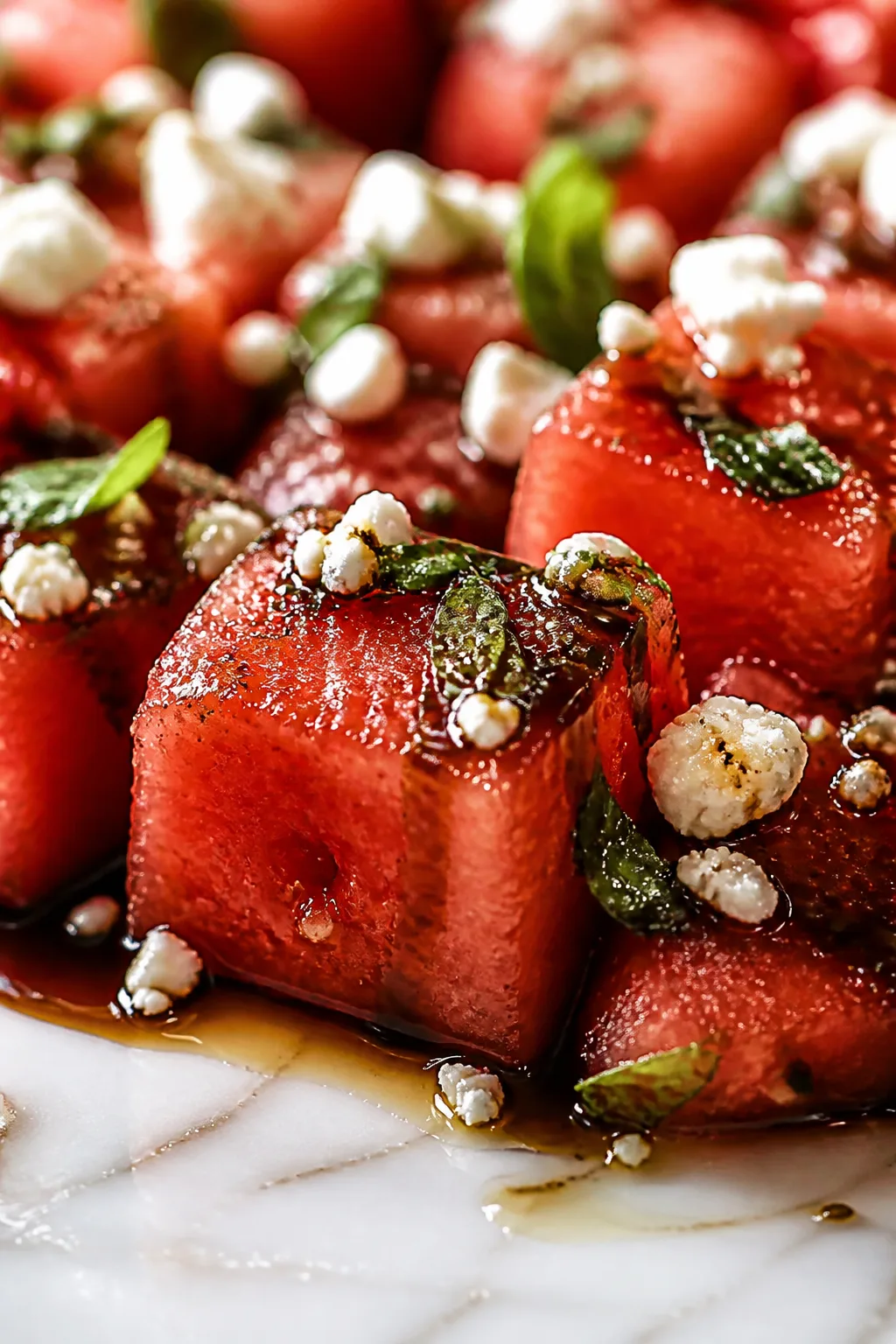
Toss roasted watermelon wedges with peppery arugula, crumbled feta, and a balsamic glaze for a refreshing and savory salad. The creamy feta and peppery greens balance the caramelized sweetness beautifully.
Note: Add greens and cheese just before serving to keep them fresh and crisp.
Honey-Lavender Roasted Watermelon
Drizzle lavender-infused honey over the watermelon before roasting for a floral aroma and delicate sweetness. This sophisticated twist is great for fancy summer gatherings or brunch.
Note: Use culinary lavender sparingly to avoid a soapy taste; a light drizzle is enough.
Grilled Roasted Watermelon Skewers
Thread watermelon cubes onto skewers, brush with oil and honey, then roast or grill for a smoky, caramelized bite. Easy to serve and fun for parties or picnics.
Note: Cut cubes evenly for uniform cooking and rotate skewers often to prevent burning.
Roasted Watermelon with Balsamic Reduction
Serve roasted watermelon drizzled with a tangy balsamic reduction to add acidity and depth. This combo works as a unique dessert or appetizer with a gourmet touch.
Note: Prepare balsamic reduction ahead and drizzle just before serving to keep flavors vibrant.
Pro Tips
Dry the watermelon wedges thoroughly before roasting.
Removing excess surface moisture prevents steaming and ensures the wedges roast properly, allowing sugars to caramelize for that rich flavor and slightly crisp edges. If skipped, the watermelon will steam and become soggy instead of caramelized.
Use a high oven temperature (around 425°F) for roasting.
High heat speeds up caramelization and browning reactions on the watermelon surface without overcooking the inside. Lower temperatures risk underdeveloped flavor and mushy texture because the fruit releases too much water before browning.
Flip the wedges halfway through roasting for even caramelization.
Turning the watermelon ensures both sides develop the golden, slightly charred surface that enhances flavor and texture. Skipping this step can result in uneven cooking and some parts remaining pale and less flavorful.
Add salt before roasting to enhance sweetness.
Salt draws out moisture and concentrates surface sugars, which intensifies caramelization and balances sweetness. Salt also activates taste buds, making the caramelized flavor more pronounced and complex.
Rest the roasted watermelon for a few minutes before serving.
Allowing the fruit to cool slightly lets the caramelized sugars set and flavors meld, resulting in a more balanced taste and better texture. Serving immediately while too hot can mask delicate caramel notes.
Use fresh mint as a garnish for brightness.
Mint adds a refreshing herbal contrast that cuts through the rich sweetness and adds visual appeal. Adding it fresh preserves its aroma and flavor, enhancing the overall eating experience.
Watch the roasting time carefully to avoid mushiness.
Over-roasting breaks down watermelon’s structure, turning it mushy and less appealing. Monitoring the process ensures the wedges remain tender but intact with a perfect caramelized surface.
Common Mistakes to Avoid
Roasting watermelon at too low a temperature.
Why it happens People often lower the oven temperature to avoid burning, but this prevents caramelization and results in soggy, steamed fruit.
Fix Keep the oven at a high temperature (around 425°F) and watch closely to prevent burning. This ensures sugars caramelize quickly while the inside stays juicy and firm.
Skipping the step of drying watermelon wedges before roasting.
Why it happens Some assume watermelon’s natural juiciness is fine to keep, but excess moisture causes steaming rather than roasting.
Fix Pat wedges dry with paper towels before oiling. This removes surface moisture, allowing the heat to caramelize sugars instead of steaming the fruit.
Over-roasting and ending up with mushy watermelon.
Why it happens Leaving watermelon in the oven too long breaks down its structure, especially if cut too thin or roasted at too low temperature.
Fix Monitor roasting time carefully, flip halfway, and remove when edges are caramelized but the center still holds shape. Aim for about 20-25 minutes at 425°F.
Using too much oil, making the watermelon greasy.
Why it happens Over-brushing with oil can weigh down the delicate fruit and mask its natural flavor.
Fix Lightly brush or spray a thin layer of oil just enough to coat the surface. This helps caramelization without making the dish heavy.
Adding fresh herbs before roasting.
Why it happens Some add herbs like mint before roasting, which causes them to wilt and lose flavor.
Fix Save fresh herbs for garnishing after roasting to preserve their brightness and aroma.
Nutrition
Per Serving:
Nutritional values are estimates and may vary based on specific ingredients used.
Storage & Tips
Room Temperature
Roasted watermelon can be kept at room temperature for up to 2 hours when covered loosely with foil or a clean towel. Beyond this, moisture loss and bacterial growth risk increase, so it’s best to refrigerate if not eaten promptly.
Refrigerator
Store in an airtight container in the refrigerator for up to 2 days. The watermelon will lose some juiciness and texture will soften. Serve chilled or reheat briefly in the oven to bring back some warmth and flavor.
Freezer
Freezing roasted watermelon is not recommended as the high water content causes texture degradation and mushiness upon thawing. For best results, enjoy fresh or refrigerated.
Reheating
To reheat, place watermelon wedges in a preheated oven at 350°F (175°C) for 5-7 minutes until warmed through. Avoid microwave reheating as it can make the texture rubbery. A splash of lime juice after reheating freshens the flavor.
Make Ahead
You can prepare the watermelon wedges up to a day in advance, keep them dry and oiled in the fridge, then roast just before serving. Alternatively, roast fully and reheat gently before serving for convenience.
FAQ
Can I roast watermelon on a grill instead of the oven?
Absolutely! Grilling watermelon works great and imparts a lovely smoky flavor. Use medium-high heat and grill wedges for 3-4 minutes per side, brushing with oil and honey as in the recipe. Just watch carefully to avoid burning.
What if my watermelon is very watery? Will roasting still work?
Very watery watermelon can make roasting tricky because excess moisture prevents proper caramelization. Pat the wedges extra dry and consider roasting a bit longer to evaporate moisture, but be careful not to overcook. Using firmer, sweeter melon varieties helps.
Can I make this recipe vegan?
Yes! Simply swap honey for maple syrup or agave nectar to keep it vegan. The roasting technique and flavor will remain delicious and natural.
How long can I store leftover roasted watermelon?
Store leftovers in an airtight container in the fridge for up to 2 days. The texture softens over time, so it’s best eaten soon after cooking for the freshest taste.
Is it safe to eat roasted watermelon warm or should it be cooled first?
Roasted watermelon is delicious served warm or at room temperature. Cooling slightly after roasting allows flavors to settle. It’s also tasty chilled if you prefer, but warm brings out the caramelized sweetness best.
Can I use frozen watermelon for this recipe?
Frozen watermelon isn’t ideal because thawing breaks down its structure and releases too much water, resulting in mushy wedges that won’t caramelize well. Fresh watermelon works best.
What’s the best way to cut watermelon for roasting?
Cut watermelon into 1-inch thick wedges or cubes for even roasting. Wedges hold their shape better and are easier to flip, while cubes can be skewered for grilling. Remove seeds to avoid bitterness.
Can I add herbs or spices before roasting?
You can sprinkle spices like chili powder or smoked paprika before roasting for added flavor. However, fresh herbs like mint should be added after roasting to preserve their brightness and aroma.
Final Thoughts
Give this roasted watermelon recipe a try and surprise yourself with how delicious it is! I’d love to hear how it turns out for you—don’t forget to share your pics and tweaks.