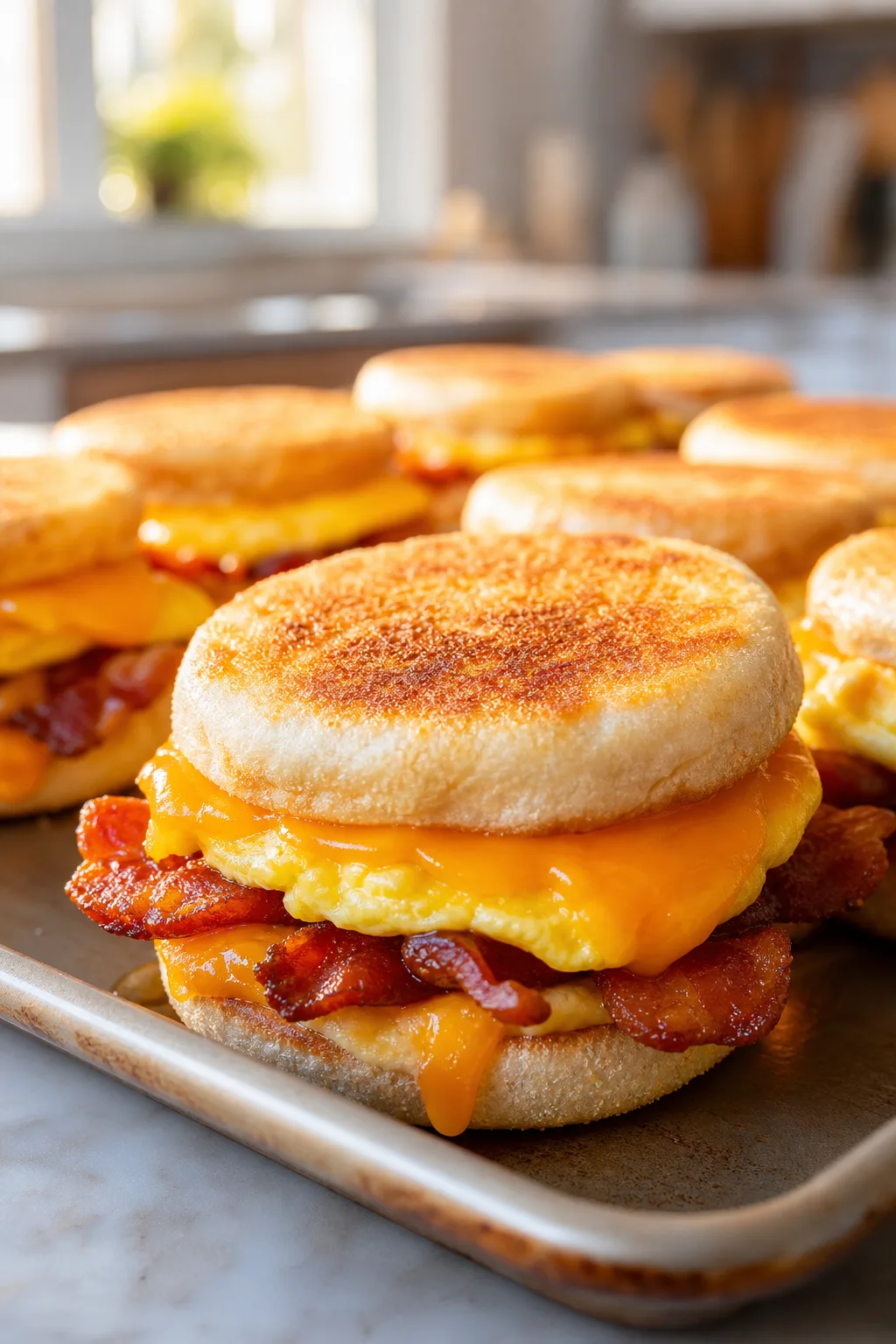
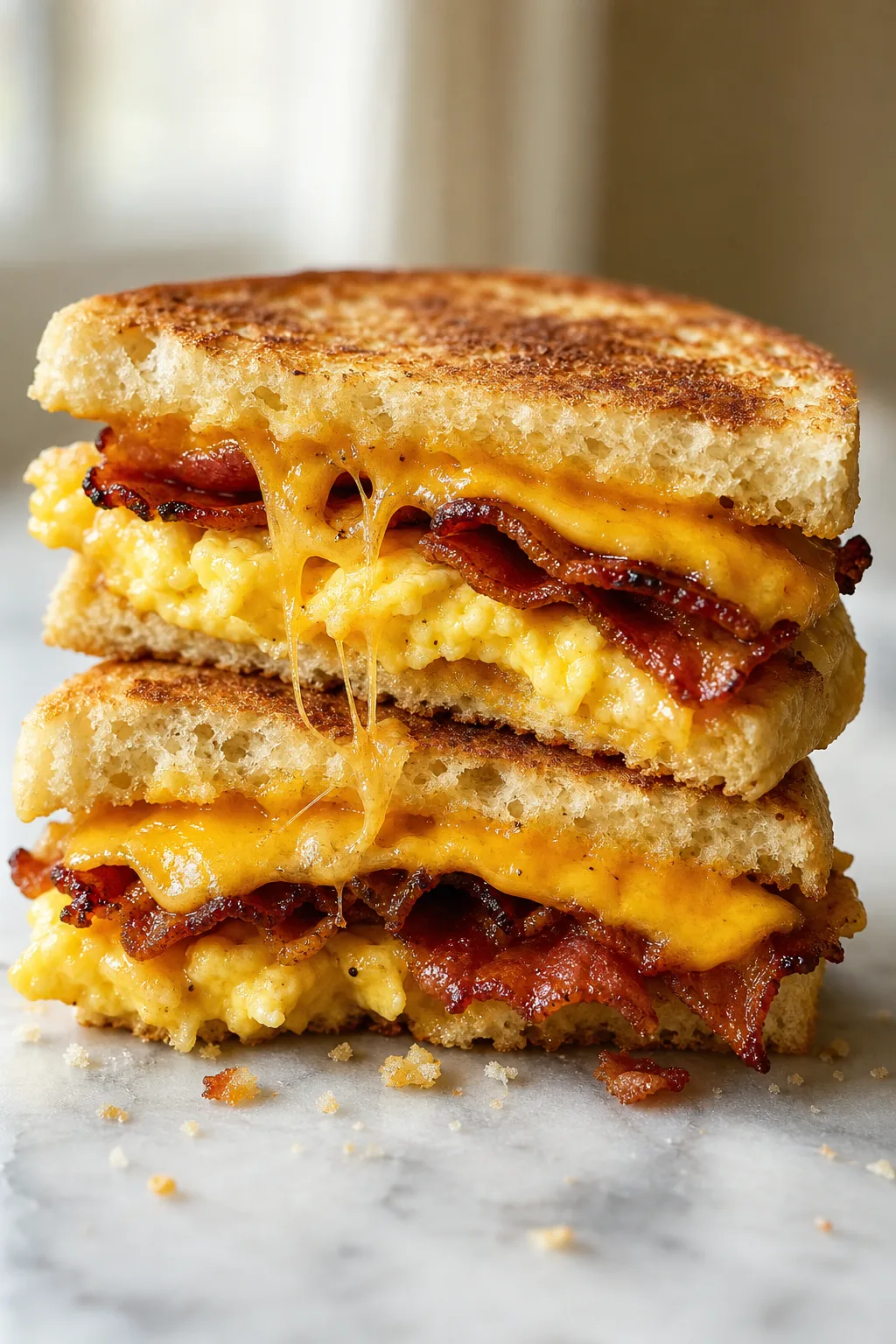
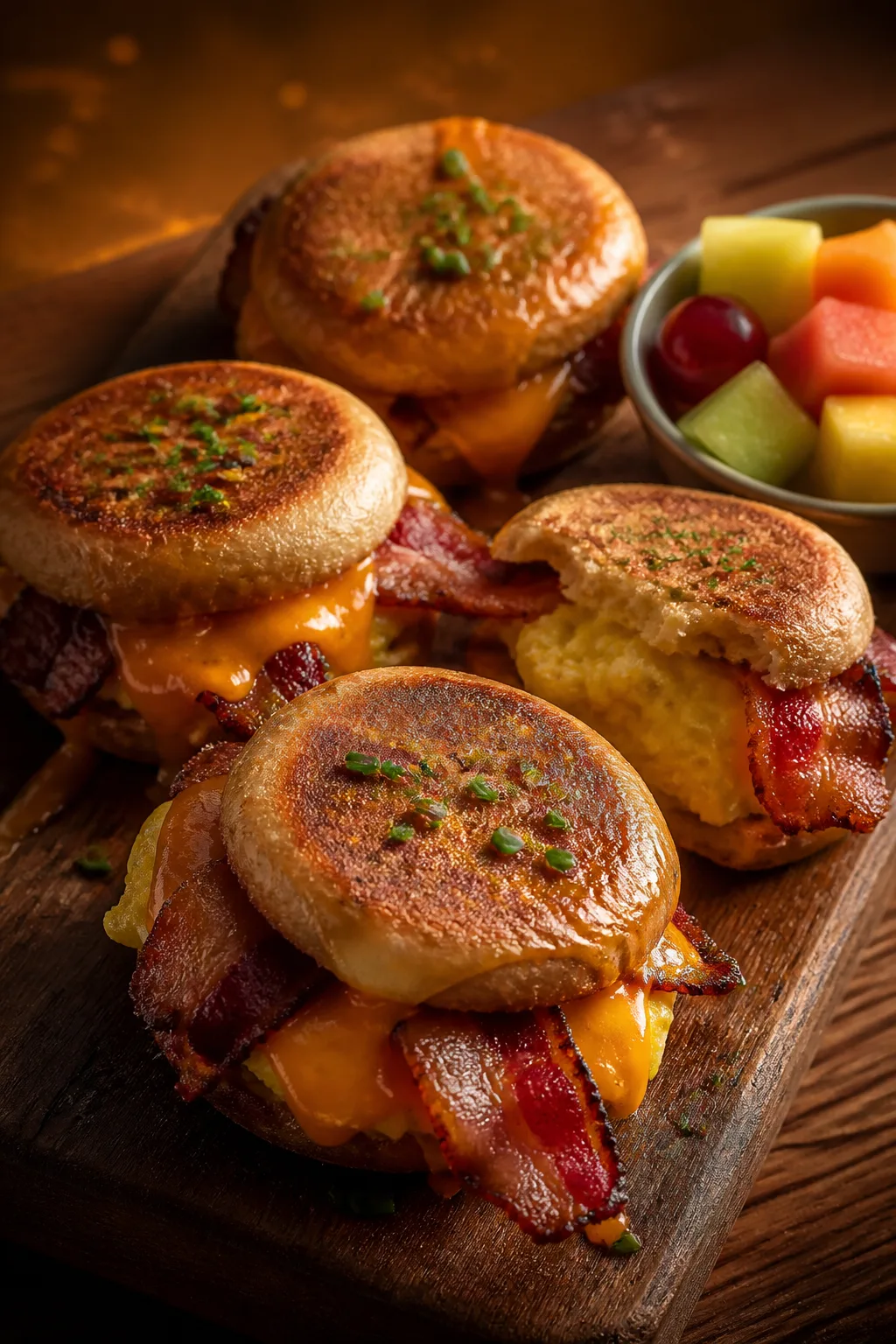
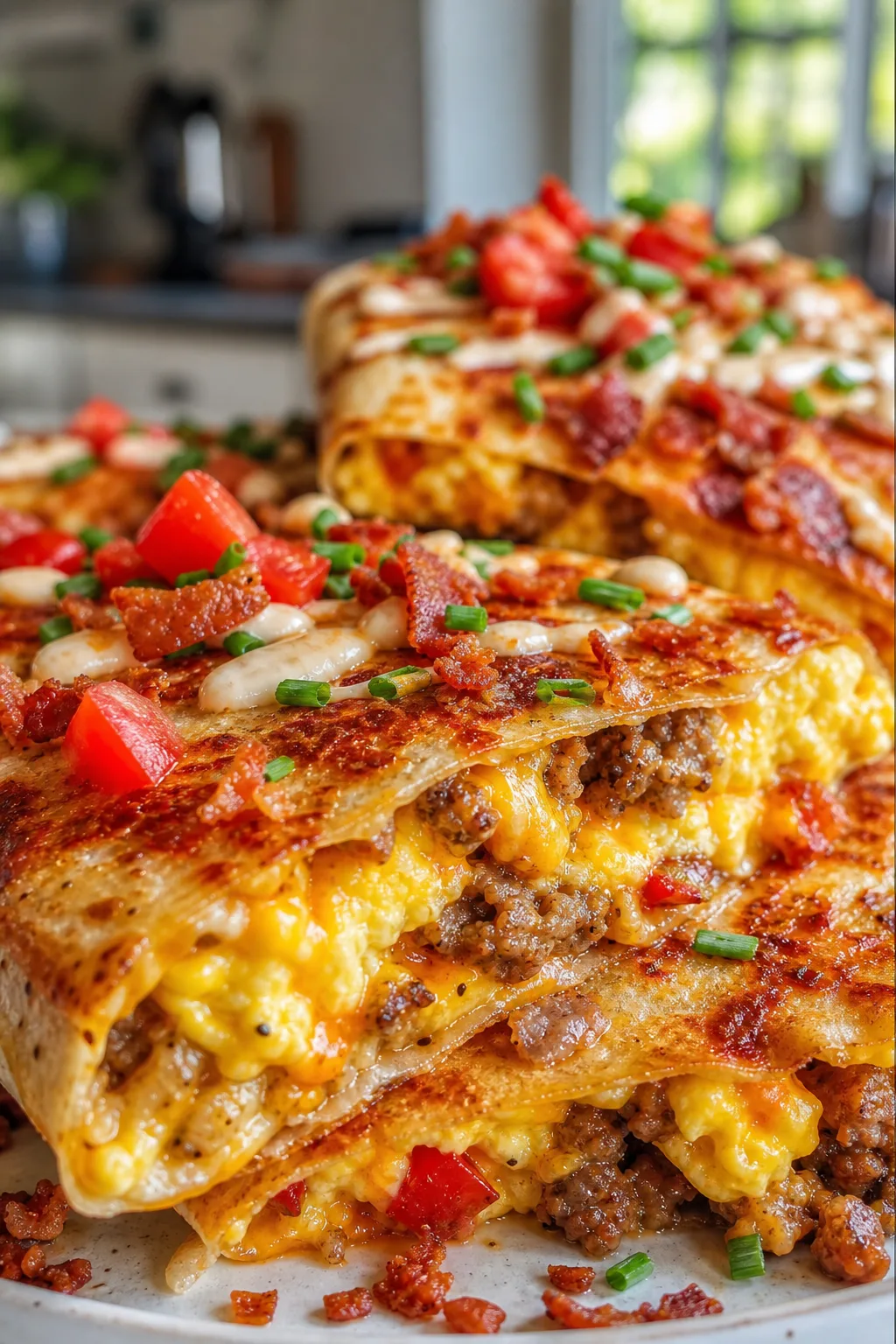
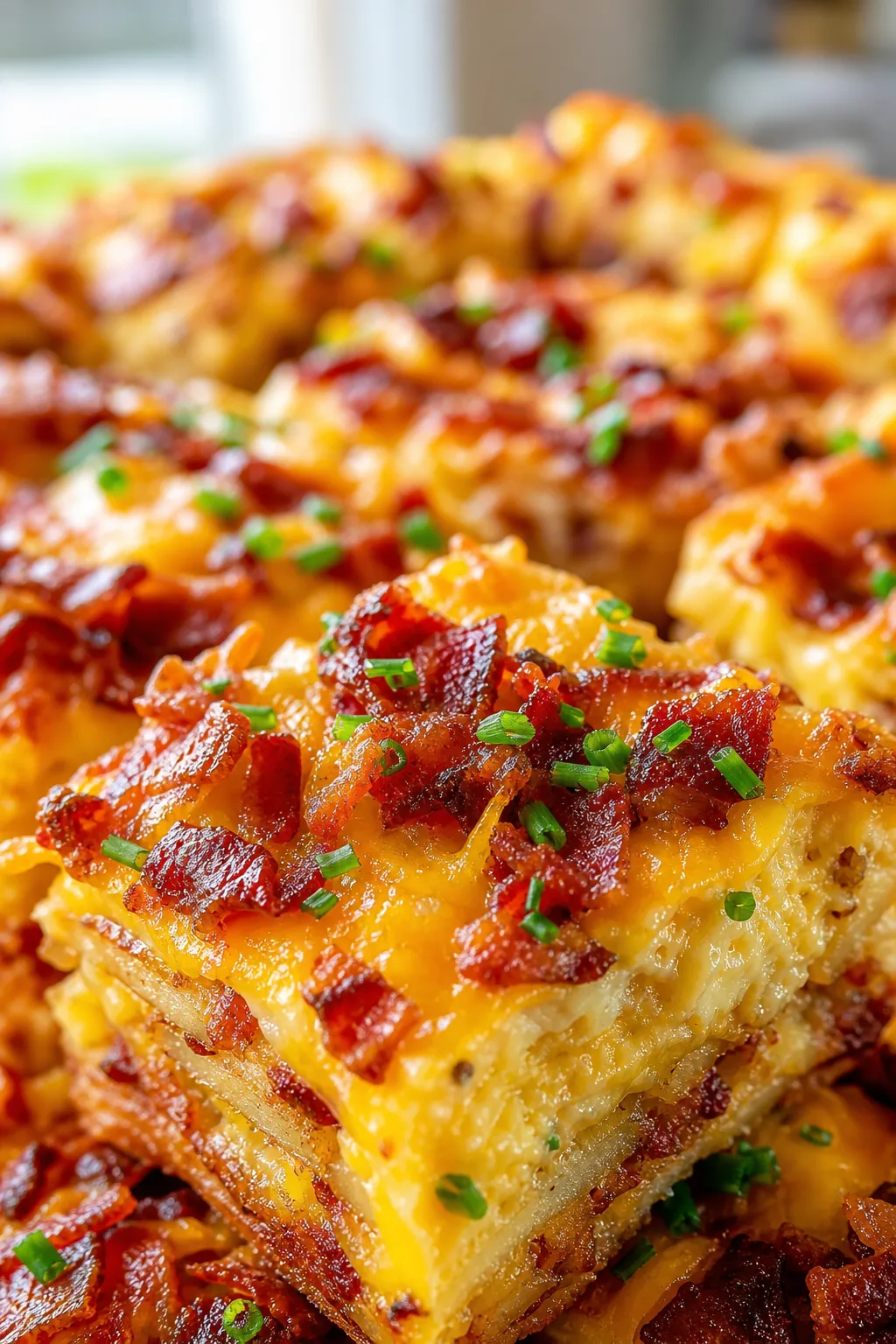
This sheet pan breakfast sandwich is a lifesaver on busy mornings. Eggs, bacon, and cheese bake together on one pan, making mornings easier and cleanup a breeze. Great for feeding a crowd or prepping ahead!
Introduction
I first stumbled on this sheet pan breakfast sandwich recipe during a hectic weekend when I needed something quick but satisfying for my family. What I love about this version is how it combines everything on one pan—eggs, bacon, and cheese—so you don’t have to juggle multiple pans or create a huge mess. The trick I learned is to pre-toast the English muffins lightly before baking everything together; it keeps them from getting soggy but still lets the flavors meld. Also, baking the eggs spread out on the pan instead of scrambling them in a pan gives a fluffy, tender texture that’s just right. The finished sandwiches come out perfectly balanced—crispy bacon, melty cheese, and soft eggs nestled in a toasted muffin. It’s a total game changer for feeding a crowd or prepping breakfasts for the week ahead. Honestly, I’ve tried similar recipes before that ended up with soggy muffins or uneven cooking, but this one nails it every time. If you’re looking for a fuss-free, crowd-pleasing breakfast, you’ll love this.
How To Do It
Step 1
Preheat your oven to 375°F (190°C). Line a large sheet pan with parchment paper or a silicone mat for easy cleanup. Place the bacon slices in a single layer on one side of the pan. This initial step is crucial because it allows the bacon to cook evenly and get crispy without overcrowding. Avoid overlapping the bacon slices, as that leads to uneven cooking and chewy spots. Start cooking the bacon first since it takes the longest and will render fat that helps cook the eggs later. Keep an eye on the bacon; it should be browned and crisp but not burnt, which usually takes about 15 minutes.
⏱ Time: 15
✓ Doneness: Bacon is golden brown and crisp with no soft or translucent areas
Step 2
While the bacon cooks, lightly toast the English muffins in a toaster or under the broiler until just golden. This step helps the muffins hold up better when baked with the eggs and cheese later, preventing sogginess. Once toasted, arrange the muffin halves cut side up on the other side of the sheet pan, leaving space between them for the eggs. The muffins will finish baking with the eggs, soaking up some of the flavors without becoming mushy. If you skip this step, your muffins might turn overly soft and lose their structure.
⏱ Time: 5
✓ Doneness: Muffins have a light golden color and feel firm but not hard
Step 3
In a medium bowl, whisk the eggs with salt and pepper until blended and slightly frothy. Pour the eggs evenly into the empty spaces on the sheet pan between the muffins and bacon. This technique ensures the eggs cook into a flat, even layer that fits perfectly on the muffin halves later. Pouring the eggs directly on the pan instead of scrambling them in a skillet helps keep them fluffy and tender. Be careful not to pour the eggs too thickly, or they’ll take longer to cook and might become rubbery.
⏱ Time: 2
✓ Doneness: Eggs appear evenly spread and slightly bubbly on top
Step 4
Return the sheet pan to the oven and bake for about 10-12 minutes, or until the eggs are just set but still moist. Avoid overbaking since eggs continue to cook after being removed from the oven, and overcooked eggs get dry and rubbery. You want the eggs to hold their shape when lifted but still feel tender. Check by gently shaking the pan; the eggs should jiggle slightly in the center without liquid pooling.
⏱ Time: 12
✓ Doneness: Eggs are firm but still moist with a slight jiggle
Step 5
Once the eggs are set, remove the pan from the oven. Place a slice of cheddar cheese on each egg portion. The residual heat will start melting the cheese gently. Then, layer a cooked bacon slice on top of each cheese-topped egg. This layering ensures every bite has a perfect combination of melty cheese and crispy bacon. If you add the cheese too early, it might overcook and become oily; adding it now keeps it creamy.
⏱ Time: 2
✓ Doneness: Cheese starts to soften but is not fully melted yet
Step 6
Carefully transfer each egg-cheese-bacon stack onto the toasted muffin bottoms. Top with the muffin halves to form sandwiches. If you want, brush the tops with melted butter for extra richness and a golden finish. This final assembly step is best done gently to keep the egg layers intact. The butter adds a nice shine and subtle flavor that makes these sandwiches feel extra special.
⏱ Time: 3
✓ Doneness: Sandwiches look neatly stacked with shiny muffin tops
Step 7
Place the assembled sandwiches back on the sheet pan and return to the oven for 3-5 minutes to melt the cheese completely and warm everything through. This brief bake melds the flavors and softens the muffin slightly for a perfect bite. Don’t skip this step; it transforms the sandwich from good to great. Watch closely to avoid drying out the eggs or burning the muffin tops.
⏱ Time: 5
✓ Doneness: Cheese is fully melted and muffins are warmed without browning further
Step 8
Remove the sheet pan from the oven and let the sandwiches cool for a couple of minutes before serving. This resting time helps the eggs set further and prevents burns when biting in. If you like, sprinkle chopped chives on top for a fresh, mild onion flavor and a pop of color. Resting also allows the flavors to meld nicely, making each bite balanced and delicious.
⏱ Time: 2
✓ Doneness: Sandwiches feel warm but not hot and hold their shape well
Step 9
Serve these breakfast sandwiches immediately with your favorite sides like fresh fruit or a simple green salad. If you’re making ahead, wrap them individually in foil or parchment paper and refrigerate. Reheat gently in the oven or microwave before eating. This recipe is great for feeding a crowd or prepping breakfasts for the week, saving you time and hassle on busy mornings.
⏱ Time: 1
✓ Doneness: Sandwiches are warm throughout and cheese is melty
Variations
Add Spinach and Tomato
Mix fresh baby spinach and thin tomato slices into the sandwich for a fresh, veggie-packed twist. It adds color, nutrition, and a juicy contrast to the rich bacon and cheese.
Note: Add spinach and tomato after cheese and bacon are layered, then melt cheese as usual. Watch moisture levels to prevent sogginess.
Use Sausage Patties Instead of Bacon
Swap crispy bacon for cooked breakfast sausage patties for a heartier, spiced flavor. Sausage adds a savory depth and works great with eggs and cheese.
Note: Cook sausage patties fully before adding to the sandwich to ensure safety and proper texture.
Make It Vegetarian with Veggie Bacon
Replace bacon with vegetarian bacon strips or smoked tempeh for a plant-based version. The smoky flavor still pairs beautifully with eggs and cheese.
Note: Cook vegetarian bacon according to package instructions before assembling sandwich.
Swap English Muffins for Bagels
Use mini bagels or sliced bagels instead of English muffins for a denser, chewier base. This adds a different texture and flavor profile to the sandwich.
Note: Toast bagels well before assembling to prevent sogginess.
Add Hot Sauce or Spicy Mayo
Mix your favorite hot sauce or spicy mayo into the sandwich for a kick. It livens up the flavors and adds a delicious tangy heat.
Note: Spread sauce on muffin halves before assembling to distribute flavor evenly.
Pro Tips
Don’t overcrowd the sheet pan when cooking bacon and eggs.
Crowding traps steam and prevents proper browning and crisping. Leaving space allows heat to circulate evenly, resulting in crispy bacon and evenly baked eggs. Overcrowding can cause uneven cooking and soggy textures.
Toast the English muffins lightly before assembling the sandwiches.
Pre-toasting creates a barrier that prevents the muffins from absorbing too much moisture during baking. This keeps them firm and prevents a soggy texture, balancing the sandwich’s overall mouthfeel.
Use a silicone baking mat or parchment paper on your sheet pan.
This makes cleanup much easier and prevents sticking. It also helps evenly distribute heat under the eggs, promoting even cooking and preventing burnt spots on the pan surface.
Whisk the eggs until slightly frothy before pouring on the pan.
Incorporating air into the eggs creates a lighter, fluffier texture when baked. This simple step improves the eggs’ tenderness and mouthfeel, making the sandwich more enjoyable.
Let the sandwiches rest a couple of minutes before serving.
Resting allows the eggs to finish setting and the cheese to slightly firm up, making sandwiches easier to handle and improving the bite texture. Serving immediately can lead to a messier, less cohesive sandwich.
Add fresh herbs like chives or parsley for a flavor boost.
Herbs add a fresh brightness that cuts through the richness of bacon and cheese. They also enhance visual appeal, making the sandwiches look more inviting and appetizing.
Use a sharp knife to cut sandwiches after resting.
A sharp knife ensures clean cuts without squishing the sandwich layers. This keeps the eggs intact and maintains the sandwich’s structure, improving presentation and eating experience.
Common Mistakes to Avoid
Skipping the muffin toasting step
Why it happens Many assume the muffins will toast enough during baking with the eggs and bacon, but this often leads to sogginess.
Fix Toast muffins lightly before assembling to create a moisture barrier. This prevents sogginess and keeps muffins structurally sound when baked with moist ingredients.
Overcrowding bacon slices on the sheet pan
Why it happens Trying to cook all bacon at once without spacing causes uneven cooking and steaming rather than crisping.
Fix Cook bacon in a single layer with space between slices. If necessary, cook in batches to ensure even crisping and avoid chewy spots.
Overbaking the eggs until dry
Why it happens Not watching the eggs closely or baking at too high temperature causes them to dry out and become rubbery.
Fix Bake eggs just until set but still moist, checking by gentle jiggle. Remove promptly to avoid overcooking and maintain tenderness.
Pouring eggs unevenly or too thickly
Why it happens Poor distribution leads to uneven cooking and some eggs underdone or overdone.
Fix Pour eggs evenly in thin layers between muffins and bacon. This ensures uniform cooking and perfect texture.
Skipping the final melt step with cheese
Why it happens Some rush to serve immediately after assembly, missing out on melting cheese properly.
Fix Return sandwiches to oven briefly after adding cheese to melt it thoroughly and blend flavors.
Nutrition
Per Serving:
Nutritional values are estimates and may vary based on specific ingredients used.
Storage & Tips
Room Temperature
These sandwiches can be safely kept at room temperature for up to 2 hours if covered loosely with foil or a clean cloth to prevent drying out. Beyond that, bacteria growth increases, so refrigerate promptly.
Refrigerator
Store sandwiches in an airtight container or wrapped tightly in plastic wrap for up to 3 days. They can be eaten cold but taste best reheated gently in the oven or microwave to restore melty cheese and warm eggs.
Freezer
Wrap sandwiches individually in foil and place in a freezer bag for up to 2 months. To thaw, move to the fridge overnight. Reheat in the oven at 350°F until warmed through to maintain texture and avoid sogginess.
Reheating
For best results, reheat sandwiches in a 350°F oven for 10-15 minutes wrapped in foil to keep moisture. Alternatively, microwave on medium power for 1-2 minutes but watch to avoid overcooking eggs. Adding a splash of water before reheating helps retain moisture.
Make Ahead
You can prepare the eggs and bacon up to 2 days ahead, store separately in the fridge, and toast muffins fresh before assembly. Alternatively, fully assemble sandwiches and refrigerate wrapped; reheat before serving for quick breakfasts.
FAQ
Can I use frozen bacon for this recipe?
Yes, you can use frozen bacon but be sure to thaw it completely before cooking to ensure even crisping. Cooking frozen bacon directly can cause uneven texture and longer cooking times, which might affect the timing of the recipe.
What if I don’t have cheddar cheese? What’s a good substitute?
Mozzarella, Swiss, or Monterey Jack are great alternatives that melt well and complement the flavors. Avoid very hard or crumbly cheeses as they won’t melt properly during the final bake.
Can I make this recipe gluten-free?
Absolutely! Swap English muffins for gluten-free versions or use gluten-free bread slices. Just be sure the bread can hold up to baking and has a sturdy texture to prevent sogginess.
How do I prevent the eggs from overcooking?
Keep a close eye on the eggs as they bake and remove them from the oven as soon as they are set but still slightly moist. Overbaking causes rubbery texture. The slight jiggle test is a reliable indicator.
Can I assemble sandwiches ahead and freeze them?
Yes, wrap fully assembled sandwiches tightly in foil and freeze for up to 2 months. Thaw overnight in the fridge and reheat in the oven for best texture. Avoid microwaving straight from frozen to prevent sogginess.
Is there a way to make this recipe dairy-free?
Use dairy-free cheese alternatives and skip the butter or use a plant-based spread. The flavor and texture will be slightly different but still tasty. Choose cheeses that melt well for best results.
How can I make this recipe spicier?
Add sliced jalapeños to the egg mixture or spread spicy mayo on the muffins before assembly. Hot sauce is also an easy way to add heat without changing the recipe significantly.
Can I use scrambled eggs instead of baking them on the sheet pan?
You can, but baking eggs flat on the pan creates a fluffier, more uniform layer that fits well on the muffin. Scrambled eggs may be more uneven and harder to assemble neatly.
Final Thoughts
I hope you give these sheet pan breakfast sandwiches a try—they’ve truly simplified my mornings! I’d love to hear how they turn out for you, so don’t forget to share your thoughts.