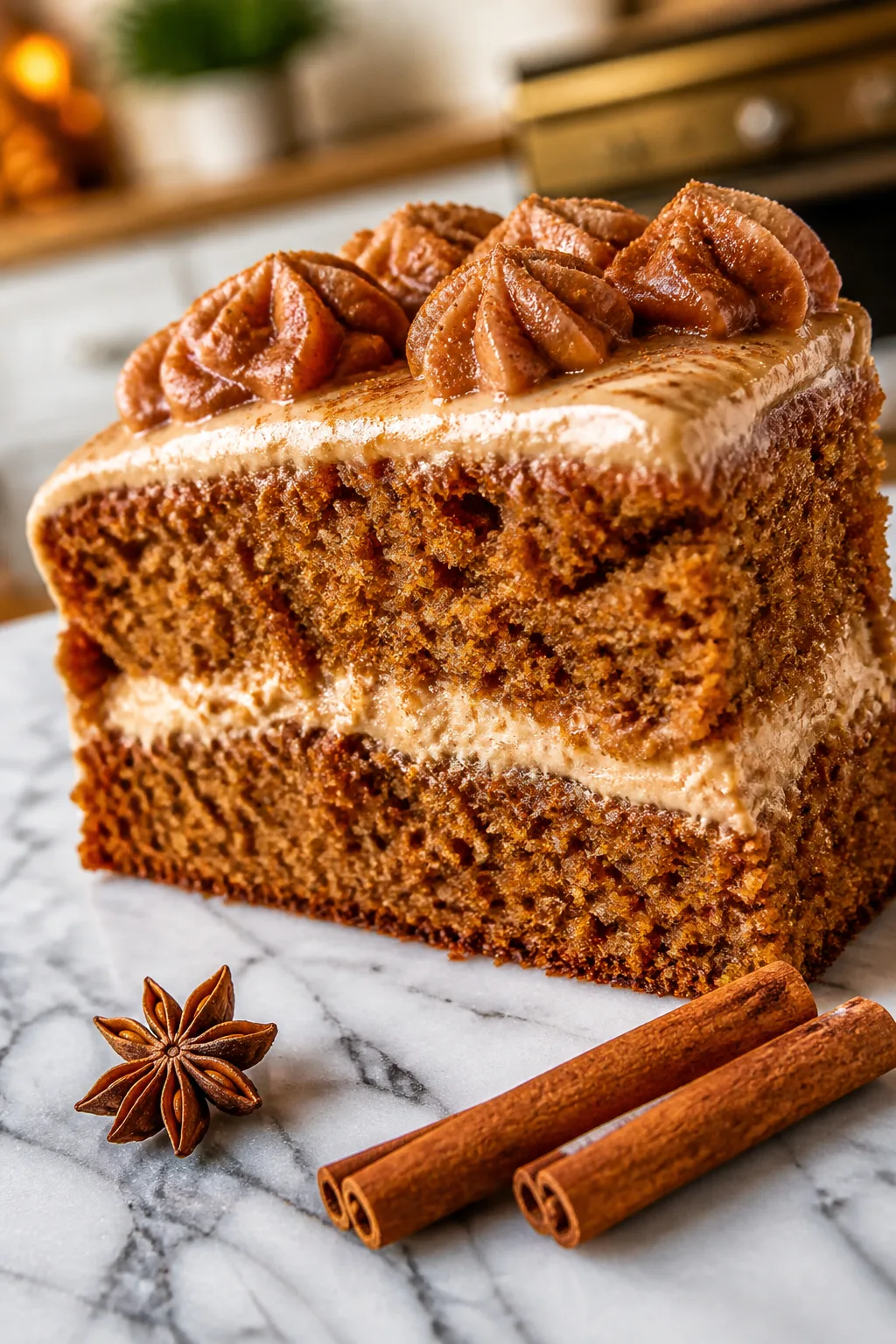
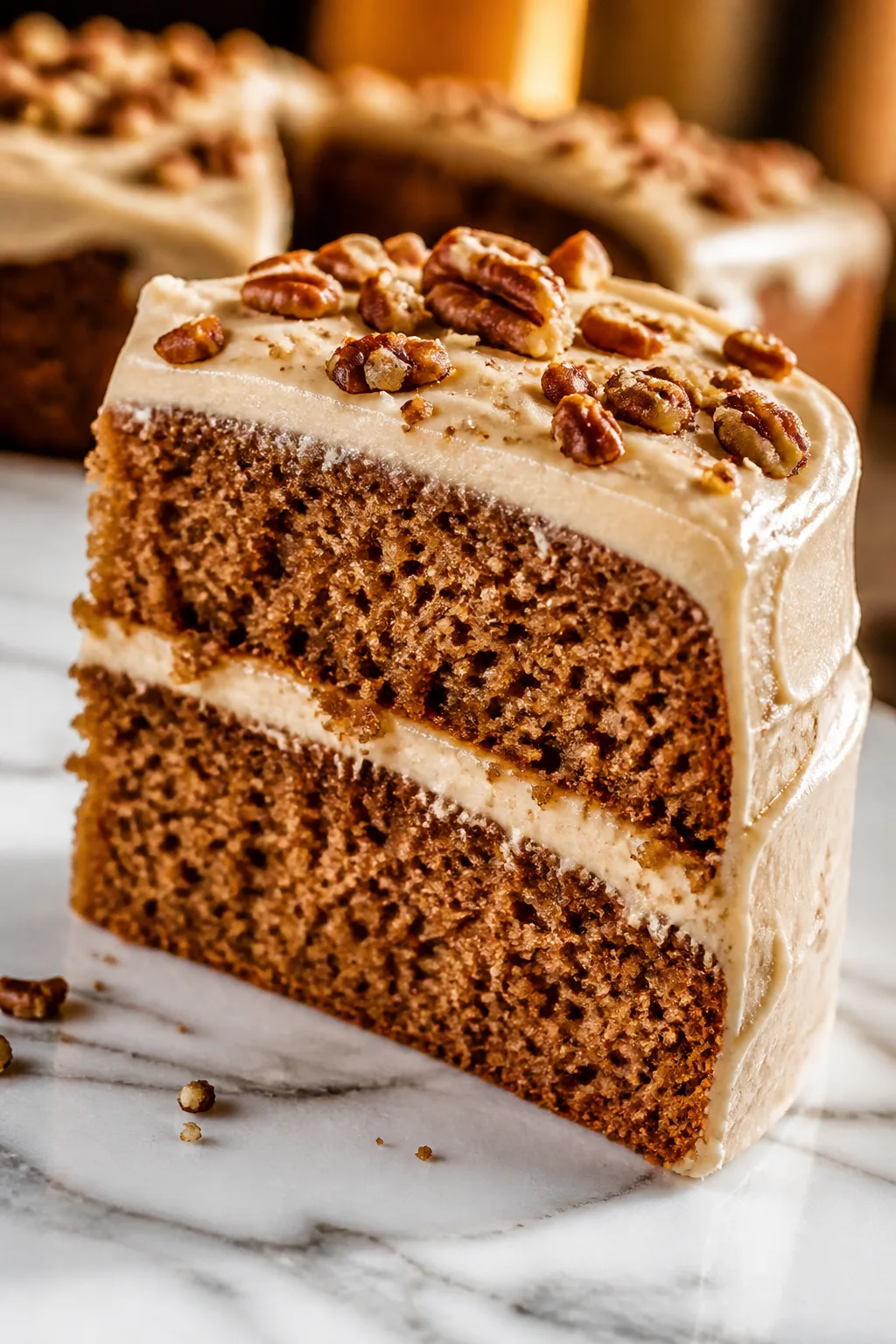
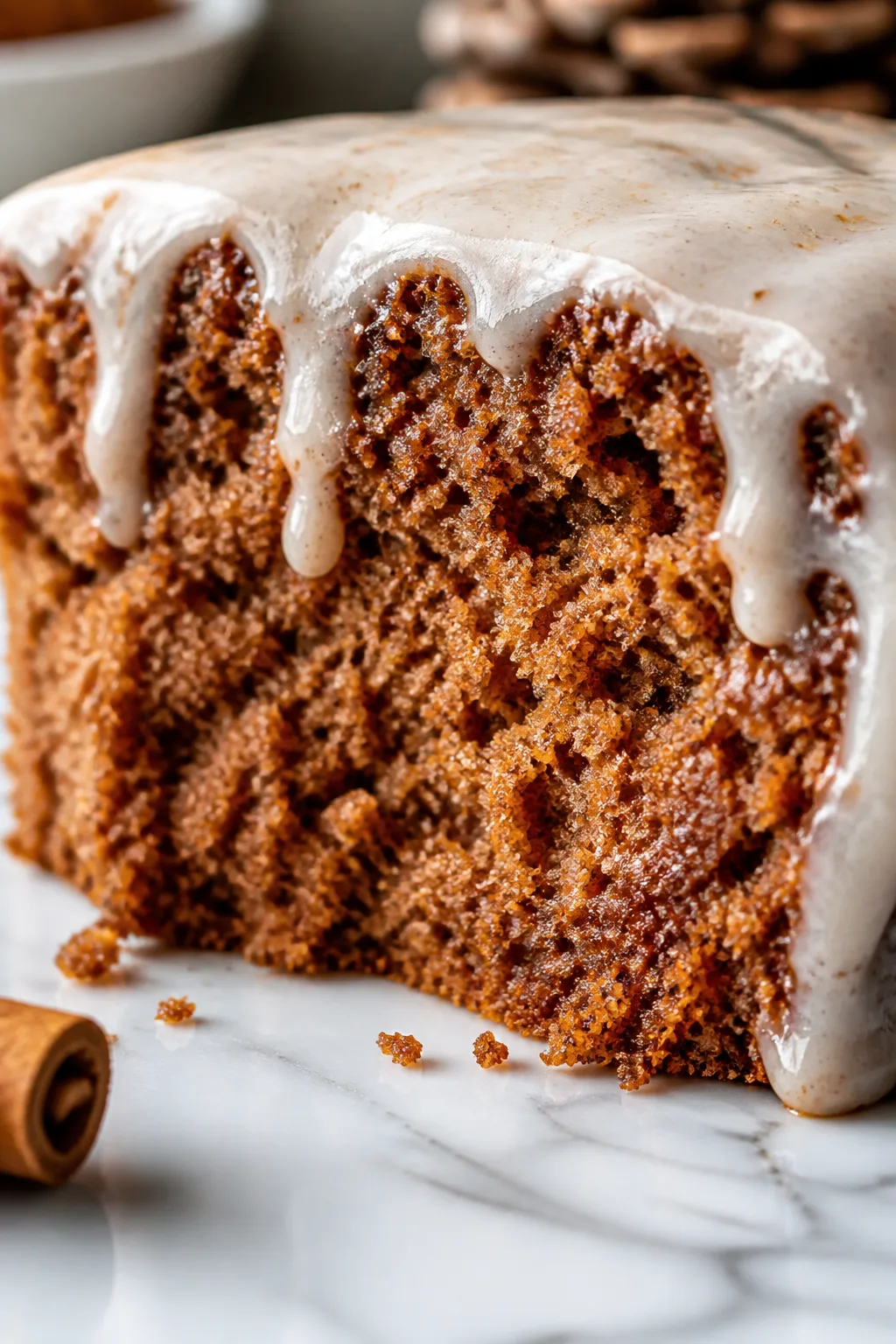
This spice cake is delightfully moist without using applesauce. Thanks to buttermilk and oil, it’s tender and rich with cozy spices. Great for a comforting afternoon treat or sharing with family.
Introduction
I first made this spice cake on a chilly autumn afternoon when I wanted something cozy and comforting but without the fuss of applesauce that many recipes call for. Honestly, I wasn’t sure if skipping applesauce would make the cake dry, but using a simple combo of vegetable oil and buttermilk was a game changer. This mix keeps the crumb tender and moist without weighing it down. Over the years, I tweaked the spice blend to balance cinnamon, ginger, cloves, and nutmeg just right—not too overpowering, just warm and inviting. One trick I always follow is to make sure the eggs and buttermilk are at room temperature; it helps everything blend smoothly and rise well. When the cake comes out of the oven, it has a beautiful golden color and a soft, springy texture with a subtle spicy aroma that fills the kitchen. It’s perfect for an afternoon treat with tea or coffee, or as a simple dessert for family gatherings. I love how it’s both easy to make and somehow feels special every time.
What You'll Need
One 9-inch two-layer cake, 8 servings
- 2 1/2 cups all-purpose flour, sifted
- 2 teaspoons baking powder
- 1/2 teaspoon baking soda
- 1/2 teaspoon salt
- 1 tablespoon ground cinnamon
- 1 teaspoon ground ginger
- 1/2 teaspoon ground cloves
- 1/2 teaspoon ground nutmeg
- 1/2 cup vegetable oil
- 1 cup granulated sugar
- 1 cup packed light brown sugar
- 2 large eggs, room temperature
- 1 cup buttermilk, room temperature
- 1 teaspoon vanilla extract
How To Do It
Step 1
Preheat your oven to 350°F (175°C) and grease two 9-inch round cake pans, then lightly flour them. This preparation prevents sticking so your cake layers come out cleanly. It’s important to coat the pans evenly but not too thickly, or the flour might burn. If you skip this, your cake might tear when you try to remove it, ruining the presentation.
⏱ Time: 10 minutes
✓ Doneness: Pans feel evenly coated with a thin layer of flour and no clumps
Step 2
In a medium bowl, whisk together the flour, baking powder, baking soda, salt, cinnamon, ginger, cloves, and nutmeg. Sifting or whisking these dry ingredients ensures the spices are evenly distributed, helping the flavor to be consistent throughout the cake. If you skip this step, you might end up with pockets of clumpy spices or uneven rise.
⏱ Time: 5 minutes
✓ Doneness: Dry ingredients are well combined with no lumps
Step 3
In a large bowl, combine the vegetable oil, granulated sugar, and brown sugar. Beat them together until smooth and slightly shiny—this helps dissolve the sugars and creates a tender crumb. Using brown sugar adds moisture and depth of flavor that white sugar alone can’t provide.
⏱ Time: 3-4 minutes
✓ Doneness: Mixture looks smooth and glossy with no grainy sugar
Step 4
Add the eggs one at a time to the sugar mixture, beating well after each addition. This step is crucial because it incorporates air into the batter, contributing to the cake’s lightness. If you add all eggs at once, the batter can curdle and the texture may be dense.
⏱ Time: 3 minutes
✓ Doneness: Batter is smooth, homogenous, and slightly thickened
Step 5
Mix in the vanilla extract and then alternate adding the dry ingredients and buttermilk to the wet mixture, starting and ending with the dry ingredients. Use a low speed or fold gently to avoid overmixing, which can develop gluten and make the cake tough. This alternating method helps everything combine evenly and keeps the batter tender.
⏱ Time: 5-7 minutes
✓ Doneness: Batter is smooth with no streaks of flour, slightly thick but pourable
Step 6
Divide the batter evenly between the prepared pans and smooth the tops with a spatula. Even distribution is important so both layers bake uniformly and stack neatly. If you don’t level the batter, one layer might be thicker and bake unevenly.
⏱ Time: 5 minutes
✓ Doneness: Batter surface is smooth and level in both pans
Step 7
Bake for 28-32 minutes or until a toothpick inserted in the center comes out clean or with just a few moist crumbs. Avoid opening the oven too early or too often, as this can cause the cake to sink. The perfect bake results in golden brown edges and a soft, springy center.
⏱ Time: 30 minutes
✓ Doneness: Toothpick comes out clean or with moist crumbs but no wet batter
Step 8
Let the cakes cool in the pans for 10 minutes, then run a knife around the edges and invert them onto wire racks to cool completely. This resting prevents the cakes from breaking apart and helps them set properly. If you try to remove the cakes too soon, they may crumble or stick.
⏱ Time: 15 minutes
✓ Doneness: Cakes release easily from pans and feel firm but tender
Step 9
Once completely cooled, frost with your favorite cream cheese frosting or a simple glaze. The tangy frosting complements the warm spices perfectly. Spreading frosting on warm cake will cause it to melt and slide off, so be patient for the best results.
⏱ Time: 10 minutes
✓ Doneness: Frosting spreads smoothly and stays in place
Variations
Pumpkin Spice Cake
Add 1 cup pumpkin puree and reduce buttermilk by the same amount for a rich, moist pumpkin version. The spices pair perfectly with the natural sweetness of pumpkin, creating a fall favorite with a denser, more velvety crumb.
Note: Since pumpkin adds moisture, reduce buttermilk accordingly and bake a few minutes longer to ensure the cake sets fully.
Gluten-Free Spice Cake
Swap all-purpose flour for a gluten-free blend that includes xanthan gum. This keeps the cake tender and moist while making it safe for gluten-sensitive eaters, though the texture will be slightly different—more delicate but still delicious.
Note: Choose a high-quality gluten-free flour mix and avoid overmixing to prevent crumbliness.
Spice Cake with Orange Zest
Add 1 tablespoon fresh orange zest to the batter for a bright citrus note that complements the warm spices. It adds freshness and a subtle zing that lifts the overall flavor beautifully.
Note: Zest the orange carefully to avoid bitter pith; fold zest in with dry ingredients for even distribution.
Vegan Spice Cake
Replace eggs with flax eggs (1 tablespoon ground flaxseed + 3 tablespoons water per egg) and use a plant-based milk with a splash of vinegar instead of buttermilk. Oil remains the same. The cake will be slightly denser but still moist and flavorful.
Note: Let flax eggs sit for 5 minutes to gel before mixing; bake a few extra minutes as vegan cakes sometimes take longer.
Spice Cake with Cream Cheese Swirl
Before baking, dollop softened cream cheese mixed with sugar and vanilla on top of the batter and swirl gently with a knife. This adds a tangy, creamy surprise inside the warm spiced layers, making it extra special.
Note: Swirl carefully without overmixing to preserve the pattern and texture contrast.
Pro Tips
Always bring your eggs and buttermilk to room temperature before mixing.
Cold ingredients can cause the batter to curdle or mix unevenly, leading to a dense or uneven crumb. Room temperature eggs blend smoothly with the sugar and oil, allowing for better aeration and a lighter cake texture.
Sift or whisk your dry ingredients well to distribute spices evenly.
Even spice distribution ensures consistent flavor throughout the cake. Without thorough mixing, you may get bites that are too spicy or bland, which affects the overall eating experience.
Alternate adding dry ingredients and buttermilk to the wet mixture, mixing gently.
This technique prevents overmixing, which can develop gluten and make the cake tough. Alternating helps the batter stay smooth and tender while ensuring all ingredients combine properly.
Don’t open the oven door during the first 25 minutes of baking.
Opening the oven early releases heat and can cause the cake to sink or bake unevenly. Keeping the oven closed helps the cake rise steadily and develop a nice crust.
Use light brown sugar instead of dark for a milder molasses flavor.
Light brown sugar provides moisture and subtle caramel notes without overpowering the warm spices. Dark brown sugar can sometimes make the cake taste too strong or heavy.
Let the cake cool completely before frosting.
Frosting warm cake can cause it to melt and slide off, ruining the appearance. Cooling helps the crumb set and makes spreading frosting easier and neater.
Use a toothpick test to check doneness rather than relying solely on time.
Oven temperatures vary, so a toothpick ensures the cake is fully baked inside without overbaking and drying it out. Look for moist crumbs, not wet batter.
Common Mistakes to Avoid
Overmixing the batter
Why it happens Many home cooks think mixing longer makes the batter smoother, but it actually develops gluten and toughens the cake.
Fix Mix just until the ingredients are combined, especially after adding the flour. Use gentle folding motions and avoid beating the batter excessively to keep the texture tender.
Using cold eggs or buttermilk
Why it happens People often forget to remove ingredients from the fridge ahead of time, causing the batter to curdle or mix unevenly.
Fix Plan ahead and bring eggs and buttermilk to room temperature for 30 minutes before baking to ensure smooth incorporation and proper rise.
Skipping greasing and flouring the pans
Why it happens Rushing the prep step or assuming nonstick pans are enough can cause the cake to stick and break.
Fix Always grease the pans thoroughly and dust with flour, tapping out excess. This simple step helps cakes release cleanly and keeps layers intact.
Opening the oven door too soon
Why it happens Impatience or distraction leads to checking the cake early, disrupting baking temperature.
Fix Resist the urge to peek until at least 25 minutes have passed. Use the oven light if needed to monitor progress without losing heat.
Not measuring flour correctly
Why it happens Scooping flour directly with a measuring cup can pack it too densely, adding extra flour and drying the cake.
Fix Fluff the flour with a spoon, then lightly spoon it into the measuring cup and level with a knife for accurate measurement and tender texture.
Nutrition
Per Serving:
Nutritional values are estimates and may vary based on specific ingredients used.
Storage & Tips
Room Temperature
Store the cake covered loosely with a cake dome or plastic wrap at room temperature for up to 2 days. This keeps the crumb soft without drying it out. Avoid direct sunlight or heat sources.
Refrigerator
Keep in an airtight container or wrapped tightly in plastic wrap for up to 5 days. The cake may firm up slightly when cold; bring to room temperature before serving or warm gently for best flavor and texture.
Freezer
Wrap cake layers tightly in plastic wrap and then foil to prevent freezer burn. Freeze for up to 3 months. Thaw overnight in the fridge, then bring to room temperature before frosting or serving to restore moisture.
Reheating
Warm slices gently in the microwave for 15-20 seconds or in a low oven (300°F) for 5-7 minutes. Adding a small splash of milk or covering with foil prevents drying during reheating.
Make Ahead
Bake the cake layers up to 2 days ahead and store wrapped in plastic wrap at room temperature or refrigerated. Prepare frosting separately and assemble just before serving to keep it fresh and prevent sogginess.
FAQ
Can I substitute applesauce for the oil in this recipe?
While applesauce can reduce fat and add moisture, it changes the texture and flavor. This recipe relies on oil’s liquid fat to keep the crumb tender and moist. Using applesauce may make the cake denser and less tender, so if you try it, reduce the applesauce amount and expect a different texture.
What if I don’t have buttermilk? Can I use regular milk?
You can make a buttermilk substitute by adding 1 tablespoon of lemon juice or white vinegar to 1 cup of milk and letting it sit for 5-10 minutes. This acid helps tenderize the cake and activates baking soda, so regular milk alone won’t give the same rise or texture.
How do I know when the cake is fully baked?
The best test is inserting a toothpick into the center; it should come out clean or with a few moist crumbs, but no wet batter. The edges will be golden brown and start pulling away slightly from the pan. Avoid opening the oven early to prevent sinking.
Can I make this cake gluten-free?
Yes, substitute the all-purpose flour with a gluten-free blend that includes xanthan gum or another binder. The texture will be slightly different—more delicate and crumbly—but it will still be moist and flavorful.
What frosting pairs best with this spice cake?
Cream cheese frosting is a classic pairing because its tanginess balances the warm spices. Vanilla buttercream or a simple glaze also work well if you want something lighter.
Why is my cake dry even though I followed the recipe?
Common causes include overbaking, overmixing the batter, or using too much flour. Make sure to measure flour correctly by spooning and leveling, avoid opening the oven early, and mix just until combined.
Can I add nuts or raisins to this cake?
Absolutely! Chopped pecans or walnuts add a nice crunch, and raisins bring extra sweetness. Fold them in gently with the dry ingredients to distribute evenly without overmixing.
How should I store leftover cake?
Store leftovers in an airtight container at room temperature for 2 days or refrigerated up to 5 days. For longer storage, freeze wrapped tightly for up to 3 months.
Final Thoughts
Give this warm, moist spice cake a try—you might just find your new favorite cozy dessert. I’d love to hear how it turns out for you!