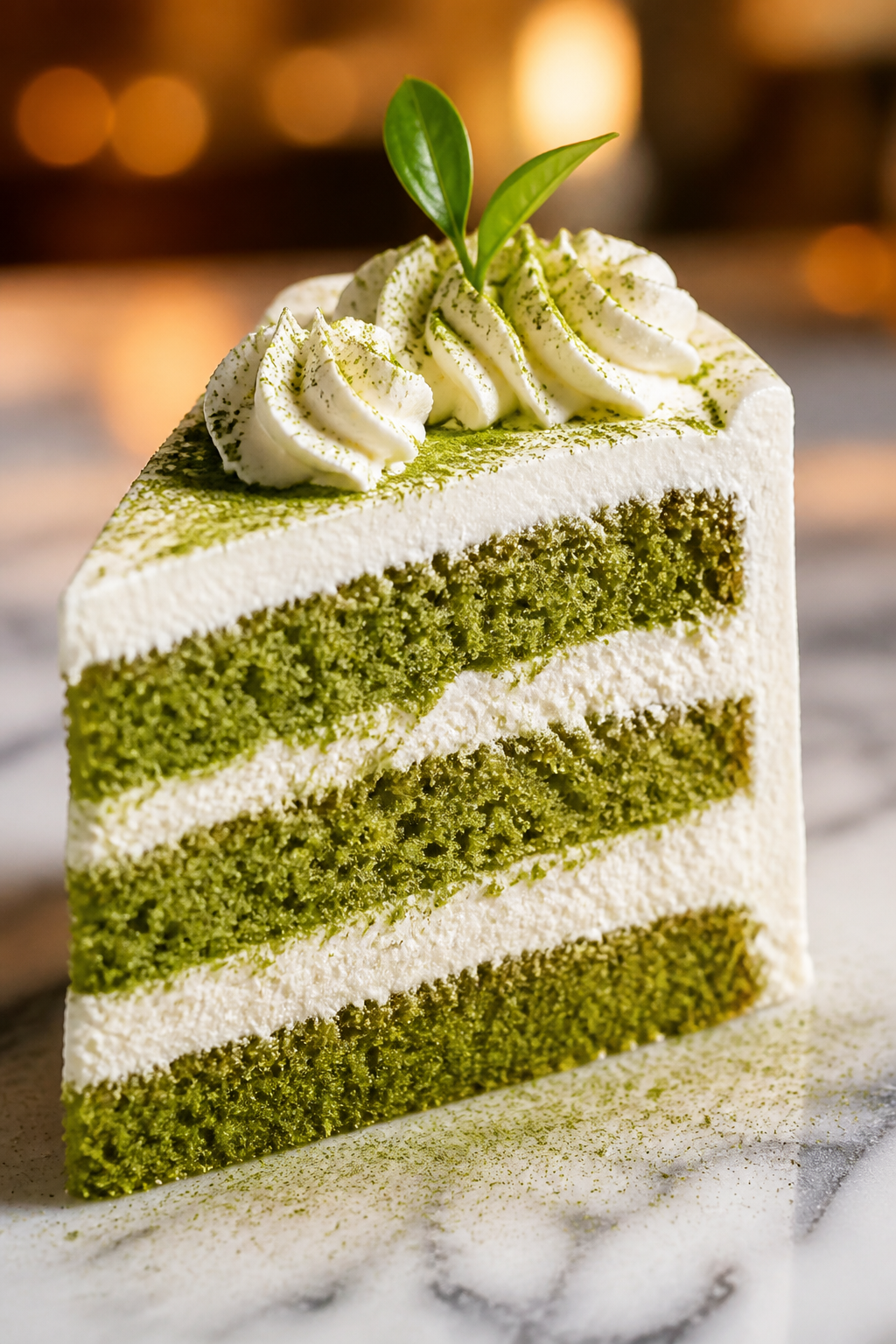
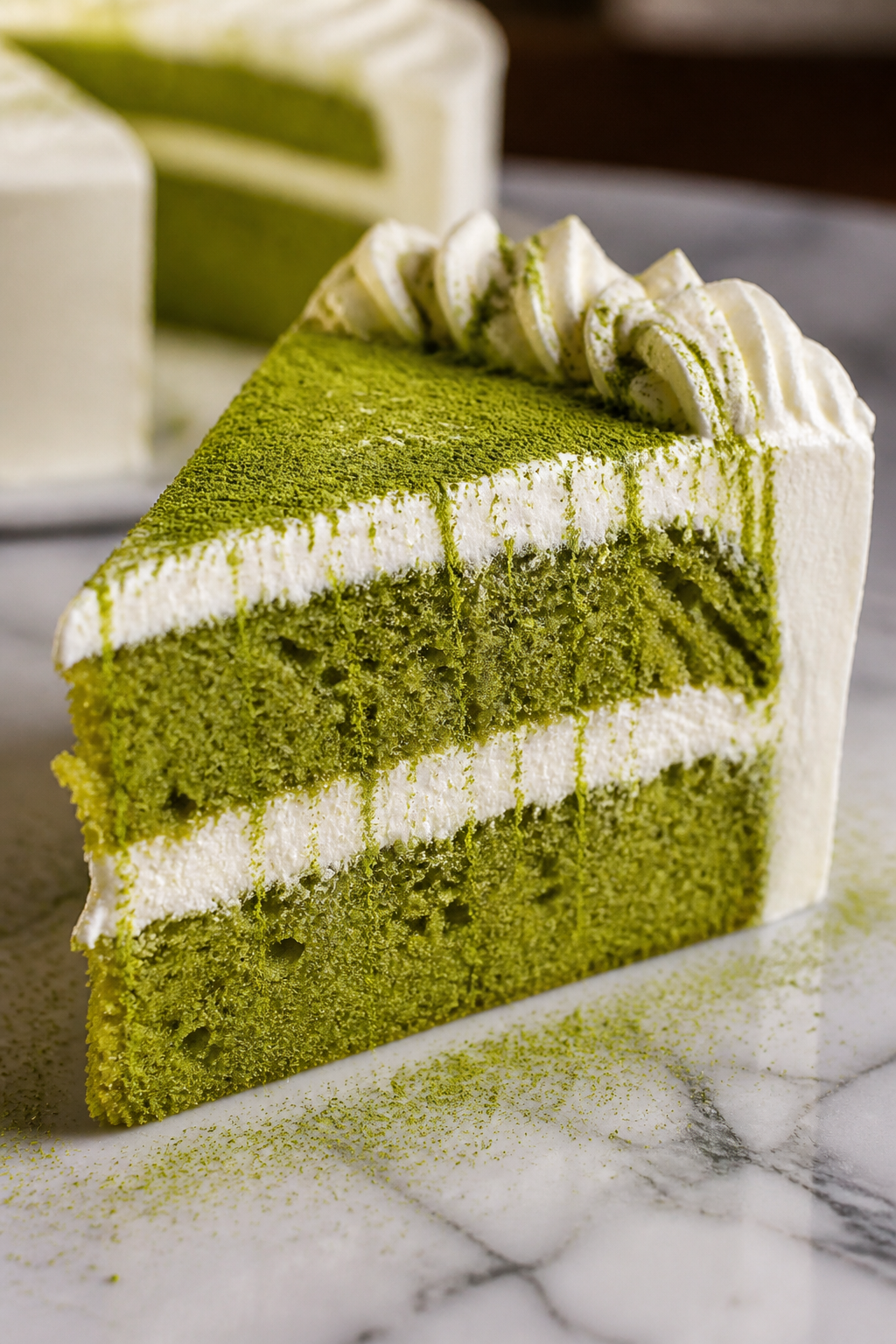
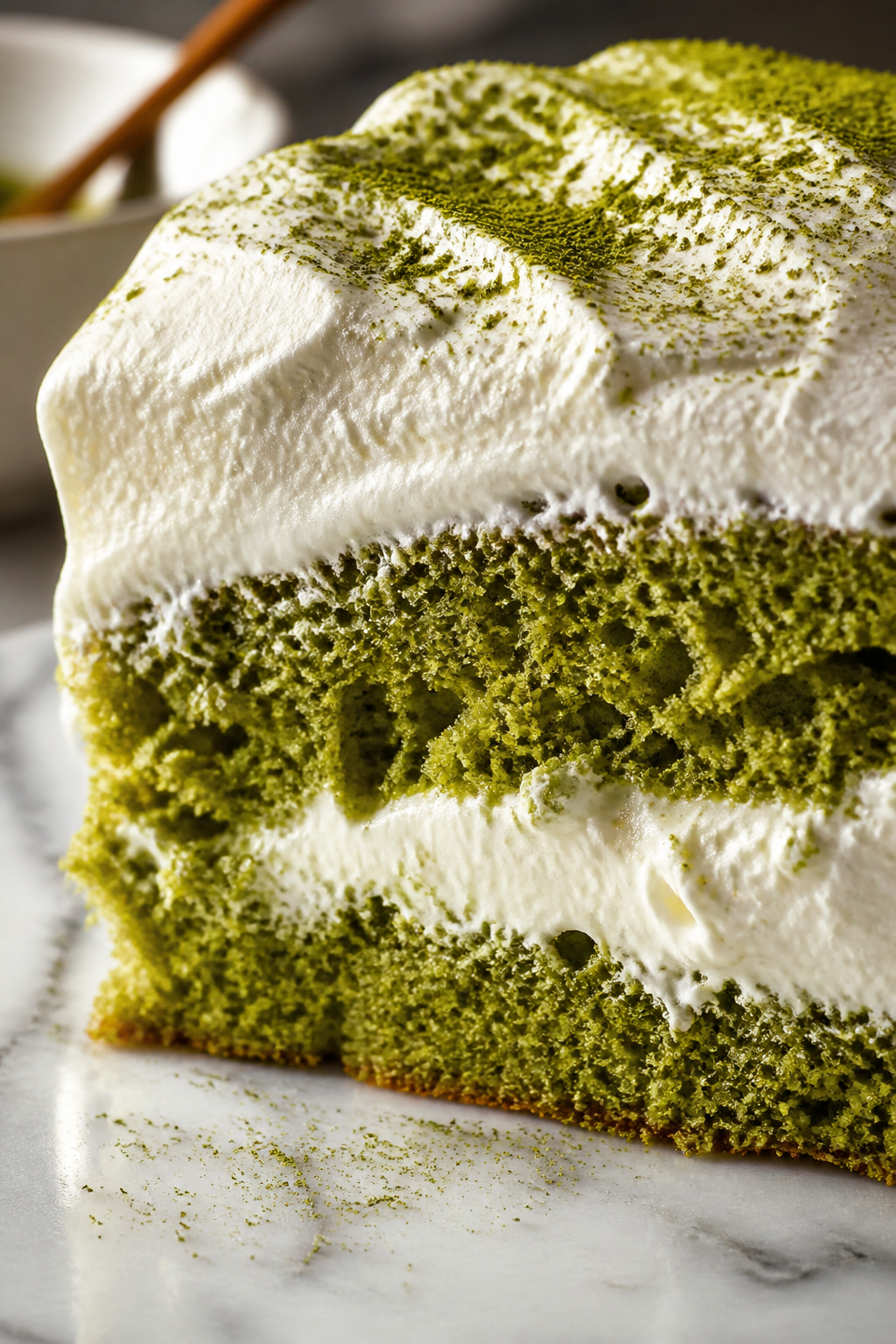
This matcha sponge cake is wonderfully light and fluffy, with a gentle green tea flavor that isn’t overpowering. The soft whipped cream frosting adds just the right touch of sweetness. Perfect for a cozy afternoon tea break!
Introduction
I first made this matcha sponge cake a few years ago when I wanted a light dessert that wasn’t too sweet but still felt special. Most matcha cakes I tried were dense or overly sweet, so I worked on a recipe that’s airy and delicate, letting the green tea flavor shine without being bitter. The trick I learned was folding the whipped egg whites carefully and using just the right amount of matcha powder for a subtle earthy note. Plus, the whipped cream frosting is easy to whip up and balances the slight bitterness perfectly. When it’s done, the cake feels like biting into a fluffy cloud with a gentle green tea aroma, perfect for afternoon tea or a light dessert after dinner. It’s become a favorite in my family, especially when we want something that feels fancy but is actually quite simple to make. I think you’ll love how it’s not too sweet and so soft—it’s one of those cakes you can eat without feeling guilty!
What You'll Need
One 8-inch round cake, 6 servings
- 1 cup cake flour, sifted
- 2 teaspoons matcha powder, sifted
- 4 large eggs, separated
- 3/4 cup granulated sugar, divided
- 1/4 teaspoon cream of tartar
- 1/4 cup whole milk
- 2 tablespoons unsalted butter, melted
- 1 cup heavy whipping cream
- 2 tablespoons powdered sugar
- 1 teaspoon vanilla extract
How To Do It
Step 1
Preheat your oven to 350°F (175°C). Prepare an 8-inch round cake pan by greasing it lightly and lining the bottom with parchment paper. This prevents sticking and helps the cake release cleanly. It’s important to have your oven fully heated before baking so the batter rises evenly and you get that perfect sponge texture.
⏱ Time: 10 minutes
✓ Doneness: Oven preheated to 350°F and pan ready with parchment lining
Step 2
In a bowl, sift together the cake flour and matcha powder. Sifting helps remove lumps and evenly distributes the matcha, ensuring a smooth batter and vibrant green color. Set this aside while you prepare the eggs, so everything is ready to combine quickly.
⏱ Time: 5 minutes
✓ Doneness: Flour and matcha mixture is smooth and lump-free
Step 3
Separate the egg yolks and whites into two large bowls. Make sure no yolk gets into the whites, or they won’t whip properly. This step is key to achieving the airy texture of the sponge cake. Keep the whites at room temperature for better volume when whipped.
⏱ Time: 5 minutes
✓ Doneness: Egg whites and yolks separated cleanly with no yolk contamination
Step 4
Beat the egg yolks with half of the sugar (about 3/8 cup) until pale and slightly thickened. This helps dissolve the sugar and incorporates air, contributing to the cake’s lightness. Take your time here; the mixture should be creamy and smooth.
⏱ Time: 3-4 minutes
✓ Doneness: Egg yolks are pale yellow and slightly thickened
Step 5
Warm the milk and melted butter slightly, then slowly add them to the egg yolk mixture while stirring continuously. This tempers the yolks and adds moisture and richness without curdling. The batter should be smooth and fluid at this stage.
⏱ Time: 3 minutes
✓ Doneness: Mixture is smooth, warm, and fully combined
Step 6
Gradually fold the sifted flour and matcha powder into the wet ingredients. Use a gentle folding motion to avoid deflating the mixture, which is crucial for keeping the sponge airy. Stop as soon as the flour is just incorporated to prevent toughness.
⏱ Time: 3-4 minutes
✓ Doneness: Batter is smooth with no streaks of flour but still light
Step 7
In the separate bowl, add the cream of tartar to the egg whites and beat until soft peaks form. Then, gradually add the remaining sugar and continue beating until stiff, glossy peaks form. This meringue provides the structure and lift for the sponge cake, so make sure it’s stable but not dry.
⏱ Time: 7-8 minutes
✓ Doneness: Stiff, glossy peaks that hold shape when the whisk is lifted
Step 8
Carefully fold one-third of the meringue into the matcha batter to lighten it. Then gently fold in the remaining meringue in two additions, being careful not to overmix. This technique keeps as much air as possible in the batter, resulting in that signature fluffy texture.
⏱ Time: 5 minutes
✓ Doneness: Batter is smooth, airy, and no visible meringue streaks remain
Step 9
Pour the batter into the prepared pan and smooth the top gently. Bake for 25-30 minutes, rotating the pan halfway through for even baking. The cake is done when it springs back lightly to touch and a toothpick inserted in the center comes out clean. Avoid opening the oven door too early to prevent collapse.
⏱ Time: 25-30 minutes
✓ Doneness: Golden surface, springy to touch, and toothpick comes out clean
Step 10
Let the cake cool in the pan for 10 minutes, then turn it out onto a wire rack to cool completely. Cooling upside down on a rack prevents the sponge from shrinking and keeps it light. Don’t frost until fully cooled or the whipped cream will melt.
⏱ Time: 30 minutes
✓ Doneness: Cake is completely cool and firm to touch
Step 11
Whip the heavy cream with powdered sugar and vanilla extract until soft peaks form. Taste and adjust sweetness if needed. This whipped cream frosting is light and complements the subtle matcha flavor perfectly without overpowering it.
⏱ Time: 5-7 minutes
✓ Doneness: Soft, fluffy peaks that hold shape but still spread easily
Step 12
Spread the whipped cream evenly over the cooled cake. You can add a dusting of extra matcha powder or decorate with fresh berries if you like. Chill the cake briefly before serving for best texture and flavor.
⏱ Time: 10 minutes
✓ Doneness: Evenly frosted cake with smooth cream surface
Variations
Matcha and Red Bean Sponge Cake
Add a layer of sweetened red bean paste between the sponge layers for a classic Japanese flavor twist. The earthy matcha pairs beautifully with the creamy, mildly sweet azuki beans, adding texture and depth.
Note: Spread a thin even layer of red bean paste before frosting to prevent sogginess. Use chilled paste for easier spreading.
Lemon Matcha Sponge Cake
Add lemon zest to the batter and a lemon syrup glaze after baking for a bright, citrusy contrast to the matcha’s earthiness. This variation feels fresh and vibrant, perfect for spring or summer.
Note: Brush the cooled cake with lemon syrup gently to avoid soaking the sponge too much.
Vegan Matcha Sponge Cake
Replace eggs with aquafaba and use plant-based milk and cream alternatives to make a vegan-friendly version. The texture will be slightly different but still light and delicious.
Note: Whip aquafaba as you would egg whites and fold carefully. Choose neutral-flavored plant cream for frosting.
Matcha Chiffon Cake
Use vegetable oil instead of butter and add baking powder for a chiffon-style cake that’s even lighter and more moist. It’s great if you prefer a less rich cake with a delicate crumb.
Note: Increase meringue volume slightly to maintain lift; bake in an ungreased tube pan for best results.
Matcha and White Chocolate Sponge Cake
Fold in finely chopped white chocolate into the batter or sprinkle on top before baking for sweet bursts that complement the matcha. The creamy sweetness balances the slight bitterness nicely.
Note: Use good quality white chocolate and fold in gently to avoid deflating the batter.
Pro Tips
Make sure your egg whites are at room temperature before whipping.
Room temperature egg whites whip up faster and achieve more volume because the proteins relax and unfold more easily. If the whites are too cold, it can take longer to whip and you might not get the stiff peaks needed for the cake’s airy structure.
Sift your matcha powder with the flour at least twice.
Matcha tends to clump because it’s finely ground and powdery. Sifting multiple times breaks up clumps and ensures an even distribution in the batter, preventing bitter streaks and uneven flavor throughout the cake.
Fold the meringue into the batter gently and in stages.
Folding in thirds allows the batter to lighten gradually, preserving the air bubbles needed for a fluffy sponge. Stirring too vigorously or adding all at once can deflate the meringue, resulting in a denser texture.
Don’t open the oven door during the first 20 minutes of baking.
Opening the oven door too early can cause a sudden temperature drop, making the delicate sponge collapse before it sets. Keeping the oven closed ensures the cake rises evenly and holds its structure.
Cool the cake upside down on a wire rack after baking.
Cooling upside down prevents the sponge from shrinking and collapsing under its own weight. It also helps maintain the light, airy texture by allowing steam to escape evenly.
Use chilled heavy cream for the whipped frosting.
Cold cream whips better and faster because the fat is more solid at lower temperatures. Warm cream can result in a runny, less stable frosting that won’t hold its shape as well on the cake.
Add cream of tartar to stabilize your egg whites.
Cream of tartar slightly acidifies the egg whites, strengthening the protein bonds and helping the meringue hold its shape longer. This leads to better volume and stability during folding and baking.
Common Mistakes to Avoid
Overmixing the batter after adding meringue
Why it happens Many cooks want to ensure everything is fully combined and accidentally stir too vigorously, thinking it will improve texture.
Fix Use a gentle folding motion to combine the meringue with the batter just until no streaks remain. Stop immediately to preserve the air bubbles. This keeps the cake light and fluffy instead of dense and heavy.
Not sifting matcha powder and flour
Why it happens Skipping sifting saves time but can lead to lumps and uneven flavor distribution.
Fix Always sift matcha powder with flour at least twice to break up clumps and ensure an even mix. This prevents bitter pockets and results in a smooth batter.
Using cold egg whites straight from the fridge
Why it happens In a rush, cooks may skip warming the whites, not realizing it affects volume.
Fix Let egg whites sit at room temperature for 20-30 minutes before whipping. This helps proteins whip more easily and achieve better volume.
Opening the oven door too early
Why it happens Curiosity or impatience often leads to checking too soon, causing temperature drops.
Fix Resist opening the oven door for at least 20 minutes after placing the cake inside. This prevents collapse and ensures even rising.
Frosting the cake before it’s fully cooled
Why it happens Impatience to finish the cake leads to spreading frosting on warm cake, which melts the cream.
Fix Allow the cake to cool completely on a wire rack before frosting. This keeps the whipped cream stable and prevents it from melting.
Nutrition
Per Serving:
Nutritional values are estimates and may vary based on specific ingredients used.
Storage & Tips
Room Temperature
This cake can be kept at room temperature for up to 4 hours if covered with a cake dome or plastic wrap to prevent drying out. However, because of the whipped cream frosting, it’s best enjoyed fresh or refrigerated soon after serving.
Refrigerator
Store leftover cake in an airtight container or cake keeper in the fridge for up to 2 days. The whipped cream frosting will firm up and the cake may become slightly denser but still delicious. Let it sit at room temp for 15 minutes before serving for best texture.
Freezer
Freeze unfrosted sponge cake wrapped tightly in plastic wrap and aluminum foil for up to 2 months. Thaw overnight in the fridge, then whip fresh cream to frost before serving. Avoid freezing cake with whipped cream as it doesn’t freeze well.
Reheating
Since this is a delicate sponge cake with whipped cream, reheating isn’t recommended. If needed, warm a small slice gently in the microwave for 10 seconds but avoid heating the frosting to prevent melting.
Make Ahead
You can bake the sponge cake 1-2 days ahead and store it wrapped tightly in plastic wrap at room temperature or in the fridge. Whip and apply the cream frosting on the day you plan to serve for the freshest taste and best texture.
FAQ
Can I use all-purpose flour instead of cake flour?
You can substitute all-purpose flour but the cake may turn out slightly denser and less tender because AP flour has more protein, which develops more gluten. To mimic cake flour, you can measure 1 cup AP flour, remove 2 tablespoons, and add 2 tablespoons cornstarch, then sift well before using.
What if my egg whites won’t whip to stiff peaks?
Make sure there’s no yolk in the whites, and that your bowl and whisk are completely clean and grease-free. Also, room temperature whites whip better. Adding a pinch of cream of tartar stabilizes the meringue. If it’s humid or very cold, whipping may take longer.
How do I prevent the cake from collapsing after baking?
Avoid opening the oven door during the first 20 minutes of baking to maintain stable heat. Also, fold the batter gently to keep air bubbles intact. Cooling the cake upside down on a wire rack helps maintain its height and lightness.
Can I use a different frosting instead of whipped cream?
Yes, buttercream or cream cheese frosting can work but will make the cake richer and heavier. Whipped cream keeps the dessert light and pairs well with matcha’s subtle flavor. If using a heavier frosting, consider reducing sugar slightly in the batter.
Why is my matcha cake bitter?
Matcha can taste bitter if you use too much powder or low-quality matcha. Use a high-quality, bright green matcha and measure carefully. Also, balancing with enough sugar and creamy frosting helps mellow bitterness.
Can I make this cake gluten-free?
Gluten-free sponge cakes require special flour blends and often additional stabilizers. Simply swapping cake flour for gluten-free flour may not yield the same texture. Look for gluten-free sponge cake recipes designed with alternative flours and xanthan gum.
How long does the whipped cream frosting hold up?
Whipped cream frosting holds best when chilled and eaten within 1-2 days. It can soften or weep if left out too long or exposed to warm temperatures. Stabilizing the cream with gelatin or a commercial stabilizer can extend its firmness.
Is there a way to intensify the matcha flavor?
You can increase the matcha powder slightly but be cautious as too much will make the cake bitter. Another way is to dust the finished cake with extra sifted matcha or add a thin matcha glaze on top for a more pronounced flavor.
Final Thoughts
I hope you give this matcha sponge cake a try—it’s one of those desserts that feels special but is surprisingly simple. Let me know how yours turns out and what your favorite variation is!