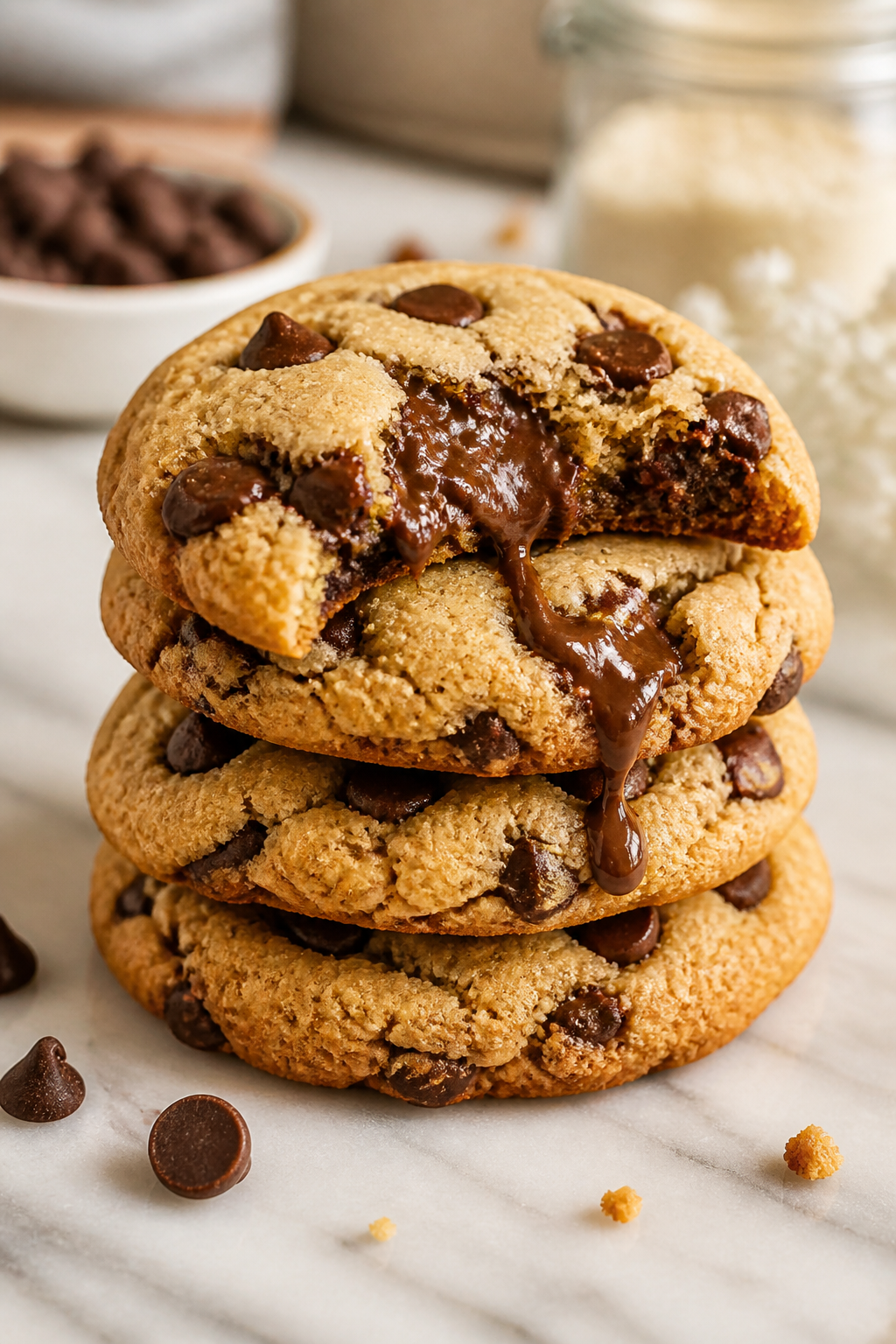
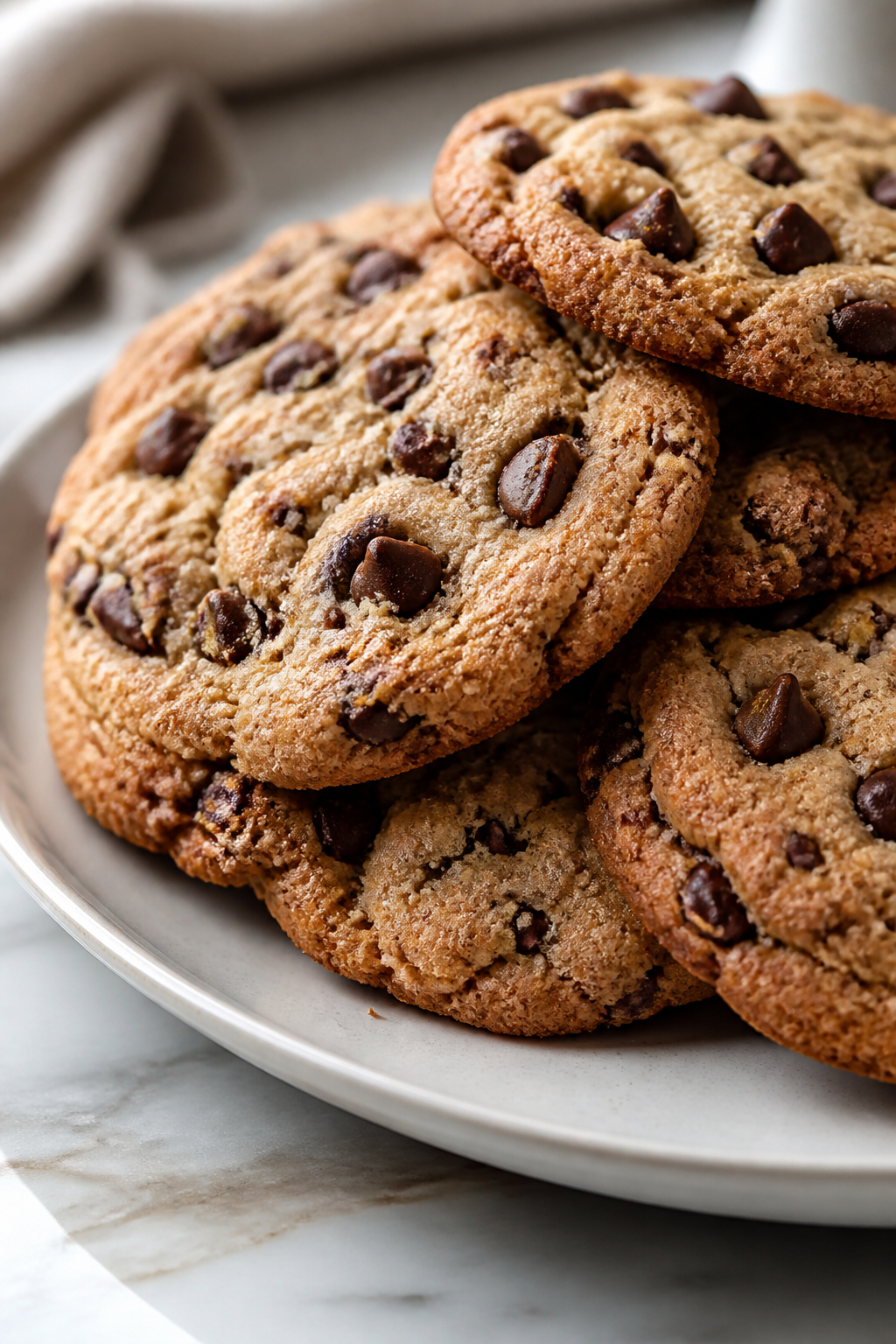
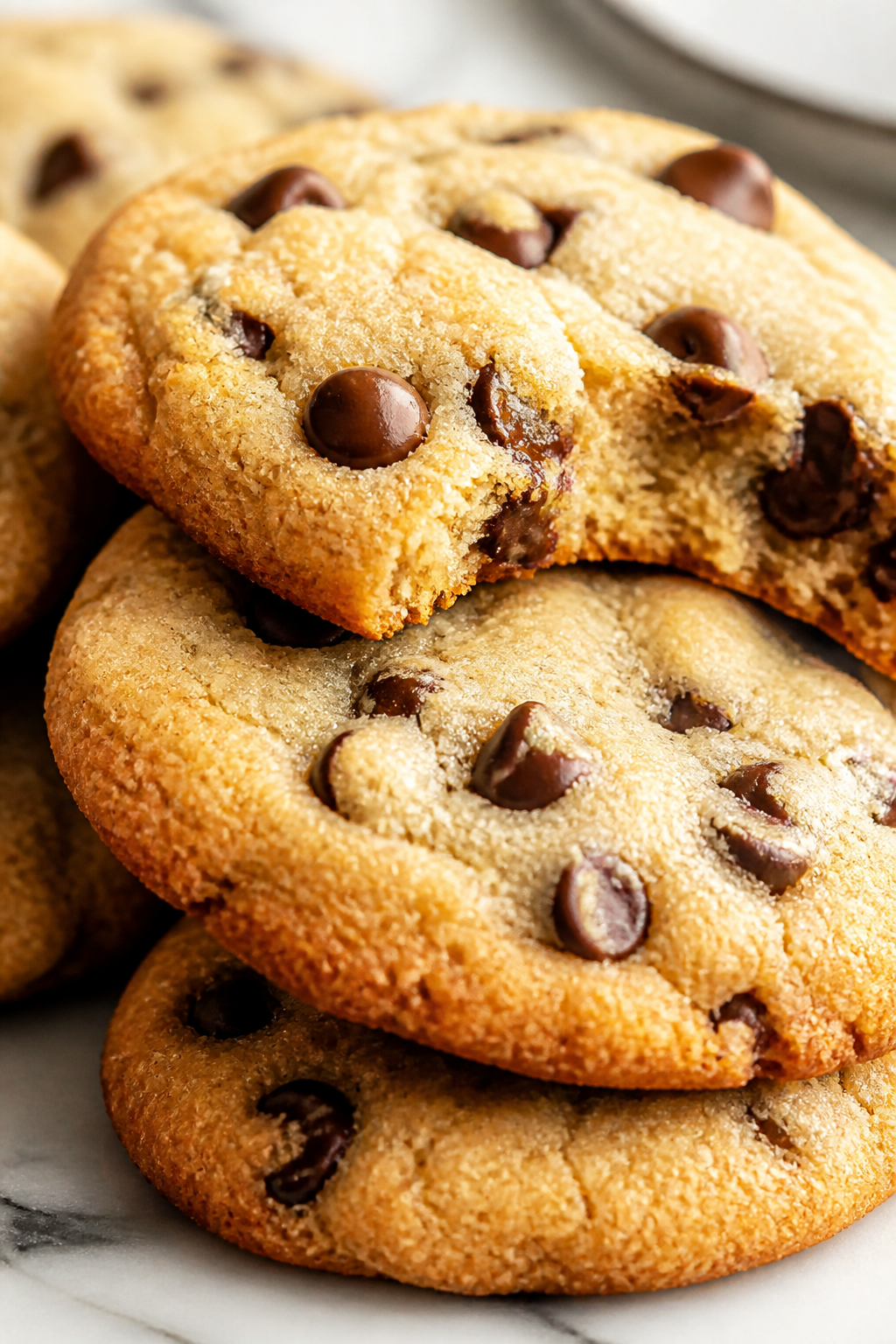
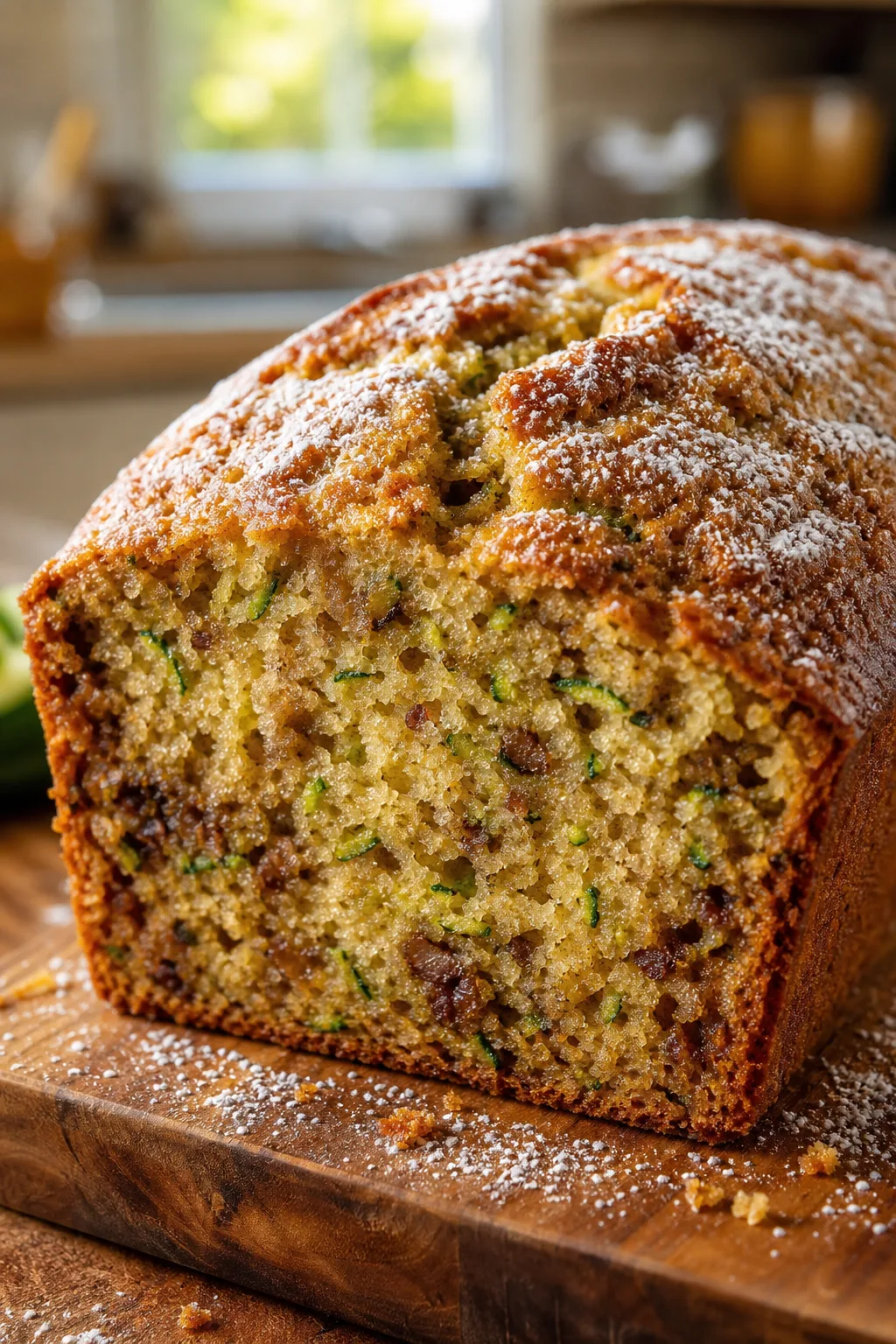
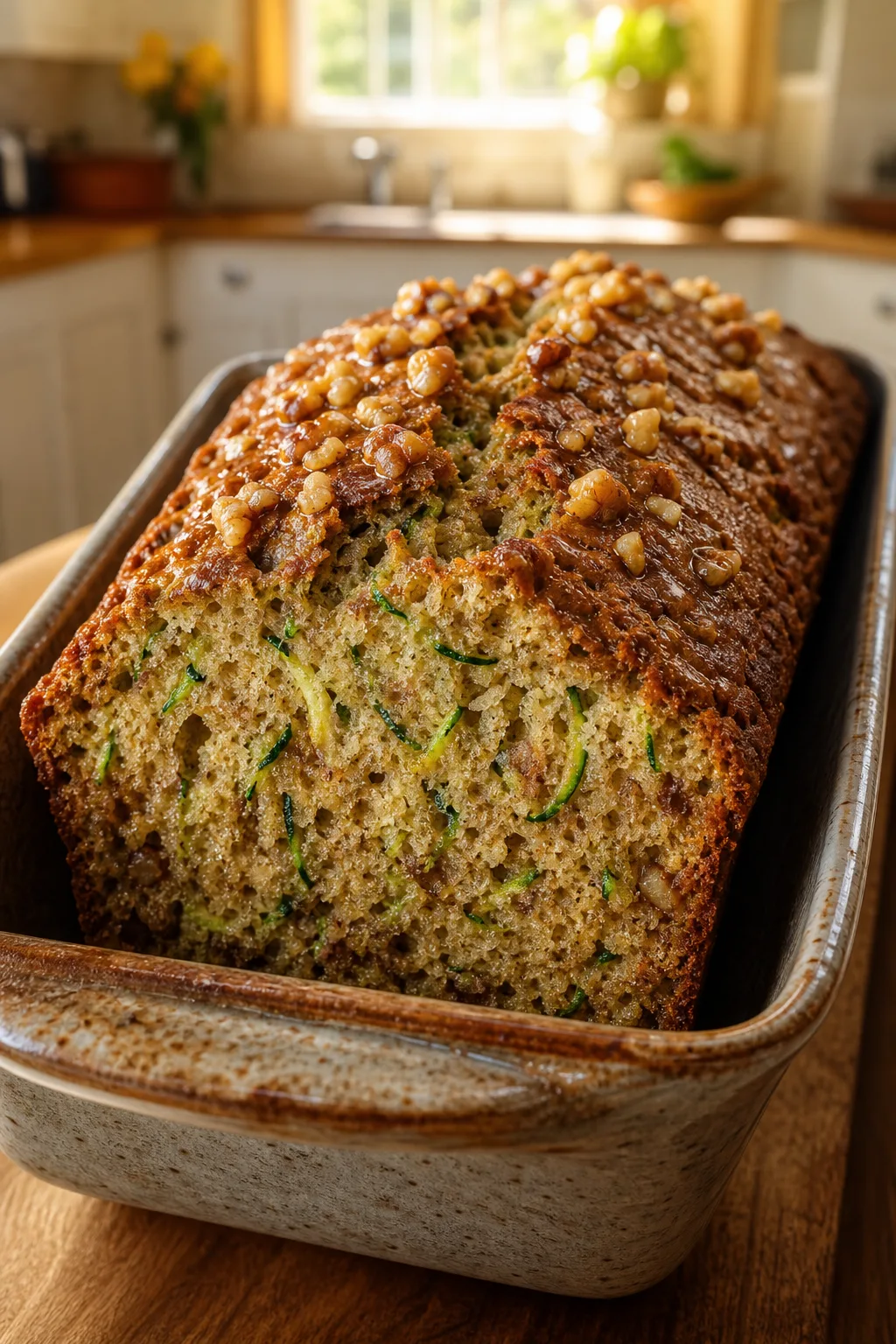
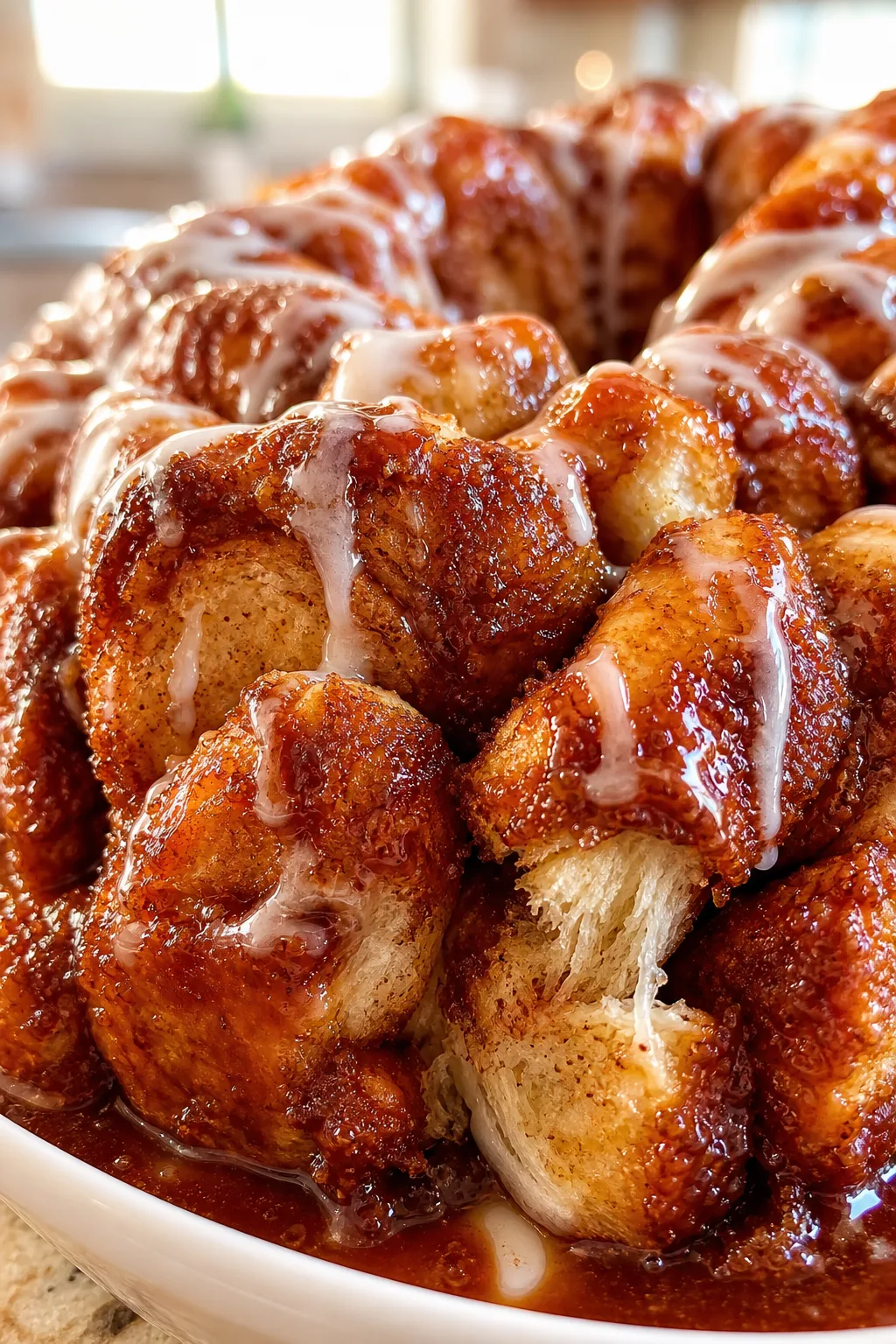
These gluten-free chocolate chip cookies are soft and buttery thanks to almond flour’s natural nuttiness. They stay moist and tender without gluten, making them perfect for afternoon snacks or sharing with friends.
Introduction
I first tried making gluten-free chocolate chip cookies when a close friend told me she missed her favorite treat but couldn’t have gluten. I experimented with almond flour because I loved its natural nuttiness and how it adds moisture without gluten’s structure. Early attempts were crumbly or dry, but I discovered that blending softened butter with coconut oil gave the dough a perfect tender texture. Also, using a touch of brown sugar alongside granulated sugar helped keep them soft and chewy. What I love about this recipe is how the cookies stay moist and buttery even after a day or two, which is rare for gluten-free baking. They’re great for an afternoon snack or for sharing with friends who appreciate a cozy homemade cookie. The chocolate chips melt just right, making every bite comforting and indulgent. If you’ve ever struggled with dry or gritty gluten-free cookies, this recipe will feel like a little victory. Plus, it’s simple enough for a weeknight bake but special enough to impress guests.
How To Do It
Step 1
Preheat your oven to 350°F (175°C) and line two baking sheets with parchment paper or silicone mats. This ensures your cookies won’t stick and bake evenly. It’s important to have the oven fully heated before baking so the cookies spread properly without drying out. A common mistake is to bake in a cold oven, which can cause uneven texture and pale cookies. Set aside the baking sheets while you prepare the dough.
⏱ Time: 10 minutes
✓ Doneness: Oven is preheated and baking sheets are prepared with parchment or mats
Step 2
In a medium bowl, whisk together the almond flour, baking soda, and salt. Mixing these dry ingredients evenly ensures your cookies will rise just enough and have balanced flavor. Almond flour can clump, so break up any lumps with your fingers or a fork. If you skip this step, your cookies might have uneven texture or pockets of leavening that cause strange air bubbles.
⏱ Time: 5 minutes
✓ Doneness: Dry ingredients are combined with no lumps or uneven spots
Step 3
In a large bowl, beat the softened butter, melted coconut oil, brown sugar, and granulated sugar using an electric mixer or whisk until the mixture is smooth and creamy. This step is crucial because properly creaming the fats and sugars traps air, helping the cookies rise and stay tender. If you don’t cream well, the cookies can turn out dense or greasy. Take your time until the mixture looks light and fluffy.
⏱ Time: 3-5 minutes
✓ Doneness: Mixture is smooth, pale, and slightly fluffy
Step 4
Add the egg and vanilla extract to the butter and sugar mixture, beating until fully incorporated. The egg adds moisture and helps bind the dough, while vanilla enhances flavor depth. Don’t rush here—mix until smooth to avoid streaks of egg white or yolk. Skipping this can lead to uneven baking and flavor.
⏱ Time: 2 minutes
✓ Doneness: Dough looks uniform and glossy without streaks
Step 5
Slowly add the dry almond flour mixture to the wet ingredients, folding gently with a spatula until just combined. Overmixing can break down the almond flour’s texture and make the cookies tough. Fold carefully to keep the dough tender. Once the flour is evenly distributed, stop mixing.
⏱ Time: 3 minutes
✓ Doneness: Dough is fully combined without dry flour spots but not overworked
Step 6
Fold in the chocolate chips evenly throughout the dough. This ensures every cookie has plenty of melty chocolate without clumping them in one area. Use a spatula and gently turn the dough over a few times until the chips are mixed in. Avoid pressing or crushing the chips.
⏱ Time: 2 minutes
✓ Doneness: Chocolate chips are evenly distributed throughout the dough
Step 7
Using a cookie scoop or tablespoon, drop rounded balls of dough onto the prepared baking sheets, spacing them about 2 inches apart. This gives the cookies room to spread without merging. If you place them too close, the cookies will bake into one large sheet and lose their shape.
⏱ Time: 5 minutes
✓ Doneness: Evenly spaced dough balls on the baking sheet
Step 8
Bake the cookies in the preheated oven for 10-12 minutes. Watch closely starting at 10 minutes; you want the edges to be golden but the centers still soft. Overbaking will dry them out, which is common in gluten-free cookies. The cookies will firm up as they cool, so pulling them out when the centers look just set is key.
⏱ Time: 10-12 minutes
✓ Doneness: Edges are lightly golden, centers appear set but soft
Step 9
Let the cookies cool on the baking sheet for 5 minutes before transferring them to a wire rack to cool completely. This rest time allows the cookies to firm up and finish baking gently. Moving them too soon can cause them to break apart, and leaving them too long on hot sheets can overcook the bottoms.
⏱ Time: 10 minutes
✓ Doneness: Cookies hold their shape and cool to room temperature on rack
Variations
Add chopped toasted pecans
For a nutty crunch, fold in 1/2 cup chopped toasted pecans along with the chocolate chips. The toasting intensifies their flavor and adds a delightful texture contrast that pairs beautifully with almond flour.
Note: Chop nuts evenly and toast them in a dry pan over medium heat until fragrant, about 3-4 minutes, cooling before adding to dough.
Use dark chocolate chunks instead of chips
Swap out chocolate chips for roughly chopped dark chocolate chunks for a richer, less sweet cookie. The larger pieces melt unevenly, creating pockets of gooey chocolate that make each bite exciting.
Note: Chop chocolate into chunks about 1/4 inch in size to ensure even melting without making the dough too soft.
Make them vegan by replacing the egg
Replace the egg with a flax egg (1 tablespoon ground flaxseed mixed with 3 tablespoons water, rested 5 minutes). This keeps the dough binding and moist without animal products, perfect for vegan diets.
Note: Flax eggs add moisture but may slightly change texture, making cookies a bit denser.
Add a pinch of cinnamon and sea salt
Sprinkle 1/2 teaspoon cinnamon into the dry ingredients and a pinch of flaky sea salt on top before baking. This adds warmth and a flavor boost that complements the chocolate beautifully.
Note: Cinnamon blends into the dough evenly while sea salt enhances sweetness when sprinkled on top just before baking.
Use sunflower seed butter instead of butter
For a nut-free option, substitute the butter with sunflower seed butter. It keeps the cookies moist and adds a subtle sunflower flavor that works well with chocolate chips.
Note: Sunflower seed butter is softer than butter, so reduce coconut oil slightly to avoid overly greasy dough.
Pro Tips
Use room temperature butter for proper creaming.
Room temperature butter creams better with sugar, trapping air that makes cookies light and tender. Cold butter won’t mix well, and melted butter won’t trap air at all, resulting in dense, greasy cookies.
Don’t overmix the dough after adding dry ingredients.
Overmixing breaks down almond flour’s delicate texture and can cause tough cookies. Folding gently just until combined preserves tenderness and ensures even distribution of ingredients.
Space cookies at least 2 inches apart on the baking sheet.
Cookies spread as they bake; too close and they merge into one big cookie. Proper spacing ensures they keep their shape and bake evenly with crisp edges.
Watch baking time closely and remove cookies when edges are golden but centers are soft.
Gluten-free cookies can quickly become dry if overbaked. Removing them early lets them finish baking on the hot sheet and stay tender inside.
Use parchment paper or silicone mats to prevent sticking.
These surfaces provide even heat and prevent cookies from sticking or burning on the bottom, making cleanup easier and cookies prettier.
Store cookies in an airtight container once fully cooled.
Trapping moisture keeps cookies soft longer. Cooling fully before storing prevents condensation that could make cookies soggy.
Try mixing in different types of chocolate chips or nuts for variety.
Adding texture or flavor variations personalizes the cookies and keeps them interesting. Just fold gently to avoid overworking the dough.
Common Mistakes to Avoid
Using coarse almond meal instead of finely ground almond flour.
Why it happens Many recipes call for almond flour, but some people grab almond meal which has larger pieces. This leads to gritty texture and uneven baking.
Fix Always check the label and choose finely ground almond flour. If you only have almond meal, pulse it in a food processor to make it finer before using.
Overbaking the cookies until they’re hard.
Why it happens It’s tempting to bake until fully firm, but gluten-free cookies dry out quickly if left too long.
Fix Pull cookies from the oven when edges are golden but centers still look a bit soft. Let them finish setting on the baking sheet.
Skipping the creaming step and mixing all ingredients together at once.
Why it happens Some think mixing everything quickly saves time, but creaming butter and sugar is essential for texture.
Fix Take the time to cream butter and sugars until fluffy to trap air and improve cookie tenderness.
Not spacing cookies properly on the baking sheet.
Why it happens In a rush, cookies can be placed too close together and spread into one another.
Fix Leave about 2 inches between dough balls to allow even spreading and avoid merging.
Using cold butter or melted butter instead of softened butter.
Why it happens Cold butter won’t cream properly, and melted butter doesn’t trap air, both leading to dense cookies.
Fix Soften butter at room temperature until it yields to gentle pressure but isn’t oily or melted.
Nutrition
Per Serving:
Nutritional values are estimates and may vary based on specific ingredients used.
Storage & Tips
Room Temperature
Cookies keep well at room temperature for up to 2 days when stored in an airtight container. Make sure they are completely cooled before storing to avoid moisture buildup that can make them soggy.
Refrigerator
Store cookies in an airtight container in the fridge for up to 5 days. Note that refrigeration may firm them up and slightly change texture; you can bring them back to room temperature before serving for best softness.
Freezer
Freeze cookies in a single layer on a baking sheet, then transfer to a freezer-safe bag or container for up to 3 months. Wrap tightly to prevent freezer burn. Thaw at room temperature or warm gently in the oven to restore softness.
Reheating
Warm cookies in a 300°F oven for 5-7 minutes to refresh softness and melt chocolate chips. Avoid microwaving for long periods as it can make cookies tough or rubbery. A quick warm-up is best.
Make Ahead
You can prepare the cookie dough 1-2 days ahead, storing it tightly wrapped in the fridge. Let it come to room temperature before scooping and baking. This resting helps flavors deepen and dough hydrate for a better texture.
FAQ
Can I substitute almond flour with another gluten-free flour?
Almond flour’s moisture and fat content are key to this recipe’s tenderness. Using other gluten-free flours like oat or rice flour may result in drier, crumblier cookies. If you must substitute, try a blend with some xanthan gum to help bind, but expect texture differences.
Why are my gluten-free cookies dry or crumbly?
Dry cookies often result from overbaking, skipping the creaming step, or using the wrong flour. Make sure to follow baking times carefully, cream butter and sugar well, and use finely ground almond flour. Adding a bit of coconut oil helps keep them moist.
Can I use salted butter instead of unsalted?
Yes, but reduce or omit adding extra salt in the dough to avoid over-salting. Unsalted butter gives you more control over flavor, but salted butter works fine if adjusted.
How do I store gluten-free cookies to keep them soft?
Store completely cooled cookies in an airtight container at room temperature. Adding a slice of bread to the container can help maintain moisture. Avoid refrigeration unless necessary, as it can dry cookies out.
Can I make the dough ahead and freeze it?
Absolutely! Form dough balls and freeze them on a baking sheet, then transfer to a freezer bag. Bake from frozen, adding a couple extra minutes to the baking time. This is great for quick fresh cookies anytime.
What’s the secret to chewy gluten-free cookies?
Using a combination of brown sugar and fat like coconut oil and butter helps retain moisture and chewiness. Also, removing cookies from the oven when edges are set but centers soft prevents them from drying out.
Can I use chocolate chips with nuts or dairy-free options?
Yes, dairy-free and nut-free chocolate chips work fine. Just ensure the chips are suitable for your dietary needs. The flavor might vary slightly but the texture remains delicious.
Why do my cookies spread too much or too little?
Too much spreading can happen if the dough is too warm or has too much fat. Chill dough briefly if needed. Too little spreading may indicate cold dough or too much flour. Measure ingredients carefully for balance.
Final Thoughts
Give these almond flour chocolate chip cookies a try — I promise they’ll become a favorite gluten-free treat. Let me know how they turn out and if you add your own twist!