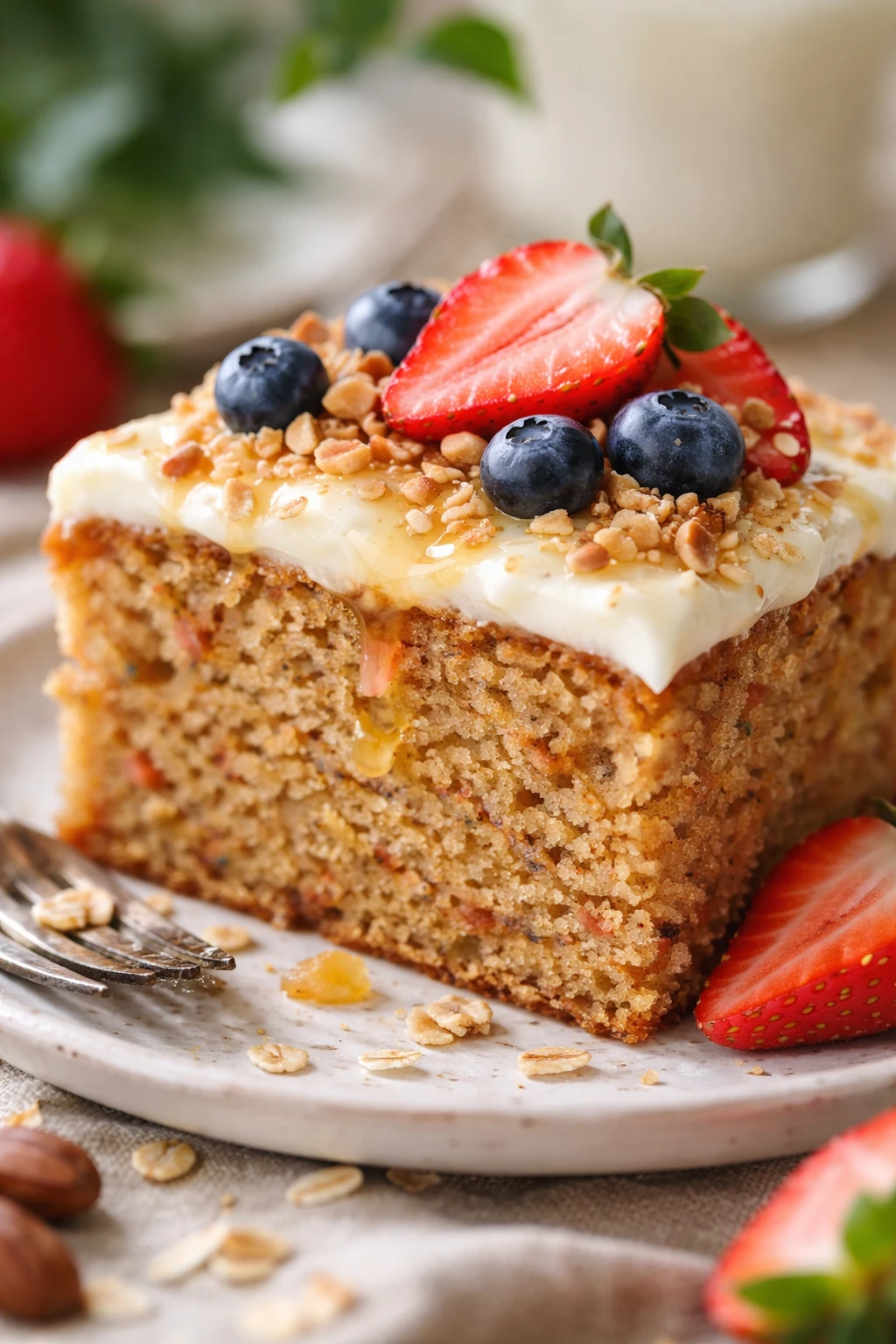
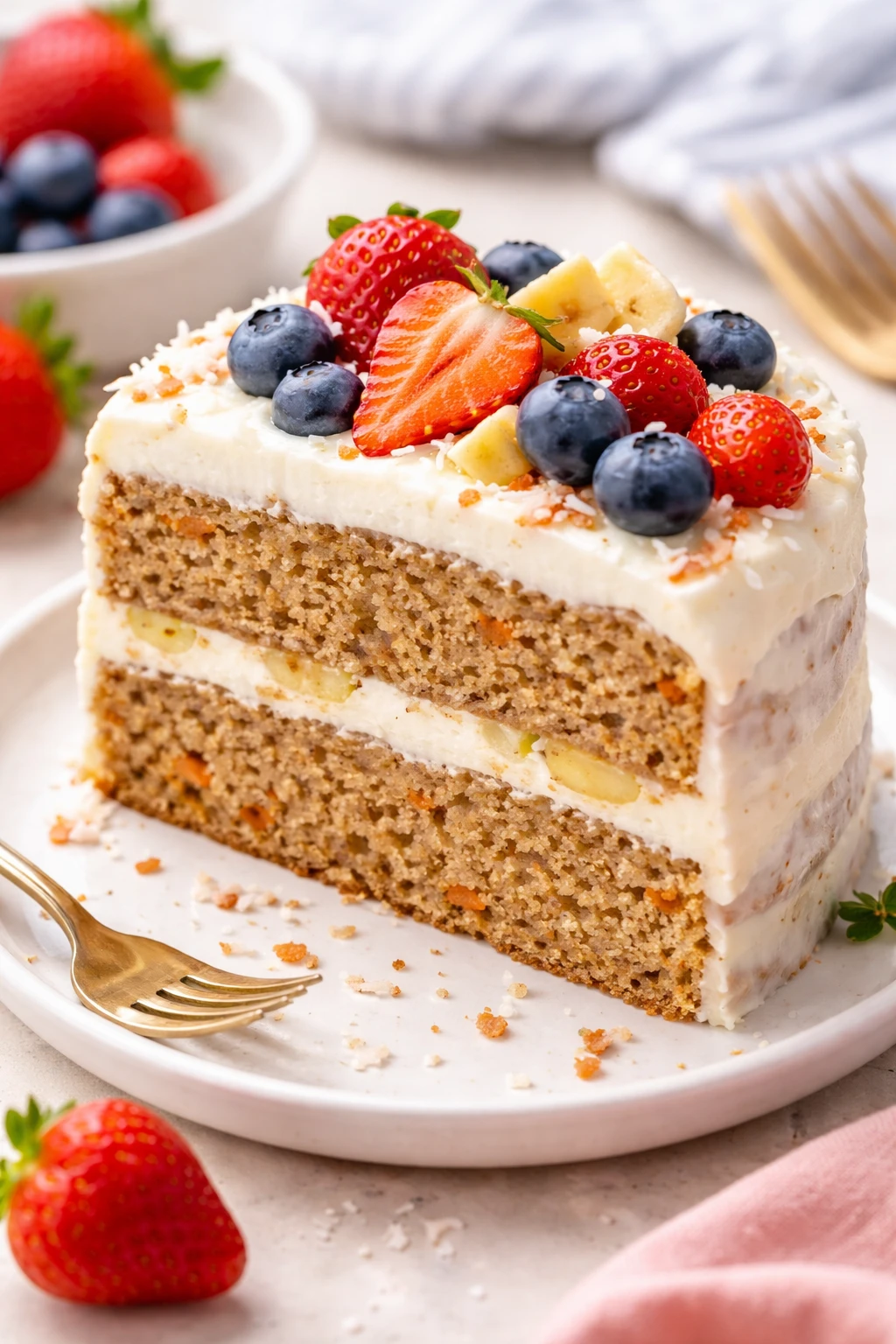
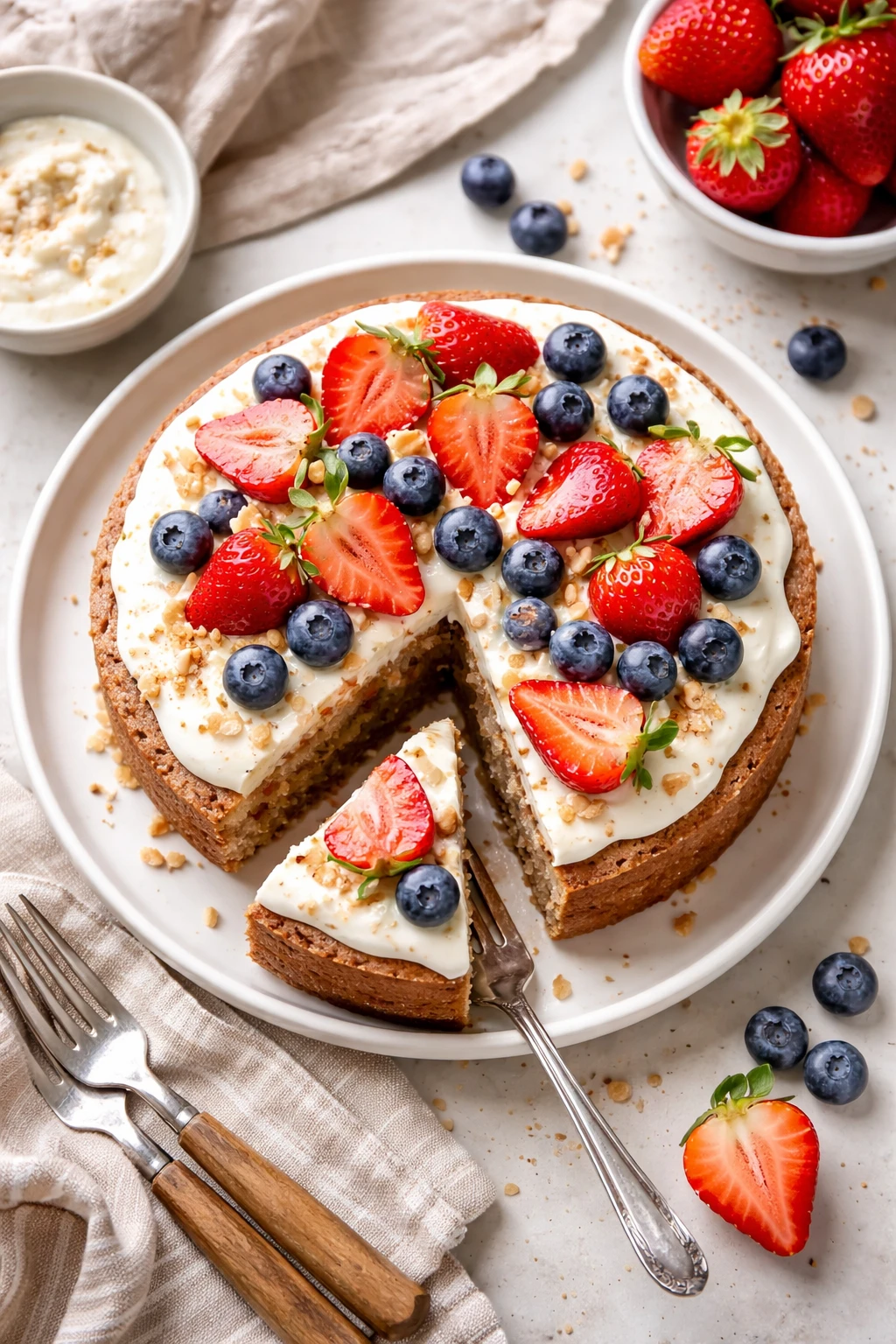
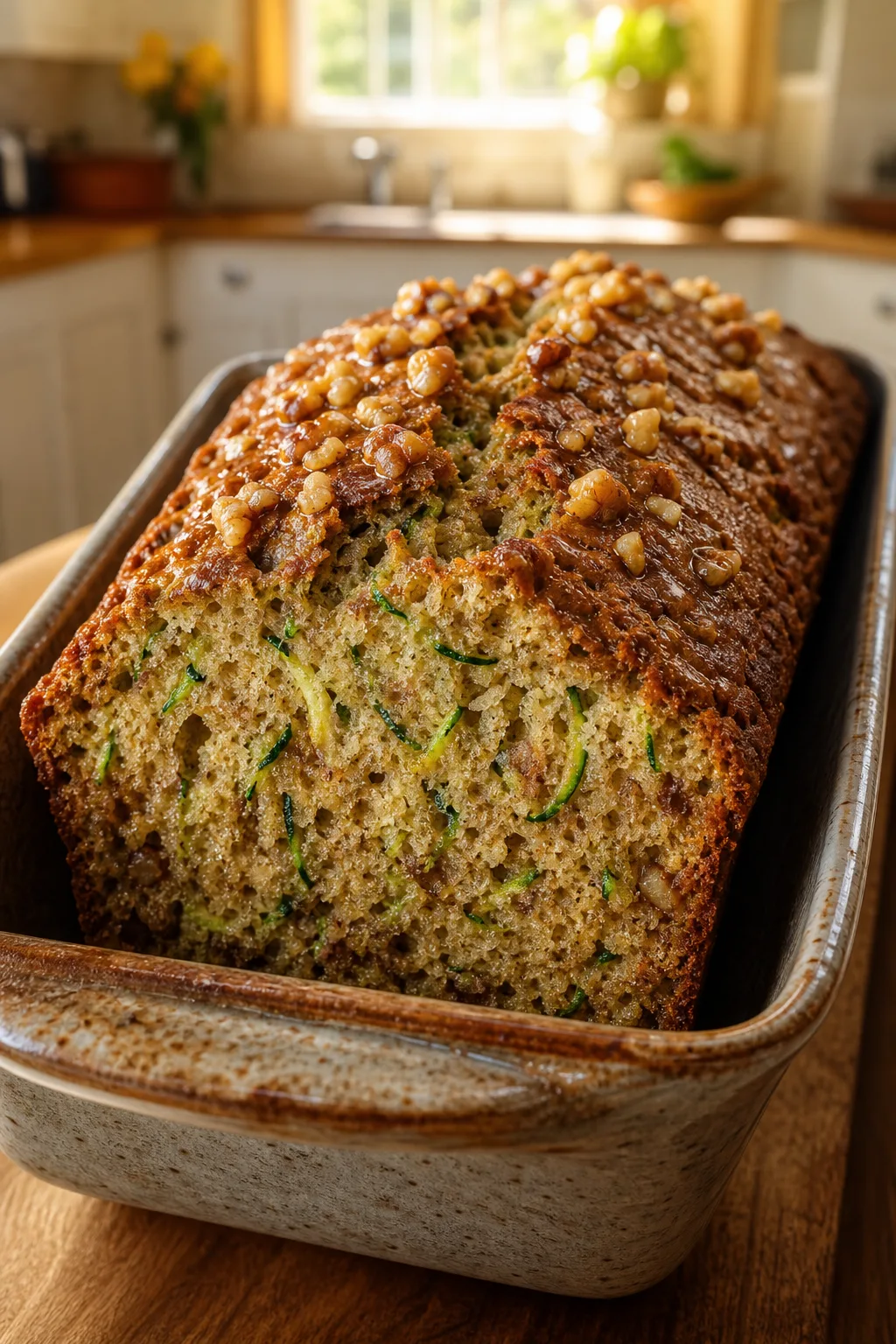
This gentle banana oat cake is perfect for little ones just starting solids. Naturally sweetened and super soft, it’s easy to customize with your favorite fruits. A great snack or celebration treat for toddlers!
Introduction
I first made this banana oat cake when my little one was just starting solids and needed something soft, wholesome, and naturally sweet. I wanted to avoid added sugars and artificial stuff, so this recipe grew from my love of simple, nourishing ingredients. What makes it stand out is the use of ripe bananas for natural sweetness and rolled oats for a tender crumb and gentle texture. The applesauce keeps it moist without oil or butter, which I appreciate for a baby-friendly treat. I’ve found that adding a bit of cinnamon and vanilla brings in subtle warmth and flavor without overwhelming tiny taste buds. Plus, you can easily swap in whatever fruit is in season or your baby enjoys, making it versatile and fun. The cake turns out soft, lightly sweet, and just perfect for little hands to hold, whether for snack time or a small celebration. I’ve had a few batches that were too dense or dry, but the trick I learned is not to overmix and to use just ripe bananas. This version feels like a gentle hug in cake form—comforting, simple, and wholesome.
What You'll Need
Approximately 6 small slices, 6 servings
- 2 ripe bananas, mashed
- 1 1/2 cups rolled oats
- 1/2 cup unsweetened applesauce
- 1 teaspoon baking powder
- 1/2 teaspoon cinnamon
- 1/4 teaspoon vanilla extract
- 1/4 cup milk (dairy or plant-based)
- Optional: 1/4 cup finely chopped soft fruit (blueberries, peaches)
How To Do It
Step 1
Preheat your oven to 350°F (175°C). Lightly grease or line a small loaf pan or cake tin with parchment paper. This step is important because it ensures your cake won’t stick and will come out cleanly. Using parchment also helps with even baking and prevents edges from burning. Take your time prepping the pan so you don’t have to worry about the cake later.
⏱ Time: 10
✓ Doneness: Pan is evenly greased or parchment is well fitted with no wrinkles
Step 2
In a large bowl, mash the ripe bananas thoroughly with a fork until smooth but still a bit chunky. This natural mashing releases sweetness and moisture, which keeps the cake soft. Over-mashing can make the batter too wet, so aim for a slightly chunky texture. The bananas are the star here, so make sure they’re really ripe for the best flavor and sweetness.
⏱ Time: 5
✓ Doneness: Bananas appear mostly smooth with small soft lumps
Step 3
Add the unsweetened applesauce, vanilla extract, and milk to the mashed bananas. Stir gently to combine. The applesauce replaces oil or butter, giving moisture without heaviness, while the milk helps loosen the batter to a pourable consistency. Stirring gently avoids developing gluten, which keeps the cake tender.
⏱ Time: 3
✓ Doneness: Mixture is smooth and slightly runny but not watery
Step 4
In a separate bowl, whisk together the rolled oats, baking powder, and cinnamon. This dry mix ensures even distribution of leavening agents and spice, which helps the cake rise and develop flavor uniformly. Whisking also breaks up any oat clumps so the texture stays light.
⏱ Time: 4
✓ Doneness: Dry ingredients are evenly mixed with no lumps
Step 5
Slowly fold the dry oat mixture into the wet banana mixture. Use a spatula and fold gently until just combined. Avoid overmixing here; overworking the batter can make the cake tough. The goal is a moist, slightly thick batter with no large pockets of flour or oats.
⏱ Time: 4
✓ Doneness: Batter is uniform in color and texture with no streaks
Step 6
If using, fold in finely chopped soft fruit like blueberries or peaches. This adds bursts of flavor and natural sweetness. Make sure the fruit is soft and ripe to avoid any choking hazards for little ones. Folding gently keeps the fruit intact and evenly distributed.
⏱ Time: 2
✓ Doneness: Fruit pieces are scattered evenly throughout the batter
Step 7
Pour the batter into your prepared pan and smooth the top with a spatula. Leveling the batter helps it bake evenly and rise uniformly without cracking. Don’t tap the pan too hard or you’ll compress the batter and lose air bubbles.
⏱ Time: 3
✓ Doneness: Batter surface is smooth and even, no large air pockets
Step 8
Bake for 25-30 minutes until a toothpick inserted into the center comes out clean or with just a few moist crumbs. The baking time varies by oven, so start checking around 25 minutes. Underbaking will make the cake gummy, while overbaking dries it out. The cake should be golden and spring back lightly when pressed.
⏱ Time: 30
✓ Doneness: Golden top with toothpick testing clean or with moist crumbs
Step 9
Allow the cake to cool in the pan for 10 minutes, then transfer to a wire rack to cool completely. Cooling sets the crumb and makes slicing easier without crumbling. Serving warm is okay, but fully cooled cake holds together better for little hands.
⏱ Time: 15
✓ Doneness: Cake is firm to touch and cool to the touch
Variations
Blueberry Banana Oat Cake
Fold in 1/4 cup fresh or thawed blueberries for bursts of juicy sweetness. Blueberries add antioxidants and vibrant color, making the cake visually appealing and flavorful for toddlers.
Note: Ensure blueberries are soft and ripe; fresh ones can be gently mashed to avoid choking hazards. Adjust baking time by a few minutes if batter seems wetter.
Peach Cinnamon Banana Cake
Add 1/4 cup finely chopped ripe peaches and an extra 1/4 teaspoon cinnamon for a warm, fruity twist. Peaches keep the cake moist and add a delicate floral sweetness.
Note: Use very ripe peaches and chop finely to maintain soft texture. Cinnamon enhances flavor but can be reduced for sensitive palates.
Pumpkin Banana Oat Cake
Replace applesauce with canned pumpkin puree for a fall-inspired version. Pumpkin adds moisture and a subtle earthiness, plus extra vitamins and fiber.
Note: Pumpkin puree is thicker than applesauce, so you may need to add a splash more milk to keep batter moist and pourable.
Nut-Free Banana Oat Cake with Sunflower Seed Butter
Swirl in 2 tablespoons sunflower seed butter for a creamy, nut-free richness that’s safe for allergy-sensitive kids. It adds protein and a mild nutty flavor.
Note: Sunflower seed butter can make batter thicker; adjust milk slightly to maintain consistency. Avoid if sunflower allergies are a concern.
Vegan Banana Oat Cake
Use plant-based milk like oat or almond and replace eggs with a flaxseed egg (1 tablespoon ground flaxseed + 3 tablespoons water) if you want to add egg for binding. This keeps the cake vegan and allergen-friendly.
Note: Flax egg adds binding and moisture but may slightly change texture. Let it sit 5 minutes before mixing into batter for best results.
Pro Tips
Always use very ripe bananas for natural sweetness and moisture.
Ripe bananas contain higher sugar content and softer texture, which naturally sweeten the cake and keep it moist. Using underripe bananas can result in a bland or dry cake that won’t hold together well.
Don’t overmix the batter after adding dry ingredients.
Overmixing develops gluten in the oats and flour, making the cake tough and dense. Folding gently until just combined keeps the crumb tender and light, perfect for little mouths.
Line your pan with parchment paper for easy cake removal.
This prevents sticking without needing excess grease, which can alter texture. It also helps the cake bake evenly and keeps edges from overbrowning.
Check your cake a few minutes before the end of baking time.
Ovens vary, and overbaking dries the cake out. A toothpick test ensures it’s perfectly cooked with a moist crumb, not gummy or dry.
Cool the cake completely before slicing for clean cuts.
Warm cake is fragile and crumbly. Cooling allows the crumb to set and makes slicing easier, especially for soft cakes like this one.
Customize by adding soft fruits or mild spices for variety.
Adding blueberries, peaches, or a dash of nutmeg can keep this cake exciting and introduce new flavors for your baby’s palate safely.
Use a gentle folding motion when combining wet and dry ingredients.
This technique prevents overworking the batter, which keeps the texture soft and prevents a tough cake. It also ensures even distribution of ingredients.
Common Mistakes to Avoid
Using underripe bananas
Why it happens Sometimes cooks grab bananas that look fine but aren’t fully ripe, thinking they’ll be sweet enough. This leads to a bland or dry cake.
Fix Make sure your bananas are very soft and heavily speckled with brown spots. If needed, ripen bananas faster by placing them in a paper bag with an apple or leaving them out for a few days.
Overmixing the batter
Why it happens It’s easy to keep stirring to get everything well combined, but this develops gluten and toughens the cake.
Fix Mix wet and dry ingredients just until no large streaks remain. Stop as soon as the batter is uniform to keep the crumb tender.
Baking at too high a temperature
Why it happens Some ovens run hot or cooks set the temperature too high to speed up baking, causing the cake to brown too fast and dry out.
Fix Stick to 350°F (175°C) and use an oven thermometer if possible. Bake until a toothpick comes out clean to avoid overbaking.
Not preparing the pan properly
Why it happens Skipping greasing or lining the pan can cause the cake to stick, making it hard to remove cleanly.
Fix Always grease the pan lightly or line it with parchment paper. This prevents sticking and preserves the cake’s shape.
Adding too much liquid
Why it happens Sometimes cooks add extra milk or fruit juice thinking it’ll make the cake moister, but this can make the batter too runny and the cake dense or gummy.
Fix Follow the ingredient amounts carefully and avoid adding extra liquid. If batter feels too thick, add a tablespoon of milk at a time, but don’t exceed the recipe.
Nutrition
Per Serving:
Nutritional values are estimates and may vary based on specific ingredients used.
Storage & Tips
Room Temperature
This banana oat cake can safely sit at room temperature for up to 12 hours if covered tightly with plastic wrap or stored in an airtight container. Keep it out of direct sunlight to maintain freshness and prevent drying.
Refrigerator
Store leftovers in an airtight container in the fridge for up to 3 days. The cake may firm up and become slightly drier when cold, so warming briefly before serving helps restore softness. It’s still safe to serve cold for a quick snack.
Freezer
Wrap the cooled cake tightly in plastic wrap and place in a freezer-safe bag or container. Freeze for up to 2 months. To thaw, move to the fridge overnight and warm gently before serving to restore moist texture.
Reheating
Reheat slices in the microwave for 15-20 seconds or in a low oven (300°F) for about 5 minutes. Adding a tiny splash of milk before warming can help keep the cake moist. Avoid overheating which can dry it out.
Make Ahead
You can prepare the batter a day ahead and keep it covered in the fridge. Bake fresh on the day you want to serve for best texture and flavor. Alternatively, bake the cake and freeze slices individually to pull out as needed.
FAQ
Can I use instant oats instead of rolled oats?
Instant oats are more processed and finer, which can make the cake denser or gummy. Rolled oats retain more texture and absorb moisture better, giving a tender crumb. If you only have instant oats, pulse them slightly less and reduce liquid by a tablespoon.
What milk is best to use?
You can use any milk you like—dairy or plant-based such as oat, almond, or soy. Just pick what your baby tolerates and prefers. Plant milks work great and keep the cake dairy-free if needed.
Final Thoughts
I hope you enjoy making this soft banana oat cake as much as I do. It’s a simple, wholesome treat that your little one will love—definitely give it a try and let me know how it turns out!