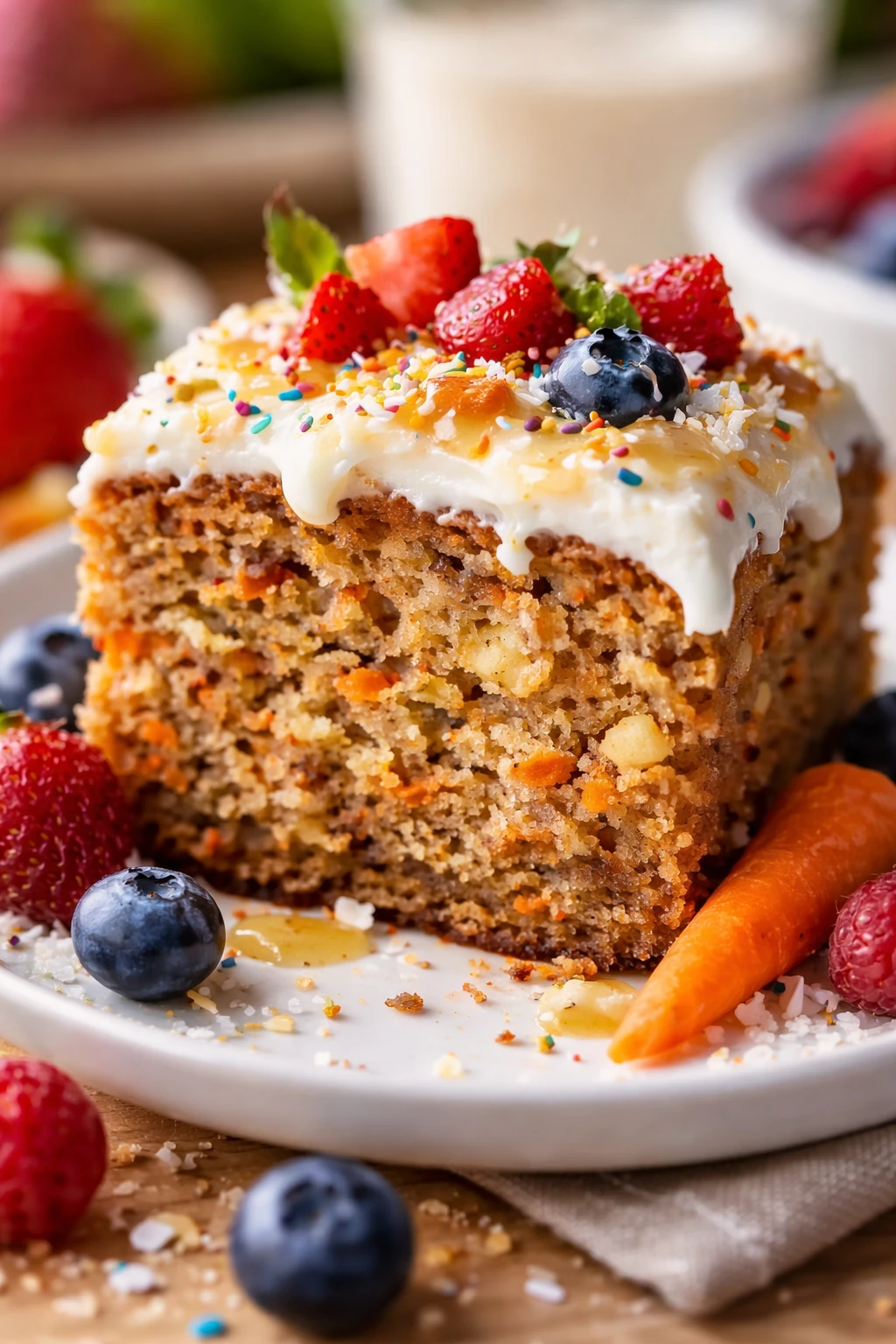
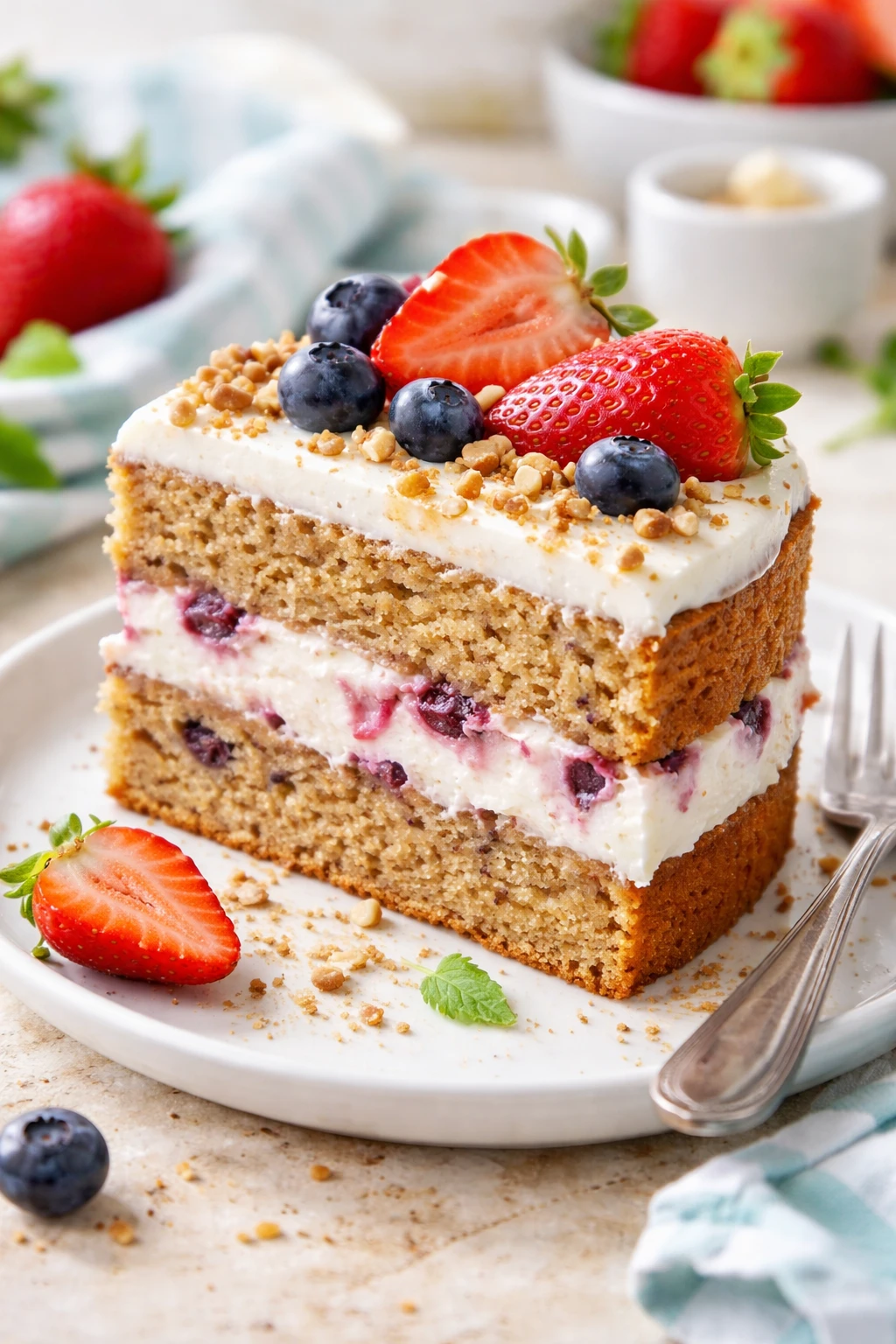
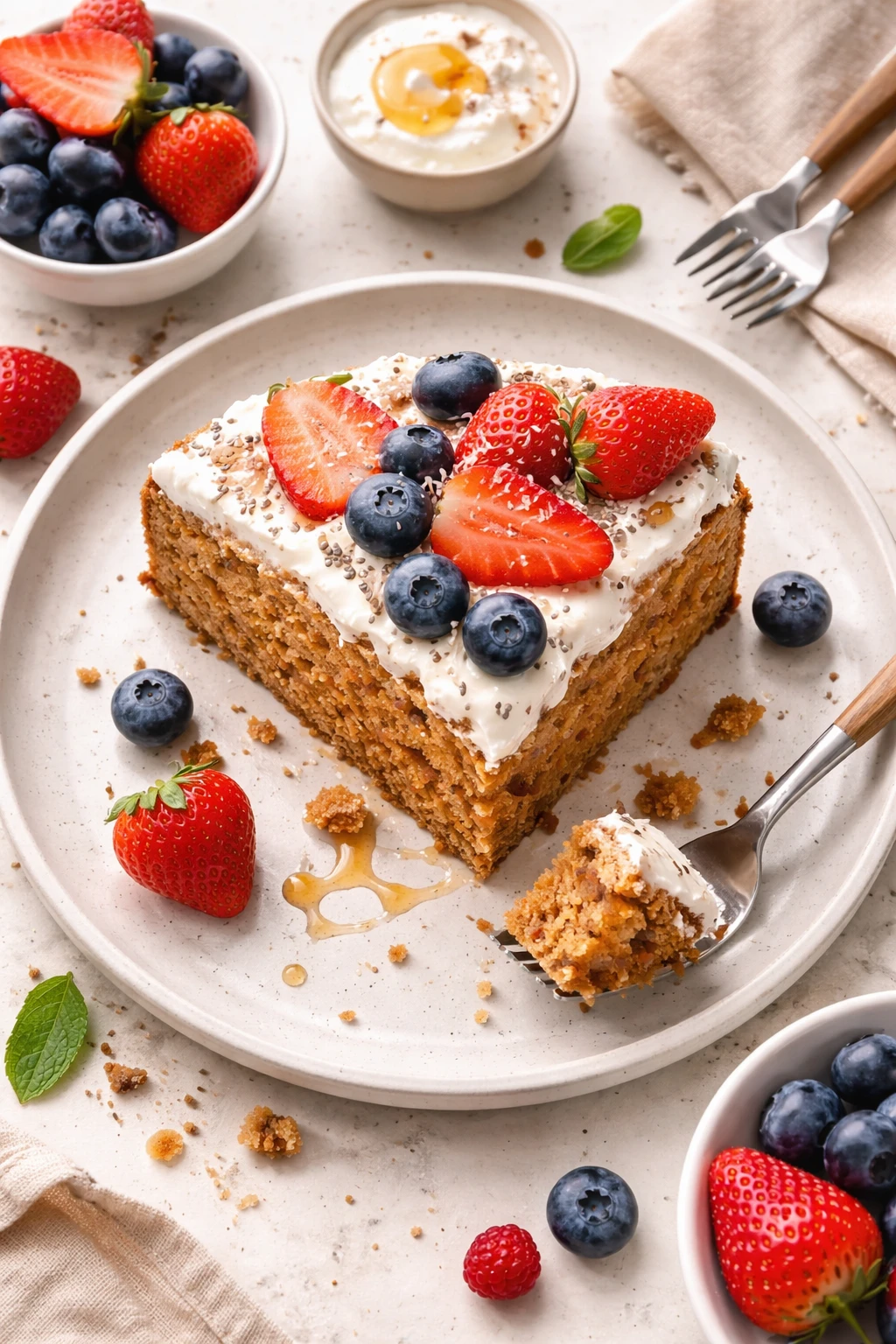
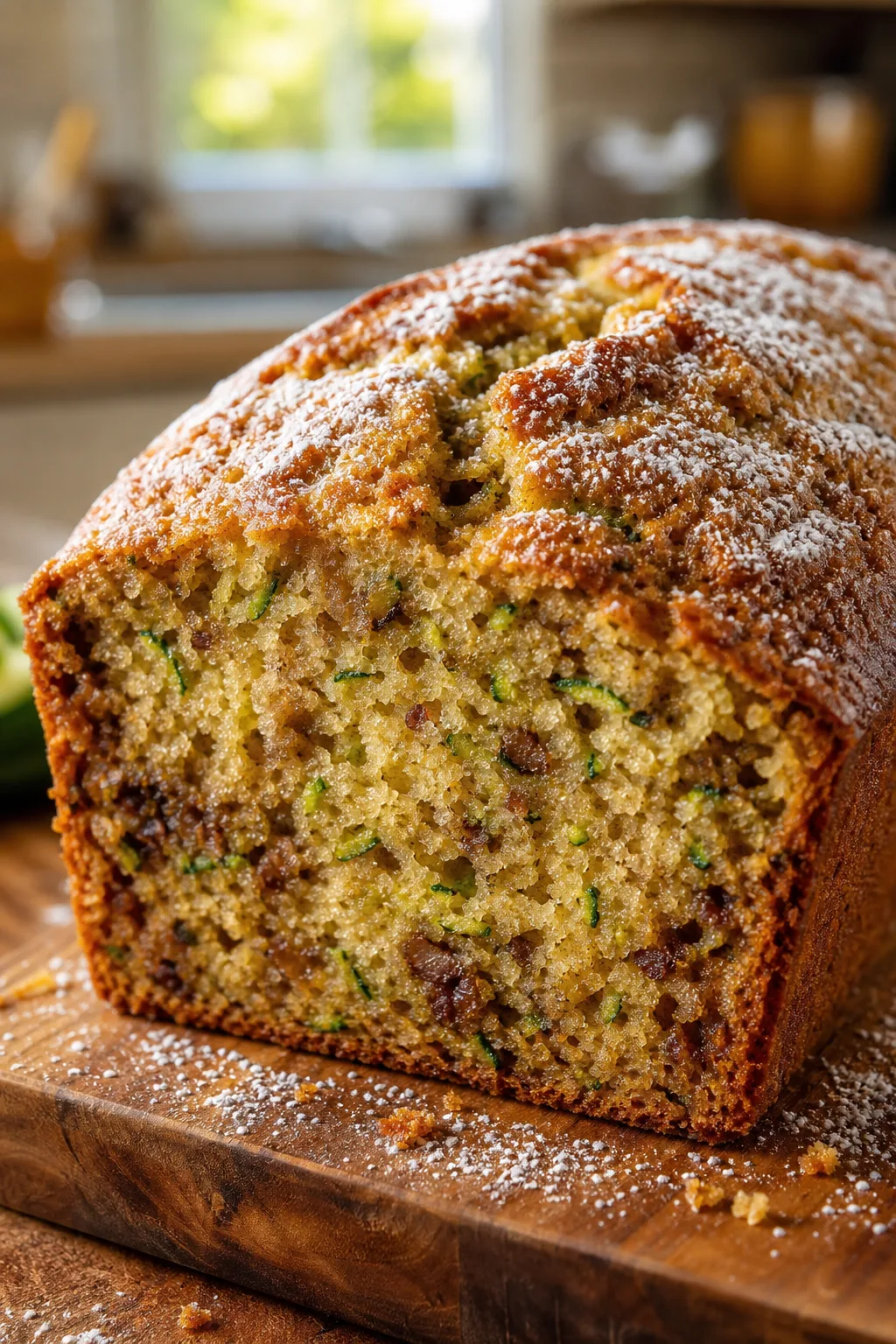
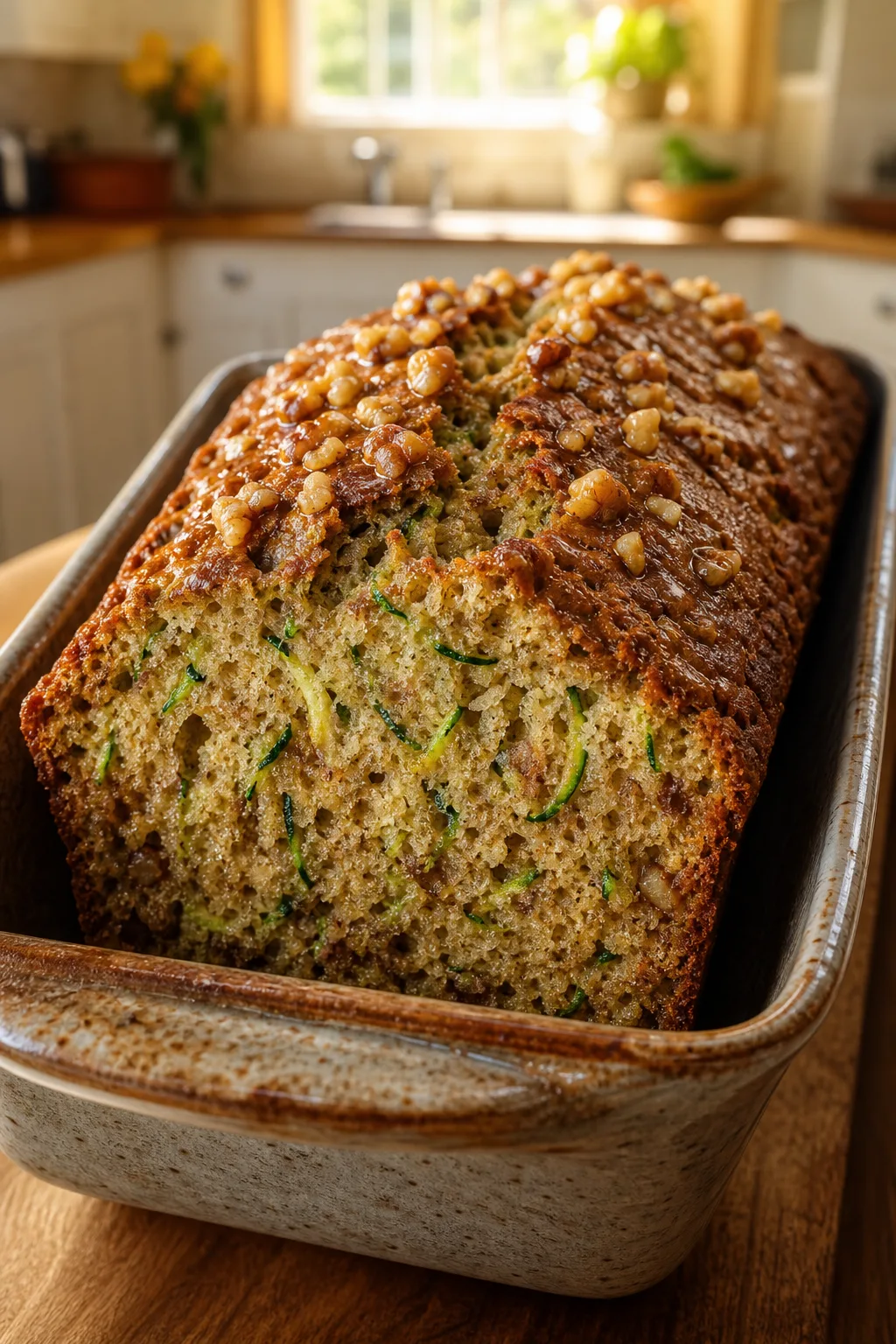
This toddler cake is a soft, moist treat made with mashed bananas and oats, giving it natural sweetness and nutrition. It’s perfect for snack time or a small celebration with little ones!
Introduction
I first made this banana oat toddler cake when my niece was starting on solids and I wanted to offer something wholesome but still tasty. The usual store-bought treats felt too sugary, and I wanted a recipe that was naturally sweet and soft enough for little teeth. What I love about this cake is how the mashed bananas keep it moist while the oats add subtle texture and fiber, making it a nutritious snack. I learned early on that using plain yogurt instead of butter keeps it lighter and helps the crumb stay tender. Plus, a touch of cinnamon adds warmth without overwhelming young palates. This cake is quick to mix up and bakes into a golden, soft delight that’s perfect for snack time or even a small birthday celebration. It’s always a hit with the kids and a reassuring choice for parents. Honestly, I had a few failed batches early on where the cake was too dense or dry, but tweaking the flour ratio and adding yogurt made all the difference. It feels like a little homemade hug in every bite!
What You'll Need
8 small toddler-sized slices
- 2 ripe bananas, mashed
- 1 cup rolled oats
- 1/2 cup whole wheat flour
- 1/4 cup unsweetened applesauce
- 1/4 cup plain yogurt, room temperature
- 1 large egg
- 1 teaspoon baking powder
- 1/2 teaspoon cinnamon
- 1/4 teaspoon salt
- 1 teaspoon vanilla extract
How To Do It
Step 1
Preheat your oven to 350°F (175°C) and lightly grease a small baking pan or line it with parchment paper. This step ensures the cake bakes evenly and doesn’t stick, making it easier to remove later without crumbling. Proper pan preparation is key to preserving the cake’s soft texture and pretty edges.
⏱ Time: 10
✓ Doneness: Pan is evenly greased or parchment paper fits snugly without wrinkles
Step 2
In a large bowl, mash the ripe bananas thoroughly with a fork until smooth with only a few small lumps left. Properly mashed bananas release natural sugars that sweeten the cake and add moisture. Avoid over-mashing into a puree to keep some texture that toddlers enjoy.
⏱ Time: 5
✓ Doneness: Bananas are smooth but not watery or overly pureed
Step 3
Add the applesauce, yogurt, egg, and vanilla extract to the mashed bananas and whisk until fully combined. These wet ingredients help bind the batter and keep the crumb tender. Mixing them well ensures an even texture and prevents pockets of egg or yogurt in the final cake.
⏱ Time: 5
✓ Doneness: Mixture is smooth and homogeneous with no streaks
Step 4
In a separate bowl, whisk together the rolled oats, whole wheat flour, baking powder, cinnamon, and salt. This dry mix provides structure and flavor. Whisking helps distribute the baking powder evenly so the cake rises uniformly without dense spots.
⏱ Time: 5
✓ Doneness: Dry ingredients are evenly combined with no clumps
Step 5
Gradually add the dry ingredients to the wet mixture, folding gently with a spatula until just combined. Overmixing can develop gluten and make the cake tough, so fold carefully until no flour streaks remain. This keeps the cake soft and tender for toddlers.
⏱ Time: 5
✓ Doneness: Batter is thick but smooth with no dry patches
Step 6
Pour the batter into your prepared pan and smooth the top with a spatula. Spreading evenly ensures the cake bakes uniformly and rises nicely. This also helps avoid overly thick or thin edges that can dry out or burn.
⏱ Time: 3
✓ Doneness: Batter surface is level and free of air bubbles
Step 7
Bake in the preheated oven for about 25-30 minutes. Start checking at 25 minutes by inserting a toothpick in the center—if it comes out clean or with a few moist crumbs, it’s done. Baking too long will dry the cake, so watch carefully near the end.
⏱ Time: 30
✓ Doneness: Golden top with toothpick coming out mostly clean
Step 8
Let the cake cool in the pan for 10 minutes before transferring to a wire rack. Cooling slightly helps the cake set so it doesn’t crumble when cut. Removing too soon can cause it to break apart, especially since it’s moist and soft.
⏱ Time: 10
✓ Doneness: Cake feels firm to the touch but still soft
Step 9
Once cooled completely, slice the cake into small toddler-friendly portions. Smaller sizes make it easier for little hands to hold and help prevent overeating. Store leftovers in an airtight container to keep the cake fresh and moist.
⏱ Time: 5
✓ Doneness: Slices hold together without crumbling excessively
Variations
Add Blueberries for a Fruity Twist
Fold in 1/2 cup fresh or frozen blueberries into the batter for bursts of juicy sweetness. This adds color and antioxidants while keeping the texture soft and moist.
Note: If using frozen berries, toss them in a little flour before folding to prevent sinking to the bottom.
Make It Gluten-Free with Oat Flour
Swap whole wheat flour for finely ground oat flour for a gluten-free version. The cake remains tender and naturally sweet, perfect for sensitive tummies.
Note: Oat flour absorbs more moisture; you may need to add a tablespoon more yogurt or applesauce.
Add a Spoonful of Nut Butter
Stir in 2 tablespoons of almond or peanut butter to the wet ingredients for extra protein and richness. This makes the cake more filling and adds a subtle nutty flavor.
Note: Ensure nut butter is smooth and well mixed to avoid lumps.
Use Coconut Sugar Instead of Applesauce
Replace applesauce with 2 tablespoons of coconut sugar for a deeper caramel sweetness. This version is a bit less moist but richer in flavor.
Note: Reduce baking time slightly and watch for dryness.
Top with Cream Cheese Frosting
For a special occasion, spread a thin layer of cream cheese frosting over the cooled cake. It adds tang and creamy sweetness without overwhelming the cake.
Note: Keep frosting light to not overpower the delicate banana flavor.
Pro Tips
Use very ripe bananas for the best sweetness and moisture.
Ripe bananas have higher sugar content and softer texture, which naturally sweeten the cake and keep it moist without added sugars. Using underripe bananas results in a less flavorful, drier cake.
Don’t overmix the batter once you add the dry ingredients.
Overmixing develops gluten in the flour, which can make the cake tough and chewy instead of tender. Folding gently preserves a soft crumb perfect for toddlers.
Let the cake cool completely before slicing.
Cooling allows the structure to set so the cake slices cleanly without crumbling. Cutting too soon can cause it to break apart because it’s still fragile when warm.
Use plain yogurt instead of butter or oil for a lighter texture.
Yogurt adds moisture and reacts with baking powder for rise while keeping fat content moderate. This makes the cake tender and less greasy, ideal for young kids.
Line your pan with parchment paper for easy removal.
Parchment prevents sticking and protects the delicate cake edges. It helps maintain the cake’s soft texture by allowing gentle lifting without tearing.
Add a pinch of cinnamon for subtle warmth and flavor.
Cinnamon complements the banana’s sweetness nicely and adds complexity without being overpowering, which suits toddler palates well.
Check doneness with a toothpick starting at 25 minutes.
Overbaking dries out the cake, so testing early prevents a crumbly texture. The toothpick should come out with a few moist crumbs but no wet batter.
Common Mistakes to Avoid
Using underripe bananas
Why it happens Sometimes cooks grab bananas that look fine but aren’t ripe enough, expecting the cake to be sweet naturally.
Fix Always choose bananas with plenty of brown spots and soft texture. If needed, ripen bananas by placing them in a paper bag for a day or two before baking.
Overmixing the batter
Why it happens In a hurry, it’s tempting to mix all ingredients vigorously, not realizing this affects texture.
Fix Mix dry ingredients into wet just until combined with gentle folding. Stop when no flour streaks remain to keep the cake tender.
Skipping the parchment or greasing step
Why it happens Sometimes assumed unnecessary for moist cakes, leading to sticking.
Fix Always grease the pan well or line with parchment paper to avoid tearing the cake when removing it.
Baking too long
Why it happens Not checking for doneness early or baking at too high a temperature.
Fix Start checking at 25 minutes with a toothpick. Remove as soon as it’s clean or with a few moist crumbs to preserve softness.
Cutting the cake while still warm
Why it happens Impatience to serve can lead to crumbling slices.
Fix Let the cake cool completely in the pan, then transfer to a rack before slicing for clean cuts.
Nutrition
Per Serving:
Nutritional values are estimates and may vary based on specific ingredients used.
Storage & Tips
Room Temperature
This cake can safely stay at room temperature for up to 24 hours if covered tightly with plastic wrap or stored in a cake dome. Keeping it covered prevents drying out and maintains softness.
Refrigerator
Store leftover cake in an airtight container in the fridge for up to 3 days. The cake may firm up slightly but remains tasty. Let it come to room temperature or warm gently before serving for best texture.
Freezer
Freeze the cake wrapped well in plastic wrap and then foil for up to 2 months. To thaw, place in the fridge overnight or on the counter for a few hours. Reheat gently to restore softness.
Reheating
Warm slices in the microwave for 15-20 seconds or in a low oven (300°F) for 5-7 minutes. Adding a tiny splash of milk before warming can help keep it moist. Avoid overheating to prevent drying.
Make Ahead
You can prepare the batter a day ahead and keep it covered in the fridge. Bake fresh the next day for optimal rise and texture. Alternatively, bake the cake and freeze slices for grab-and-go snacks.
FAQ
Can I use all-purpose flour instead of whole wheat?
Yes, you can substitute whole wheat flour with all-purpose flour for a lighter, less dense cake. The texture will be softer but less hearty. I like whole wheat for added fiber and flavor, but both work well.
Is this cake suitable for babies under one year?
This cake is generally safe for toddlers over one year due to the egg and wheat. For younger babies, consult your pediatrician and consider omitting cinnamon or using gluten-free flour if needed.
Can I make this cake vegan?
To make it vegan, replace the egg with a flax or chia egg (1 tbsp ground flaxseed + 3 tbsp water), and use a plant-based yogurt. The texture might be slightly different but still tasty.
How do I store leftover cake to keep it fresh?
Store leftovers in an airtight container at room temperature for up to 24 hours or in the fridge for 3 days. Wrapping tightly prevents drying. Reheat gently to restore softness.
My cake turned out dense and dry. What went wrong?
Common causes include overmixing the batter, baking too long, or using underripe bananas. Make sure to fold gently and check doneness early to keep the cake moist and tender.
Can I add other fruits or nuts?
Absolutely! Blueberries, chopped apples, or finely chopped nuts work well. Just fold them in gently and adjust baking time if adding moist ingredients.
What if I don’t have rolled oats?
You can substitute rolled oats with quick oats or oat flour, but the texture will be slightly different—less chewy and more uniform. Avoid steel-cut oats as they’re too coarse.
Why do I need to add baking powder if there’s an egg?
Eggs provide some leavening but baking powder ensures a better rise and lighter texture by producing carbon dioxide bubbles. Both together give a soft, fluffy crumb.
Final Thoughts
I hope you enjoy making this soft, wholesome banana oat toddler cake as much as I do. It’s a simple, nutritious treat that’s sure to bring smiles—let me know how it turns out!