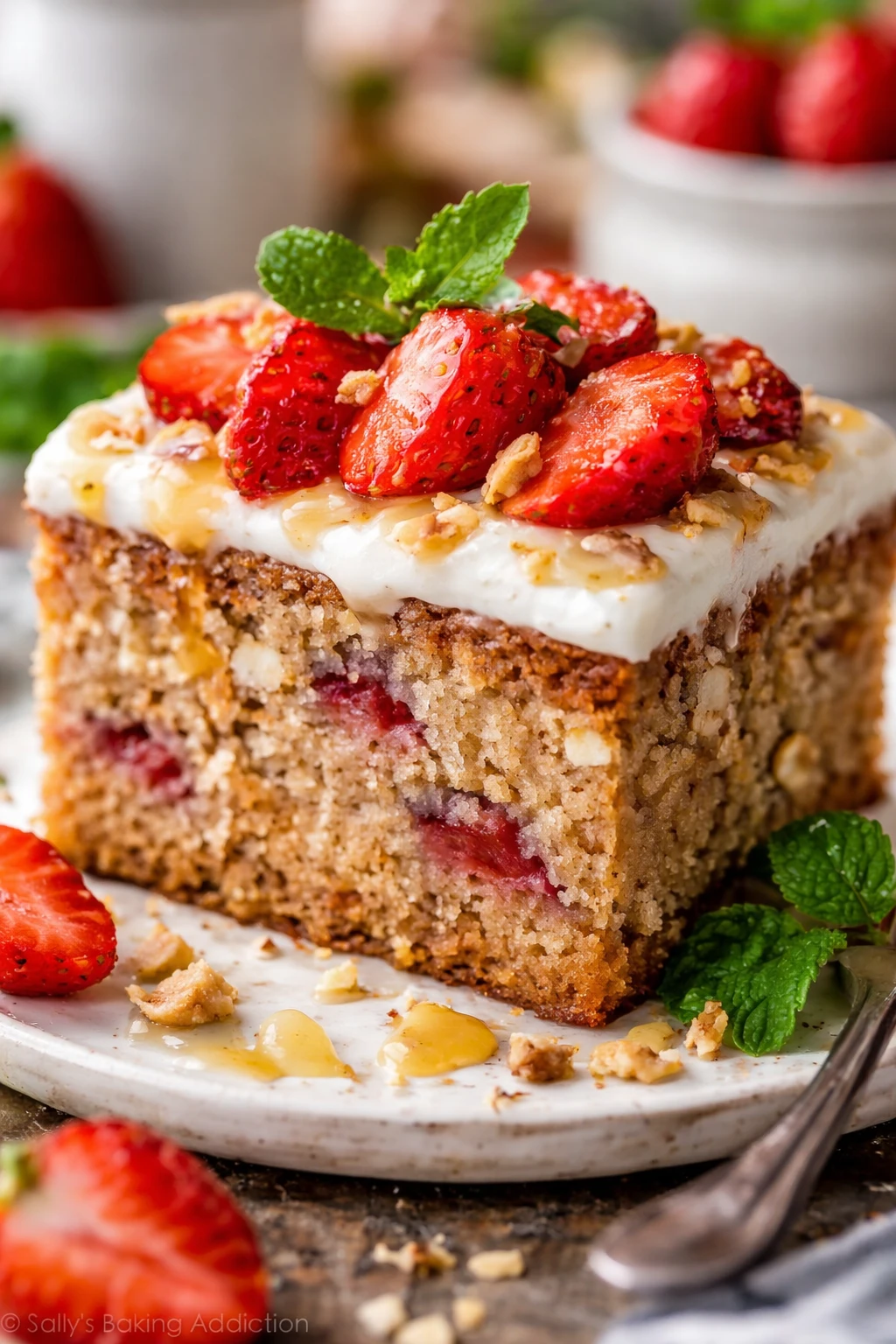
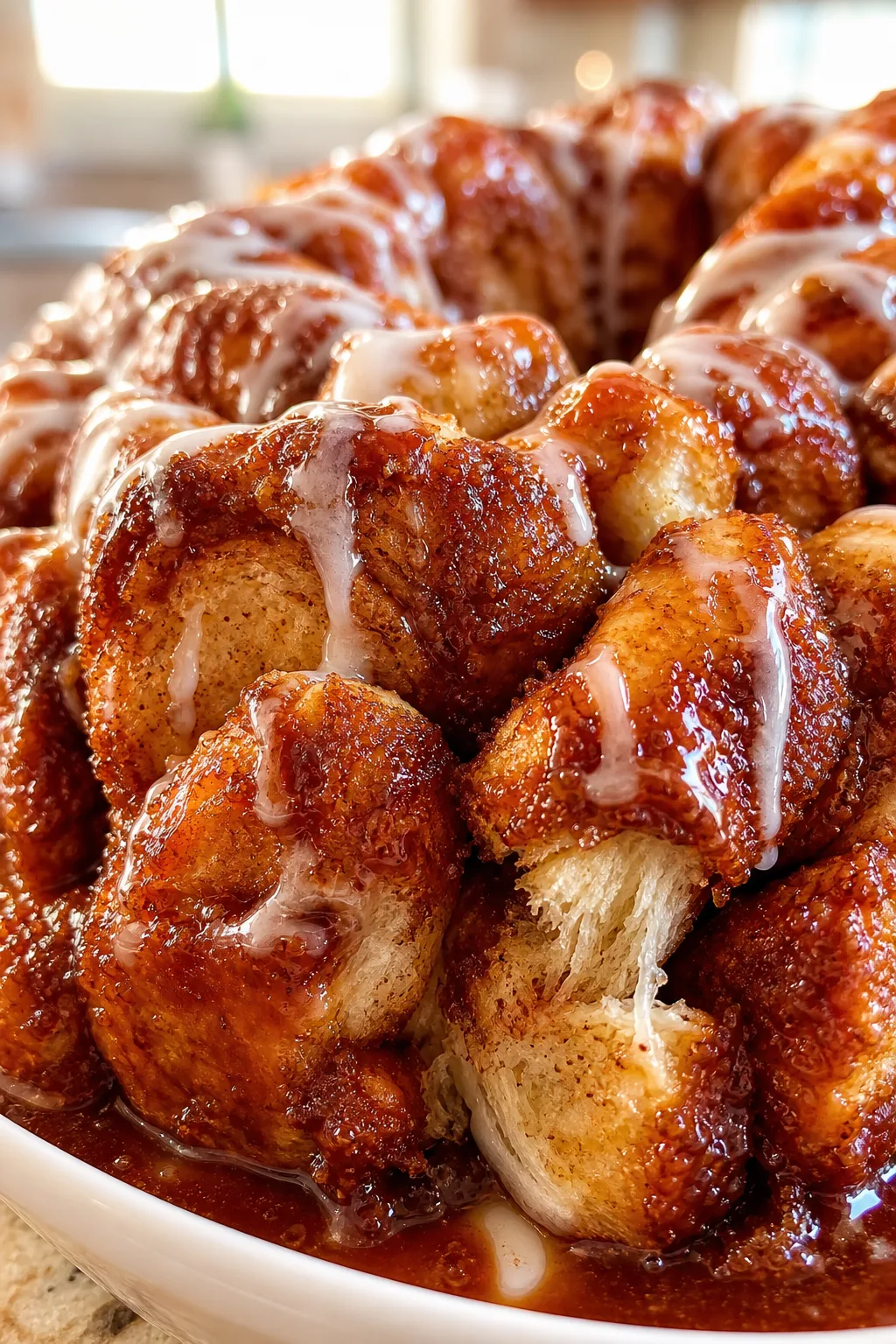
This almond flour cake is a sweet treat that’s gentle on blood sugar. Made with natural sweeteners, it stays moist and flavorful without the guilt. Great for dessert or a cozy afternoon snack!
Introduction
I first stumbled upon this almond flour cake recipe when I wanted a sweet treat that wouldn’t wreak havoc on my blood sugar levels. I’ve tried so many diabetic-friendly desserts before, but they often ended up dry or bland. This one is different — it’s moist, tender, and naturally sweetened without any refined sugar. What I love most is how the almond flour adds a subtle nuttiness that pairs beautifully with the hint of vanilla. The trick I learned was to use applesauce for moisture instead of heavy cream or butter, which not only keeps it lighter but also adds natural sweetness and tenderness. Plus, melting the coconut oil just right before mixing helps the cake stay soft and gives it a delicate richness. When it comes out of the oven, it’s golden, fragrant, and inviting — the perfect guilt-free dessert or afternoon pick-me-up. I usually serve it plain or with a dollop of whipped cream, and my family always asks for seconds. Honestly, it’s become my go-to when I want something sweet but wholesome. If you’re looking for a simple, easy-to-make cake that fits a diabetes-friendly lifestyle without compromising flavor, you’ll love this one.
What You'll Need
One 8-inch round cake, 8 servings
- 2 cups almond flour, finely ground
- 1/2 cup erythritol or preferred natural sweetener
- 1/4 cup unsweetened applesauce
- 3 large eggs, room temperature
- 1/4 cup coconut oil, melted
- 1 teaspoon baking powder
- 1/2 teaspoon baking soda
- 1 teaspoon vanilla extract
- 1/4 teaspoon salt
How To Do It
Step 1
Preheat your oven to 350°F (175°C) and grease an 8-inch round cake pan or line it with parchment paper. This ensures the cake doesn’t stick and bakes evenly. It’s important to prepare your pan well because almond flour cakes tend to be more delicate than regular flour cakes, so a non-stick surface is key to keeping the cake intact when you remove it.
⏱ Time: 10 minutes
✓ Doneness: Pan is evenly greased or parchment paper is fully lining the base and sides.
Step 2
In a large bowl, whisk together the almond flour, erythritol, baking powder, baking soda, and salt. This dry mix forms the base of your cake batter. Whisking these ingredients ensures they’re evenly distributed, which helps the cake rise uniformly and keeps the sweetness balanced throughout.
⏱ Time: 5 minutes
✓ Doneness: Dry ingredients are fully combined with no clumps.
Step 3
In a separate bowl, beat the eggs until frothy, then add the melted coconut oil, applesauce, and vanilla extract. Mixing these wet ingredients thoroughly helps to incorporate air, which gives the cake a lighter texture. Make sure the coconut oil isn’t too hot or it could cook the eggs, so let it cool slightly before adding.
⏱ Time: 5 minutes
✓ Doneness: Wet mixture is smooth, pale, and slightly frothy.
Step 4
Slowly pour the wet ingredients into the dry mix, stirring gently with a spatula until just combined. Avoid overmixing here because almond flour lacks gluten, so overworking the batter can make the cake dense or crumbly. You want a smooth, thick batter without streaks of flour or dry spots.
⏱ Time: 3 minutes
✓ Doneness: Batter is uniform with no dry patches and slightly thick.
Step 5
Pour the batter into the prepared pan and smooth the top with a spatula. This helps the cake bake evenly and rise with a nice, flat surface. If the batter is lumpy or uneven, it can cause uneven baking or cracks in the cake.
⏱ Time: 2 minutes
✓ Doneness: Batter is evenly spread and smooth on top.
Step 6
Bake in the preheated oven for about 28-30 minutes. Start checking around 25 minutes by inserting a toothpick into the center. The cake is done when the toothpick comes out clean or with a few moist crumbs. Baking too long will dry out the cake, while underbaking leaves it gummy in the middle.
⏱ Time: 30 minutes
✓ Doneness: Toothpick inserted in center comes out clean or with a few moist crumbs.
Step 7
Once baked, remove the cake from the oven and let it cool in the pan for 10 minutes. This resting period allows the cake to firm up slightly, making it easier to remove from the pan without breaking. Cooling too briefly can cause the cake to fall apart, while waiting too long in the pan can trap moisture and make it soggy.
⏱ Time: 10 minutes
✓ Doneness: Cake feels firm around edges and slightly springy in the center.
Step 8
Carefully run a knife around the edges to loosen the cake, then invert it onto a wire rack to cool completely. Cooling completely is essential because almond flour cakes finish setting as they cool, and cutting too soon can cause crumbling. Plus, a wire rack prevents condensation from making the bottom soggy.
⏱ Time: 15 minutes
✓ Doneness: Cake releases easily and cools evenly on wire rack.
Step 9
Serve the cake as is or with a dollop of whipped cream or fresh berries. This cake is best enjoyed within a day or two for peak freshness. If you want to store it, keep it in an airtight container at room temperature. The natural sweetness and moist texture make it a lovely, guilt-free dessert or snack anytime.
⏱ Time: No cooking time
✓ Doneness: Cake is moist, tender, and flavorful.
Variations
Lemon Almond Cake
Add 2 tablespoons of fresh lemon juice and 1 teaspoon of lemon zest to the wet ingredients for a bright, citrusy twist. This version feels fresh and vibrant, perfect for spring or summer tea time.
Note: Because lemon juice adds acidity, it may slightly increase rise and tenderize the crumb. Don’t reduce baking powder.
Chocolate Chip Almond Cake
Fold in 1/2 cup of sugar-free dark chocolate chips into the batter just before baking. The chocolate adds bursts of rich flavor and a little indulgence without added sugar.
Note: Use sugar-free or very dark chips to keep it diabetes-friendly. Coat chips lightly with almond flour to prevent sinking.
Spiced Almond Cake
Add 1 teaspoon cinnamon, 1/2 teaspoon nutmeg, and a pinch of cloves to the dry ingredients for a warm, cozy flavor perfect for fall. This variation pairs beautifully with whipped cream or cream cheese frosting.
Note: Spices can intensify baking aroma; watch baking time as it might brown faster.
Berry Swirl Almond Cake
Gently swirl in 1/2 cup of fresh or frozen berries (blueberries or raspberries) into the batter before baking. It adds freshness and natural sweetness along with pretty color contrast.
Note: Frozen berries might release extra moisture; pat them dry and toss in almond flour before adding to prevent sinking and sogginess.
Coconut Almond Cake
Mix 1/3 cup unsweetened shredded coconut into the batter for added texture and tropical flavor. This makes the cake a bit more rustic and adds chewiness.
Note: Shredded coconut can draw moisture, so don’t add extra liquid. Expect a denser crumb but pleasant texture.
Pro Tips
Always use room temperature eggs for better mixing.
Room temperature eggs blend more evenly into the batter, helping to trap air and create a lighter texture. Cold eggs can cause the coconut oil to solidify and clump, resulting in uneven mixing and dense spots in the cake.
Don’t overmix the batter once wet and dry ingredients are combined.
Overmixing can cause almond flour to release too much oil and break down the structure, making the cake dense or crumbly. Gentle folding preserves the delicate crumb and ensures a tender, moist cake.
Check your baking powder’s freshness before using.
Expired baking powder loses its leavening power, resulting in a cake that won’t rise properly. A quick test is to add a pinch to warm water; if it bubbles vigorously, it’s still active.
Let the cake cool completely on a wire rack before slicing.
Cooling allows the crumb to set and moisture to redistribute. Cutting too soon can cause the cake to crumble or stick to the knife. A wire rack prevents condensation, keeping the bottom from becoming soggy.
Use melted but cooled coconut oil to avoid cooking the eggs.
If coconut oil is too hot, it can cook the eggs when mixed, leading to lumps or curdling in the batter. Let it cool slightly after melting for a smooth, uniform mix.
Line your pan with parchment paper for easy removal.
Almond flour cakes are more delicate and prone to sticking. Parchment paper ensures the cake releases cleanly without breaking apart or leaving crumbs behind.
Store leftovers in an airtight container at room temperature for best texture.
Keeping the cake sealed prevents it from drying out while maintaining its tender crumb. Refrigeration can dry the cake faster, so only refrigerate if your kitchen is very warm.
Common Mistakes to Avoid
Using cold eggs directly from the fridge
Why it happens Many assume eggs can go straight from fridge to batter, but cold eggs can cause uneven mixing and clumping with melted coconut oil.
Fix Let eggs sit at room temperature for at least 30 minutes before mixing. This helps ingredients combine smoothly and results in a lighter, more uniform batter.
Overbaking the cake
Why it happens It's tempting to leave the cake in longer to 'make sure it’s done,' but almond flour cakes dry out quickly.
Fix Start checking the cake 5 minutes before the end time with a toothpick. Remove as soon as it comes out clean or with a few moist crumbs to keep the cake moist.
Skipping the parchment paper or greasing step
Why it happens Some think almond flour cakes behave like regular flour cakes, but they are more fragile and prone to sticking.
Fix Always grease the pan well and line with parchment paper for easy removal and to avoid damaging the cake’s texture.
Using sweetened applesauce
Why it happens Sweetened applesauce adds extra sugar unknowingly, affecting the diabetes-friendly nature of the cake.
Fix Use only unsweetened applesauce to control sugar levels and maintain the intended sweetness from natural sweeteners.
Overmixing batter after combining wet and dry ingredients
Why it happens Excited to get it done, some mix vigorously, which breaks down almond flour’s structure.
Fix Fold ingredients gently until just combined to preserve texture and avoid a dense cake.
Nutrition
Per Serving:
Nutritional values are estimates and may vary based on specific ingredients used.
Storage & Tips
Room Temperature
The cake keeps well covered at room temperature for up to 2 days. Use an airtight container or wrap tightly with plastic wrap to prevent drying out. It’s best enjoyed within this time for optimal moisture and flavor.
Refrigerator
Store in an airtight container in the fridge for up to 5 days. The cake might firm up and become slightly drier when cold, so let it come to room temperature before serving or warm gently in the microwave for 10-15 seconds.
Freezer
Freeze wrapped tightly in plastic wrap and then aluminum foil or a freezer bag for up to 3 months. Thaw overnight in the fridge or at room temperature. To refresh texture, warm in a low oven (300°F) for 10 minutes before serving.
Reheating
Reheat slices in the microwave for 15-20 seconds or in a 300°F oven for 8-10 minutes. Adding a small splash of water or covering loosely with foil helps retain moisture. Avoid overheating as it will dry out the cake.
Make Ahead
You can prepare the batter a day ahead and keep it refrigerated, covered tightly. Bring to room temperature before baking. Alternatively, bake the cake up to 2 days in advance and store well to maintain freshness.
FAQ
Can I substitute almond flour with coconut flour?
Coconut flour absorbs much more liquid than almond flour, so a straight substitution won’t work. You’d need to reduce the coconut flour to about 1/3 of the almond flour amount and increase eggs or liquid substantially. This recipe is specifically designed for almond flour’s texture and moisture, so swapping will change the outcome significantly.
What if I don’t have erythritol? Can I use another sweetener?
You can substitute with other natural sweeteners like monk fruit or stevia blends designed for baking. Avoid liquid sweeteners as they add moisture and can affect texture. Keep in mind that different sweeteners vary in sweetness intensity, so adjust quantities accordingly and taste the batter if possible.
Why is my cake crumbly or falling apart?
This often happens if the batter is overmixed, baked too long, or if the binding ingredients (eggs, applesauce) were insufficient. Almond flour doesn’t have gluten, so gentle folding and precise baking time are crucial. Also, make sure you measure ingredients accurately and don’t skip the eggs or applesauce.
Can I make this cake vegan?
Replacing eggs in almond flour cakes is tricky because eggs provide structure and moisture. You might try flax or chia egg substitutes, but results will vary and the texture may be denser or more crumbly. This recipe is best as written for optimal texture and rise.
How do I store leftover cake?
Store leftovers in an airtight container at room temperature for up to 2 days or in the fridge for up to 5 days. If refrigerated, bring to room temperature before eating or warm slightly for best texture.
Can I add frosting or glaze to this cake?
Yes! A cream cheese frosting or a light sugar-free glaze complements the almond flavor beautifully. Just keep in mind that adding frosting increases sugar and calories, so adjust accordingly if you’re watching blood sugar.
Why didn’t my cake rise much?
Make sure your baking powder is fresh and that you didn’t overmix the batter, which can cause it to deflate. Also, check your oven temperature with a thermometer since too low heat can prevent proper rising.
Can I double the recipe?
Yes, doubling works fine. Use a larger pan or two pans to ensure even baking. Bake times may increase slightly, so watch for doneness with a toothpick.
Final Thoughts
I hope you enjoy making and eating this almond flour cake as much as I do! It’s a sweet, diabetes-friendly treat that feels indulgent without the guilt. Let me know how it turns out!