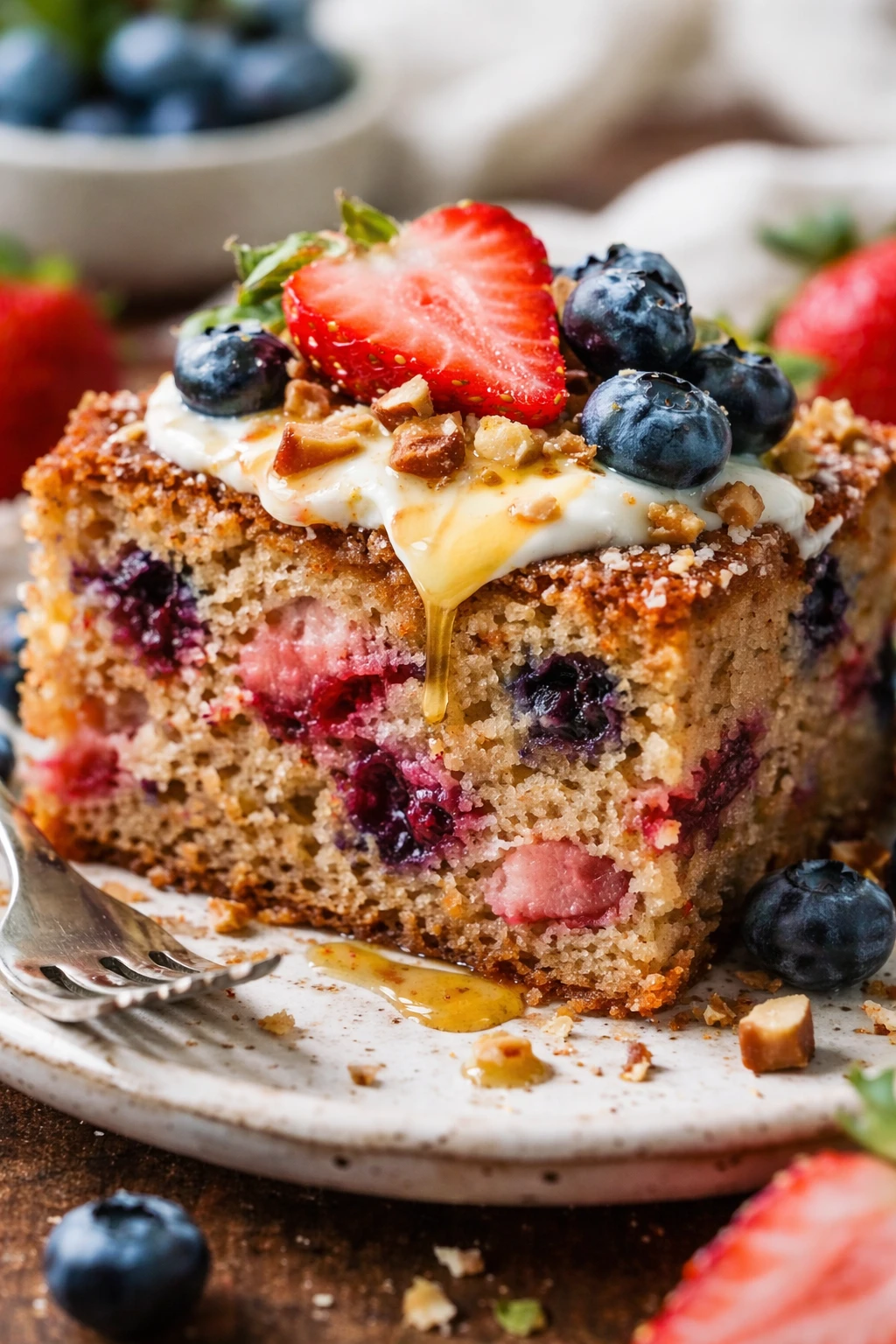
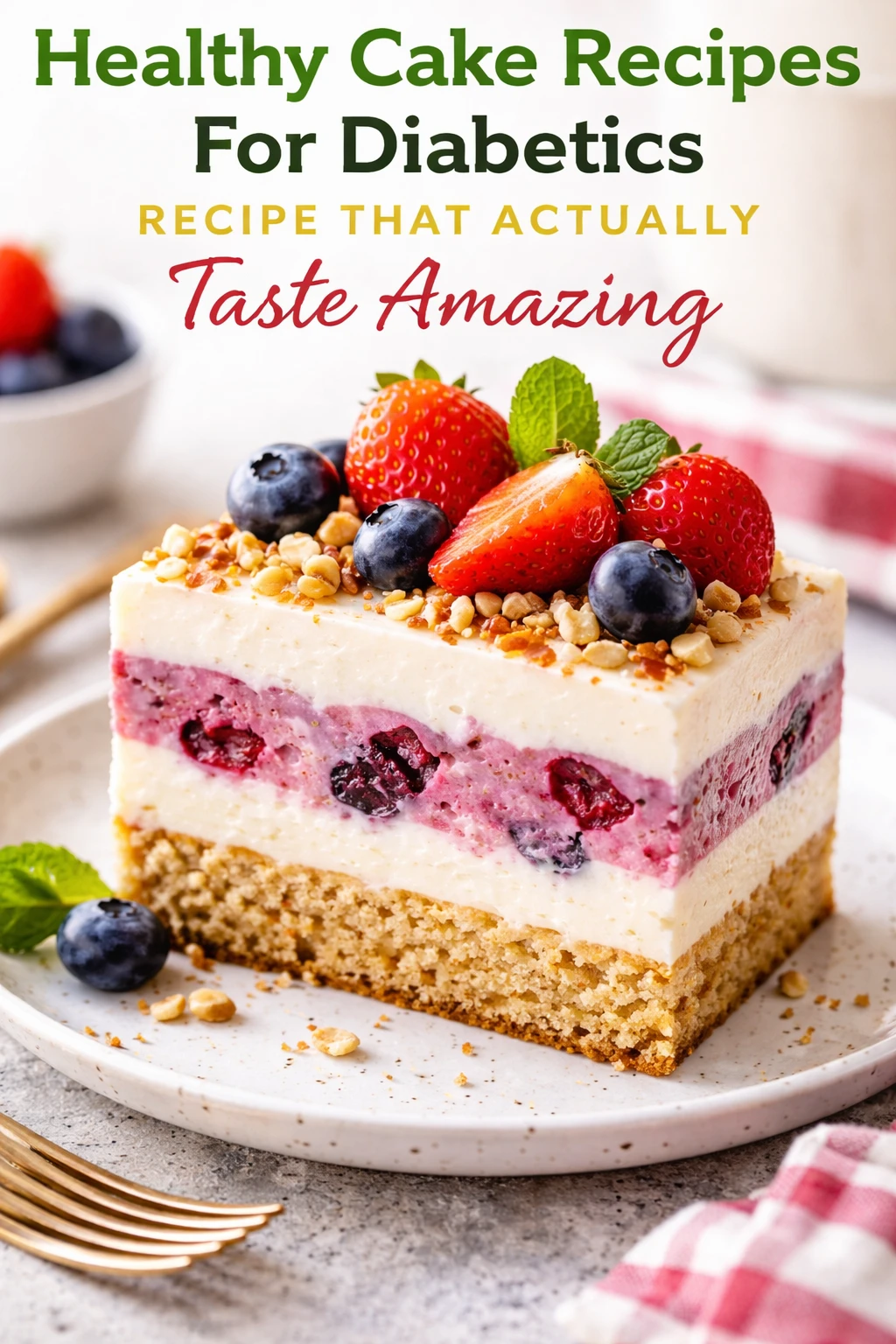
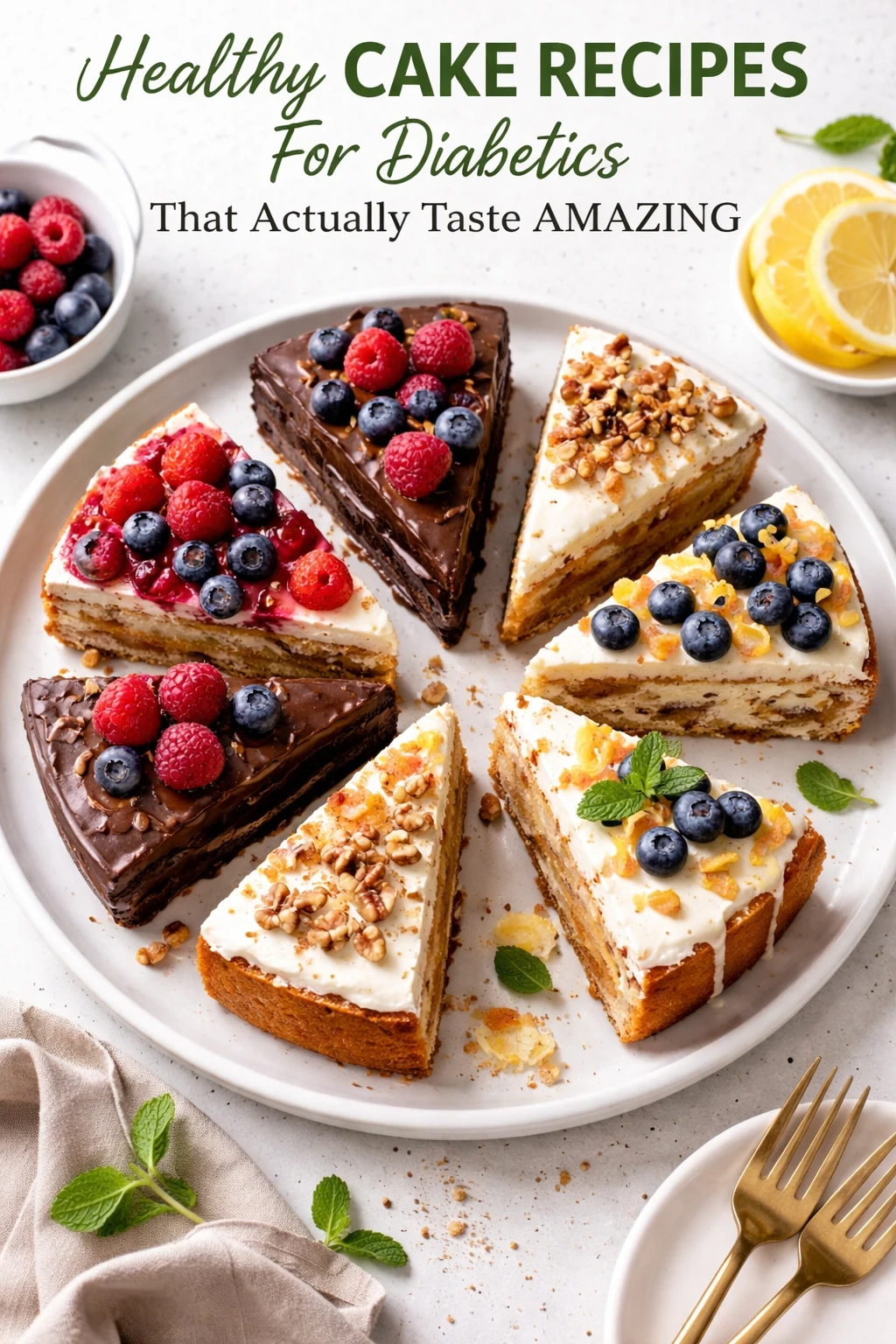
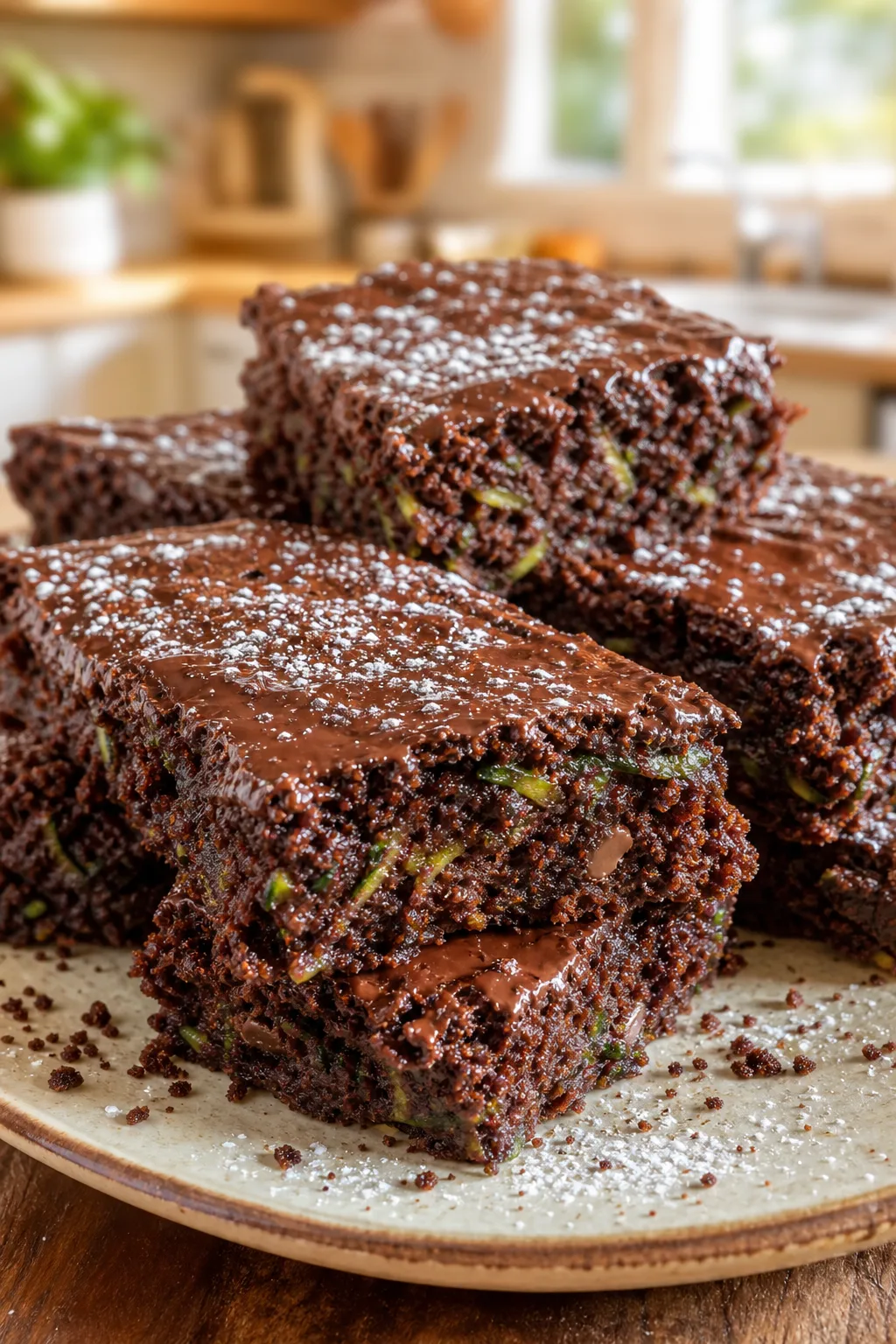
This almond flour cake is a diabetic-friendly treat that’s moist and lightly sweetened with natural ingredients. Using almond flour and a touch of natural sweetener keeps it guilt-free. Great for celebrations or a cozy afternoon snack!
Introduction
I first made this almond flour cake when I wanted a dessert that wouldn’t mess with my blood sugar but still felt indulgent. I’d tried a few diabetic-friendly cakes before, but they often came out dry or flavorless. This version is different because it uses almond flour for moisture and texture, plus a touch of natural sweetener that doesn’t overpower. The trick I learned was adding apple cider vinegar—it helps the cake rise nicely and keeps it tender. When it’s done, you get a lightly sweet, soft cake with a delicate crumb that’s perfect for any occasion. My family loves it with a dollop of whipped cream or fresh berries. Honestly, it’s the kind of cake you can enjoy guilt-free and feel good about sharing. If you’re new to almond flour baking, don’t worry—this recipe is straightforward and forgiving. Plus, it’s naturally gluten-free, which is a bonus if you’re avoiding wheat. I hope you’ll try it and love it as much as I do!
What You'll Need
One 9-inch round cake, 8 servings
- 2 cups almond flour, finely ground
- 1/3 cup natural sweetener (like erythritol or monk fruit)
- 1/2 teaspoon baking soda
- 1/4 teaspoon salt
- 3 large eggs, room temperature
- 1/4 cup unsweetened almond milk
- 1/4 cup coconut oil, melted
- 1 teaspoon vanilla extract
- 1 tablespoon apple cider vinegar
How To Do It
Step 1
Preheat your oven to 350°F (175°C). Grease a 9-inch round cake pan or line it with parchment paper to prevent sticking. This step is crucial because almond flour cakes can be delicate and prone to sticking due to their gluten-free nature. Preparing the pan properly ensures your cake comes out cleanly and keeps its shape.
⏱ Time: 10 minutes
✓ Doneness: Pan is evenly greased or parchment is securely fitted without wrinkles
Step 2
In a large bowl, whisk together the almond flour, natural sweetener, baking soda, and salt until well combined. Mixing these dry ingredients thoroughly ensures even distribution of leavening and sweetness, which helps the cake rise uniformly and taste balanced. Skipping this can cause uneven texture or pockets of baking soda.
⏱ Time: 5 minutes
✓ Doneness: Dry ingredients are evenly mixed with no clumps
Step 3
In a separate bowl, beat the eggs lightly, then add the almond milk, melted coconut oil, vanilla extract, and apple cider vinegar. Whisk these wet ingredients together until smooth. The acidity from the vinegar reacts with baking soda to help the cake rise and stay tender, so be sure to add it here. Mixing thoroughly ensures a consistent batter.
⏱ Time: 5 minutes
✓ Doneness: Wet mixture is smooth and homogenous
Step 4
Slowly pour the wet mixture into the dry ingredients, stirring gently with a spatula until just combined. Avoid overmixing because almond flour batters can become dense or oily if overworked. Stir until no dry streaks remain but don’t beat it.
⏱ Time: 3 minutes
✓ Doneness: Batter is uniform with no visible dry flour
Step 5
Pour the batter into your prepared cake pan and smooth the top with a spatula. Even spreading helps the cake bake uniformly and prevents lopsided rising. Take a moment to tap the pan lightly on the counter to release any trapped air bubbles, which can cause holes in the crumb.
⏱ Time: 3 minutes
✓ Doneness: Batter surface is smooth and even
Step 6
Bake in the preheated oven for 35-40 minutes. Start checking at 35 minutes by inserting a toothpick into the center; it should come out clean or with a few moist crumbs. Baking too long can dry it out, but underbaking leaves a soggy center. The cake should be golden on top and spring back slightly when pressed.
⏱ Time: 35-40 minutes
✓ Doneness: Golden top and toothpick comes out mostly clean
Step 7
Remove the cake from the oven and let it cool in the pan for 15 minutes. Cooling in the pan helps it set and prevents it from breaking apart when you remove it. After 15 minutes, run a knife around the edges to loosen it and transfer it to a wire rack to cool completely.
⏱ Time: 15 minutes
✓ Doneness: Cake edges pull away slightly from pan
Step 8
Once cooled, slice the cake with a sharp knife, wiping the blade clean between cuts for neat slices. This cake is tender, so a clean cut preserves its texture and appearance. Serve plain or with fresh berries and whipped cream for a lovely finish.
⏱ Time: 5 minutes
✓ Doneness: Clean, even slices with no crumbling
Step 9
Store leftovers in an airtight container at room temperature for up to 2 days or refrigerate for up to 5 days. Reheat gently if desired. This cake holds moisture well thanks to the almond flour and coconut oil, so it stays soft even after a couple of days.
⏱ Time: N/A
✓ Doneness: Cake remains moist and flavorful after storage
Variations
Lemon Almond Cake
Add 2 teaspoons of lemon zest and a tablespoon of lemon juice to brighten the flavor. This variation gives the cake a fresh, citrusy note that pairs beautifully with almond flour. Perfect for spring or summer gatherings.
Note: Reduce almond milk by 1 tablespoon to balance the added lemon juice and maintain batter consistency.
Chocolate Chip Almond Cake
Fold 1/2 cup sugar-free dark chocolate chips into the batter before baking. This adds bursts of rich chocolate flavor without extra sugar, making the cake more indulgent while keeping it diabetic-friendly.
Note: Toss the chips in a tablespoon of almond flour first to prevent sinking during baking.
Spiced Almond Cake
Add 1 teaspoon cinnamon and 1/2 teaspoon ground nutmeg to the dry ingredients for a warm, cozy flavor. This is great for fall or holiday occasions, adding aromatic depth to the moist cake.
Note: Increase baking soda by 1/8 teaspoon to compensate for the acidity of the spices.
Berry Swirl Almond Cake
Gently fold in 1/2 cup mashed fresh berries (blueberries or raspberries) into the batter for a fruity twist. The berries add moisture and a natural sweetness that complements the almond base nicely.
Note: Reduce almond milk by 2 tablespoons to account for berry moisture.
Vanilla Bean Almond Cake
Replace vanilla extract with the seeds from one vanilla bean for a more intense, aromatic vanilla flavor. This upgrade makes the cake taste extra special for celebrations or gifting.
Note: No other changes needed; incorporate the seeds into the wet ingredients.
Pro Tips
Use room temperature eggs for better batter emulsification.
Cold eggs can cause the batter to seize or separate, leading to uneven texture. Room temperature eggs mix more smoothly with wet ingredients, resulting in a consistent batter that bakes evenly.
Don’t overmix the batter once wet and dry ingredients are combined.
Almond flour is high in oils, and overmixing can release too much oil, making the cake greasy or dense. Mixing gently preserves the light crumb and prevents a heavy texture.
Line your cake pan with parchment paper for easy removal.
Gluten-free cakes can stick more easily because they lack gluten’s structure. Parchment ensures the cake releases cleanly, keeping the edges intact and making slicing easier.
Check the cake a few minutes before the suggested bake time.
Ovens vary, and almond flour cakes can dry out if overbaked. Starting to test early helps you avoid a dry cake and ensures a moist, tender crumb.
Let the cake cool completely before slicing.
This allows the crumb to set and prevents crumbling. Warm almond flour cakes are softer and more fragile, so patience here means cleaner slices.
Store leftover cake in an airtight container at room temperature for up to 2 days.
Almond flour cakes retain moisture well, but exposure to air dries them out quickly. Airtight storage keeps it soft and fresh for longer.
Add fresh berries or whipped cream for extra flavor and moisture.
These toppings add complementary textures and flavors that enhance the cake without adding sugar, making it more indulgent but still diabetic-friendly.
Common Mistakes to Avoid
Skipping the apple cider vinegar
Why it happens Some cooks overlook the vinegar because it’s a small amount and seems optional.
Fix Don’t skip the vinegar—it reacts with baking soda to leaven the cake and tenderize the crumb. Without it, the cake will be dense and flat. Always add the specified amount for best rise and texture.
Overbaking the cake
Why it happens It’s tempting to cook longer to be sure it’s done, especially with gluten-free cakes.
Fix Start checking for doneness 5 minutes early using a toothpick. Remove the cake as soon as it comes out mostly clean to keep it moist. Overbaking dries it out quickly.
Using almond meal instead of almond flour
Why it happens Almond meal is more common and cheaper, so some use it as a substitute.
Fix Almond meal has coarser texture and skins, resulting in a gritty cake. Use finely ground almond flour (blanched) for smooth, tender results.
Not preparing the pan properly
Why it happens Some assume greasing is enough for gluten-free cakes.
Fix Grease and line the pan with parchment paper to prevent sticking. Gluten-free cakes are more delicate and prone to sticking, so this step is essential.
Adding too much sweetener
Why it happens People sometimes double the sweetener to mimic sugary cakes.
Fix Too much sweetener can cause a bitter or artificial aftertaste and affect cake texture. Stick to the recommended amount for balanced sweetness and moistness.
Nutrition
Per Serving:
Nutritional values are estimates and may vary based on specific ingredients used.
Storage & Tips
Room Temperature
Store the cake covered loosely with a cake dome or in an airtight container at room temperature for up to 2 days. Keep it away from direct sunlight or heat sources to prevent drying out. This is best if you plan to eat it within a day or two.
Refrigerator
Keep leftovers in an airtight container in the fridge for up to 5 days. The cake may firm up slightly when cold but retains moisture well. Reheat gently before serving to soften, or enjoy chilled with whipped cream for a refreshing treat.
Freezer
Wrap the cake tightly in plastic wrap and then foil to prevent freezer burn. Freeze for up to 3 months. Thaw overnight in the fridge, then bring to room temperature or warm gently in the oven before serving to restore softness.
Reheating
Warm slices in a 300°F oven for 10-15 minutes wrapped loosely in foil to prevent drying. Alternatively, microwave individual slices for 20-30 seconds with a damp paper towel to keep moisture. Avoid overheating as almond flour cakes can dry out quickly.
Make Ahead
You can mix the batter and store it covered in the fridge for up to 24 hours before baking, but expect a slightly denser texture. Baking fresh is best, but this is handy for preparing ahead. Bake and cool completely, then store as above.
FAQ
Can I use regular sugar instead of natural sweetener?
Yes, but keep in mind this will increase the carb count and affect blood sugar levels. Use the same amount of granulated sugar, but your cake won’t be diabetic-friendly anymore. The texture and moisture should remain similar.
What if I don’t have coconut oil? Can I substitute something else?
You can use melted butter or a neutral oil like avocado oil. Butter adds richness and flavor but may change texture slightly. Avoid liquid oils that are too thin as they may make the cake greasy.
Why is my cake dense and heavy?
This usually happens if you skip the vinegar or overmix the batter. The vinegar reacts with baking soda to lighten the crumb, and overmixing releases too much oil from almond flour, making it dense. Follow mixing and ingredient steps carefully.
Can I make this cake gluten-free and dairy-free?
Absolutely! This recipe is naturally gluten-free since it uses almond flour. Using coconut oil and almond milk keeps it dairy-free as well. Just ensure your sweetener is also compliant with your dietary needs.
How do I store leftover cake to keep it fresh?
Store in an airtight container at room temperature for 1-2 days or refrigerate up to 5 days. To keep it moist, avoid leaving it uncovered. Reheat gently before serving if you prefer it warm.
Can I double this recipe for a larger cake?
Yes, doubling works well. Use a larger pan or two pans to ensure even baking. Baking time may vary slightly—start checking doneness at the original time and adjust as needed.
Is almond flour the same as almond meal?
No, almond flour is finely ground and usually blanched, while almond meal is coarser and may include skins. Almond flour creates a lighter, smoother cake texture, which is why it’s preferred here.
Can I add other flavors or spices?
Definitely! Try cinnamon, nutmeg, lemon zest, or vanilla bean for variation. Just adjust liquid ratios slightly if adding moist ingredients like fruit or juice to keep the batter balanced.
Final Thoughts
I hope you enjoy baking and sharing this moist almond flour cake as much as I do! Don’t forget to let me know how it turns out or any fun twists you try.