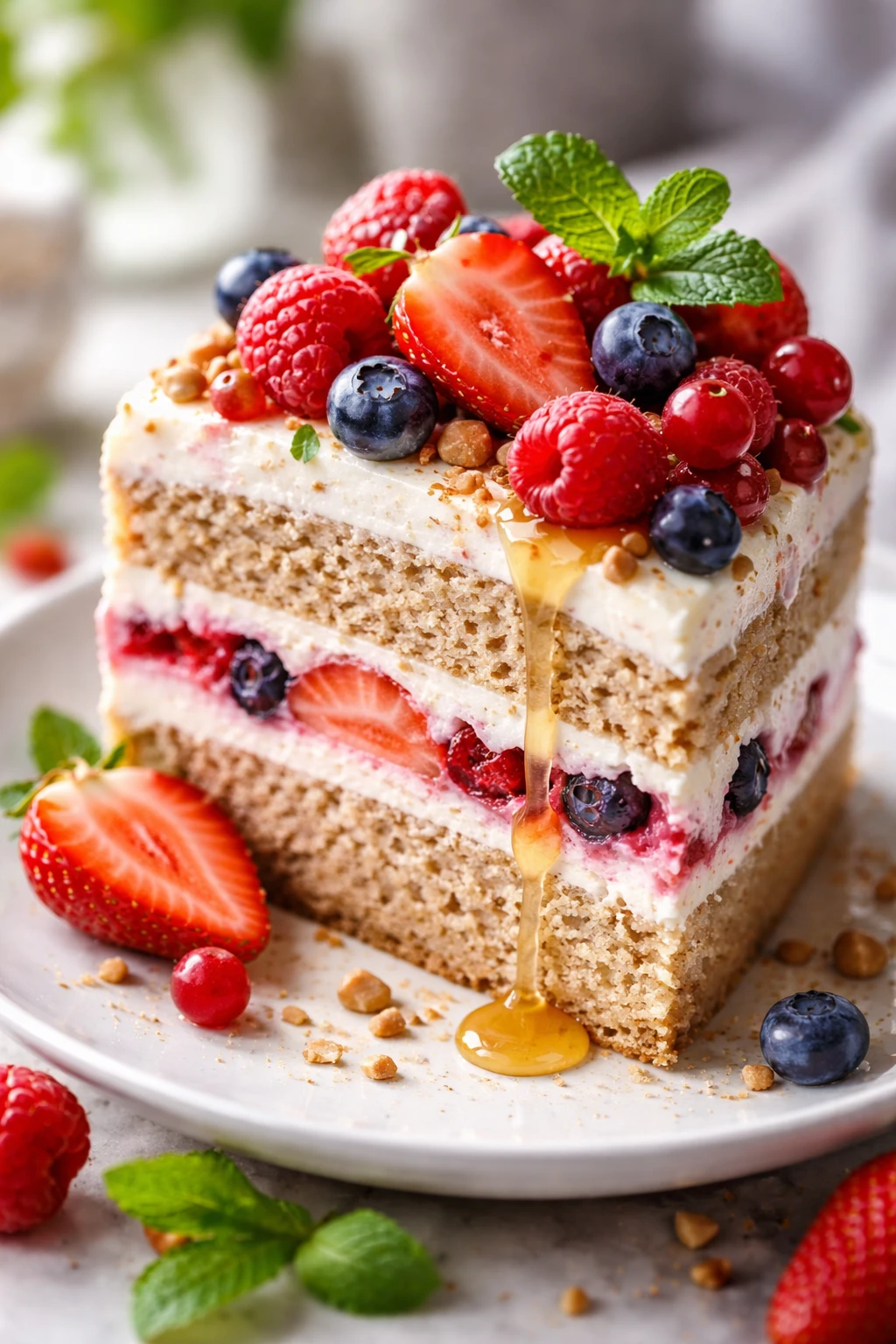
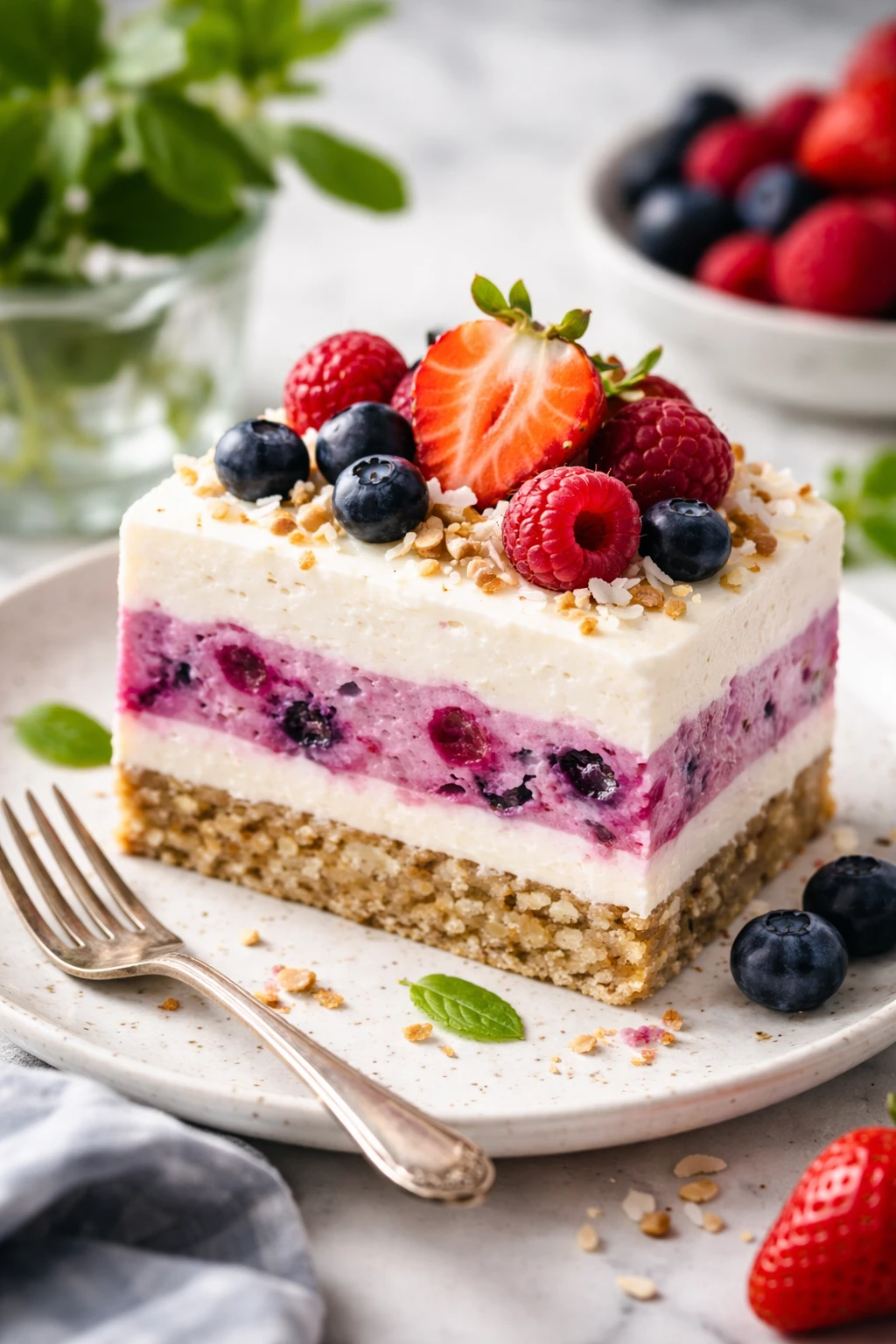
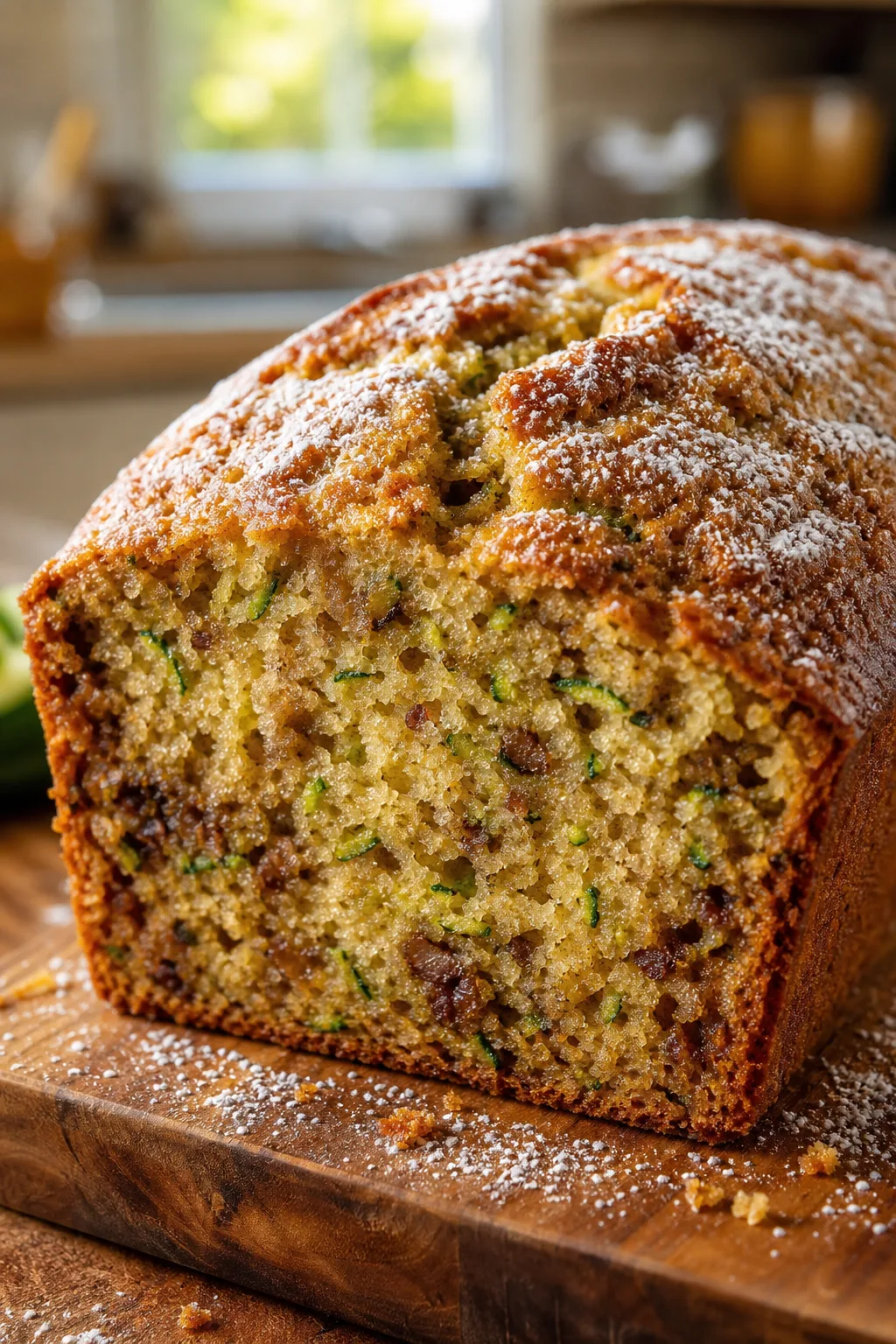
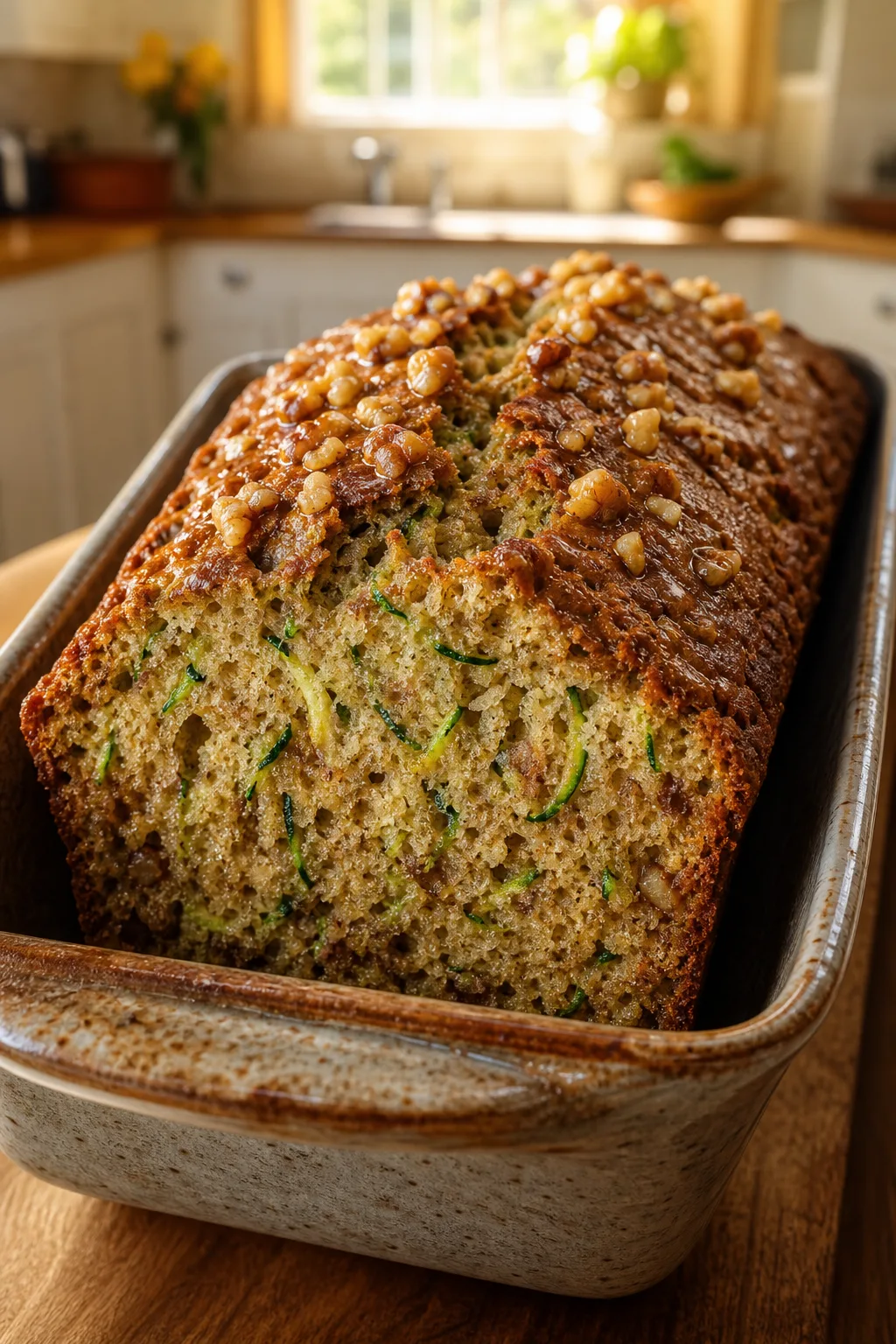
This almond flour cake is wonderfully light and moist thanks to Greek yogurt. It’s a healthier twist on dessert that doesn’t skimp on flavor. Perfect for a cozy afternoon tea or any time you crave a sweet treat without guilt!
Introduction
I stumbled upon this almond flour cake recipe during a weekend when I wanted something sweet but healthier than my usual sugary bakes. At first, I was skeptical about how moist it could be without traditional flour or lots of butter, but the addition of Greek yogurt was a game changer. It keeps the cake tender and adds a subtle tang that balances the sweetness perfectly. What I love about this version is how simple it is—no complicated steps or hard-to-find ingredients. You just mix everything together and bake. The trick I learned is to use room temperature eggs and gently fold in the wet ingredients to keep the batter light. The finished cake is golden with a delicate crumb, and the hint of lemon zest (if you add it) brightens the flavor beautifully. It’s great for afternoon tea, a light dessert, or just a snack when you want something a little more nourishing. Honestly, the first time I made it, I was worried it’d be dry, but it turned out so moist and soft that my whole family kept asking for more!
What You'll Need
One 9-inch round cake, 8 servings
- 2 cups almond flour, finely ground
- 1/2 cup Greek yogurt, full-fat
- 3 large eggs, room temperature
- 1/2 cup honey or maple syrup
- 1 teaspoon baking powder
- 1/2 teaspoon baking soda
- 1/4 teaspoon salt
- 1 teaspoon vanilla extract
- Zest of 1 lemon (optional)
How To Do It
Step 1
Preheat your oven to 350°F (175°C) and grease a 9-inch round cake pan or line it with parchment paper. This step is crucial because a properly prepared pan ensures the cake releases easily without sticking or breaking apart. If you skip greasing or lining, the delicate almond flour texture might cling to the pan, ruining the cake’s shape. Use a little coconut oil or butter, spreading it evenly to coat every inch. Also, if you line with parchment, cut the paper to fit snugly inside for a clean edge.
⏱ Time: 10 minutes
✓ Doneness: Pan feels evenly coated with no bare spots; parchment paper lies flat inside the pan
Step 2
In a large bowl, whisk together the almond flour, baking powder, baking soda, and salt. Sifting isn’t necessary here, but mixing these dry ingredients well is important to distribute the leavening agents evenly, which helps the cake rise uniformly. Almond flour can sometimes clump, so break up any lumps gently with your fingers or a fork to avoid dense spots in the cake.
⏱ Time: 5 minutes
✓ Doneness: Dry mix looks evenly combined with no visible clumps
Step 3
In a separate bowl, beat the eggs until they’re light and slightly frothy. Then add the Greek yogurt, honey (or maple syrup), vanilla extract, and lemon zest if using. Whisk these wet ingredients together until smooth and creamy. This step is key because the eggs provide structure, and beating them adds air that helps the cake rise. The yogurt adds moisture and a subtle tang, balancing the sweetness.
⏱ Time: 5 minutes
✓ Doneness: Wet mixture is smooth with no streaks of yogurt or honey
Step 4
Slowly pour the wet ingredients into the dry almond flour mixture. Using a spatula, fold everything together gently but thoroughly. Avoid overmixing here, or the batter can become dense. The folding technique helps keep the batter airy while ensuring all ingredients are combined. The batter should be thick but spreadable.
⏱ Time: 5 minutes
✓ Doneness: Batter is homogenous without streaks of flour or wet ingredients
Step 5
Transfer the batter into the prepared cake pan, smoothing the top with a spatula. Give the pan a gentle tap on the counter to release any large air bubbles trapped inside. This helps prevent big holes in the baked cake and promotes even texture.
⏱ Time: 3 minutes
✓ Doneness: Batter evenly spread with no major lumps or air pockets
Step 6
Bake the cake in the preheated oven for about 25-30 minutes. Start checking around 25 minutes by inserting a toothpick into the center. It should come out clean or with just a few moist crumbs. Baking too long can dry out the cake since almond flour doesn’t retain moisture like wheat flour.
⏱ Time: 25-30 minutes
✓ Doneness: Toothpick inserted in center comes out mostly clean
Step 7
Once baked, remove the cake from the oven and let it cool in the pan for 15 minutes. Cooling slightly allows the cake to firm up and makes it easier to remove from the pan without crumbling. Don’t rush this step—taking the cake out while still hot can cause it to break apart.
⏱ Time: 15 minutes
✓ Doneness: Cake edges start pulling away from pan sides slightly
Step 8
Run a knife around the edges to loosen the cake, then invert it onto a cooling rack. Peel off the parchment paper if used. Let the cake cool completely before slicing. This finishing step helps the crumb set fully and makes slicing cleaner and neater.
⏱ Time: 30 minutes
✓ Doneness: Cake is fully cooled to touch and holds shape when sliced
Step 9
Serve plain or with a dollop of whipped cream, fresh berries, or a drizzle of honey. This cake pairs beautifully with tea or coffee. If you want to store it, wrap tightly and keep at room temperature for up to 2 days or refrigerate for longer freshness.
⏱ Time: 0 minutes
✓ Doneness: Ready to enjoy with desired toppings
Variations
Add Fresh Berries
Fold 1 cup of fresh blueberries or raspberries into the batter before baking to add bursts of fruity flavor and a pop of color. The berries add moisture and a fresh contrast to the nutty cake, making it perfect for spring or summer.
Note: Gently fold berries to avoid breaking them, and expect slightly longer baking time due to added moisture.
Chocolate Almond Cake
Mix 1/4 cup unsweetened cocoa powder into the dry ingredients and sprinkle chocolate chips for a rich chocolate twist. This variation is perfect for chocolate lovers craving a healthier dessert option.
Note: Cocoa powder absorbs moisture, so add an extra tablespoon of yogurt to keep the batter moist.
Spiced Almond Cake
Add 1 teaspoon cinnamon and 1/4 teaspoon nutmeg to the dry mix for a warm, cozy flavor. Great for autumn or holiday baking, this version pairs wonderfully with a dollop of whipped cream or cream cheese frosting.
Note: Spices do not affect baking time but enhance aroma and flavor depth.
Coconut Almond Cake
Stir in 1/2 cup shredded unsweetened coconut for added texture and tropical flavor. This variation adds chewiness and a subtle sweetness that complements the almond and yogurt base.
Note: Use fine shredded coconut to avoid too much texture variation and adjust moisture with an extra tablespoon of yogurt if batter feels dry.
Lemon Poppy Seed Cake
Add 2 tablespoons poppy seeds and increase lemon zest to 2 teaspoons for a zesty, crunchy twist. This bright, fresh variation is perfect for spring brunch or afternoon tea.
Note: Poppy seeds don’t change baking time but add a slight crunch and visual interest.
Pro Tips
Use room temperature eggs and yogurt for better mixing.
Cold ingredients can cause the batter to seize or mix unevenly, resulting in a dense texture. Room temperature eggs whip up more easily incorporating air, and yogurt blends smoothly, ensuring a uniform batter that bakes evenly.
Gently fold wet and dry ingredients instead of vigorous stirring.
Overmixing breaks down the air bubbles trapped during egg beating, leading to a dense, heavy cake. Folding preserves the light structure of the batter, resulting in a tender crumb and better rise.
Don’t skip the lemon zest—it brightens the flavor wonderfully.
Lemon zest adds fresh citrus notes that contrast the nutty almond flour and tangy yogurt. It elevates the overall flavor without adding liquid, keeping the batter balanced and aromatic.
Tap the cake pan gently after pouring batter to release air bubbles.
Trapped air bubbles can create large holes or uneven texture. Tapping helps settle the batter and creates a uniform crumb, improving both texture and appearance.
Check the cake with a toothpick early to avoid overbaking.
Almond flour cakes can dry out quickly if baked too long since almond flour doesn’t retain moisture like wheat flour. Testing early prevents dryness and ensures a moist, tender cake.
Store the cake covered at room temperature for up to 2 days.
Covering the cake prevents it from drying out by retaining moisture. Almond flour cakes tend to firm up as they cool, so keeping it wrapped maintains softness.
Use parchment paper for easy release and cleaner edges.
Almond flour cakes are delicate and can stick to pans. Parchment paper helps the cake come out easily without breaking apart, preserving its shape and presentation.
Common Mistakes to Avoid
Overmixing the batter
Why it happens Many assume mixing longer makes batter smoother, but with almond flour cakes, it deflates the air whipped into eggs and breaks down structure.
Fix Fold ingredients gently just until combined. Use a spatula and stop mixing as soon as no dry flour streaks remain to keep the batter airy and light.
Using cold eggs or yogurt
Why it happens Forgetting to bring ingredients to room temperature is common when in a hurry, but cold ingredients don’t incorporate well.
Fix Take eggs and yogurt out 30 minutes before baking to warm slightly. This helps blend ingredients smoothly and traps air better during beating.
Skipping greasing or lining the pan
Why it happens Sometimes overlooked, especially with nonstick pans, but almond flour cakes can stick due to their delicate crumb.
Fix Always grease your pan thoroughly and line with parchment paper if possible. This prevents sticking and helps the cake release cleanly.
Overbaking the cake
Why it happens Not checking the cake early enough leads to dryness since almond flour lacks gluten’s moisture-retaining properties.
Fix Start checking the cake at 25 minutes by inserting a toothpick. Remove it as soon as it comes out clean or with moist crumbs.
Using coarse almond meal instead of almond flour
Why it happens Some buy almond meal thinking it’s interchangeable, but it’s coarser and includes skins.
Fix Choose finely ground blanched almond flour for a tender crumb. Coarser almond meal leads to dense, gritty texture.
Nutrition
Per Serving:
Nutritional values are estimates and may vary based on specific ingredients used.
Storage & Tips
Room Temperature
Store the cake covered at room temperature in an airtight container or wrapped tightly with plastic wrap for up to 2 days. This keeps the cake moist and fresh. Avoid leaving it uncovered as almond flour cakes dry out quickly.
Refrigerator
Refrigerate the cake in an airtight container for up to 5 days. The cake may firm up and lose some softness, so allow it to come to room temperature before serving or warm it slightly in the microwave for 10-15 seconds.
Freezer
Wrap the cake tightly in plastic wrap and then foil to freeze for up to 3 months. Thaw overnight in the refrigerator, then bring to room temperature before serving. Freezing preserves texture well if wrapped properly to prevent freezer burn.
Reheating
Warm slices gently in the microwave for 10-20 seconds or in a low oven (300°F) for 5-7 minutes. Adding a light brush of honey or a dab of butter before warming can help restore moisture. Avoid overheating as it dries out the cake.
Make Ahead
You can prepare the batter 1 day ahead and keep it refrigerated, covered tightly. Bring to room temperature before baking. Alternatively, bake the cake a day ahead and store wrapped at room temperature or refrigerated, then add fresh toppings before serving.
FAQ
Can I substitute almond flour with regular flour?
Substituting almond flour with regular all-purpose flour won’t give the same moist, tender texture because almond flour is higher in fat and lacks gluten. If you want a similar cake with wheat flour, you’d need to adjust liquids and leavening. This recipe is specifically designed for almond flour to keep it moist and gluten-free.
What if I don’t have Greek yogurt? Can I use sour cream or regular yogurt?
Sour cream is a good substitute because it has similar fat content and acidity, which helps with rise and moisture. Regular yogurt can work but may be thinner, so use less or strain it to thicken. Keep in mind the flavor and texture might be slightly different.
How do I prevent the cake from sticking to the pan?
Grease the pan well and line it with parchment paper if possible. Almond flour cakes are more delicate and tend to stick more than wheat flour cakes. Running a knife around the edges after cooling also helps release the cake cleanly.
Can I make this cake vegan?
This recipe relies on eggs and Greek yogurt for structure and moisture, so it’s not easily veganized without major changes. You could try flax eggs and plant-based yogurt, but texture and rise will be affected. For a vegan almond flour cake, look for recipes specifically developed for that purpose.
Why is my cake dense or crumbly?
Common causes include overmixing batter, using cold ingredients, or not measuring almond flour accurately. Overmixing deflates air needed for rise, and cold eggs or yogurt don’t incorporate well. Also, almond flour’s moisture content varies, so check freshness and measure carefully.
Can I add nuts or dried fruit to this cake?
Yes! Chopped nuts or dried fruit are a lovely addition. Fold them in gently after combining wet and dry ingredients. Be mindful that dried fruit may add moisture and affect baking time, so check doneness carefully.
How should I store leftovers to keep the cake moist?
Wrap the cake tightly in plastic wrap or store in an airtight container at room temperature for up to 2 days. Refrigerating is fine for longer storage but the cake will firm up, so warm it slightly before eating to restore softness.
Can I double the recipe for a larger cake?
Absolutely! Just double all ingredients and use a larger pan or two pans. Baking time may increase slightly, so start checking with a toothpick at the original bake time and adjust as needed.
Final Thoughts
I hope you give this almond flour cake a try—it’s become a favorite in my house for good reason! Let me know how yours turns out and what variations you love.