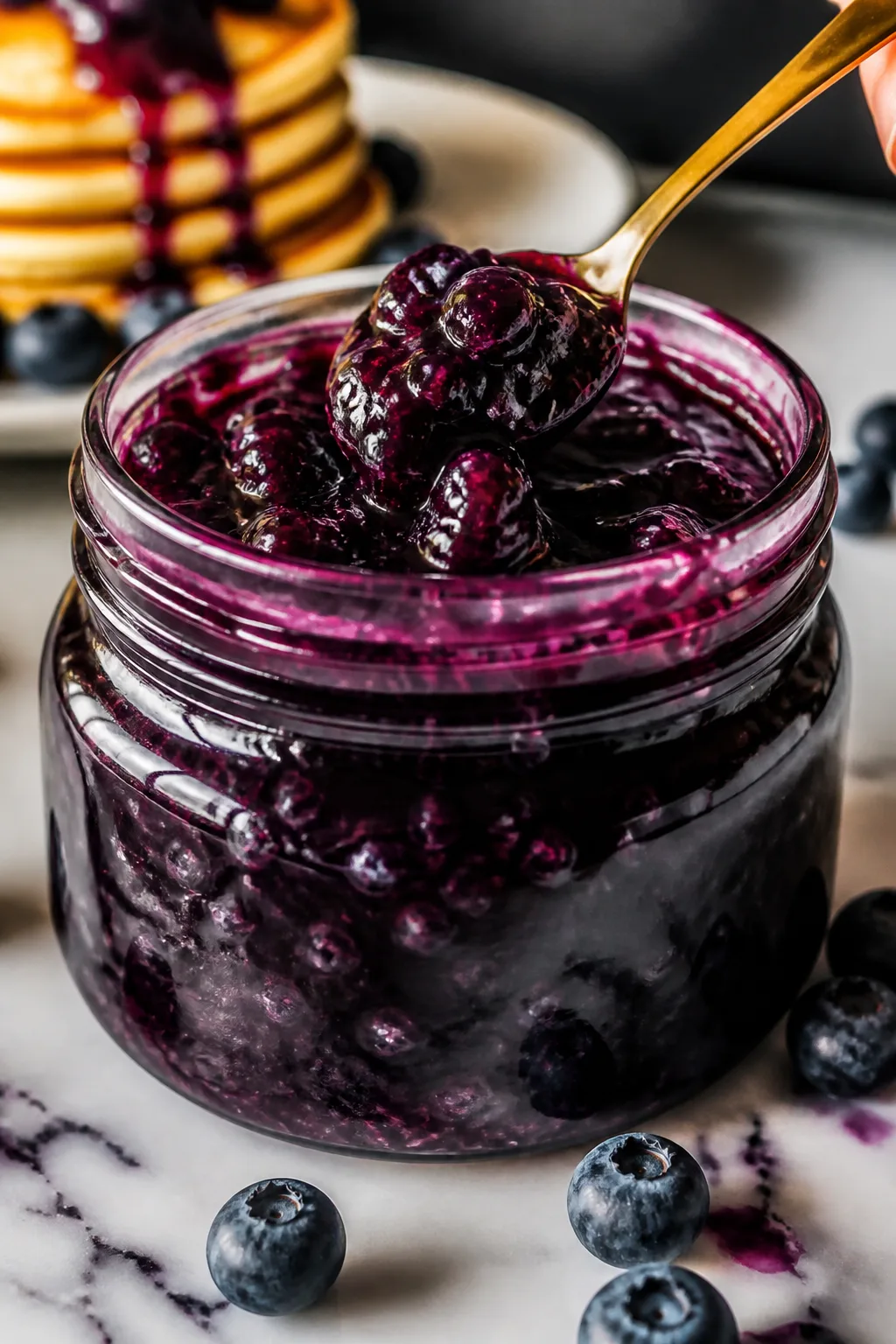
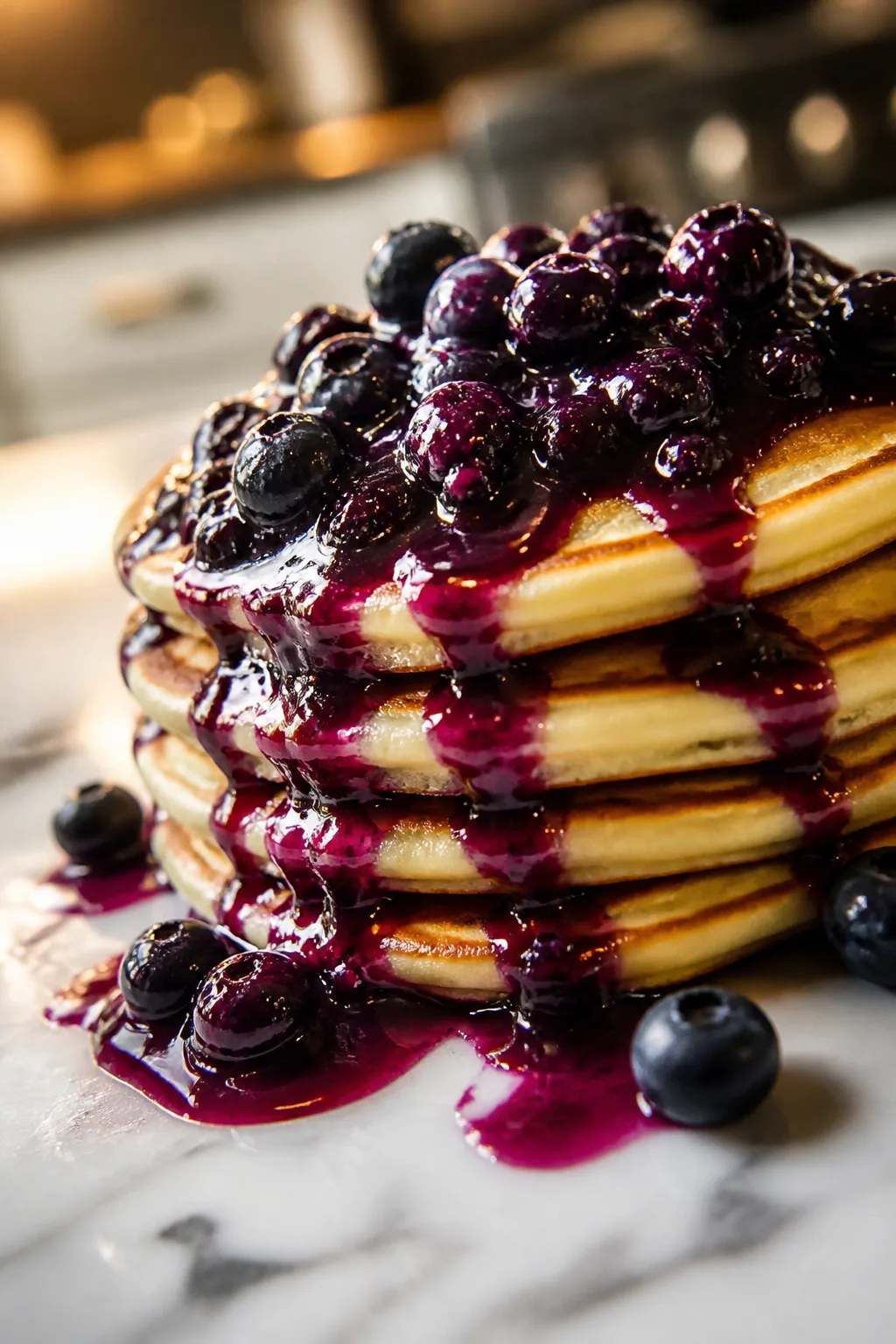
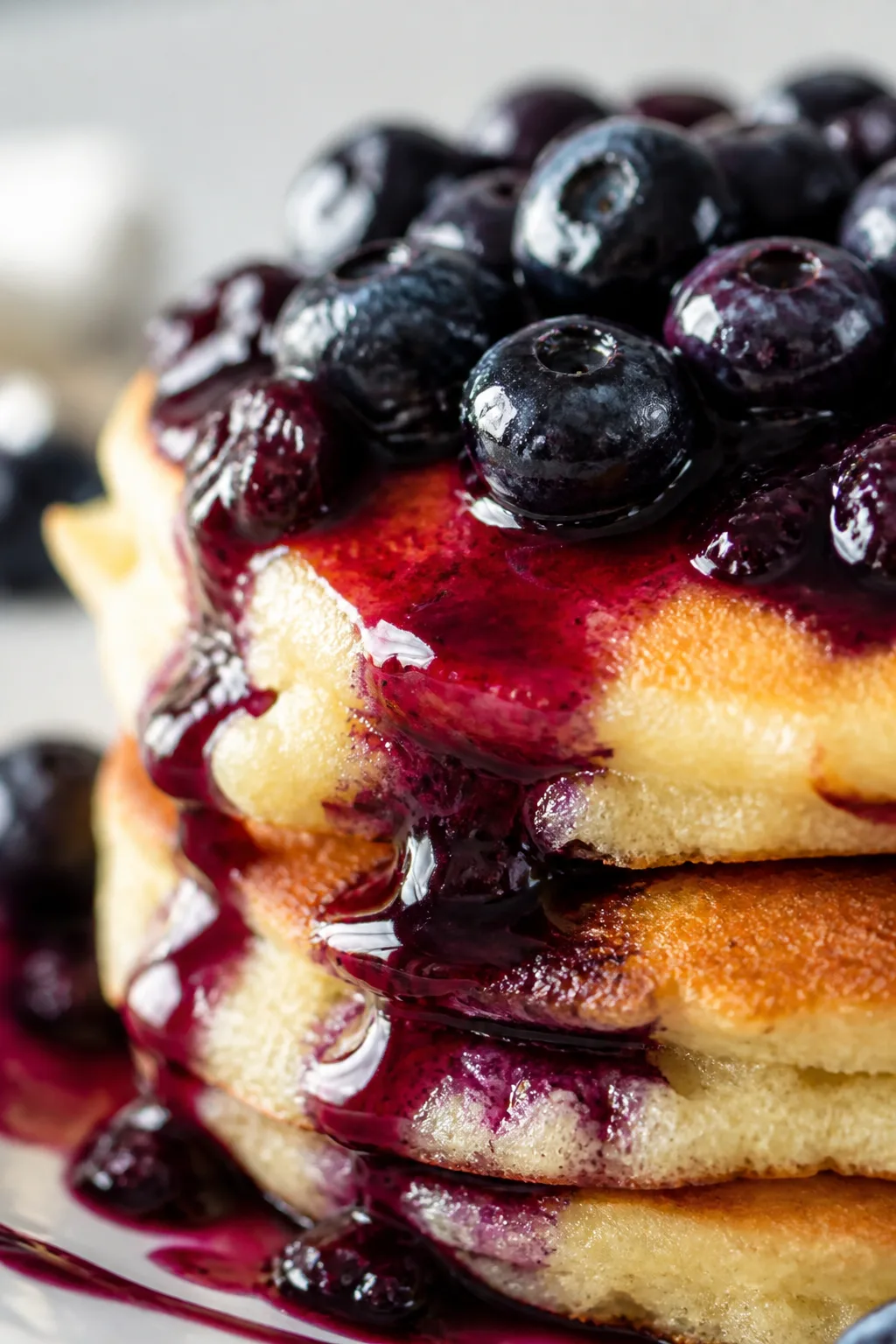
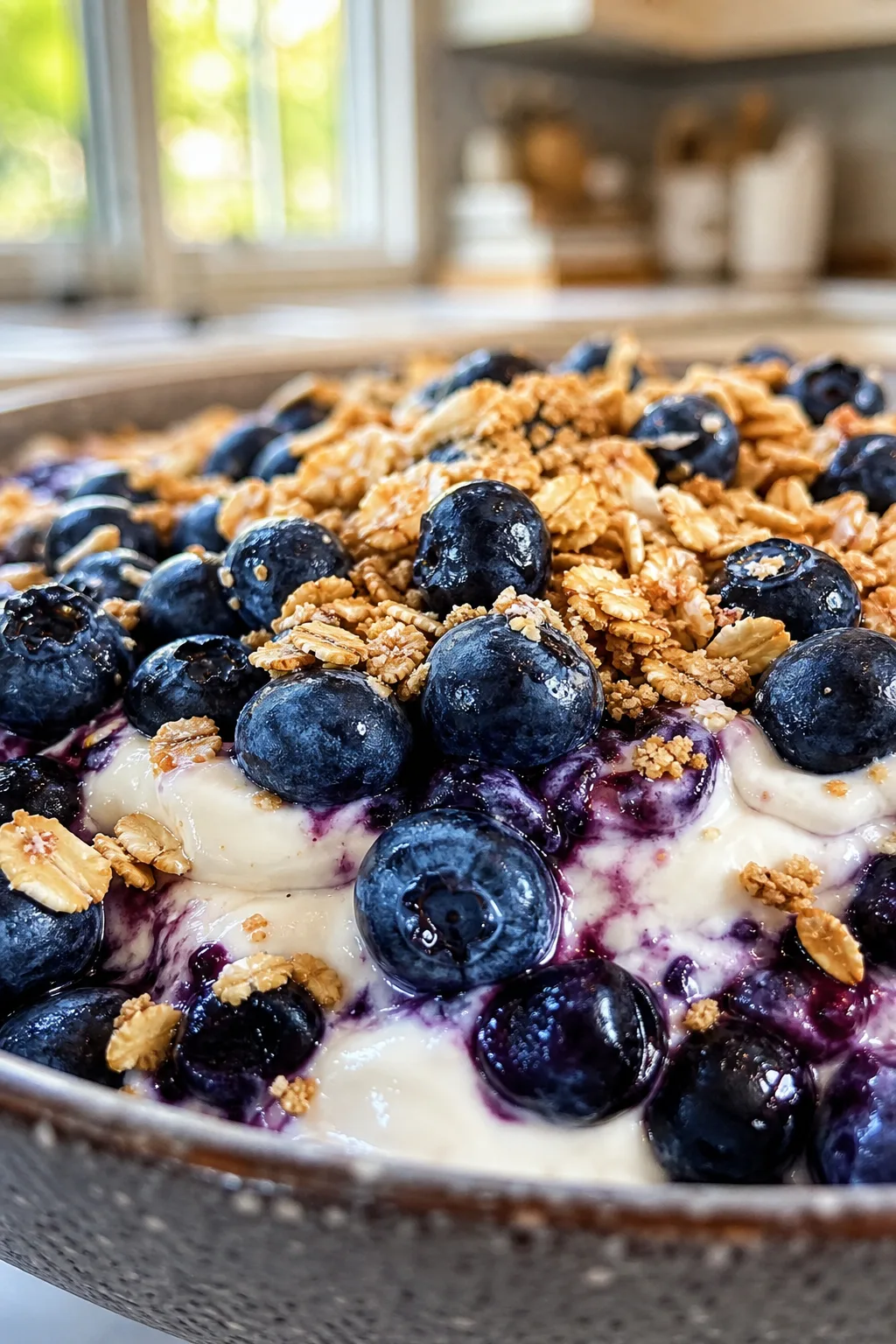
This blueberry syrup is so fresh and naturally sweet, made by gently simmering fresh berries to keep that bright flavor. I love drizzling it over pancakes or yogurt for a weekend treat!
Introduction
I first made this blueberry syrup on a slow Sunday morning when I wanted something fresh and natural to drizzle over my pancakes. Instead of the usual store-bought stuff, I wanted a syrup that tasted like summer berries, not overly sweet or artificial. What makes this version stand out is the gentle simmering technique that really brings out the natural sweetness and bright flavor of the blueberries without turning it into a jam. I also add a splash of fresh lemon juice to balance the sweetness and enhance the fruitiness. The result is a syrup that’s thick enough to coat your pancakes or yogurt but still pourable and full of that fresh blueberry punch. It’s simple, quick, and feels like a little homemade luxury that turns any breakfast into a special occasion. Plus, making it yourself means you can skip the preservatives and control the sugar level. I love making a batch on the weekend to enjoy throughout the week—it keeps well in the fridge and tastes just as good reheated or cold. My family always asks for more once they try it!
What You'll Need
Approximately 1 1/2 cups syrup, 6 servings
- 2 cups fresh blueberries, washed
- 1/2 cup granulated sugar
- 1/2 cup water
- 1 tablespoon lemon juice, freshly squeezed
- 1 teaspoon vanilla extract (optional)
How To Do It
Step 1
Start by rinsing the blueberries gently under cold water to remove any dirt or debris. Then, add them to a medium saucepan along with the sugar and water. The water helps the berries cook down evenly without burning. Using fresh berries is key here because they break down nicely and give the syrup that vibrant color and flavor. Avoid stirring too vigorously at this stage to keep the berries somewhat intact for texture.
⏱ Time: 5
✓ Doneness: Berries start to soften and burst, liquid begins to bubble gently
Step 2
Bring the mixture to a low simmer over medium heat. Keep it at a gentle simmer rather than a rolling boil to prevent the syrup from becoming too thick or caramelized. Stir occasionally with a wooden spoon to help the sugar dissolve and the berries break down. This slow simmer extracts the natural juices and sweetness from the berries without cooking off the fresh flavor. If you rush this step by turning the heat too high, you risk a burnt or bitter taste.
⏱ Time: 15
✓ Doneness: Syrup thickens slightly and coats the back of a spoon
Step 3
Once the berries have broken down and the syrup has thickened, remove the pan from heat. Stir in the freshly squeezed lemon juice and vanilla extract if using. The lemon juice brightens the flavor and balances the sweetness, while vanilla adds a subtle warmth. This step is important because adding lemon too early can toughen the fruit, so it’s best added at the end.
⏱ Time: 2
✓ Doneness: Syrup is glossy with a balanced sweet-tart aroma
Step 4
For a smoother syrup, you can strain the mixture through a fine mesh sieve to remove skins and seeds. Use the back of a spoon to press the solids gently to extract as much liquid as possible. If you prefer a chunkier syrup with bits of fruit, skip this step. Either way, the syrup will taste fantastic and keep well.
⏱ Time: 5
✓ Doneness: Syrup is clear of solids if strained, or visibly chunky if not
Step 5
Let the syrup cool to room temperature before transferring it to a clean jar or bottle. Cooling helps it thicken slightly more and develop flavor. Store it in the fridge once cooled; it will keep fresh for about a week. Be sure to use a sterilized container to avoid spoilage.
⏱ Time: 10
✓ Doneness: Syrup has thickened to a pourable consistency, no steam rising
Step 6
When ready to serve, give the syrup a gentle shake or stir as it may separate slightly in the fridge. Warm it slightly in the microwave or on the stovetop if you prefer it warm for drizzling over pancakes or waffles. Avoid overheating as it can thin out the syrup too much.
⏱ Time: 2
✓ Doneness: Syrup is fluid and warm but not boiling
Step 7
Try adding a pinch of cinnamon or a splash of orange juice for a flavor twist. These additions can enhance the fruitiness and add complexity. Add them during the simmering stage so the flavors meld together nicely without overpowering the berries.
⏱ Time: 1
✓ Doneness: Syrup has a subtle spicy or citrus aroma
Step 8
Use the syrup not only on pancakes but also on yogurt, oatmeal, or ice cream for a burst of fresh blueberry flavor. It also works great as a cocktail mixer or drizzled over desserts. This versatility makes it a handy homemade staple.
⏱ Time: 0
✓ Doneness: Syrup is ready and versatile for multiple uses
Step 9
If you want to make a larger batch, simply double the ingredients but keep the simmering time the same, stirring occasionally to prevent scorching. Larger batches may need a wider pan for even cooking. Cool completely before bottling.
⏱ Time: 0
✓ Doneness: Syrup consistency and flavor remain consistent in larger batches
Variations
Spiced Blueberry Syrup
Add a cinnamon stick and a few cloves during simmering to infuse warm spice notes. This gives the syrup a cozy flavor perfect for fall breakfasts or holiday treats. Remove the spices before bottling.
Note: Simmer spices with the berries for the full cooking time to extract flavor without overpowering.
Orange-Blueberry Syrup
Replace half the lemon juice with fresh orange juice and add a teaspoon of orange zest. This variation adds a bright citrus twist and a slightly sweeter flavor, great for summer pancakes.
Note: Add zest early in simmering to infuse the syrup, but add orange juice at the end like lemon juice.
Honey-Sweetened Blueberry Syrup
Substitute granulated sugar with honey for a floral sweetness and a slightly thicker syrup. Use mild-flavored honey to avoid overpowering the berries. This is a great natural alternative for those avoiding refined sugar.
Note: Add honey after removing from heat to preserve its delicate flavors and health benefits.
Chunky Blueberry Syrup
Skip straining and gently mash some of the berries during simmering to create a chunky syrup with visible fruit pieces. This adds texture and a rustic feel, perfect for topping ice cream or yogurt.
Note: Use a potato masher or fork to gently crush berries halfway through simmering.
Blueberry-Lavender Syrup
Add a teaspoon of dried culinary lavender buds during simmering for a fragrant floral note. This syrup pairs beautifully with lemon desserts or as a cocktail mixer.
Note: Steep lavender with berries and strain well to avoid gritty texture.
Pro Tips
Use fresh, ripe blueberries for the best flavor and color.
Fresh berries contain natural sugars and acids that create a vibrant syrup. Using underripe or frozen berries can result in a watery or bland syrup. The freshness impacts both taste and the rich blue color.
Simmer gently rather than boiling rapidly.
A gentle simmer lets the berries break down slowly, releasing juice without burning or caramelizing the sugar. Boiling too hard can cause bitterness and a thick jam-like texture instead of syrup.
Add lemon juice at the end of cooking.
Lemon juice brightens flavor and preserves color, but adding it too early can toughen berry skins and reduce brightness. Adding it last ensures a fresh, balanced taste.
Don’t over-stir the berries while simmering.
Stirring too much breaks down the berries completely, losing texture and creating a jammy syrup. Gentle stirring dissolves sugar evenly without destroying the berry pieces.
Strain the syrup for a smooth finish or leave fruit bits for texture.
Straining removes seeds and skins for a silky syrup perfect for cocktails or delicate dishes. Leaving bits adds rustic charm and extra bursts of blueberry flavor, depending on your preference.
Store syrup in a sterilized airtight container in the fridge.
Proper storage prevents spoilage and keeps the syrup tasting fresh longer. A clean container reduces contamination and preserves flavor and color.
Warm syrup gently before serving if refrigerated.
Warming loosens the syrup for easy drizzling without thinning it too much. Avoid overheating which can break down the syrup and alter flavor.
Common Mistakes to Avoid
Boiling the syrup too hard.
Why it happens Many think higher heat speeds cooking, but boiling rapidly causes sugar to caramelize and berries to overcook, leading to a burnt or bitter taste.
Fix Keep the heat at a low simmer. Watch for gentle bubbling and stir occasionally. If it’s boiling hard, reduce the heat immediately to avoid bitterness and thick jam-like texture.
Adding lemon juice too early.
Why it happens Some add lemon at the start thinking it will infuse better, but acidity toughens berry skins and dulls flavor.
Fix Add fresh lemon juice only after cooking and removing from heat to keep the syrup bright and flavorful.
Using underripe or frozen berries without draining.
Why it happens Frozen berries release extra water, and underripe berries lack sweetness, making syrup thin or bland.
Fix If using frozen, thaw and drain excess liquid before cooking. Choose ripe berries for best results.
Over-stirring the berries.
Why it happens Stirring vigorously breaks berries into mush, losing texture and making syrup too thick.
Fix Stir gently and only occasionally to dissolve sugar and help break down berries without destroying them.
Not storing the syrup properly.
Why it happens Leaving syrup uncovered or in unsterilized jars can cause spoilage or off-flavors.
Fix Store syrup in a clean, airtight container in the fridge and use within a week for best flavor and safety.
Nutrition
Per Serving:
Nutritional values are estimates and may vary based on specific ingredients used.
Storage & Tips
Room Temperature
Blueberry syrup can be kept at room temperature for up to 8 hours if covered tightly to avoid contamination. However, for safety and freshness, it’s best to refrigerate it as soon as it cools.
Refrigerator
Store the syrup in an airtight container in the fridge for up to 7 days. The flavor remains fresh, but the syrup may thicken slightly. You can serve it cold or gently warm it before use.
Freezer
Freeze the syrup in a freezer-safe container for up to 2 months. Leave some headspace to allow expansion. Thaw overnight in the fridge and stir well before warming gently to restore pourable consistency.
Reheating
Warm the syrup gently on the stovetop over low heat or in short bursts in the microwave. Avoid boiling as it can thin the syrup and alter flavor. Add a splash of water if too thick after reheating.
Make Ahead
You can make this syrup 1-2 days ahead and store it refrigerated in a sealed jar. Prepare all ingredients and simmer the day before, then strain and cool. Reheat gently before serving to refresh the flavor.
FAQ
Can I use frozen blueberries instead of fresh?
Yes, you can use frozen blueberries, but thaw and drain them before cooking to avoid excess water diluting the syrup. Frozen berries may produce a thinner syrup and slightly less vibrant color. Fresh berries are preferred for the best flavor and texture.
How long does homemade blueberry syrup keep in the fridge?
Stored in a clean, airtight container, blueberry syrup will keep fresh in the refrigerator for up to one week. Make sure to cool it completely before refrigerating and always use a clean spoon to avoid contamination.
Can I make this syrup without sugar?
You can substitute sugar with natural sweeteners like honey or maple syrup, but this will change the flavor and texture. Honey should be added after cooking to preserve its delicate flavors. Keep in mind the syrup may be less thick without granulated sugar.
Why is my syrup too thin?
If your syrup is too thin, it may be due to too much water or not simmering long enough to reduce the liquid. Try simmering gently for a few more minutes until it coats the back of a spoon, but avoid boiling too hard to prevent bitterness.
Can I store the syrup at room temperature?
For safety, it’s best to refrigerate blueberry syrup after it cools. At room temperature, it can only be kept safely for about 8 hours if covered, after which bacteria growth may occur. Refrigeration extends shelf life and preserves flavor.
Is it necessary to strain the syrup?
Straining is optional and depends on your texture preference. Straining removes seeds and skins for a smooth syrup, while leaving them in gives a chunkier, rustic texture. Both taste great, so choose what you prefer!
Can I add other fruits to this syrup?
Absolutely! You can mix in raspberries, blackberries, or even chopped strawberries for a mixed berry syrup. Adjust sugar slightly based on fruit sweetness and simmer until all fruits soften and flavors meld.
How do I prevent the syrup from burning?
Make sure to simmer the syrup over medium-low heat and stir occasionally. Using too high heat or neglecting to stir can cause the sugar to caramelize and burn, resulting in a bitter taste and dark color.
Can I use this syrup as a cocktail mixer?
Yes! This fresh blueberry syrup makes a fantastic cocktail mixer, adding natural sweetness and vibrant color. For cocktails, you may prefer to strain the syrup for a smooth texture and omit vanilla for a cleaner flavor.
What can I do if my syrup is too thick?
If your syrup thickened too much, gently reheat it and add a splash of water to loosen the consistency. Stir well and heat until pourable but not boiling to maintain flavor balance.
Final Thoughts
I hope you enjoy making and sharing this fresh blueberry syrup as much as I do. It’s such a simple way to brighten your breakfasts—let me know how yours turns out!