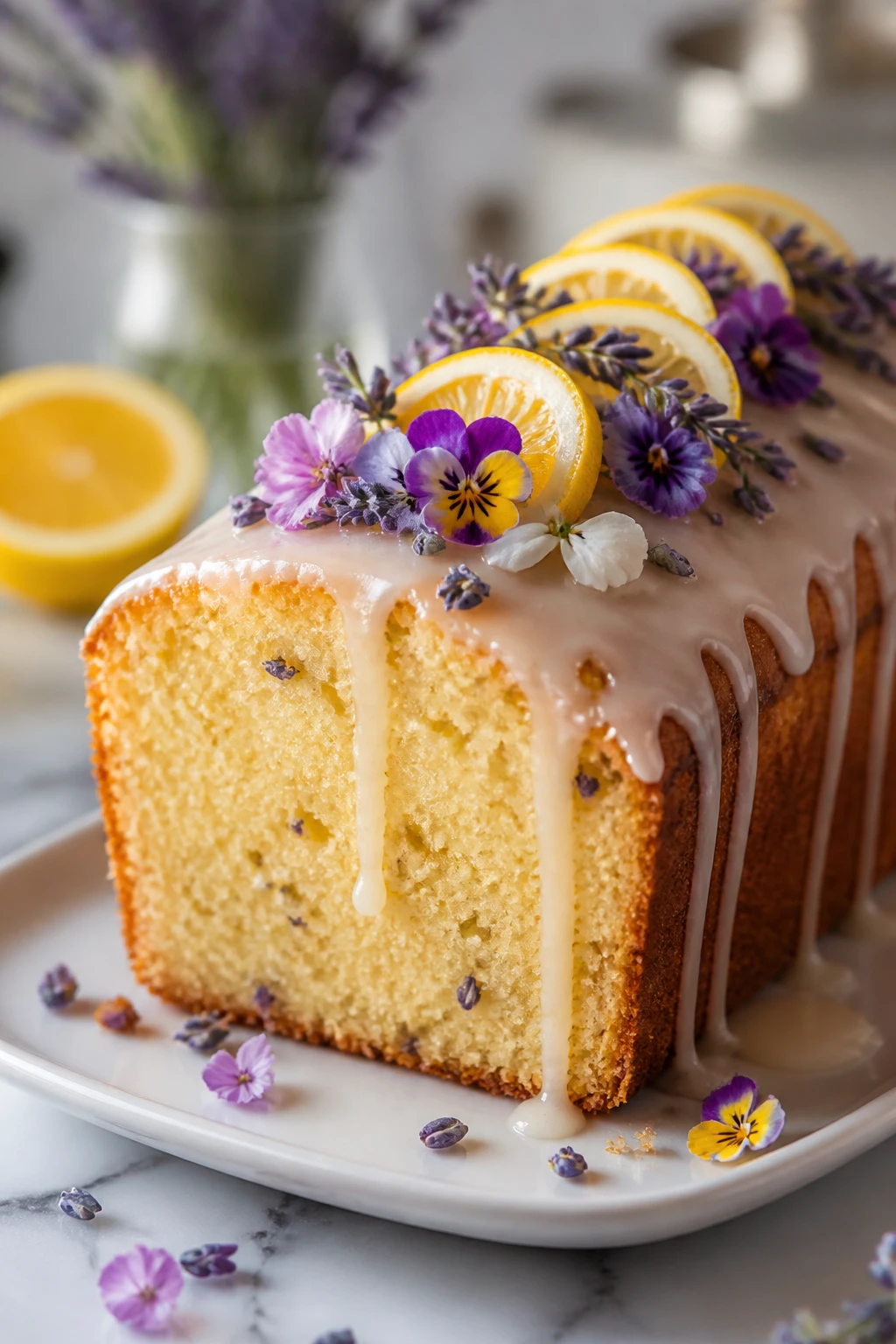
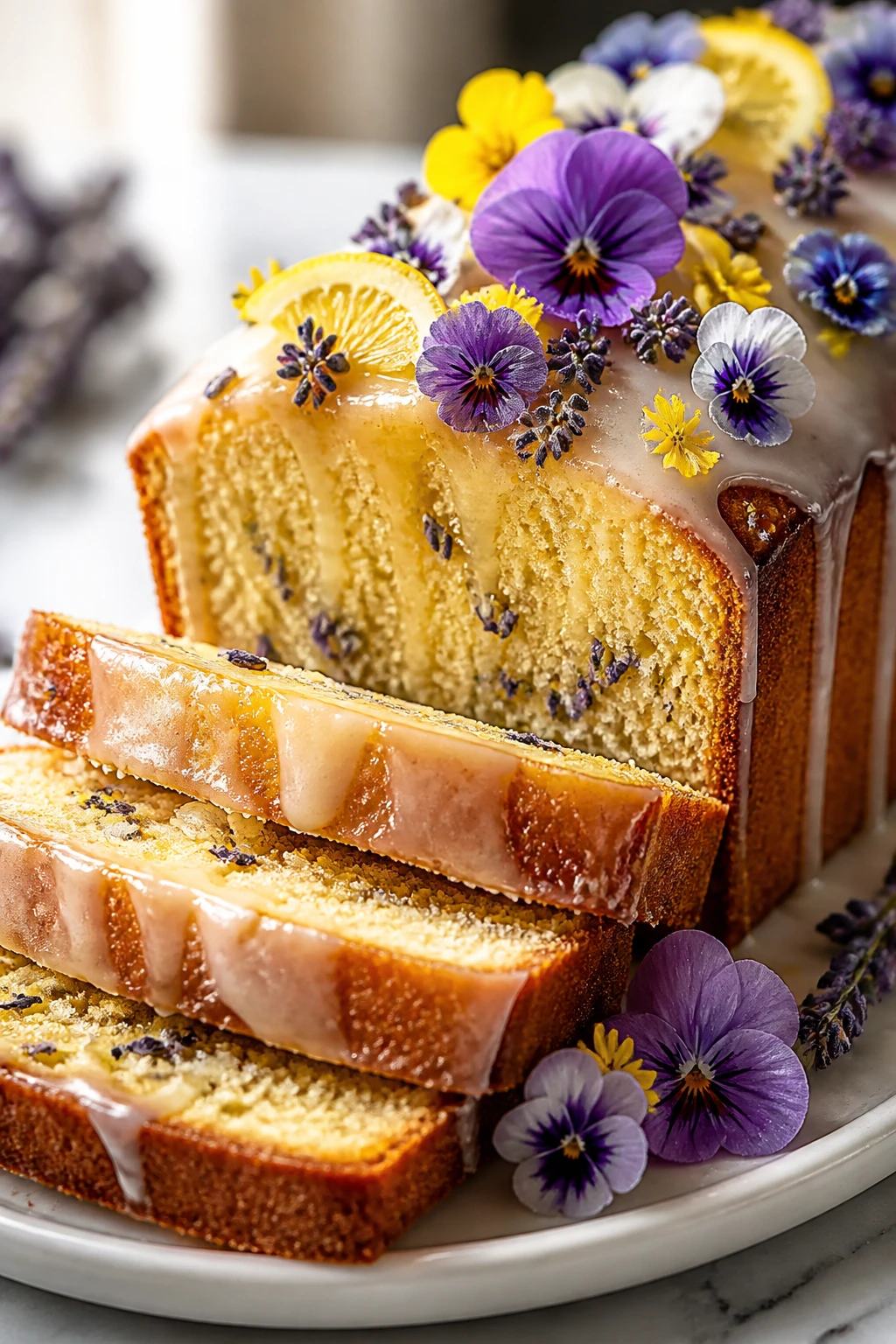
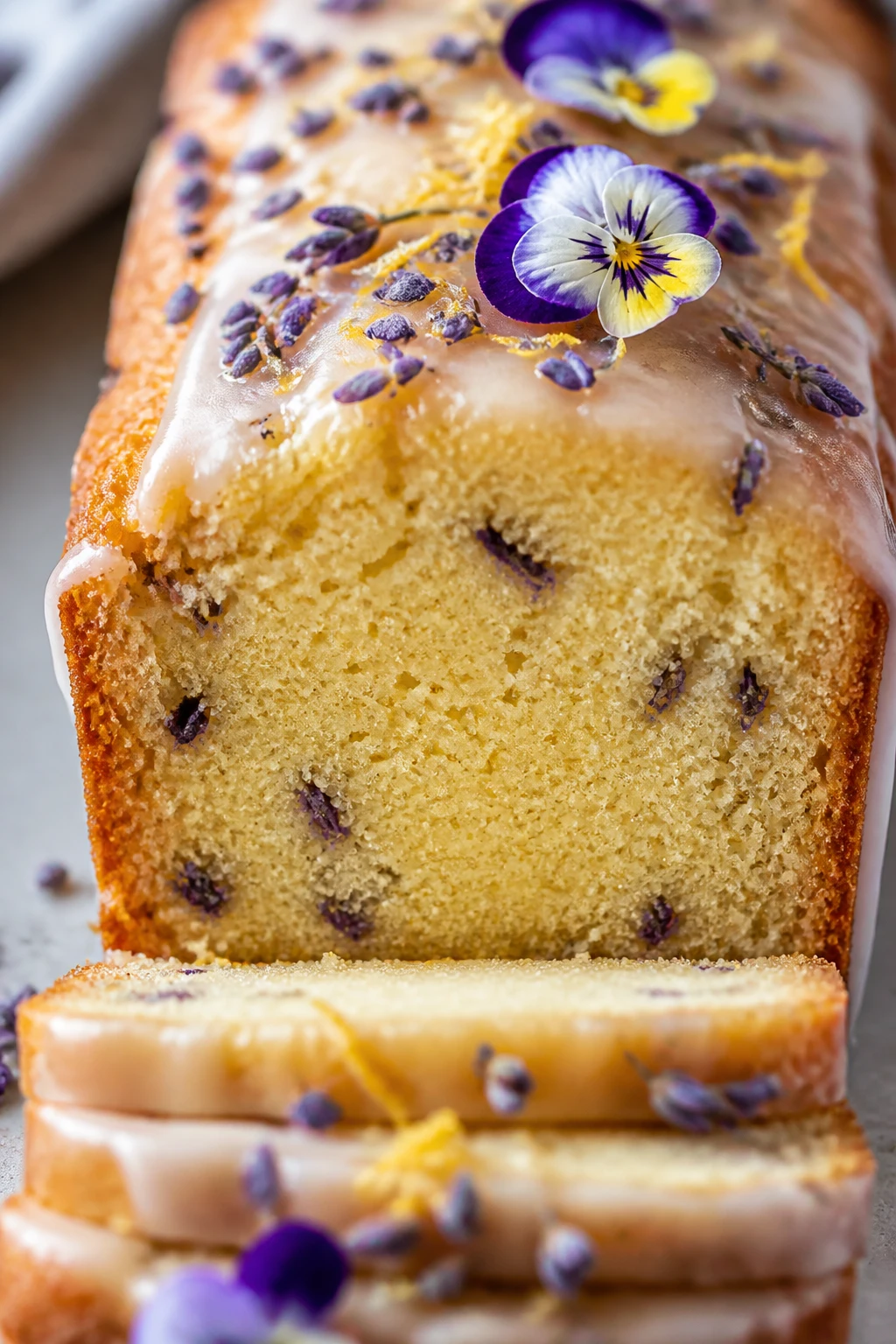
This lemon lavender pound cake is a buttery, fragrant delight that combines zesty citrus with delicate floral notes. The dried lavender buds give it a unique aroma, and it’s perfect for sharing at afternoon tea or springtime celebrations.
Introduction
I first stumbled upon this lemon lavender pound cake recipe during a springtime baking session a few years ago. The idea of blending bright lemon with the subtle floral notes of lavender instantly caught my attention. At first, I was unsure how the lavender would taste in a dense, buttery cake, but the delicate aroma won me over immediately. What makes this version special is the use of dried culinary lavender buds, which infuse the cake gently without overpowering it. Plus, zesting fresh lemons and adding actual lemon juice brings a bright and fresh balance that lifts the whole flavor. I’ve tried other lavender cakes before, but this one feels just right — moist, tender, and beautifully fragrant. The trick I learned is to toast the lavender buds slightly before mixing them in; it really brings out their aroma. The finished cake has a golden crust and a soft crumb, bursting with citrus and a whisper of floral notes. It looks stunning topped with fresh edible flowers, making it perfect for afternoon tea or a spring gathering. I love serving this when friends come over because it always sparks compliments and requests for the recipe.
What You'll Need
One 9x5 inch loaf, 8 servings
- 2 1/2 cups all-purpose flour, sifted
- 1 teaspoon baking powder
- 1/2 teaspoon salt
- 1 cup unsalted butter, softened
- 1 3/4 cups granulated sugar
- 4 large eggs, room temperature
- 1/2 cup whole milk, room temperature
- 2 tablespoons dried culinary lavender buds
- Zest of 2 lemons
- 1/4 cup fresh lemon juice
- 1 teaspoon vanilla extract
- Edible flowers for garnish (optional)
How To Do It
Step 1
Preheat your oven to 350°F (175°C). Grease and flour a 9x5 inch loaf pan, or line it with parchment paper. This step ensures the cake doesn’t stick and comes out cleanly. Preparing the pan ahead also saves time when your batter is ready. Avoid skipping this, as it can make removing the cake a hassle and risk breaking the crust.
⏱ Time: 10
✓ Doneness: Pan is evenly coated with no bare spots or clumps of flour
Step 2
In a small dry skillet, lightly toast the dried lavender buds over medium heat for 1-2 minutes until fragrant. Be careful not to burn them, as burnt lavender tastes bitter. Toasting releases essential oils and deepens the floral aroma. Let them cool before folding into the batter. This step is key to enhancing the flavor without overwhelming the cake.
⏱ Time: 3
✓ Doneness: Lavender buds smell warm and floral, not burnt
Step 3
In a medium bowl, whisk together the sifted flour, baking powder, and salt. Sifting helps remove lumps and aerates the flour, which contributes to a lighter crumb. This dry mix will be combined later with the wet ingredients to form a smooth batter.
⏱ Time: 5
✓ Doneness: Dry ingredients are evenly combined with no clumps
Step 4
In a large bowl, beat the softened butter and sugar on medium-high speed until pale, fluffy, and doubled in volume — about 5 minutes. This creaming step is crucial for trapping air which gives the cake its tender texture. Don’t rush it; proper creaming makes a big difference in the final crumb.
⏱ Time: 5
✓ Doneness: Butter and sugar mixture looks light in color and fluffy
Step 5
Add the eggs one at a time, beating well after each addition to fully incorporate. This prevents the batter from curdling and ensures a smooth texture. If the mixture looks like it’s separating, add a spoonful of the dry ingredients to stabilize it before continuing.
⏱ Time: 5
✓ Doneness: Batter is smooth and glossy with no streaks of egg
Step 6
Mix in the lemon zest, lemon juice, vanilla extract, and cooled toasted lavender buds. Stir gently to evenly distribute these flavorings. The lemon zest provides bright citrus oils while the juice adds moisture and tang. The lavender buds add subtle floral notes that make this cake unique.
⏱ Time: 3
✓ Doneness: Ingredients are well combined with visible specks of zest and buds
Step 7
Alternately add the dry ingredients and milk to the butter mixture, beginning and ending with the dry ingredients. Mix each addition just until combined to avoid overworking the batter, which would make the cake dense. This alternating method helps maintain a tender crumb.
⏱ Time: 5
✓ Doneness: Batter is smooth and thick but easily spreadable
Step 8
Pour the batter into your prepared loaf pan, smoothing the top with a spatula. Tap the pan gently on the counter to release any large air bubbles. This ensures even baking and a uniform crumb texture without large holes.
⏱ Time: 2
✓ Doneness: Batter is evenly spread and surface is smooth
Step 9
Bake for 55-65 minutes, checking doneness starting at 55 minutes. Insert a toothpick into the center; it should come out clean or with a few moist crumbs. Avoid opening the oven too often to prevent the cake from collapsing. Once baked, let it cool in the pan for 15 minutes before transferring to a wire rack to cool completely.
⏱ Time: 60
✓ Doneness: Toothpick test clean, edges pulling slightly from pan
Variations
Honey Lavender Pound Cake
Swap out the granulated sugar for an equal amount of honey for a richer, floral sweetness. This variation gives the cake a deeper flavor and moist texture. It pairs wonderfully with chamomile tea for a soothing treat.
Note: Honey adds moisture and can speed browning, so check the cake a few minutes earlier to avoid overbaking.
Gluten-Free Lemon Lavender Pound Cake
Use a gluten-free flour blend in place of all-purpose flour to make this cake suitable for gluten sensitivities. The texture will be slightly more crumbly but still moist and flavorful thanks to the butter and lemon juice.
Note: Add 1/4 teaspoon xanthan gum if your blend doesn’t contain it to help with structure.
Lemon Lavender Bundt Cake with Glaze
Bake the batter in a bundt pan and drizzle with a simple lemon glaze made from powdered sugar and lemon juice. This makes for a stunning presentation and adds a sweet tangy finish.
Note: Adjust baking time to about 50-60 minutes and test doneness carefully with a skewer.
Lavender Lemon Cupcakes
Divide the batter into cupcake liners for individual servings. Top with lemon buttercream frosting and a sprinkle of dried lavender buds for a charming handheld dessert.
Note: Bake for 18-22 minutes and cool completely before frosting.
Lemon Lavender Pound Cake with Fresh Blueberries
Fold fresh blueberries into the batter for a pop of fruity sweetness and color contrast. The berries add moisture and a burst of flavor that pairs beautifully with lemon and lavender.
Note: Toss blueberries in a little flour before folding to prevent them from sinking to the bottom.
Pro Tips
Toast the lavender buds gently before adding to the batter.
Toasting releases the essential oils in lavender, amplifying its fragrance without introducing bitterness. Skipping this step can result in a raw, overpowering flavor that doesn’t blend well with the lemon.
Cream the butter and sugar until very light and fluffy.
This process traps air that expands during baking, giving the cake a tender crumb. If you don’t cream long enough, the cake will be dense and heavy instead of soft and airy.
Alternate adding dry ingredients and milk to the batter.
This technique prevents overmixing, which would develop gluten and make the cake tough. It also helps the batter mix evenly, ensuring a consistent texture throughout the cake.
Use room temperature eggs and milk for easier mixing.
Cold ingredients can cause the batter to curdle or not combine smoothly, leading to an uneven texture. Room temperature ingredients blend better, creating a uniform batter and consistent crumb.
Don’t open the oven door frequently during baking.
Opening the door lets out heat and can cause the cake to collapse or bake unevenly. Trust the timing and check doneness near the end with a toothpick test.
Let the cake cool in the pan before removing.
Cooling allows the crumb to set and reduces the risk of breaking the cake. Removing it too soon can cause it to crumble or stick to the pan.
Use fresh lemon zest and juice for maximum flavor.
Fresh zest contains volatile oils that lend bright citrus aroma, while juice adds moisture and acidity that enhances the cake’s tenderness and rise.
Common Mistakes to Avoid
Using old or bitter lavender buds
Why it happens Sometimes cooks use ornamental lavender or old buds without realizing they can taste harsh or soapy.
Fix Always use culinary-grade dried lavender, and toast it lightly to bring out pleasant floral notes. Avoid adding too much to keep the flavor balanced.
Skipping the creaming step or not creaming long enough
Why it happens Impatience or misunderstanding the importance leads to rushing this step.
Fix Beat butter and sugar for at least 5 minutes until pale and fluffy. This traps air crucial for a tender crumb.
Overmixing the batter after adding flour
Why it happens Trying to fully blend ingredients quickly can cause gluten development.
Fix Mix just until combined when adding dry ingredients and liquid alternately. Stop mixing as soon as you see no streaks.
Using cold eggs and milk
Why it happens Forgetting to bring ingredients to room temperature is common.
Fix Plan ahead and let eggs and milk sit out for 30 minutes before mixing for a smooth, stable batter.
Opening the oven door multiple times during baking
Why it happens Anxiety about doneness or uneven baking causes frequent checks.
Fix Keep the oven door closed until near the end of baking to maintain stable temperature and proper rise.
Nutrition
Per Serving:
Nutritional values are estimates and may vary based on specific ingredients used.
Storage & Tips
Room Temperature
This pound cake keeps well at room temperature for up to 2 days if wrapped tightly in plastic wrap or stored in an airtight container. Make sure it’s in a cool, dry spot to prevent it from drying out or becoming stale.
Refrigerator
Store leftover cake in an airtight container in the refrigerator for up to 5 days. The cake may firm up and lose some moisture when cold, so bring to room temperature or warm slightly before serving to restore softness.
Freezer
Wrap the cake tightly in plastic wrap and then foil to freeze for up to 3 months. To thaw, place in the refrigerator overnight or at room temperature for a few hours. Avoid thawing in the microwave to prevent sogginess.
Reheating
Warm slices gently in a low oven (300°F) for 10-15 minutes or microwave for 15-20 seconds. Adding a small pat of butter or a splash of lemon syrup can help refresh moisture and flavor. Avoid overheating to keep the crumb tender.
Make Ahead
You can bake the cake 1-2 days ahead and store it wrapped at room temperature. For more convenience, prepare the batter the night before, cover tightly, and bake fresh the next day for best texture and flavor.
FAQ
Can I substitute fresh lavender for dried in this recipe?
Fresh lavender is much more potent and contains more moisture than dried buds, so it’s not a direct substitute. If you want to use fresh, reduce the amount significantly and dry the blossoms slightly first. Otherwise, dried culinary lavender is best for balanced flavor.
What if I don’t have a loaf pan? Can I use a different pan?
Yes, you can use a bundt pan, tube pan, or even a square cake pan. Adjust baking time accordingly—bundt pans usually take a little less time, so start checking at 50 minutes. Make sure to grease and flour the pan well.
How do I know when the cake is done baking?
Insert a toothpick or skewer into the center. If it comes out clean or with a few moist crumbs, the cake is done. The edges should also pull slightly away from the pan. Avoid overbaking to prevent dryness.
Can I make this cake vegan?
To make a vegan version, substitute butter with a plant-based margarine and use flax eggs (1 tablespoon ground flaxseed + 3 tablespoons water per egg). The texture may be slightly different but still delicious.
Why is my cake dense or heavy?
Common causes include not creaming the butter and sugar long enough, overmixing after adding flour, or using cold ingredients. Follow the recipe steps carefully, especially creaming and alternating wet and dry ingredients.
Can I add a glaze or frosting to this pound cake?
Absolutely! A simple lemon glaze made from powdered sugar and lemon juice complements the cake beautifully. Buttercream or cream cheese frosting also pairs well if you want something richer.
How should I store leftover cake?
Wrap tightly in plastic wrap and store at room temperature up to 2 days or refrigerate up to 5 days. For longer storage, freeze wrapped well for up to 3 months.
Does the cake taste strongly of lavender?
No, the lavender is subtle and floral, not overpowering. Toasting the buds and measuring carefully ensures the flavor is delicate and balanced with the lemon.
Final Thoughts
I hope you enjoy baking and sharing this lemon lavender pound cake as much as I do. It’s a fragrant, buttery treat that’s sure to brighten your day—give it a try and let me know how it turns out!