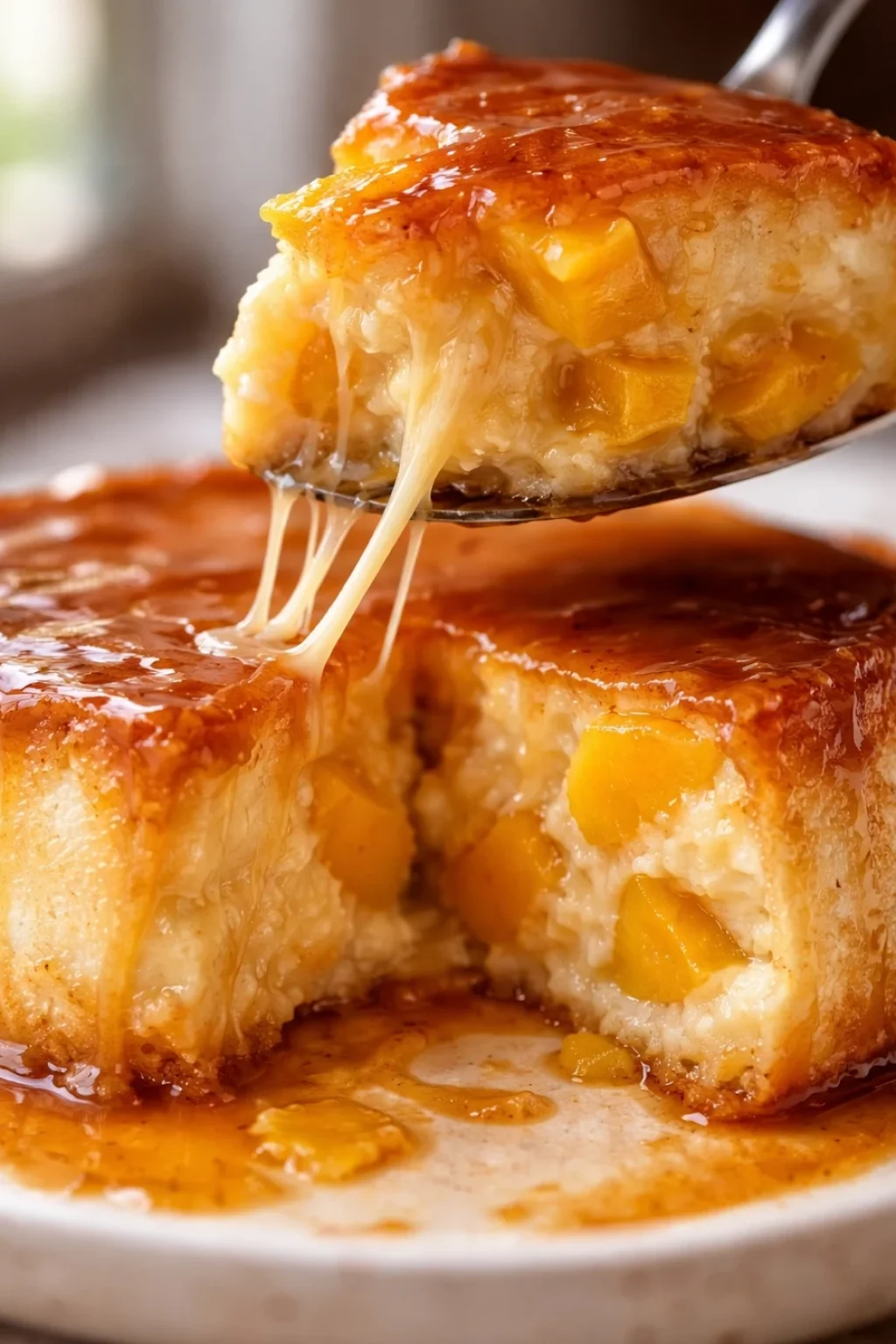
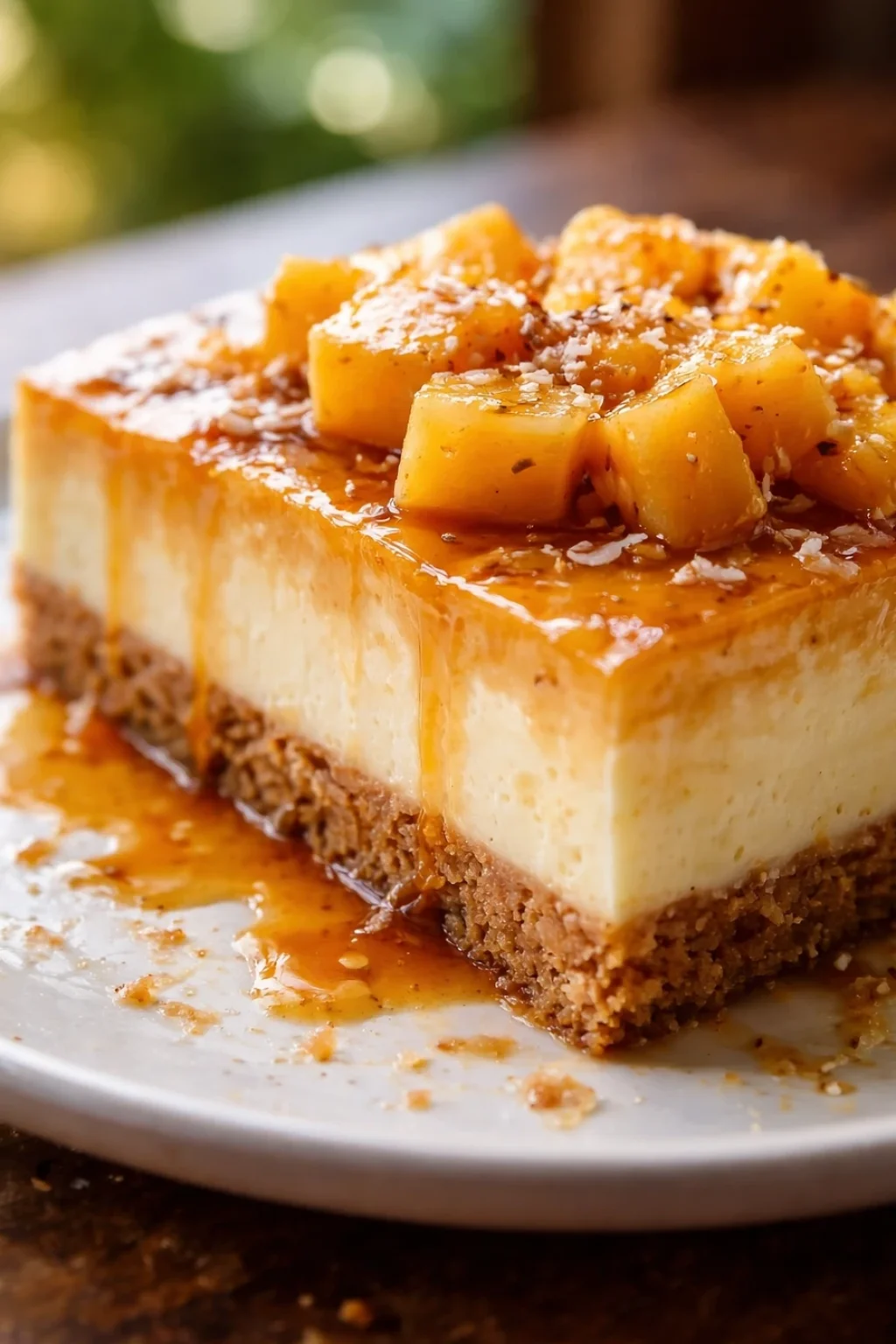
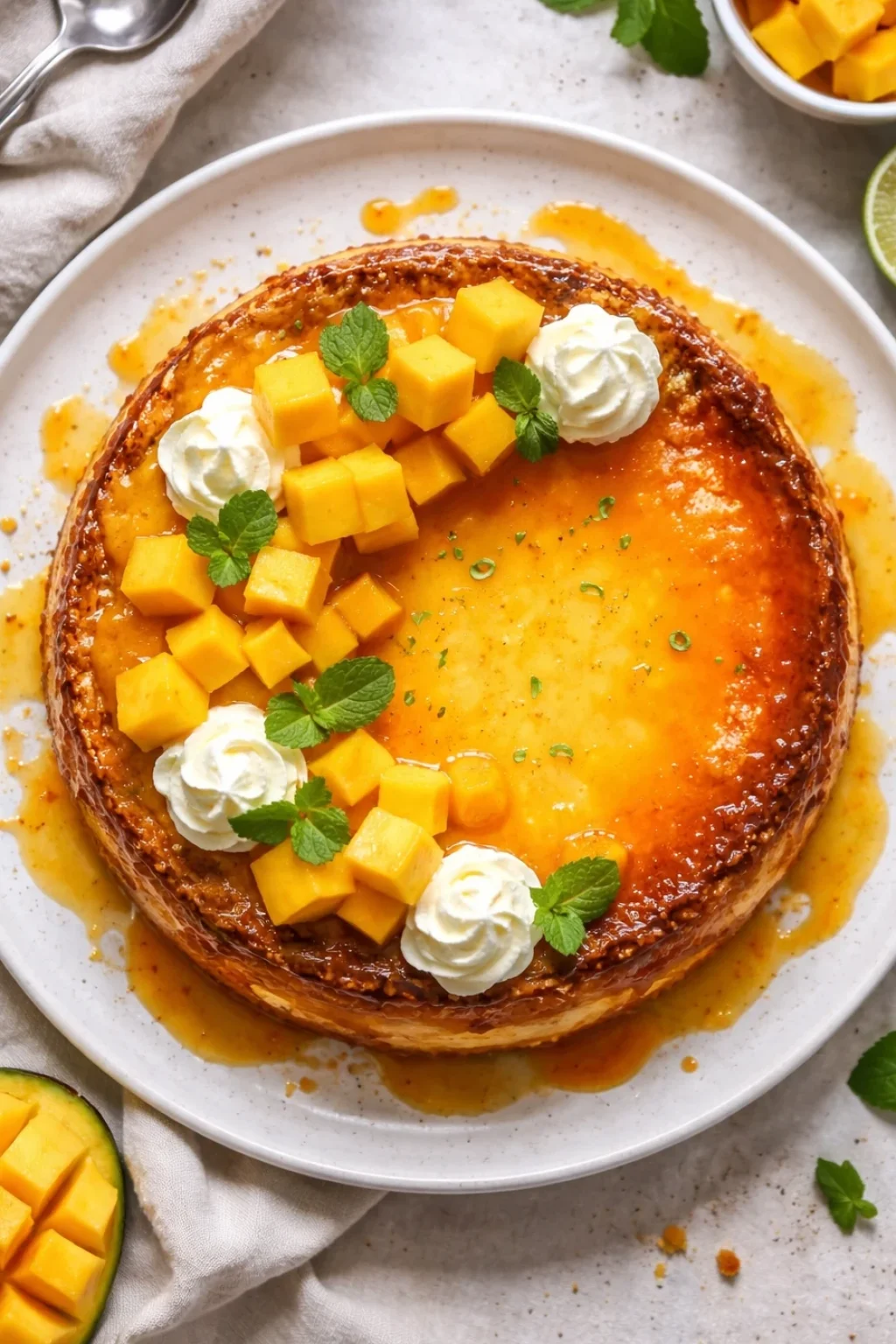
This mango flan cake is a dreamy combo of creamy custard and fresh mango slices with a caramel base. Baking it in a water bath gives it that perfect silky texture. Chill it for a cool tropical treat anytime!
Introduction
I first made this mango flan cake a couple of summers ago when fresh mangoes were in season, and I was craving something light yet indulgent. Unlike traditional flans, this cake version layers luscious mango slices on top of silky custard and a rich caramel base, making it a showstopper at any gathering. What makes this recipe special is the water bath baking method—I learned the hard way that skipping the water bath leads to a cracked or grainy flan. This gentle cooking technique produces that signature creamy, custardy texture that melts in your mouth. Plus, the fresh mango slices add a bright, tropical twist that balances the caramel’s sweetness perfectly. When it’s done, the flan is smooth and tender with a gorgeous caramel sheen on the bottom that becomes a sauce once you flip it out. It’s the kind of dessert you can enjoy after a summer meal or anytime you need a refreshing sweet treat. I love serving it chilled straight from the fridge on warm days—it’s always a crowd-pleaser!
How To Do It
Step 1
Start by making the caramel base. In a medium saucepan over medium heat, melt 1 cup of granulated sugar without stirring initially. Swirl the pan gently to even out the melting sugar. Once the sugar is fully melted and turns a deep amber color, quickly pour the caramel into your flan pan or a round cake pan, swirling it around to coat the bottom evenly. This step is crucial because the caramel hardens as it cools, forming a sweet, glossy layer that will turn into a sauce when the flan is inverted. Avoid burning the sugar by keeping a close eye on the color—it should be golden but not dark brown.
⏱ Time: 10 minutes
✓ Doneness: Caramel should be a smooth, amber liquid coating the bottom of the pan
Step 2
Preheat your oven to 325°F (160°C). In a large bowl, whisk together 4 large eggs until smooth. Add the sweetened condensed milk, evaporated milk, whole milk, and 1 teaspoon vanilla extract. Whisk everything until fully combined and silky. This mixture is the custard base, and whisking well ensures an even texture without lumps. Pour the custard gently over the hardened caramel in the pan. Be careful not to disturb the caramel layer too much. The low oven temperature and water bath will help the custard cook slowly and evenly, preventing curdling or cracking.
⏱ Time: 10 minutes
✓ Doneness: Custard mixture is smooth and evenly poured over caramel without bubbles
Step 3
Arrange thin mango slices over the custard surface in a single layer. The fresh mango adds a fruity brightness and beautiful color contrast to the creamy custard. You want the slices thin enough to cook gently but thick enough to keep their shape. This topping will soften and infuse the custard as it bakes, making every bite taste like a tropical delight.
⏱ Time: 5 minutes
✓ Doneness: Mango slices evenly distributed without overlapping too much
Step 4
Prepare a large roasting pan or baking dish deep enough to fit your flan pan. Pour hot water into the roasting pan until it reaches halfway up the sides of the flan pan. This water bath, or bain-marie, is essential for gentle, even heat distribution, preventing the custard from curdling or cracking during baking. Carefully place the flan pan inside the water bath. Avoid splashing water into the custard.
⏱ Time: 5 minutes
✓ Doneness: Water halfway up flan pan sides, water level steady and calm
Step 5
Bake the flan in the preheated oven for about 45 minutes. The custard is done when the edges are set but the center still jiggles slightly when you gently shake the pan. This wobble means the custard is cooked through but still creamy. Overbaking will cause it to become rubbery and dry, so watch carefully towards the end.
⏱ Time: 45 minutes
✓ Doneness: Edges firm with slight jiggle in the center
Step 6
Remove the flan pan from the water bath carefully using oven mitts. Let it cool to room temperature on a wire rack for about an hour. Cooling slowly helps the custard firm up evenly and avoids condensation that could make the caramel runny. Once cooled, cover the flan with plastic wrap and refrigerate for at least 4 hours or overnight. Chilling is key for the flan to set completely and develop its silky texture.
⏱ Time: 60 minutes + chilling
✓ Doneness: Flan is cool to touch and firm to the touch after chilling
Step 7
To unmold, run a thin knife around the edges of the pan to loosen the flan. Place a serving plate upside down on top of the pan, then flip both quickly but carefully. The caramel will flow over the custard creating a beautiful sauce. If the flan sticks, gently tap or wiggle the pan to release it. This step reveals the glossy caramel top and mango slices beautifully arranged.
⏱ Time: 5 minutes
✓ Doneness: Flan releases cleanly with caramel sauce coating the plate
Step 8
Slice into pieces and serve chilled. The texture should be silky and smooth with a luscious caramel flavor and fresh mango brightness. This dessert pairs great with a cup of tea or light coffee, making it a perfect tropical finish to any meal.
⏱ Time: 0 minutes
✓ Doneness: Smooth, creamy slices with visible mango topping
Step 9
Store any leftovers covered in the fridge. The flavors intensify after a day, and the custard remains creamy. Avoid freezing because the texture can get grainy. When reheating, enjoy it chilled or let it sit at room temperature for 15 minutes before serving for the best experience.
⏱ Time: 0 minutes
✓ Doneness: Custard remains smooth and flavorful after storage
Variations
Coconut Mango Flan Cake
Replace evaporated milk with coconut milk for a tropical coconut flavor that pairs beautifully with mango. This variation adds richness and a subtle nutty aroma, making the dessert even more exotic. Garnish with toasted coconut flakes for texture.
Note: Coconut milk has higher fat content and different water ratio, so reduce whole milk slightly to keep custard firm. Baking time remains similar.
Pineapple Mango Flan
Add thin pineapple slices alongside mango for a tangy, juicy twist. The pineapple’s acidity balances the sweetness and adds complexity. Use fresh pineapple to avoid excess moisture.
Note: Pineapple contains enzymes that can break down proteins, so use fresh pineapple briefly or cook it slightly before adding to prevent custard breakdown.
Chocolate Swirl Mango Flan
Drizzle melted dark chocolate over the caramel before pouring custard, then swirl with a knife for a marbled effect. The chocolate adds depth and richness that contrasts with the tropical mango.
Note: Chocolate can alter baking time slightly; watch custard doneness carefully to avoid overbaking.
Vegan Mango Flan
Use silken tofu blended with coconut milk instead of eggs and dairy, and agar agar as a setting agent. This dairy-free, egg-free version is creamy and fruity but has a slightly different texture.
Note: Agar agar sets differently than eggs; chill longer and avoid baking in water bath.
Spiced Mango Flan
Add a pinch of ground cardamom or cinnamon to the custard mix for warm spice notes that complement the mango’s sweetness. This variation adds a cozy, aromatic twist perfect for cooler days.
Note: Spices intensify with baking; start with small amounts to avoid overpowering the delicate mango flavor.
Pro Tips
Use a thermometer to monitor caramel temperature closely.
Caramelization occurs within a narrow temperature window (around 320°F). Going beyond this quickly burns the sugar, leading to bitterness and a burnt flavor. A thermometer helps you catch the perfect amber stage without guesswork, ensuring smooth, flavorful caramel.
Don’t whisk the custard mixture vigorously.
Over-whisking incorporates air bubbles that can cause holes or cracks in the flan after baking. Gently mixing keeps the custard dense and silky, producing a smooth texture without unwanted holes.
Line the roasting pan with a towel before adding hot water.
This prevents the flan pan from sliding or tipping during baking. Stability is important to keep the water bath even, ensuring uniform cooking and avoiding water splashing into the custard.
Let the flan cool completely before refrigerating.
Rapid cooling causes condensation that can make the caramel watery and the custard texture uneven. Cooling slowly at room temperature helps set the custard evenly and preserves the caramel’s shine.
Use thin, even mango slices for best texture.
Thick slices may remain too firm and disrupt the custard’s smoothness, while very thin slices cook down too much and lose their shape. Even slices cook uniformly, balancing texture and flavor.
Cover the flan with foil during baking if the top browns too fast.
The water bath creates steam, but some oven vents can dry out the surface. Covering prevents over-browning and keeps the custard moist and tender.
Use a silicone spatula to loosen the edges before unmolding.
A flexible spatula gently separates the custard from the pan without damaging the delicate edges, ensuring a clean release of the flan and preserving its smooth appearance.
Common Mistakes to Avoid
Skipping the water bath
Why it happens People often want to save time or don’t understand its importance, thinking the flan will bake fine directly in the oven.
Fix Always bake the flan in a water bath to moderate heat and prevent curdling or cracking. Fill a roasting pan with hot water halfway up the flan pan sides, and place it carefully in the oven. This gentle cooking method is crucial for silky custard.
Burning the caramel
Why it happens Rushing the caramel stage or stirring too early causes sugar to crystallize or burn.
Fix Melt sugar slowly over medium heat without stirring at first, swirling the pan gently instead. Remove from heat as soon as it turns a deep amber color to avoid bitterness.
Overbaking the custard
Why it happens Leaving the flan too long in the oven dries it out and causes a rubbery texture.
Fix Check the flan at 40 minutes; it’s done when edges are set but center jiggles slightly. Remove immediately to keep it creamy.
Not loosening edges before unmolding
Why it happens Flan sticks to pan sides making it hard to flip without breaking.
Fix Run a thin knife or silicone spatula carefully around the pan edges before flipping to loosen the custard cleanly.
Using overripe mangoes
Why it happens Overripe mangoes are too soft and watery, breaking down completely during baking.
Fix Choose ripe but firm mangoes so slices hold their shape and add fresh flavor.
Nutrition
Per Serving:
Nutritional values are estimates and may vary based on specific ingredients used.
Storage & Tips
Room Temperature
Mango flan cake can be kept at room temperature for up to 2 hours if covered well to avoid contamination. Beyond this time, refrigeration is recommended to maintain safety and texture.
Refrigerator
Store leftovers in an airtight container for up to 4 days. The flan tastes best cold; serving it straight from the fridge preserves the silky texture and caramel sauce. Avoid leaving it out for long to prevent spoilage.
Freezer
This dessert does not freeze well due to its custard base; freezing can cause texture changes and separation. It’s best enjoyed fresh or refrigerated.
Reheating
Reheat gently by letting it sit at room temperature for 15 minutes before serving if preferred less cold. Avoid microwaving as it affects the custard's smooth texture and caramel sauce.
Make Ahead
You can prepare the caramel and custard mixture 1 day ahead and refrigerate before baking. Bake and chill the flan the day before serving for best flavor development and ease on serving day.
FAQ
Can I use frozen mango slices instead of fresh?
Frozen mangoes tend to be watery once thawed, which can affect the custard’s texture and make it runnier. If you must use frozen, thaw completely and pat dry well to remove excess moisture before layering. Fresh mango is always best for texture and flavor.
What if I don’t have a water bath—can I bake the flan without one?
Baking without a water bath risks uneven cooking and cracked or rubbery custard because the direct heat is too intense. If you don’t have a roasting pan, use a deep baking dish and carefully place the flan pan inside with hot water to simulate a water bath. It’s a crucial step for smooth texture.
How do I know when the flan is fully cooked?
The edges will be set and firm, while the center should still wobble slightly when you gently shake the pan. This wobble means it’s fully cooked but still creamy. Overbaking will result in a firmer, rubbery texture.
Can I use low-fat milk instead of whole milk?
Low-fat milk will make the custard less creamy and can affect the texture, making it less rich and silky. Whole milk is preferred for the best custard consistency and mouthfeel.
Why did my caramel harden and not turn into a sauce?
If the caramel is too thick or cooled too long before flipping, it hardens and doesn’t flow as a sauce. Pour the caramel quickly after cooking and flip the flan soon after chilling to let the caramel melt into a sauce consistency.
How can I prevent air bubbles in my flan?
Whisk the custard ingredients gently to avoid incorporating air. Straining the custard before pouring into the pan also helps remove bubbles. Baking in a water bath reduces bubbling and cracking.
Can I make this flan in a larger or smaller pan?
Yes, but adjust baking time accordingly. Larger pans require longer baking, smaller pans less. Keep an eye on custard doneness cues rather than relying strictly on time.
Is it okay to add sugar to the custard mix for extra sweetness?
The condensed milk is already very sweet, so additional sugar is usually not necessary and can throw off texture. If you want it sweeter, add a small amount gradually, but avoid over-sweetening.
Final Thoughts
Give this mango flan cake a try—you’ll love the creamy texture and tropical flavors. Let me know how it turns out for you!