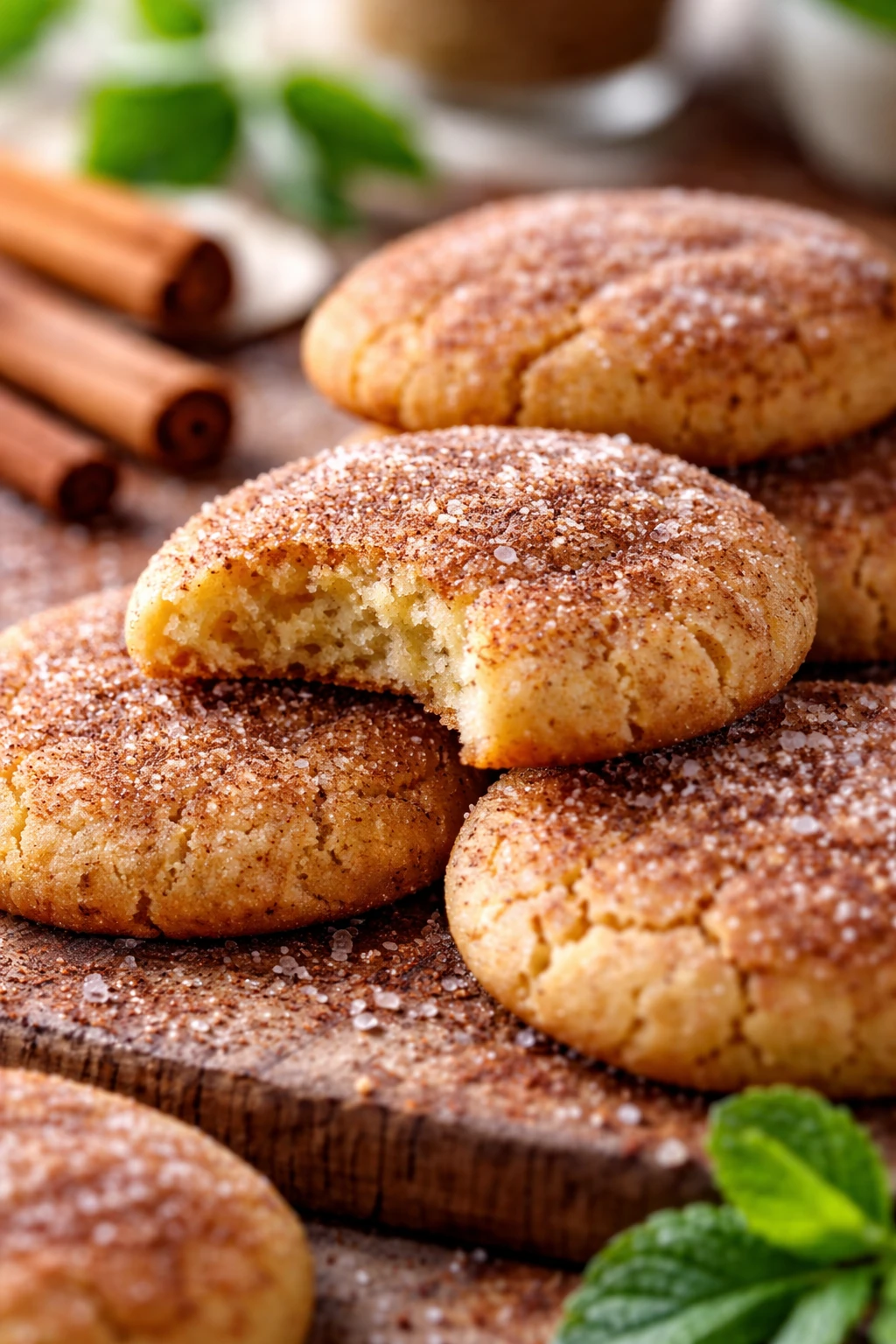
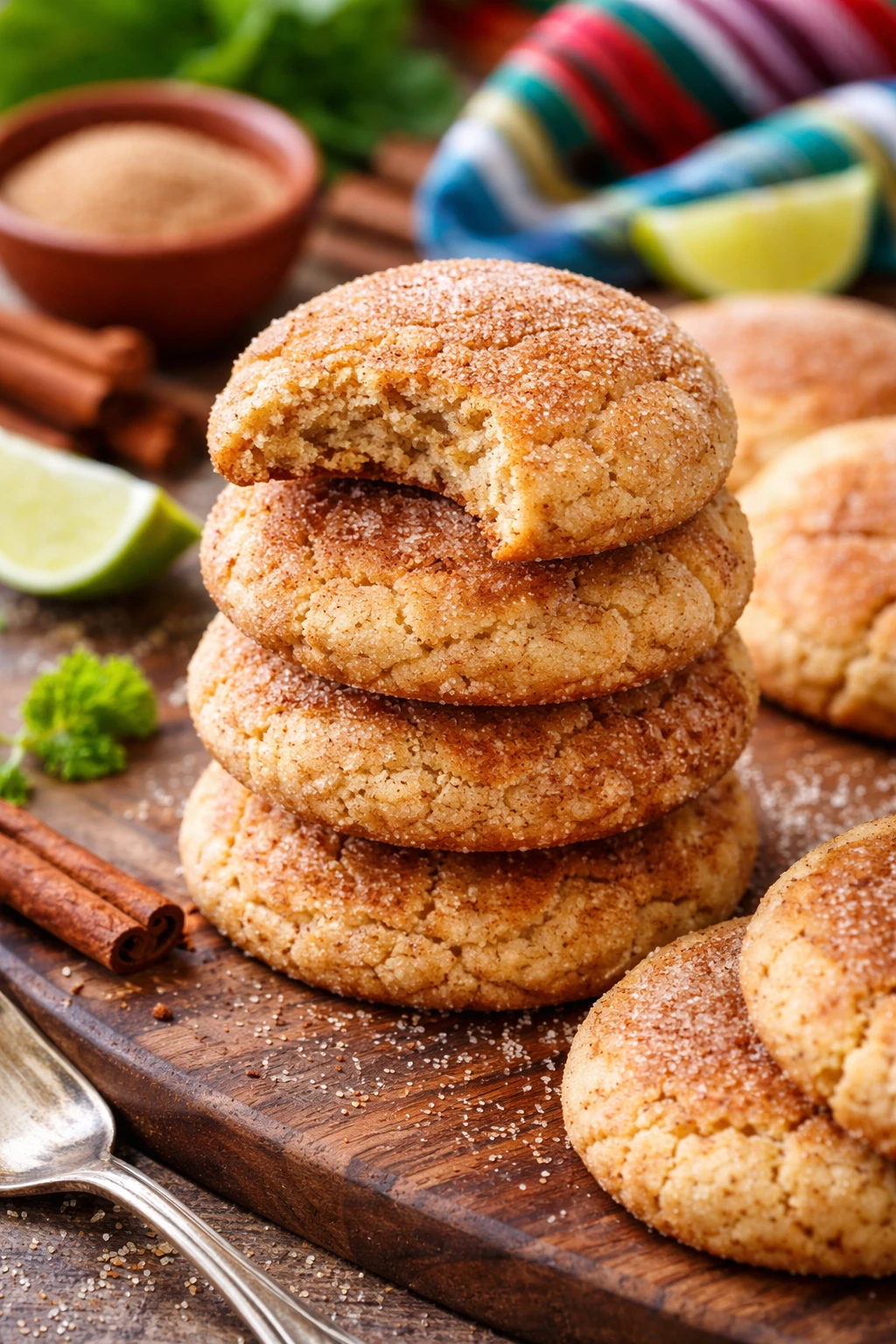
These Mexican cookies bring together warm cinnamon and subtle anise with a surprising burst of fresh orange zest. They're perfect for cozy afternoons or sharing at festive gatherings with friends and family.
Introduction
I first discovered these Mexican cinnamon anise cookies during a trip to a small town in Mexico where every family seemed to have their own cherished recipe. What struck me was the subtle but magical addition of orange zest that added a fresh brightness to the warm spices. I’ve been making my own version ever since, tweaking it to keep the cookies soft but with a lightly crisp edge. The trick I learned was to use fresh orange juice along with the zest, which keeps the dough moist and tender while enhancing the citrus aroma. These cookies are perfect for cozy afternoons with coffee or tea, or to bring out during the holidays when everyone appreciates a little spice and warmth. They’re not overly sweet, so they pair beautifully with a hot drink or even a glass of milk. Honestly, the first time I baked these, I overbaked them and ended up with rock-hard cookies — a clear reminder to watch the oven carefully. Now, I time it just right, and the cookies come out tender, aromatic, and irresistible. I think you’ll love how the anise adds a unique depth, while the cinnamon and orange zest keep it comforting and fresh.
How To Do It
Step 1
Start by preheating your oven to 350°F (175°C) and line two baking sheets with parchment paper. This ensures your cookies bake evenly and don’t stick. It's important to have the oven fully preheated so the cookies bake at a consistent temperature, which helps achieve that perfect texture—crispy edges and soft centers. If the oven is too cool, the cookies might spread too much or come out dense. Set the baking sheets aside and prepare the dough.
⏱ Time: 10 minutes
✓ Doneness: Oven fully heated to 350°F and baking sheets prepped with parchment
Step 2
In a medium bowl, whisk together the flour, baking powder, baking soda, salt, cinnamon, and anise seed. Mixing these dry ingredients well ensures even distribution of leavening and spices throughout the dough. This step is crucial because unevenly mixed spices can cause some cookies to taste stronger than others, and improperly combined leavening agents might result in uneven rise or texture.
⏱ Time: 5 minutes
✓ Doneness: Dry ingredients are fully combined with no lumps or streaks
Step 3
In a large bowl, beat the softened butter and granulated sugar together until light and fluffy, about 3-4 minutes with an electric mixer on medium speed. This aeration step is key for a tender, light cookie. If you rush this or skip it, the cookies can turn out dense and heavy. The sugar dissolves into the butter creating tiny air pockets that help the dough rise and give a delicate crumb.
⏱ Time: 4 minutes
✓ Doneness: Butter and sugar are pale and fluffy, slightly increased in volume
Step 4
Add the egg and vanilla extract to the butter mixture and beat until fully incorporated. The egg adds moisture and helps bind the dough, while vanilla boosts the overall flavor. Mix until smooth but avoid overbeating here, as that could develop gluten and make the cookies tougher.
⏱ Time: 2 minutes
✓ Doneness: Mixture is smooth, creamy, and homogenous
Step 5
Stir in the fresh orange zest and orange juice to the wet ingredients. The zest adds a bright, fresh aroma and the juice adds moisture and a subtle tang that balances the sweetness and spices. Be sure to use fresh zest and juice; dried or bottled versions won’t give the same vibrant flavor. Mix gently to combine without overworking the dough.
⏱ Time: 3 minutes
✓ Doneness: Orange zest evenly distributed and dough slightly moistened
Step 6
Gradually add the dry ingredients to the wet ingredients, folding gently with a spatula or mixing on low speed just until combined. Overmixing at this stage develops gluten, which can make the cookies tough instead of tender. Stop mixing as soon as no flour streaks remain. The dough should be soft but not sticky.
⏱ Time: 3 minutes
✓ Doneness: Dough forms a cohesive ball with no visible dry flour
Step 7
Scoop dough into tablespoon-sized balls and place them about 2 inches apart on the prepared baking sheets. This spacing prevents the cookies from merging into one another as they spread in the oven. If you place them too close, you’ll lose that beautiful individual cookie shape and the crisp edges won’t develop properly.
⏱ Time: 5 minutes
✓ Doneness: Uniform-sized dough balls spaced evenly on baking sheets
Step 8
Bake the cookies in the preheated oven for 12-15 minutes. Keep a close eye starting at 12 minutes; the edges should be golden brown while the centers remain soft. Overbaking will dry them out and lose that tender texture. The aroma of cinnamon, anise, and orange will fill your kitchen when they’re just about done.
⏱ Time: 12-15 minutes
✓ Doneness: Edges are golden, centers look set but still soft
Step 9
Remove the cookies from the oven and let them cool on the baking sheets for 5 minutes before transferring to a wire rack to cool completely. This resting time allows the cookies to set and firm up slightly, making them easier to move without breaking. Cooling on the rack prevents sogginess from trapped steam underneath.
⏱ Time: 10 minutes
✓ Doneness: Cookies are firm enough to handle but still tender inside
Variations
Chocolate Chip Cinnamon Anise Cookies
Add 1 cup of semi-sweet chocolate chips to the dough for a melty chocolate twist that complements the warm spices. The chocolate adds richness and a fun texture contrast. Expect a slightly softer cookie with bursts of chocolate.
Note: Fold chips gently into dough at the end to avoid overmixing. Bake time remains the same.
Gluten-Free Version
Substitute the all-purpose flour with a gluten-free blend that includes xanthan gum. This makes the cookies accessible for gluten-sensitive folks without sacrificing texture. They may be a bit more delicate but still delicious.
Note: Mix gluten-free flour thoroughly with spices. Dough may be slightly wetter; chill if needed.
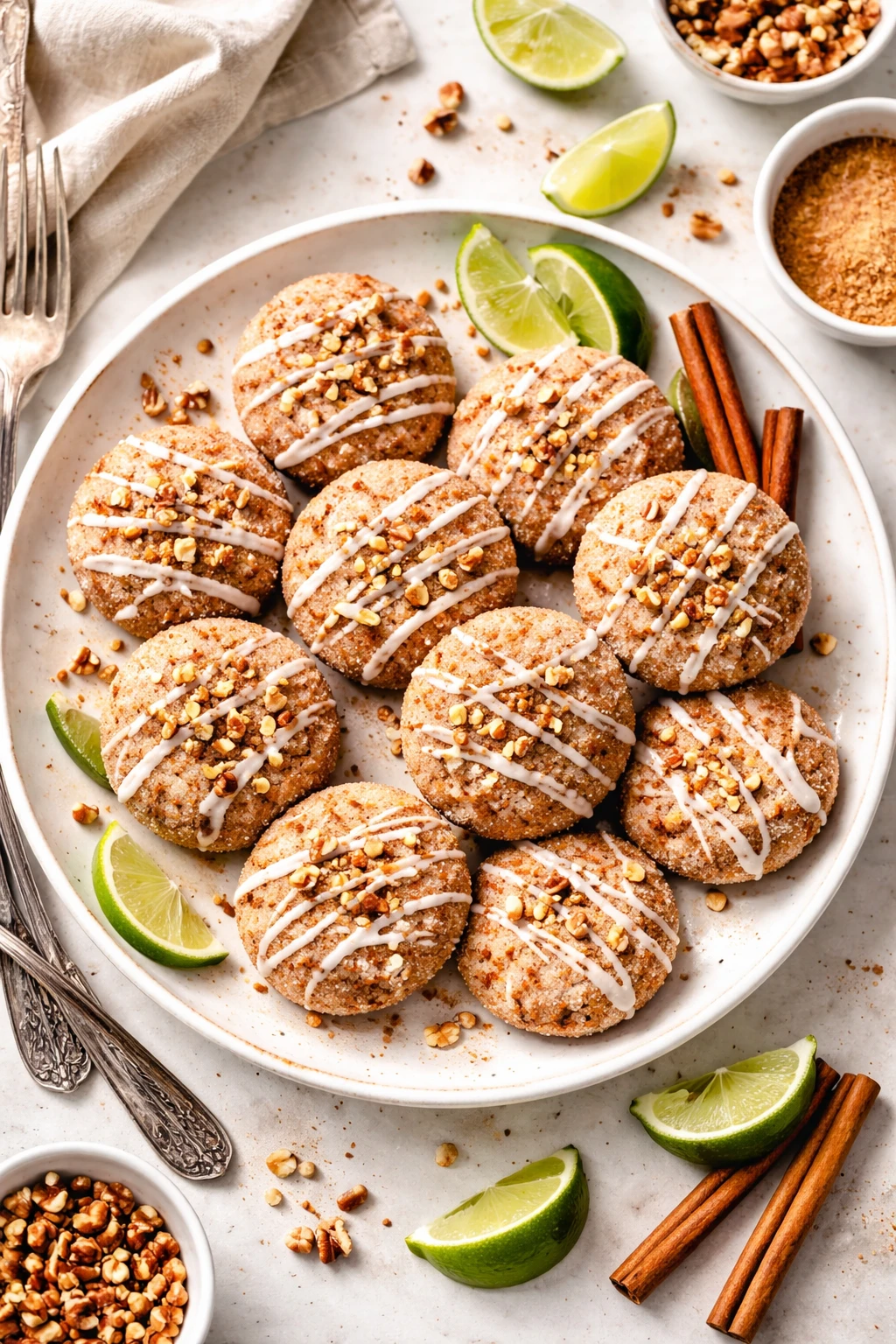
Spiced Orange Icing Drizzle
Drizzle a simple icing made from powdered sugar, orange juice, and a pinch of cinnamon over cooled cookies for extra sweetness and citrus punch. This adds a pretty finish and a bit of sticky texture.
Note: Allow cookies to cool completely before icing. Use a thin consistency for easy drizzle.
Anise-Free Version
Simply omit the anise seed for a more straightforward cinnamon-orange cookie. This adjustment is great if you’re not a fan of licorice-like flavors but still want warm, cozy spices.
Note: No other changes needed; the dough will be slightly less complex in flavor.
Orange Almond Cookies
Add 1/2 cup finely chopped toasted almonds to the dough for a nutty crunch that pairs wonderfully with the orange and spices. The almonds add texture and a subtle richness.
Note: Fold almonds in gently at the end; bake as usual.
Pro Tips
Use fresh orange zest and juice for the best flavor.
Fresh orange zest contains essential oils that give a bright, aromatic citrus note which dried zest or bottled juice can’t match. The juice adds moisture and acidity that activates the baking soda, helping the cookies rise and stay tender. Using fresh ingredients elevates the overall flavor and keeps the cookies from tasting flat.
Don’t overmix the dough after adding flour.
Overmixing develops gluten, which can make cookies tough and dense instead of soft and tender. Mixing just until the flour disappears ensures the dough stays light and crumbly. This technique preserves the delicate texture crucial for these cinnamon anise cookies.
Chill the dough if it feels too soft before baking.
Chilling firms up the dough, making it easier to scoop and preventing the cookies from spreading too much in the oven. This step is especially helpful if your kitchen is warm or if your butter was too soft. It helps maintain the perfect shape and texture.
Line baking sheets with parchment paper for even baking.
Parchment paper prevents sticking and promotes even heat distribution. Without it, cookies can stick or brown unevenly, affecting texture and appearance. It also makes cleanup easier, which is always a bonus!
Watch the cookies closely starting at 12 minutes.
Ovens vary, and these cookies can go from perfectly done to overbaked quickly. The edges should be golden and the centers just set — if you wait too long, they dry out. Keeping an eye ensures tender, flavorful cookies every time.
Use a microplane for zest to avoid bitter pith.
Using a microplane grater removes just the colorful outer layer of the orange peel, which contains fragrant oils. The white pith underneath is bitter and can ruin the flavor if included. Proper zesting technique ensures a fresh, bright citrus flavor.
Let cookies cool on the baking sheet before transferring.
Cooling on the sheet allows the cookies to set and firm up slightly, reducing the chance of breakage when moving to a rack. It also prevents sogginess by letting steam escape gradually, helping maintain crisp edges and a tender center.
Common Mistakes to Avoid
Overbaking the cookies
Why it happens Many home bakers leave the cookies in too long, thinking they need to be browned all over. This often comes from unfamiliarity with the subtle cues of doneness.
Fix Start checking the cookies at 12 minutes. Look for golden edges and centers that look set but still soft. Remove immediately to avoid drying out. Remember, cookies continue to firm as they cool.
Using bottled orange juice instead of fresh
Why it happens Convenience or not having fresh oranges on hand leads some to substitute bottled juice, which lacks acidity and fresh oils.
Fix Always use fresh orange juice and zest. The acidity in fresh juice activates the baking soda properly and the zest adds essential oils for flavor. If fresh oranges aren’t available, consider omitting juice and adding a splash of lemon juice.
Overmixing after adding flour
Why it happens Eager to finish, some mix the dough too vigorously, developing gluten and toughening the cookies.
Fix Mix gently and only until no flour streaks remain. Use a spatula to fold rather than beating. This keeps the dough tender and cookies soft.
Not creaming butter and sugar enough
Why it happens Rushing this step or mixing by hand can lead to dense dough without enough aeration.
Fix Use an electric mixer and beat for 3-4 minutes until pale and fluffy. This traps air, which is crucial for light texture.
Skipping parchment paper on baking sheets
Why it happens Some assume greasing pans is enough or don’t want extra cleanup.
Fix Line sheets with parchment for even baking and easy removal. It prevents sticking and helps cookies brown evenly.
Nutrition
Per Serving:
Nutritional values are estimates and may vary based on specific ingredients used.
Storage & Tips
Room Temperature
Store the cookies in an airtight container at room temperature for up to 3 days. Keep them away from direct sunlight to prevent them from becoming too soft or stale. For best texture, enjoy within the first two days.
Refrigerator
Refrigerate in an airtight container for up to 7 days. The cookies may firm up and lose some crispness but will remain flavorful. Bring them to room temperature before serving for best taste.
Freezer
Freeze the cookies in a single layer on a baking sheet, then transfer to a freezer-safe bag or container for up to 3 months. Wrap well to prevent freezer burn. Thaw at room temperature; reheat briefly in a warm oven to refresh texture.
Reheating
Warm cookies in a 300°F oven for 5-7 minutes to restore crisp edges and soften centers. Avoid microwaving as it can make cookies chewy or rubbery. A splash of orange juice on a napkin nearby while reheating can help retain moisture.
Make Ahead
Prepare the dough 1-2 days ahead and keep it tightly wrapped in the fridge. Alternatively, bake the cookies and freeze them. On the day of serving, thaw and reheat as needed for fresh-baked taste.
FAQ
Can I substitute the anise seed with another spice?
Yes, if you’re not a fan of anise, fennel seed is a mild substitute with a similar licorice-like flavor but less intense. Use the same quantity ground finely. Alternatively, omit it altogether for a simpler cinnamon-orange cookie. The flavor will be less complex but still delicious.
What if I don’t have fresh oranges for zest and juice?
Fresh orange zest and juice are ideal because they provide bright flavor and acidity that bottled versions lack. If fresh oranges aren’t available, you can substitute the juice with lemon juice and omit the zest, but the flavor will be noticeably different. You could also use a small amount of orange extract, but use sparingly.
How do I know when the cookies are done baking?
Look for edges that are golden brown and centers that look set but still soft. The cookies will firm up as they cool, so it’s better to err on the side of slightly underbaking. Overbaking will make them dry and hard.
Can I make the dough ahead of time?
Absolutely! The dough can be made 1-2 days ahead and stored tightly wrapped in the refrigerator. This resting time actually helps the flavors meld and can improve the texture. Just bring the dough back to room temperature before scooping for easier handling.
Why do the cookies sometimes spread too much?
Spreading can happen if the butter is too soft or melted, or if the dough is too warm. To prevent this, use softened but not melted butter, chill the dough if it feels very soft, and space cookies properly on the baking sheet.
Can I freeze the baked cookies?
Yes, baked cookies freeze well. Freeze them in a single layer on a baking sheet first, then transfer to a sealed container or bag. Thaw at room temperature and warm briefly in the oven for best texture.
What type of cinnamon is best for this recipe?
Both Ceylon and cassia cinnamon work well, but Ceylon is milder and sweeter, which some prefer for delicate cookies. Cassia is stronger and more pungent. Use fresh ground cinnamon for best flavor regardless of type.
My cookies turned out tough. What went wrong?
Tough cookies usually result from overmixing the dough after adding flour or overbaking. Mix just until combined and watch the baking time carefully. Also, using too much flour or not enough fat can create a dry, tough texture.
Final Thoughts
Give these Mexican cinnamon anise cookies a try and enjoy their cozy, bright flavors with your favorite warm drink. I’d love to hear how they turn out for you—happy baking!