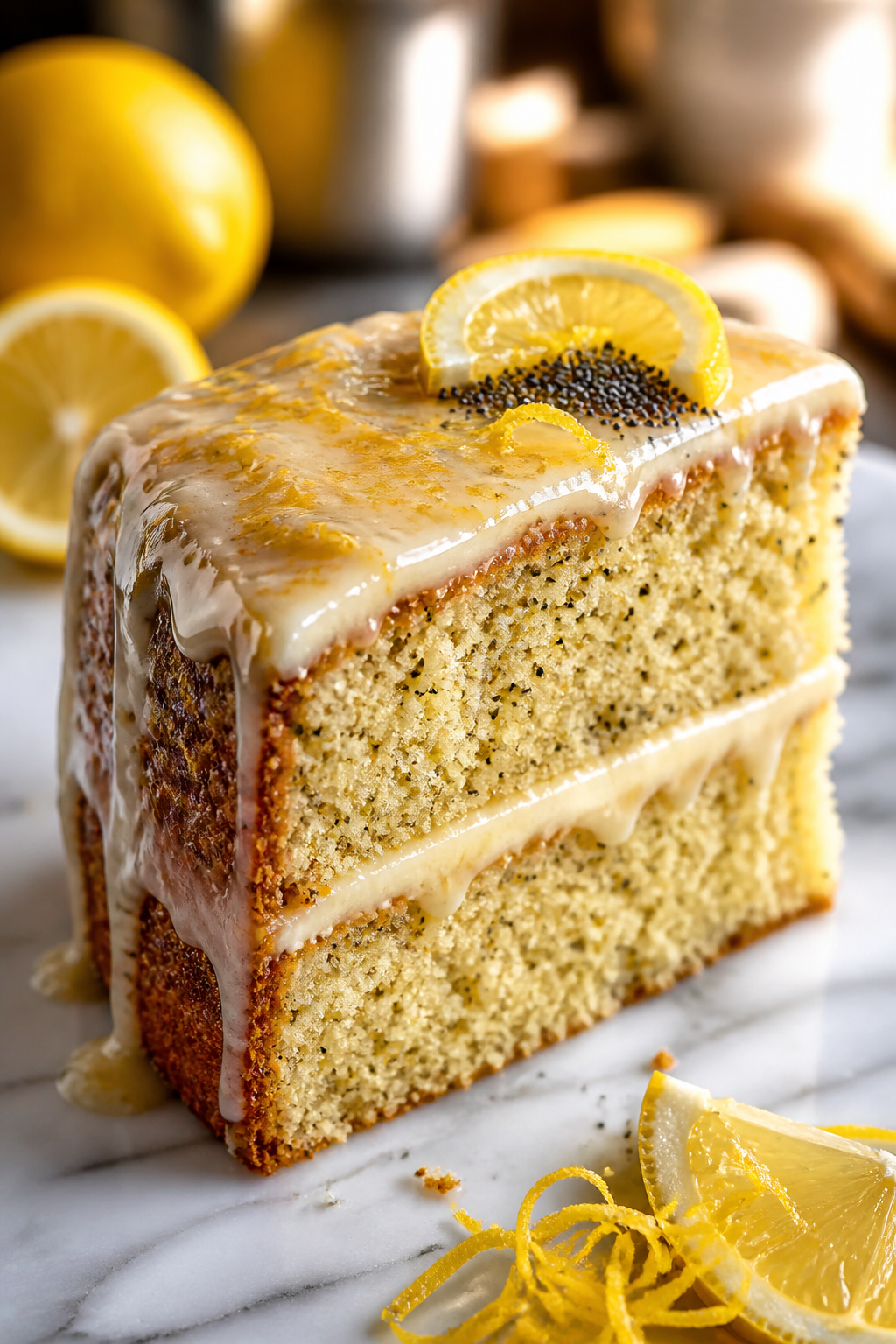
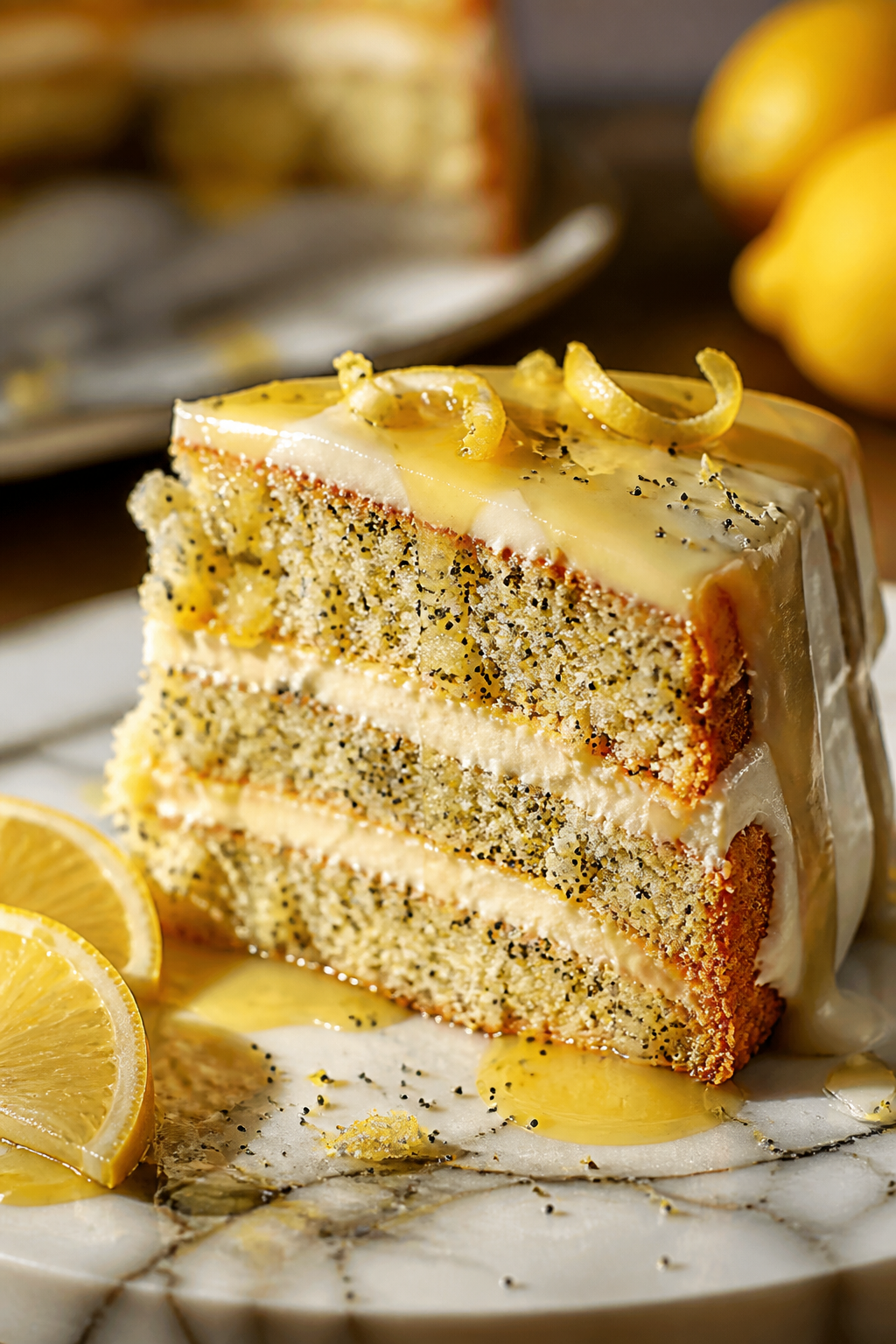
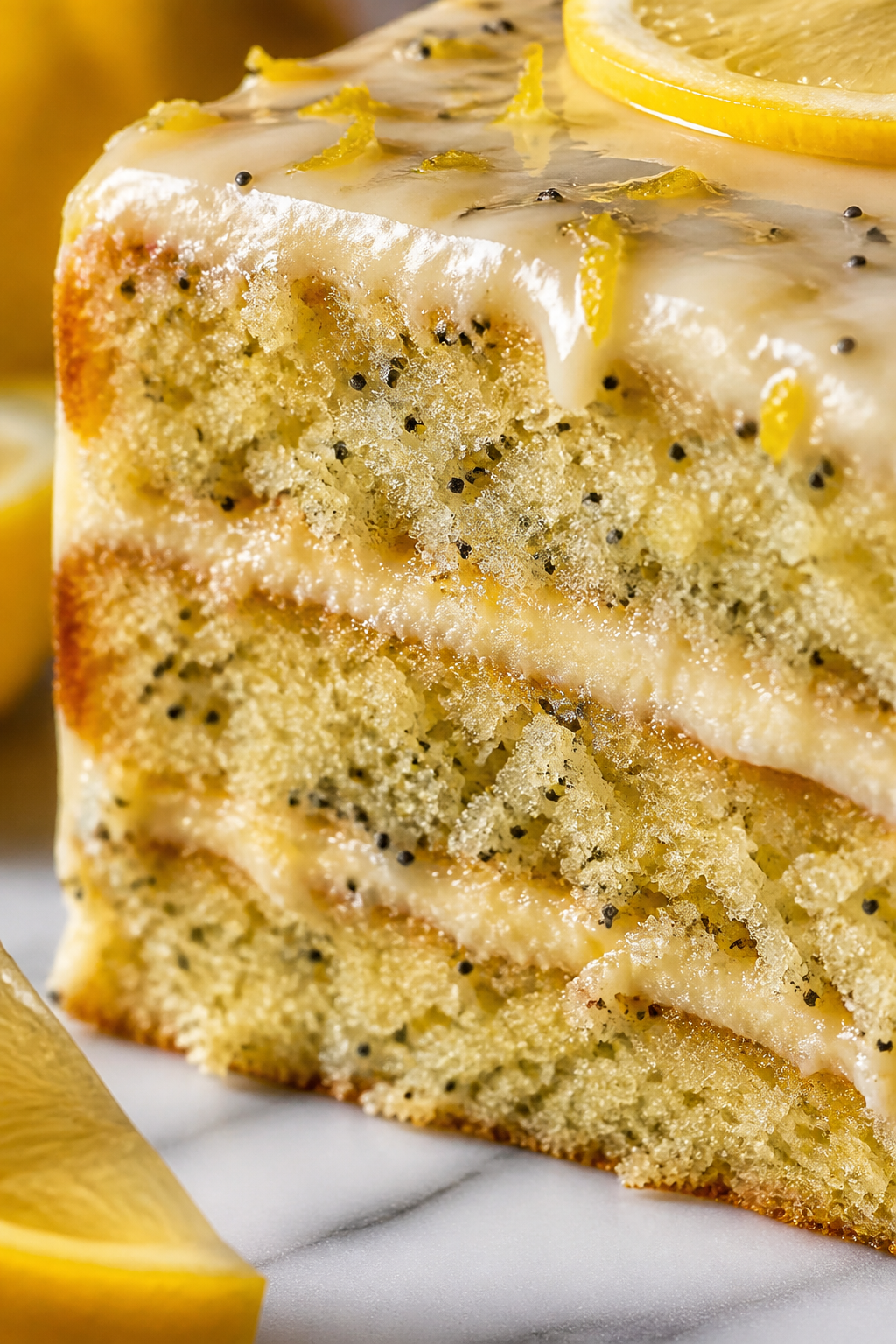
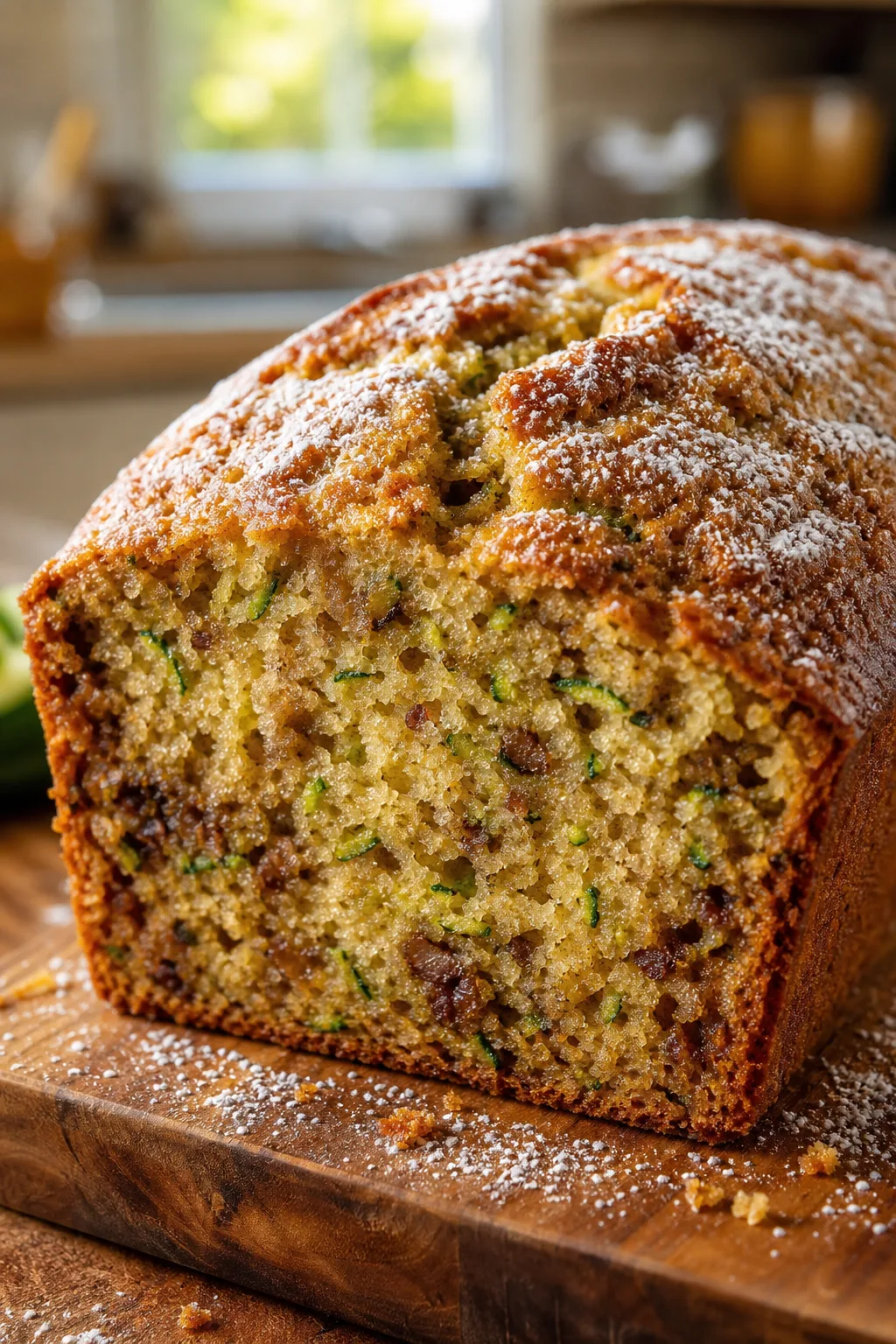
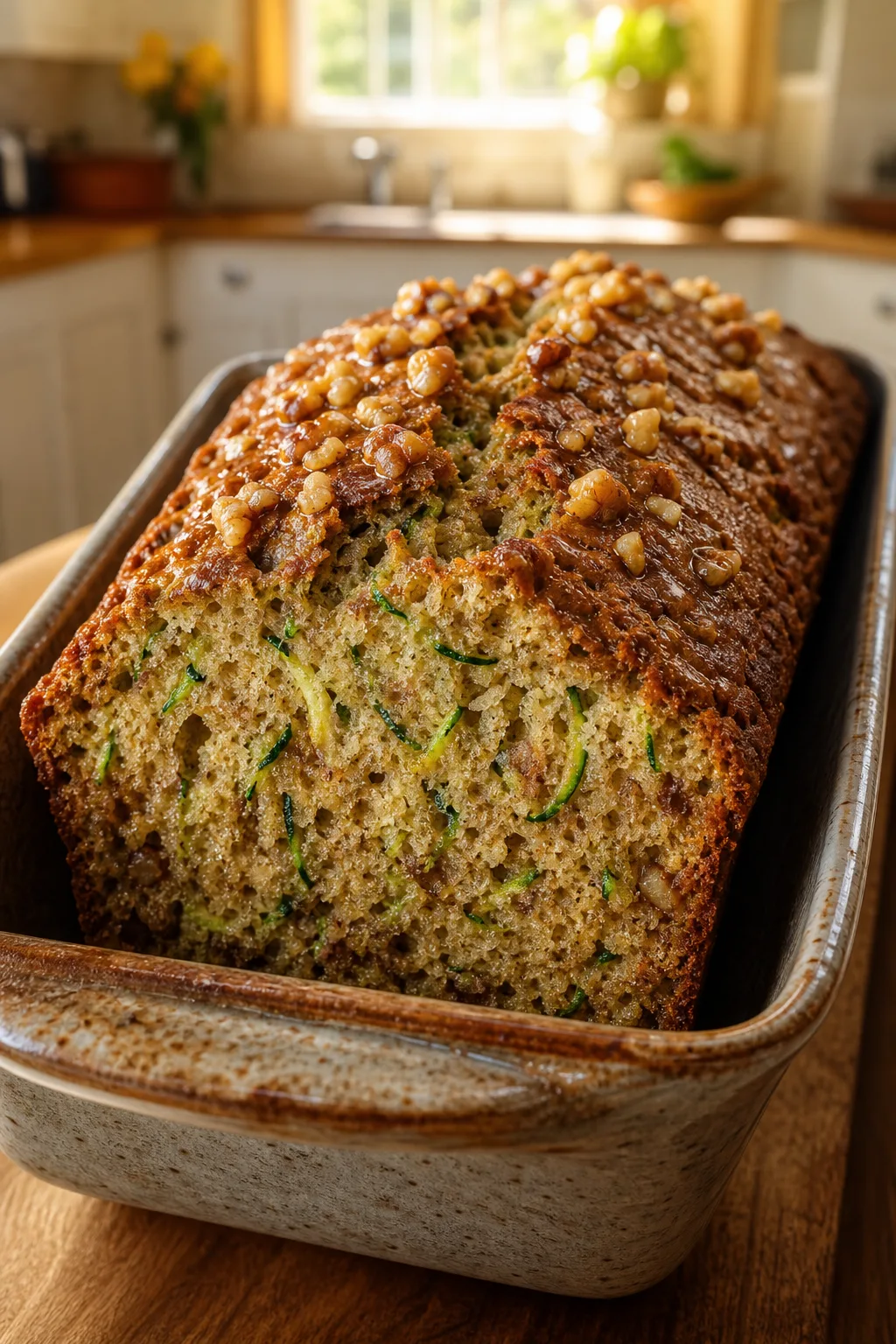
This lemon poppy seed cake is a springtime favorite—moist, bright, and packed with zingy lemon flavor. The crunchy poppy seeds add texture, and the citrus glaze finishes it perfectly. Great for tea time or casual get-togethers!
Introduction
I first tried making lemon poppy seed cake years ago after a friend brought one to a picnic, and I instantly fell in love with its bright, fresh flavor and moist crumb. Since then, I've tweaked the recipe to make it even better—adding a bit more lemon zest and a tangy citrus glaze that really makes it pop. What I love about this cake is how the poppy seeds add just the right amount of crunch without overpowering the softness of the cake. The sour cream keeps it incredibly moist, which I think is the secret to making it feel homemade and comforting. I've had my fair share of dry lemon cakes, but this one never disappoints. It’s perfect for afternoon tea, casual family gatherings, or even a simple weekend treat. The glaze is quick to whip up and adds a lovely shine and extra zing that balances the sweetness. Honestly, the trick I learned is not to overmix the batter—just fold everything gently to keep it light and tender. When it comes out of the oven, the aroma of lemon fills the kitchen, and the texture is perfectly tender with just a hint of crunch from those little poppy seeds. I hope you enjoy making this as much as I do—it’s a true crowd-pleaser!
What You'll Need
One 9-inch loaf cake, approximately 8 servings
- 1 1/2 cups all-purpose flour
- 1 teaspoon baking powder
- 1/2 teaspoon baking soda
- 1/4 teaspoon salt
- 1 tablespoon poppy seeds
- 1/2 cup unsalted butter, softened
- 1 cup granulated sugar
- 2 large eggs
- 1 teaspoon vanilla extract
- 1/2 cup sour cream
- Zest of 2 lemons
- 1/4 cup fresh lemon juice
- For the glaze:
- 1 cup powdered sugar
- 2 tablespoons fresh lemon juice
How To Do It
Step 1
Preheat your oven to 350°F (175°C) and grease a 9-inch loaf pan. This sets the stage for your cake to bake evenly and prevents sticking. Using a greased pan ensures your cake will come out cleanly without breaking apart. It’s important to also lightly flour the pan or line it with parchment paper for extra insurance. This step might seem small, but it’s key for a perfect loaf shape.
⏱ Time: 10 minutes
✓ Doneness: Pan is evenly greased and floured, ready for batter
Step 2
In a medium bowl, whisk together the flour, baking powder, baking soda, salt, and poppy seeds. This combines the dry ingredients evenly and distributes the leavening agents and seeds throughout the batter. Proper mixing here prevents uneven rising and ensures every bite has a little crunch from the poppy seeds. Avoid overmixing the flour once added to the wet ingredients to keep the cake tender.
⏱ Time: 5 minutes
✓ Doneness: Dry ingredients are fully combined and uniform in color
Step 3
In a large bowl, beat the softened butter and granulated sugar together until light and fluffy, about 3-4 minutes. This creaming step incorporates air, which helps the cake rise and gives it a light texture. If you skip or rush this step, the cake can turn out dense. Use room temperature butter for best results.
⏱ Time: 4 minutes
✓ Doneness: Mixture is pale and fluffy with no visible sugar grains
Step 4
Add the eggs one at a time, beating well after each addition. This helps emulsify the batter and build structure. Adding eggs slowly prevents the batter from curdling and ensures a smooth texture. If you add them too quickly, the mixture might separate, resulting in a less tender cake.
⏱ Time: 3 minutes
✓ Doneness: Batter is smooth, glossy, and slightly thickened
Step 5
Mix in vanilla extract, lemon zest, and lemon juice. The zest brings a fresh lemon aroma, while the juice adds brightness and acidity that balances the sweetness. Fresh lemon juice is key here—bottled juice won't give the same punch. Stir gently to distribute the flavors evenly.
⏱ Time: 2 minutes
✓ Doneness: Batter smells fragrant and citrusy throughout
Step 6
Fold the dry ingredients into the wet mixture in three additions, alternating with the sour cream. Start and end with the dry ingredients. Folding gently preserves the air you incorporated earlier, keeping the cake light. Overmixing at this stage can develop gluten, making the cake tough.
⏱ Time: 5 minutes
✓ Doneness: Batter is smooth, thick but pourable, with no streaks of flour
Step 7
Pour the batter into the prepared loaf pan and smooth the top with a spatula. This ensures even baking and a nice, flat top for glazing. Tap the pan lightly on the counter to release any large air bubbles, which can cause holes or tunnels in the finished cake.
⏱ Time: 3 minutes
✓ Doneness: Batter is evenly spread and surface is smooth
Step 8
Bake for 30-35 minutes, or until a toothpick inserted in the center comes out clean or with a few moist crumbs. Baking time can vary based on your oven, so start checking around 30 minutes. Avoid opening the oven door too often to prevent the cake from sinking.
⏱ Time: 30-35 minutes
✓ Doneness: Golden brown top with clean toothpick test
Step 9
While the cake cools, whisk together powdered sugar and lemon juice to make the glaze. Drizzle it over the warm cake so it seeps in slightly, adding a glossy finish and extra tang. If the glaze is too thin, add more sugar; if too thick, add more lemon juice. Let the glaze set before slicing.
⏱ Time: 10 minutes
✓ Doneness: Glaze is shiny and slightly firm on the cake surface
Variations
Blueberry Lemon Poppy Seed Cake
Add 1 cup fresh or frozen blueberries into the batter for a fruity twist. The blueberries add bursts of flavor and moisture, complementing the lemon perfectly. Fold them in gently to avoid crushing.
Note: If using frozen berries, do not thaw before adding to prevent batter discoloration and excess moisture.
Gluten-Free Lemon Poppy Seed Cake
Swap all-purpose flour for a 1-to-1 gluten-free baking blend. The texture will be slightly different but still moist and delicious. Add an extra 1/4 teaspoon xanthan gum if your blend doesn’t include it for structure.
Note: Gluten-free batters may require slightly longer baking times; watch closely to avoid drying out.
Vegan Lemon Poppy Seed Cake
Replace butter with vegan margarine and eggs with flax eggs (1 tablespoon flaxseed meal + 3 tablespoons water per egg). Use coconut yogurt instead of sour cream. The cake will be dense but flavorful.
Note: Vegan cakes often benefit from slightly longer baking and cooling times for best texture.
Lemon Poppy Seed Bundt Cake
Use a bundt pan instead of a loaf pan for an elegant presentation. Increase baking time to 40-45 minutes. The shape allows more crusty edges and a beautiful centerpiece.
Note: Grease and flour bundt pan thoroughly to prevent sticking.
Lemon Poppy Seed Muffins
Divide batter into muffin tins for individual portions. Bake at 350°F for 18-22 minutes. Perfect for grab-and-go breakfasts or snacks with the same bright lemon flavor.
Note: Do not overfill muffin cups to prevent overflow and uneven baking.
Pro Tips
Always use room temperature butter and eggs for best mixing.
When ingredients are at room temperature, they combine more easily and evenly. This helps trap air during creaming and prevents the batter from curdling when eggs are added, resulting in a smoother, fluffier cake.
Don’t overmix once you add the flour.
Overmixing develops gluten, which makes the cake tough and dense instead of tender. Folding gently until just combined keeps the crumb light and soft.
Measure flour by spooning into the cup and leveling off.
Scooping flour directly with a measuring cup compresses it, leading to too much flour and a dry cake. Lightly spooning and leveling gives you an accurate amount for a moist result.
Use fresh lemon zest for maximum flavor.
Lemon zest contains oils that give bright citrus aroma. Dried or old zest loses potency, so zest lemons just before using to keep the flavor vibrant.
Let the cake cool slightly before glazing.
Applying glaze while the cake is warm allows it to soak in a bit, enhancing flavor and moisture. But if the cake is too hot, the glaze can become too runny and slide off.
Tap the filled pan on the counter before baking.
This releases large air bubbles trapped in the batter that could cause holes or uneven texture. It helps the cake bake evenly and have a smooth crumb.
Use parchment paper to line your pan for easy removal.
Parchment prevents sticking and lets you lift the cake out easily without breaking, especially important for delicate cakes like this one.
Common Mistakes to Avoid
Overmixing the batter after adding flour
Why it happens Many home bakers believe mixing thoroughly is better, but overmixing activates gluten, making the cake tough.
Fix Mix just until no dry streaks remain. Use a folding motion with a spatula rather than vigorous stirring to keep the crumb tender.
Using bottled lemon juice instead of fresh
Why it happens Bottled juice is convenient, so people often use it without realizing it lacks fresh flavor and can be overly bitter.
Fix Always use freshly squeezed lemon juice and zest for the brightest, freshest taste.
Not creaming butter and sugar properly
Why it happens Rushing this step or using cold butter leads to dense cakes because air isn’t incorporated.
Fix Ensure butter is soft and beat until the mixture is pale and fluffy, about 3-4 minutes.
Skipping the glaze or applying it when the cake is cold
Why it happens Some skip glazing to save time or apply it too late, missing out on flavor and moisture benefits.
Fix Drizzle glaze over warm cake for the best texture and taste.
Overbaking the cake
Why it happens Leaving cake in oven too long dries it out, especially since sour cream adds moisture.
Fix Start checking for doneness at 30 minutes with a toothpick and remove as soon as it comes out clean or with moist crumbs.
Nutrition
Per Serving:
Nutritional values are estimates and may vary based on specific ingredients used.
Storage & Tips
Room Temperature
Store the cake covered loosely with foil or in a cake dome at room temperature for up to 2 days. Avoid direct sunlight or heat sources to keep it moist and prevent the glaze from melting.
Refrigerator
Keep the cake in an airtight container in the fridge for up to 5 days. The texture firms up slightly when chilled but the flavors deepen. Bring to room temperature before serving for best taste.
Freezer
Wrap the cake tightly in plastic wrap and then foil, freezing for up to 3 months. Thaw overnight in the fridge and then bring to room temperature. The glaze may soften but the cake stays moist.
Reheating
Warm slices gently in the microwave for 15-20 seconds or in a low oven (300°F) for 5-7 minutes. Avoid overheating to prevent drying out. Add a tiny splash of lemon juice or water if too dry.
Make Ahead
You can bake the cake a day ahead and store it wrapped at room temperature. Prepare the glaze fresh and drizzle just before serving to keep it glossy and fresh-tasting.
FAQ
Can I use bottled lemon juice instead of fresh lemon juice?
While you can substitute bottled lemon juice, fresh lemon juice and zest provide a brighter, fresher flavor that's key to this cake’s signature taste. Bottled juice tends to be more bitter or flat, so it’s best to use fresh lemons whenever possible.
How do I know when the cake is done baking?
Insert a toothpick into the center of the cake. If it comes out clean or with a few moist crumbs (not wet batter), the cake is done. Start checking around 30 minutes to avoid overbaking, which dries out the cake.
Can I make this cake gluten-free?
Yes! Swap the all-purpose flour for a 1-to-1 gluten-free baking flour blend. You might need to add a bit of xanthan gum if your blend doesn’t include it, and baking time could be slightly longer. The texture will be a little different but still delicious.
Why is my cake dense or dry?
Common causes include overmixing the batter, using cold butter, or overbaking. Make sure to cream butter and sugar until fluffy, fold the flour gently, and check doneness early to keep the cake tender.
Can I substitute sour cream with yogurt?
Full-fat Greek yogurt is a good substitute for sour cream and adds moisture and acidity similarly. Use the same amount, but avoid flavored or low-fat yogurts as they can affect texture and flavor.
How do I store leftover cake?
Store the cake in an airtight container at room temperature for up to 2 days or in the fridge for up to 5 days. Wrap tightly if freezing, and thaw in the fridge overnight before serving.
Can I make the glaze ahead of time?
You can prepare the glaze a few hours ahead and keep it covered at room temperature. Stir before drizzling. For best results, apply glaze to warm cake just before serving.
What if I don’t have poppy seeds?
You can omit poppy seeds, but they add a nice crunch and subtle nuttiness. Alternatively, try substituting with chia seeds or finely chopped nuts for texture.
Final Thoughts
I hope you enjoy making and sharing this lemon poppy seed cake as much as I do. It’s a bright, moist treat that’s sure to brighten any day—let me know how it turns out!