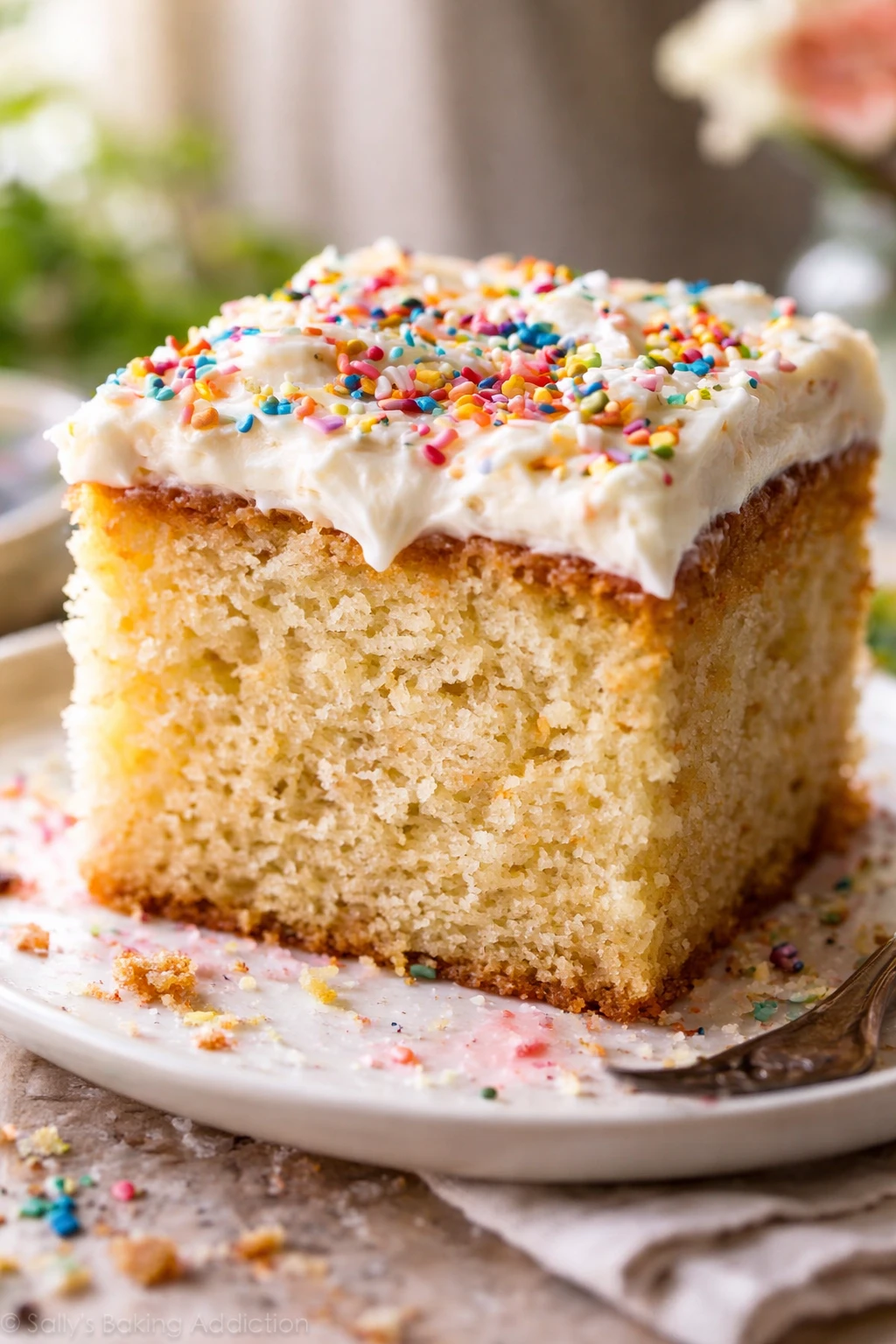
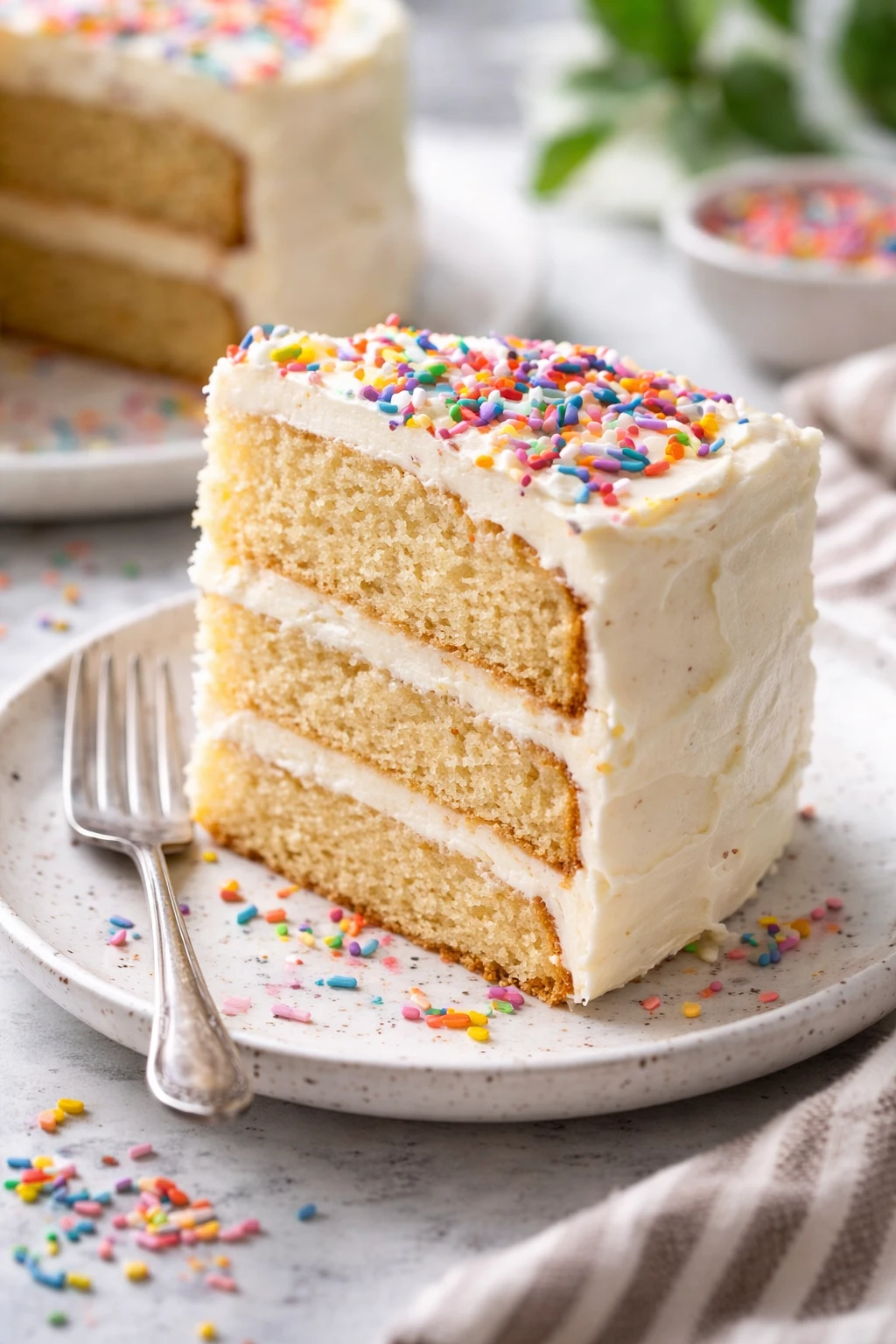
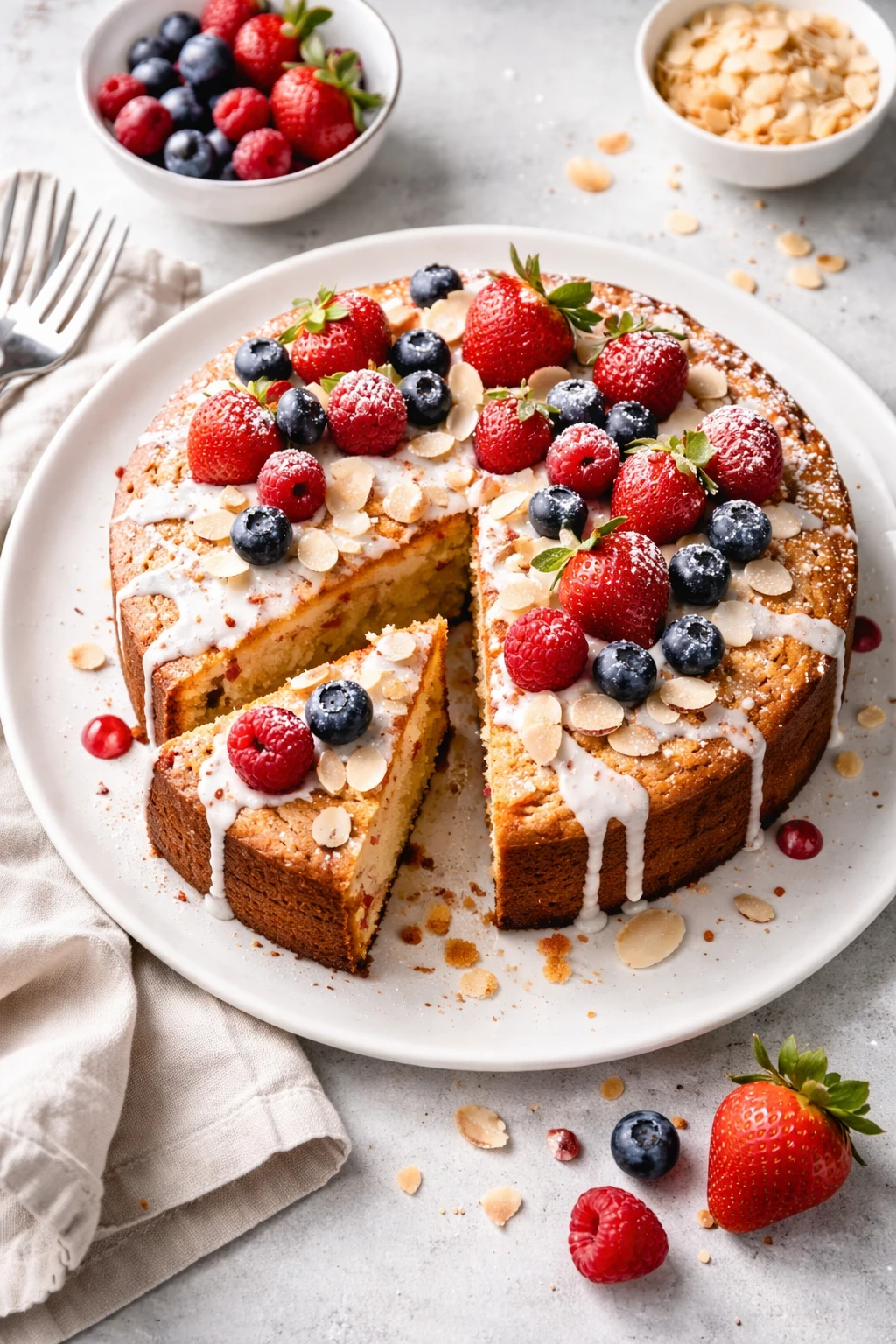
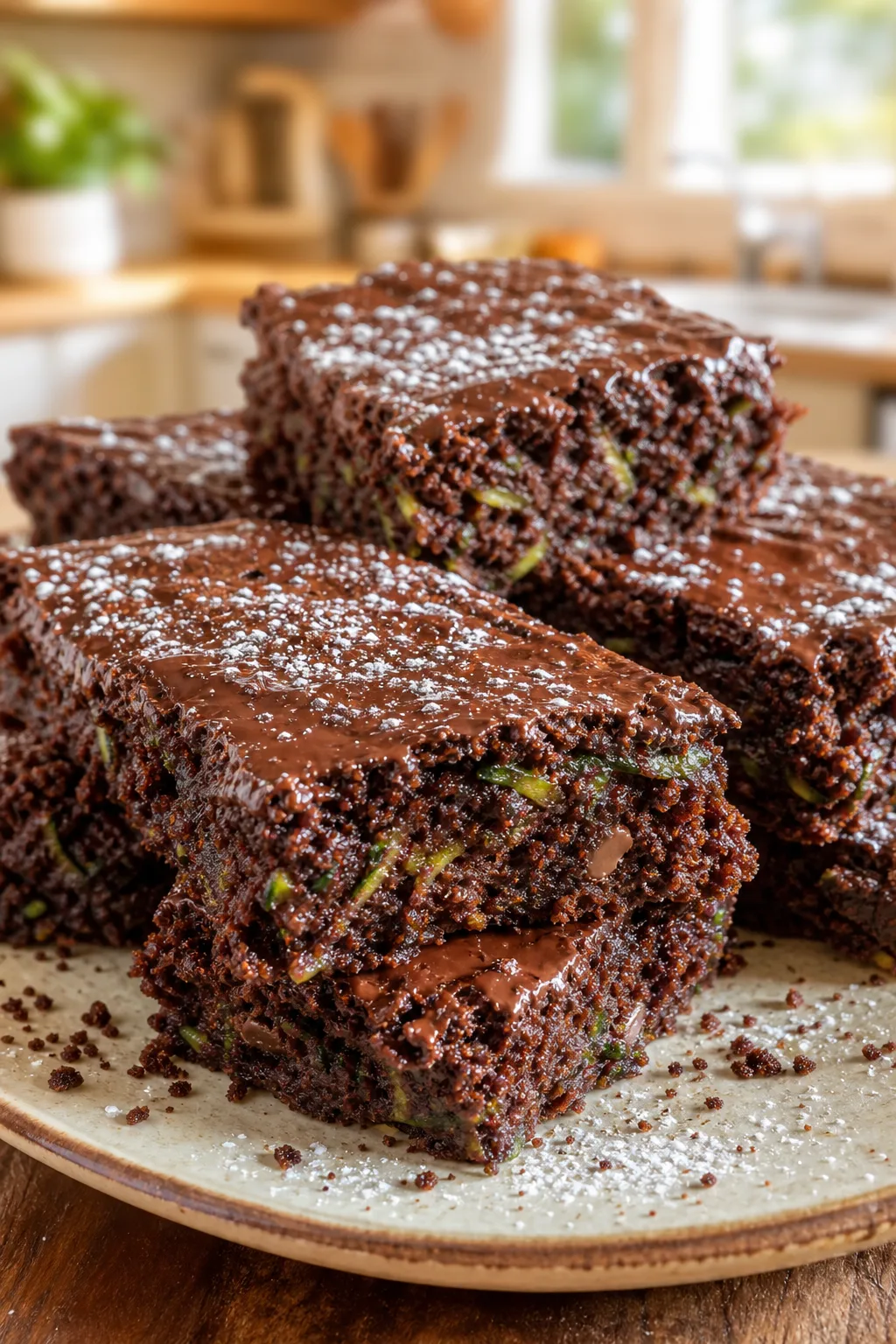
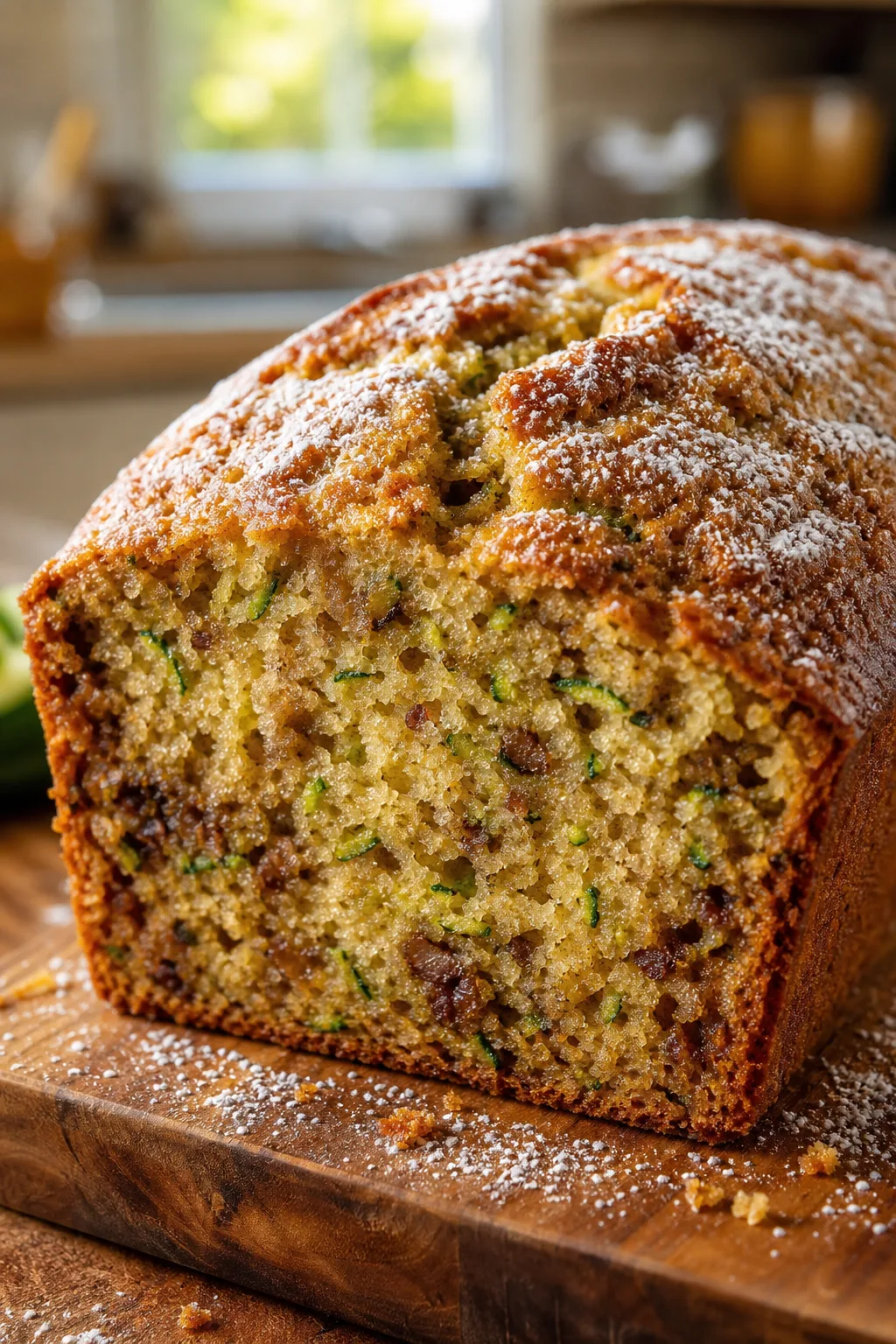
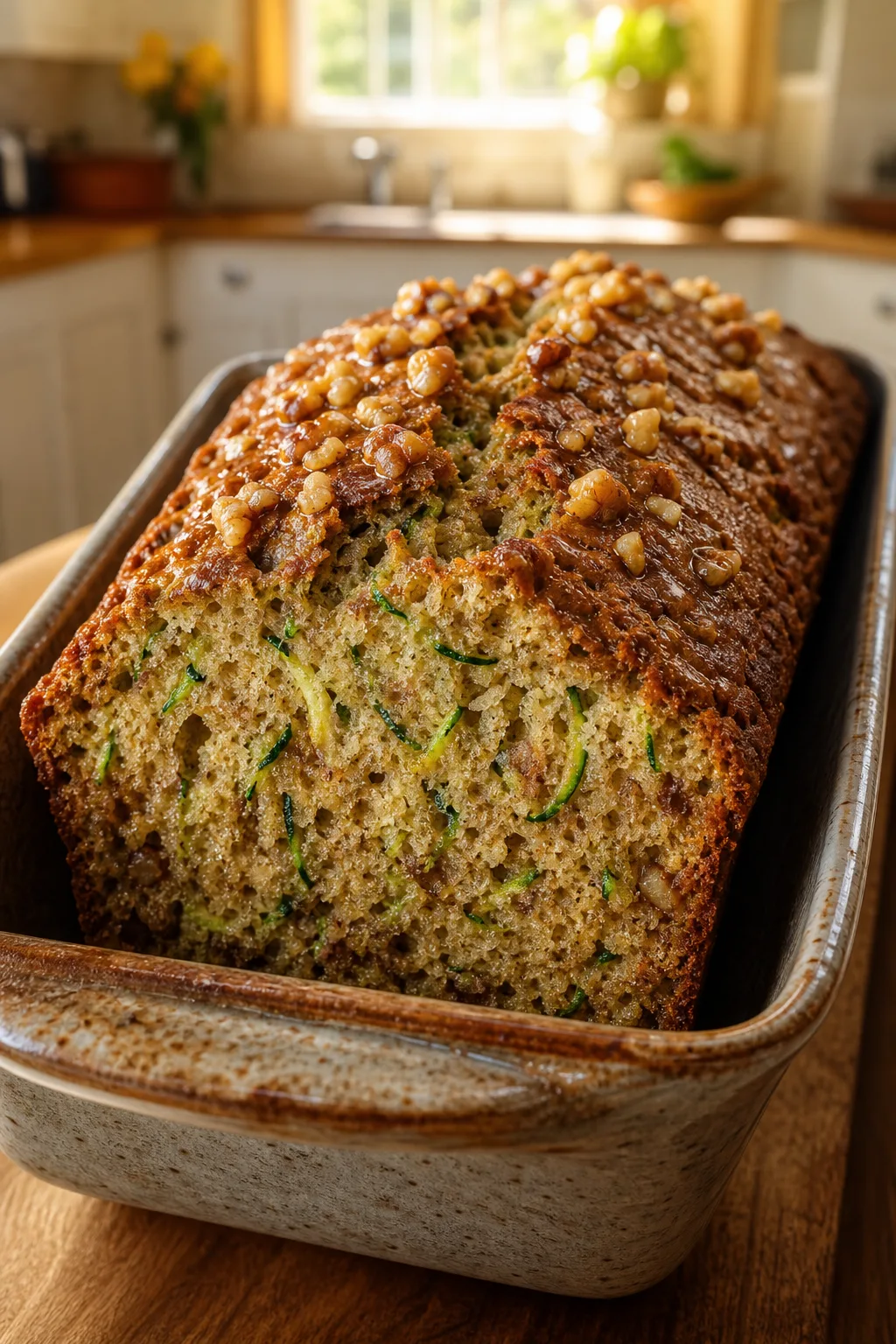
This simple one bowl cake from Australia is wonderfully moist and super easy to whip up. The secret is a gentle folding technique that keeps it light. Great for casual afternoon tea or whenever you want a fuss-free sweet treat.
Introduction
I first stumbled upon this Australian one bowl cake recipe when I was desperate for a no-fuss dessert to bring to a friend's afternoon tea. What I love most is how incredibly moist it turns out despite using just one bowl and simple ingredients. I think what sets this version apart is the gentle folding technique I learned — it keeps the batter light and airy without overmixing. Plus, using self-raising flour means no extra leavening agents to measure, which is a total time saver. I remember the first time I tried it, I accidentally overmixed and the cake turned out dense, but once I adjusted my method, it was perfectly tender and soft. The finished cake has a delicate crumb with a subtle buttery flavor, and if you add a bit of citrus zest, it brightens the whole thing up. It’s exactly the kind of cake that feels homemade and comforting, yet looks like you put in way more effort than you did. Whether you slice it for a casual afternoon tea or serve it with some fresh berries and cream, it’s always a hit. I hope you enjoy making this as much as I do!
What You'll Need
One 9-inch round cake, 8 servings
- 2 cups self-raising flour, sifted
- 1 cup caster sugar
- 125g butter, melted and cooled
- 1 cup milk
- 2 large eggs
- 1 teaspoon vanilla extract
- Optional: zest of 1 lemon or orange
How To Do It
Step 1
Start by preheating your oven to 350°F (175°C) and greasing a 9-inch round cake pan with butter or lining it with parchment paper. This ensures the cake won’t stick and will come out easily once baked. It’s important to prepare your pan first because once the batter is ready, you want to bake it immediately to keep the leavening action effective.
⏱ Time: 10
✓ Doneness: Pan is evenly greased with no dry spots or excess butter pooling
Step 2
In a large mixing bowl, combine the sifted self-raising flour and caster sugar. Sifting helps aerate the flour and removes any lumps, which contributes to a lighter cake. Mix these dry ingredients gently to evenly distribute the sugar without overworking the flour’s gluten.
⏱ Time: 5
✓ Doneness: Dry ingredients are well combined with no visible clumps
Step 3
Add the melted butter, milk, eggs, and vanilla extract to the dry ingredients. Using a spatula or wooden spoon, gently fold the wet and dry ingredients together. The key is to mix until just combined to avoid developing too much gluten, which can make the cake tough. Watch for streaks of flour disappearing into a smooth batter.
⏱ Time: 5
✓ Doneness: Batter is smooth with no pockets of dry flour but not overmixed
Step 4
If you’re using citrus zest, fold it in now. The zest adds a fresh brightness that balances the cake’s buttery richness. Be careful not to overmix again after adding the zest to keep the batter light.
⏱ Time: 2
✓ Doneness: Zest is evenly distributed without overworking the batter
Step 5
Pour the batter into the prepared cake pan and smooth the top with your spatula. Smoothing helps the cake bake evenly and prevents doming or cracking. Avoid tapping the pan too hard as that can deflate the batter too much.
⏱ Time: 3
✓ Doneness: Batter surface is even and smooth without air bubbles
Step 6
Place the cake in the preheated oven and bake for about 30 minutes. Baking time can vary depending on your oven, so start checking around 25 minutes. The cake is done when a toothpick inserted in the center comes out clean or with just a few moist crumbs attached.
⏱ Time: 30
✓ Doneness: Toothpick inserted in center comes out clean or with moist crumbs
Step 7
Once baked, remove the cake from the oven and let it cool in the pan for 10 minutes. Cooling in the pan allows the cake to set gently before removing it, which prevents it from breaking apart. After 10 minutes, run a knife around the edges and invert onto a wire rack to cool completely.
⏱ Time: 15
✓ Doneness: Cake pulls away slightly from pan edges and feels firm to touch
Step 8
When fully cooled, slice and serve as is or with your favorite accompaniments like whipped cream, fresh fruit, or a drizzle of honey. This cake keeps well and tastes great the next day, so it’s perfect for making ahead.
⏱ Time: 5
✓ Doneness: Cake slices cleanly without crumbling
Step 9
Store any leftovers in an airtight container at room temperature for up to 3 days. If you want to freeze it, wrap tightly in plastic wrap and foil before freezing. Thaw at room temperature before serving to maintain moisture and texture.
⏱ Time: 2
✓ Doneness: Cake stays moist and fresh smelling after storage
Variations
Lemon Poppy Seed One Bowl Cake
Add 2 tablespoons of poppy seeds and the zest of one lemon to the batter for a bright, nutty twist. This variation adds texture and a fresh citrus punch, making it perfect for spring or summer gatherings.
Note: Fold the poppy seeds gently into the batter last to avoid overmixing and maintain a tender crumb.
Chocolate Swirl One Bowl Cake
Stir in 1/4 cup cocoa powder to the dry ingredients and swirl in melted chocolate before baking. This creates a marbled effect with rich chocolate flavor, ideal for chocolate lovers.
Note: Do not overmix after adding cocoa to prevent toughness; swirl gently for the marbled pattern.
Berry-Stuffed One Bowl Cake
Fold in 1 cup fresh or frozen berries (blueberries or raspberries) into the batter for bursts of juicy sweetness. This adds moisture and a fruity surprise inside the tender cake.
Note: Toss berries lightly in flour before folding to prevent sinking to the bottom during baking.
Coconut and Lime One Bowl Cake
Add 1/2 cup shredded coconut and the zest of one lime for a tropical flavor profile. The coconut adds chewiness while lime zest brightens the cake’s taste, great for a summer treat.
Note: Fold coconut in gently at the end to keep the batter airy and avoid clumping.
Gluten-Free One Bowl Cake
Substitute self-raising flour with a gluten-free all-purpose blend and add 1 teaspoon baking powder. This makes the cake accessible to gluten-sensitive eaters without sacrificing texture.
Note: Gluten-free batters can be more delicate; avoid overmixing and bake immediately for best rise.
Pro Tips
Always sift your flour and sugar before mixing.
Sifting aerates the flour and removes lumps, which helps create a lighter, more tender cake. It also ensures even distribution of the baking powder in self-raising flour, leading to uniform rising. Skipping this step can result in dense spots or uneven texture.
Don’t overmix the batter once wet and dry ingredients combine.
Overmixing develops too much gluten, making the cake tough and dense instead of soft and tender. Folding gently until just combined preserves air pockets and keeps the crumb light. It’s a subtle but crucial technique for success.
Use room temperature eggs and milk for better batter consistency.
Cold ingredients can cause the melted butter to seize or curdle the batter, leading to uneven texture. Room temperature ingredients blend more smoothly, helping the batter emulsify properly and resulting in a uniform rise and moist crumb.
Add citrus zest for a fresh flavor twist.
The oils in citrus zest provide fragrance and a zingy brightness that balances the cake’s richness. It’s a small addition that elevates the flavor profile without changing texture, making the cake feel special and homemade.
Use a timer and start checking doneness early.
Ovens vary, so starting to check around 25 minutes prevents overbaking, which dries out the cake. The toothpick test is reliable: a clean or slightly moist toothpick means perfect doneness and maximum moisture retention.
Cool the cake in the pan before removing.
Letting the cake rest in the pan stabilizes its structure so it won’t crack or break when you transfer it to a wire rack. A rushed removal can cause the cake to fall apart or stick, ruining the presentation.
Store leftovers in an airtight container at room temperature.
This keeps the cake moist and fresh for several days. Refrigerating can dry it out unless wrapped tightly, and freezing requires proper wrapping to avoid freezer burn. Proper storage maintains texture and flavor.
Common Mistakes to Avoid
Overmixing the batter
Why it happens Many assume more mixing means better combined ingredients, but it actually develops gluten excessively.
Fix Stop mixing as soon as the flour disappears and the batter looks uniform. Use gentle folding motions rather than vigorous stirring.
Using hot melted butter
Why it happens Sometimes butter is melted too quickly and not cooled, which can cook eggs when combined.
Fix Let melted butter cool to room temperature before adding to eggs and other ingredients to prevent curdling or texture issues.
Not preparing the pan properly
Why it happens Skipping greasing or lining makes the cake stick and break apart.
Fix Always grease your pan thoroughly or use parchment paper to ensure easy release and clean edges.
Baking at wrong temperature
Why it happens Oven temperature too high causes crust to form too fast, drying out the cake.
Fix Use an oven thermometer to ensure accurate temperature and bake at 350°F (175°C) for even cooking.
Skipping the toothpick test
Why it happens Relying on baking time alone can lead to underbaked or overbaked cake.
Fix Check doneness with a toothpick inserted in the center; remove cake immediately when it comes out clean or with moist crumbs.
Nutrition
Per Serving:
Nutritional values are estimates and may vary based on specific ingredients used.
Storage & Tips
Room Temperature
Store the cake covered loosely with foil or in a cake dome at room temperature for up to 3 days. This keeps it moist but avoid humid environments which can cause it to spoil faster.
Refrigerator
You can refrigerate the cake in an airtight container for up to 5 days. The texture might firm up slightly, so bring it to room temperature or warm gently before serving to soften.
Freezer
Wrap the cooled cake tightly in plastic wrap and then foil to freeze for up to 2 months. Thaw overnight in the refrigerator or at room temperature wrapped to prevent condensation from making it soggy.
Reheating
Warm slices gently in a microwave for 15-20 seconds or in a low oven (300°F) for 5-10 minutes. Adding a small pat of butter or a splash of milk before reheating helps maintain moisture.
Make Ahead
You can mix the batter a day ahead and keep it covered in the fridge. Bring it to room temperature before baking for best rise. Baking the cake the day before serving allows flavors to develop and eases day-of prep.
FAQ
Can I use plain flour instead of self-raising flour?
Yes, but you need to add 1 1/2 teaspoons baking powder and 1/4 teaspoon salt per cup of plain flour to mimic self-raising flour. This ensures the cake rises properly and has the right texture. Without this, the cake may turn out dense and flat.
Why did my cake turn out dense and heavy?
Dense cake is often caused by overmixing the batter, which develops too much gluten, or by using expired baking powder that doesn’t provide enough lift. Make sure to fold gently and check your leavening agents’ freshness.
Can I substitute butter with oil?
You can replace butter with a neutral oil like vegetable or canola oil, but the flavor and texture will change. Butter adds richness and a firmer crumb, while oil makes the cake moister but sometimes denser. Use about 3/4 the amount of oil to butter.
How do I know when the cake is done baking?
The best way is the toothpick test: insert a clean toothpick into the center. If it comes out clean or with a few moist crumbs, the cake is done. Also, the edges will start to pull away slightly from the pan and the top should be golden and springy.
Can I add fruit to this cake?
Absolutely! Fresh or frozen berries work great. Toss them in a little flour before folding into the batter to prevent sinking. Keep in mind that adding fruit increases moisture, so bake until a toothpick comes out clean.
What’s the best way to store leftover cake?
Store in an airtight container at room temperature for up to 3 days. If you refrigerate, wrap tightly to prevent drying out. For longer storage, freeze wrapped well and thaw slowly to keep it moist and fresh.
Can I make this cake vegan?
You can try substituting eggs with flax eggs (1 tbsp ground flaxseed + 3 tbsp water per egg) and use a plant-based milk and vegan butter or oil. The texture might be slightly different, but it should still be moist and tasty.
Why is it important to cool the cake before slicing?
Cooling allows the cake’s structure to set so it doesn’t crumble or break when cut. Cutting too soon, especially while warm, can cause the crumb to be gummy or fall apart. Patience here results in cleaner slices and better texture.
Final Thoughts
I hope you enjoy this simple Australian one bowl cake as much as I do! It’s a perfect, fuss-free treat to share—let me know how yours turns out!