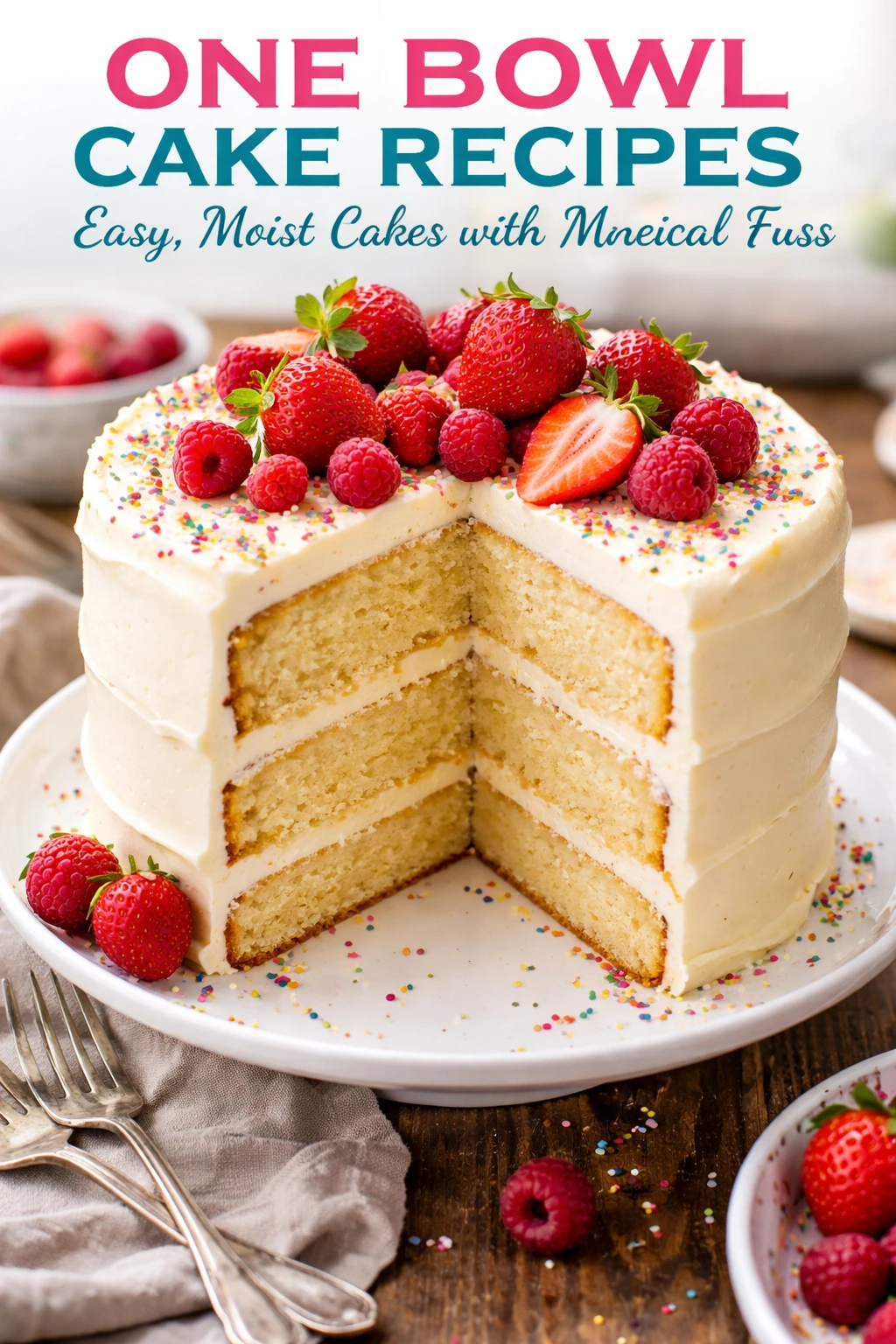
This vanilla cake comes together in just one bowl, making cleanup a breeze. The secret is gently folding ingredients to keep it light and tender. Perfect for casual weekend gatherings or whenever you want a quick, sweet fix!
Introduction
I stumbled upon this one-bowl vanilla cake recipe during a hectic week when I just didn't have the time or energy for a full baking session. What I love about it is how it simplifies the process—everything goes into a single bowl, which means less mess and less stress. The trick I learned was to mix the wet and dry ingredients separately, then gently fold them together rather than overmixing. This keeps the cake super tender and moist, unlike the dense cakes I sometimes ended up with before. Another secret is using room temperature ingredients—they blend better and give the batter a silkier texture. When it comes out of the oven, it has this lovely golden crust with a soft, fluffy crumb inside that just melts in your mouth. It’s perfect for casual family dinners or when friends drop by unexpectedly. Honestly, this cake has become my go-to when I want something sweet but fast, and I think you’ll love how easy it is to pull off too!
What You'll Need
One 9-inch round cake, 8 servings
- 2 1/2 cups all-purpose flour, sifted
- 1 1/2 cups granulated sugar
- 1 tbsp baking powder
- 1/2 tsp salt
- 1 cup whole milk, room temperature
- 1/2 cup unsalted butter, melted and cooled
- 3 large eggs, room temperature
- 2 tsp vanilla extract
How To Do It
Step 1
Preheat your oven to 350°F (175°C) and grease a 9-inch round cake pan lightly with butter or non-stick spray. This step ensures the cake won't stick and will release easily once baked. Also, line the base with parchment paper for extra insurance against sticking. Proper greasing and lining prevent the cake from tearing when you remove it, so take your time here.
⏱ Time: 10
✓ Doneness: Pan feels evenly coated and parchment paper is flat and secure
Step 2
In a large mixing bowl, whisk together the sifted flour, sugar, baking powder, and salt. This dry mix forms the base of your batter. Sifting and whisking helps to aerate the flour and evenly distribute the baking powder, which is key for a light cake. Avoid skipping this step to prevent lumps and uneven rising.
⏱ Time: 5
✓ Doneness: Dry ingredients appear light and lump-free
Step 3
In a separate bowl, combine the milk, melted butter, eggs, and vanilla extract. Make sure the butter is cooled so it doesn’t cook the eggs. Whisk until the mixture is smooth and uniform. This wet mixture will hydrate the dry ingredients and add richness. Using room temperature eggs and milk helps everything blend seamlessly.
⏱ Time: 5
✓ Doneness: Wet mixture looks creamy and smooth with no streaks
Step 4
Pour the wet ingredients into the dry ingredients. Using a rubber spatula, gently fold the mixture together with slow, deliberate strokes. Folding preserves the air bubbles trapped in the batter, which keeps the cake light and fluffy. Overmixing here will develop gluten and result in a tough texture, so fold just until you see no more dry flour.
⏱ Time: 3
✓ Doneness: Batter is smooth with no visible pockets of flour but still light
Step 5
Pour the batter into your prepared cake pan, smoothing the top with the spatula to ensure even baking. Tap the pan gently on the counter to release any large air bubbles, which can cause holes or uneven texture. This simple step helps the cake bake evenly and look uniform.
⏱ Time: 2
✓ Doneness: Batter is evenly spread with no large bubbles on surface
Step 6
Bake the cake in the preheated oven for about 28-32 minutes. Check doneness starting at 28 minutes by inserting a toothpick in the center. It should come out clean or with a few moist crumbs, never wet batter. Oven temperatures vary, so watch closely to avoid overbaking, which dries the cake.
⏱ Time: 30
✓ Doneness: Golden crust with toothpick coming out clean or with moist crumbs
Step 7
Once baked, remove the cake from the oven and let it cool in the pan for 10 minutes. This resting allows the cake to firm up slightly, making it easier to remove from the pan without breaking. Avoid rushing this step as the cake is fragile while hot.
⏱ Time: 10
✓ Doneness: Cake feels slightly firm to the touch and edges start to pull from pan
Step 8
Run a thin knife around the edges of the cake to loosen it, then invert onto a wire rack to cool completely. Cooling on a rack prevents sogginess by allowing air circulation underneath. If you skip this, the cake bottom can become damp and lose its tender crumb.
⏱ Time: 10
✓ Doneness: Cake releases cleanly and cools evenly on rack
Step 9
Once fully cooled, frost or dust with powdered sugar as desired. If frosting, spread gently to avoid tearing the delicate crumb. This cake pairs beautifully with simple buttercream or fresh fruit toppings. Serve at room temperature for the best texture and flavor.
⏱ Time: 10
✓ Doneness: Frosting is smooth and cake remains intact without crumbling
Variations
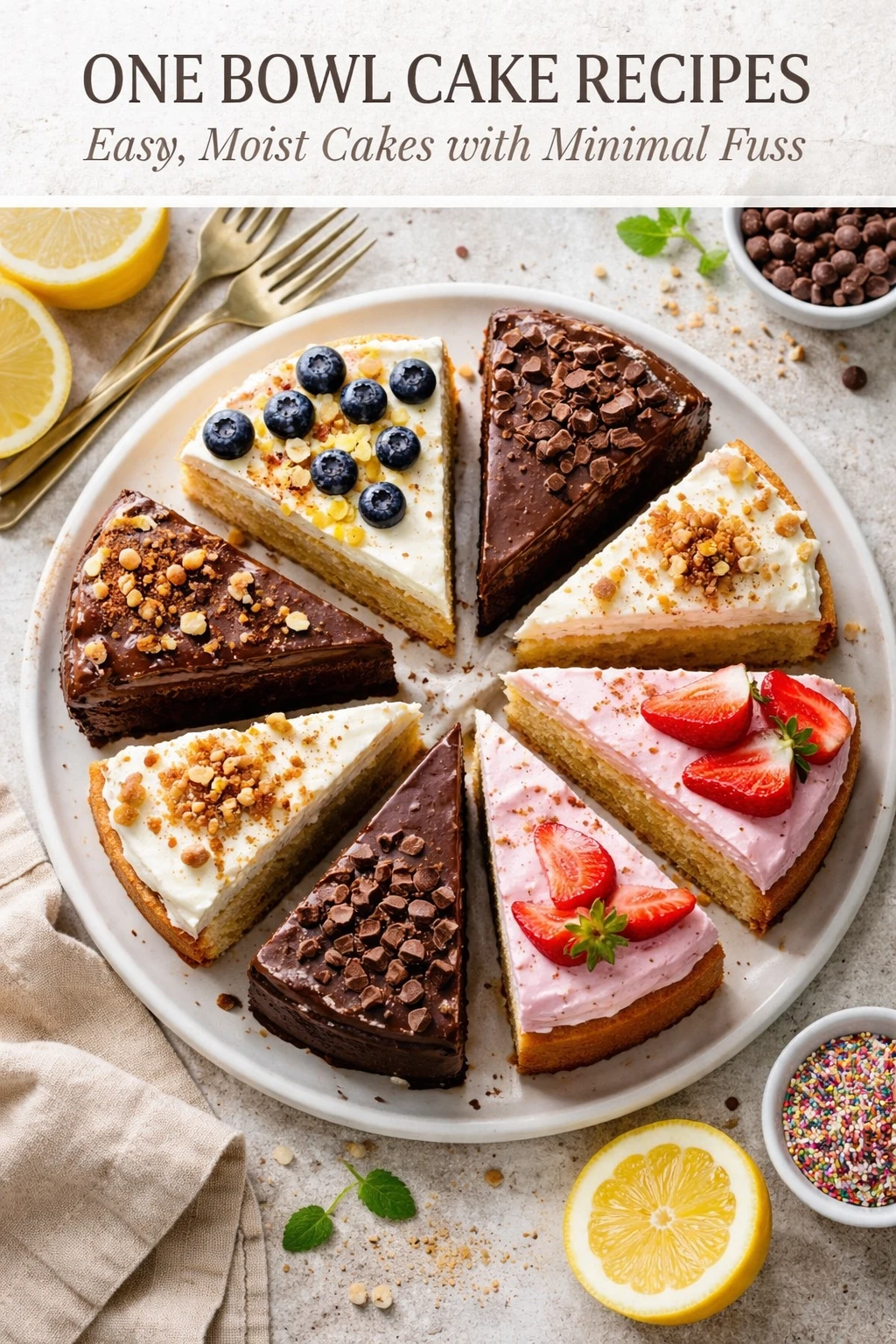
Lemon Zest One-Bowl Cake
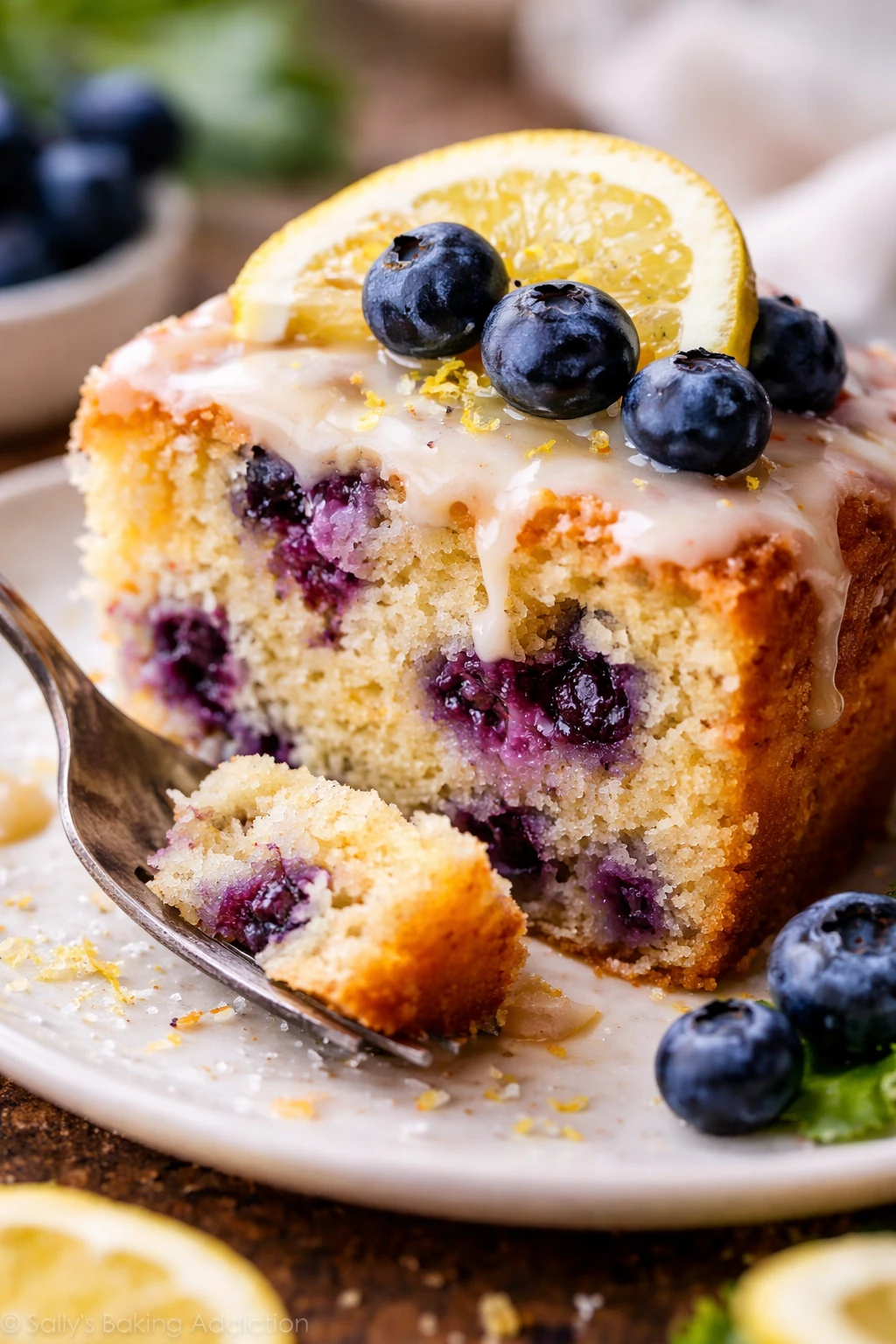
Add 2 tablespoons of fresh lemon zest and swap vanilla for lemon extract. This gives the cake a bright, citrusy twist that’s refreshing and perfect for spring. The texture remains soft and moist, but the flavor pops with zing.
Note: Add zest with the dry ingredients and replace vanilla with lemon extract in the wet mix for even flavor distribution.
Chocolate Swirl One-Bowl Cake
Stir in 1/4 cup cocoa powder with the dry ingredients and swirl in melted dark chocolate before baking. This gives you a marbled chocolate-vanilla cake that’s rich but still light. Great for chocoholics who want a quick fix.
Note: Mix cocoa powder thoroughly with flour to avoid clumps and gently swirl melted chocolate after folding batter.
Gluten-Free One-Bowl Vanilla Cake
Use a 1-to-1 gluten-free flour blend instead of all-purpose flour. The result is still tender and moist but safe for gluten-sensitive eaters. Add a teaspoon of xanthan gum if your blend doesn’t include it for better structure.
Note: Check your gluten-free flour blend for xanthan gum; add separately if needed to mimic gluten’s binding.
Vegan One-Bowl Vanilla Cake
Replace eggs with flax eggs (1 tablespoon flaxseed meal + 3 tablespoons water per egg) and use plant-based milk and vegan butter. The cake remains tender though slightly denser. Perfect for plant-based diets without sacrificing flavor.
Note: Allow flax eggs to thicken before mixing and ensure vegan butter is melted and cooled like the original recipe.
Spiced One-Bowl Vanilla Cake
Add 1 teaspoon cinnamon and 1/2 teaspoon nutmeg to the dry ingredients for a warm, cozy flavor. This variation pairs beautifully with cream cheese frosting and is great for fall or winter gatherings.
Note: Mix spices thoroughly with flour to ensure even flavor throughout the cake.
Pro Tips
Always use room temperature eggs and milk for smoother batter.
Room temperature ingredients blend more evenly, preventing lumps and ensuring emulsification. Cold eggs or milk can cause the melted butter to seize or curdle the batter, resulting in a dense or uneven crumb.
Fold the batter gently to keep it light and airy.
Folding preserves air bubbles instead of deflating them like vigorous stirring would. This trapped air expands during baking, giving the cake its soft, fluffy texture.
Sift your dry ingredients together before mixing.
Sifting aerates the flour and evenly distributes leavening agents like baking powder, which promotes a uniform rise and prevents dense spots in the cake.
Don’t skip tapping the batter-filled pan on the counter.
This releases large air bubbles that could cause holes or cracks, resulting in a smoother, more even crumb.
Use a toothpick to check doneness starting at 28 minutes.
Ovens vary, so testing early prevents overbaking, which dries the cake and makes it crumbly.
Cool the cake in the pan before removing.
This helps the cake set and firm up, reducing the risk of breaking or sticking when moving it to a rack.
Use parchment paper at the pan’s bottom for easy release.
Even well-greased pans can cause sticking. Parchment ensures your cake lifts cleanly, preserving its shape and texture.
Common Mistakes to Avoid
Overmixing the batter
Why it happens Many think mixing more ensures better blending, but overmixing develops gluten, making the cake tough instead of tender.
Fix Mix wet and dry ingredients separately, then fold gently just until combined. Stop as soon as you don’t see dry flour to keep the crumb soft.
Using cold ingredients
Why it happens Sometimes people forget to bring eggs or milk to room temperature, leading to uneven mixing or curdling.
Fix Plan ahead to let ingredients sit out for 30 minutes. If in a rush, warm milk slightly or place eggs in warm water briefly.
Not greasing the pan properly
Why it happens Skipping or rushing this step can cause the cake to stick and break when removed.
Fix Use softened butter or non-stick spray and line the pan bottom with parchment paper to ensure easy release.
Baking at the wrong temperature
Why it happens Oven temperature varies, and many rely on default settings without checking accuracy.
Fix Use an oven thermometer if possible and bake at 350°F. Adjust time slightly based on your oven’s behavior.
Removing cake too soon
Why it happens Impatience or not following cooling instructions leads to cake breaking or crumbling.
Fix Allow cake to cool 10 minutes in pan before turning out, then cool completely on a rack before frosting or slicing.
Nutrition
Per Serving:
Nutritional values are estimates and may vary based on specific ingredients used.
Storage & Tips
Room Temperature
The cake can safely sit covered at room temperature for up to 2 days. Keep it in an airtight cake dome or wrapped tightly in plastic wrap to prevent it from drying out or absorbing odors.
Refrigerator
Store leftover cake in an airtight container for up to 5 days. The texture may become slightly denser when chilled, so bring it to room temperature before serving or warm gently in the microwave for 10-15 seconds.
Freezer
Freeze the cake wrapped tightly in plastic wrap and then foil for up to 3 months. To thaw, transfer to the refrigerator overnight or leave at room temperature for a few hours. Avoid microwaving frozen cake directly as it can dry out.
Reheating
Warm slices gently in the microwave for about 15 seconds or warm the whole cake in a 300°F oven for 10 minutes. Adding a splash of milk or covering loosely with foil helps keep it moist during reheating. Avoid overheating to prevent drying.
Make Ahead
You can prepare the batter a day ahead and keep it covered in the fridge. Bring it back to room temperature and gently fold before baking. Alternatively, bake the cake a day in advance and store it wrapped tightly; frost it just before serving for the freshest taste.
FAQ
Can I use oil instead of butter in this recipe?
Yes, you can substitute melted vegetable or canola oil for the butter in equal amounts. Oil will make the cake slightly more moist but also denser and less rich in flavor. Butter adds a creamy texture and flavor that oil can’t fully replicate, so expect a subtle difference.
What if I don’t have baking powder?
Baking powder is essential for the cake’s rise. If you only have baking soda, it won’t work unless you add an acid like lemon juice or vinegar, which changes the recipe’s flavor and texture. It’s best to use baking powder or buy some for reliable results.
How do I prevent my cake from sinking in the middle?
Sinking usually happens if the cake is underbaked or if the oven temperature is too low. Make sure your oven is properly preheated and bake until a toothpick comes out clean. Also, avoid opening the oven door too early, which causes temperature drops.
Can I double this recipe?
Yes, doubling works well but use two pans instead of one to ensure even baking. If you try to bake a double batch in one pan, the center may stay undercooked while the edges overbake.
Why is folding better than stirring in this recipe?
Folding gently combines ingredients without deflating the air bubbles that give the cake its light texture. Stirring vigorously develops gluten and knocks out air, resulting in a dense cake.
Can I add mix-ins like chocolate chips or nuts?
Absolutely! Fold in about 1 cup of chocolate chips, nuts, or dried fruit after combining the batter. Be gentle to avoid overmixing, which can affect the cake’s texture.
My cake is dry; what did I do wrong?
Dry cake often comes from overbaking or using too much flour. Make sure to measure flour correctly (spoon and level) and check doneness early. Also, overmixing can make the crumb tough and dry.
How do I store leftover cake with frosting?
Keep frosted cake covered loosely with plastic wrap or in an airtight container in the fridge for up to 3 days. Bring to room temperature before serving to enjoy the best flavor and texture.
Final Thoughts
Give this one-bowl vanilla cake a try—I promise it’s as easy and delicious as it sounds! I’d love to hear how it turns out for you, so don’t forget to share your baking adventures.