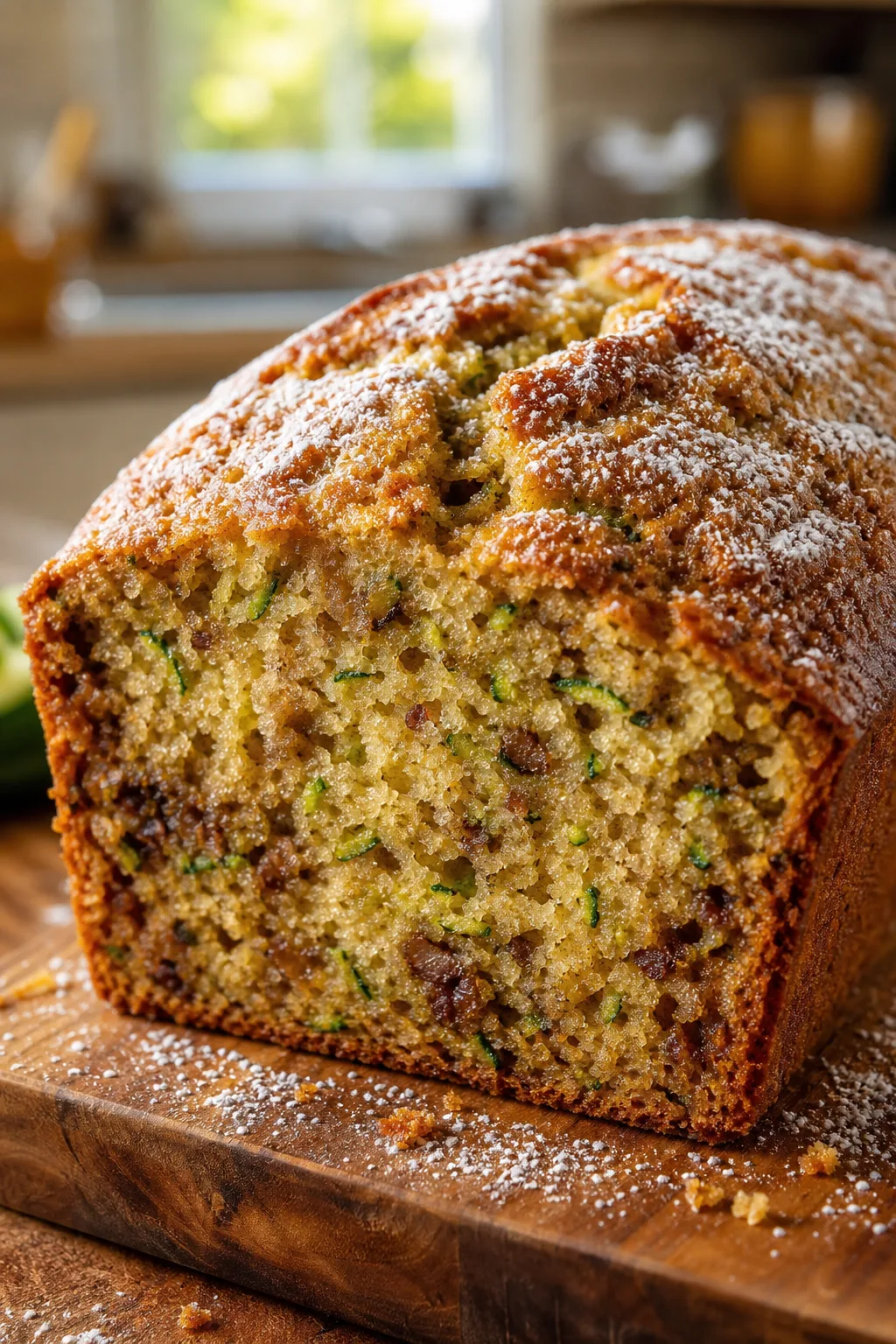
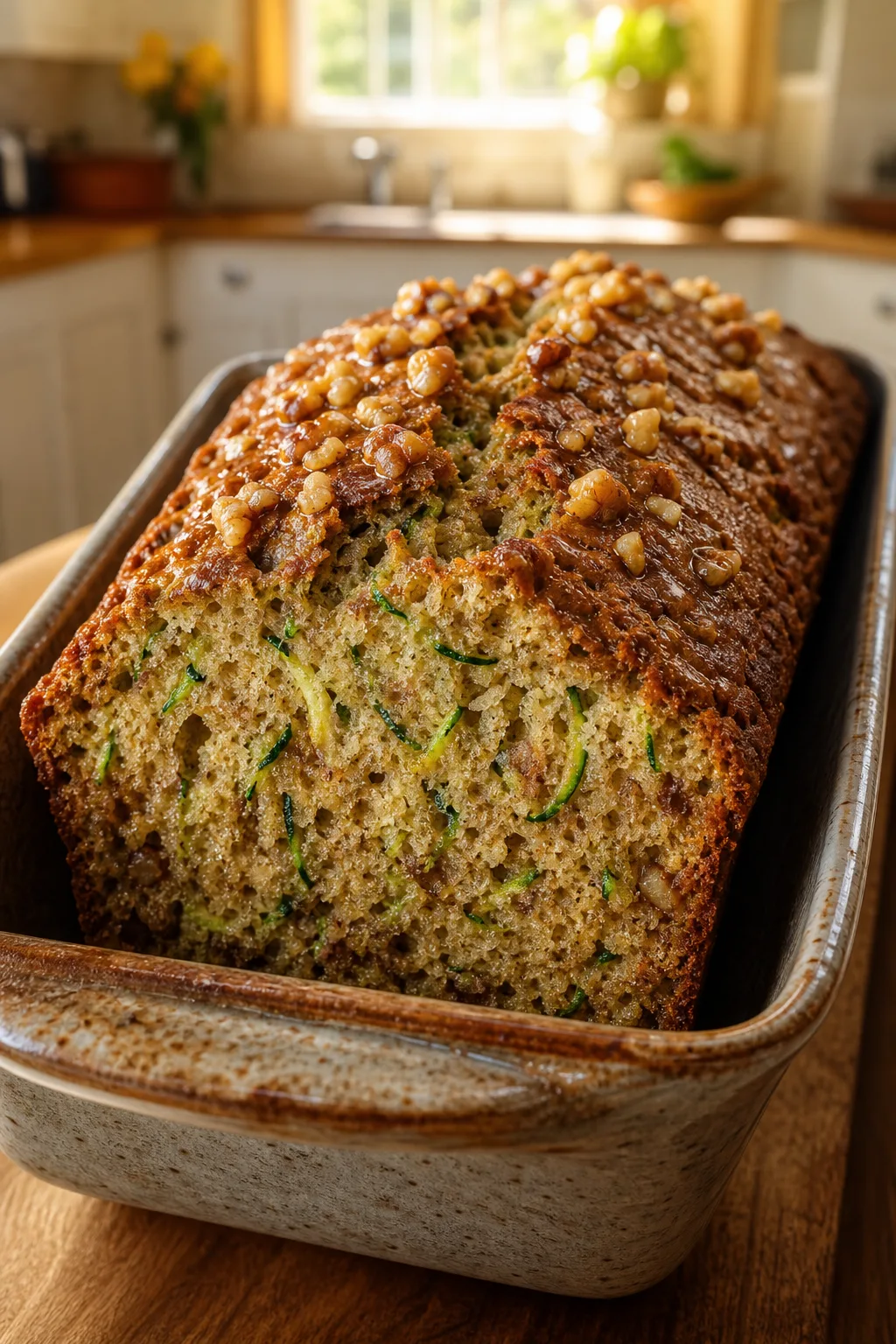
This one bowl cake is a breeze to whip up, thanks to oil that keeps it tender and moist for days. Perfect for last-minute dessert cravings or when you want minimal mess in the kitchen.
Introduction
I stumbled upon this one bowl cake recipe when I was craving something sweet but didn't want to spend ages or dirty a ton of dishes. The beauty of this recipe is how simple it is — everything goes into one bowl, and the oil ensures the cake stays moist and tender for days. I’ve tried other cakes with butter, but this one always wins for softness and ease. One trick I learned is to make sure all the wet ingredients are room temperature; it helps everything blend smoothly without overmixing. The cake comes out with a lovely crumb that's not too dense or dry — just perfect for any occasion, whether it’s a casual family dessert or a last-minute treat for friends. I love how versatile it is, too. You can dress it up with your favorite frosting or enjoy it plain with a dusting of powdered sugar. Honestly, this cake feels like a little celebration every time I bake it, and I think you’ll love it as much as I do!
What You'll Need
One 9-inch round cake, 8 servings
- 2 cups all-purpose flour, sifted
- 1 1/2 cups granulated sugar
- 1/2 teaspoon baking soda
- 1 teaspoon baking powder
- 1/4 teaspoon salt
- 3 large eggs, room temperature
- 1 cup vegetable oil
- 1 cup buttermilk, room temperature
- 2 teaspoons vanilla extract
How To Do It
Step 1
Preheat your oven to 350°F (175°C). Grease and flour a 9-inch round cake pan to ensure your cake doesn’t stick. This step is crucial because it makes removing the cake easy and keeps the edges from drying out. If you skip this, you might end up with a crumbly mess when trying to take the cake out.
⏱ Time: 10 minutes
✓ Doneness: Pan feels evenly coated with a thin layer of grease and flour, no clumps
Step 2
In a large mixing bowl, whisk together the flour, sugar, baking soda, baking powder, and salt until well combined. This ensures even distribution of the leavening agents, which helps the cake rise uniformly. If you don’t mix the dry ingredients well, you might get uneven texture or pockets of baking powder.
⏱ Time: 3 minutes
✓ Doneness: Dry ingredients are evenly mixed with no clumps or streaks
Step 3
Add the eggs, vegetable oil, buttermilk, and vanilla extract to the dry ingredients. Using a hand mixer or whisk, mix on medium speed until just combined. Overmixing can develop gluten and make the cake tough, so stop as soon as the batter is smooth and lump-free.
⏱ Time: 2-3 minutes
✓ Doneness: Batter is smooth, homogenous, and slightly thick but pourable
Step 4
Pour the batter into the prepared cake pan, smoothing the top with a spatula. This helps the cake bake evenly and rise properly. If the batter is uneven, you might get a lopsided cake or uneven crumb.
⏱ Time: 2 minutes
✓ Doneness: Batter surface is level and smooth in the pan
Step 5
Bake for 28-32 minutes until a toothpick inserted in the center comes out clean or with a few moist crumbs. Avoid opening the oven door too early or too often, as temperature changes can cause the cake to sink.
⏱ Time: 30 minutes
✓ Doneness: Golden brown top with springy texture and clean toothpick test
Step 6
Remove the cake from the oven and let it cool in the pan for 10 minutes. This resting allows the cake to firm up slightly and makes it easier to remove without breaking.
⏱ Time: 10 minutes
✓ Doneness: Edges pull slightly away from the pan and cake feels set
Step 7
Run a knife around the edges to loosen the cake, then invert it onto a wire rack to cool completely. Cooling completely prevents sogginess and keeps the crumb tender but firm.
⏱ Time: 15-20 minutes
✓ Doneness: Cake releases easily from pan and cools to room temperature
Step 8
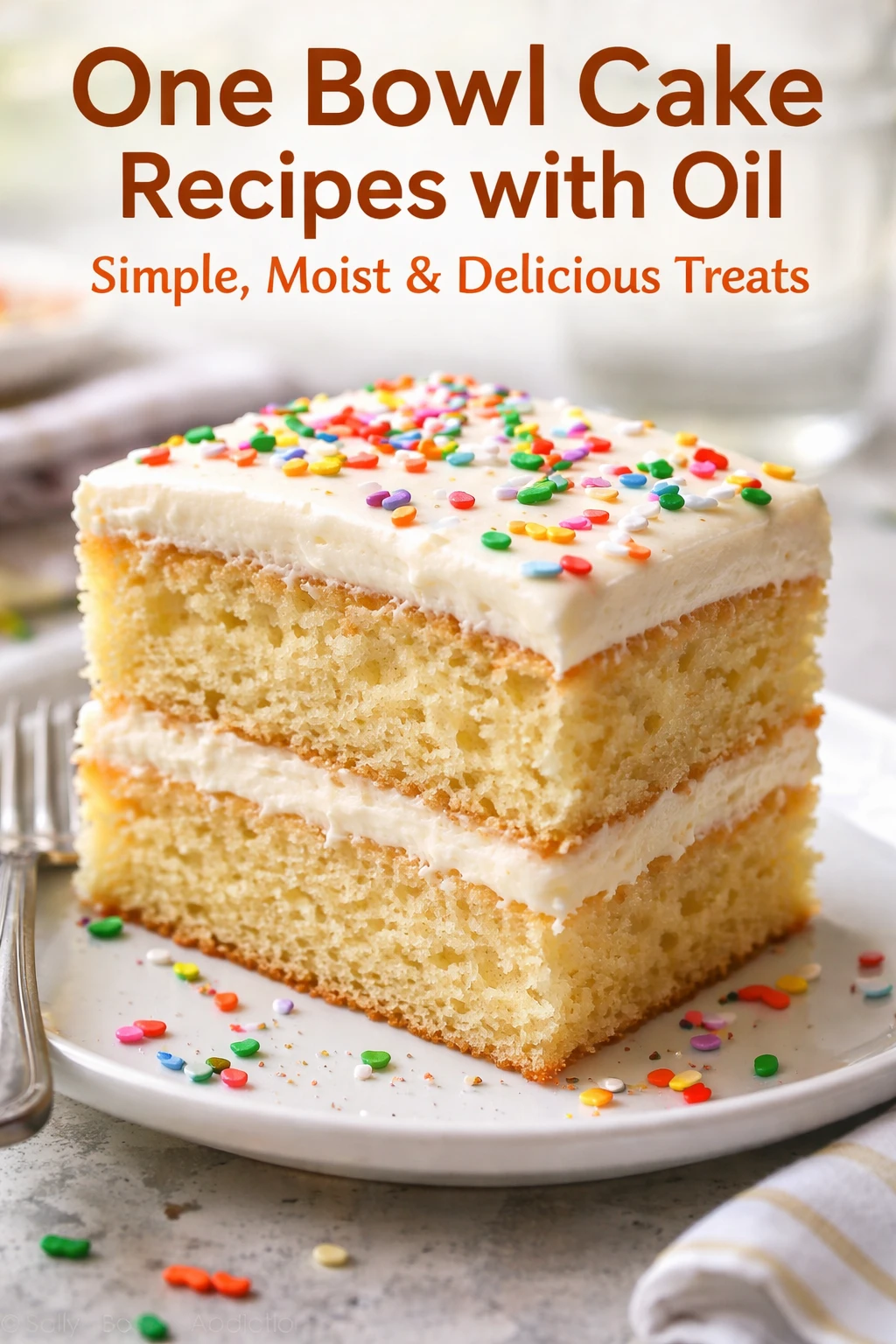
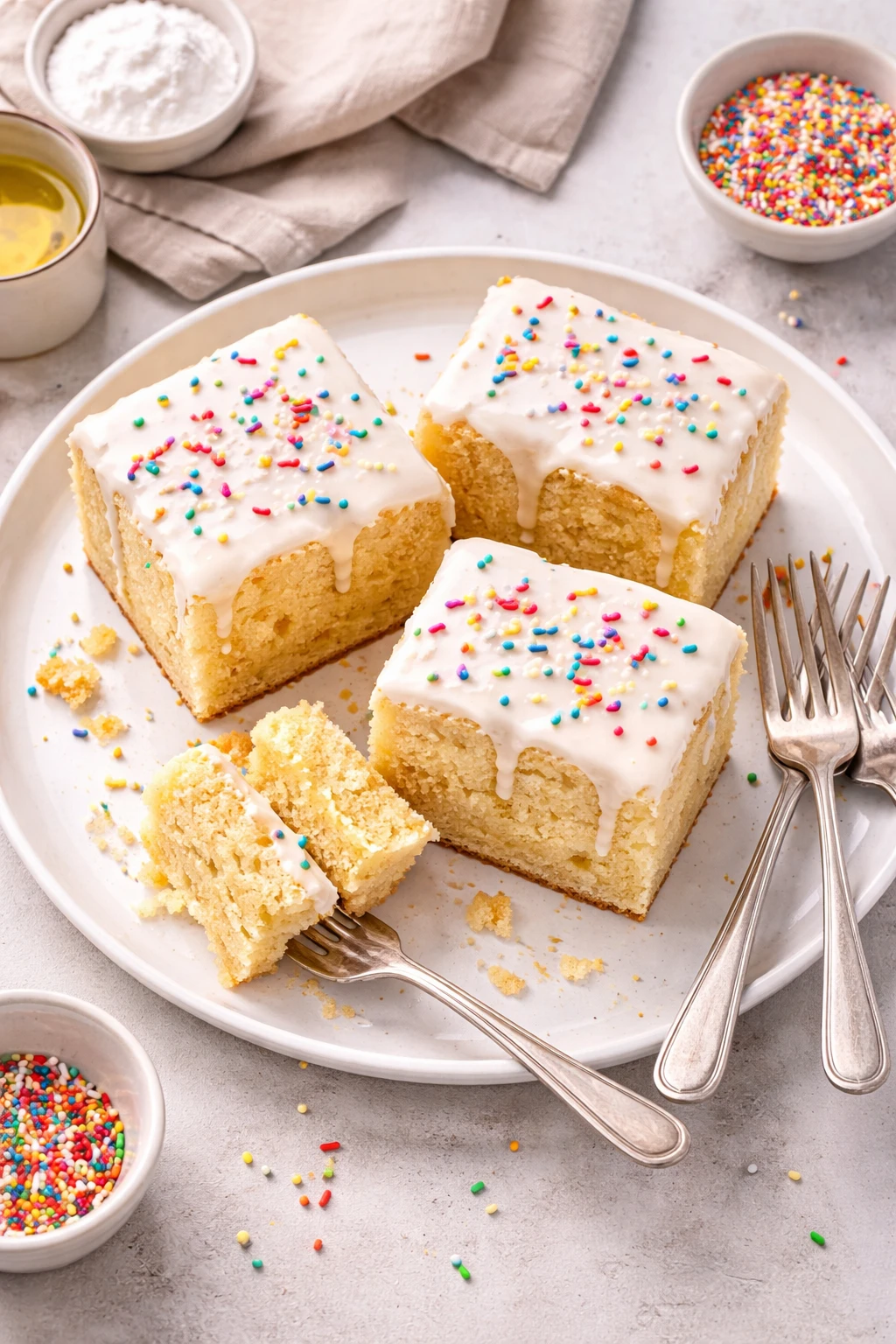
Once cooled, frost or serve the cake as desired. I love a simple dusting of powdered sugar or a light glaze, but cream cheese frosting is amazing too. Adding frosting when the cake is warm can cause it to melt and slide off, so patience is key here.
⏱ Time: 5-10 minutes
✓ Doneness: Frosting sets nicely without sliding off
Step 9
Store any leftovers in an airtight container at room temperature or in the fridge. The oil keeps this cake moist for days, so you’ll enjoy it even the next day. If refrigerated, bring to room temperature before serving for best texture.
⏱ Time: N/A
✓ Doneness: Cake remains soft and moist after storage
Variations
Lemon Zest One Bowl Cake
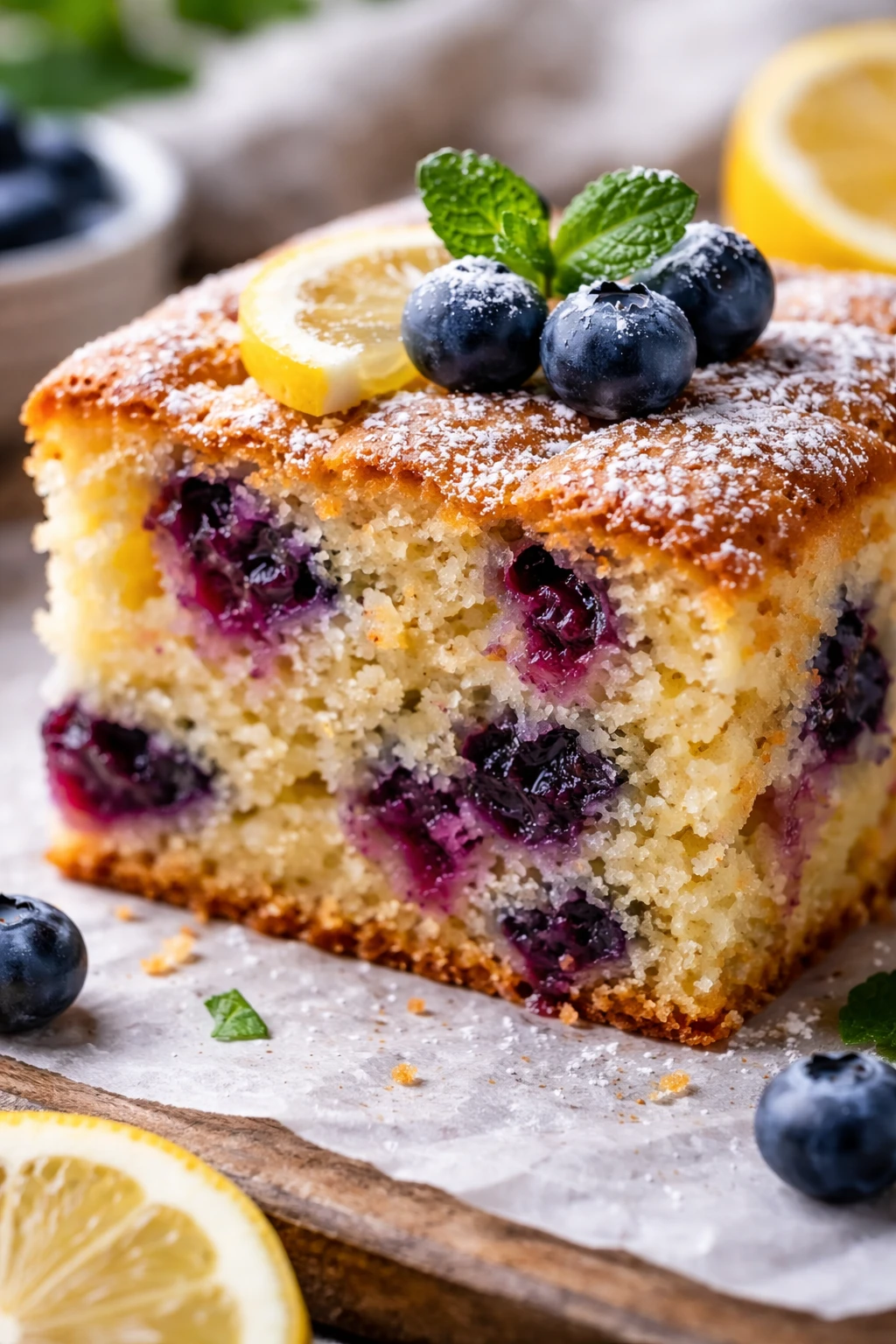
Add the zest of one lemon and replace vanilla with lemon extract for a bright, citrusy twist. This variation is refreshing and pairs perfectly with a light glaze or whipped cream.
Note: Be careful not to add too much zest to avoid bitterness; fold it gently into the batter to preserve air.
Chocolate Swirl One Bowl Cake
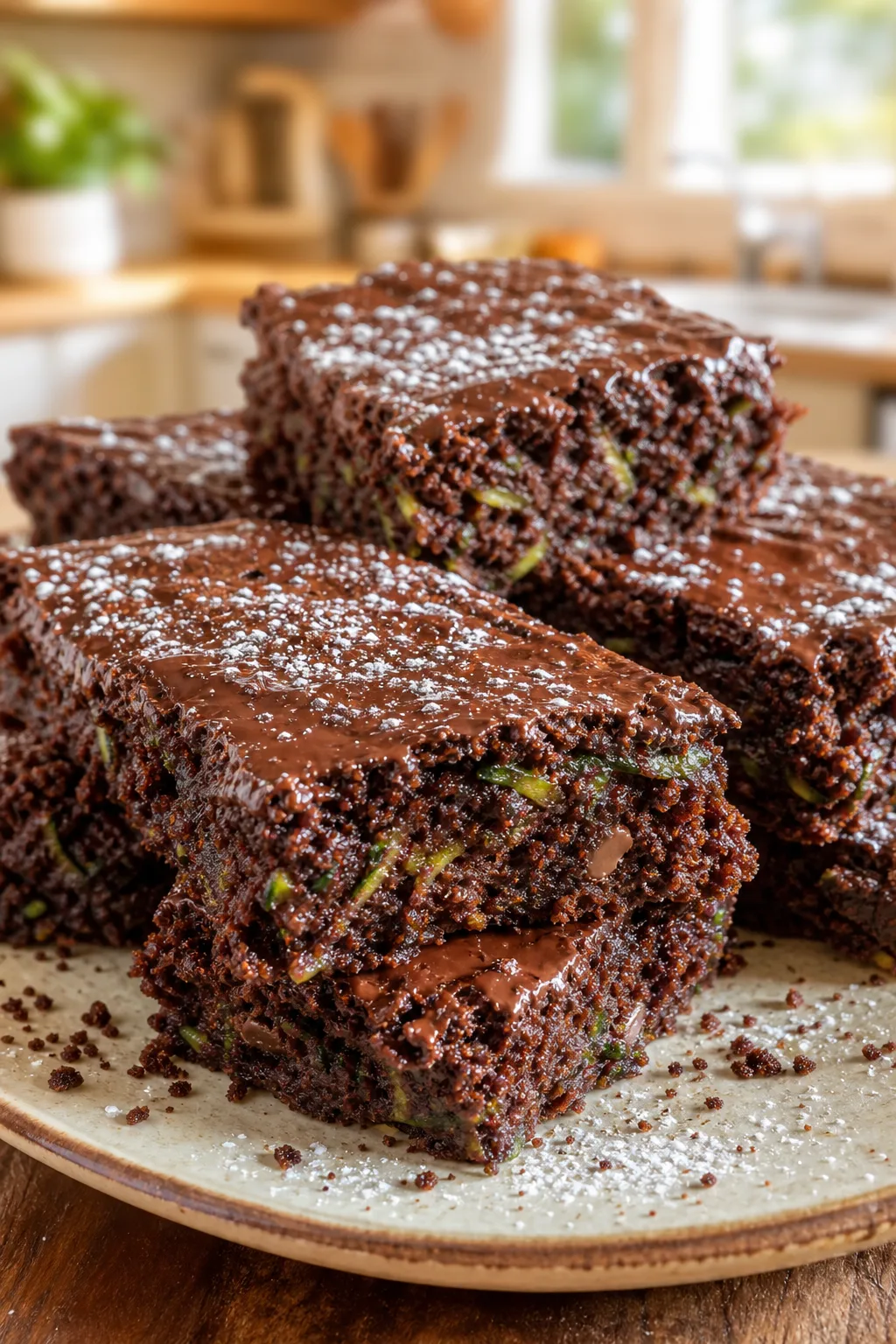
Stir in 1/3 cup of cocoa powder to the dry ingredients and swirl melted chocolate into the batter before baking. The result is a marbled chocolate-vanilla cake with a moist crumb and rich flavor.
Note: Add cocoa powder gradually to avoid drying the batter; the swirl effect comes from folding melted chocolate gently after mixing.
Spiced One Bowl Cake
Mix 1 teaspoon cinnamon, 1/2 teaspoon nutmeg, and a pinch of cloves into the dry ingredients for a warm, cozy flavor profile. This is perfect for fall or holiday gatherings.
Note: Spices can intensify during baking, so measure carefully and blend thoroughly for even flavor.
Gluten-Free One Bowl Cake
Replace all-purpose flour with a gluten-free blend that includes xanthan gum. This keeps the cake tender and moist while accommodating dietary needs.
Note: Gluten-free flours absorb liquids differently; you may need to slightly adjust buttermilk quantity for batter consistency.
Vegan One Bowl Cake
Swap eggs for flax eggs (1 tablespoon flaxseed meal + 3 tablespoons water per egg) and use plant-based milk with vinegar instead of buttermilk. Use oil as usual for moistness.
Note: Flax eggs require 5 minutes to gel before mixing; the cake texture will be slightly denser but still tender.
Pro Tips
Always use room temperature ingredients for smooth batter.
When ingredients like eggs and buttermilk are at room temperature, they blend more easily and evenly with dry ingredients. Cold ingredients can cause the batter to seize or curdle, leading to an uneven texture and potential lumps in the cake.
Don’t overmix the batter once wet and dry ingredients are combined.
Overmixing develops gluten in the flour, which makes the cake tougher and less tender. Mixing just until the ingredients come together ensures a soft crumb and light texture.
Grease and flour your pan thoroughly to prevent sticking.
Properly preparing the pan helps the cake release cleanly after baking without breaking apart. Skipping this step often results in a crumbly mess or a cake stuck to the pan.
Use a toothpick to test doneness but avoid opening the oven too early.
Opening the oven door prematurely can cause temperature fluctuations, leading the cake to sink or bake unevenly. The toothpick test ensures the cake is fully baked without overbaking, preserving moisture.
Cool the cake completely before frosting.
Frosting a warm cake causes it to melt and slide off, ruining the presentation and texture. Cooling allows the crumb to set and frosting to adhere properly.
Sift the flour and leavening agents before mixing.
Sifting breaks up clumps and aerates the dry ingredients, which helps the cake rise evenly and develop a finer crumb.
Store the cake in an airtight container to maintain moisture.
Exposing the cake to air dries it out quickly. Airtight storage locks in moisture, keeping the crumb soft and fresh for several days.
Common Mistakes to Avoid
Overmixing the batter
Why it happens Many assume mixing longer makes batter smoother, but it actually activates gluten too much.
Fix Mix just until the ingredients are combined and no lumps remain. Use a spatula to gently fold if needed, avoiding vigorous beating.
Using cold ingredients
Why it happens People often grab eggs or milk straight from the fridge without thinking about temperature.
Fix Let eggs and buttermilk sit at room temperature for about 30 minutes before mixing to ensure smooth incorporation.
Not preparing the pan properly
Why it happens Skipping greasing or flouring to save time leads to sticking issues.
Fix Always grease the pan with butter or oil, then dust with flour, tapping out excess before adding batter.
Opening oven door too early
Why it happens Impatience or curiosity causes temperature drops that affect rising.
Fix Wait at least 25 minutes before checking doneness to prevent collapse or uneven baking.
Using expired leavening agents
Why it happens Old baking powder or soda loses potency and fails to leaven properly.
Fix Check expiration dates and test baking powder by mixing a small amount in warm water to see if it bubbles.
Nutrition
Per Serving:
Nutritional values are estimates and may vary based on specific ingredients used.
Storage & Tips
Room Temperature
Store the cake covered at room temperature for up to 2 days. Keep it in a cake dome or airtight container to prevent it from drying out. Avoid direct sunlight or heat sources to maintain moisture.
Refrigerator
Keep the cake in an airtight container in the fridge for up to 5 days. The cake may firm up slightly when chilled, so bring it to room temperature before serving to restore softness.
Freezer
Wrap the cooled cake tightly in plastic wrap and then foil to prevent freezer burn. Freeze for up to 3 months. Thaw overnight in the refrigerator, then bring to room temperature before serving for best texture.
Reheating
Warm individual slices in the microwave for 10-15 seconds to refresh softness. Avoid overheating, which can dry out the cake. Adding a small splash of milk before microwaving can help maintain moisture.
Make Ahead
You can prepare the batter a few hours ahead and keep it refrigerated before baking. Alternatively, bake the cake a day in advance, store it wrapped tightly at room temperature or in the fridge, and frost just before serving.
FAQ
Can I substitute butter for the oil in this recipe?
You can use melted butter instead of oil, but the cake will be less moist and may have a denser crumb. Butter solidifies when cooled, which changes the texture, so the cake won’t stay soft as long as with oil.
What if I don’t have buttermilk?
You can make a quick buttermilk substitute by adding 1 tablespoon of lemon juice or white vinegar to 1 cup of milk. Let it sit for 5 minutes before using. This acidity helps activate the baking soda for proper rise and tender crumb.
How do I know when the cake is done without a toothpick?
Look for a golden brown top that springs back when lightly pressed. The edges should pull away slightly from the pan. If you tap the pan, the cake should sound hollow. These cues indicate it’s baked through.
Can I make this recipe gluten-free?
Yes! Use a gluten-free all-purpose flour blend that contains xanthan gum to mimic gluten's structure. You may need to adjust the liquid slightly to get the right batter consistency, but it works well overall.
Why is my cake dense instead of light and fluffy?
Dense cake often results from overmixing, expired leavening agents, or incorrect oven temperature. Make sure to mix gently, use fresh baking powder/soda, and bake at the right temperature for proper rise.
Can I freeze this cake?
Absolutely! Wrap the cooled cake tightly in plastic and foil to protect against freezer burn. Freeze for up to 3 months. Thaw in the fridge overnight and bring to room temp before serving for best results.
What’s the best way to frost this cake?
Wait until the cake is completely cooled before frosting to avoid melting. A simple buttercream, cream cheese frosting, or glaze works beautifully. For a lighter option, dust with powdered sugar.
Can I add mix-ins like nuts or chocolate chips?
Yes, fold in 1/2 to 1 cup of your favorite mix-ins gently into the batter before baking. This adds texture and flavor, but be careful not to overmix or add too much, which can weigh down the cake.
Final Thoughts
I hope you give this easy one bowl cake a try soon — it’s a simple, reliable way to enjoy a moist, tender homemade treat. Don’t forget to share how yours turns out!