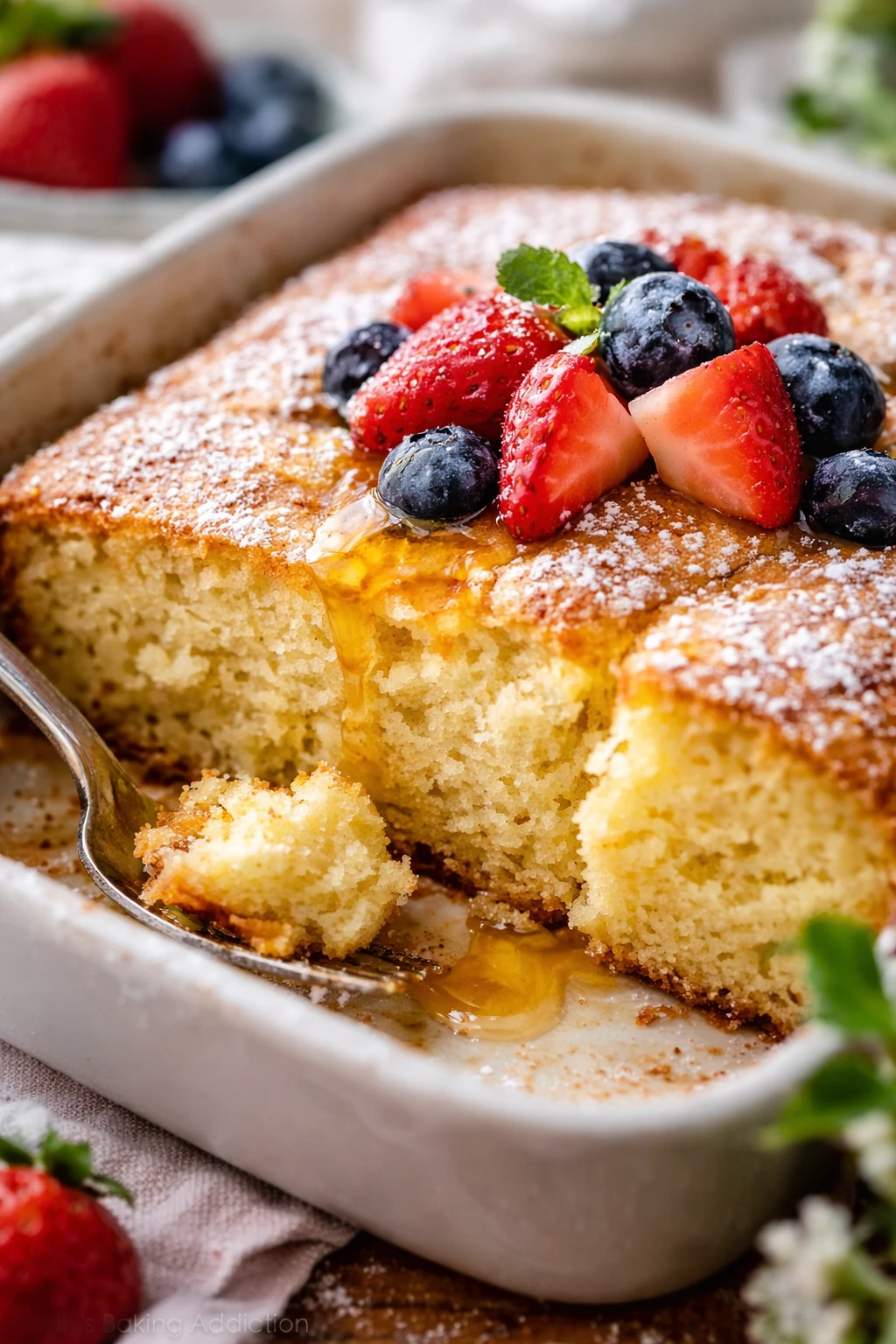
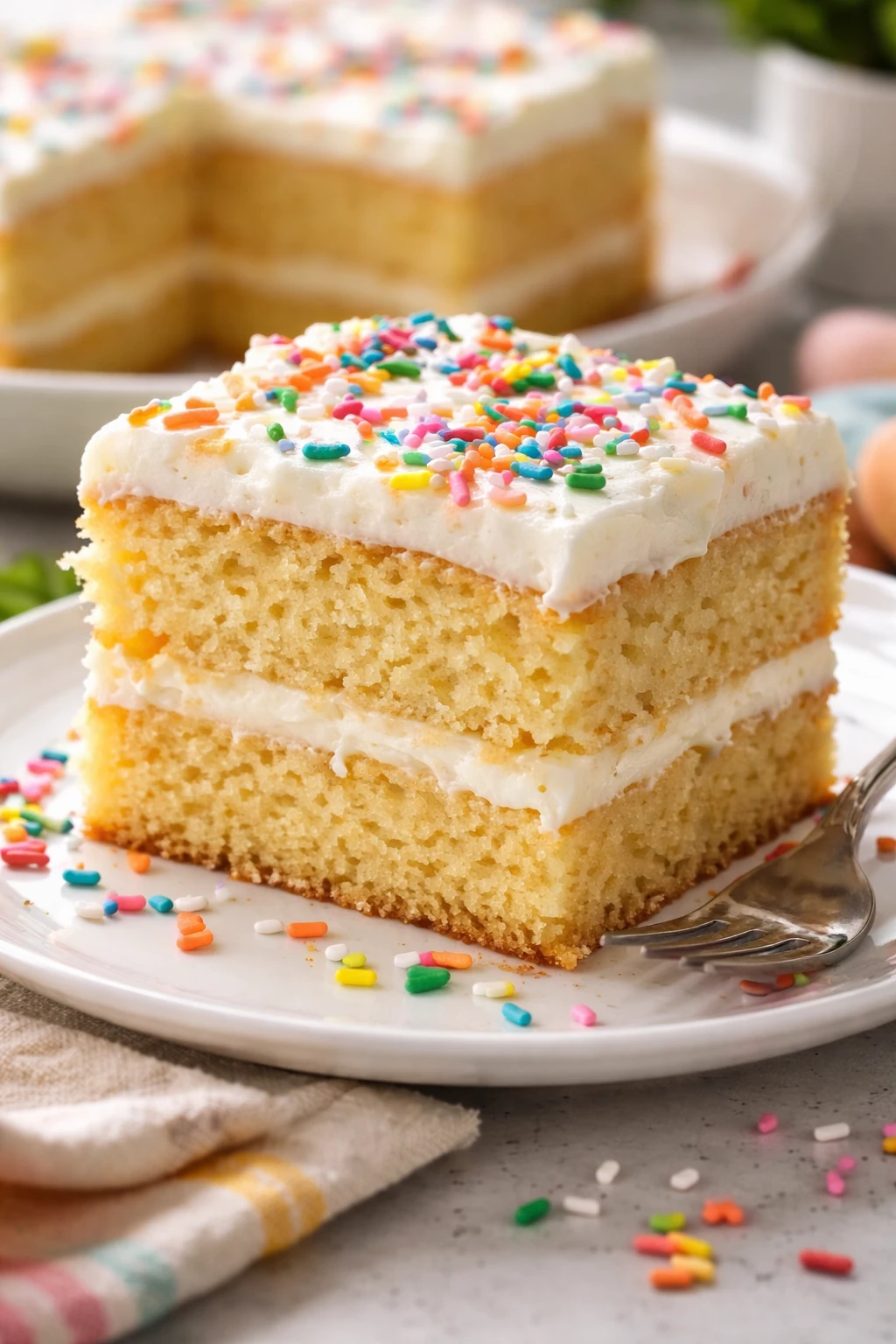
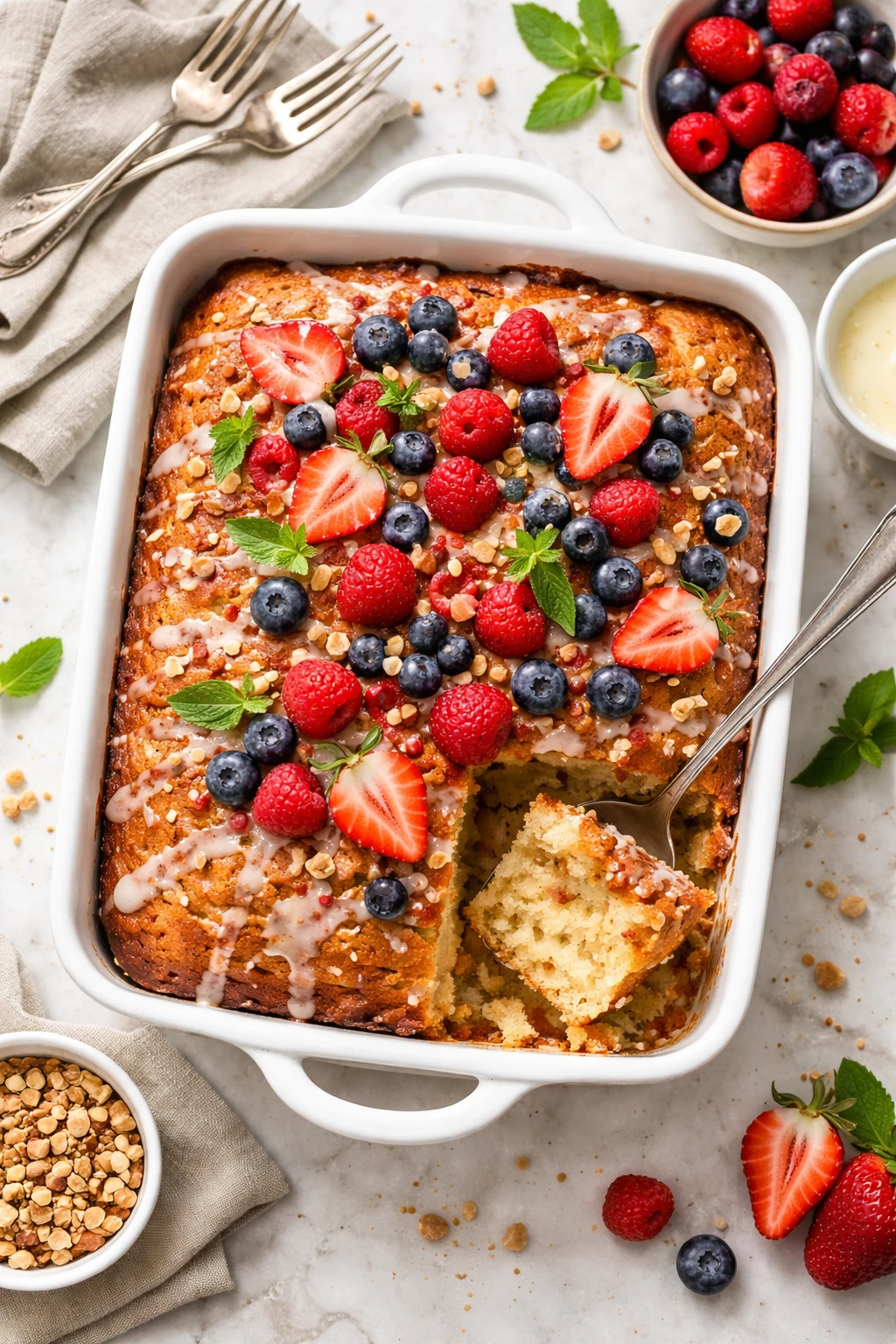
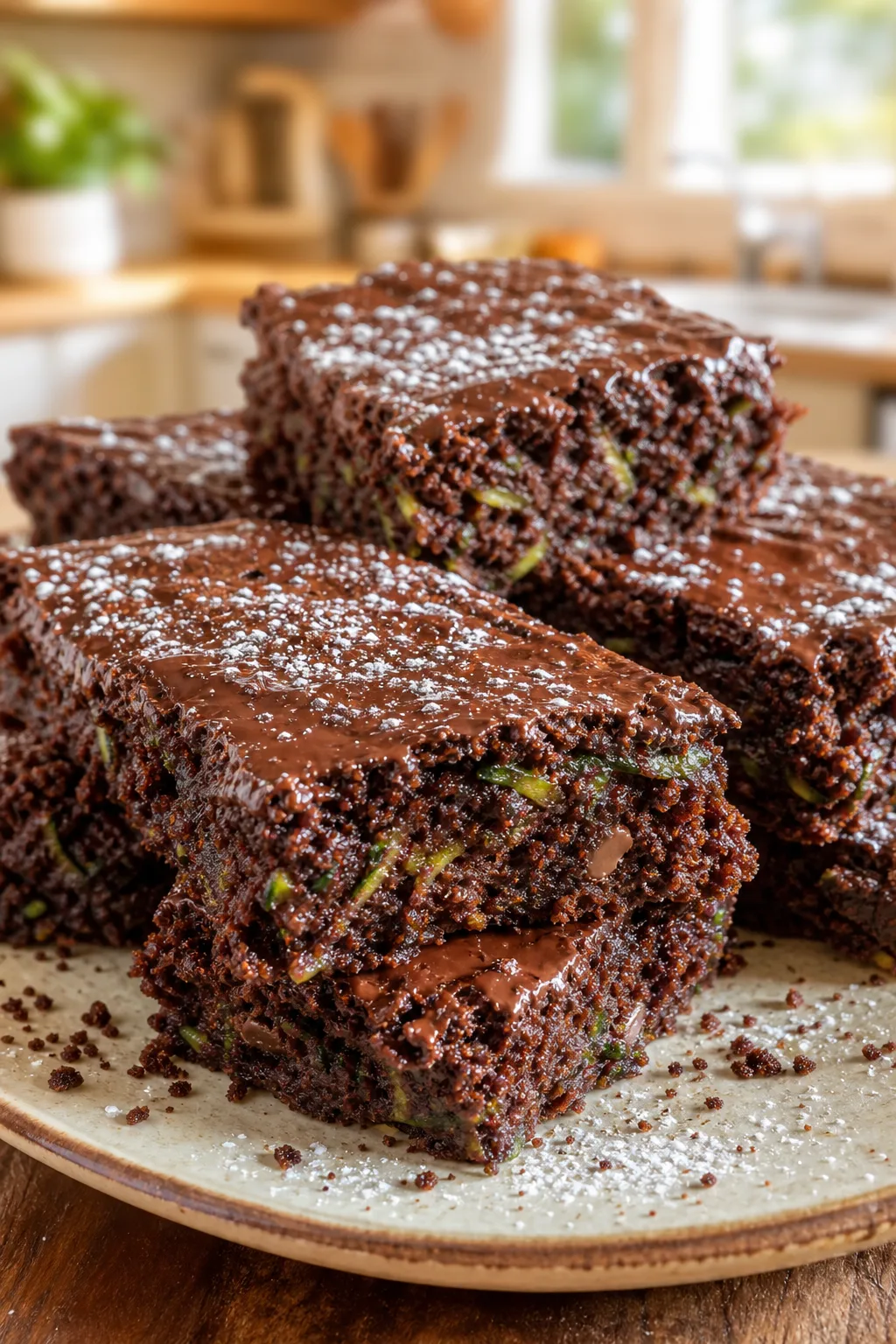
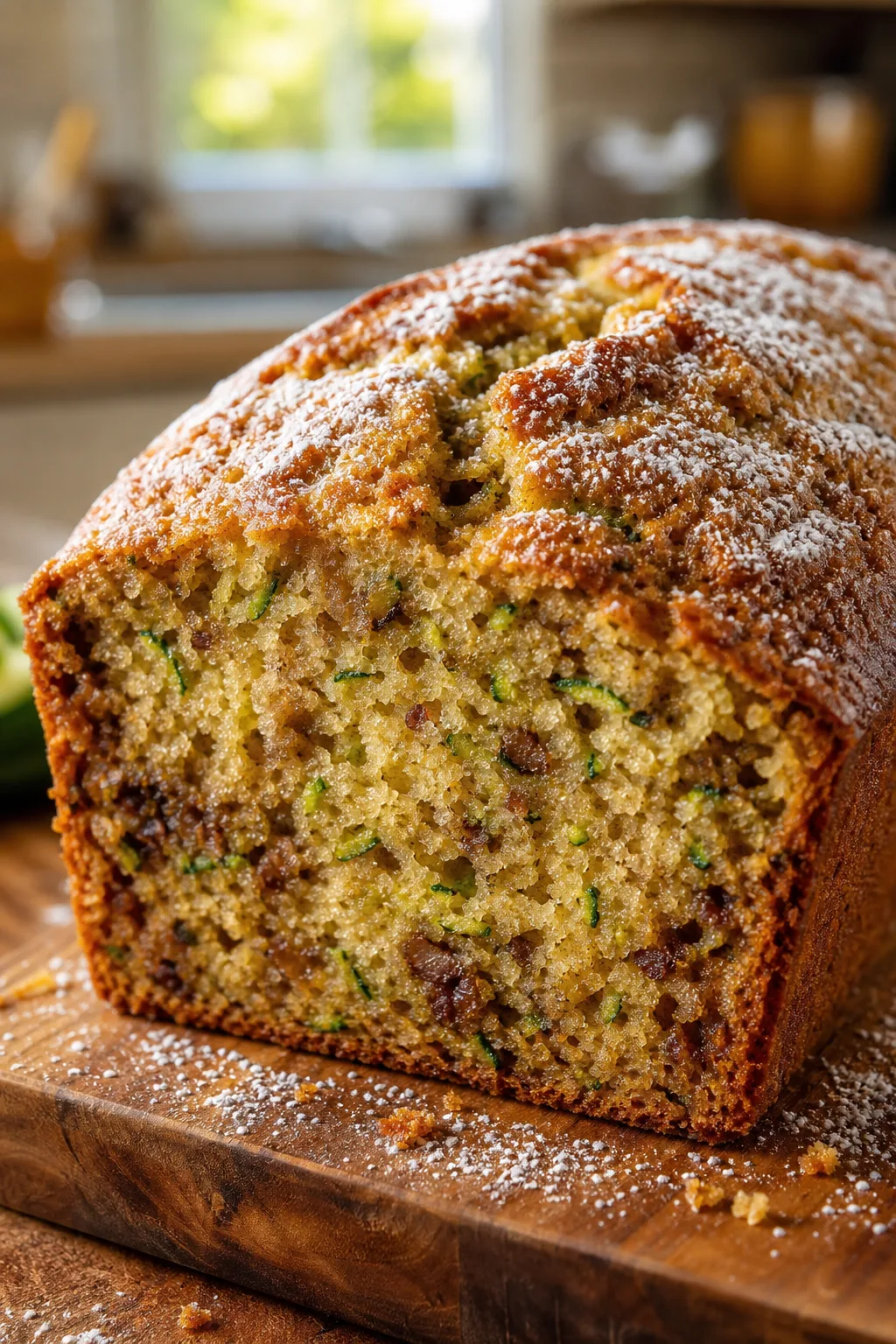
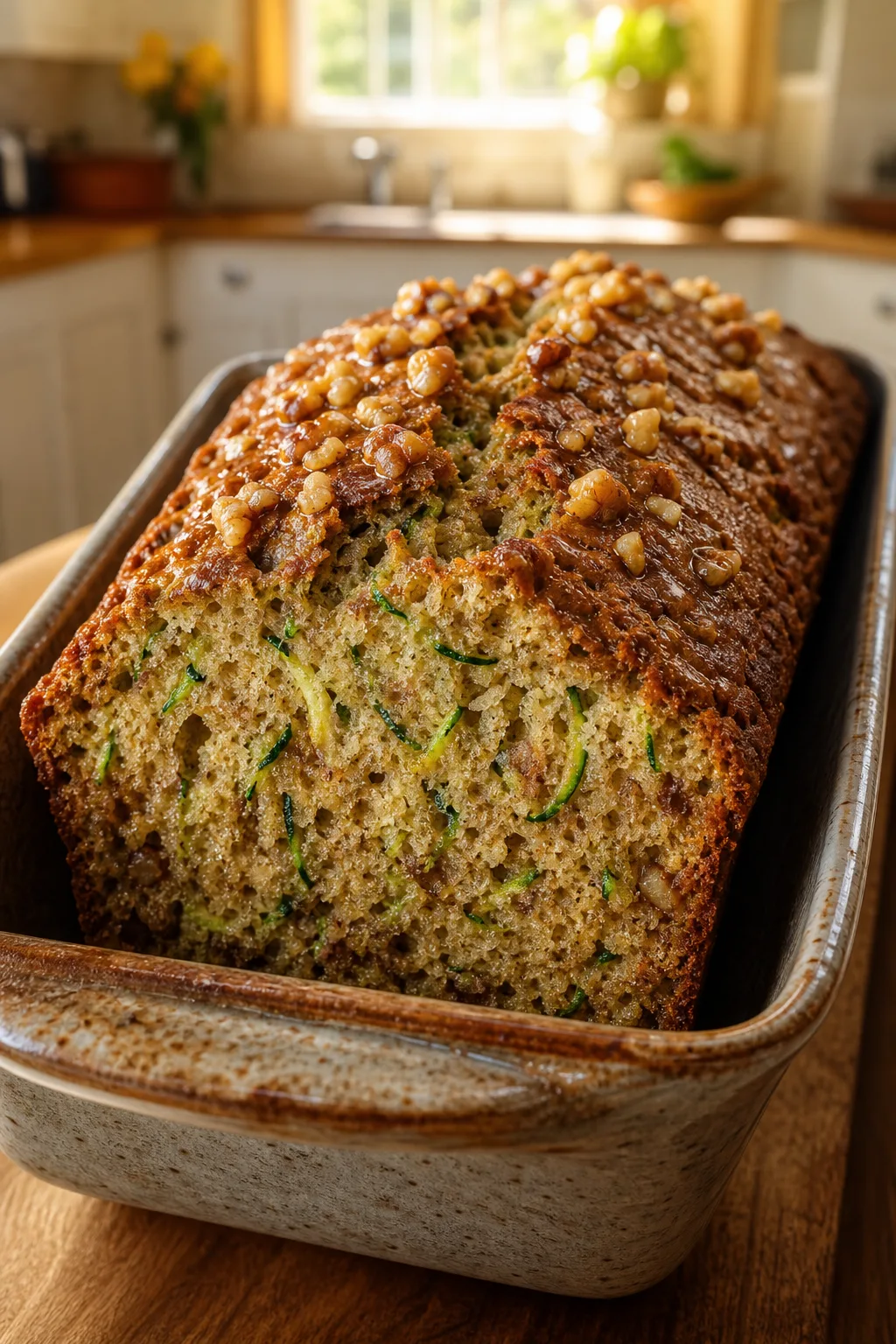
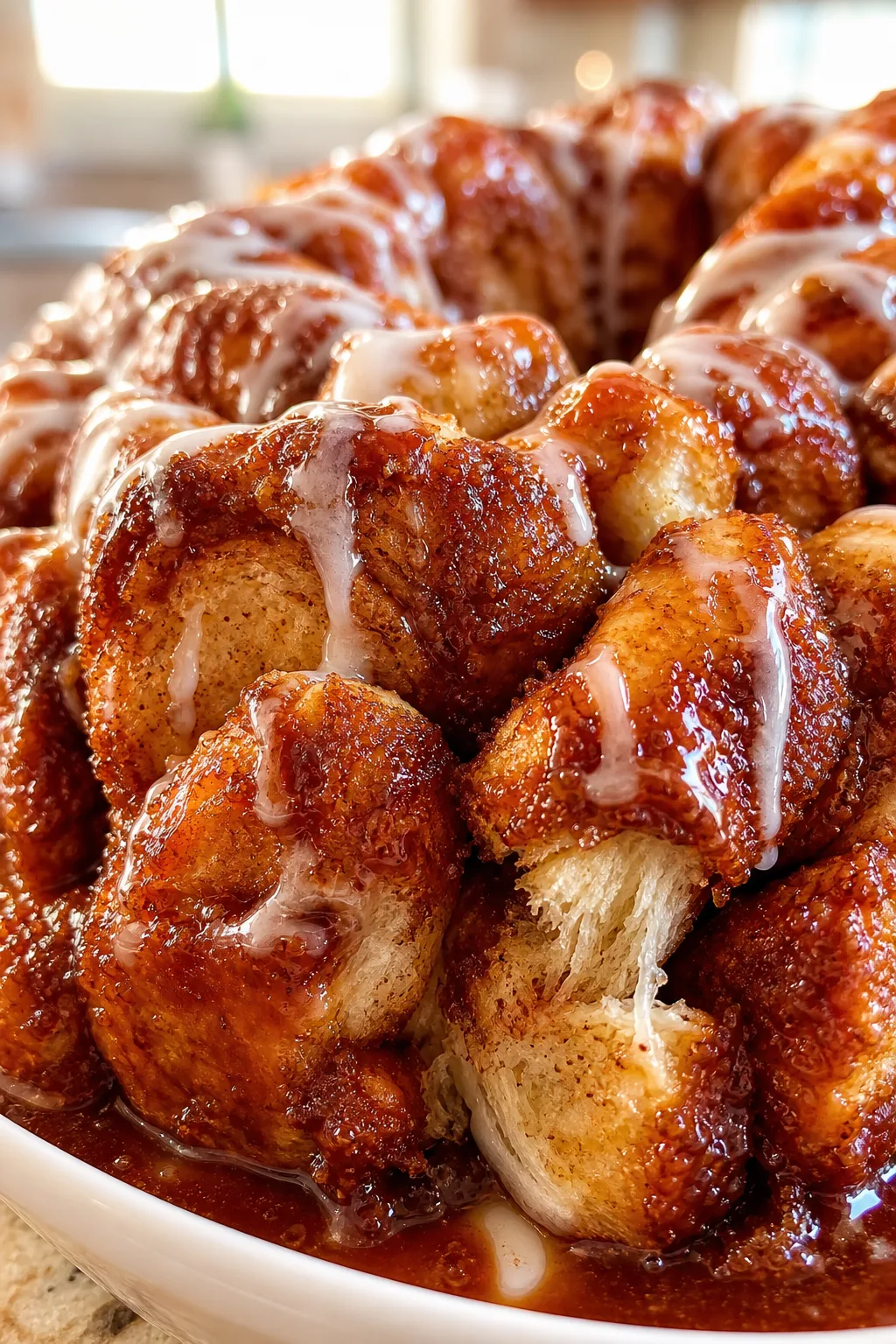
This one-dish cake is a total lifesaver when you want a quick, sweet treat without the hassle. It’s super moist and tender thanks to mixing everything in one pan. I love serving it for casual afternoons or surprise guests!
Introduction
I first stumbled upon this one-dish cake recipe on a day when I wanted something sweet but didn’t feel like hauling out all my mixing bowls. Honestly, it’s become a favorite because it’s so simple yet yields a cake that’s moist and tender every single time. What sets this version apart is the easy mixing method—everything goes into one pan, so cleanup is a breeze. I remember the first time I made it, I was worried it might be dense or uneven, but it surprised me with its light crumb and balanced sweetness. The trick I learned is to melt the butter first and mix it with the wet ingredients before combining with dry; this helps the batter come together smoothly and bake evenly. When it’s done, the cake has a golden crust and a soft, almost cloud-like texture inside. It’s perfect for those casual afternoons when you want a comforting dessert or for unexpected guests who drop by. Plus, you can easily dress it up with fresh fruit or a dusting of powdered sugar. I hope you love making it as much as I do!
What You'll Need
One 9-inch round cake, 8 servings
- 2 cups all-purpose flour, sifted
- 1 1/2 cups granulated sugar
- 1/2 cup unsalted butter, melted and slightly cooled
- 1 cup milk, room temperature
- 2 large eggs
- 2 teaspoons baking powder
- 1 teaspoon vanilla extract
- 1/2 teaspoon salt
How To Do It
Step 1
Preheat your oven to 350°F (175°C) and grease a 9-inch round cake pan with butter or non-stick spray. This step is crucial because it prevents the cake from sticking and ensures an even bake. Greasing also helps the edges brown nicely, giving the cake that perfect crust. Make sure to coat the sides and bottom thoroughly, or line the pan with parchment paper for an easier release. Skipping this can lead to a frustrating stuck cake, so take your time here.
⏱ Time: 10 minutes
✓ Doneness: Pan feels evenly coated without any bare spots; butter should look glossy and smooth
Step 2
In a large mixing bowl or directly in your cake pan, whisk together the melted butter, milk, eggs, and vanilla extract until fully combined and smooth. Mixing the wet ingredients first helps to distribute the fat evenly, which contributes to the cake’s moist texture. If the butter is too hot, it can cook the eggs, so ensure it’s just warm or room temperature. A smooth, homogenous mixture here means a tender crumb later.
⏱ Time: 5 minutes
✓ Doneness: Mixture is smooth, slightly thickened, and uniform in color without streaks
Step 3
Add the sifted flour, sugar, baking powder, and salt to the wet ingredients. Gently fold everything together with a spatula or wooden spoon until just combined. It’s important not to overmix here because overworking the batter develops gluten, making the cake tough. Look for a batter that’s thick but pourable, with no large pockets of dry flour. This gentle folding preserves the cake’s tenderness.
⏱ Time: 5 minutes
✓ Doneness: Batter is smooth with no visible flour lumps but still thick and creamy
Step 4
Pour the batter evenly into the prepared cake pan and smooth the top with a spatula. Even spreading ensures the cake bakes uniformly and rises nicely. Tap the pan lightly on the counter to release any large air bubbles, which can cause holes or uneven texture in the final cake. This step helps create a fine crumb and consistent structure.
⏱ Time: 3 minutes
✓ Doneness: Surface is level and smooth with no large bubbles
Step 5
Bake the cake in the preheated oven for about 28-32 minutes. Check doneness by inserting a toothpick into the center; it should come out clean or with a few moist crumbs but no wet batter. Oven temperatures vary, so start checking around 28 minutes to avoid drying it out. The cake should have a golden brown crust and a gentle spring when pressed lightly in the middle.
⏱ Time: 30 minutes
✓ Doneness: Golden crust with toothpick coming out clean, and cake springs back lightly to touch
Step 6
Remove the cake from the oven and let it cool in the pan on a wire rack for about 15 minutes. Cooling in the pan allows the cake to set and makes it easier to remove without breaking. If you try to unmold it while hot, it’s more fragile and likely to crumble. After 15 minutes, run a knife around the edges to loosen and invert it onto the rack for complete cooling.
⏱ Time: 15 minutes
✓ Doneness: Cake feels firm around edges and slightly warm to the touch
Step 7
Once completely cooled, dust the top with powdered sugar or frost as desired. This finishing touch adds a lovely sweetness and makes the cake look inviting. If you want to keep it simple, powdered sugar is perfect and won’t overpower the cake’s delicate flavor. For a richer option, spread a thin layer of whipped cream or glaze.
⏱ Time: 5 minutes
✓ Doneness: Even dusting or smooth frosting evenly covers the cake surface
Step 8
Slice the cake with a sharp serrated knife for clean cuts. Wipe the knife blade between slices to keep them neat and prevent crumbs from sticking. This helps maintain the cake’s tender texture and pretty presentation. Serve with fresh berries, a scoop of ice cream, or just as is with a cup of tea or coffee.
⏱ Time: 5 minutes
✓ Doneness: Clean, even slices without crumbling or tearing
Step 9
Store any leftovers covered at room temperature for up to 2 days or in the fridge for 4 days. When reheating, warm gently to keep moistness intact. Avoid overheating as it can dry the cake out. This cake is best enjoyed fresh but holds up well for a couple of days if wrapped tightly.
⏱ Time: N/A
✓ Doneness: Cake remains moist and soft after reheating or storage
Variations
Lemon Zest and Poppy Seed
Add 2 tablespoons of poppy seeds and the zest of one lemon to the batter for a fresh, bright twist. This adds texture and a subtle citrus flavor that pairs wonderfully with the moist cake base.
Note: Fold in zest and seeds gently after mixing dry and wet ingredients to avoid overworking the batter.
Chocolate Chip One-Dish Cake
Stir in 1 cup of semi-sweet chocolate chips for a richer, indulgent version. The chips melt slightly as the cake bakes, creating pockets of gooey chocolate.
Note: Toss chips in a tablespoon of flour before adding to batter to prevent sinking.
Spiced Apple Cake
Mix in 1 cup of finely chopped apples and 1 teaspoon cinnamon for a cozy, autumnal flavor. The apples add moisture and a natural sweetness to the cake.
Note: Drain apples if very juicy to avoid thinning the batter too much.
Gluten-Free Almond Flour Cake
Substitute all-purpose flour with 2 cups almond flour and reduce baking powder to 1 teaspoon. This creates a nutty, moist cake suitable for gluten-free diets.
Note: Almond flour batter is denser; expect a slightly heavier texture.
Vanilla Bean One-Dish Cake
Use the seeds from one vanilla bean pod instead of extract for a more intense vanilla flavor and lovely speckled appearance.
Note: Scrape seeds into wet ingredients and mix well to distribute flavor evenly.
Pro Tips
Always sift your dry ingredients before mixing.
Sifting aerates the flour and baking powder, helping the cake rise evenly and preventing lumps. It also ensures better incorporation with the wet ingredients, which results in a lighter, fluffier texture.
Use room temperature eggs and milk.
Cold liquids can cause the melted butter to solidify or the batter to curdle. Room temperature ingredients mix more smoothly, creating a uniform batter that bakes evenly without dense spots.
Don’t overmix after adding flour.
Mixing too much develops gluten, which makes cakes tough and chewy instead of tender. Stir just until the flour disappears for the best crumb.
Grease and flour your pan well.
Properly preparing the pan prevents sticking and ensures the cake releases cleanly, preserving its shape and texture.
Tap the pan gently before baking.
This releases large air bubbles that can cause uneven holes or cracks in the cake, resulting in a smoother crumb and better rise.
Check the cake a few minutes before the timer ends.
Ovens vary, so checking early prevents overbaking, which dries out the cake and ruins its tender texture.
Cool the cake in the pan before removing.
This lets the structure set, making it less likely to break or crumble when you remove it from the pan.
Common Mistakes to Avoid
Using cold ingredients
Why it happens Many people forget to bring eggs and milk to room temperature, assuming it won’t affect the batter.
Fix Plan ahead and take eggs and milk out 30 minutes before baking. This prevents curdling and ensures smooth batter consistency.
Overmixing the batter
Why it happens It’s tempting to mix thoroughly to avoid lumps, but this activates gluten.
Fix Mix just until the dry ingredients disappear. Use gentle folding motions to keep the batter light.
Not greasing the pan properly
Why it happens Skipping this step or doing it unevenly leads to sticking.
Fix Use butter or spray liberally, and consider dusting with flour or using parchment paper for easy release.
Baking at the wrong temperature
Why it happens Oven dials can be inaccurate or people rush preheating.
Fix Use an oven thermometer to ensure 350°F. Preheat fully before placing the cake inside.
Cutting the cake while hot
Why it happens Impatience to eat leads to slicing before the cake sets.
Fix Let the cake cool at least 15 minutes in the pan, then fully on a rack for clean slices.
Nutrition
Per Serving:
Nutritional values are estimates and may vary based on specific ingredients used.
Storage & Tips
Room Temperature
Store the cake covered loosely with foil or in a cake dome at room temperature for up to 2 days. Avoid direct sunlight or warm spots to prevent drying out or spoilage.
Refrigerator
Keep the cake in an airtight container in the fridge for up to 4 days. It may become slightly firmer; bring to room temperature or warm briefly before serving for best texture.
Freezer
Wrap the cake tightly in plastic wrap and then foil to freeze for up to 2 months. Thaw overnight in the fridge or at room temperature. Reheat gently to restore softness.
Reheating
Warm slices in the microwave for 15-20 seconds or in a low oven (300°F) for 5-7 minutes. Adding a small dab of butter or a splash of milk before warming helps maintain moisture.
Make Ahead
You can prepare the batter a few hours ahead and keep it covered in the fridge. Bake fresh when ready to serve for best rise and texture. Alternatively, bake the cake a day in advance and store wrapped tightly.
FAQ
Can I use oil instead of butter in this recipe?
Yes, you can substitute melted butter with an equal amount of vegetable or canola oil. Oil keeps the cake moist but the flavor will be less rich. Butter adds a subtle buttery taste and helps with the cake’s structure, so if using oil, consider adding a bit more vanilla extract for flavor.
My cake came out dense and heavy. What went wrong?
Dense cake often results from overmixing the batter or using expired baking powder. Overmixing develops gluten, making the cake tough. Also, make sure your baking powder is fresh to ensure proper rise. Follow the mixing instructions carefully and check your leavening agent’s expiration date.
Can I make this cake gluten-free?
Absolutely! You can try substituting all-purpose flour with a gluten-free flour blend or almond flour. Note that texture and rise may vary slightly. Almond flour gives a moist, nutty cake but it’s denser. Adjust baking powder slightly and monitor baking time.
How do I know when the cake is done baking?
Insert a toothpick or cake tester into the center of the cake. If it comes out clean or with a few moist crumbs, the cake is done. The top should be golden and spring back lightly when pressed. Avoid opening the oven too early to prevent sinking.
Can I add fruit or nuts to this cake?
Yes! Adding chopped nuts, chocolate chips, or fruit like apples or berries works well. Toss additions in a little flour before folding them into the batter to prevent sinking. Adjust baking time slightly if adding moist ingredients.
Why is it important to use room temperature ingredients?
Room temperature eggs and milk mix more evenly with melted butter, creating a smooth batter. Cold ingredients can cause the butter to solidify or curdle the mixture, resulting in uneven texture or lumps in the cake.
Can I bake this cake in a different pan shape?
Yes, you can use a square or rectangular pan. Adjust baking time accordingly; thinner cakes bake faster. Start checking for doneness a few minutes earlier to avoid overbaking.
How should I store leftover cake?
Wrap leftovers tightly in plastic wrap or store in an airtight container at room temperature for up to 2 days. For longer storage, refrigerate or freeze as described. Reheat gently before serving to restore moisture.
Final Thoughts
Give this one-dish cake a try—you’ll love how easy and delicious it is! Don’t forget to share your baking wins and tweaks with me.