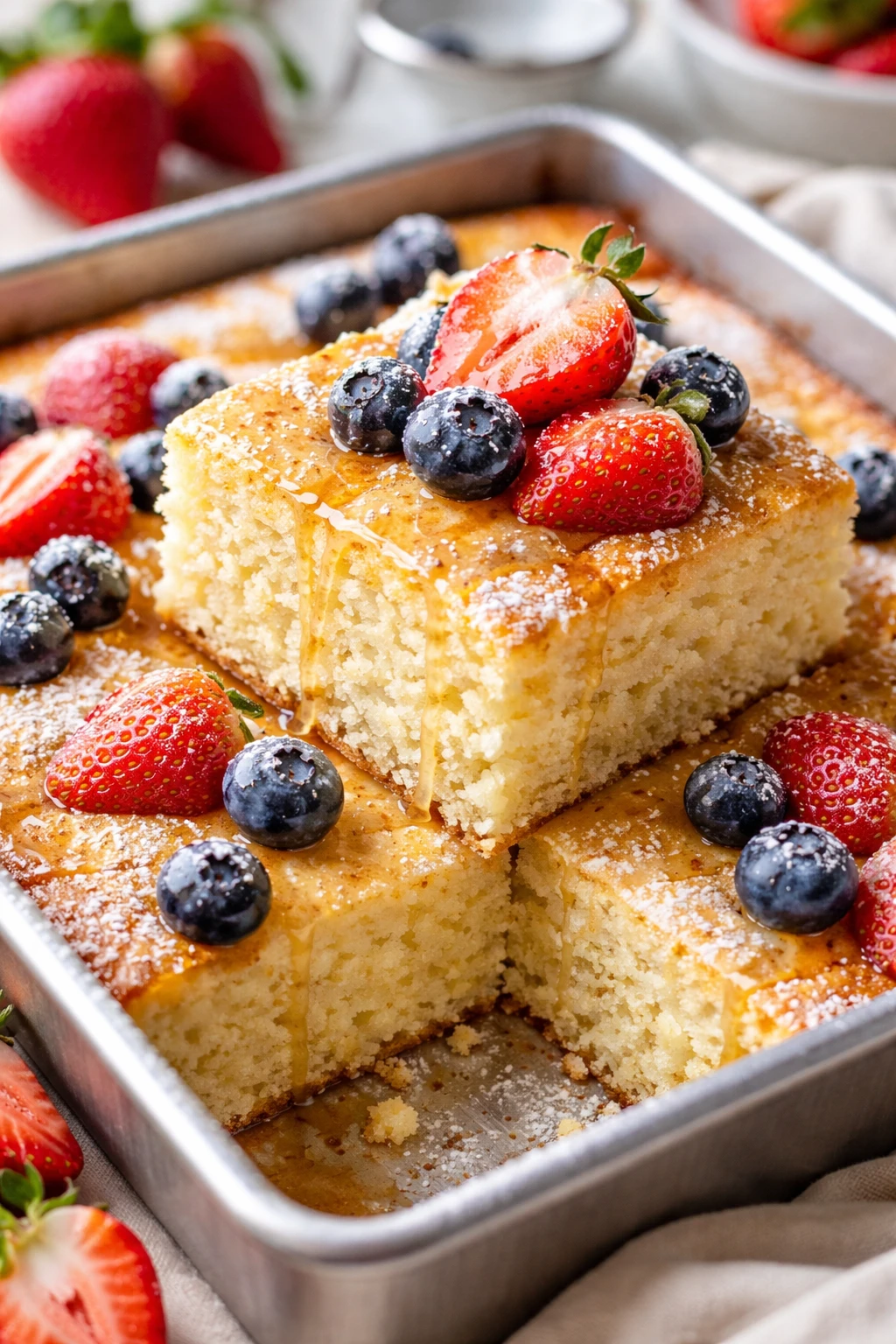
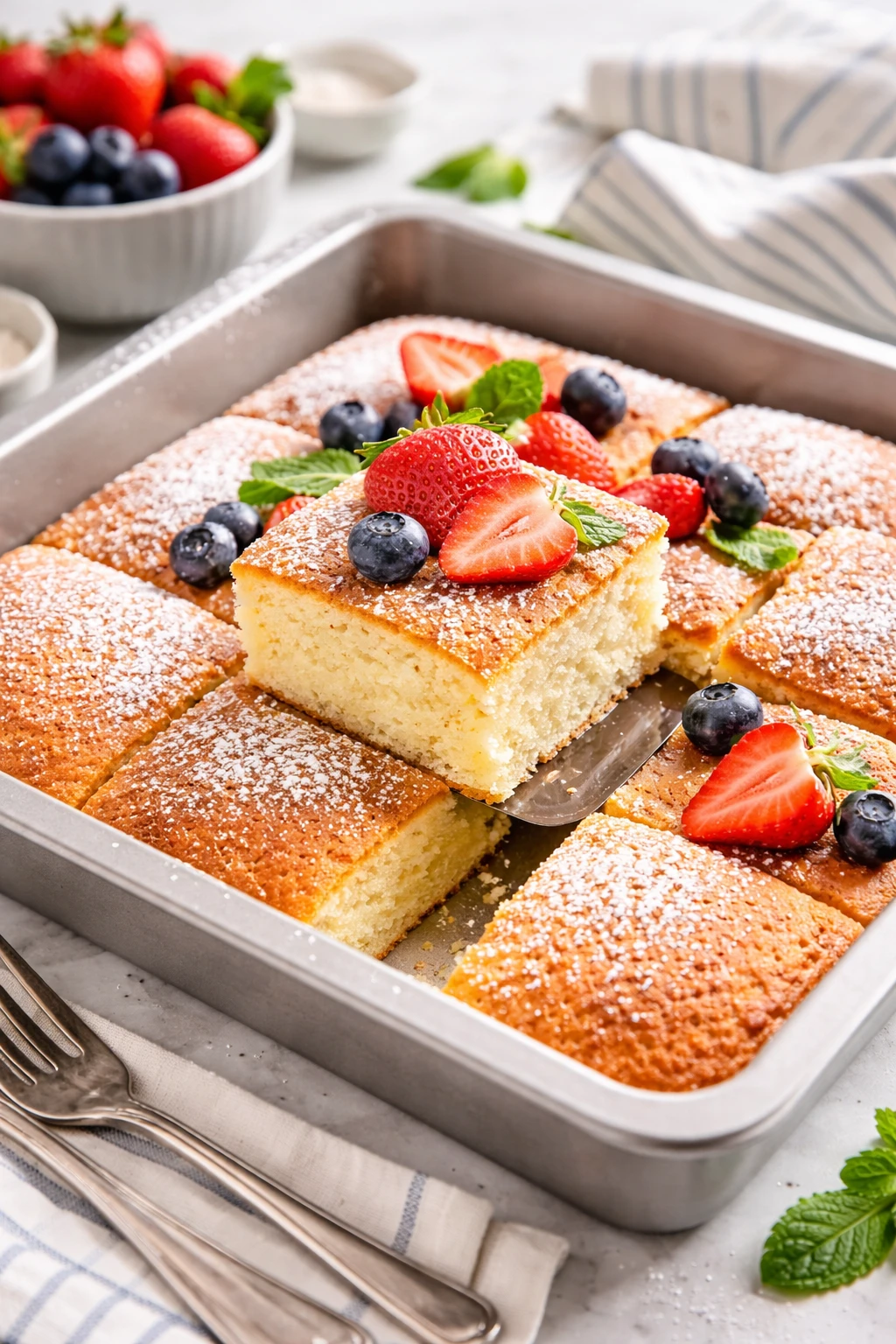
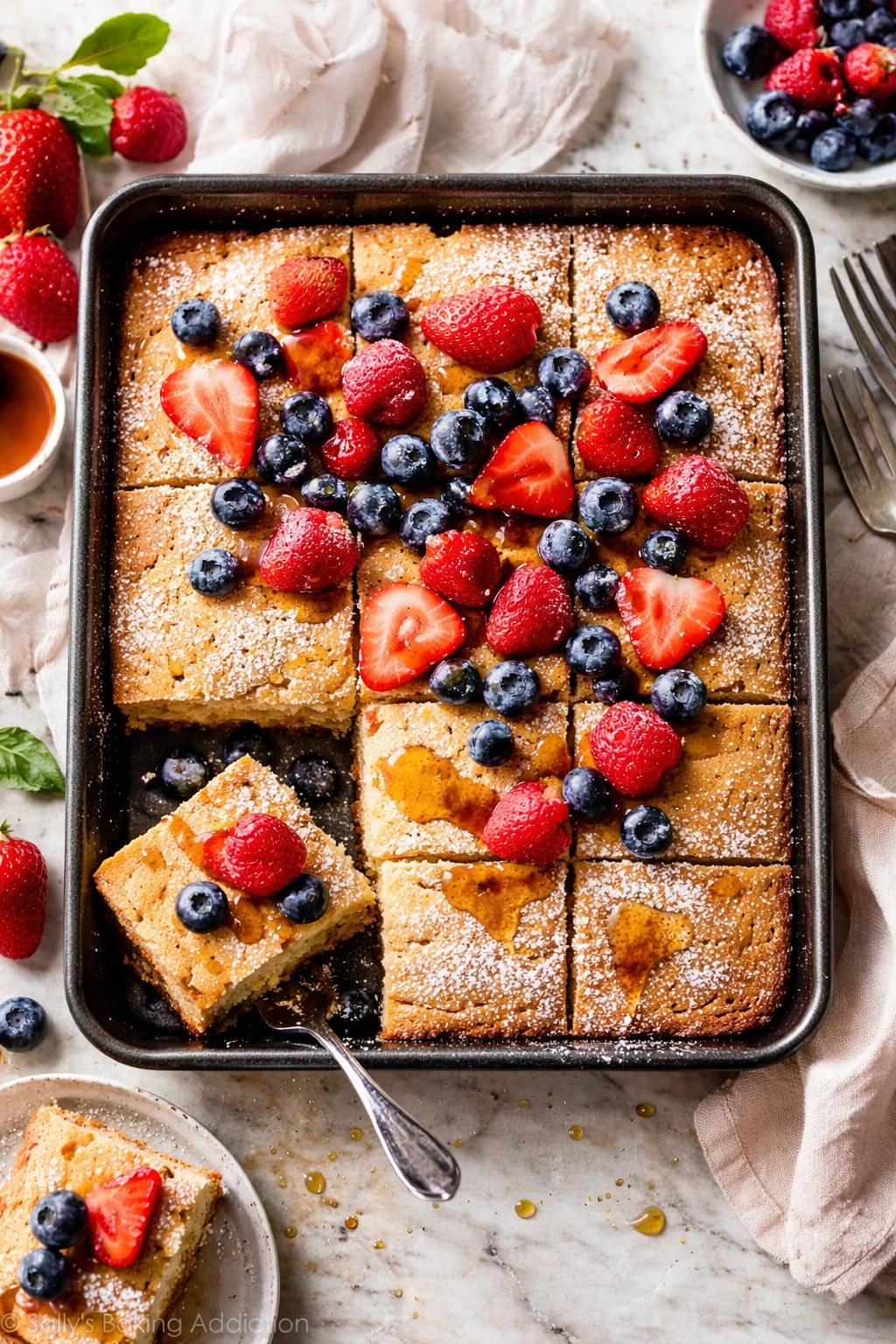
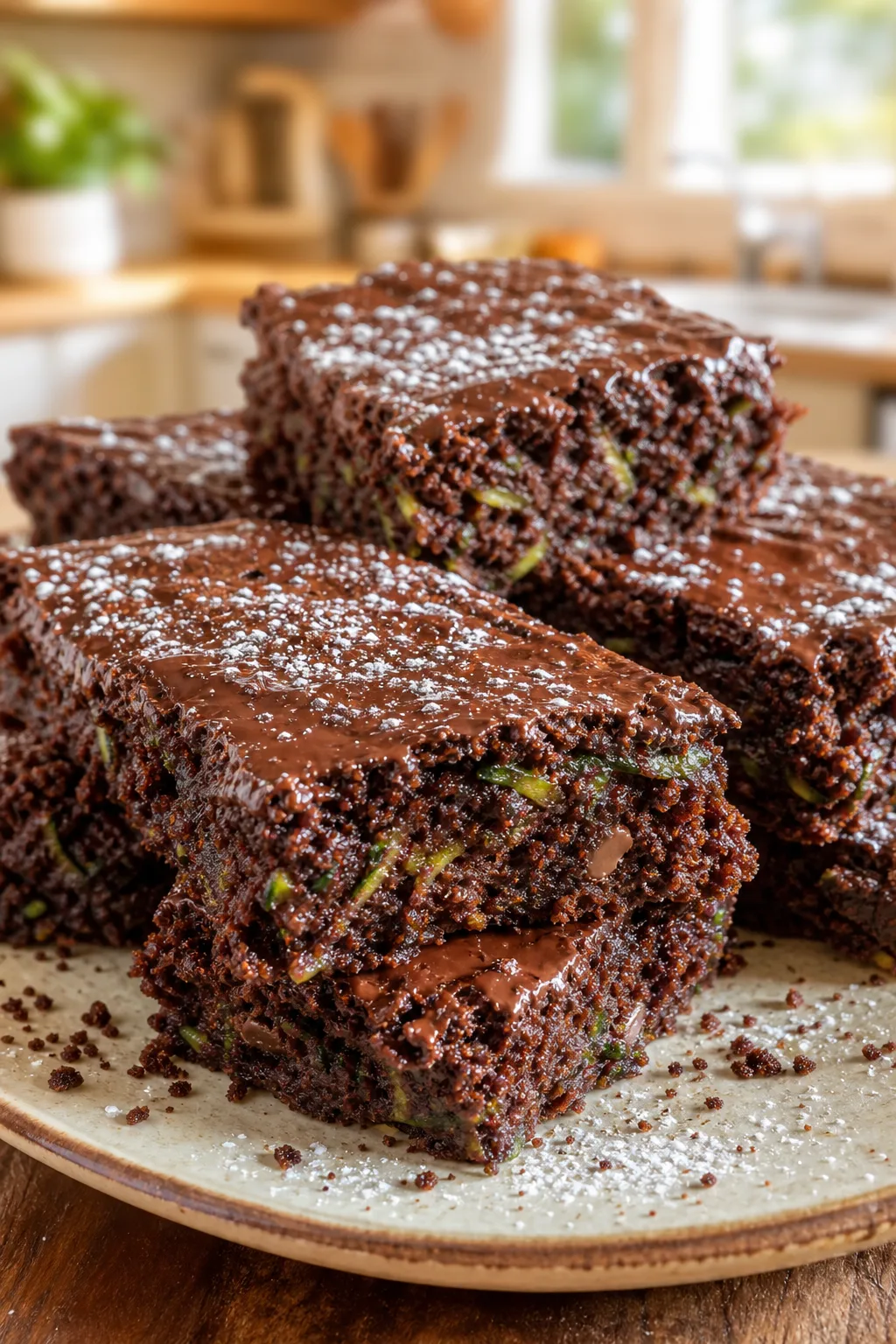
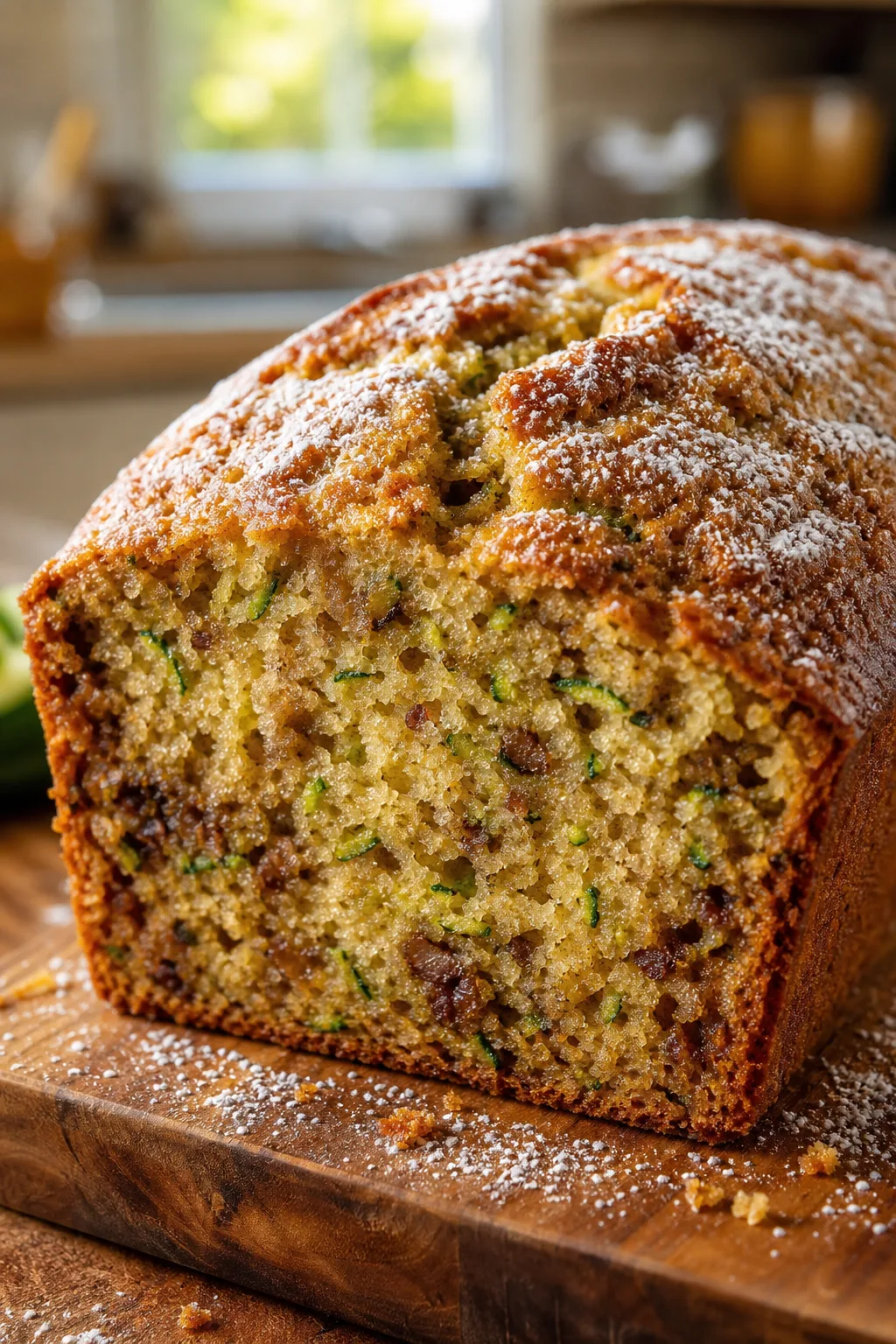
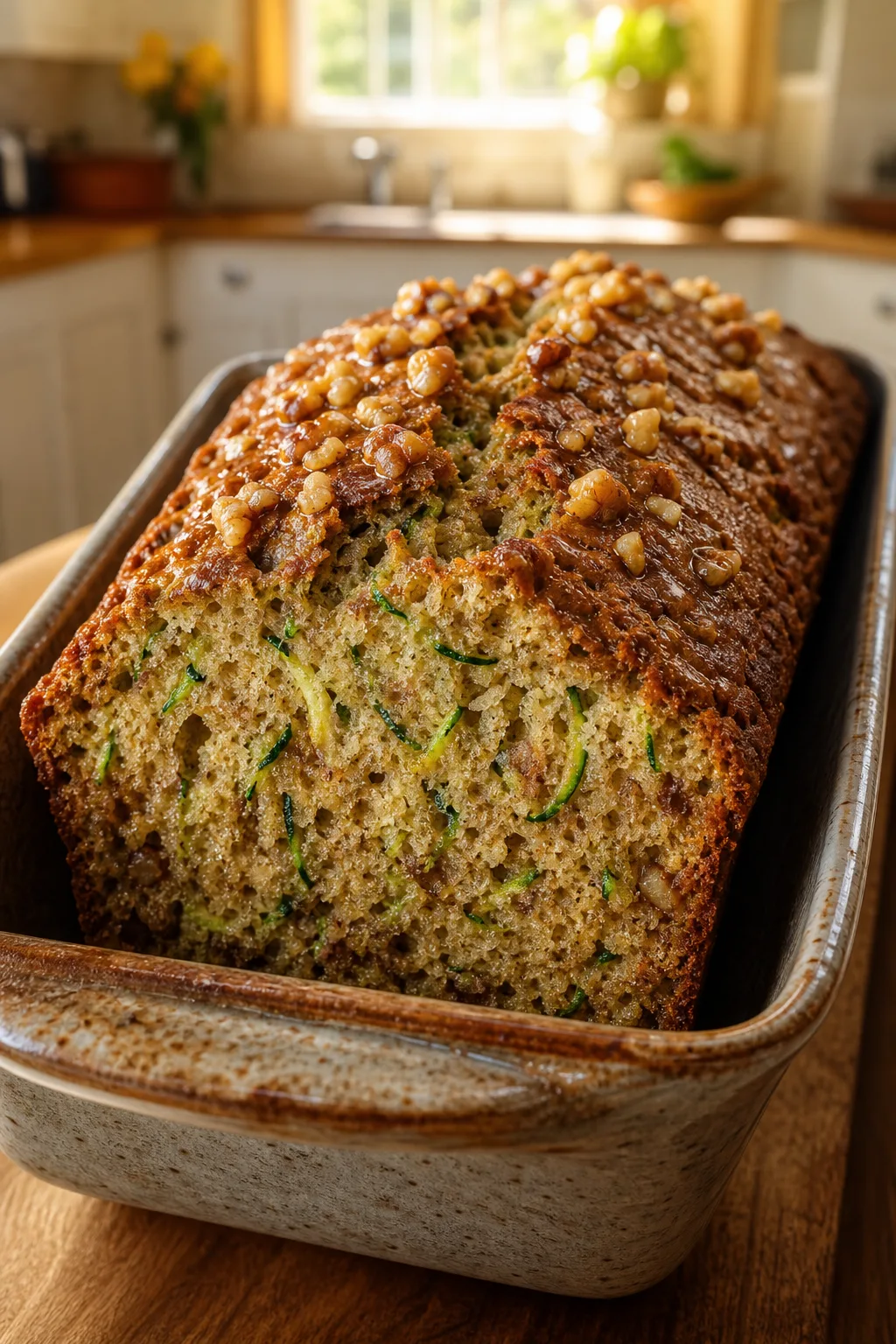
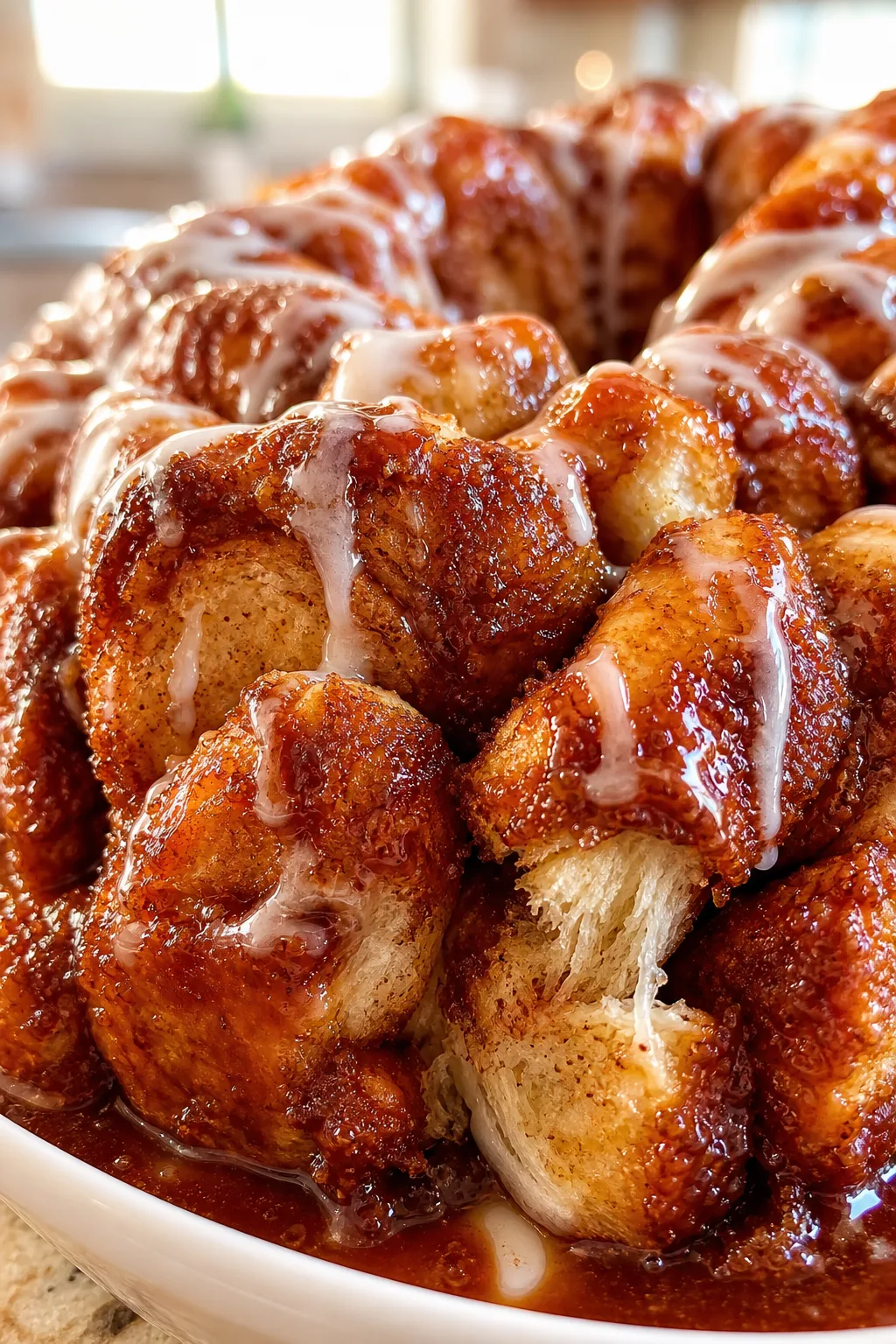
If you're craving a simple dessert that’s fluffy inside with a golden crust, this one pan cake is your new best friend. The secret is cooking it all in one skillet—no extra dishes, just pure comfort. Great for casual weekends or last-minute sweet fixes!
Introduction
I stumbled upon this one pan skillet cake when I was desperate for a quick dessert but didn't want to face a pile of dishes afterward. The idea of mixing everything in one skillet and baking it right there felt like a game changer. I've tried countless cake recipes before, but they often left me with dry edges or soggy centers. This version nails both—a golden crust with a soft, fluffy inside every time. The trick I learned is to melt the butter first and mix it with sugar before adding the eggs and dry ingredients. It helps create that perfect tender crumb. Plus, cooking it entirely in a skillet means the heat distributes evenly, giving a lovely crust without overbaking the middle. The finished cake is lightly sweet, with a buttery aroma and a texture that’s just right—not too dense, not too airy. It’s become my go-to for casual weekend treats or when unexpected guests drop by. Honestly, it’s so simple yet feels special, and I love that it requires almost no cleanup. You’ll enjoy every bite and the ease of making it, trust me!
What You'll Need
One 8-inch skillet cake, 4 servings
- 1 cup all-purpose flour, sifted
- 3/4 cup granulated sugar
- 1/2 cup unsalted butter, melted
- 2 large eggs
- 1/2 cup whole milk
- 1 teaspoon vanilla extract
- 1 teaspoon baking powder
- 1/4 teaspoon salt
How To Do It
Step 1
Start by melting the butter gently in a medium-sized skillet over low heat. Once melted, remove from heat and whisk in the granulated sugar until well combined. This step helps dissolve the sugar slightly, which contributes to a tender crumb and even browning later. Avoid overheating the butter to prevent it from browning or burning, as that would affect the cake’s flavor. Mixing these two first also ensures you don’t end up with grainy sugar pockets in your cake.
⏱ Time: 5 minutes
✓ Doneness: Butter is fully melted and sugar looks evenly mixed with no graininess
Step 2
Add the eggs one at a time, beating well after each addition to incorporate air and create a smooth batter. Then stir in the vanilla extract for that warm, inviting aroma. This step is crucial because eggs provide structure and moisture; beating them properly helps the cake rise and stay fluffy. If you rush or skip beating, the texture might turn dense or uneven.
⏱ Time: 3 minutes
✓ Doneness: Batter is smooth, slightly thickened, and glossy with no streaks of egg whites
Step 3
In a separate bowl, whisk together the sifted flour, baking powder, and salt. Sifting aerates the flour, which contributes to a lighter cake texture. It also helps distribute the baking powder evenly to ensure consistent rising. Be careful not to skip this step; skipping sifting can lead to lumps or uneven texture in your cake.
⏱ Time: 3 minutes
✓ Doneness: Dry ingredients are well combined and light in texture
Step 4
Gradually add the dry ingredients to the wet mixture in the skillet, stirring gently with a spatula. Alternate adding the milk in thirds to keep the batter smooth and prevent it from becoming too thick or lumpy. Mixing gently avoids developing gluten, which can make the cake tough. Overmixing is a common mistake here, so stop stirring as soon as everything is combined.
⏱ Time: 4 minutes
✓ Doneness: Batter is smooth, thick but pourable, with no dry patches or lumps
Step 5
Preheat your oven to 350°F (175°C). Place the skillet with the batter into the oven. Baking in the skillet allows the edges to form a nice golden crust while the center stays tender. It also means the heat surrounds the batter evenly. Avoid opening the oven door frequently to prevent temperature drops that can cause uneven baking or sinking.
⏱ Time: 30 minutes
✓ Doneness: Top is golden brown and a toothpick inserted in the center comes out clean
Step 6
Once baked, remove the skillet from the oven and let the cake cool for 10-15 minutes before serving. Cooling allows the cake to set, making it easier to slice and helping the flavors to develop fully. Cutting too soon may cause the cake to fall apart or seem gummy.
⏱ Time: 15 minutes
✓ Doneness: Cake feels firm to the touch and edges pull slightly away from skillet
Step 7
To serve, you can enjoy the cake warm or at room temperature. For an extra touch, try topping it with fresh berries, whipped cream, or a drizzle of honey. These add-ons complement the buttery, slightly sweet cake without overpowering it. I usually like it plain to savor the simple flavors, but it’s fun to experiment!
⏱ Time: 0 minutes
✓ Doneness: Cake slices hold shape and toppings enhance flavor without sogginess
Step 8
If you want to store leftovers, cover the skillet tightly with plastic wrap or transfer the cake to an airtight container. This prevents it from drying out and keeps it fresh for the next day. Proper storage is key to maintaining the cake’s moist texture.
⏱ Time: 0 minutes
✓ Doneness: Cake stays moist and soft after storage
Step 9
For reheating, warm individual slices gently in the microwave or oven to revive softness. Adding a tiny splash of milk or butter before warming can help restore moisture. Avoid overheating, which can dry out the cake and toughen the texture.
⏱ Time: 3-5 minutes
✓ Doneness: Cake is warm, soft, and smells fresh without becoming dry
Variations
Lemon Blueberry Skillet Cake
Add 1 tablespoon lemon zest and fold in 1 cup fresh blueberries into the batter before baking. The citrus brightness pairs beautifully with the sweet berries for a fresh twist.
Note: Blueberries add moisture, so reduce milk slightly if batter feels too loose. Bake time may increase by 2-3 minutes.
Chocolate Chip Skillet Cake
Stir in 3/4 cup semi-sweet chocolate chips to the batter for a melty, rich surprise. Great for chocolate lovers and easy to customize with nuts or dried fruit.
Note: Chocolate chips can sink; toss them lightly in flour before folding into batter to help them stay suspended.
Spiced Cinnamon Skillet Cake
Add 1 teaspoon cinnamon and 1/4 teaspoon nutmeg to the dry ingredients for a warm, cozy flavor. Perfect for fall or winter desserts with a comforting aroma.
Note: Spices don’t affect baking time but enhance flavor complexity. Adjust amount based on personal preference.
Gluten-Free Skillet Cake
Replace all-purpose flour with a gluten-free baking blend. This keeps the cake tender and soft while making it safe for gluten-sensitive guests.
Note: Make sure your gluten-free blend contains xanthan gum or add 1/4 teaspoon to help with structure and rise.
Vegan Skillet Cake
Use flax eggs (1 tablespoon flaxseed meal + 3 tablespoons water per egg) and substitute milk with almond or oat milk. Use coconut oil instead of butter for a plant-based treat.
Note: Vegan substitutions may slightly change texture; bake until a toothpick comes out clean, possibly adding 2-3 more minutes.
Pro Tips
Use room temperature eggs for better mixing.
Eggs at room temperature blend more uniformly into the batter, helping trap air which leads to a lighter, fluffier cake. Cold eggs can cause the butter to seize or batter to curdle, affecting texture.
Don’t overmix the batter once flour is added.
Overmixing develops gluten, making the cake tough and dense instead of tender. Stir just until the dry ingredients are incorporated to keep the crumb soft.
Preheat your oven fully before baking.
Proper oven temperature ensures the cake rises evenly and develops a golden crust. Baking in a cold or unevenly heated oven can cause the cake to bake unevenly or sink.
Use a heavy skillet like cast iron for even heat distribution.
Heavy skillets retain and distribute heat evenly, preventing hot spots. This produces the perfect crust while keeping the center moist and fluffy.
Let the cake cool before slicing.
Cooling allows the cake’s structure to set, making it easier to cut and improving texture. Cutting too soon can cause it to crumble or be gummy.
Sift your dry ingredients before mixing.
Sifting aerates the flour and baking powder, which helps the cake rise better and ensures an even texture without lumps.
Resist opening the oven door during baking.
Opening the door lets out heat, causing temperature fluctuations that can make the cake sink or bake unevenly. Wait until near the end of baking to check.
Common Mistakes to Avoid
Overmixing the batter after adding flour
Why it happens Many cooks think mixing longer ensures better incorporation, but this actually develops gluten, leading to a tough cake.
Fix Mix just until you no longer see dry flour. Use gentle folding motions to combine ingredients without overworking the batter.
Using cold eggs straight from the fridge
Why it happens Cold eggs don’t blend well with warm butter and sugar, causing the batter to curdle or not incorporate evenly.
Fix Bring eggs to room temperature by leaving them out for 30 minutes before starting the recipe.
Skipping the sifting of dry ingredients
Why it happens Skipping sifting can leave lumps or uneven distribution of leavening agents, resulting in uneven texture or poor rise.
Fix Always sift flour, baking powder, and salt together before adding to the wet ingredients.
Opening the oven door frequently during baking
Why it happens Curiosity or impatience leads to opening the door, which drops oven temperature and interrupts rising.
Fix Set a timer and resist checking until the final 5 minutes of baking for best results.
Not letting the cake cool before slicing
Why it happens Cutting too soon causes the cake to crumble or appear gummy as it hasn’t set properly.
Fix Allow the cake to cool in the skillet for at least 15 minutes before slicing carefully.
Nutrition
Per Serving:
Nutritional values are estimates and may vary based on specific ingredients used.
Storage & Tips
Room Temperature
The cake can safely sit at room temperature for up to 4 hours if covered loosely with foil or a clean kitchen towel. Beyond that, it risks drying out or attracting bacteria, so refrigeration is recommended for longer storage.
Refrigerator
Store the cooled cake in an airtight container or cover the skillet tightly with plastic wrap. It keeps well for up to 3 days. The texture may firm up a bit when cold, so reheat gently before serving to bring back softness.
Freezer
Wrap the cooled cake tightly in plastic wrap and then foil to prevent freezer burn. It can be frozen for up to 2 months. Thaw overnight in the refrigerator before reheating gently in the oven or microwave.
Reheating
Warm individual slices in the microwave for 15-20 seconds or in a 300°F oven for 5-7 minutes. Adding a small pat of butter or a splash of milk before reheating helps restore moisture. Avoid overheating which can dry out the cake.
Make Ahead
You can prepare the batter a few hours ahead and keep it refrigerated in the skillet covered tightly with plastic wrap. Bring it to room temperature before baking. Alternatively, bake the cake a day ahead and reheat slices when ready to serve.
FAQ
Can I use a different type of flour?
Yes, you can substitute with gluten-free flour blends if you need a gluten-free option, but make sure the blend includes xanthan gum or add some separately to maintain structure. Whole wheat flour can be used but expect a denser texture and slightly nuttier flavor.
What if I don’t have a skillet, can I use a regular cake pan?
Absolutely! A regular 8-inch round cake pan works fine. The crust won’t be quite the same as a skillet’s, but the cake will still be delicious. Just grease the pan well and monitor baking time closely.
Why is my cake dense or heavy?
This often happens from overmixing the batter after adding flour, which develops gluten and makes the cake tough. Also, ensure your baking powder is fresh, as old leavening won’t provide enough lift.
Can I add fruit or nuts to the batter?
Yes! Fresh or frozen fruit and nuts can be folded in, but be mindful of moisture content. Too much fruit can make the cake soggy, so adjust liquid ingredients accordingly and possibly increase baking time.
How do I prevent the cake from sticking to the skillet?
Make sure to grease the skillet generously with butter or nonstick spray before adding the batter. Using a well-seasoned cast iron skillet also helps. Letting the cake cool before removing reduces sticking.
Can I make this cake dairy-free?
Yes, swap butter for coconut oil or a dairy-free margarine, and use almond, soy, or oat milk instead of cow’s milk. The texture might be slightly different but still tasty.
Is it okay to use salted butter?
You can, but reduce or omit the added salt in the recipe to avoid an overly salty taste. Unsalted butter gives you better control over seasoning.
How do I know when the cake is done baking?
The best test is a toothpick inserted in the center coming out clean or with just a few moist crumbs. The top should be golden brown and spring back slightly when touched.
Final Thoughts
I hope you enjoy making this one pan skillet cake as much as I do—it's simple, comforting, and delicious. Let me know how yours turns out!