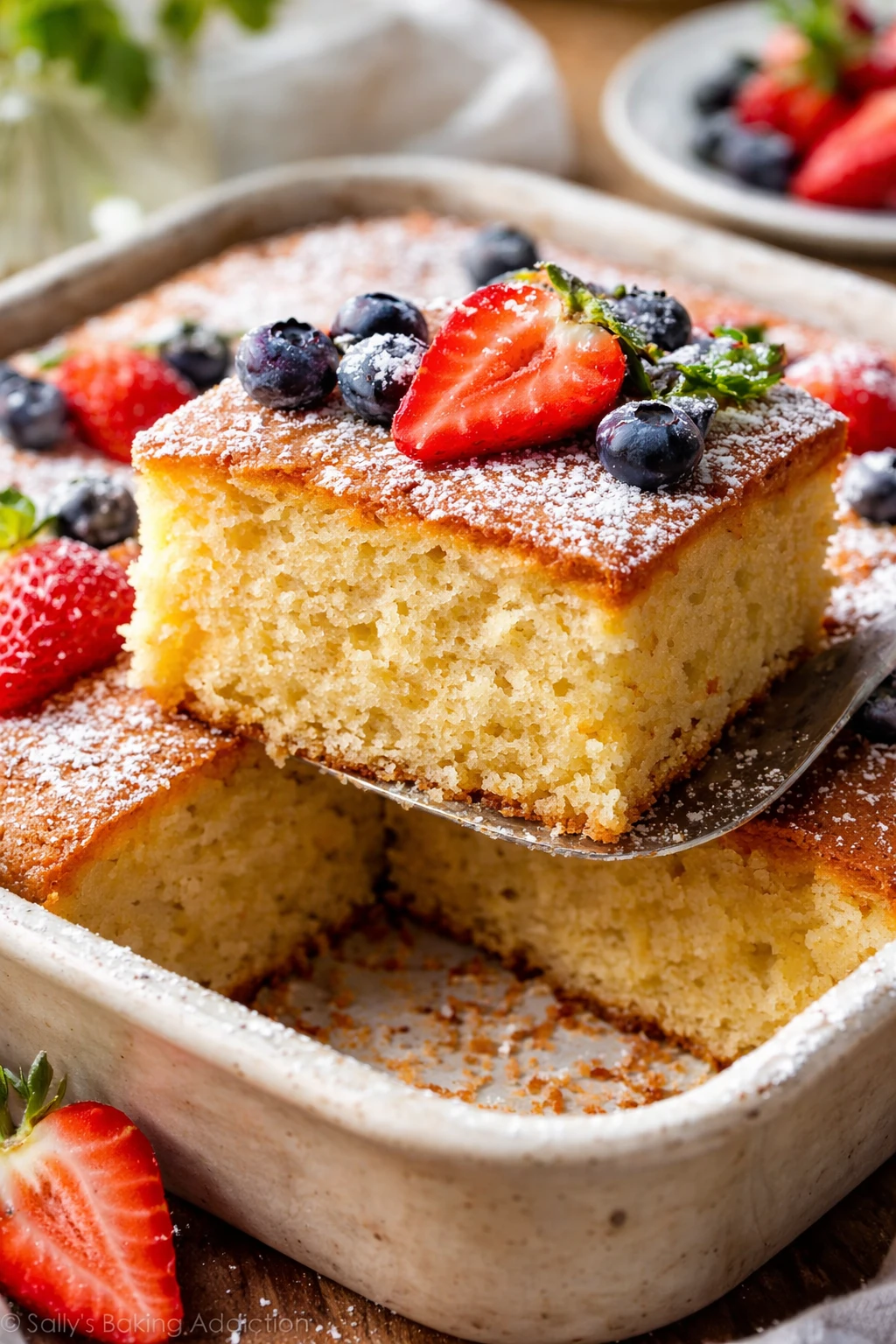
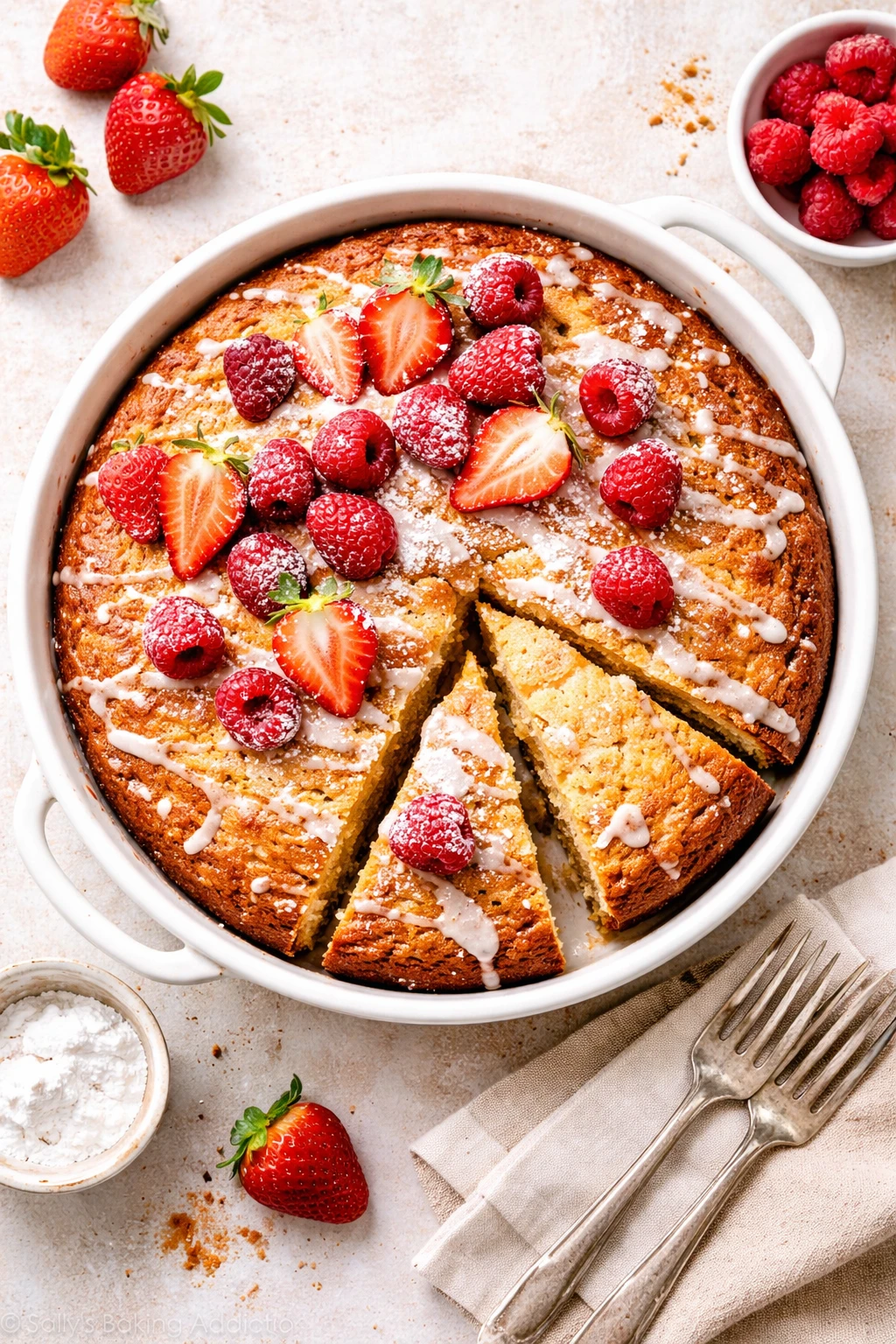
This one-pot vanilla cake is my go-to when life gets hectic. It’s super moist and comes together in one pan using simple pantry staples. Great for afternoon tea or any time you want a fuss-free treat!
Introduction
I first stumbled upon this one-pot vanilla cake recipe when I needed a quick dessert that wouldn’t leave me with a mountain of dishes to wash. I’ve tried many vanilla cakes before, but most involved multiple bowls and steps, which I often found daunting on busy evenings. This recipe, however, combines everything in one pan, making cleanup a breeze. What sets this cake apart for me is the way the butter and sugar are creamed together directly in the cake pan, which helps create a wonderfully moist crumb without fuss. I also love that it uses simple pantry staples I always have on hand, so it’s ready whenever the craving hits. The finished cake has a tender, soft texture with a delicate vanilla aroma that fills the kitchen. It’s perfect for afternoon tea or as a simple dessert after dinner. Honestly, the first time I made it, I was worried it wouldn’t rise well or taste good without the usual mixing bowls, but it turned out beautifully. Now it’s a staple in my baking rotation, especially when time is short but I still want something homemade and comforting.
What You'll Need
One 8-inch round cake, 8 servings
- 225g self-raising flour, sifted
- 225g caster sugar
- 225g unsalted butter, softened
- 4 large eggs
- 2 tsp vanilla extract
- 2 tbsp milk
How To Do It
Step 1
Preheat your oven to 180°C (350°F) and grease an 8-inch round cake pan with butter or line it with parchment paper. This step is crucial because a well-greased pan ensures the cake releases easily after baking, preventing any sticking that could ruin your presentation. Also, preheating the oven allows the cake to bake evenly from the start, which helps with proper rising and texture.
⏱ Time: 10 minutes
✓ Doneness: Oven fully preheated and pan ready with no dry spots
Step 2
In the cake pan itself, add the softened butter and caster sugar. Using a wooden spoon or spatula, cream them together directly in the pan until the mixture is pale and fluffy. This technique saves you from dirtying extra bowls and helps incorporate air into the mixture, which is essential for a light texture. Be patient here; rushing this step can lead to a denser cake.
⏱ Time: 5 minutes
✓ Doneness: Butter and sugar mixture looks creamy, lighter in color, and slightly fluffy
Step 3
Crack the eggs into a small bowl to check for freshness and then add them one at a time to the creamed butter and sugar, mixing well after each addition. This gradual mixing helps the eggs emulsify properly with the fat, creating a smooth batter. If you add eggs too quickly or all at once, the batter might split or curdle, resulting in a less tender crumb.
⏱ Time: 5 minutes
✓ Doneness: Batter is smooth and glossy without any lumps or curdling
Step 4
Stir in the vanilla extract and milk to the batter in the pan. These liquids add moisture and flavor, with the milk helping to loosen the batter slightly for a better rise. Make sure to mix gently but thoroughly, so everything is evenly combined without overworking the batter, which can make the cake tough.
⏱ Time: 2 minutes
✓ Doneness: Batter is combined with no streaks of liquid or pockets of vanilla
Step 5
Sift the self-raising flour directly over the wet ingredients in the pan to avoid lumps. Using a spatula, fold the flour gently into the batter in a few additions. This folding technique prevents overmixing, which can develop gluten and make the cake chewy instead of tender. Fold just until you no longer see dry flour.
⏱ Time: 5 minutes
✓ Doneness: Batter is smooth, thick, and without visible flour pockets
Step 6
Smooth the top of the batter with a spatula to ensure even baking. This will help the cake rise evenly and avoid uneven surfaces or cracks. Take your time to level it out gently without pressing down too hard, which could deflate the batter.
⏱ Time: 2 minutes
✓ Doneness: Batter surface is flat and even across the pan
Step 7
Place the cake pan in the center of the preheated oven and bake for about 30 minutes. Avoid opening the oven door during the first 20 minutes to prevent the cake from sinking due to temperature changes. Baking at a steady temperature allows the cake to rise properly and develop that golden crust.
⏱ Time: 30 minutes
✓ Doneness: Cake is golden brown on top, and a toothpick inserted in the center comes out clean
Step 8
Once baked, remove the cake from the oven and let it cool in the pan on a wire rack for about 10 minutes. Cooling in the pan helps the cake set and makes it easier to remove without breaking. If you try to unmold it while too hot, it might crumble or stick.
⏱ Time: 10 minutes
✓ Doneness: Cake feels firm to touch around the edges but still slightly warm
Step 9
Run a knife around the edges to loosen the cake from the pan, then invert it onto a wire rack to cool completely. This final step ensures the cake cools evenly, avoiding sogginess from trapped steam. Once cooled, it’s ready to slice and serve with tea or your favorite topping.
⏱ Time: 15 minutes
✓ Doneness: Cake releases cleanly from the pan and cools evenly on the rack
Variations
Lemon Zest One-Pot Cake
Add 2 tsp lemon zest and substitute the vanilla extract with lemon juice for a fresh citrus twist. This brightens the flavor and pairs beautifully with a light glaze or dusting of powdered sugar.
Note: Because lemon juice adds extra acidity, keep the baking time the same but watch for browning; cover loosely with foil if it browns too quickly.
Chocolate Chip One-Pot Cake
Fold in 100g of chocolate chips after mixing the flour for a sweet surprise in every bite. The chocolate melts slightly during baking, creating pockets of gooey richness.
Note: Use good quality chips and avoid overmixing after adding them to prevent sinking.
Spiced Vanilla One-Pot Cake
Add 1 tsp cinnamon and ½ tsp nutmeg to the flour for a warm, cozy flavor perfect for colder months. This variation pairs well with a dollop of whipped cream or cream cheese frosting.
Note: Spices won’t affect baking time but can darken the cake slightly.
Gluten-Free One-Pot Vanilla Cake
Swap self-raising flour for a gluten-free blend with xanthan gum. The texture will be slightly different but still moist and delicious. Perfect for those avoiding gluten.
Note: Gluten-free batters can be more delicate; avoid overmixing and consider baking a few minutes longer.
Dairy-Free One-Pot Vanilla Cake
Use dairy-free margarine and plant-based milk instead of butter and cow’s milk. The cake stays moist and flavorful, great for vegans or lactose intolerant folks.
Note: Check that your margarine is suitable for baking and keep ingredient temperatures consistent.
Pro Tips
Use room temperature ingredients for better mixing.
When butter and eggs are at room temperature, they combine more easily and trap air better during creaming. Cold ingredients can cause the batter to curdle or mix unevenly, affecting the cake’s texture and rise.
Don’t overmix once you add the flour.
Overmixing after adding flour develops gluten, making the cake tough instead of tender. Gently folding the flour just until combined keeps the crumb soft and delicate.
Check oven temperature with an oven thermometer.
Ovens often run hotter or cooler than their dial indicates, which can cause cakes to bake unevenly or dry out. An accurate temperature ensures your cake rises properly and stays moist.
Cream butter and sugar until pale and fluffy.
This step is key for incorporating air, which lightens the batter and results in a softer texture. Rushing or skimping here leads to dense cakes.
Add eggs one at a time, mixing well after each.
Gradual addition prevents the batter from curdling, ensuring a smooth emulsion that traps air and produces a tender crumb.
Use a spatula to fold flour gently.
Folding preserves the air bubbles in the batter, which helps the cake rise and remain light. Stirring vigorously deflates the batter.
Let the cake cool in the pan before unmolding.
Cooling allows the cake structure to set, reducing the risk of it breaking or sticking when removed.
Common Mistakes to Avoid
Not creaming butter and sugar properly
Why it happens Many assume mixing just a little is enough, but under-creaming means less air is incorporated, resulting in a dense cake.
Fix Take your time to cream until the mixture is pale and fluffy. Use room temperature butter and a sturdy spoon or mixer to trap air effectively.
Adding eggs all at once
Why it happens Some rush this step and dump eggs in together, causing the batter to curdle and separate.
Fix Add eggs one at a time, mixing fully after each to maintain a smooth emulsion and avoid curdling.
Overmixing after adding flour
Why it happens Eager to finish, cooks often stir the flour too much, developing gluten and toughening the cake.
Fix Fold the flour gently just until no streaks remain to keep the crumb tender.
Opening the oven door too early
Why it happens Impatience leads to checking too soon, causing heat loss and a sunken cake.
Fix Wait at least 20 minutes before peeking to ensure steady rising and proper crust formation.
Trying to unmold the cake while hot
Why it happens The cake hasn’t set yet and can break apart or stick to the pan.
Fix Let it cool in the pan for 10-15 minutes before loosening edges and inverting.
Nutrition
Per Serving:
Nutritional values are estimates and may vary based on specific ingredients used.
Storage & Tips
Room Temperature
The cake keeps well covered with a cake dome or airtight container at room temperature for up to 2 days. Avoid leaving it exposed to air to prevent drying out.
Refrigerator
Store leftovers in an airtight container for up to 4 days. The cake may become firmer when chilled, so bring to room temperature before serving or warm slightly in the microwave for best texture.
Freezer
Wrap the cooled cake tightly in plastic wrap and then foil to freeze for up to 2 months. Thaw overnight in the fridge or at room temperature before serving. Avoid refreezing.
Reheating
Warm slices gently in the microwave for 15-20 seconds or in a low oven (150°C) wrapped in foil for 10 minutes. Adding a small dab of butter or a splash of milk before warming helps restore moisture.
Make Ahead
You can prepare the batter the night before and keep it covered in the pan in the fridge. Bring to room temperature before baking. This saves time on busy days and makes for a fresh cake with minimal effort.
FAQ
Can I use baking powder instead of self-raising flour?
Yes, you can use plain flour plus baking powder. For every 225g of plain flour, add 2 tsp of baking powder and a pinch of salt. Mix them well before adding to the batter to ensure even rising.
What if my butter is too hard or melted?
Butter should be softened but not melted. If too hard, it won’t cream properly, resulting in a dense cake. If melted, it won’t trap air. Leave butter at room temperature for about an hour or soften gently in short bursts in the microwave.
Can I make this cake vegan?
You can substitute butter with vegan margarine and eggs with flax eggs (1 tbsp ground flaxseed + 3 tbsp water per egg). Use plant-based milk as well. The texture may be slightly different but still delicious.
Why did my cake sink in the middle?
Common causes include opening the oven door too early, underbaking, or too much liquid in the batter. Avoid opening the door during baking and test with a toothpick before removing it from the oven.
Can I double the recipe for a larger cake?
Yes, but bake in a larger pan and increase baking time accordingly. Start checking for doneness at the original time, then every 5 minutes after. The cake should be golden and a toothpick should come out clean.
How do I prevent the cake from sticking to the pan?
Grease the pan thoroughly and line it with parchment paper if possible. Also, allow the cake to cool in the pan before unmolding to set the structure and reduce sticking.
Can I add frosting to this cake?
Absolutely! This vanilla cake pairs well with buttercream, cream cheese frosting, or a simple glaze. Make sure the cake is completely cooled before applying frosting to avoid melting.
Is it okay to use brown sugar instead of caster sugar?
Brown sugar can be used but will add moisture and a slight caramel flavor, making the cake denser and darker. It’s a tasty variation but expect a different texture and color.
Final Thoughts
I hope you enjoy making and sharing this easy one-pot vanilla cake as much as I do. Don’t forget to tag me when you try it—I’d love to see your creations!