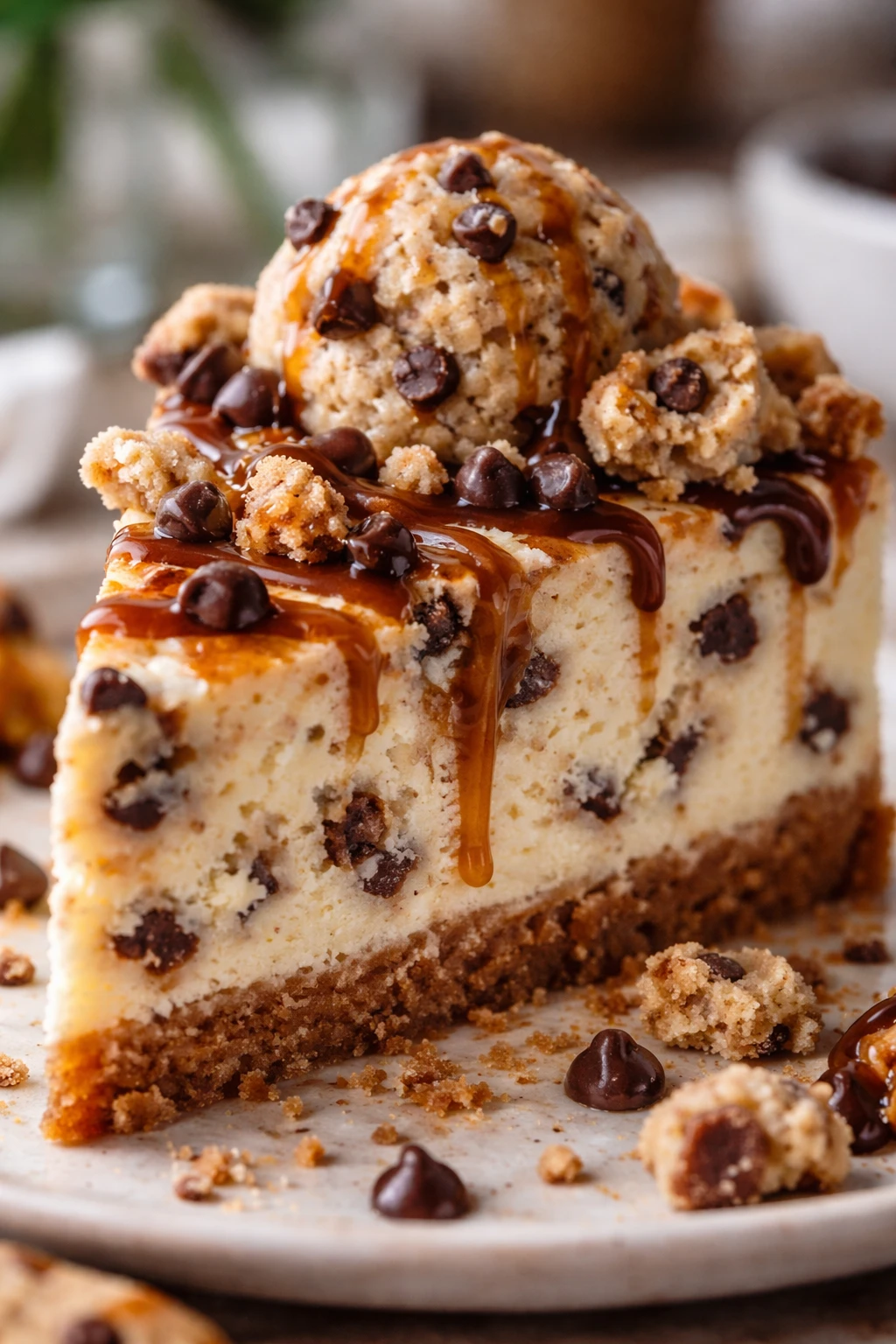
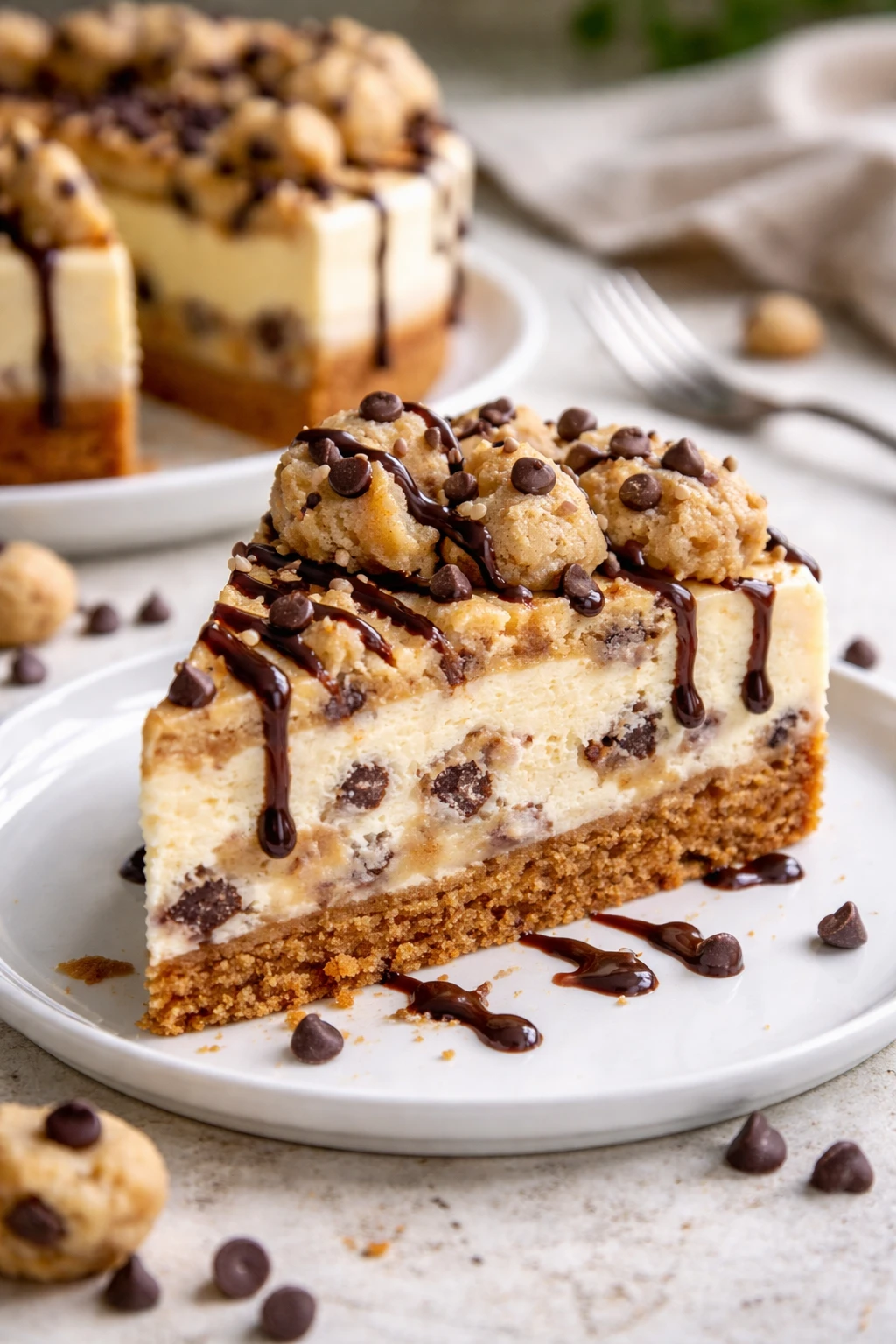
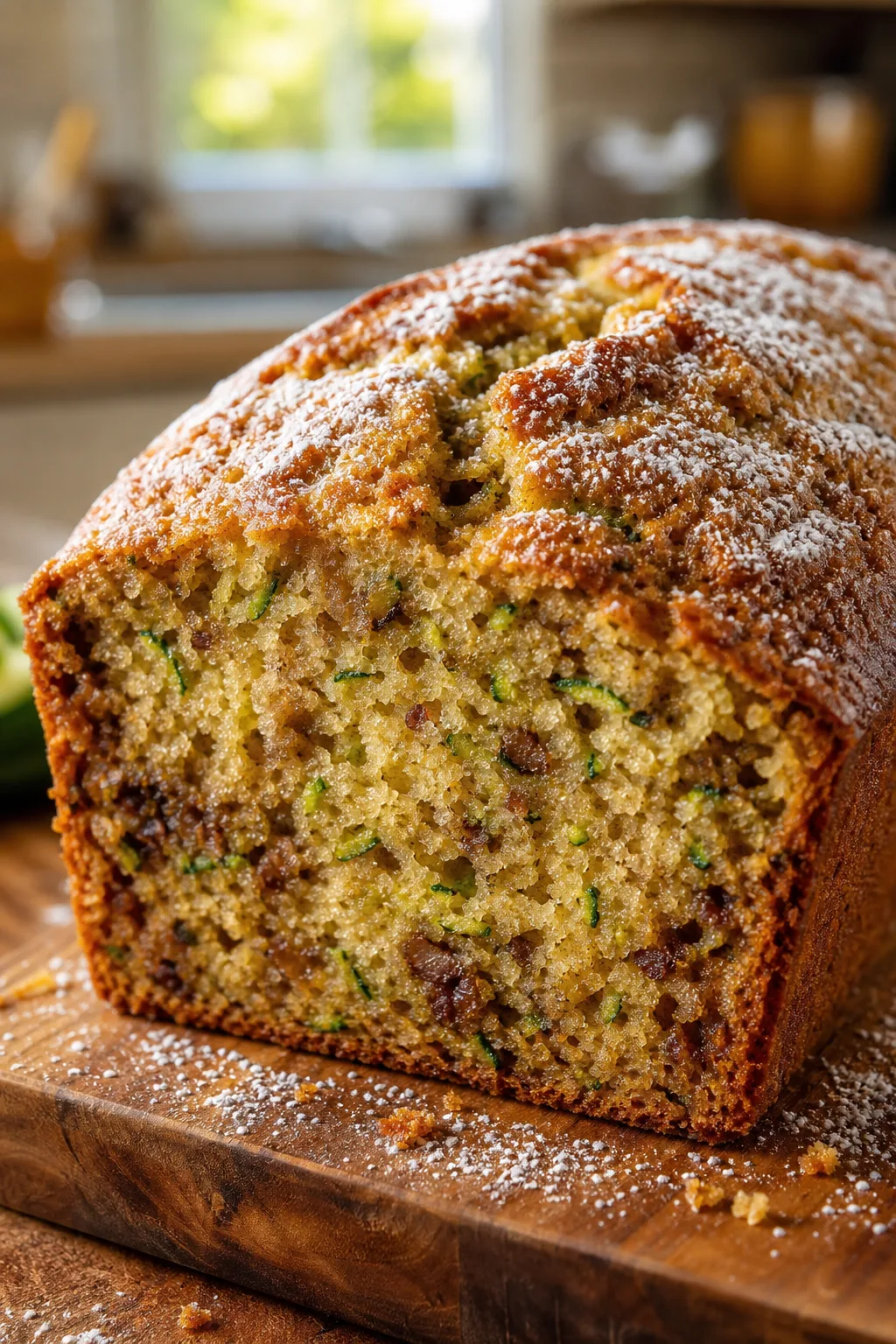
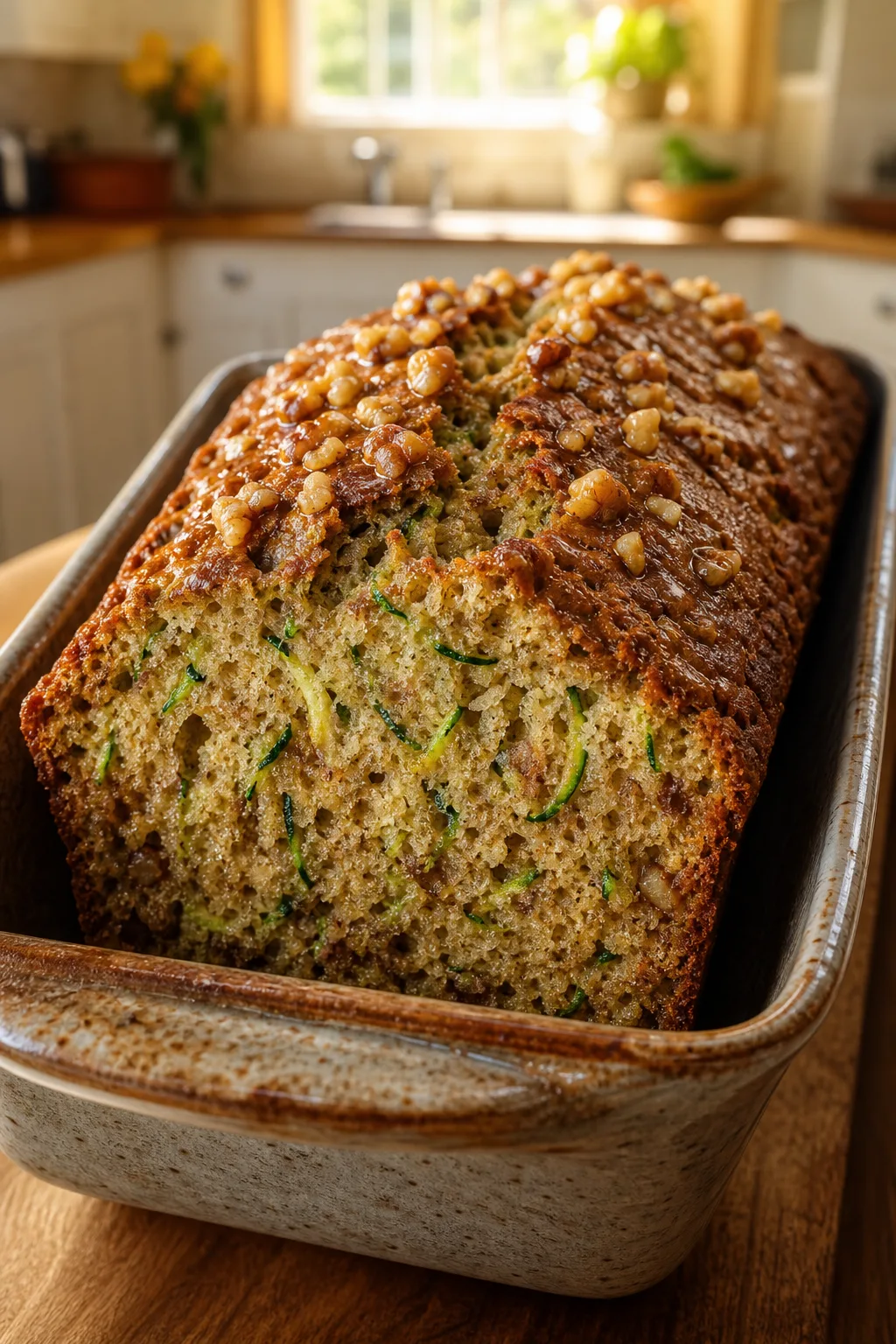
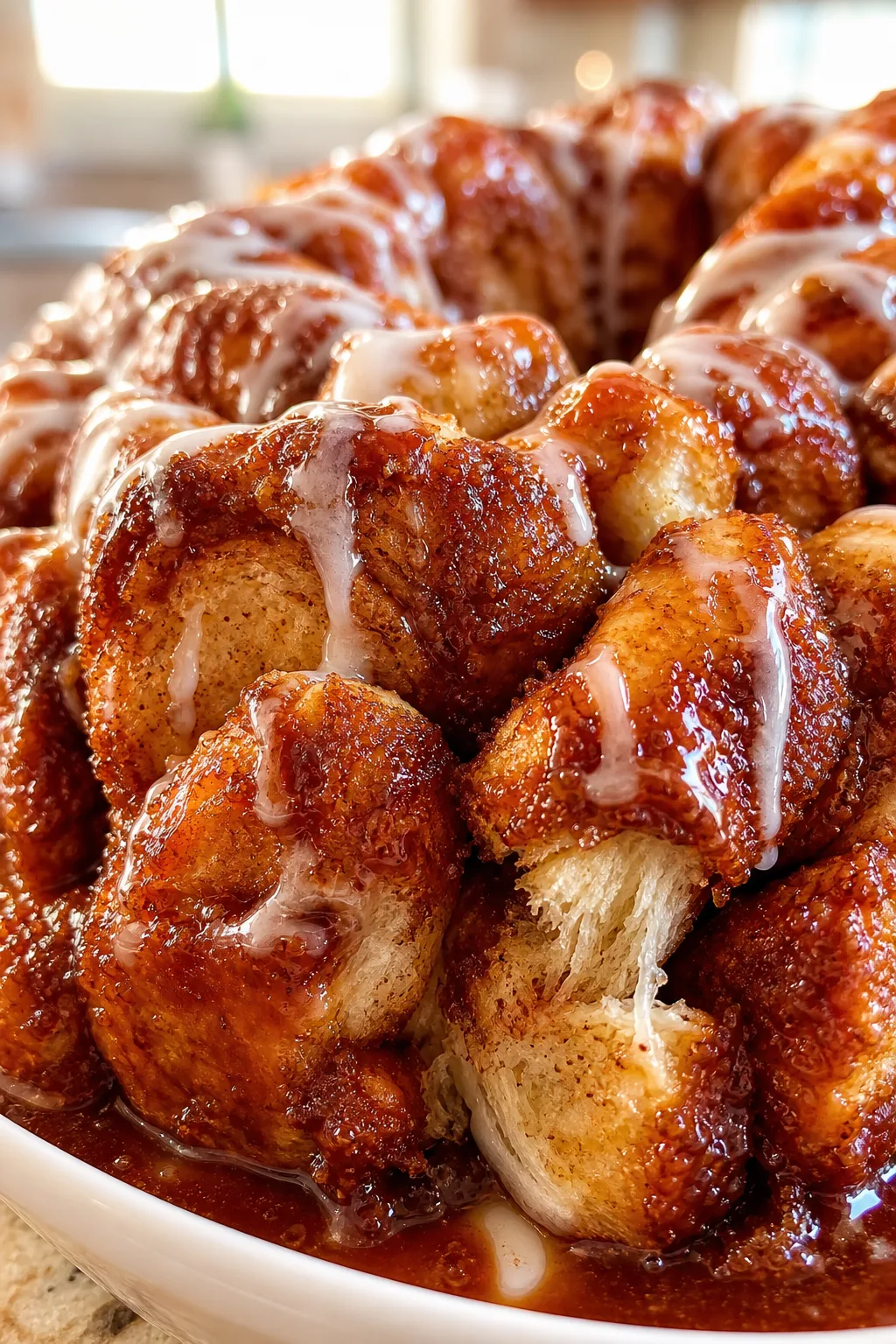
Imagine creamy cheesecake swirled with chunks of cookie dough, all made in one pot—no fuss, just pure indulgence. This recipe is perfect for dessert lovers who want simplicity without sacrificing flavor. Great for weekend treats or special occasions!
Introduction
I first tried this creamy cookie dough cheesecake a couple of years ago when I wanted to make something special but didn’t want to fuss with multiple bowls or complicated steps. What really hooked me was the idea of swirling in cookie dough chunks right into the cheesecake batter—such a fun twist! Over time, I tweaked the recipe to make it all happen in one pot, saving me so much cleanup and stress. The trick I learned was to soften the cream cheese really well and fold in the cookie dough gently so the chunks stay intact without overmixing and making the batter too runny. When it comes out of the oven, it’s perfectly creamy with those sweet pockets of cookie dough that give this cheesecake a playful texture. I love serving it at weekend gatherings or whenever I want a dessert that feels indulgent but doesn’t require a ton of effort. It’s definitely become a favorite in my kitchen, and I think you’ll love it too!
What You'll Need
One 9-inch cheesecake, approximately 8 servings
- 16 oz cream cheese, softened
- 2/3 cup granulated sugar
- 2 large eggs
- 1 tsp vanilla extract
- 1/2 cup sour cream
- 1 cup cookie dough chunks (store-bought or homemade)
- 1 cup graham cracker crumbs
- 1/4 cup unsalted butter, melted
- Pinch of salt
How To Do It
Step 1
Preheat your oven to 325°F (163°C). In a medium bowl, mix the graham cracker crumbs, melted butter, and a pinch of salt until the crumbs are evenly coated and resemble wet sand. Press this mixture firmly into the bottom of a 9-inch springform pan to form an even crust. This step is crucial because a well-packed crust will hold together when slicing and provide the perfect crunchy contrast to the creamy cheesecake. Avoid pressing too hard though, as it can make the crust too dense. Set the pan aside while you prepare the filling.
⏱ Time: 10 minutes
✓ Doneness: Crust feels compact and slightly firm to the touch but not overly hard
Step 2
In a large bowl, beat the softened cream cheese with sugar until smooth and creamy, about 2-3 minutes using an electric mixer on medium speed. This step ensures your cheesecake has a silky texture without lumps. If the cream cheese isn’t softened enough, you’ll end up with a grainy batter. Once smooth, add eggs one at a time, mixing just until combined after each addition to avoid overmixing, which can cause cracks later. Stir in vanilla extract and sour cream gently to keep the batter light.
⏱ Time: 8 minutes
✓ Doneness: Batter is smooth, creamy, and slightly thick but pourable
Step 3
Gently fold in the cookie dough chunks using a spatula. Be careful not to overmix, as you want the chunks to stay intact and evenly distributed throughout the batter. This adds delightful chewy bites in every slice. Overmixing here can break down the dough and muddy the texture. Once folded, pour the batter over the prepared crust in the springform pan, smoothing the top with your spatula for an even finish.
⏱ Time: 5 minutes
✓ Doneness: Batter evenly spread with visible cookie dough pieces
Step 4
Place the springform pan on a baking sheet to catch any drips and bake in the preheated oven for 45-50 minutes. The cheesecake should be mostly set but still slightly jiggly in the center when you gently shake the pan. This gentle wobble means it will finish setting as it cools, ensuring a creamy, smooth texture rather than a dry or cracked top. Avoid opening the oven door too often to keep the temperature stable.
⏱ Time: 45-50 minutes
✓ Doneness: Edges set and lightly golden, center has a slight jiggle
Step 5
Turn off the oven and crack the oven door open slightly. Leave the cheesecake inside to cool slowly for 1 hour. This gradual cooling helps prevent cracks by allowing the temperature to drop evenly. If you remove it too quickly, the sudden temperature change can cause the cheesecake to shrink or crack. After an hour, transfer it to a wire rack to cool completely at room temperature.
⏱ Time: 1 hour
✓ Doneness: Cheesecake surface looks matte and set, no longer shiny or wet
Step 6
Once cooled to room temperature, cover the cheesecake tightly with plastic wrap or foil and refrigerate for at least 4 hours, preferably overnight. Chilling allows the flavors to meld and the texture to firm up perfectly. It’s tempting to dig in sooner, but patience here really pays off with a rich, creamy bite that slices beautifully.
⏱ Time: 4+ hours
✓ Doneness: Cheesecake feels firm to the touch and slices cleanly
Step 7
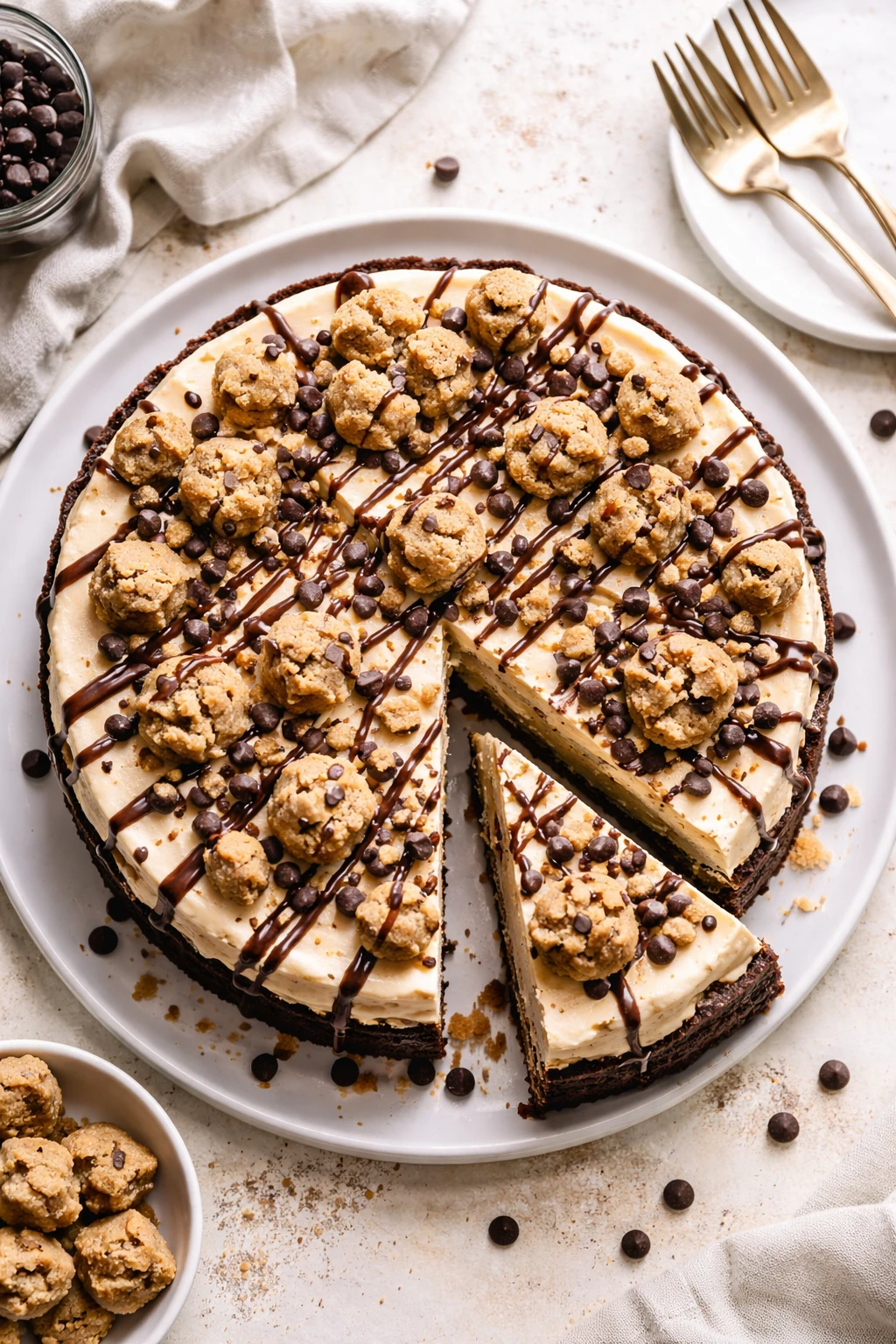
Carefully run a thin knife around the edges of the pan before releasing the springform latch to prevent sticking. Transfer the cheesecake onto a serving plate. If desired, garnish with extra cookie dough chunks or a drizzle of chocolate sauce for an extra indulgent touch. Serve chilled and enjoy the creamy, sweet, and slightly chewy texture that makes this cheesecake so special.
⏱ Time: 5 minutes
✓ Doneness: Cheesecake releases cleanly from pan edges without cracking
Step 8
Store any leftovers in an airtight container in the refrigerator for up to 4 days. Cheesecake tastes best cold but can be left out for about 2 hours before serving. When ready to eat, slice with a warm, dry knife to get clean cuts without crumbling. If you want it softer, let it sit at room temperature for 10-15 minutes.
⏱ Time: N/A
✓ Doneness: Cheesecake maintains creamy texture and flavor after storage
Step 9
For an extra special touch, try adding mix-ins like mini chocolate chips or a swirl of caramel sauce before baking. These variations add layers of flavor and texture, making the dessert even more decadent. Just be mindful not to overload the batter, which can affect baking time and texture.
⏱ Time: Optional
✓ Doneness: Add-ins are evenly distributed and do not sink to bottom
Variations
Chocolate Swirl Cookie Dough Cheesecake
Add 1/2 cup melted dark chocolate swirled into the batter along with cookie dough chunks for a rich, marbled effect. This creates a beautiful contrast and deeper chocolate flavor without changing baking time. Expect slightly fudgier texture where chocolate pools.
Note: Swirl chocolate gently after folding in cookie dough to avoid overmixing and preserve chunk distribution.
Peanut Butter Cookie Dough Cheesecake
Mix in 1/3 cup creamy peanut butter into the batter before adding cookie dough for a nutty twist. Use peanut butter cookie dough chunks if possible. This variation adds a savory balance to the sweetness and a creamy mouthfeel.
Note: Peanut butter may thicken batter; fold in carefully and bake as usual.
Gluten-Free Cookie Dough Cheesecake
Swap graham cracker crumbs for gluten-free cookie crumbs and use gluten-free cookie dough chunks. This makes the cheesecake safe for gluten-sensitive folks without sacrificing flavor or texture. The crust may be slightly less crunchy but still delicious.
Note: Ensure all ingredients are certified gluten-free to avoid cross-contamination.
Vegan Cookie Dough Cheesecake
Use vegan cream cheese and egg replacer like flax eggs. Substitute sour cream with coconut cream and choose dairy-free cookie dough. This version is creamy and satisfying, though texture will be a bit softer and less dense than traditional cheesecake.
Note: Baking time might vary slightly; watch for set edges and slight jiggle in center.
Salted Caramel Cookie Dough Cheesecake
Drizzle homemade or store-bought salted caramel sauce over the top before serving. The salty-sweet combo complements the cookie dough chunks and adds an extra layer of indulgence. Perfect for special occasions or when you want to impress.
Note: Add caramel after chilling to avoid melting and keep sauce glossy.
Pro Tips
Always soften cream cheese completely before mixing.
Cold cream cheese resists blending and leads to lumps, which ruins the smooth texture of your cheesecake. Softened cream cheese blends seamlessly with sugar and eggs, creating a creamy batter that bakes evenly. If your cream cheese is too cold, take extra time to let it sit or briefly microwave it in short bursts.
Avoid overmixing the batter once eggs are added.
Overmixing incorporates excess air that expands during baking and causes cracks. Mixing just until combined keeps the batter dense and creamy, resulting in a smoother surface and better texture. Be gentle when folding in cookie dough chunks to maintain their shape and distribution.
Bake the cheesecake in a water bath or place pan on a baking sheet.
A water bath provides gentle, moist heat that prevents cracking and ensures even baking. If you don’t have a water bath, placing the pan on a baking sheet helps catch drips and adds insulation, reducing temperature fluctuations. Slow, steady baking is key for a crack-free cheesecake.
Cool the cheesecake gradually in the oven with the door ajar.
Rapid cooling causes temperature shock, making the cheesecake shrink and crack. Leaving the oven door slightly open lets the cheesecake cool slowly, preserving its creamy texture and smooth top. This step is often overlooked but makes a big difference in appearance.
Use a warm knife to slice the cheesecake cleanly.
A cold, dry knife can cause the cheesecake to crumble or stick, ruining the presentation. Dip the knife in hot water and wipe it dry between slices to get smooth, neat cuts. This small trick keeps your slices intact and looking professional.
Chill the cheesecake overnight before serving.
Chilling allows the proteins and fats to fully set, giving the cheesecake a dense yet creamy consistency. It also helps the flavors meld and enhances the richness. Serving too soon results in a softer, less structured cheesecake that’s harder to slice.
Use high-quality cookie dough with minimal moisture.
Cookie dough with too much butter or moisture can melt into the batter, losing its chewy texture and making the cheesecake watery. Choose firm cookie dough chunks or chill dough before folding in. This preserves the delightful contrast between creamy cheesecake and chewy dough bites.
Common Mistakes to Avoid
Using cold cream cheese straight from the fridge.
Why it happens Many assume cream cheese can be mixed immediately, but cold cream cheese is firm and lumps easily.
Fix Always let cream cheese soften at room temperature for at least 30 minutes. You can speed this by cutting it into cubes or microwaving in short bursts. This ensures a lump-free, smooth batter.
Overmixing after adding eggs.
Why it happens It’s tempting to beat the batter thoroughly for smoothness, but overmixing traps air.
Fix Mix eggs in slowly and just until combined. Stop mixing once the batter looks uniform to avoid cracks and dense texture.
Skipping the slow cooling step.
Why it happens Impatience or lack of knowledge leads to removing cheesecake immediately after baking.
Fix Turn off oven and leave cheesecake inside with door slightly open for an hour. This prevents cracks and keeps texture creamy.
Not pressing crust firmly enough.
Why it happens Rushing this step or not using enough butter leads to a crumbly crust.
Fix Press crumbs firmly and evenly with the bottom of a glass or your fingers. This helps crust hold together when slicing.
Using too much cookie dough or dough with raw eggs.
Why it happens Adding excessive dough can alter baking time and texture; raw eggs in dough pose health risks.
Fix Use moderate chunks of egg-free cookie dough and fold gently. This maintains cheesecake structure and ensures safety.
Nutrition
Per Serving:
Nutritional values are estimates and may vary based on specific ingredients used.
Storage & Tips
Room Temperature
Cheesecake can be safely kept at room temperature for up to 2 hours if covered loosely to prevent drying out. Beyond that, refrigeration is necessary to maintain freshness and safety.
Refrigerator
Store cheesecake in an airtight container or wrapped tightly with plastic wrap for up to 4 days. Flavor and texture are best when served chilled, but it can be left out for 15-20 minutes before slicing for easier cuts.
Freezer
Freeze cheesecake wrapped tightly in plastic wrap and then foil for up to 2 months. To prevent freezer burn, ensure no air pockets remain. Thaw overnight in the refrigerator before serving to preserve texture.
Reheating
Cheesecake is best served cold and typically isn’t reheated. If you prefer a softer texture, let slices sit at room temperature for 15-20 minutes. Avoid microwaving as it can make the texture grainy or oily.
Make Ahead
Prepare the crust and batter up to 1 day in advance. Assemble and bake on serving day for best freshness. Alternatively, bake the cheesecake a day ahead and chill overnight for enhanced flavor and texture.
FAQ
Can I use low-fat cream cheese for this recipe?
I wouldn’t recommend it because low-fat cream cheese contains stabilizers that can affect the creamy texture. Full-fat cream cheese provides richness and smoothness that’s key to a perfect cheesecake. Using low-fat versions might yield a grainy or less stable dessert.
Why did my cheesecake crack on top?
Cracking usually happens from overmixing, baking at too high a temperature, or cooling too quickly. To prevent this, mix gently, bake at 325°F, and cool the cheesecake slowly in the oven with the door slightly open. This gradual cooling helps maintain a smooth, crack-free surface.
Can I substitute the graham cracker crust with something else?
Absolutely! You can use crushed digestive biscuits, Oreos (for chocolate crust), or even finely chopped nuts mixed with butter. Just make sure to press the crust firmly to hold together. Different crusts may slightly change the texture and flavor but still taste delicious.
Is it safe to eat raw cookie dough in this cheesecake?
I suggest using edible cookie dough made without raw eggs or heat-treating your flour to reduce risk. Raw eggs and untreated flour can carry bacteria, so it’s important to use safe cookie dough options to avoid any health risks.
How do I get the cookie dough chunks to stay suspended in the batter?
Chill your cookie dough so it’s firm before chopping into chunks. Then fold it gently into the batter at the end to avoid breaking it up or sinking. Also, a thicker batter helps keep the chunks from sinking to the bottom during baking.
Can I make this cheesecake gluten-free?
Yes! Use gluten-free graham cracker or cookie crumbs for the crust and gluten-free cookie dough chunks. Double-check all ingredients to ensure they’re certified gluten-free. The texture might be slightly different but still delicious.
Why is my cheesecake too dense or heavy?
This can happen if you overmix the batter or use cold ingredients. Always soften cream cheese and mix gently, especially after adding eggs. Overmixing incorporates too much air that collapses during baking, causing a dense texture.
How long can I store the cheesecake in the fridge?
Store it in an airtight container or wrapped tightly for up to 4 days. Beyond that, the texture and flavor begin to degrade. Always keep it chilled to prevent spoilage and maintain the creamy texture.
Final Thoughts
I hope you give this one-pot cookie dough cheesecake a try — it’s truly a crowd-pleaser! Don’t forget to share how yours turns out; I’d love to hear your thoughts!