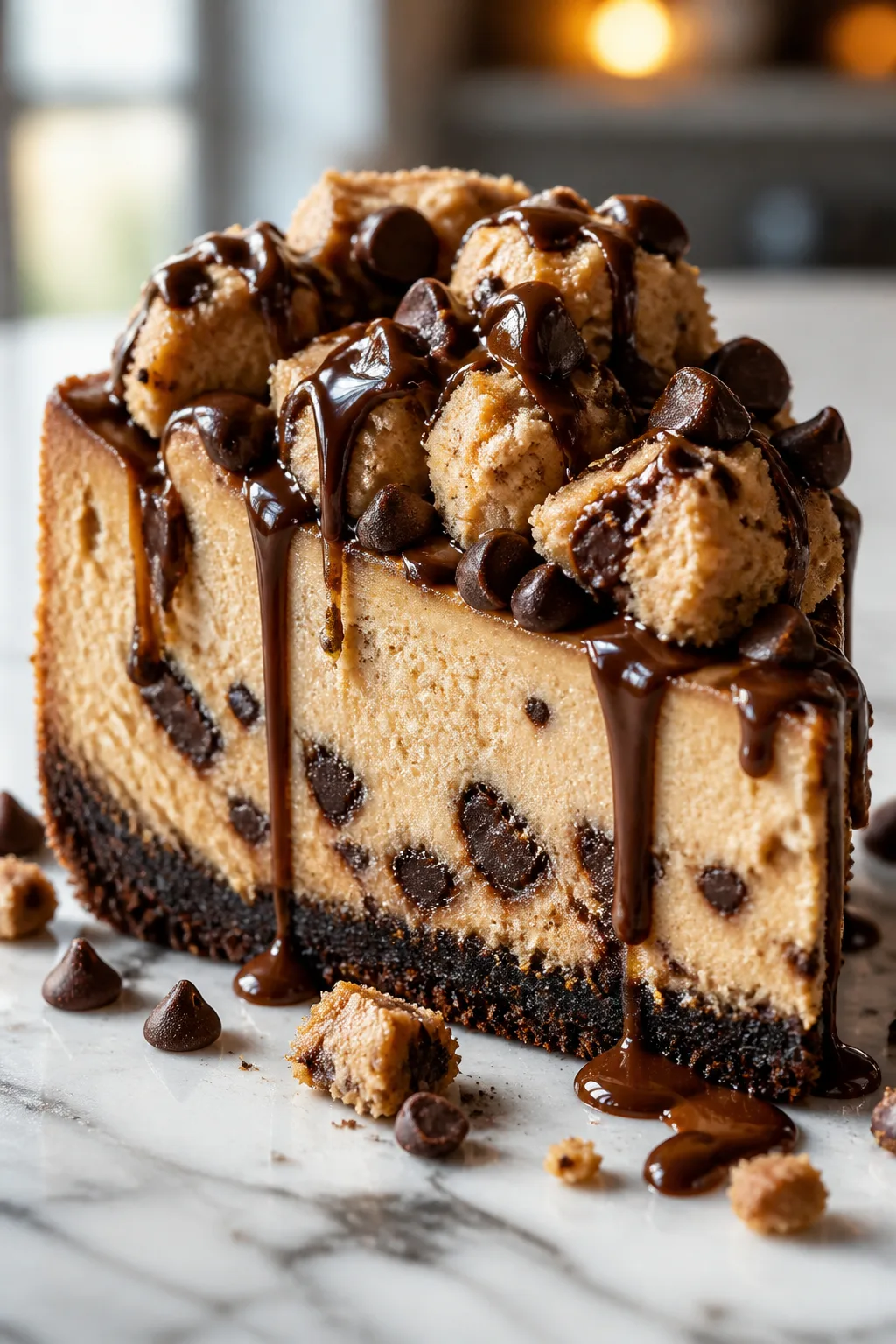
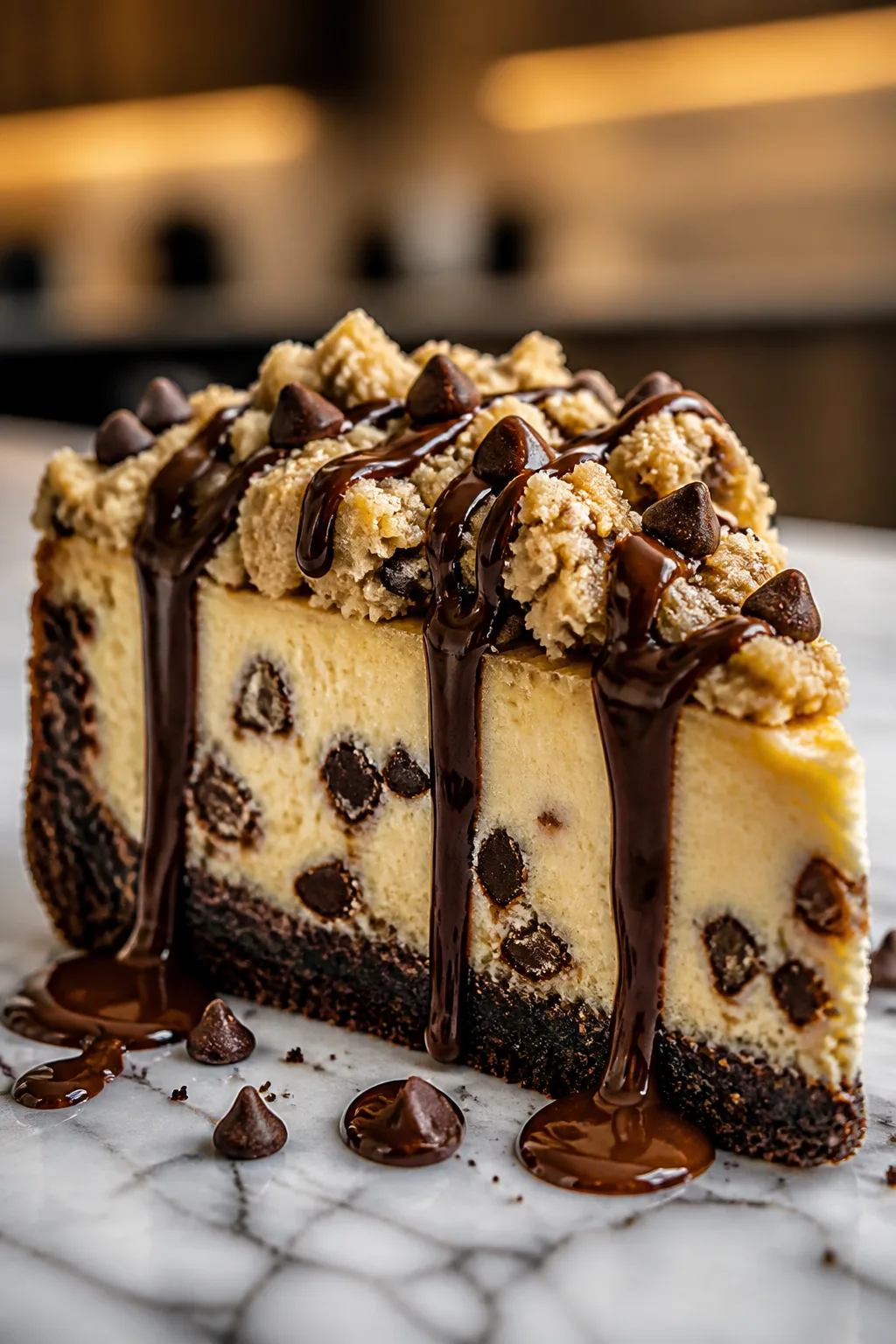
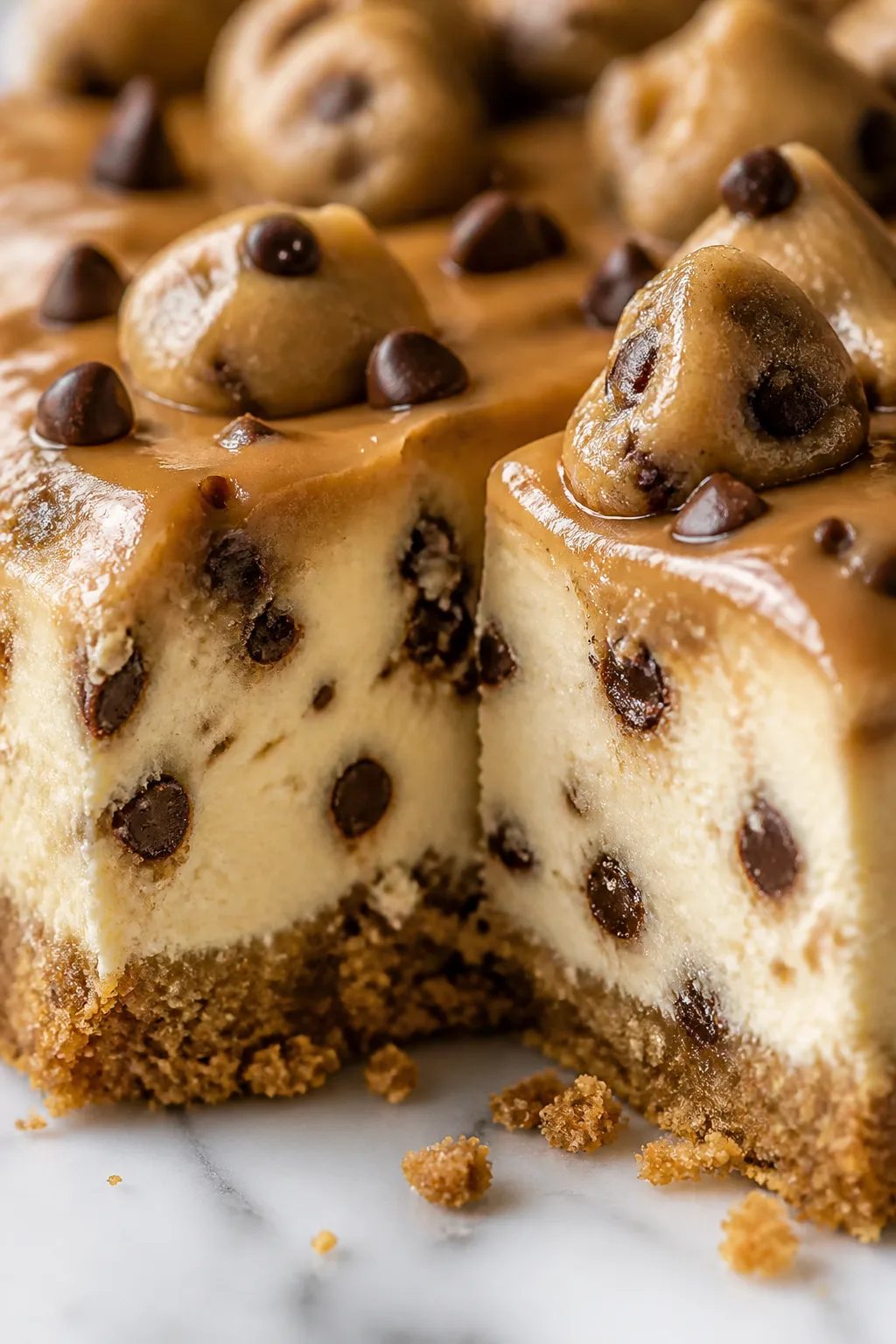
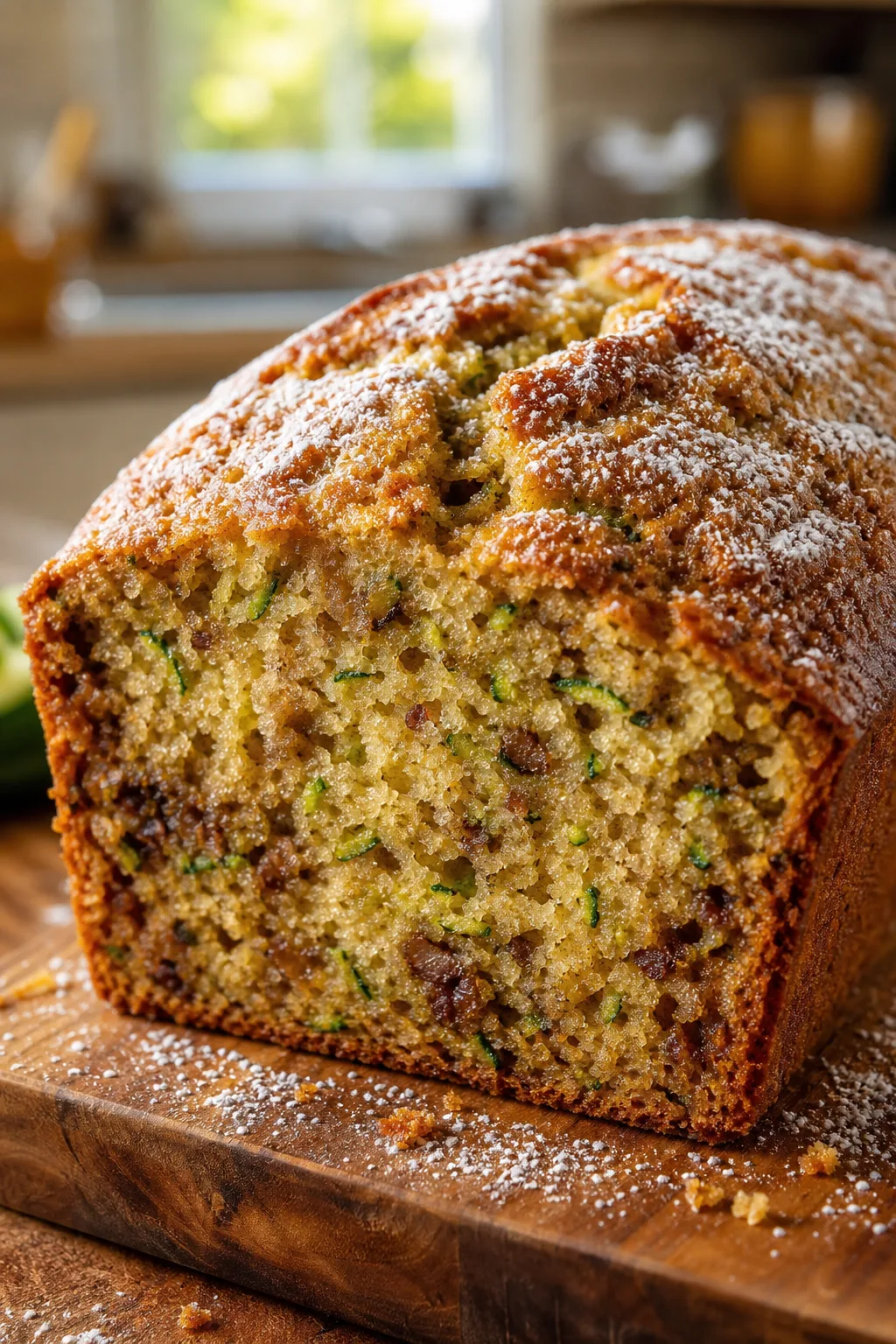
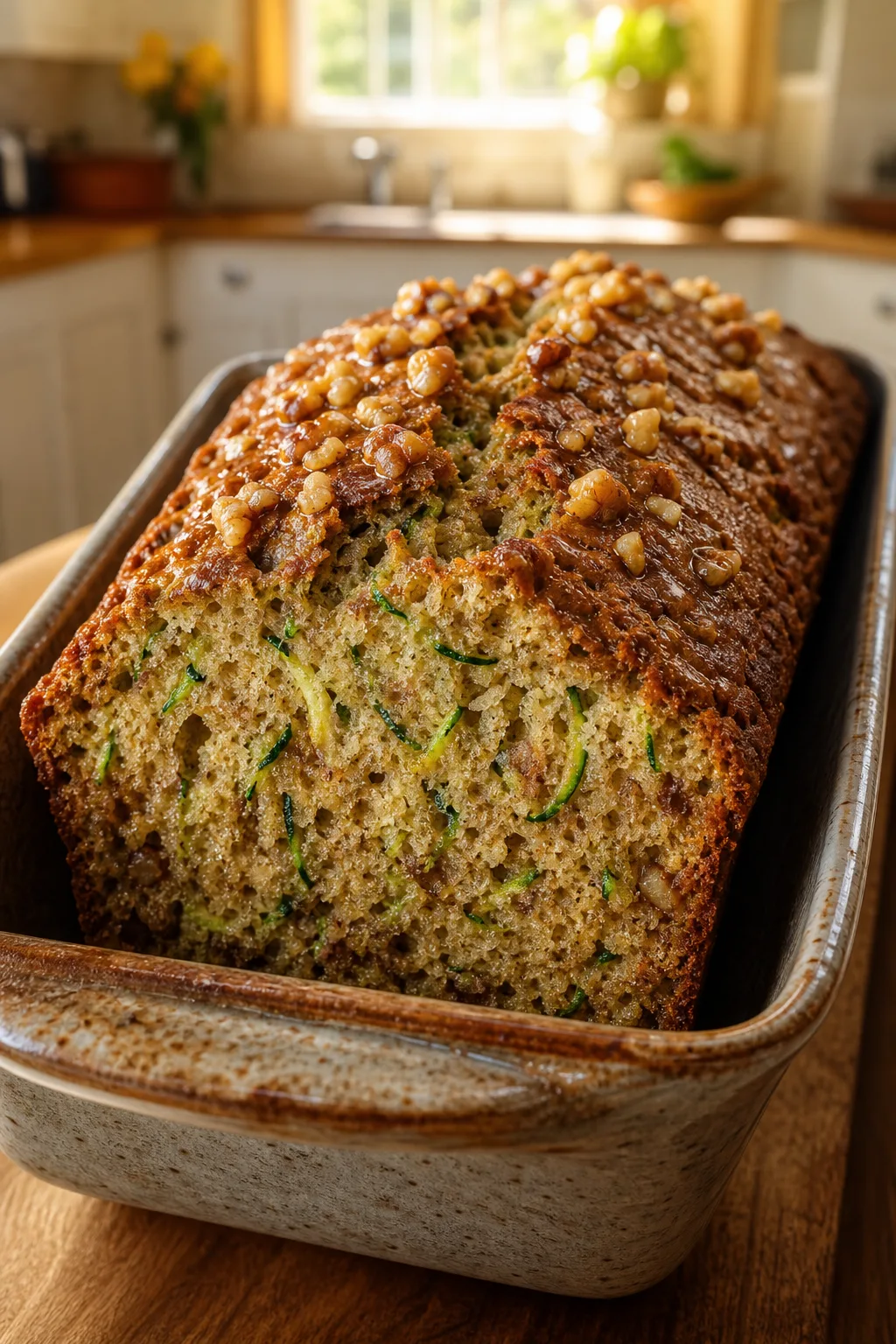
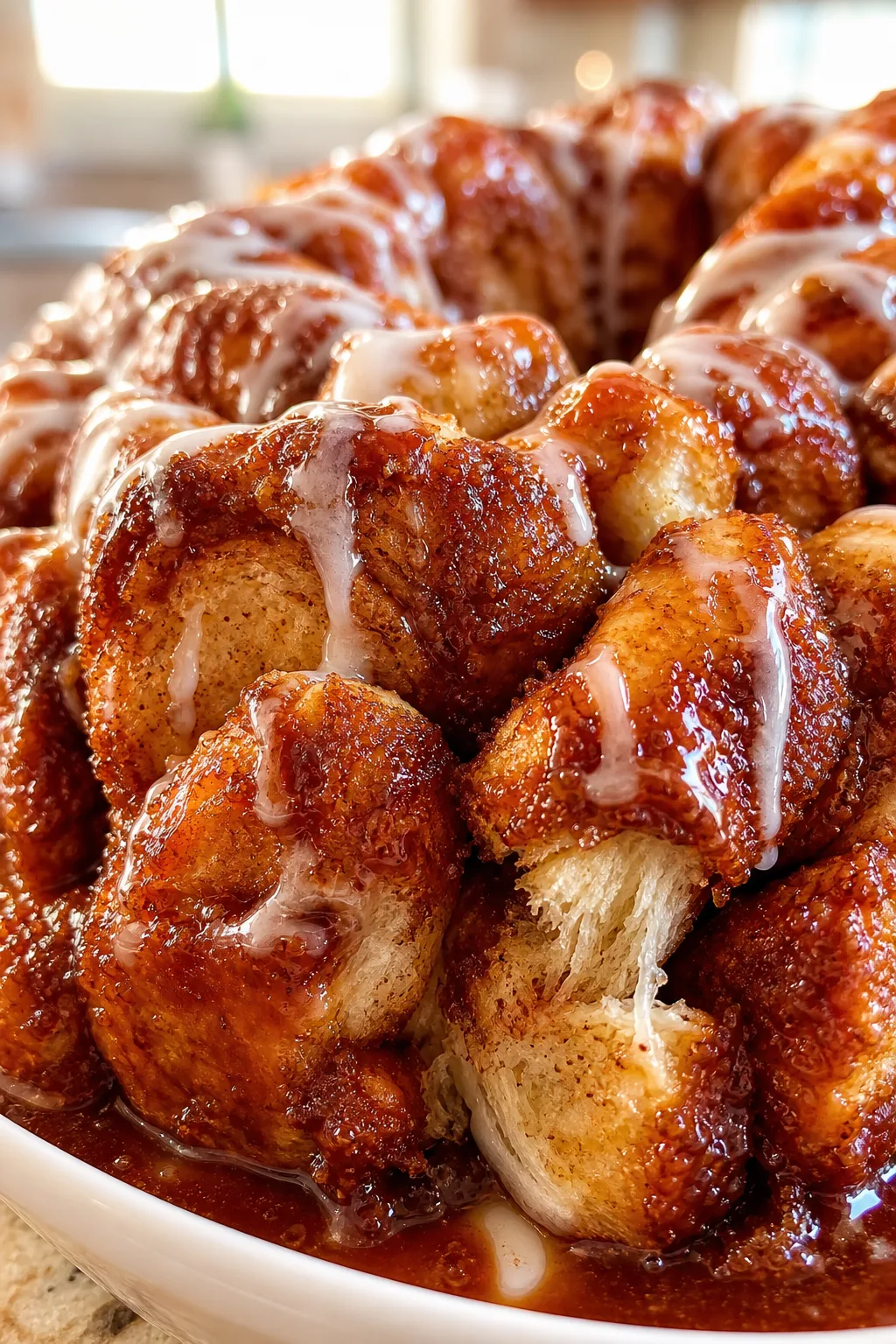
This cheesecake blends creamy richness with fun cookie dough bites, all made in one pot for easy cleanup. It’s a playful dessert perfect for weekend indulgence or impressing guests without fuss.
Introduction
I first stumbled upon the idea of mixing cookie dough into cheesecake years ago when craving something a bit nostalgic but still elegant. This one-pot cookie dough cheesecake quickly became a favorite because it’s not just creamy and smooth but also fun with those soft cookie dough bites throughout. What sets this version apart is how I keep cleanup minimal by combining everything in just one pot before pouring it into the crust — it makes the whole process less intimidating and more enjoyable. The secret? Gently folding the cookie dough chunks in last to keep their texture without melting into the batter. When it’s done, you get a cheesecake that’s rich and velvety, with a playful surprise in every bite. It’s perfect for weekend treats or when I want to impress guests without spending hours in the kitchen. Honestly, I’ve messed up cheesecakes before by overmixing or skipping resting times, but this recipe balances ease with delicious results every time. If you love cheesecake and cookie dough, this one’s going to feel like a little slice of heaven.
What You'll Need
One 9-inch cheesecake, 8 servings
- 2 cups cream cheese, softened
- 1 cup granulated sugar
- 1 teaspoon vanilla extract
- 2 large eggs
- 1/2 cup sour cream
- 1 cup mini chocolate chips
- 1 cup edible cookie dough, chopped into small chunks
- 1 prepared graham cracker crust (9-inch)
- Pinch of salt
How To Do It
Step 1
Start by preheating your oven to 325°F (163°C) and prepare your graham cracker crust in a 9-inch springform pan. This step is crucial because a well-pressed crust sets the foundation for the cheesecake's structure and texture. Use the bottom of a glass to firmly press the crumbs into an even layer to avoid a crumbly base after baking. If the crust isn’t compacted enough, it may fall apart when serving, so take your time here.
⏱ Time: 10 minutes
✓ Doneness: Crust is evenly pressed and feels firm to the touch
Step 2
In a large mixing bowl, beat the softened cream cheese with granulated sugar until smooth and creamy. This step is essential to remove lumps and create a silky texture. Using room temperature cream cheese helps everything blend effortlessly. If you rush or use cold cream cheese, you’ll end up with lumps that affect the mouthfeel of the cheesecake.
⏱ Time: 5 minutes
✓ Doneness: Mixture is smooth, no lumps visible, and slightly fluffy
Step 3
Add vanilla extract and eggs one at a time, beating gently after each addition. Mixing eggs in slowly helps to incorporate air evenly and prevents overmixing, which can cause cracks during baking. Stop mixing as soon as combined to maintain a dense and creamy texture rather than a cakey one.
⏱ Time: 3 minutes
✓ Doneness: Batter looks uniform and glossy without streaks of egg
Step 4
Fold in the sour cream and a pinch of salt carefully. The sour cream adds tang and moisture, balancing the richness of the cream cheese. The salt enhances flavor depth. Fold gently to keep the batter light and avoid deflating it, which keeps the cheesecake creamy and prevents it from becoming dense or rubbery.
⏱ Time: 2 minutes
✓ Doneness: Batter is smooth and slightly thickened
Step 5
Stir in mini chocolate chips evenly throughout the batter. This adds small bursts of chocolate flavor and texture contrast. Distribute them gently so they don’t sink to the bottom during baking, which ensures every bite has a bit of chocolate surprise.
⏱ Time: 1 minute
✓ Doneness: Chocolate chips are well distributed without clumps
Step 6
Finally, fold in the chopped edible cookie dough chunks carefully. This last step preserves the cookie dough’s shape and texture inside the cheesecake. If you mix too vigorously, the dough will melt into the batter and lose its distinct chewiness, which is the best part of this dessert.
⏱ Time: 2 minutes
✓ Doneness: Cookie dough pieces are visible and evenly spread
Step 7
Pour the batter into the prepared crust and smooth the top with a spatula. Smoothing helps the cheesecake bake evenly and look polished once cooled. Tap the pan gently on the counter to release any air bubbles trapped inside the batter, which can cause cracks during baking.
⏱ Time: 3 minutes
✓ Doneness: Top is smooth and even with no large air bubbles
Step 8
Bake the cheesecake in the preheated oven for about 30 minutes. The edges should be set, but the center will still jiggle slightly when you gently shake the pan. This gentle jiggle means the cheesecake is perfectly baked — overbaking causes cracks and a dry texture, while underbaking leaves it too runny.
⏱ Time: 30 minutes
✓ Doneness: Edges are firm and center jiggles softly
Step 9
Turn off the oven and leave the cheesecake inside with the door slightly open for 1 hour. This slow cooling prevents cracks by letting the cheesecake settle gradually. Afterward, chill it in the fridge for at least 4 hours or overnight to fully set and develop flavor. Patience here really pays off for the best texture and taste.
⏱ Time: 1 hour cooling + 4 hours chilling
✓ Doneness: Cheesecake is fully chilled and slices cleanly
Variations
Peanut Butter Cookie Dough Cheesecake
Swap half the cookie dough for peanut butter cookie dough chunks and add a swirl of peanut butter into the batter before baking. Expect a richer, nuttier flavor with a creamy, decadent texture that pairs beautifully with chocolate chips.
Note: Peanut butter swirls require gentle folding to maintain marbled effect; baking time remains the same.
Vegan Cookie Dough Cheesecake
Use vegan cream cheese and egg replacers like flax eggs. Replace sour cream with coconut yogurt and use vegan cookie dough chunks. This version is dairy-free but still creamy with chewy dough bites, perfect for plant-based diets.
Note: Baking time may increase slightly; texture will be softer and less dense.
Salted Caramel Cookie Dough Cheesecake
Drizzle salted caramel sauce over the top before chilling and add caramel bits to the batter. This adds a sweet-salty contrast that enhances the cookie dough flavor and adds a luscious finish.
Note: Add caramel bits last with cookie dough; avoid caramel sauce in batter to prevent sogginess.
Double Chocolate Cookie Dough Cheesecake
Add cocoa powder to the batter and use chocolate cookie dough chunks instead of regular. This variation intensifies the chocolate flavor for chocoholics while keeping the creamy texture intact.
Note: Add 1/4 cup unsweetened cocoa powder sifted into batter; bake as usual.
Fruit & Cookie Dough Cheesecake
Fold in fresh berries like raspberries or blueberries along with cookie dough chunks for a bright, fruity contrast. The berries add freshness and a pop of color, balancing the richness.
Note: Use fresh, dry berries to avoid excess moisture; fold in gently to avoid crushing.
Pro Tips
Always use room temperature cream cheese and eggs before mixing.
Cold ingredients cause lumps and uneven mixing, leading to a grainy texture. Room temperature ingredients blend smoothly, creating a silky batter that bakes evenly and yields a creamy cheesecake.
Fold cookie dough chunks in gently at the end.
Overmixing breaks down the cookie dough pieces, causing them to melt into the batter and lose their chewy texture. Folding preserves the dough’s shape and flavor contrast.
Bake cheesecake at a low temperature and cool gradually.
High heat or rapid cooling causes cracks by stressing the batter’s structure. Slow baking and gradual cooling allow proteins to set gently, resulting in a smooth, crack-free surface.
Tap the pan on the counter before baking.
This releases trapped air bubbles that could cause holes or cracks. It helps the batter settle evenly for a smooth finish.
Use a springform pan for easy removal.
Springform pans allow you to remove the cheesecake without damaging the crust or sides, preserving the dessert’s appearance.
Chill cheesecake overnight before serving.
This lets it fully set and develop flavor. Serving too soon results in a runny texture and less depth of taste.
Avoid overbeating eggs into the batter.
Too much air incorporated causes cracks and a cakey texture. Mix just until combined for a dense, creamy cheesecake.
Common Mistakes to Avoid
Using cold cream cheese directly from the fridge
Why it happens Many assume mixing cold cream cheese is fine, but it resists blending and forms lumps.
Fix Let cream cheese soften fully at room temperature before mixing. If in a hurry, microwave in short bursts (5-10 seconds) and stir to soften without melting.
Overmixing the batter after adding eggs
Why it happens People often mix vigorously to incorporate eggs quickly, thinking it ensures smoothness.
Fix Add eggs one at a time and mix gently just until combined to avoid trapping excess air, which causes cracks.
Skipping the gradual cooling step in the oven
Why it happens Rushing by removing the cheesecake immediately causes temperature shock.
Fix Turn off the oven and crack the door open, letting the cheesecake cool slowly inside for about an hour before chilling.
Not pressing the crust firmly enough
Why it happens A loose crust is easier but results in crumbling when serving.
Fix Use the bottom of a glass or measuring cup to press the crust firmly and evenly before adding batter.
Adding cookie dough too early in mixing
Why it happens Some mix cookie dough with the cream cheese mixture from the start, causing it to melt.
Fix Fold cookie dough in last, gently, to maintain the chunks' texture.
Nutrition
Per Serving:
Nutritional values are estimates and may vary based on specific ingredients used.
Storage & Tips
Room Temperature
Keep cheesecake covered loosely with foil or plastic wrap at room temperature for up to 2 hours. Beyond this, refrigeration is recommended to prevent spoilage.
Refrigerator
Store in an airtight container or covered with plastic wrap for up to 5 days. Flavor deepens but texture may firm up. Serve chilled or at room temperature for best taste.
Freezer
Wrap tightly with plastic wrap and aluminum foil to prevent freezer burn. Freeze for up to 2 months. Thaw overnight in the refrigerator for best texture.
Reheating
Cheesecake is best served chilled; avoid reheating as it can alter texture. If desired, bring to room temperature before serving to soften slightly.
Make Ahead
Prepare the cheesecake batter and crust a day ahead, bake and cool fully, then chill overnight. This allows flavors to meld and reduces day-of prep.
FAQ
Can I use regular cookie dough instead of edible cookie dough?
Regular cookie dough often contains raw eggs, making it unsafe to eat raw in cheesecake. Edible cookie dough is made without eggs and with heat-treated flour to be safe. Using regular dough risks foodborne illness and can affect texture, so stick with edible cookie dough.
How do I prevent cracks on my cheesecake?
Avoid overmixing, bake at a low temperature, and cool the cheesecake gradually inside the oven with the door cracked open. These steps reduce stress on the batter and prevent cracks from forming.
Can I make this cheesecake gluten-free?
Ensure your cookie dough and crust are gluten-free. Substitute with gluten-free graham crackers and certified gluten-free cookie dough to keep the texture and flavor consistent.
What if my cheesecake is too soft after chilling?
Make sure to chill the cheesecake for at least 4 hours or overnight. If it’s still too soft, it may be underbaked or the fridge temperature too warm. Try baking a few extra minutes next time and ensure your fridge is set below 40°F (4°C).
Can I bake this cheesecake in a water bath?
Yes, a water bath can help with even baking and reduce cracking. Wrap the pan tightly with foil to prevent water leaks and bake in a larger pan filled with hot water. It adds moisture and gentle heat for smooth texture.
How do I store leftover cheesecake?
Cover leftovers tightly with plastic wrap or store in an airtight container in the fridge for up to 5 days. This keeps it fresh and prevents it from absorbing fridge odors.
Can I freeze the cheesecake with cookie dough inside?
Freeze tightly wrapped for up to 2 months. Thaw in the fridge overnight. Cookie dough chunks hold texture well and cheesecake stays creamy.
What’s the best way to slice cheesecake cleanly?
Use a sharp knife dipped in hot water and wiped dry between slices. This prevents sticking and helps make smooth, clean cuts without tearing the cheesecake.
Final Thoughts
I hope you give this one-pot cookie dough cheesecake a try — it’s one of my all-time favorite easy desserts. Don’t forget to share how it turns out!