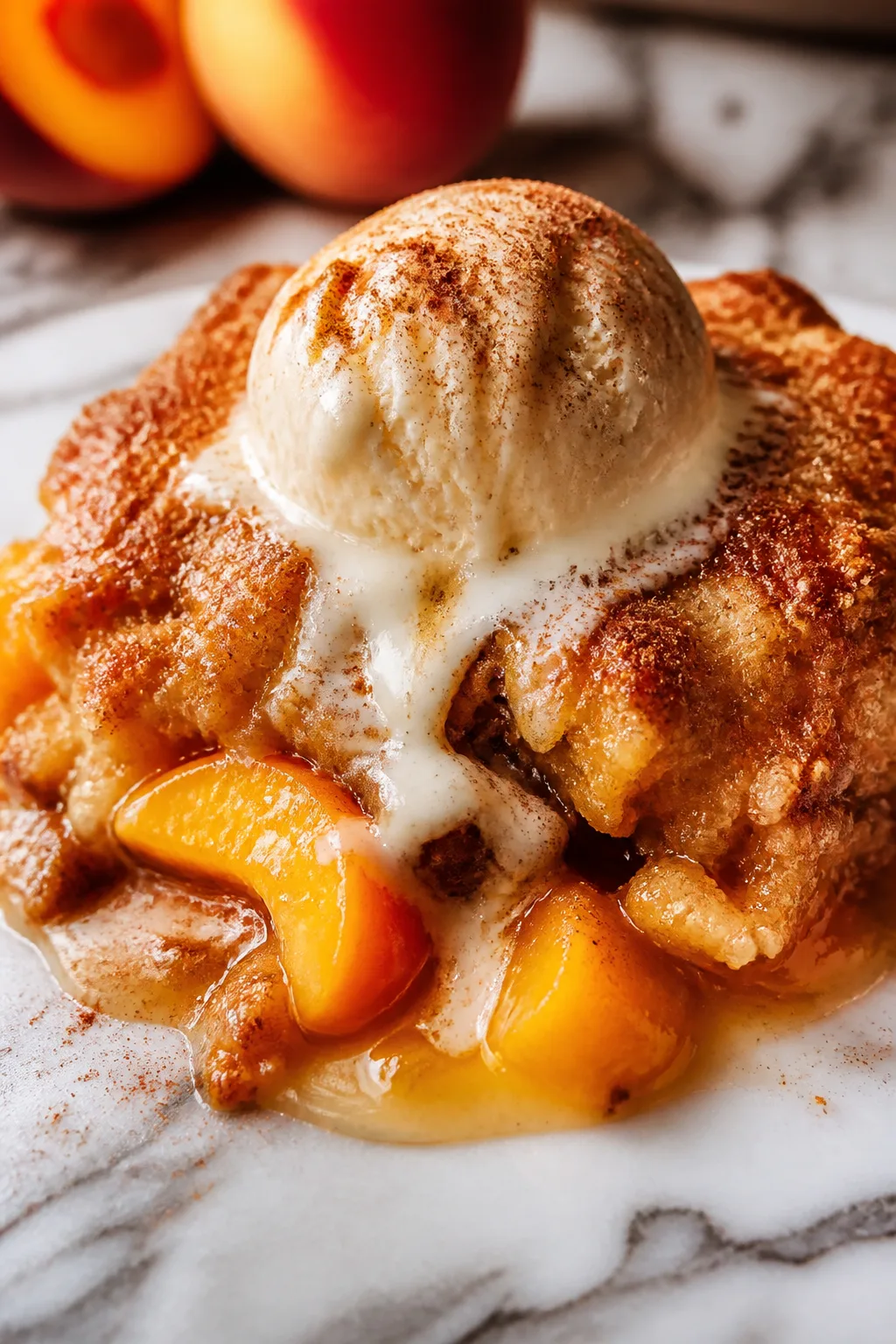
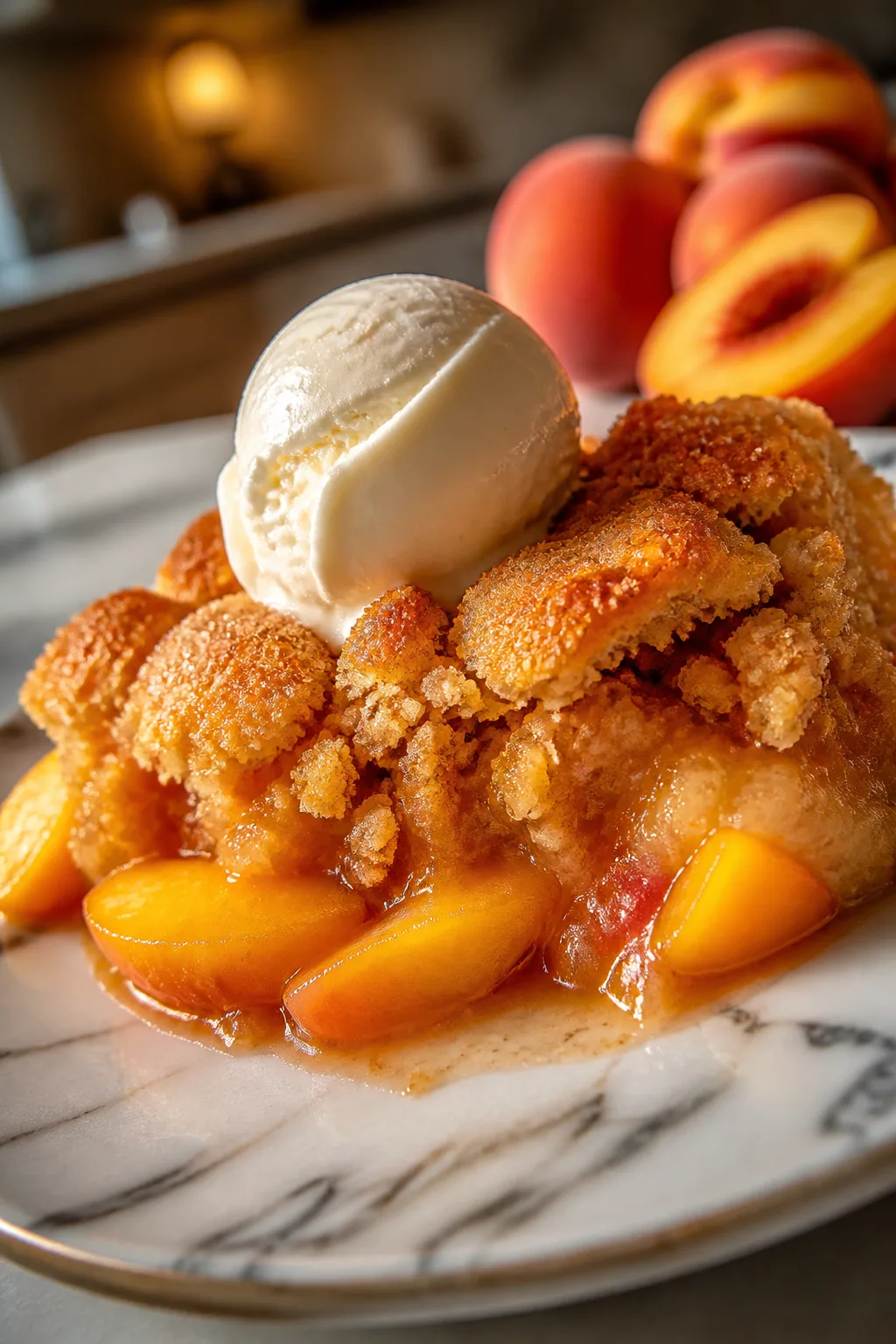
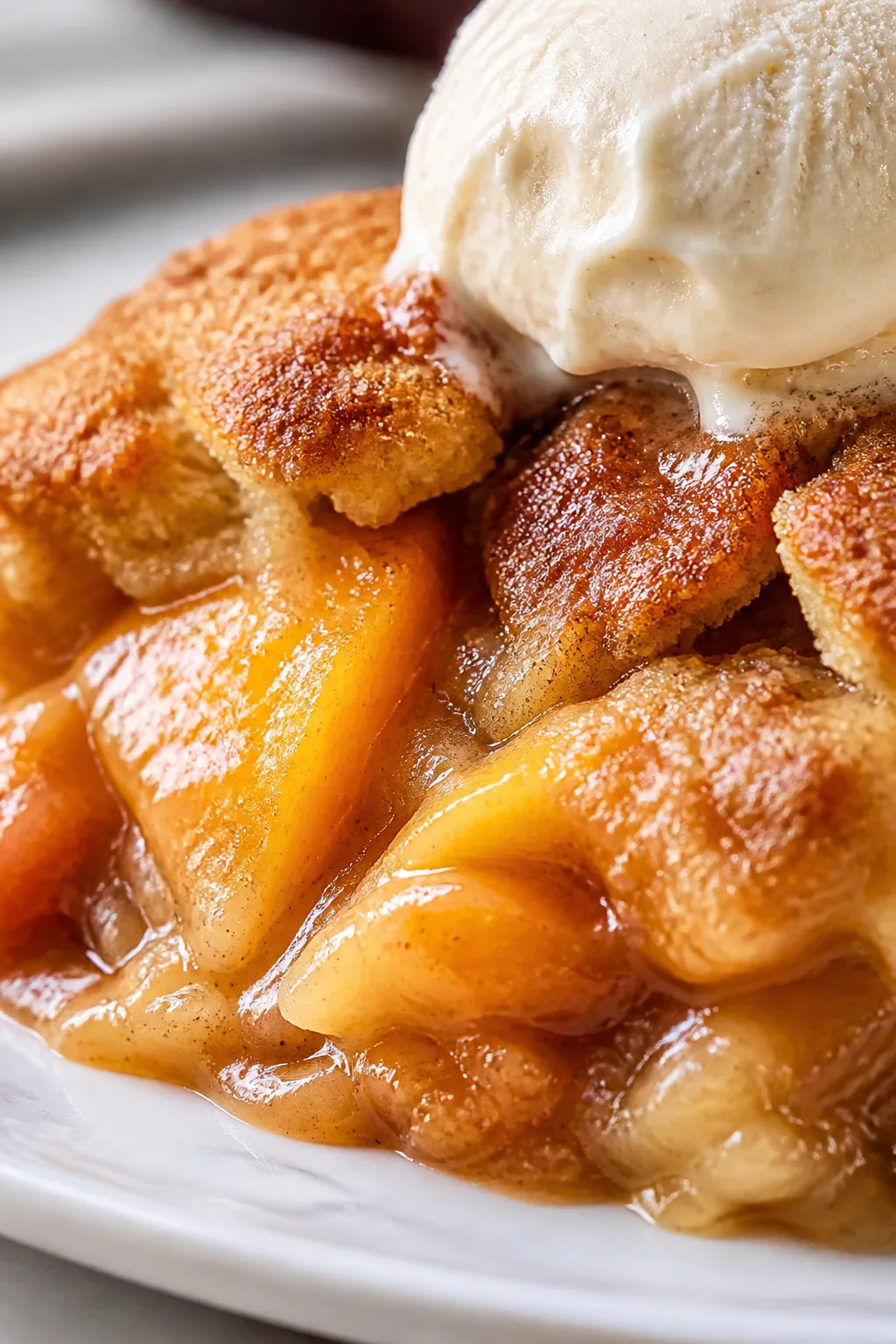
This peach cobbler is my go-to comfort dessert—juicy fresh peaches bubbling under a golden, buttery biscuit crust. It’s simple but feels special, perfect for sharing on cozy weekends or family dinners.
Introduction
I've been making this peach cobbler for years, and it’s always a hit whenever I bring it to family dinners or potlucks. The first time I tried a peach cobbler, I was surprised how simple it was to make yet so comforting and delicious. What makes this version special is the biscuit topping—it’s buttery and tender, almost melting in your mouth, which contrasts beautifully with the juicy peaches underneath. I learned that using fresh peaches and a bit of cornstarch to thicken the filling keeps the fruit juicy but not runny, which is a game-changer. Also, chilling the butter before cutting it into the flour creates those flaky pockets in the biscuit crust that everyone loves. When it comes out of the oven, the cobbler has this gorgeous golden crust with bubbling peach juices peeking through the edges. It’s sweet but not overly so, with just a hint of cinnamon warmth. I love serving it warm, often with a scoop of vanilla ice cream, especially on cool evenings. Honestly, I think this recipe is one of those comforting classics that you’ll want to keep in your repertoire forever.
How To Do It
Step 1
Start by preparing the peaches: peel and slice them evenly, about 1/2 inch thick. Toss the sliced peaches with granulated sugar, brown sugar, cinnamon, lemon juice, and cornstarch in a large bowl. This step is crucial because the sugar draws out the natural juices, and the cornstarch thickens the filling as it bakes, preventing it from becoming too watery. Letting the peaches sit for a few minutes helps the flavors meld and the juices start to release, which will give you that luscious, syrupy filling.
⏱ Time: 10 minutes
✓ Doneness: Peaches are evenly coated and slightly glossy with the sugar mixture.
Step 2
Preheat your oven to 375°F (190°C) while you prepare the biscuit topping. In a medium bowl, whisk together the flour, baking powder, and salt. Then, add the cold, cubed butter. Using a pastry cutter or your fingers, quickly cut the butter into the flour until the mixture resembles coarse crumbs with some pea-sized bits of butter remaining. This technique is key to creating a tender, flaky crust because the small chunks of butter melt during baking and create air pockets.
⏱ Time: 10 minutes
✓ Doneness: Mixture looks crumbly with visible small butter pieces but no large chunks.
Step 3
Stir in the milk and vanilla extract gently with a fork until just combined. Be careful not to overmix here; you want the dough to be slightly shaggy and sticky. Overmixing activates the gluten in the flour, which can make the biscuit topping tough instead of tender. The dough should hold together but still be soft and a bit sticky to the touch.
⏱ Time: 2 minutes
✓ Doneness: Dough forms a cohesive ball but remains soft and slightly sticky.
Step 4
Pour the peach filling into a buttered 9x13-inch baking dish, spreading it out evenly. The butter coating prevents sticking and adds a subtle richness to the edges. Then, drop spoonfuls of the biscuit dough over the peaches, spacing them evenly. Don’t worry about covering the entire surface; the dough will spread and bake into a beautiful crust with some gaps where the peaches can bubble through.
⏱ Time: 5 minutes
✓ Doneness: Peach filling is evenly spread and biscuit dough is dolloped over in even mounds.
Step 5
Sprinkle the biscuit topping with the remaining 2 tablespoons of sugar. This adds a lovely crunch and a slight caramelization on top once baked. Place the dish in the oven and bake for about 40-45 minutes. The heat will cause the butter in the dough to melt, creating a tender crust, while the peaches soften and bubble.
⏱ Time: 40-45 minutes
✓ Doneness: Biscuit topping is golden brown and peaches are bubbling around the edges.
Step 6
Once baked, remove the cobbler from the oven and let it cool for at least 10 minutes. This resting time allows the filling to thicken slightly as it cools, making it easier to serve. If you try to cut into it right away, the filling can be runny. The warm aroma of cinnamon and peaches will fill your kitchen, inviting everyone to dig in.
⏱ Time: 10 minutes
✓ Doneness: Cobbler has thickened slightly and is warm but not too hot to serve.
Step 7
Serve warm, ideally with a scoop of vanilla ice cream or a dollop of whipped cream. The cold creaminess contrasts beautifully with the warm, tender peaches and buttery biscuit crust. This simple addition elevates the dessert and makes it feel extra special.
⏱ Time: Immediate
✓ Doneness: Ice cream starts to melt slightly on the warm cobbler, creating a delicious sauce.
Step 8
If you have leftovers, cover the cobbler tightly with plastic wrap or foil and refrigerate. Reheat gently in the oven or microwave before serving to bring back that fresh-baked warmth. Avoid overheating as this can dry out the biscuit topping.
⏱ Time: Varies
✓ Doneness: Cobbler is warmed through but still moist and tender.
Step 9
For best results, use ripe but firm peaches to ensure the filling holds its shape and doesn’t become mushy. If fresh peaches aren’t available, frozen peaches can be used but drain excess liquid to prevent a soggy crust. Adjust sugar slightly depending on the sweetness of your peaches to balance flavors.
⏱ Time: Prep advice
✓ Doneness: Peaches retain shape and sweetness is balanced.
Variations
Gluten-Free Peach Cobbler
Swap the all-purpose flour for a gluten-free blend that includes xanthan gum. This adjustment keeps the biscuit topping tender and flaky without gluten. Expect a slightly different texture—still delicious but a bit more crumbly.
Note: Use a 1:1 gluten-free baking flour blend and do not overmix to maintain structure.
Vegan Peach Cobbler
Replace butter with chilled coconut oil and milk with almond or oat milk. Coconut oil provides the necessary fat for flakiness, while plant milk keeps the dough moist. The flavor will have a subtle coconut undertone but remains richly satisfying.
Note: Chill coconut oil well and handle dough quickly to mimic butter’s effect.
Spiced Peach Cobbler with Ginger and Nutmeg
Add 1/2 teaspoon ground ginger and 1/4 teaspoon nutmeg to the spice mix for a warm, aromatic twist. These spices complement the peaches beautifully and add complexity without overpowering the classic flavor.
Note: Adjust spices carefully to avoid overshadowing the peach’s natural sweetness.
Peach and Blueberry Cobbler
Mix in 1 cup fresh blueberries with the peaches for a colorful, tangy variation. The blueberries add a pop of tartness and vibrant color, enhancing both the taste and visual appeal of the cobbler.
Note: Increase cornstarch by 1/2 teaspoon to account for the extra juice from blueberries.
Brown Sugar and Oat Biscuit Topping
Substitute half the flour with rolled oats and replace granulated sugar in the biscuit dough with brown sugar for a heartier, nuttier crust. This variation adds texture and a deeper caramel flavor to the topping.
Note: Use quick oats for better incorporation and do not overmix to keep topping tender.
Pro Tips
Use ripe but firm peaches for the best texture.
Ripe peaches bring sweetness and juiciness, but if too soft, they’ll break down and make the filling mushy. Firm peaches hold their shape, providing a nice texture contrast with the biscuit topping.
Keep butter cold and handle the dough minimally.
Cold butter creates steam pockets during baking, which makes the biscuit topping flaky and tender. Overworking the dough melts the butter and develops gluten, leading to a tough crust.
Let the cobbler rest before serving.
Resting allows the filling to thicken and flavors to meld. Serving too soon results in runny filling and less distinct textures between the peaches and biscuit.
Sprinkle sugar on top of the biscuit dough before baking.
This adds a slight crunch and helps the biscuit brown beautifully through caramelization, enhancing both texture and flavor.
Use lemon juice in the peach filling.
Lemon juice brightens the peaches’ flavor and balances the sweetness, preventing the dessert from tasting overly sugary.
Avoid using canned peaches.
Canned peaches are often too soft and watery, which can make the cobbler soggy and less flavorful compared to fresh or properly thawed frozen peaches.
Preheat the oven fully before baking.
Baking in a hot oven ensures the biscuit topping rises quickly and forms a golden crust without drying out.
Common Mistakes to Avoid
Using overripe peaches that turn mushy.
Why it happens Many assume riper fruit is better, but overly soft peaches break down during baking, making the filling watery and texture unpleasant.
Fix Choose peaches that are ripe but still firm. If only soft peaches are available, reduce cornstarch slightly and bake a little longer to help thicken the filling.
Overmixing the biscuit dough.
Why it happens It’s easy to want to combine everything perfectly, but overmixing activates gluten and melts butter, resulting in a dense, tough crust.
Fix Mix just until the ingredients come together and you see pea-sized butter chunks. Stop as soon as the dough holds together softly.
Skipping the resting time after baking.
Why it happens Eager to dig in, some serve right away, but the filling needs time to set for the best texture.
Fix Let the cobbler rest at least 10 minutes so the juices thicken and the flavors settle before serving.
Not evenly distributing the biscuit dough.
Why it happens Clumping the dough in one area leads to uneven baking and texture contrast.
Fix Drop spoonfuls evenly spaced across the peach filling, allowing the dough to spread naturally while baking.
Using salted butter without adjusting salt in the recipe.
Why it happens Salted butter adds unpredictable saltiness, which can throw off the flavor balance.
Fix Use unsalted butter or reduce added salt accordingly to keep flavors balanced.
Nutrition
Per Serving:
Nutritional values are estimates and may vary based on specific ingredients used.
Storage & Tips
Room Temperature
Peach cobbler can be kept at room temperature for up to 2 hours when covered loosely with foil or a clean cloth. Beyond this, the risk of spoilage increases, especially due to the fresh fruit filling.
Refrigerator
Store leftover cobbler in an airtight container in the refrigerator for up to 4 days. The crust may soften slightly but reheating in the oven restores some crispness. Serving cold is also an option but less preferred.
Freezer
Freeze cobbler in a tightly wrapped foil or freezer-safe container for up to 3 months. To prevent freezer burn, ensure it’s sealed well. Thaw overnight in the refrigerator before reheating.
Reheating
Reheat in a 350°F oven for 15-20 minutes until warmed through to maintain crust texture. Microwave reheating is faster but may soften the biscuit topping; add a splash of milk if needed to refresh moisture.
Make Ahead
Prepare the peach filling a day ahead and refrigerate. Assemble the biscuit topping just before baking for best texture. This makes the process quicker on baking day while preserving freshness.
FAQ
Can I use frozen peaches instead of fresh?
Yes, you can use frozen peaches, but make sure to thaw and drain them well before using to avoid excess liquid that can make the cobbler soggy. You might want to add a little more cornstarch to help thicken the filling when using frozen fruit.
What can I substitute for cornstarch?
If you don’t have cornstarch, you can use arrowroot powder or tapioca starch as thickening agents. Use the same amount as cornstarch. Flour can also be used but may result in a less clear, slightly thicker filling.
How do I prevent the biscuit topping from getting soggy?
The key is cold butter and minimal mixing to create a flaky crust, plus proper thickening of the peach filling with cornstarch. Also, avoid overfilling the baking dish with too much peach juice and bake at the right temperature.
Can I make this cobbler ahead of time?
You can prepare the peach filling a day ahead and keep it refrigerated. Assemble and bake the cobbler fresh for the best biscuit texture. If fully assembled, store unbaked cobbler covered in the fridge and bake within 24 hours.
Why is my cobbler crust sometimes tough?
Tough crust usually results from overmixing the dough or using melted butter instead of cold butter. Be gentle when combining ingredients and keep butter chilled for tender, flaky results.
Can I add other fruits to this peach cobbler?
Absolutely! Blueberries, raspberries, or blackberries pair wonderfully with peaches. Just adjust the thickener slightly to account for extra juices and enjoy the flavor combinations.
How do I know when the cobbler is done baking?
You’ll see the biscuit topping turn a golden brown and the peach filling bubbling around the edges. The bubbling indicates the filling is cooked through and thickened properly.
What’s the best way to peel peaches quickly?
Score a small X on the bottom of each peach and blanch them in boiling water for 30 seconds, then plunge into ice water. The skins will slip off easily without damaging the flesh.
Final Thoughts
Give this peach cobbler a try—it's a comforting, easy dessert that feels like a warm hug. I’d love to hear how yours turns out, so don’t forget to share your photos and thoughts!