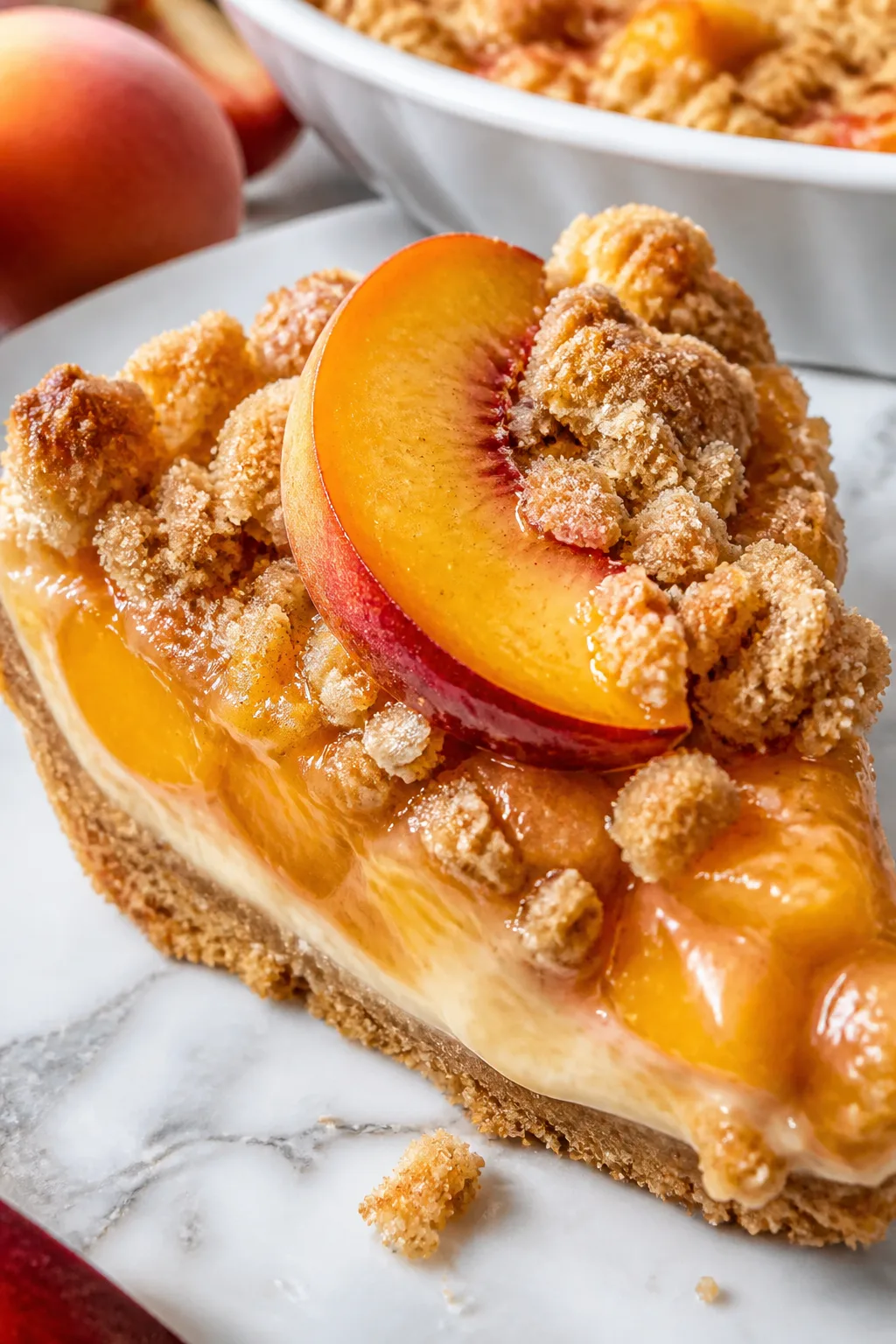
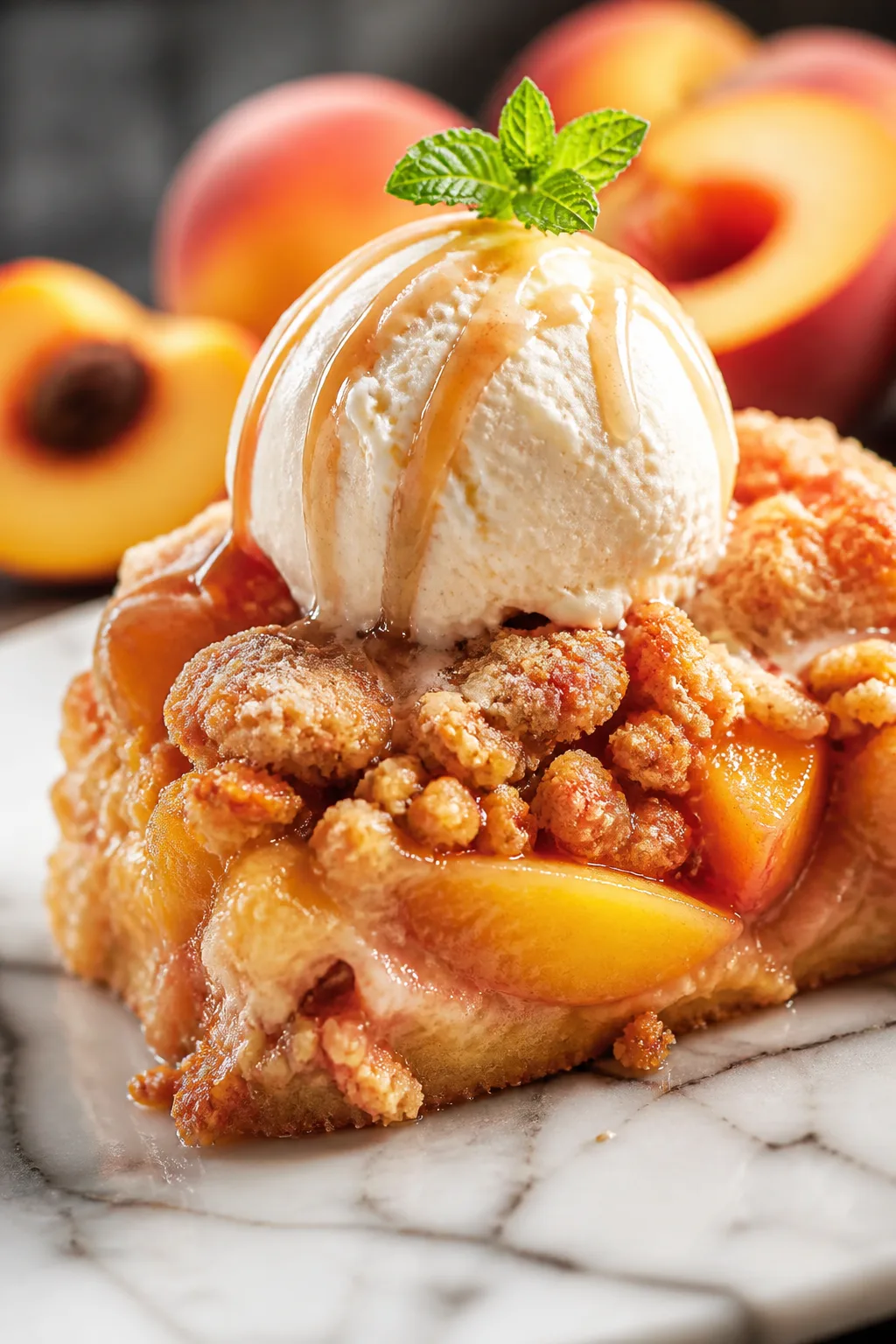
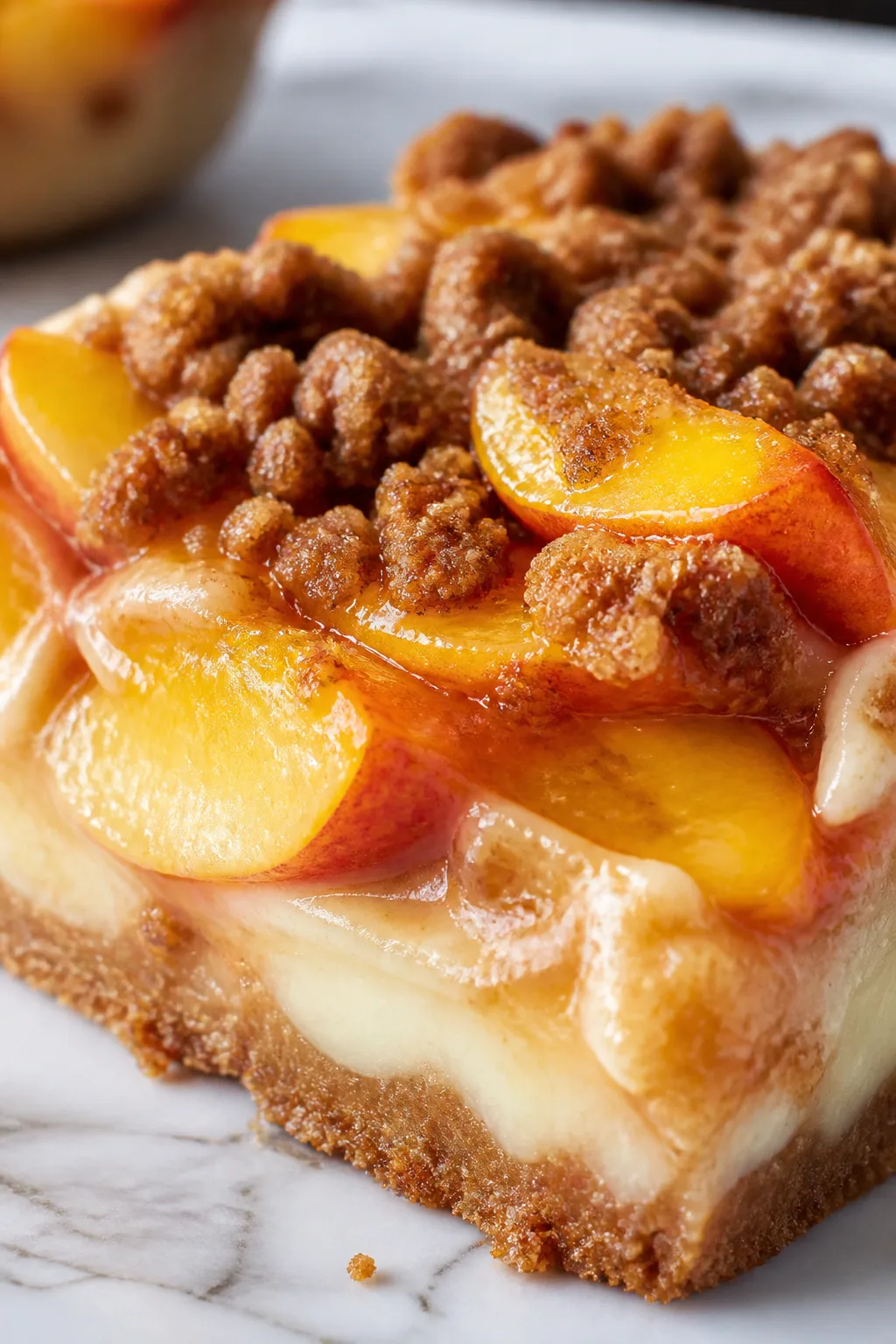
This peach cobbler is all about juicy, sweet peaches baked under a buttery, flaky crust. It’s super easy to make and perfect for warm summer afternoons or casual dinners with friends.
Introduction
I first made this peach cobbler on a lazy summer afternoon when I had a basket full of ripe peaches from the farmer’s market. Honestly, I wasn’t expecting much, but it quickly became a favorite in my house. What makes this recipe stand out is the buttery crust that crisps up beautifully while soaking in just enough peach juice to stay tender and flavorful. I like to peel the peaches myself because it makes the texture so smooth and the flavor pure. One trick I learned is to toss the peaches with lemon juice and cinnamon before baking—that little step brightens the fruit and adds a subtle warmth. When it comes out of the oven, the golden crust bubbles around the edges, and the kitchen smells like summer. It’s the kind of dessert that feels both nostalgic and fresh, perfect for sharing with friends or just indulging on a quiet night. Plus, it’s simple enough that even if you’re not an experienced baker, you can pull it off without stress.
How To Do It
Step 1
Preheat your oven to 375°F (190°C). While it warms up, prepare the peaches by peeling and slicing them evenly. Toss the sliced peaches with lemon juice, 3/4 cup sugar, and cinnamon in a large bowl. This step is crucial because the lemon juice prevents browning and adds a bright tang that balances the sweetness. Mixing thoroughly ensures each slice is coated, so the flavors meld during baking. Avoid skipping the lemon juice as it keeps the peaches fresh and vibrant.
⏱ Time: 10 minutes
✓ Doneness: Peaches are well coated and slightly glossy from the sugar and lemon juice mixture.
Step 2
In a separate bowl, whisk together the flour, 1 cup sugar, baking powder, and salt. Slowly add the melted butter, milk, and vanilla extract, stirring until just combined. The batter should be a bit lumpy but well mixed. This batter forms the cobbler’s crust and needs to be moist enough to bake into a tender, golden topping. Be careful not to overmix, or the crust could become tough instead of flaky.
⏱ Time: 5 minutes
✓ Doneness: Batter is smooth with some lumps, and all ingredients are fully incorporated.
Step 3
Pour the peach mixture into a greased 9x13-inch baking dish, spreading it out evenly. Then spoon the batter over the peaches in dollops, covering as much surface as possible but leaving some fruit peeking through. This layering helps create the signature cobbler texture with juicy fruit underneath and a golden crust on top. Don’t try to spread the batter like a cake batter; it should sit on top in uneven patches.
⏱ Time: 5 minutes
✓ Doneness: Peaches fill the dish evenly, and batter sits in uneven dollops on top.
Step 4
Place the baking dish in the oven and bake for about 40 minutes. During baking, the batter will puff up and turn golden brown, while the peach juices bubble around the edges. The heat activates the baking powder for a light crust and caramelizes the sugars for flavor. Keep an eye on the crust’s color; if it browns too quickly, loosely cover with foil to prevent burning.
⏱ Time: 40 minutes
✓ Doneness: Crust is golden brown and juices are bubbling vigorously around the edges.
Step 5
Once baked, remove the cobbler from the oven and let it cool for at least 15 minutes before serving. This resting time allows the juices to thicken slightly and the crust to set, making it easier to scoop. Serving it too hot can cause the filling to be runny and the crust to fall apart. I like to enjoy it warm with a scoop of vanilla ice cream or a dollop of whipped cream.
⏱ Time: 15 minutes
✓ Doneness: Cobbler is warm but not piping hot; juices have thickened slightly.
Step 6
To serve, use a large spoon to scoop portions, making sure to get a good mix of crust and peaches in every bite. The contrast between the buttery crust and juicy fruit is what makes this dish so comforting. If you want, sprinkle a little cinnamon sugar on top for extra flavor and crunch. Remember, the cobbler tastes best fresh but can be reheated gently for leftovers.
⏱ Time: 5 minutes
✓ Doneness: Each serving has balanced crust and peach filling, with warm aromas.
Step 7
If you prefer a crunchier topping, try adding chopped pecans or oats sprinkled on the batter before baking. This adds texture and a nutty flavor that complements the peaches beautifully. Just be sure not to overload the top or it might weigh down the crust and affect baking time. It’s a nice twist that makes the cobbler feel a little more special.
⏱ Time: Optional prep step, 5 minutes
✓ Doneness: Nuts or oats on top are lightly toasted and golden after baking.
Step 8
For a deeper peach flavor, you can macerate the peach slices in sugar and a splash of bourbon or rum for 30 minutes before mixing with the lemon juice and cinnamon. This step is optional but adds a subtle complexity and warmth that’s perfect for adult gatherings. Just be mindful to adjust baking time slightly as the peaches will release more liquid.
⏱ Time: 30 minutes maceration plus prep
✓ Doneness: Peaches are soft and fragrant with a slight boozy aroma before baking.
Step 9
Finally, store any leftovers in a covered container in the fridge. When reheating, warm gently in the oven to keep the crust crispy and the filling luscious. Avoid microwaving as it can make the crust soggy. Leftover cobbler is great for breakfast too, topped with yogurt or granola for a sweet start to the day.
⏱ Time: Storage and reheating advice
✓ Doneness: Reheated cobbler is warm with a crisp crust and juicy filling.
Variations
Peach Berry Cobbler
Add 1 cup of fresh or frozen blueberries or raspberries to the peach mixture for a colorful, tangy twist. The berries add a vibrant flavor and beautiful color contrast. Expect a slightly juicier filling that pairs wonderfully with the buttery crust.
Note: Since berries release more liquid, you might need to bake an extra 5-10 minutes to fully set the filling.
Spiced Peach Cobbler
Incorporate 1/2 teaspoon ground nutmeg and a pinch of cloves into the peach mixture alongside cinnamon. This variation adds warm, cozy spices that make the cobbler feel perfect for cooler months or holiday dinners.
Note: Spices intensify during baking, so balance carefully to avoid overpowering the fruit.
Vegan Peach Cobbler
Replace butter with coconut oil and use a plant-based milk like almond or oat milk. This makes the cobbler dairy-free while keeping it rich and tender. The coconut oil adds a subtle tropical note that pairs nicely with peaches.
Note: Coconut oil solidifies at cooler temperatures, so melt it fully before mixing to ensure even texture.
Gluten-Free Peach Cobbler
Swap all-purpose flour for a gluten-free flour blend designed for baking. This allows gluten-intolerant folks to enjoy the cobbler without sacrificing texture or flavor. The crust might be slightly less elastic but still tender and delicious.
Note: Use a blend with xanthan gum for best results; baking time may be unchanged.
Bourbon Peach Cobbler
Macerate peaches in 2 tablespoons bourbon and sugar for 30 minutes before baking. This adds a rich, smoky depth that elevates the classic cobbler into something special. Great for adult gatherings or a fancy dessert night.
Note: Alcohol cooks off during baking but intensifies flavor; adjust sugar slightly if peaches are very sweet.
Pro Tips
Always peel your peaches for a silky texture in the filling.
The peach skin can become tough and chewy after baking, which some people find unpleasant. Peeling ensures a smooth, tender filling that melds well with the crust. You can easily peel peaches by blanching them in boiling water for 30 seconds, then plunging into ice water.
Don’t overmix the batter to keep the crust tender and flaky.
Overmixing develops gluten in the flour, which results in a denser, tougher crust rather than a light, tender one. Stir just until the ingredients come together and you’ll get a perfect crumbly texture that contrasts beautifully with the juicy peaches.
Use fresh lemon juice, never bottled, for the best flavor and color.
Fresh lemon juice provides a bright acidity and prevents the peaches from oxidizing and turning brown. Bottled lemon juice often contains preservatives and a duller taste that won’t enhance the fruit as effectively.
Let the cobbler rest after baking before serving.
Resting allows the peach juices to thicken and the crust to set, so the cobbler holds together better when scooped. Serving immediately can result in a runny filling and crumbly crust that falls apart.
Add a pinch of cinnamon to the peach mixture for warmth.
Cinnamon complements the sweetness of peaches and adds a subtle spicy note. It enhances the overall flavor without overpowering the fruit, making the dessert more complex and inviting.
If you want a crunchier topping, sprinkle oats or nuts on top before baking.
Adding texture contrasts with the soft peaches and buttery crust, making each bite more interesting. Just be careful not to add too much or it can weigh down the crust and affect baking.
Use a glass or ceramic baking dish for even heat distribution.
These materials retain heat well and help the cobbler bake evenly without burning the edges. Metal pans can cause the crust to brown too quickly or unevenly.
Common Mistakes to Avoid
Skipping the lemon juice on peaches
Why it happens Some cooks overlook the importance of lemon juice, thinking it’s optional or won’t affect much.
Fix Always toss your peach slices with lemon juice right after peeling and slicing. This prevents oxidation, keeping the peaches bright and fresh in color and flavor. Without lemon juice, the peaches will brown and the cobbler won’t look or taste as fresh.
Overmixing the batter
Why it happens People often try to smooth out lumps for a perfect batter, but this damages the texture.
Fix Mix just until ingredients combine. It’s okay if the batter is a bit lumpy. This keeps the crust tender and flaky. Overmixing develops gluten and makes the crust tough.
Not letting the cobbler rest before serving
Why it happens Impatience or thinking it should be served hot right away.
Fix Let the cobbler cool for at least 15 minutes after baking. This allows the filling to thicken and the crust to firm up, making it easier to serve and more enjoyable to eat.
Using underripe or overripe peaches
Why it happens Sometimes peaches are bought without checking ripeness, or frozen peaches are used without draining.
Fix Choose peaches that are ripe but still firm for the best texture. If using frozen, thaw and drain excess liquid to avoid a soggy cobbler.
Baking at too high temperature causing burnt crust
Why it happens Rushing the baking process or setting oven temperature incorrectly.
Fix Bake at 375°F (190°C) as directed. If crust browns too fast, cover loosely with foil to prevent burning while the filling finishes cooking.
Nutrition
Per Serving:
Nutritional values are estimates and may vary based on specific ingredients used.
Storage & Tips
Room Temperature
You can keep the cobbler at room temperature for up to 2 hours covered loosely with foil or plastic wrap. Beyond that, it’s best to refrigerate to avoid spoilage, especially in warm weather.
Refrigerator
Store leftover cobbler in an airtight container in the fridge for up to 4 days. The crust may soften slightly when chilled, but reheating in the oven will help restore some crispness. It can also be enjoyed cold if you prefer.
Freezer
Freeze cobbler in a freezer-safe container for up to 3 months. Wrap tightly with plastic wrap and foil to prevent freezer burn. Thaw overnight in the fridge before reheating to maintain texture and flavor.
Reheating
Reheat cobbler in a 350°F (175°C) oven for 15-20 minutes until warmed through and crust is crisp again. Avoid microwaving as it can make the crust soggy. Add a splash of milk or cream if the filling seems dry.
Make Ahead
You can prepare the peach filling a day ahead and keep it refrigerated. Mix the batter just before baking to ensure a fresh, tender crust. Assemble and bake on the day you plan to serve for best results.
FAQ
Can I use canned peaches instead of fresh?
You can use canned peaches in a pinch, but drain them well to avoid a watery cobbler. Fresh peaches provide the best flavor and texture, but if canned is all you have, choose those packed in juice rather than syrup to control sweetness.
How do I prevent the crust from getting soggy?
Using melted butter in the batter and letting the cobbler rest after baking helps the crust set nicely. Also, avoid overloading with too much fruit juice; toss peaches with sugar and lemon juice to draw out excess moisture before baking.
Can I make this cobbler gluten-free?
Yes! Substitute the all-purpose flour with a gluten-free baking blend that includes xanthan gum for structure. The crust may be slightly less elastic but still delicious. Baking time remains similar, so keep an eye on crust color.
Do I have to peel the peaches?
Peeling is recommended for a smoother texture and less chewiness in the filling. The skin can become tough after baking. If you’re short on time, you can leave skins on for a more rustic cobbler, but the texture will be different.
What’s the best way to store leftover cobbler?
Store leftovers in an airtight container in the fridge for up to 4 days. Reheat in the oven to bring back crust crispness. You can also freeze for up to 3 months, just thaw overnight before reheating.
Can I add other fruits to this cobbler?
Absolutely! Berries, cherries, or sliced apples can be mixed with peaches for a delicious variation. Just note that juicier fruits may require longer baking or slight adjustments to sugar and thickener.
How do I make the crust more crunchy?
Sprinkle oats, chopped nuts, or a cinnamon sugar mix on top of the batter before baking. This adds texture and a nice crunch contrast to the soft fruit and tender crust.
Is it okay to use bottled lemon juice?
Fresh lemon juice is best for flavor and preventing browning. Bottled lemon juice can work, but it often lacks brightness and may contain preservatives that affect taste.
Final Thoughts
I hope you give this peach cobbler a try—it’s a simple way to celebrate summer’s best fruit. Let me know how it turns out and if you add your own twist!