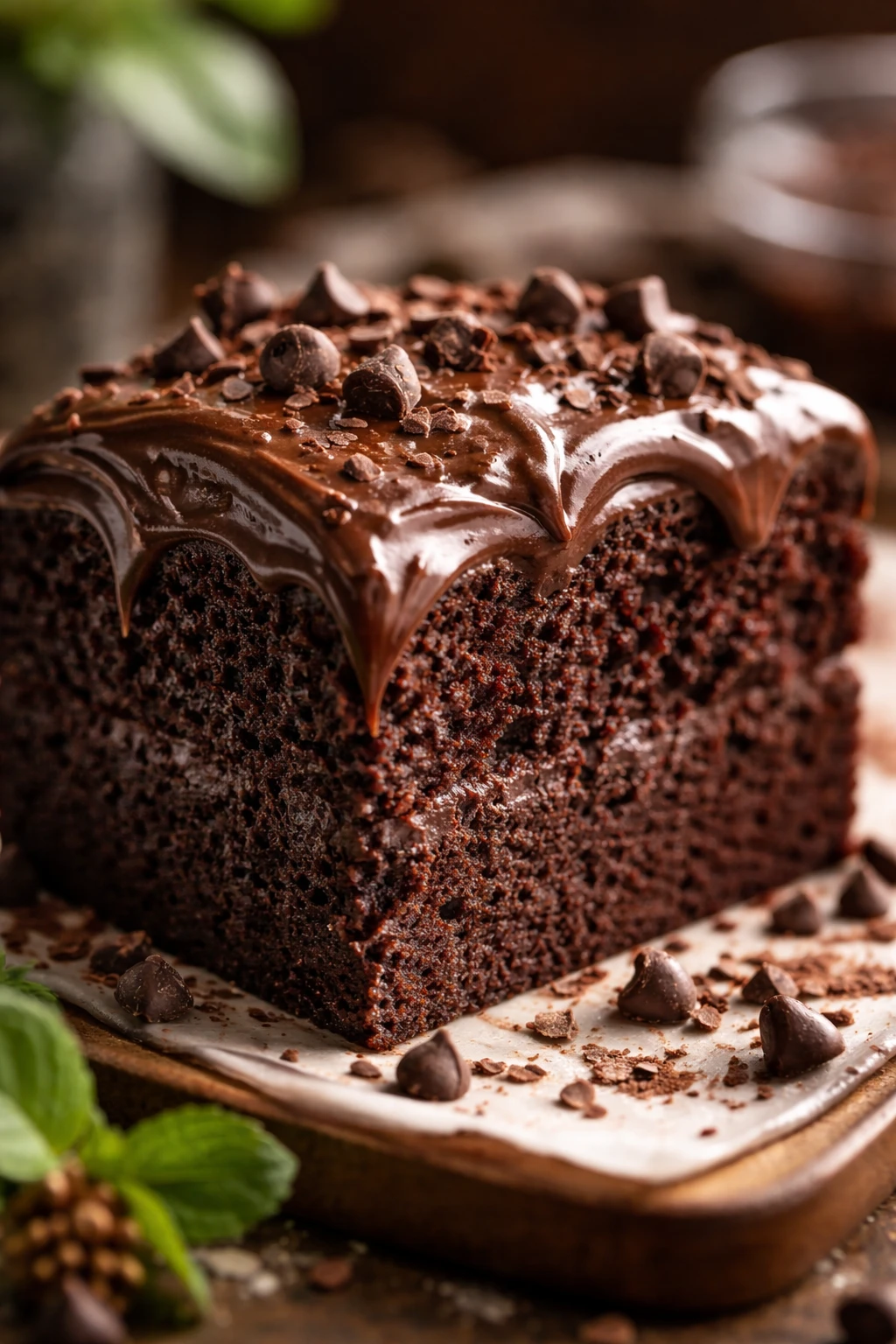
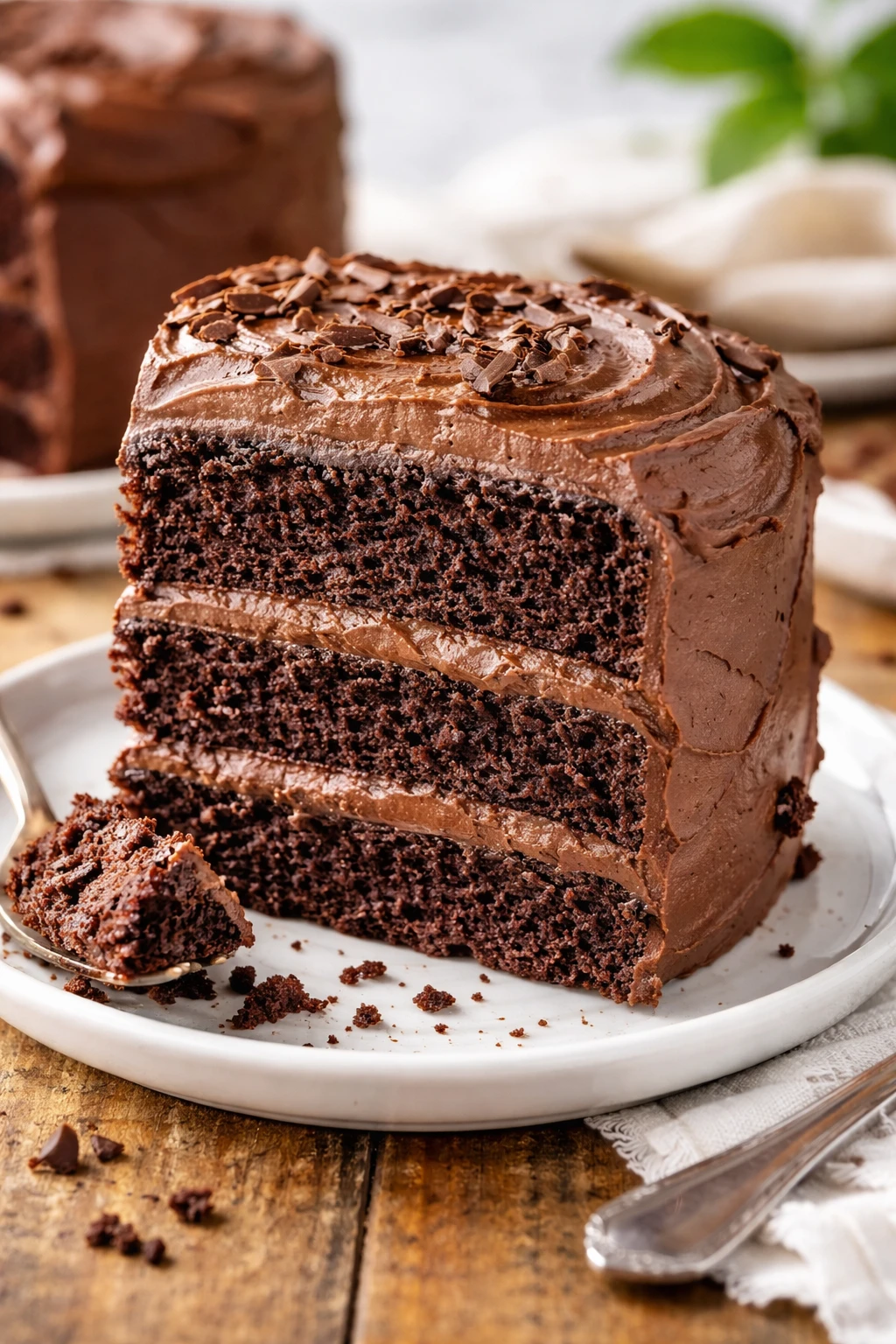
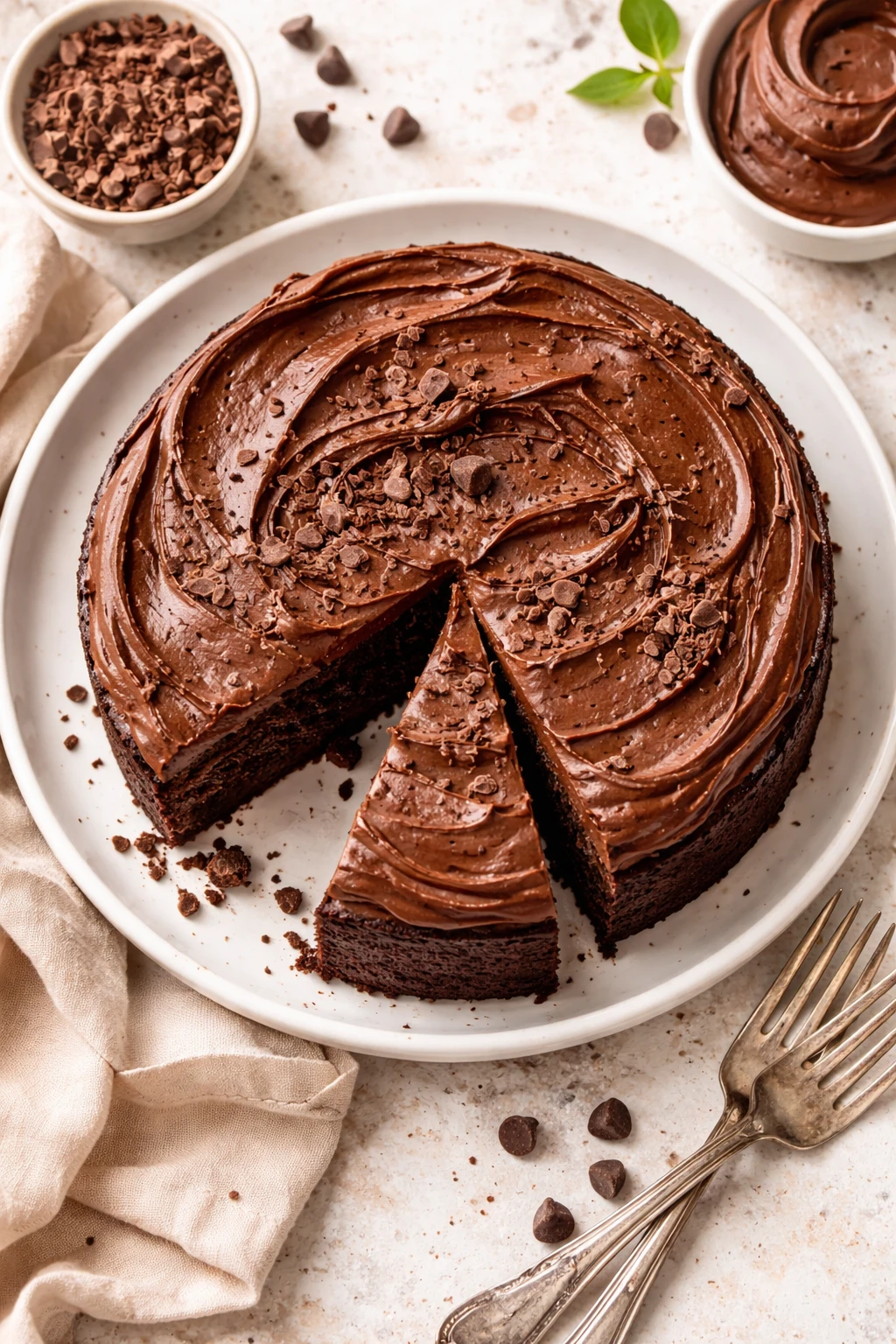
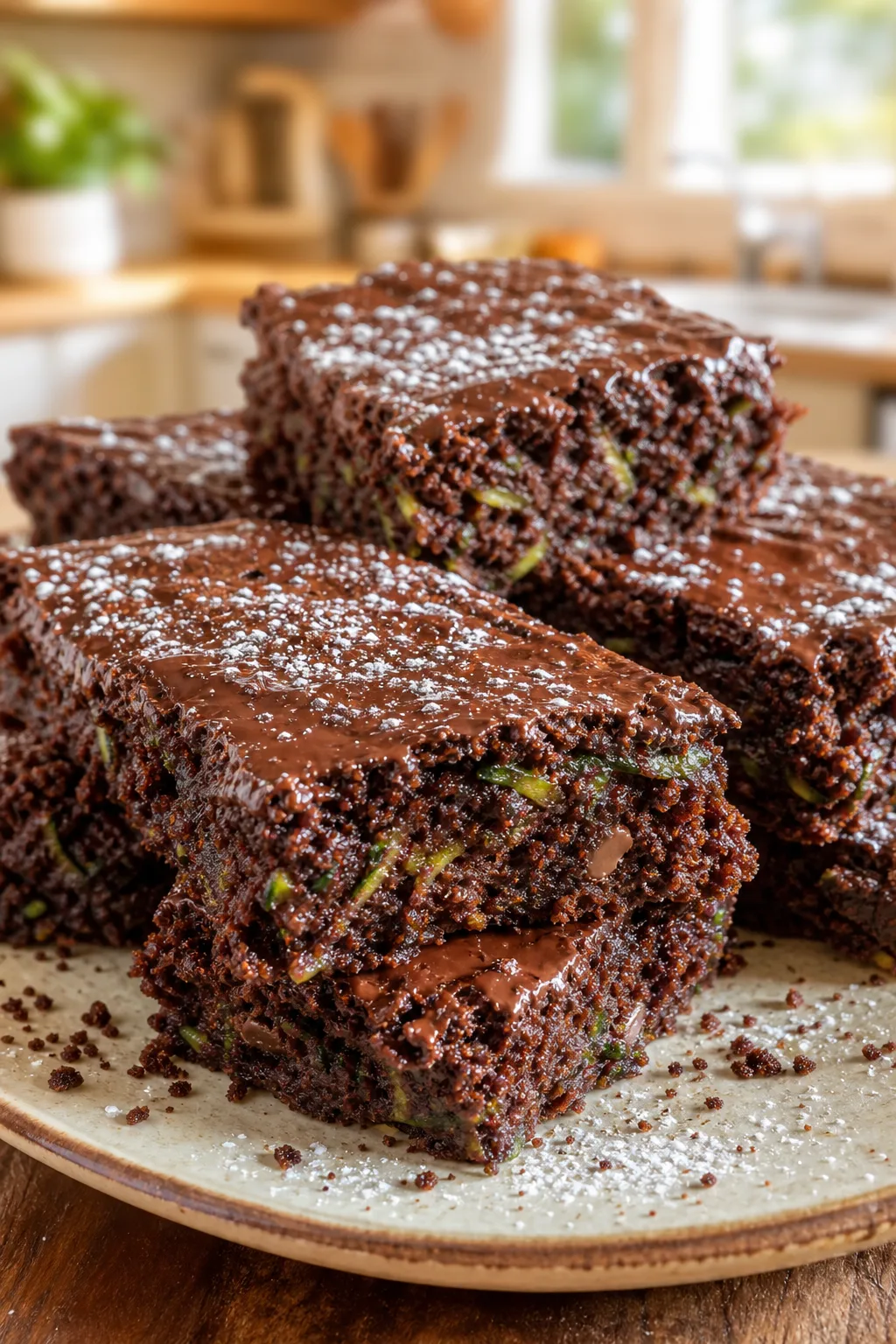
This chocolate cake is a lifesaver when you crave rich, fudgy goodness without the fuss. Made with just five ingredients and topped with a luscious fudge frosting, it’s perfect for quick celebrations or cozy nights at home.
Introduction
I first made this chocolate cake on a busy weeknight when I craved something rich and chocolaty but didn’t want to spend hours in the kitchen. This recipe, with just five main ingredients, quickly became a favorite because it’s so simple yet incredibly satisfying. What sets this cake apart for me is the fudge frosting — it’s silky and decadent without being too sweet, and it perfectly balances the moist cake beneath. I’ve tried many chocolate cake recipes over the years, but this one always wins for its ease and flavor. A little secret I learned is to sift the cocoa powder and flour together to avoid lumps, which makes the texture light and smooth. The finished cake is moist, tender, and deeply chocolatey, with a frosting that melts in your mouth. It’s great for last-minute celebrations, casual dinners, or just when you need a chocolate fix to brighten your day. I love how it feels homemade and comforting, without any complicated steps or fancy ingredients. Seriously, it’s my go-to when I want to impress with minimal effort.
How To Do It
Step 1
Start by preheating your oven to 350°F (175°C) and greasing an 8-inch round cake pan. This ensures your cake won’t stick and will come out cleanly. Greasing and lightly flouring the pan or lining it with parchment paper works well. Preheating is important so the cake bakes evenly from the start, giving it a nice rise and tender crumb.
⏱ Time: 10 minutes
✓ Doneness: Oven fully preheated and pan ready with no dry spots
Step 2
In a large bowl, sift together the flour, cocoa powder, baking powder, salt, and sugar. Sifting helps to combine the dry ingredients evenly and breaks up any lumps, which is crucial for a smooth cake batter and even texture. Mix gently but thoroughly to avoid pockets of dry ingredients.
⏱ Time: 5 minutes
✓ Doneness: Dry ingredients are well combined with no clumps visible
Step 3
In a separate bowl, whisk together the eggs, vegetable oil, and milk until smooth. This wet mixture adds moisture and richness to the cake. Whisking well ensures the eggs incorporate air, helping the cake rise and become fluffy. If you add the wet ingredients too quickly to the dry, the batter can become lumpy, so pour slowly.
⏱ Time: 5 minutes
✓ Doneness: Wet ingredients are fully combined and smooth
Step 4
Pour the wet ingredients into the dry mix and gently fold together using a spatula or wooden spoon. Avoid overmixing here — stir just until combined to keep the batter light. Overmixing can develop gluten and make the cake dense or tough. The batter should be thick but pourable.
⏱ Time: 3 minutes
✓ Doneness: Batter is homogenous with no streaks of flour or dry spots
Step 5
Pour the batter into the prepared cake pan and smooth the surface with a spatula. This helps the cake bake evenly and rise uniformly. Tap the pan lightly on the counter to release any large air bubbles that could cause holes or cracks.
⏱ Time: 2 minutes
✓ Doneness: Batter evenly spread with no air pockets
Step 6
Bake the cake for 28-30 minutes, checking for doneness by inserting a toothpick into the center. It should come out with a few moist crumbs but no wet batter. Baking too long can dry the cake, while underbaking leaves it gooey. The edges will start to pull away slightly from the pan when done.
⏱ Time: 28-30 minutes
✓ Doneness: Toothpick comes out mostly clean with moist crumbs
Step 7
While the cake bakes, start the fudge frosting by melting butter in a saucepan over low heat. Stir in cocoa powder until smooth, then remove from heat. Slowly whisk in powdered sugar, alternating with milk, until thick and creamy. Add vanilla extract last. The key is to add milk gradually to get the right frosting consistency — too much makes it runny, too little makes it stiff.
⏱ Time: 10 minutes
✓ Doneness: Frosting is smooth, glossy, and spreadable
Step 8
Once the cake is baked, let it cool in the pan for 10 minutes, then transfer to a wire rack to cool completely. Cooling fully before frosting is essential; if the cake is warm, the frosting will melt and slide off. Patience here ensures a neat, attractive finish.
⏱ Time: 40 minutes
✓ Doneness: Cake is completely cool to the touch
Step 9
Spread the fudge frosting evenly over the cooled cake using a spatula or knife. You can add swirls or keep it smooth — either way, the frosting adds rich flavor and a beautiful finish. Chill briefly if you want the frosting to set before slicing.
⏱ Time: 5 minutes
✓ Doneness: Frosting evenly coated with a glossy finish
Variations
Gluten-Free Chocolate Cake
Swap all-purpose flour for a gluten-free blend that includes xanthan gum. The texture will be slightly different — a bit denser but still moist and delicious. Perfect for gluten-sensitive friends!
Note: Gluten-free blends absorb moisture differently; you might need to add a tablespoon of milk or oil for the right batter consistency.
Vegan Chocolate Cake
Replace eggs with flaxseed meal mixed with water (1 tbsp flaxseed + 3 tbsp water per egg). Use plant-based milk and vegan butter for the frosting. The cake will be a little denser but still rich and chocolaty.
Note: Flax eggs don’t trap as much air, so the cake may rise less; be gentle when mixing to maintain tenderness.
Espresso-Infused Chocolate Cake
Add 1 tablespoon of instant espresso powder to the dry ingredients for a mocha twist. It enhances the chocolate flavor without making the cake taste like coffee.
Note: Dissolve espresso powder thoroughly to avoid gritty texture; it blends well with cocoa powder.
Chocolate Cake with Raspberry Filling
Slice the cooled cake horizontally and spread raspberry jam or fresh raspberries mixed with sugar between layers before frosting. The tartness brightens the rich chocolate flavor.
Note: Ensure the filling isn’t too wet to avoid soggy layers; a thicker jam or drained berries work best.
Nutty Chocolate Cake
Fold chopped toasted walnuts or pecans into the batter before baking for added crunch and flavor. It adds texture contrast and a nutty aroma.
Note: Toast nuts lightly to enhance flavor but avoid burning; fold gently to keep batter airy.
Pro Tips
Sift your dry ingredients together before mixing.
Sifting breaks up clumps and aerates the flour and cocoa powder, which helps create a lighter, more even crumb. It also ensures the baking powder is evenly distributed, preventing uneven rising or dense spots.
Don’t overmix the batter once wet and dry ingredients combine.
Overmixing develops too much gluten, which makes the cake tough and chewy instead of tender and soft. Stir just until no dry flour remains to keep the crumb light and fluffy.
Cool the cake completely before frosting.
Applying frosting to a warm cake causes it to melt and slide off, ruining the finish. Cooling allows the crumb to firm up, making it easier to spread frosting evenly for a polished look.
Use room temperature eggs and milk for best mixing.
Cold ingredients can cause the batter to seize or mix unevenly, leading to lumps or dense texture. Room temperature ingredients blend smoothly and help trap air for a lighter cake.
Tap the cake pan on the counter before baking.
This releases large air bubbles trapped in the batter that can cause holes or uneven texture in the cake. It helps the cake bake evenly and look smooth on top.
Use a toothpick to check doneness near the end of baking.
This simple test prevents overbaking, which dries out the cake. The toothpick should come out with a few moist crumbs but no wet batter for perfect moistness.
Gradually add milk when making the fudge frosting.
Adding milk slowly helps control frosting consistency. Too much milk makes it runny, while too little makes it stiff and hard to spread. Adjust to get a creamy, spreadable texture.
Common Mistakes to Avoid
Skipping sifting dry ingredients
Why it happens Many cooks want to save time and skip sifting, assuming it’s optional.
Fix Always sift flour, cocoa powder, and baking powder together to avoid lumps and ensure even mixing. It makes a big difference in texture and rise.
Overmixing batter after adding wet ingredients
Why it happens It’s tempting to mix thoroughly to get a smooth batter, but this develops gluten.
Fix Mix just until combined. Stop when you see no dry streaks. This keeps the cake tender and prevents toughness.
Applying frosting on warm cake
Why it happens Impatience or not allowing enough cooling time.
Fix Wait until the cake is completely cool before frosting to avoid melting and sliding frosting.
Using expired baking powder
Why it happens Baking powder loses potency over time and is often forgotten in the pantry.
Fix Test baking powder by adding a little to hot water—if it bubbles vigorously, it’s fresh. Replace if not.
Baking at incorrect oven temperature
Why it happens Ovens can be off or preheating steps skipped.
Fix Use an oven thermometer to ensure accurate temperature. Preheat fully before baking for even rise and texture.
Nutrition
Per Serving:
Nutritional values are estimates and may vary based on specific ingredients used.
Storage & Tips
Room Temperature
Store the frosted cake covered loosely with a cake dome or plastic wrap at room temperature for up to 2 days. This keeps the cake moist but avoid warm or humid environments which can cause frosting to melt.
Refrigerator
Store the cake in an airtight container in the refrigerator for up to 5 days. The cake may firm up and the frosting harden slightly; allow it to come to room temperature before serving for best flavor and texture.
Freezer
Wrap the unfrosted cake layers tightly in plastic wrap and aluminum foil, then freeze for up to 3 months. Thaw overnight in the refrigerator and bring to room temperature before frosting and serving to maintain moisture and texture.
Reheating
If desired, warm individual slices gently in the microwave for 10-15 seconds to soften the cake and frosting. Avoid overheating to prevent drying out. Adding a small splash of milk before warming can help retain moisture.
Make Ahead
Bake the cake layers a day ahead and store wrapped at room temperature or refrigerated. Prepare the frosting separately and assemble the cake the day of serving for the freshest texture and appearance.
FAQ
Can I use butter instead of vegetable oil?
Yes, you can substitute melted butter for vegetable oil in equal amounts, but the cake will be slightly denser and have a richer flavor. Oil keeps cakes moister because it stays liquid at room temperature, so using butter might make the cake firmer once cooled.
Why is my cake dense and not fluffy?
Dense cake often results from overmixing the batter, using old baking powder, or baking at the wrong temperature. Mix just until combined, check your leavening agent’s freshness, and make sure your oven is properly preheated for the best rise.
Can I make this cake gluten-free?
Absolutely! Use a gluten-free all-purpose flour blend with xanthan gum for best results. The texture might be a bit different—usually denser—but it will still be moist and delicious.
How do I store leftover cake?
Keep leftover cake in an airtight container at room temperature for up to 2 days or refrigerate for up to 5 days. If refrigerated, let it come to room temperature before eating to soften the frosting and crumb.
Can I freeze the frosted cake?
It’s better to freeze the cake layers unfrosted to avoid texture changes in the frosting. Wrap layers tightly and freeze for up to 3 months, then thaw before frosting and serving.
What’s the best way to check if the cake is done?
Insert a toothpick into the center; it should come out with a few moist crumbs but no wet batter. If it’s clean or wet, bake a few minutes longer and check again.
Can I use a different type of cocoa powder?
Natural unsweetened cocoa powder is best for this recipe. Dutch-processed cocoa can be used but may affect the rise due to its neutral pH, possibly requiring adjustments to the baking powder or adding baking soda.
How do I make the frosting less sweet?
Reduce the powdered sugar slightly or add a pinch of salt to balance the sweetness. You can also add a bit more cocoa powder for a richer, less sweet chocolate flavor.
Final Thoughts
I hope you enjoy making and eating this easy chocolate cake as much as I do! Don’t forget to share your baking stories and photos — I love seeing your creations.