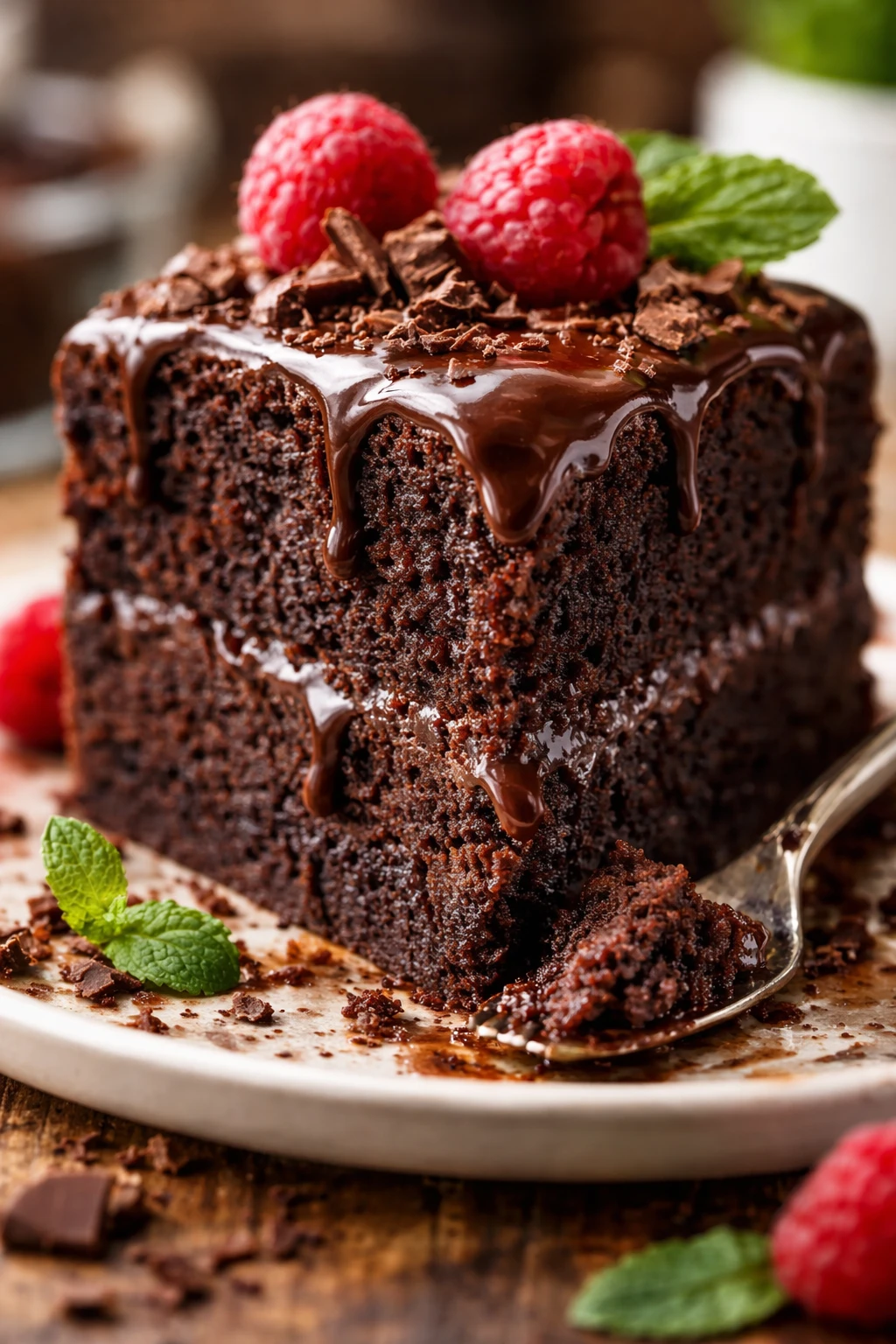
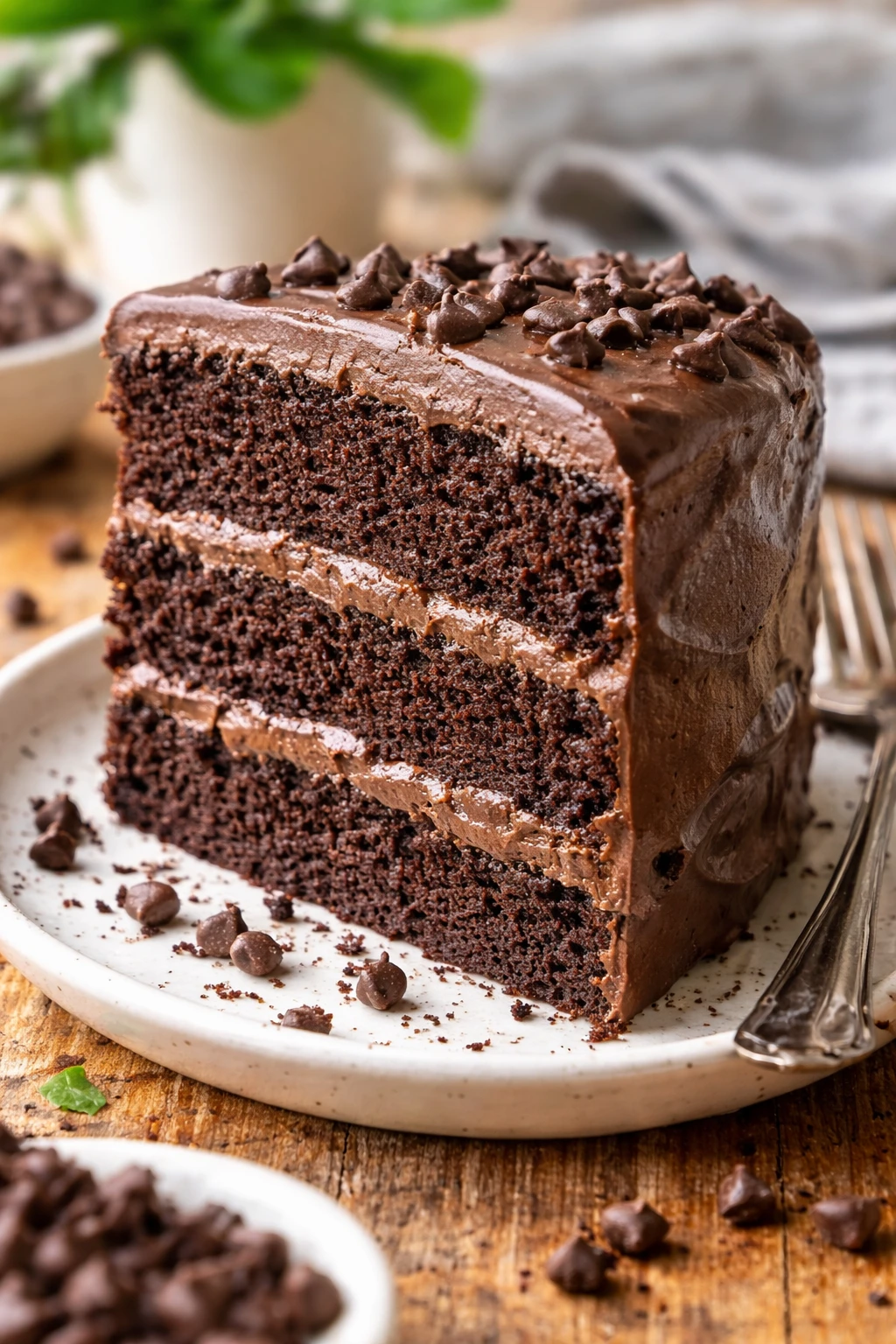
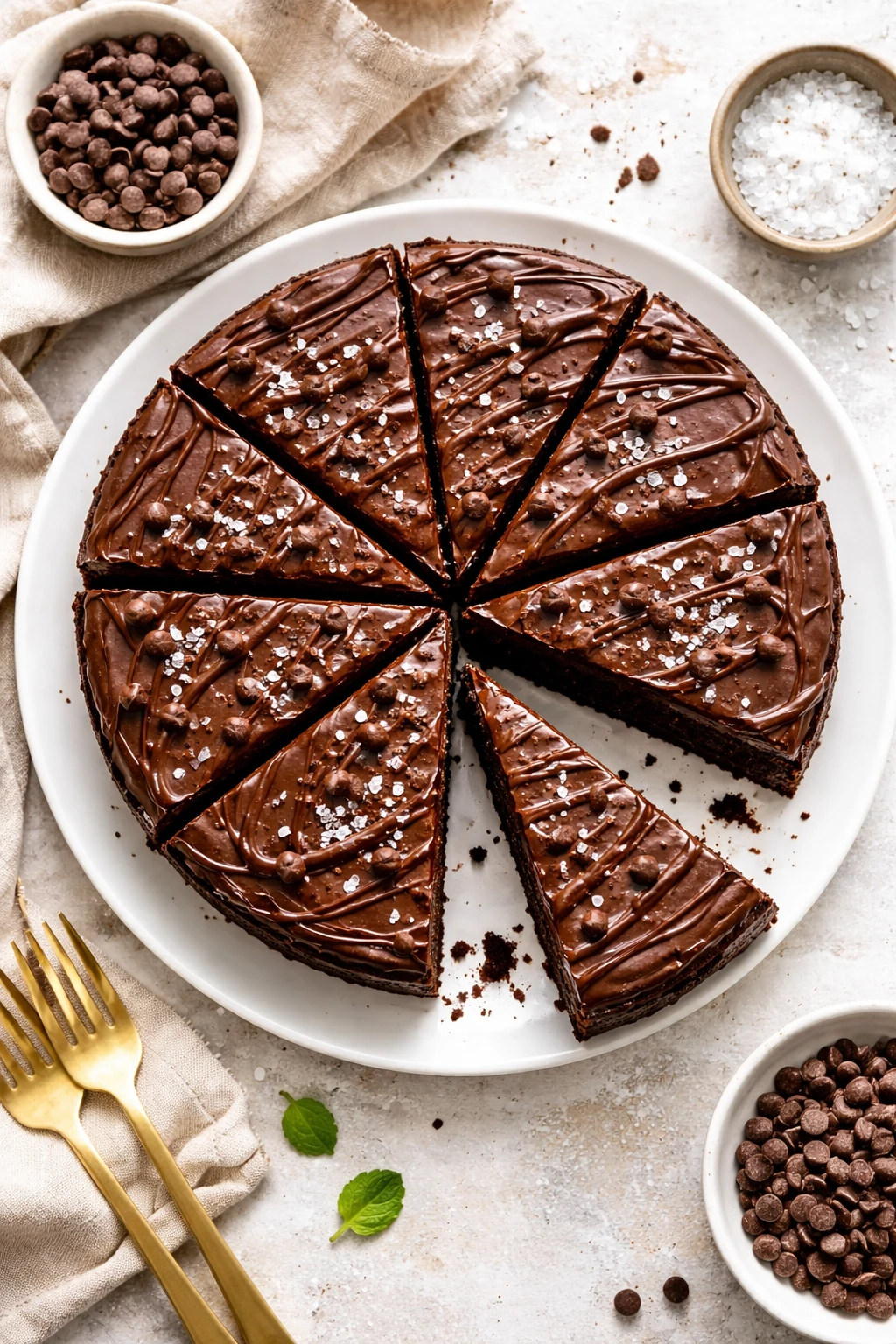
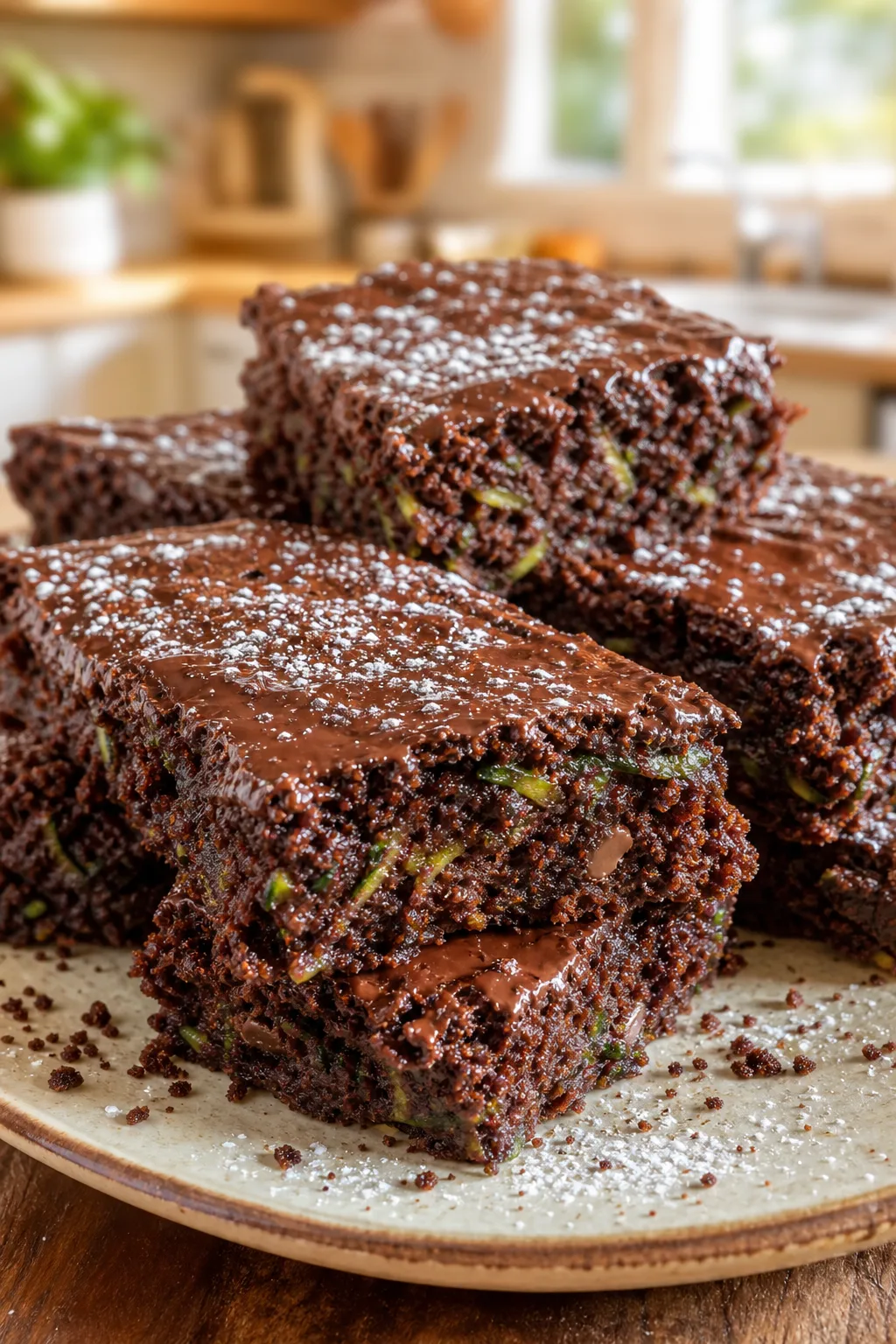
This chocolate fudge cake is my go-to when I want something indulgent but fuss-free. It uses just five ingredients and comes together in about 45 minutes. Perfect for a quick dessert fix or when you want a homemade treat without the drama!
Introduction
I stumbled on this chocolate fudge cake recipe during a hectic week when I desperately needed a quick dessert that still felt special. It’s amazing how just five simple ingredients can come together to create something so rich and comforting. Over the years, I’ve tweaked it slightly—adding a pinch of salt and using melted butter instead of oil—to get that perfect fudgy texture without it being too dense or dry. The trick I learned was to sift the cocoa and flour together to avoid lumps and to not overmix the batter. That way, it stays light but still moist and gooey. When it comes out of the oven, it’s dense, fudgy, and melts in your mouth, but it’s not heavy or overly sweet. It’s become a favorite for last-minute gatherings or even just a cozy weekend treat. Plus, because it’s so straightforward, even my less confident cook friends have nailed it on their first try. I hope you enjoy making and eating it as much as I do!
What You'll Need
One 9-inch round cake, 8 servings
- 1 cup all-purpose flour, sifted
- 1 cup granulated sugar
- 1/2 cup unsweetened cocoa powder, sifted
- 1/2 cup unsalted butter, melted
- 2 large eggs, room temperature
- 1 teaspoon vanilla extract
- 1/2 teaspoon baking powder
- 1/4 teaspoon salt
- 1/2 cup milk
How To Do It
Step 1
Preheat your oven to 350°F (175°C) and grease a 9-inch round cake pan with butter or line it with parchment paper. This step ensures your cake won’t stick and makes cleanup easier. I like to use parchment because it lifts out cleanly, keeping the cake intact. Make sure your oven is fully preheated before baking so the cake cooks evenly.
⏱ Time: 10 minutes
✓ Doneness: Pan is coated evenly with no bare spots and oven reads 350°F
Step 2
In a large bowl, sift together the flour, cocoa powder, baking powder, and salt. Sifting helps remove lumps and aerates the dry ingredients, which contributes to a lighter cake texture. Skipping this can cause clumps of cocoa that don’t mix well and result in uneven flavor distribution.
⏱ Time: 5 minutes
✓ Doneness: Dry ingredients are combined with no lumps visible
Step 3
In a separate bowl, whisk the eggs, sugar, and vanilla extract until the mixture is pale and slightly thickened. This step helps dissolve the sugar and incorporates air, which gives the cake some lift despite being fudgy. Use room temperature eggs for best results; cold eggs don’t whip up as well.
⏱ Time: 5 minutes
✓ Doneness: Egg mixture is lighter in color and slightly frothy
Step 4
Slowly pour the melted butter into the egg mixture while whisking continuously to emulsify the fat evenly. This prevents the butter from separating and ensures a smooth batter. If you add it too quickly or when the eggs are cold, the mixture might curdle.
⏱ Time: 3 minutes
✓ Doneness: Batter looks smooth and glossy without streaks of butter
Step 5
Alternate adding the dry ingredients and milk into the wet mixture, starting and ending with the dry ingredients. Mix gently using a spatula or wooden spoon until just combined. Overmixing can develop gluten and make the cake tough, so stop as soon as the flour disappears.
⏱ Time: 5 minutes
✓ Doneness: Batter is thick, fudgy, and smooth without visible flour streaks
Step 6
Pour the batter into your prepared pan and smooth the top with a spatula. Tap the pan gently on the counter to release any trapped air bubbles, which can cause holes in the cake texture if left alone.
⏱ Time: 2 minutes
✓ Doneness: Batter surface is even and free of large bubbles
Step 7
Bake the cake in the preheated oven for 28-32 minutes. Start checking at 28 minutes by inserting a toothpick in the center; it should come out with a few moist crumbs but not wet batter. This ensures the cake is fudgy but fully cooked. Overbaking will dry it out.
⏱ Time: 30 minutes
✓ Doneness: Toothpick comes out mostly clean with moist crumbs attached
Step 8
Remove the cake from the oven and let it cool in the pan for 15 minutes. Cooling allows the structure to set so it’s easier to remove and slice without crumbling. If you try to cut it while hot, it may fall apart.
⏱ Time: 15 minutes
✓ Doneness: Cake feels firm to the touch and slightly pulls away from pan edges
Step 9
Run a knife around the edges and invert the cake onto a cooling rack or plate. Let it cool completely before serving or frosting. This final step prevents the cake from breaking and helps flavors meld. Serve plain or with whipped cream or ice cream for extra indulgence.
⏱ Time: 20 minutes
✓ Doneness: Cake releases cleanly and is fully cooled to room temperature
Variations
Add Espresso for a Mocha Twist
Stir in a teaspoon of instant espresso powder with the dry ingredients to deepen the chocolate flavor and add a subtle coffee kick. The espresso enhances the cocoa without overpowering the cake.
Note: Espresso powder dissolves quickly and won’t affect batter texture. No other changes needed.
Swap Butter for Coconut Oil
Use melted coconut oil instead of butter for a dairy-free version with a slight tropical flavor. It keeps the cake moist and adds a subtle nuttiness.
Note: Coconut oil solidifies at cooler temperatures, so store cake at room temp or warm slightly before serving.
Add Chocolate Chips for Extra Fudge
Fold in 1/2 cup of semi-sweet chocolate chips into the batter for pockets of melted chocolate. It makes the cake even more decadent and gooey.
Note: Gently fold to avoid melting the chips into the batter before baking.
Top with a Simple Ganache
Make a quick ganache by heating equal parts cream and chopped chocolate, then pour over cooled cake. It adds a glossy, rich finish that elevates this humble cake to a special occasion treat.
Note: Let ganache cool slightly before pouring to avoid soaking into the cake.
Use Almond Flour for Gluten-Free Version
Replace all-purpose flour with almond flour for a moist, nutty gluten-free cake. The texture will be denser but still fudgy and delicious.
Note: Almond flour absorbs more moisture; add an extra tablespoon of milk to keep batter consistency.
Pro Tips
Always sift your dry ingredients together.
Sifting aerates the flour and cocoa powder and removes any lumps, which helps create a smooth batter and even texture in the final cake. It also makes mixing easier and prevents clumps of dry powder in the cake.
Use room temperature eggs for better mixing.
Cold eggs don’t blend as well and can cause the batter to seize or curdle when mixing with melted butter. Room temperature eggs whip up fluffier and help incorporate air, resulting in a lighter cake.
Don’t overmix your batter once the flour is added.
Overmixing develops gluten, making the cake tough and chewy rather than soft and fudgy. Mix just until the flour disappears to maintain a tender crumb.
Let the cake cool in the pan before removing.
Cooling allows the cake to firm up and prevents it from breaking apart when you turn it out. It also helps the moisture redistribute for a better texture.
Tap the pan gently before baking.
This releases trapped air bubbles in the batter, preventing holes and uneven texture in the finished cake.
Use fresh baking powder for proper rise.
Old or expired baking powder loses its potency, causing a dense, flat cake. Test it by adding a bit to warm water—it should fizz actively.
Avoid opening the oven door during baking.
Opening the door lets out heat and can cause the cake to collapse or bake unevenly, affecting texture and rise.
Common Mistakes to Avoid
Overbaking the cake
Why it happens It’s easy to leave the cake in the oven too long thinking it’s not done, especially since fudgy cakes look moist even when overbaked.
Fix Start checking the cake 3-5 minutes before the minimum time. Use a toothpick test and remove the cake when it comes out with moist crumbs, not wet batter. This keeps the cake moist and fudgy.
Not sifting dry ingredients
Why it happens Skipping sifting saves time but leads to lumps and uneven mixing.
Fix Take the extra few minutes to sift flour, cocoa, and baking powder together. It ensures a smooth batter and consistent texture.
Adding melted butter when too hot
Why it happens If the butter is too warm, it can cook the eggs and cause the batter to curdle.
Fix Let melted butter cool to just warm before adding it slowly to the eggs while whisking to keep the mixture smooth.
Overmixing after adding flour
Why it happens Mixing too vigorously develops gluten which toughens the cake.
Fix Fold in the flour gently and stop mixing as soon as it’s combined for a tender crumb.
Using cold eggs
Why it happens Cold eggs don’t whip well and can cause uneven mixing.
Fix Bring eggs to room temperature before starting for better volume and batter consistency.
Nutrition
Per Serving:
Nutritional values are estimates and may vary based on specific ingredients used.
Storage & Tips
Room Temperature
This fudge cake can safely sit at room temperature for up to 2 days if covered tightly with plastic wrap or stored in an airtight container to prevent drying out.
Refrigerator
Store leftovers in an airtight container for up to 5 days. The cake may firm up and lose some moisture, so bring to room temperature or warm slightly before serving for best texture.
Freezer
Wrap the cake tightly in plastic wrap and then foil to freeze for up to 3 months. Thaw overnight in the refrigerator and warm gently before serving to restore softness.
Reheating
Warm slices gently in the microwave for 15-20 seconds or in a low oven (300°F) for 10 minutes. Avoid overheating to prevent drying. Adding a small splash of milk when reheating can help keep it moist.
Make Ahead
You can prepare the batter a day ahead and keep it covered in the fridge. Bring it to room temperature and give a gentle stir before baking. Alternatively, bake the cake and refrigerate; warm before serving.
FAQ
Can I use oil instead of butter in this recipe?
Yes, you can substitute melted vegetable or canola oil for butter in equal amounts. However, butter adds flavor and richness that oil lacks, so the cake may be less flavorful and slightly less tender.
Why is my cake dry even though I followed the recipe?
Dryness often comes from overbaking or overmixing the batter. Make sure to check the cake a few minutes before the suggested bake time and mix the batter just until combined to avoid toughening.
Can I make this cake gluten-free?
Yes, replace the all-purpose flour with a gluten-free blend or almond flour. Almond flour will make the cake denser and more moist. You might need to adjust the liquid slightly to get the right batter consistency.
How do I store leftover cake?
Store leftovers in an airtight container at room temperature for up to 2 days or in the fridge for up to 5 days. For longer storage, freeze wrapped tightly for up to 3 months.
Can I add frosting or glaze?
Absolutely! A simple chocolate ganache or dusting of powdered sugar complements this cake well. Since it’s rich and fudgy, frosting is optional but adds extra indulgence.
What’s the best way to test if the cake is done?
Insert a toothpick in the center. It should come out with moist crumbs but no wet batter. This indicates the cake is cooked but still fudgy inside.
Can I double the recipe?
Yes, you can double the ingredients and bake in a larger pan or two pans. Adjust baking time accordingly; check for doneness starting at the original time.
Why do I need to let the cake cool before removing it from the pan?
Cooling helps the cake set and prevents it from breaking apart when unmolding. If you remove it too soon, it might crumble or stick to the pan.
Final Thoughts
I hope you enjoy making this chocolate fudge cake as much as I do—it's a simple, satisfying treat perfect for any occasion. Don’t forget to share your baking wins!