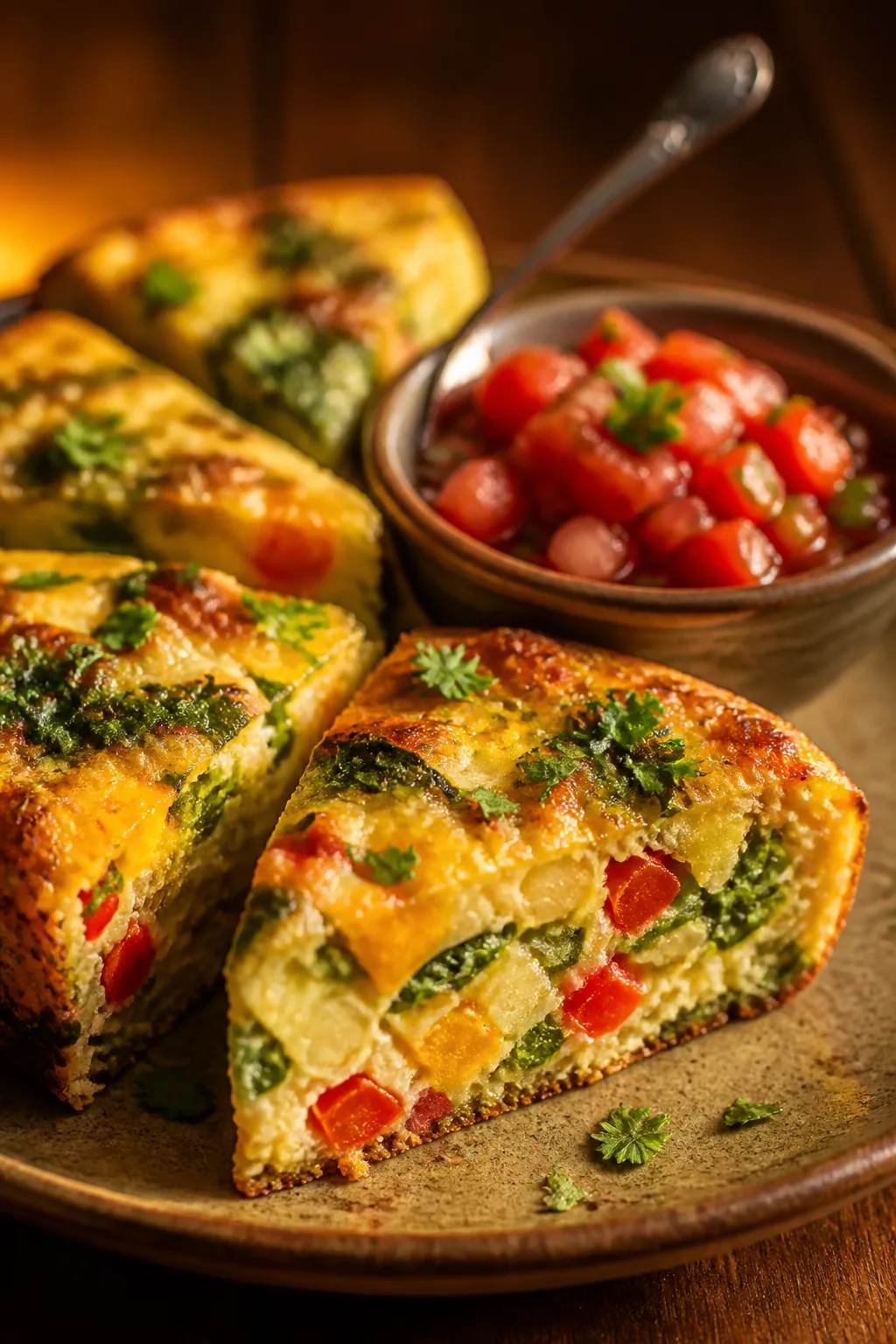
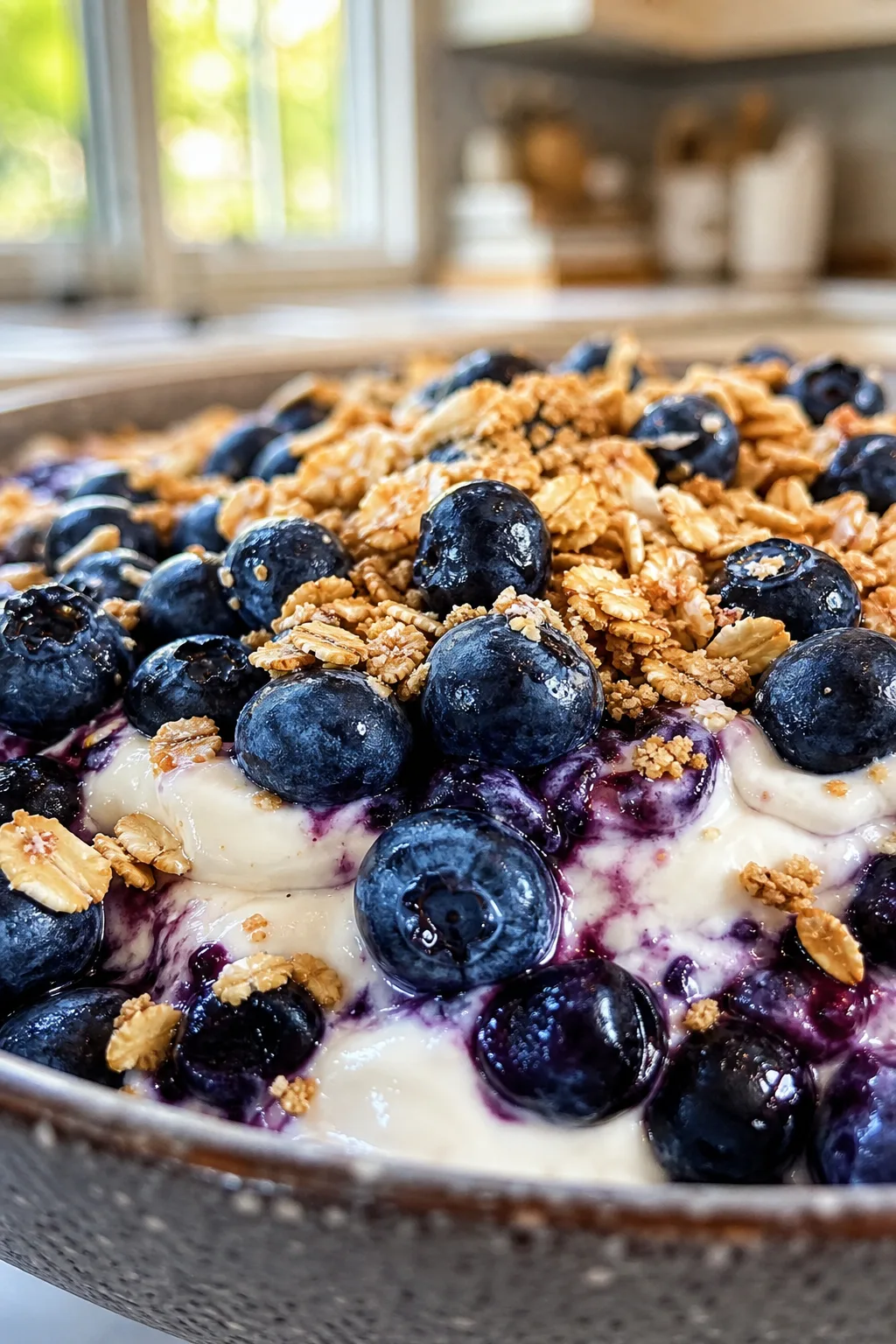
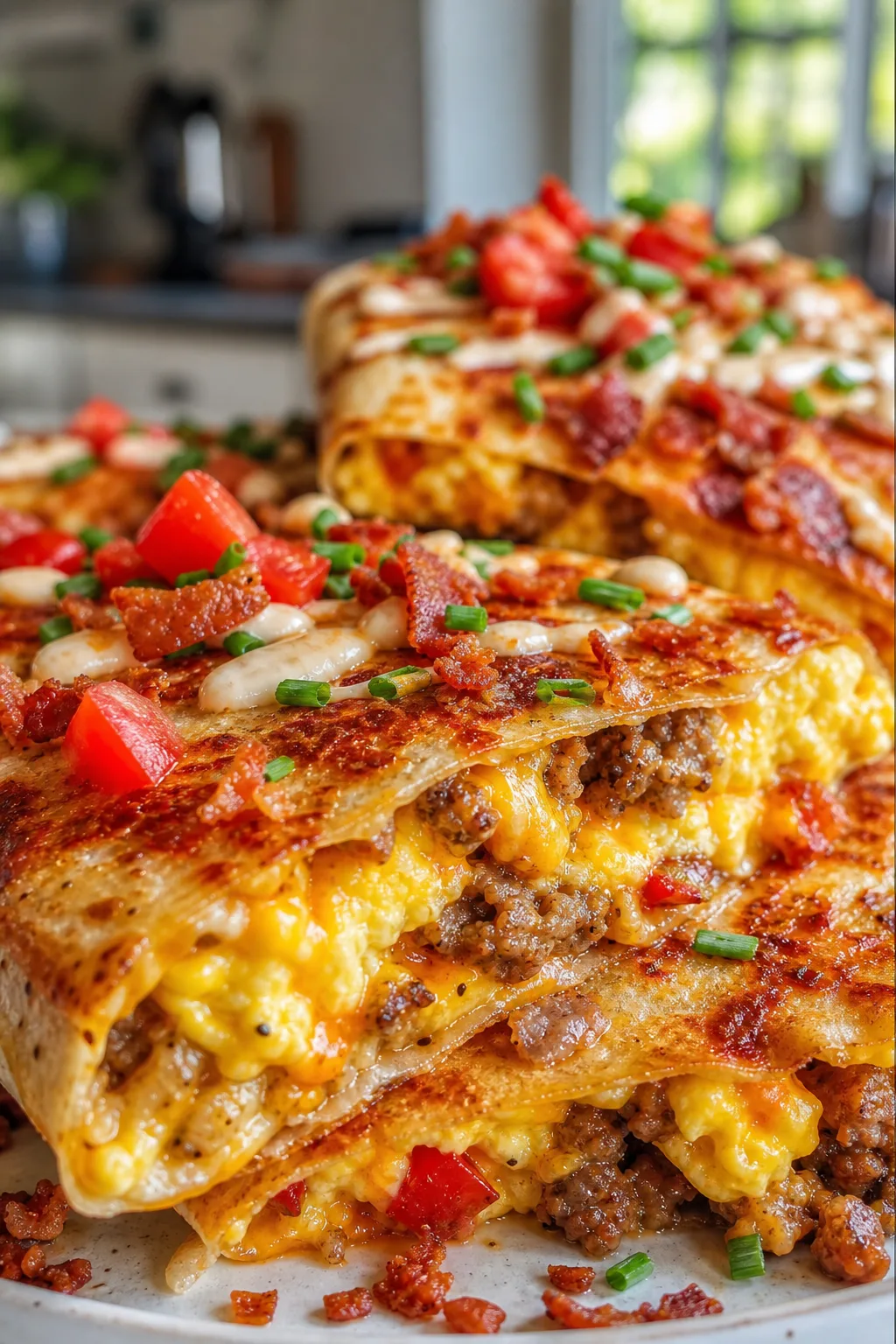
This breakfast scramble is my lifesaver on hectic mornings. It’s packed with veggies and cheese, whipped up in under 15 minutes. Great for a quick, nourishing start that keeps you fueled.
Introduction
I've always loved a good breakfast scramble — it's quick, comforting, and endlessly adaptable. This recipe came about on a hectic weekday when I needed something nourishing but fuss-free. Instead of the usual plain eggs, I like adding fresh veggies like cherry tomatoes, bell peppers, and spinach to brighten it up and sneak in some nutrients. The trick I learned is to whisk the eggs with a bit of milk; it makes the scramble fluffier and creamier. I also use olive oil instead of butter for a lighter feel and a subtle fruity flavor. The cheese melts in beautifully, tying everything together. The finished scramble is moist but not runny, with vibrant colors and a lovely balance of textures. It's perfect for busy mornings when you want something homemade but don’t have time to stand over the stove for long. Plus, it reheats well if you want to make a little extra for the next day. I think you’ll love how fast and satisfying it is!
How To Do It
Step 1
Start by whisking the eggs with the milk in a bowl until the mixture is smooth and slightly frothy. This step is crucial because the milk adds moisture, making the scramble tender and fluffy rather than rubbery. Whisking incorporates air, which helps create that light texture we all love. Avoid over-beating, though, or the eggs might become too watery. Once combined, season lightly with salt and pepper to enhance the flavors of the eggs and veggies.
⏱ Time: 3 minutes
✓ Doneness: Egg mixture should look uniform, slightly frothy, and pale yellow.
Step 2
Heat the olive oil in a medium non-stick skillet over medium heat. Once shimmering, add the diced bell peppers and sauté for about 2 minutes until they start to soften. This gentle cooking releases their sweetness and prevents them from remaining crunchy in the scramble. If you add them too late or skip this step, the peppers might stay raw and overpower the dish. After the peppers soften, toss in the cherry tomatoes and spinach, cooking just until the spinach wilts and tomatoes soften slightly, about 1 minute.
⏱ Time: 4 minutes
✓ Doneness: Veggies should be tender but still vibrant in color, not mushy.
Step 3
Pour the beaten egg mixture evenly over the cooked veggies in the skillet. Let it sit undisturbed for about 20 seconds so the edges start to set. This step helps create those soft curds we want in a scramble. Resist the urge to stir immediately, or the eggs won’t have a chance to form texture. Once the edges begin to firm up, gently stir with a spatula, folding the eggs from the edges toward the center.
⏱ Time: 2 minutes
✓ Doneness: Eggs start to thicken at edges but remain slightly runny on top.
Step 4
Keep gently stirring and folding the eggs every 10-15 seconds, allowing them to cook evenly without drying out. The key here is patience; rushing will cause the eggs to become rubbery. When the eggs are mostly cooked but still a little moist, sprinkle the shredded cheddar cheese over the top. The residual heat will melt the cheese, adding creaminess and a rich flavor. Stir once more to combine everything.
⏱ Time: 3 minutes
✓ Doneness: Eggs look soft, creamy, and slightly glossy with melted cheese.
Step 5
Remove the skillet from heat just before the eggs look fully set, as they will continue cooking from residual heat. Overcooking is a common mistake that leads to dry, tough scramble. Let it rest for a minute in the pan, then season with additional salt and pepper if needed. Serve immediately with toast or fresh fruit for a balanced breakfast.
⏱ Time: 1 minute
✓ Doneness: Eggs are soft, moist, and slightly shiny without excess liquid.
Step 6
For extra flavor, try adding fresh herbs like chives or parsley just before serving. They add a fresh, aromatic touch that brightens the dish beautifully. Chop finely and sprinkle on top once the eggs are plated. This step is optional but highly recommended for a restaurant-quality finish at home.
⏱ Time: 1 minute
✓ Doneness: Herbs look fresh and vibrant, enhancing the dish visually and aromatically.
Step 7
If you want to prepare ahead, cook the scramble without cheese and store it in an airtight container in the fridge. When reheating, add cheese at the end to keep it melty and fresh. Reheat gently on low heat or in short bursts in the microwave to avoid overcooking.
⏱ Time: N/A
✓ Doneness: Reheated scramble should be warm and creamy, not dry.
Step 8
To make it vegan, substitute eggs with a chickpea flour batter and use plant-based cheese. The cooking technique remains similar but watch the batter closely as it firms up differently than eggs. This swap is great for those avoiding animal products but wanting a similar texture and flavor profile.
⏱ Time: N/A
✓ Doneness: Vegan scramble should be firm but tender, with golden spots.
Step 9
Feel free to customize the veggies based on season or preference—mushrooms, zucchini, or onions work well too. Just sauté them first to soften and develop flavor before adding eggs. This flexibility makes the scramble a perfect canvas for whatever’s in your fridge.
⏱ Time: N/A
✓ Doneness: Vegetables are tender and well-integrated with eggs.
Variations
Mushroom and Swiss Cheese Scramble
Swap bell peppers and tomatoes for sautéed mushrooms and use Swiss cheese instead of cheddar. This gives a nuttier, earthier flavor and a creamier cheese texture. Mushrooms add umami and a meaty bite, perfect for mushroom lovers.
Note: Cook mushrooms until golden to release moisture before adding eggs, ensuring scramble isn’t watery.
Spicy Southwest Scramble
Add diced jalapeños, corn, and black beans with a sprinkle of cumin and chili powder. Top with pepper jack cheese and fresh cilantro for a spicy, vibrant twist. Great for fans of bold flavors and Tex-Mex cuisine.
Note: Sauté spicy peppers gently to mellow heat before combining with eggs.
Herbed Goat Cheese and Asparagus Scramble
Use tender asparagus tips and dollops of creamy goat cheese. Fresh herbs like tarragon or chives brighten the dish. This version is elegant and light, perfect for weekend brunch.
Note: Blanch asparagus briefly before sautéing to keep texture crisp-tender.
Vegan Chickpea Flour Scramble
Replace eggs with a batter of chickpea flour, water, and spices. Add your favorite veggies and nutritional yeast for cheesy flavor. This scramble is protein-packed and perfect for vegan diets.
Note: Cook batter slowly to firm up without burning; texture differs from eggs but is similarly satisfying.
Italian Style Scramble with Sun-Dried Tomatoes and Basil
Add chopped sun-dried tomatoes and fresh basil to the eggs. Finish with Parmesan cheese for a Mediterranean flair. This scramble pairs well with crusty bread and a cup of espresso.
Note: Rehydrate sun-dried tomatoes before cooking to soften and release flavor.
Pro Tips
Whisk eggs and milk until slightly frothy before cooking.
Whisking incorporates air bubbles that expand during cooking, making the scramble lighter and fluffier. The milk adds moisture, preventing toughness. Skipping this results in denser, rubbery eggs.
Sauté vegetables separately before adding eggs.
Cooking veggies first softens them and releases sweetness. It also reduces moisture that would otherwise make the scramble watery. Adding raw veggies directly can result in uneven texture and sogginess.
Cook eggs over medium to medium-low heat.
Gentle heat allows eggs to coagulate slowly, forming tender curds without drying out. High heat cooks eggs too fast, causing rubbery texture and uneven cooking.
Remove pan from heat just before eggs are fully set.
Residual heat finishes cooking the eggs, keeping them moist and creamy. Leaving eggs on heat too long causes overcooking and dryness.
Use a non-stick skillet and a silicone spatula.
Non-stick pans prevent sticking and make gentle folding easier. Silicone spatulas are flexible and won’t break curds, preserving the scramble’s soft texture.
Add cheese at the end of cooking.
Adding cheese too early can cause it to separate or burn. Adding it last allows it to melt smoothly into the warm eggs, creating a luscious texture.
Season lightly at the start and adjust at the end.
Salt draws moisture from eggs and veggies, affecting texture. Seasoning early helps flavor develop but too much can make scramble watery. Tasting and adjusting at the end ensures balanced seasoning.
Common Mistakes to Avoid
Cooking eggs on too high heat
Why it happens Many cooks rush to finish breakfast quickly and crank up the heat, thinking it saves time.
Fix Use medium or medium-low heat and be patient. Slow cooking forms tender curds and prevents dryness. If eggs cook too fast, remove pan from heat sooner.
Skipping sautéing vegetables
Why it happens People often want to save time or simplify steps by adding raw veggies directly.
Fix Take a few extra minutes to soften veggies first. This enhances flavor and prevents watery scramble. Cook veggies until tender but not mushy.
Over-beating eggs with milk
Why it happens Trying to make eggs fluffy, some beat eggs aggressively until very liquid.
Fix Whisk gently until combined and slightly frothy. Over-beating breaks down proteins too much, resulting in watery eggs that don’t set well.
Adding cheese too early
Why it happens Eager to have melty cheese, some add it at the start.
Fix Add cheese near the end to avoid separation or burning. Melt cheese on warm eggs off heat for best texture.
Not removing from heat before fully cooked
Why it happens Assuming eggs are done only when firm leads to overcooking.
Fix Take pan off heat when eggs are still slightly runny; they’ll finish cooking off heat, staying moist.
Nutrition
Per Serving:
Nutritional values are estimates and may vary based on specific ingredients used.
Storage & Tips
Room Temperature
The scramble can safely sit at room temperature for up to 2 hours if covered loosely. Beyond that, bacteria growth increases, so refrigerate promptly to keep it safe.
Refrigerator
Store leftovers in an airtight container for up to 3 days. The scramble may firm up and lose some creaminess when cold; reheat gently to restore softness. Avoid overheating to prevent dryness.
Freezer
Freeze cooked scramble in a freezer-safe container for up to 1 month. Wrap tightly to prevent freezer burn. Thaw overnight in the fridge before reheating gently on the stovetop or microwave.
Reheating
Reheat on low heat in a non-stick skillet or microwave in short bursts, stirring in between. Add a splash of milk or water to help restore moisture and creaminess. Avoid high heat to prevent rubbery texture.
Make Ahead
You can prepare and sauté the vegetables 1-2 days ahead and store separately. Whisk eggs fresh before cooking to keep scramble fluffy. On the day, combine and cook quickly for best texture and flavor.
FAQ
Can I make this scramble ahead of time?
Yes! You can prepare the veggies a day ahead and store them in the fridge. Whisk the eggs fresh before cooking for best texture. Cook the scramble just before eating to keep it fluffy and moist.
What if I don’t have milk? Can I skip it?
You can skip milk or substitute with water or plant-based milk. Milk helps make the eggs creamier and fluffier, but water will still give decent results. The texture might be slightly less tender without milk.
How do I avoid watery scramble from vegetables?
Sauté vegetables first to release moisture and soften them. Using raw veggies directly adds water during cooking, resulting in a watery scramble. Make sure to cook off excess liquid before adding eggs.
Can I use butter instead of olive oil?
Butter adds richness and flavor but has a lower smoke point, so cook on medium-low heat to avoid burning. Olive oil keeps the scramble lighter and handles heat better, but butter is a tasty alternative.
Why is my scramble rubbery sometimes?
Overcooking eggs or using high heat causes rubbery texture. Cook gently over medium or medium-low heat and remove from heat when eggs are just set to keep them tender and moist.
Can I add other cheeses?
Absolutely! Cheddar melts well, but mozzarella, Monterey Jack, or feta can be delicious too. Choose cheeses that melt smoothly to maintain creamy texture.
Is this recipe good for meal prep?
Yes, it reheats well if you store the scramble in airtight containers. Add cheese fresh when reheating to keep it melty. Reheat gently to avoid dryness.
How do I make this vegan?
Use chickpea flour batter instead of eggs and plant-based cheese. Cook veggies as usual and gently cook the chickpea batter until firm. Nutritional yeast adds cheesy flavor.
Final Thoughts
I hope you enjoy this quick breakfast scramble as much as I do—it’s a simple way to start your day with something tasty and nourishing. Don’t forget to share how yours turns out!