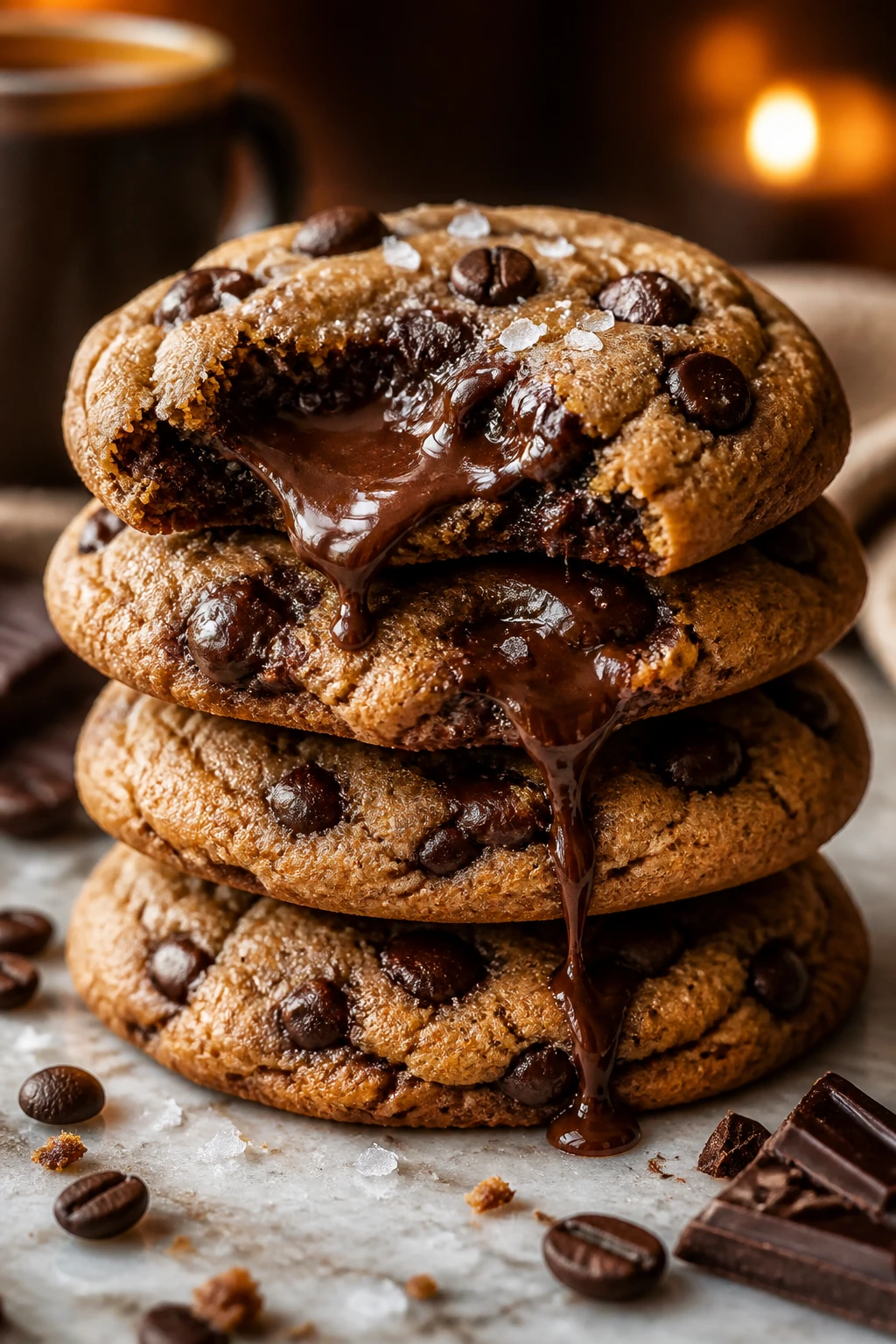
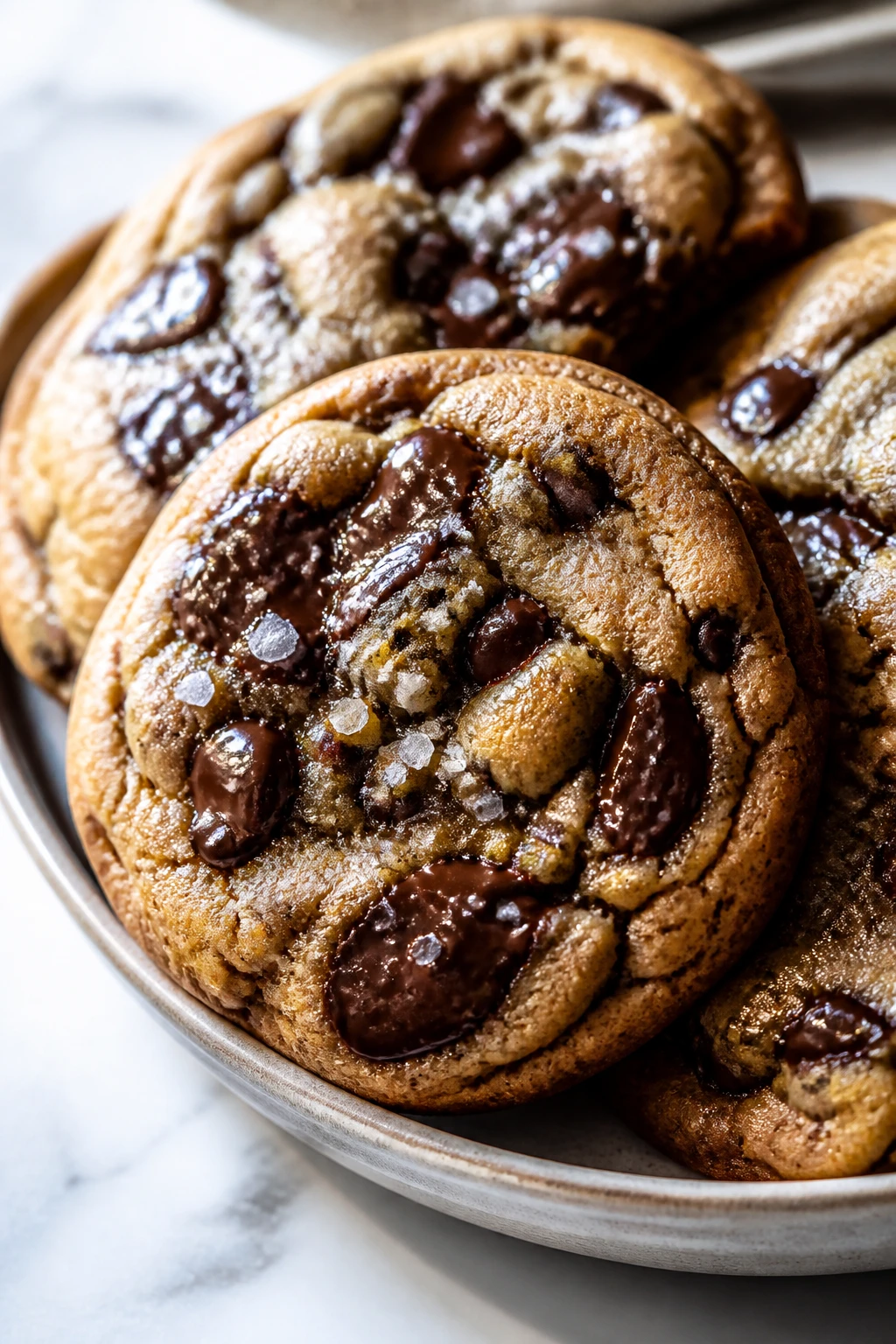
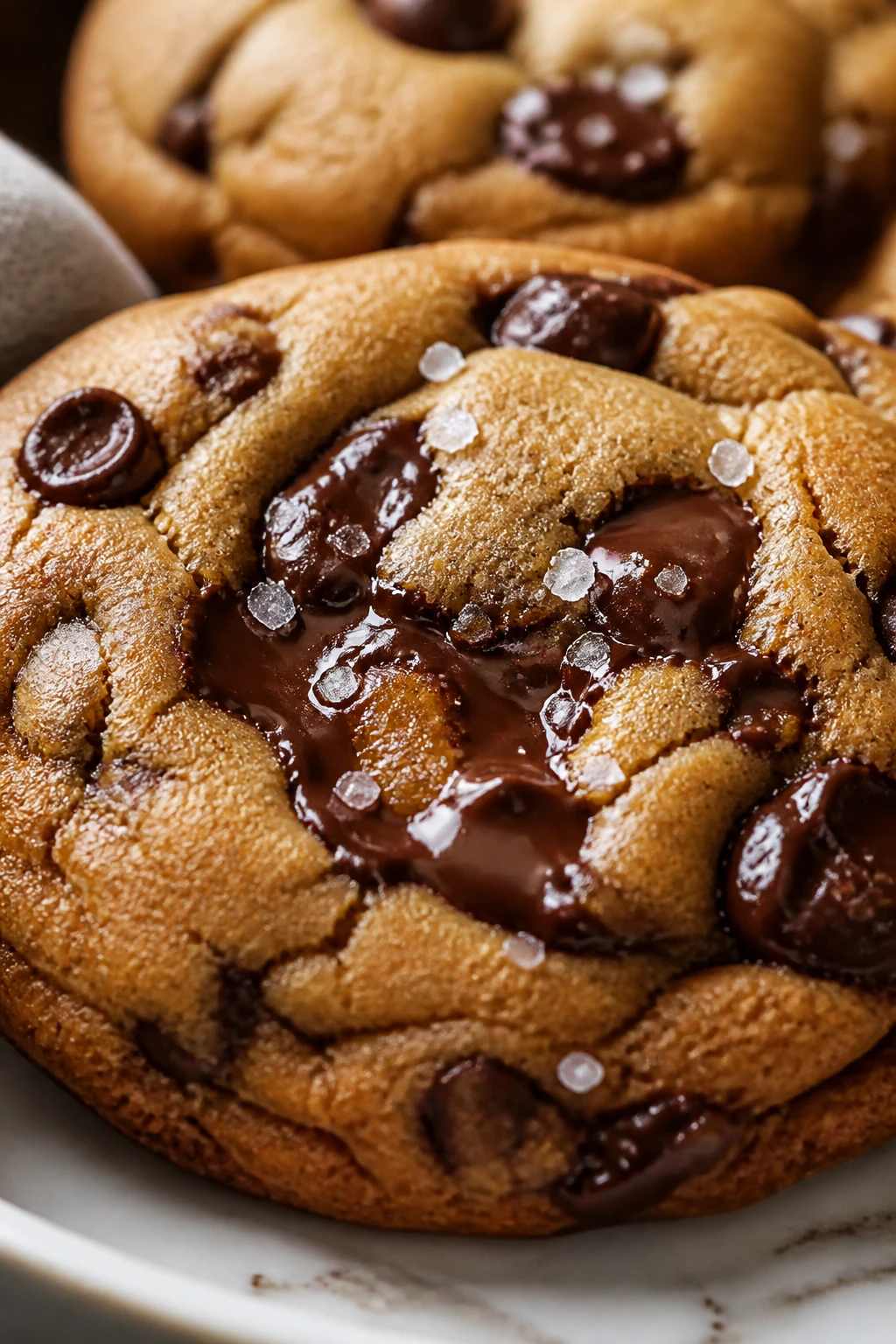
These cookies bring together the deep richness of espresso and gooey chocolate chips, finished with a sprinkle of sea salt for that perfect balance. They’re my favorite treat for chilly evenings or when I need a little pick-me-up.
Introduction
I first stumbled upon this espresso chocolate chip cookie recipe on a cold winter evening when I craved something warm and comforting but a little different than your usual cookie. The idea of adding espresso intrigued me, and after a few tries, I found the perfect balance between the bold coffee flavor and melty chocolate chips. What makes this recipe stand out is the sprinkle of coarse sea salt on top—it cuts through the sweetness and highlights the espresso’s richness. I’ve made these cookies countless times for family gatherings and cozy solo nights, and they never disappoint. The trick I learned is to use instant espresso powder rather than brewed coffee because it intensifies the flavor without making the dough too wet. When baked right, the cookies come out chewy with slightly crispy edges and pockets of melted chocolate that pair beautifully with the subtle coffee kick. Honestly, they taste like a little indulgent escape in every bite.
How To Do It
Step 1
Preheat your oven to 350°F (175°C) and line two baking sheets with parchment paper. This step ensures even baking and prevents sticking. Preheating is crucial because putting dough into an oven that isn't hot enough can cause cookies to spread too much and lose their chewy texture. Keep an eye on the oven thermometer if you have one, as oven temperatures can vary.
⏱ Time: 10
✓ Doneness: Oven fully preheated to 350°F and baking sheets prepared
Step 2
In a medium bowl, whisk together the sifted flour, baking soda, sea salt, and instant espresso powder until evenly combined. Sifting helps aerate the flour for a lighter cookie and evenly distributes the espresso and leavening agents, which is key for consistent flavor and texture. Mixing these dry ingredients well prevents pockets of salt or espresso in the dough.
⏱ Time: 5
✓ Doneness: Dry ingredients are evenly mixed with no clumps
Step 3
In a large bowl, use a hand mixer or stand mixer to cream the softened butter with the brown sugar and granulated sugar until the mixture is light and fluffy, about 3-4 minutes. This incorporates air into the dough, which helps create a tender crumb and chewy texture. Don't rush this step; under-creaming can result in dense cookies.
⏱ Time: 4
✓ Doneness: Butter and sugars appear pale and fluffy
Step 4
Add the eggs one at a time, mixing well after each addition, then stir in the vanilla extract. Adding eggs slowly ensures they are fully incorporated and helps maintain the emulsion in the dough, which affects texture and rise. The vanilla adds depth to the flavor, balancing the espresso and chocolate.
⏱ Time: 3
✓ Doneness: Smooth, glossy dough without streaks of egg
Step 5
Gradually add the dry ingredients to the wet mixture, mixing on low speed just until combined. Overmixing at this stage can develop gluten, making the cookies tough rather than tender, so mix carefully. The dough should be thick and slightly sticky, ready to hold those chocolate chips.
⏱ Time: 4
✓ Doneness: No visible flour streaks, dough thick but not overly stiff
Step 6
Fold in the chocolate chips gently with a spatula to distribute them evenly throughout the dough without breaking them. Folding preserves the texture of the chips and prevents the dough from becoming overly dense. Make sure every cookie will have a good amount of melty chocolate in each bite.
⏱ Time: 2
✓ Doneness: Chocolate chips evenly dispersed throughout the dough
Step 7
Using a cookie scoop or tablespoon, drop rounded balls of dough about 2 inches apart on the prepared baking sheets. Spacing is important because cookies will spread as they bake. If placed too close, they’ll merge into one large cookie, losing that perfect individual shape.
⏱ Time: 5
✓ Doneness: Uniform mounds spaced evenly on baking sheets
Step 8
Sprinkle a small pinch of coarse sea salt on top of each cookie dough ball before baking. This finishing touch enhances the espresso and chocolate flavors by adding a contrasting saltiness that makes each bite pop. Don’t skip this step—it’s what makes these cookies special.
⏱ Time: 2
✓ Doneness: Light, even sprinkling of sea salt on every cookie
Step 9
Bake in the preheated oven for 10-12 minutes or until the edges are golden but the centers still look slightly soft. Baking too long will dry out the cookies, so watch closely near the end. The cookies will firm up as they cool, so it’s better to underbake slightly for that perfect chewy texture.
⏱ Time: 12
✓ Doneness: Golden edges with soft, slightly puffy centers
Step 10
Remove the cookies from the oven and let them cool on the baking sheet for 5 minutes before transferring them to a wire rack to cool completely. Cooling on the sheet lets the cookies set so they don’t break apart, while the wire rack prevents sogginess by allowing air circulation underneath.
⏱ Time: 10
✓ Doneness: Cookies are firm enough to move without breaking
Variations
Double Chocolate Espresso Cookies
Add 1/4 cup unsweetened cocoa powder to the dry ingredients for a richer chocolate flavor that pairs perfectly with espresso. You can also swap half the semi-sweet chips for white chocolate for contrast. Expect a deeper, fudgier cookie with a bolder coffee kick.
Note: Reduce flour by 2 tablespoons to compensate for the added cocoa powder, which can dry out the dough.
Espresso Walnut Chocolate Chip Cookies
Fold in 1 cup chopped toasted walnuts for crunch and a nutty complement to the espresso and chocolate. Toasting the nuts beforehand brings out their flavor and adds texture contrast. These cookies feel more substantial and perfect for nut lovers.
Note: Add nuts last, folding gently to avoid breaking the pieces.
Vegan Espresso Chocolate Chip Cookies
Replace butter with coconut oil and eggs with flax eggs (1 tablespoon ground flaxseed + 3 tablespoons water each). Use dairy-free chocolate chips. The result is slightly softer cookies with a subtle coconut undertone that pairs nicely with the espresso.
Note: Chill dough longer (at least 1 hour) to help it firm up since coconut oil melts faster than butter.
Gluten-Free Espresso Chocolate Chip Cookies
Swap all-purpose flour for a 1:1 gluten-free baking flour blend. These cookies maintain a chewy texture but might be a little more delicate. Perfect for gluten-sensitive friends who still want that coffee-chocolate combo.
Note: Add 1/4 teaspoon xanthan gum if your blend doesn’t already contain it for better structure.
Spiced Espresso Chocolate Chip Cookies
Add 1 teaspoon cinnamon and 1/4 teaspoon cayenne pepper to the dry ingredients for a warm, spicy twist. The cinnamon deepens the flavor while the cayenne adds a subtle heat that pairs surprisingly well with espresso and chocolate.
Note: Reduce salt slightly to balance the added spices.
Pro Tips
Don’t skip sifting the dry ingredients.
Sifting aerates the flour and evenly distributes the espresso powder, baking soda, and salt. This prevents lumps and ensures a uniform dough texture, which helps the cookies bake evenly and develop the right crumb.
Use room temperature butter for creaming.
Softened butter traps air when creamed with sugar, which creates a lighter texture and helps cookies rise properly. Cold butter won’t mix well, and melted butter can make the dough too flat and greasy.
Chill the dough for at least 30 minutes before baking.
Chilling solidifies the fats, preventing cookies from spreading too much in the oven. It also allows flavors to meld, particularly the espresso and vanilla, resulting in a richer taste.
Sprinkle sea salt just before baking.
Adding salt on top before baking ensures it stays visible and provides a crunchy burst of salty flavor in each bite. If mixed into the dough, the salt flavor becomes more muted.
Use a cookie scoop for uniform cookies.
Even cookie sizes bake consistently, so some cookies don’t burn while others remain undercooked. A scoop also speeds up portioning and keeps your baking sheets tidy.
Don’t overbake — watch the edges carefully.
Cookies continue to cook after removal due to residual heat. Baking until edges are golden but centers still soft ensures chewy, tender cookies rather than dry, hard ones.
Cool cookies on the baking sheet before transferring.
Cooling on the sheet lets cookies set and firm up, reducing breakage. Transferring them too soon can cause them to fall apart.
Common Mistakes to Avoid
Adding espresso powder directly without mixing with dry ingredients
Why it happens Sometimes people add espresso powder with wet ingredients, thinking it will dissolve better, but this can cause uneven distribution and gritty texture.
Fix Always whisk espresso powder with the flour and other dry ingredients first to ensure even dispersal and prevent clumping.
Overmixing the dough after adding flour
Why it happens It’s easy to keep mixing to combine everything, but overmixing develops gluten, making cookies tough.
Fix Mix just until no flour streaks remain. Fold gently if needed to preserve a tender texture.
Skipping the sea salt topping
Why it happens Some may think salt is optional or forget it, but it’s key for balancing flavors.
Fix Don’t skip the sprinkle of coarse sea salt on top before baking—it elevates the overall taste.
Baking at too high or low temperature
Why it happens Oven temperatures vary, and some people guess rather than using a thermometer, leading to burnt or underbaked cookies.
Fix Use an oven thermometer to confirm 350°F and adjust racks so cookies bake evenly.
Using melted butter instead of softened butter
Why it happens Some assume melted butter is easier to mix but it changes dough consistency and cookie texture.
Fix Always use room temperature, softened butter and cream it with sugars for the right structure.
Nutrition
Per Serving:
Nutritional values are estimates and may vary based on specific ingredients used.
Storage & Tips
Room Temperature
Cookies can safely keep at room temperature for 2 days when stored in an airtight container. Keep them away from direct sunlight or heat to prevent melting of chocolate chips and maintain texture.
Refrigerator
Store in an airtight container for up to 5 days. Cookies may firm up and lose some chewiness when cold, so bring them to room temperature or warm slightly before serving for best texture.
Freezer
Freeze cookies in a sealed container or freezer bag for up to 3 months. Separate layers with parchment paper to prevent sticking. Thaw at room temperature for 1-2 hours before eating.
Reheating
Warm cookies in a 300°F oven for 5-7 minutes or microwave for 10-15 seconds. Adding a small piece of bread in the container can help keep them moist. Avoid overheating to prevent drying out.
Make Ahead
You can prepare the dough 1-2 days ahead and keep it tightly wrapped in the fridge. This resting time improves flavor and texture. Scoop dough balls onto baking sheets right before baking to keep the process fresh and efficient.
FAQ
Can I use brewed coffee instead of espresso powder?
Brewed coffee adds too much liquid to the dough, which can change the texture and spread of the cookies. Instant espresso powder is concentrated and dry, so it gives the coffee flavor without affecting dough consistency. If you only have brewed coffee, reduce other liquids accordingly, but results may vary.
Why are my cookies flat and greasy?
This usually happens if the butter is too warm or melted when mixed or if the dough is overmixed. Use softened, not melted, butter and cream it with sugars properly. Also, chilling the dough helps prevent excessive spreading during baking.
How can I make my cookies chewier?
Use more brown sugar than white sugar, and avoid overbaking. Also, chilling the dough before baking helps retain moisture. Baking until edges are just golden but centers remain soft will give you that chewy texture once cooled.
Can I substitute the chocolate chips with chunks or another type?
Absolutely! Chocolate chunks will give bigger pockets of melty chocolate, while dark or milk chocolate chips offer different sweetness levels. Choose based on your preference. Just keep the quantity similar to maintain balance.
Why do I need to sprinkle sea salt on top?
The sea salt adds a contrasting burst of flavor that enhances both the espresso and chocolate. It balances the sweetness and elevates the overall taste. Skipping it makes the cookies taste sweeter and less complex.
Is it okay to freeze the cookie dough?
Yes, freezing dough balls is a great way to have fresh cookies anytime. Freeze them on a baking sheet first, then transfer to bags. Bake from frozen, adding a couple extra minutes to the baking time.
My cookies are dry and crumbly, what went wrong?
This can be caused by overbaking or using too much flour. Measure flour carefully—spoon it into the measuring cup and level off rather than scooping directly. Also, watch baking time closely to avoid drying out.
Can I make these cookies vegan or gluten-free?
Yes! Substitute butter with coconut oil or vegan butter, eggs with flax eggs, and use gluten-free flour blends. Keep in mind that texture and flavor might differ slightly, but these swaps work well for dietary needs.
Final Thoughts
I hope you give these espresso chocolate chip cookies a try—they’re such a cozy treat! Don’t forget to share how yours turn out; I love hearing your baking stories.