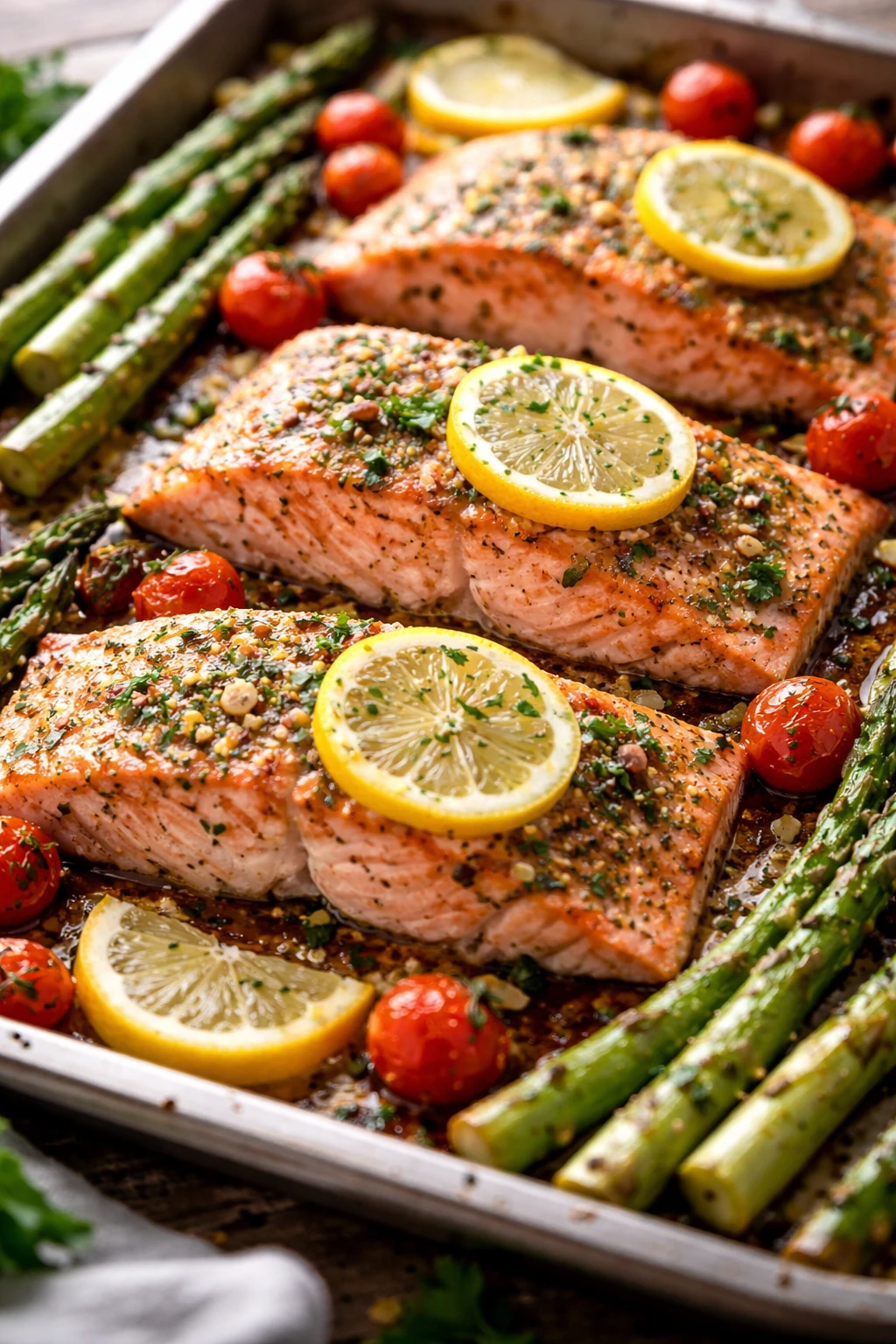
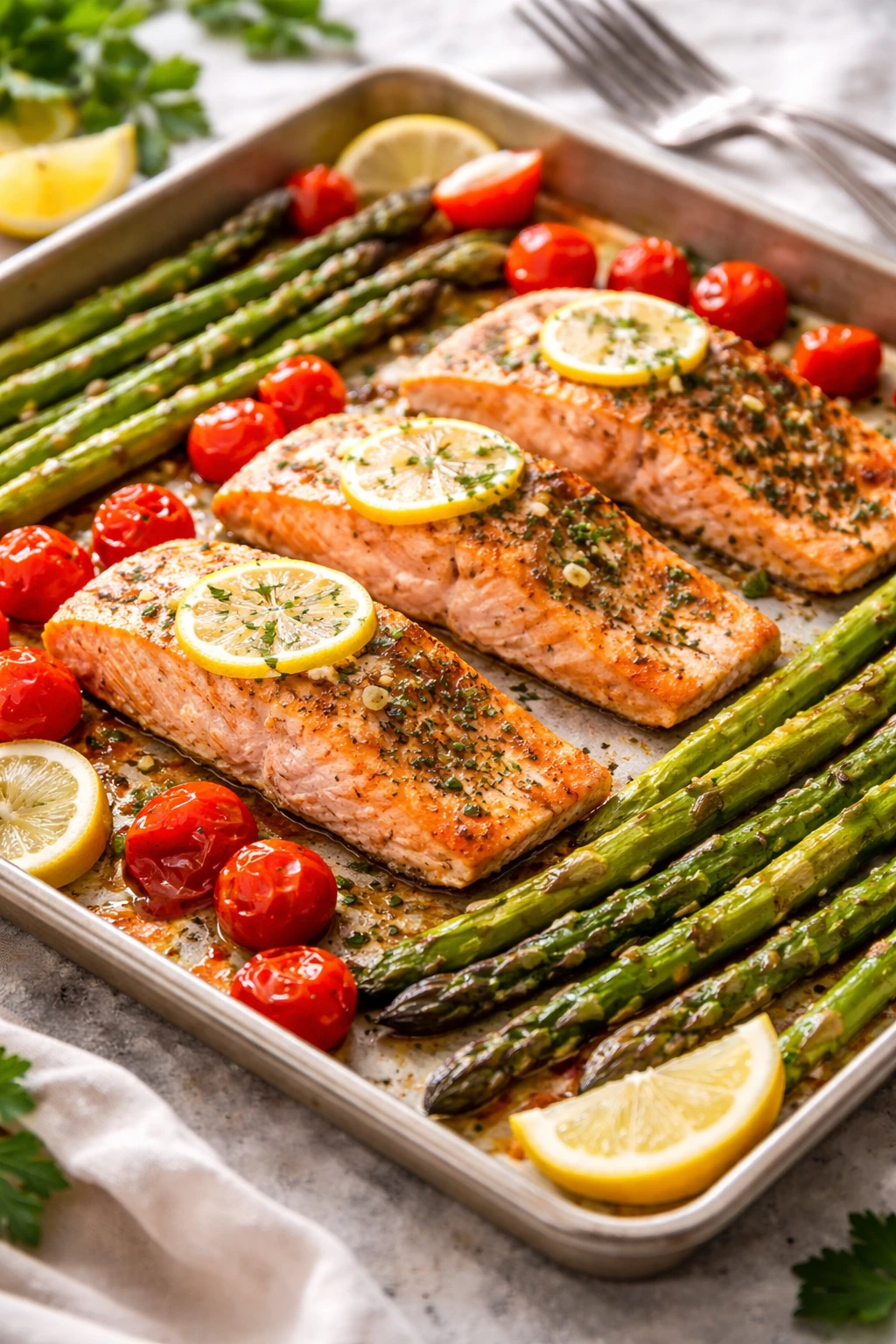
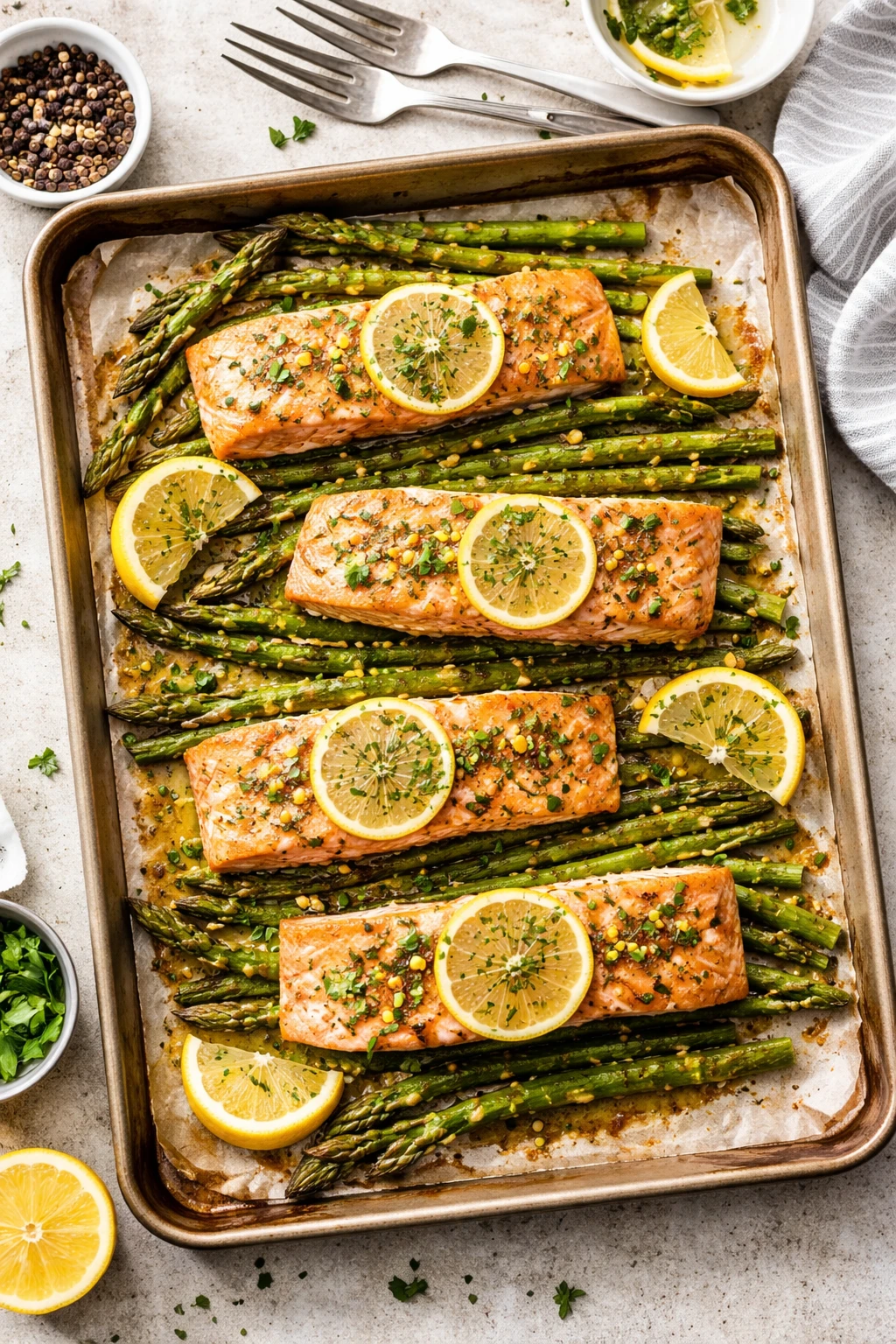
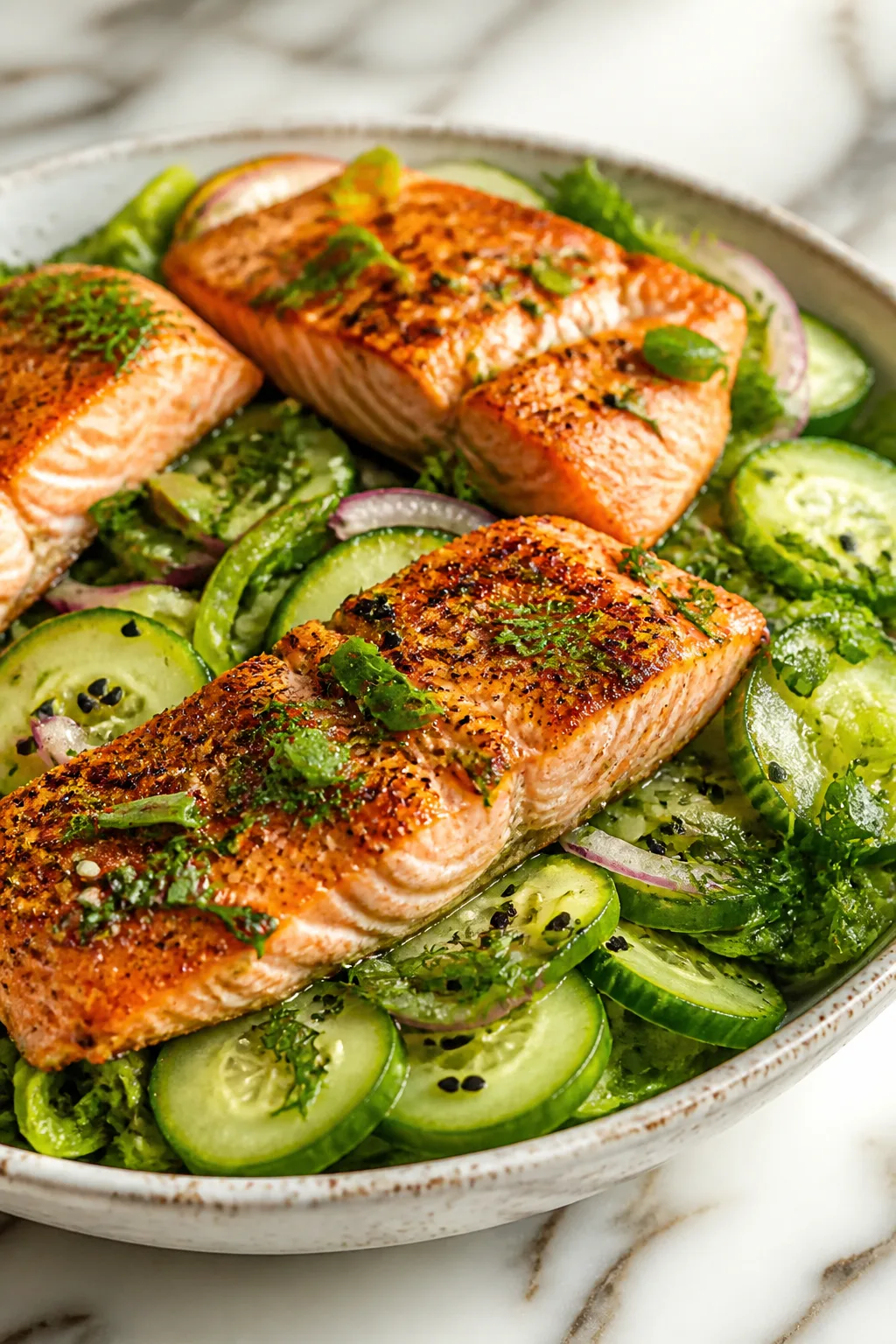
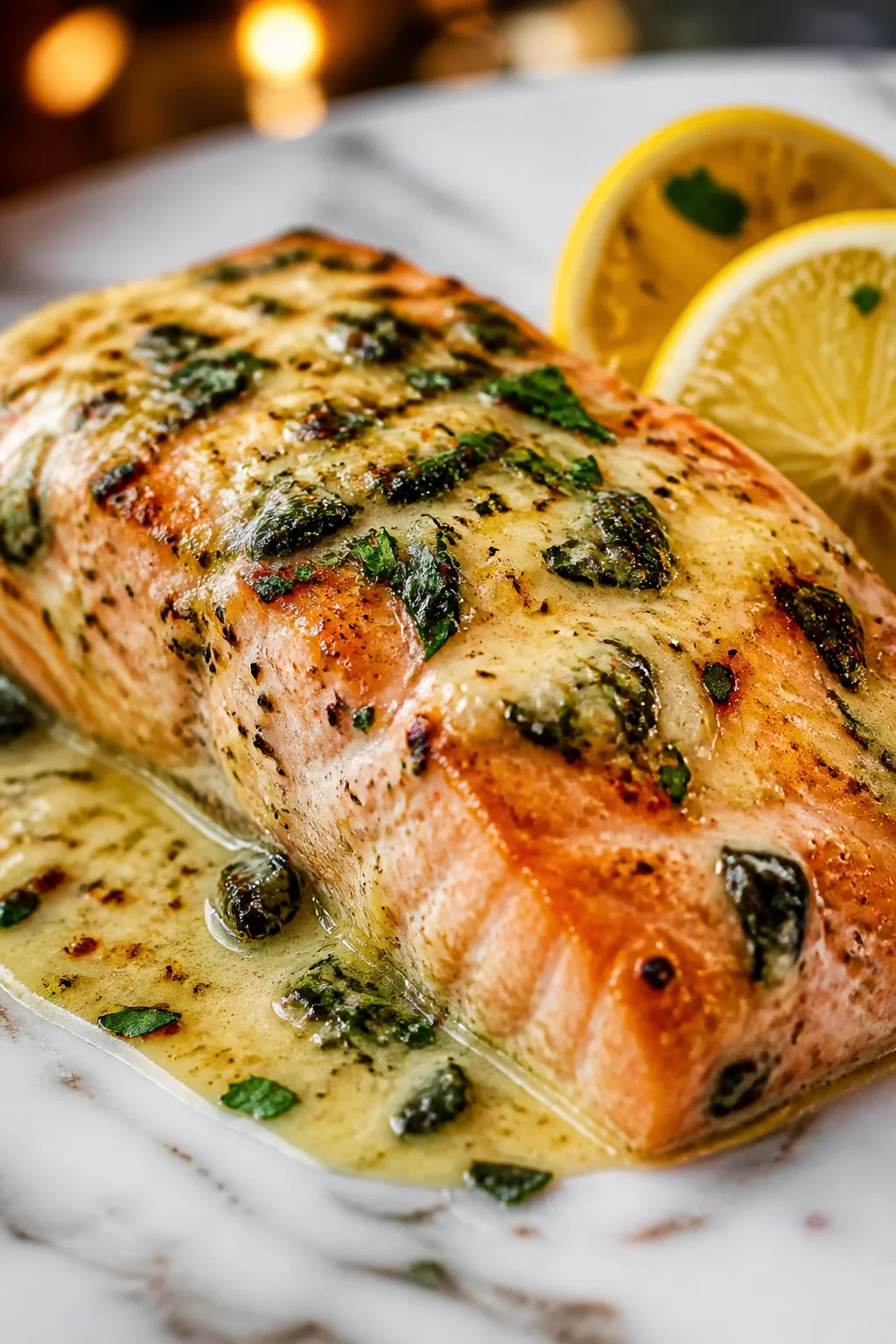
This sheet pan salmon and asparagus dinner is a lifesaver on busy nights. Roasting everything together locks in flavor and makes cleanup super easy. The lemony garlic touch really brightens it up!
Introduction
I first made this sheet pan salmon with asparagus on a hectic weeknight when I wanted something healthy but didn’t have the energy for a big cooking session. What I love about this recipe is how simple it is — everything roasts together, so there's minimal prep and cleanup. Plus, roasting the salmon on the same pan as the asparagus lets the flavors mingle in the oven, creating a juicy, tender fish with perfectly crisp veggies. I found that adding lemon zest and garlic elevates the dish, giving it a fresh, bright flavor that feels special but takes almost no effort. The trick I learned is to space out the asparagus so it crisps nicely and not to overcook the salmon, which stays flaky and moist with this method. It’s my go-to for a fuss-free, nutritious dinner that feels like a treat. The finished plate looks vibrant with the green asparagus contrasting beautifully against the pink salmon, and the aroma of garlic and lemon fills the kitchen — it’s irresistible!
How To Do It
Step 1
Preheat your oven to 400°F (200°C). This temperature is perfect for roasting salmon and asparagus together, allowing the fish to cook through while the asparagus crisps up nicely. Line a large baking sheet with parchment paper or lightly grease it to prevent sticking. Proper oven heat ensures the salmon stays tender inside while developing a subtle crust outside. Avoid overcrowding the pan, as this can cause steaming instead of roasting, leading to soggy asparagus and less flavorful salmon.
⏱ Time: 10
✓ Doneness: Oven preheated and baking sheet prepared with parchment or oil, ready for arranging ingredients
Step 2
Place the trimmed asparagus on one side of the baking sheet. Drizzle with 1 tablespoon olive oil, sprinkle half the minced garlic, and season with salt and pepper. Toss gently to coat evenly. Spreading the asparagus in a single layer ensures even roasting and crisp texture. Don’t crowd the stalks; give them space to roast properly. If you rush this step, the asparagus might steam and become limp rather than crisp and tender.
⏱ Time: 5
✓ Doneness: Asparagus is evenly coated with oil, garlic, and seasoning, arranged flat with some space between stalks
Step 3
On the other side of the baking sheet, place the salmon fillets skin-side down. Drizzle with remaining olive oil, lemon juice, lemon zest, and the rest of the garlic. Sprinkle dried thyme, salt, and pepper evenly over the fillets. The lemon juice adds brightness and helps tenderize the salmon slightly during roasting. Be sure to season all parts of the fillet for balanced flavor. Skipping the lemon zest or juice can make the dish taste flat.
⏱ Time: 5
✓ Doneness: Salmon fillets are well-seasoned and drizzled with oil and lemon, evenly spaced on the pan
Step 4
Place the baking sheet in the preheated oven on the middle rack. Roast for about 12-15 minutes, depending on the salmon thickness. The goal is tender, flaky salmon and crisp-tender asparagus. Avoid overcooking, which dries out the fish. It’s better to check at 12 minutes and then test doneness by gently pressing the salmon with a fork; it should flake easily but still look moist inside.
⏱ Time: 15
✓ Doneness: Salmon flakes easily with a fork, and asparagus tips are slightly browned and crisp
Step 5
Once cooked, carefully remove the pan from the oven. Let the salmon rest for a few minutes; this allows juices to redistribute, keeping it moist. Meanwhile, you can sprinkle fresh parsley over the asparagus and salmon for a pop of color and fresh flavor. Resting is a small but important step that makes a big difference in texture and taste.
⏱ Time: 5
✓ Doneness: Salmon resting and juices settling; asparagus looks roasted and vibrant green
Step 6
Serve the salmon and asparagus warm with extra lemon wedges on the side if desired. This dish pairs wonderfully with simple sides like quinoa, rice, or crusty bread to soak up the lemony juices. Adding a fresh squeeze of lemon at the table brightens the whole plate and balances the richness of the salmon.
⏱ Time: 5
✓ Doneness: Plated dish with vibrant colors and fresh lemon wedges ready to be enjoyed
Step 7
For an extra touch, you can drizzle a little bit of good quality olive oil or a light balsamic glaze over the asparagus just before serving. This adds a subtle complexity and shine. Be careful not to add too much or overpower the natural flavors of the salmon and asparagus.
⏱ Time: 2
✓ Doneness: Asparagus glistening lightly without becoming soggy or overwhelmed
Step 8
If you want to add some texture contrast, sprinkle toasted almonds or pine nuts over the asparagus before serving. Toast nuts lightly in a dry pan until golden and fragrant. This simple addition adds crunch and a nutty flavor that complements the lemony salmon beautifully.
⏱ Time: 5
✓ Doneness: Nuts are golden brown and evenly sprinkled over asparagus
Step 9
Clean up is a breeze since everything cooks on one sheet pan. Just soak the pan briefly if there’s stuck-on bits, then wash with warm soapy water. Using parchment paper makes cleanup even easier. Avoid scrubbing too hard to preserve your pan’s surface.
⏱ Time: 5
✓ Doneness: Pan cleaned easily with minimal effort, ready for next use
Variations
Spicy Sheet Pan Salmon with Chili and Lime
Add a spicy kick by mixing chili flakes and lime zest into the olive oil before drizzling over salmon and asparagus. This variation brings a fresh, zesty heat that pairs wonderfully with the natural richness of the fish.
Note: Watch the chili quantity to avoid overpowering the delicate salmon. Roasting time remains the same.
Honey Mustard Glazed Salmon and Roasted Veggies
Swap lemon for a honey mustard glaze made with Dijon mustard, honey, and a splash of vinegar. Brush this on the salmon before roasting for a sweet and tangy flavor profile that’s irresistible.
Note: Honey can brown quickly; keep oven temperature consistent and check fish doneness early to prevent burning.
Mediterranean Style with Olives and Cherry Tomatoes
Add halved cherry tomatoes and pitted olives to the pan for a Mediterranean twist. These ingredients roast alongside the salmon and asparagus, adding juicy bursts of flavor and salty richness.
Note: Tomatoes release moisture; ensure asparagus has enough space to stay crisp and consider draining excess liquid before serving.
Sheet Pan Salmon with Garlic Parmesan Asparagus
Before roasting, sprinkle grated Parmesan over the asparagus and salmon. The cheese melts and crisps slightly, adding a savory, nutty flavor that complements the lemon and garlic beautifully.
Note: Add Parmesan in the last 5 minutes of roasting to prevent burning and maintain a nice golden crust.
Sheet Pan Salmon with Roasted Baby Potatoes
Include small baby potatoes cut in halves or quarters on the sheet pan. Toss them with olive oil, garlic, and herbs, roasting alongside the salmon and asparagus for a heartier meal.
Note: Potatoes require longer cooking; parboil them for 10 minutes before adding to the pan to ensure they roast evenly with the salmon.
Pro Tips
Make sure to trim the woody ends off the asparagus before roasting.
Woody ends are tough and unpleasant to eat, and they won’t soften during roasting. Removing them ensures every bite is tender and enjoyable. Plus, trimming helps the asparagus cook evenly alongside the salmon.
Use parchment paper on your baking sheet for easy cleanup.
Parchment prevents sticking and catches any juices or oil drips, reducing scrubbing time. It also helps protect your pan’s surface, extending its life. Cleanup is often the biggest hurdle in cooking, so this small step saves time and effort.
Don’t overcrowd the pan—give asparagus room to roast properly.
Crowding traps steam and causes the asparagus to become soggy rather than crisp. Spreading them out allows hot air to circulate, promoting caramelization and the best texture.
Let the salmon rest a few minutes after roasting before serving.
Resting allows the juices to redistribute throughout the fish, keeping it moist and flavorful. Serving immediately can cause the juices to run out, resulting in drier salmon.
Check salmon doneness early to avoid overcooking.
Salmon cooks quickly and can become dry if left too long. Testing at 12 minutes helps you catch it at the perfect flaky stage, ensuring tender, juicy fish.
Add fresh herbs like parsley or dill just before serving.
Fresh herbs add brightness and color, enhancing the dish’s overall appeal and flavor complexity. Adding herbs too early can cause them to wilt or lose their fresh notes.
Use a sharp knife to score the salmon skin if it curls during roasting.
Scoring prevents the skin from shrinking and curling, which can cause uneven cooking. It helps the fillet stay flat for even heat exposure and better presentation.
Common Mistakes to Avoid
Overcrowding the pan with asparagus and salmon
Why it happens Sometimes cooks try to fit everything on one pan without spacing, thinking it saves time but don’t realize it causes steaming.
Fix Arrange asparagus and salmon in a single layer with space between pieces. If needed, use two pans or roast in batches to avoid soggy vegetables and unevenly cooked fish.
Skipping the lemon zest and juice
Why it happens It’s easy to overlook lemon as just a garnish, but it dramatically brightens the flavor.
Fix Always add fresh lemon zest and juice before roasting to infuse the salmon and asparagus with brightness and balance richness.
Roasting at too low temperature
Why it happens Some prefer low and slow cooking but salmon and asparagus benefit from higher heat for texture and flavor.
Fix Set oven to 400°F (200°C) for roasting. This temperature crisps asparagus and cooks salmon perfectly without drying it out.
Not resting the salmon after cooking
Why it happens Impatience often leads to serving immediately, causing juices to run out.
Fix Let salmon rest 3-5 minutes after removing from oven to keep it moist and flavorful.
Using frozen salmon without proper thawing
Why it happens Busy cooks might cook salmon straight from frozen, affecting texture and cooking time.
Fix Thaw salmon fully in refrigerator overnight or under cold running water before roasting for even cooking and best texture.
Nutrition
Per Serving:
Nutritional values are estimates and may vary based on specific ingredient brands and portions.
Storage & Tips
Room Temperature
This dish can safely sit at room temperature for up to 2 hours if covered loosely. Beyond that, bacteria growth increases, so refrigerate promptly to keep it safe.
Refrigerator
Store leftovers in an airtight container for up to 3 days. The salmon may firm up and the asparagus soften when cold. Reheat gently to avoid drying out the fish or serve cold in salads.
Freezer
Freeze cooked salmon and asparagus separately wrapped tightly in plastic wrap and foil for up to 2 months. Thaw overnight in the fridge before reheating to maintain texture.
Reheating
Reheat gently in a low oven (300°F) for 10-15 minutes or in a microwave on medium power to avoid overcooking. Adding a splash of water or olive oil helps keep the salmon moist.
Make Ahead
Prep the salmon with seasoning and trim asparagus up to 1 day ahead. Store them separately in the refrigerator and assemble on the sheet pan just before roasting to keep everything fresh and crisp.
FAQ
Can I use frozen salmon for this recipe?
Yes, but it must be fully thawed before cooking for even roasting and best texture. Thaw overnight in the fridge or under cold water. Cooking frozen salmon directly will result in uneven doneness and may leave the center undercooked while the outside overcooks.
What if I don’t have fresh asparagus?
You can substitute with green beans or broccolini for a similar texture and cooking time. Just trim and prepare them the same way. Avoid thicker or tougher vegetables that require longer roasting, as they won’t cook evenly on the same timing as the salmon.
How do I know when the salmon is perfectly cooked?
Check for flakiness by gently pressing the fillet with a fork; it should flake easily but still look moist inside. The internal temperature should reach 125-130°F for medium doneness. Overcooking leads to dry, tough fish, so start checking around 12 minutes.
Can I make this recipe gluten-free?
Absolutely! This recipe is naturally gluten-free as it uses whole foods like salmon, asparagus, olive oil, and seasonings. Just ensure any additional sides or garnishes you serve alongside are gluten-free as well.
Is it necessary to use lemon zest and juice?
While not mandatory, lemon zest and juice add bright acidity that balances the richness of the salmon and enhances the overall flavor. Without it, the dish might taste a bit flat, so I highly recommend including it if possible.
How can I make the asparagus crispier?
Spread the asparagus stalks in a single layer with space between each piece to allow hot air circulation. Roasting at 400°F helps caramelize the outside, producing a crisp texture. Avoid overcrowding or covering the pan, which traps steam and softens the asparagus.
Can I use other herbs besides thyme?
Yes! Dill, rosemary, or parsley all work well with salmon. Thyme is subtle and earthy, but feel free to experiment. Just use fresh or dried herbs sparingly to avoid overpowering the delicate fish flavor.
What’s the best side dish to serve with this meal?
Simple sides like quinoa, brown rice, or crusty bread complement the salmon and asparagus beautifully. A light salad or roasted potatoes also pair well. Choose something that soaks up the lemony pan juices for a satisfying meal.
Final Thoughts
I hope you give this sheet pan salmon with asparagus a try — it’s a simple, tasty way to enjoy a healthy dinner without fuss. Let me know how it turns out!