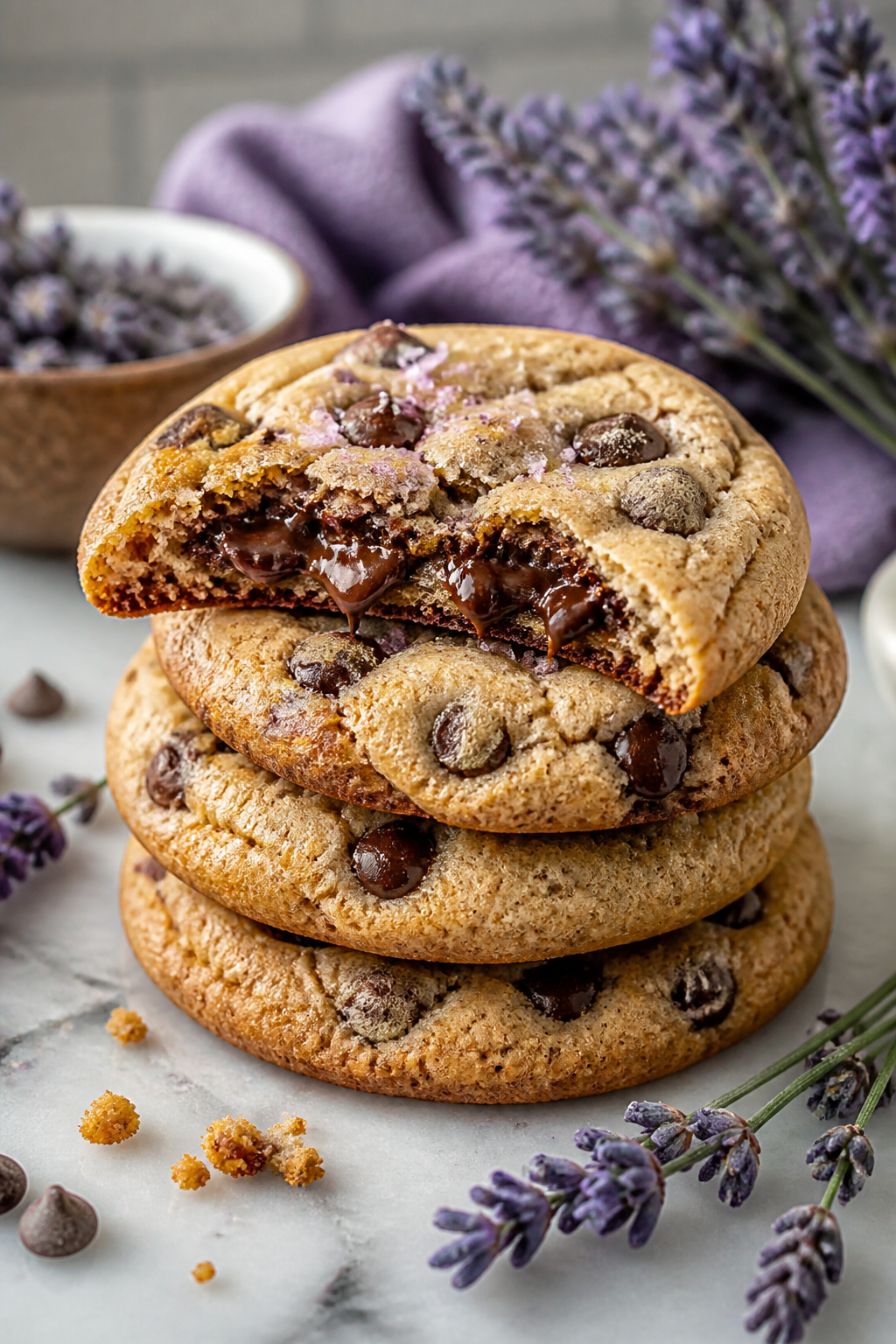
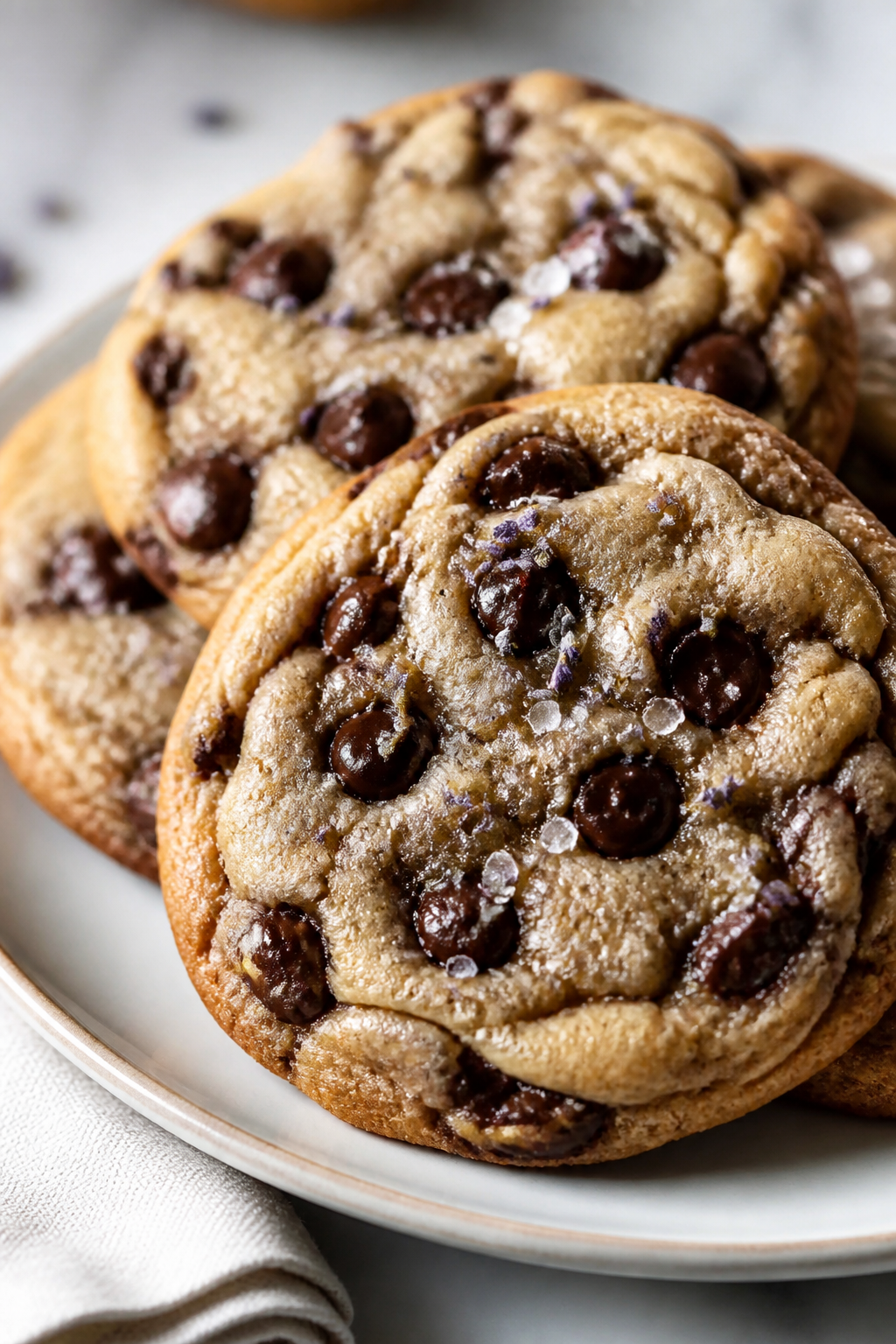
These cookies are soft and chewy with a delicate floral hint thanks to lavender sugar. Brown butter and extra egg yolk make them irresistibly tender. Great for afternoon tea or sharing with friends!
Introduction
I first stumbled upon lavender sugar cookies years ago at a small bakery, and I was instantly hooked on that gentle floral note. When I started baking them at home, I wanted to make them softer and chewier than the usual crisp versions. The secret I discovered was using brown butter instead of plain melted butter—it adds this warm, nutty depth that pairs beautifully with lavender. Plus, adding an extra egg yolk really amps up the chewiness and richness. I love baking these when friends come over for tea because they feel special but aren’t fussy to make. The cookies come out tender with just the right amount of chew and a subtle floral hint that’s not overpowering. They’re perfect for an afternoon treat or to share when you want to impress without too much effort. Honestly, I’ve tried a few lavender cookie recipes before, but this one always wins for me because of its unique texture and flavor balance. Just be careful not to overbake—watch for that golden edge and soft center for the best results.
How To Do It
Step 1
Start by browning the butter in a medium saucepan over medium heat. Stir constantly as the butter melts and then foams, watching closely for the milk solids to turn a golden brown color and give off a nutty aroma. This process usually takes around 5-7 minutes. Browning the butter adds a rich, caramelized flavor that plain melted butter can’t match. Be careful not to let it burn—remove it from heat as soon as you see the solids brown. Pour the butter into a heat-safe bowl and let it cool slightly so it’s warm but not hot, which prevents cooking the eggs in the next step.
⏱ Time: 7
✓ Doneness: Butter has a golden brown color with a nutty aroma and no burnt smell
Step 2
In a large mixing bowl, combine the granulated sugar and lavender sugar. Add the warm browned butter and whisk until fully incorporated and smooth. Then add the whole egg and extra egg yolk along with the vanilla extract, mixing well. The extra egg yolk is key for a tender, chewy texture because it adds fat and richness without extra moisture that would make the dough too soft. If you skip the extra yolk, the cookies might turn out cakier or less chewy. Mix just until combined—overmixing can develop gluten and make the cookies tough.
⏱ Time: 5
✓ Doneness: Mixture is smooth and slightly thick, with no streaks of butter or eggs
Step 3
In a separate bowl, whisk together the all-purpose flour, baking soda, and salt to evenly distribute the leavening agent and seasoning. This ensures your cookies rise evenly and have balanced flavor throughout. Sifting isn’t necessary but helps if your flour is clumpy. Gradually add the dry ingredients to the wet mixture, folding gently with a spatula. Folding instead of vigorous stirring avoids overworking the dough, which keeps the cookies tender rather than tough. Stop mixing as soon as the flour disappears and the dough looks uniform.
⏱ Time: 5
✓ Doneness: Dough is cohesive and slightly sticky but not wet or crumbly
Step 4
Cover the cookie dough with plastic wrap and refrigerate for at least 30 minutes, or up to 2 hours. Chilling solidifies the fats, which prevents the cookies from spreading too much during baking, preserving a thicker, chewier texture. It also allows the flavors to meld, especially the lavender. If you skip chilling, your cookies may spread too thin and bake too quickly, losing that soft center.
⏱ Time: 30
✓ Doneness: Dough is firm and chilled, easy to scoop without sticking excessively
Step 5
Preheat your oven to 350°F (175°C) and line baking sheets with parchment paper. Using a cookie scoop or spoon, portion the chilled dough into tablespoon-sized balls, spacing them about 2 inches apart to allow spreading. This size gives a nice balance of crispy edges and chewy centers. If the dough becomes too soft while scooping, pop it back in the fridge for a few minutes. This step ensures uniform cookies that bake evenly.
⏱ Time: 10
✓ Doneness: Cookie dough balls are uniform in size and spaced well on baking sheet
Step 6
Bake the cookies for 10-12 minutes, rotating the baking sheet halfway through for even browning. The cookies should look set around the edges but still slightly soft and puffy in the middle. This is crucial—overbaking will dry them out and lose chewiness. The centers will firm up as the cookies cool, so take them out just before they look fully done. The subtle golden edges and slight cracks on top are good visual cues.
⏱ Time: 12
✓ Doneness: Edges are golden brown, centers look soft but not raw or shiny
Step 7
Remove the baking sheet from the oven and let the cookies cool on the sheet for about 5 minutes to set. This resting time helps the cookies finish cooking gently and prevents them from breaking apart when transferring. Afterward, transfer the cookies to a wire rack to cool completely. Cooling on a rack prevents sogginess from trapped steam and keeps the bottoms crisp but not hard.
⏱ Time: 10
✓ Doneness: Cookies are firm enough to handle but still soft to the touch
Step 8
Once cooled, store the cookies in an airtight container at room temperature. If you want to keep them extra fresh, place a slice of bread in the container to maintain moisture and softness. The cookies develop a deeper flavor after a day, so they’re great for baking ahead. Enjoy with tea, coffee, or just as a sweet snack anytime!
⏱ Time: 5
✓ Doneness: Cookies are fully cooled and stored properly to maintain texture
Step 9
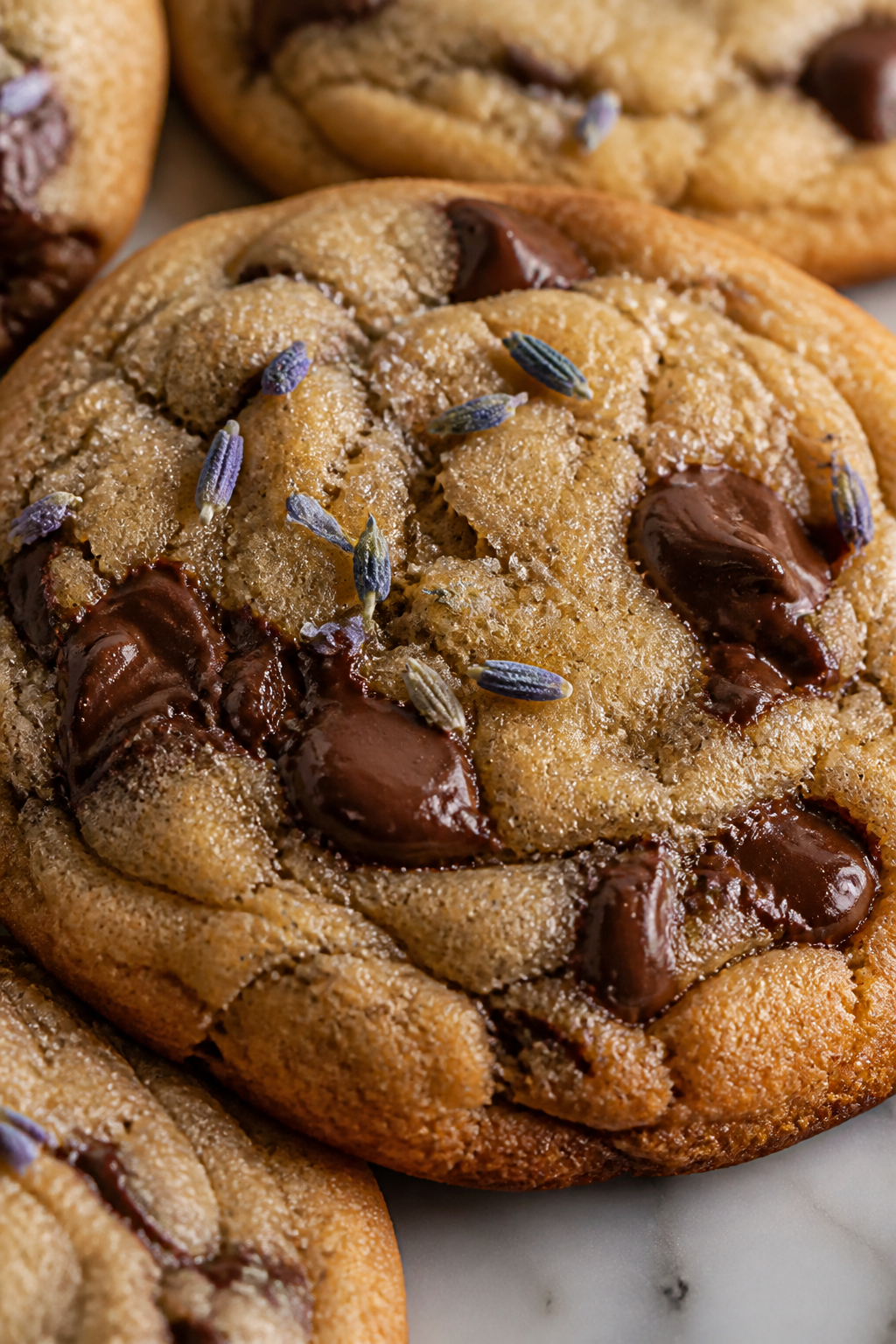
For an extra touch, sprinkle a little more lavender sugar on top of the cookie dough balls before baking. This adds a light crunch and enhances the floral aroma. Just be careful not to overdo it or the sugar can burn and taste bitter. This step is optional but lovely for special occasions or when gifting these cookies.
⏱ Time: 3
✓ Doneness: Light sprinkling of sugar visible on cookie tops before baking
Variations
Lemon Lavender Sugar Cookies
Add 1 tablespoon of fresh lemon zest to the dough for a bright citrus twist that complements the lavender beautifully. This variation has a fresh, tangy flavor that’s perfect for spring or summer gatherings.
Note: Add lemon zest with the wet ingredients and watch for slightly faster spreading due to citrus oils.
Lavender White Chocolate Chip Cookies
Fold in 1/2 cup white chocolate chips to the dough for a creamy sweetness that pairs wonderfully with the floral lavender. These cookies are a great treat for those who love a little extra indulgence.
Note: Add chips last to avoid overmixing and distribute evenly. May require slightly longer baking.
Gluten-Free Lavender Sugar Cookies
Substitute the all-purpose flour with a 1:1 gluten-free baking flour blend. These cookies keep their chewy texture and lovely flavor, perfect for those with gluten sensitivities or allergies.
Note: Ensure the blend contains xanthan gum for structure; baking time may vary slightly.
Lavender Honey Sugar Cookies
Replace half the granulated sugar with natural honey for a deeper sweetness and slight chewiness. Honey adds moisture and a floral undertone that enhances the lavender notes.
Note: Reduce oven temperature by 25°F to prevent overbrowning when using honey.
Spiced Lavender Sugar Cookies
Add 1/2 teaspoon cinnamon and a pinch of ground cardamom to the dry ingredients for a warm, cozy spice flavor that complements the floral lavender. Great for fall or winter treats.
Note: Mix spices into the dry ingredients thoroughly to avoid clumps.
Pro Tips
Don’t rush browning the butter—stir constantly and watch closely.
Butter can go from browned to burnt very quickly, which will ruin the flavor. Stirring evenly distributes heat and prevents hot spots, ensuring the butter browns uniformly and develops that nutty aroma without bitterness.
Use extra egg yolk for chewiness but don’t add extra egg white.
Egg whites add moisture and protein that can make cookies cakey or tough. The yolk’s fat and lecithin enhance tenderness and richness, keeping the texture soft and chewy without drying out.
Chill the dough for at least 30 minutes before baking.
Cold dough prevents cookies from spreading too much, preserving thickness and chewiness. It also helps flavors meld and makes the dough easier to handle. Skipping this step risks thin, crispy cookies.
Use a cookie scoop for uniform-sized cookies.
Even sizing ensures cookies bake at the same rate, avoiding under- or overbaked batches. It also gives a professional look and consistent texture throughout.
Pull cookies from the oven when edges are golden but centers look soft.
Cookies continue to cook from residual heat after removal. Taking them out early locks in moisture and chewiness. Overbaking dries them out and dulls the delicate lavender flavor.
Store cookies with a slice of bread to maintain softness.
Bread releases moisture that the cookies can absorb, preventing them from drying out and becoming hard. This little trick keeps cookies fresh and chewy longer.
Sprinkle extra lavender sugar on top before baking for extra aroma.
The sugar caramelizes slightly during baking, enhancing the floral scent and adding a subtle crunchy texture on top, making the cookies more visually appealing and flavorful.
Common Mistakes to Avoid
Burning the brown butter
Why it happens It’s easy to get distracted and let the butter go from browned to burnt quickly because the color changes fast near the end.
Fix Stir constantly and watch closely during the last minutes. Remove from heat as soon as the butter smells nutty and the solids turn golden. Pour into a cool bowl immediately to stop cooking.
Skipping the extra egg yolk
Why it happens People often follow standard cookie recipes and forget the yolk addition, assuming one egg is enough.
Fix Add the extra egg yolk as specified to achieve the soft, chewy texture. Don’t replace it with egg white or liquid substitutes.
Not chilling the dough
Why it happens Impatience or thinking it’s unnecessary can lead to skipping this step.
Fix Plan ahead and chill the dough for at least 30 minutes. This controls spreading and improves flavor and texture.
Overbaking the cookies
Why it happens Waiting too long for a 'fully baked' look can dry cookies out.
Fix Remove cookies when edges are golden but centers still look soft and puffy. They firm up as they cool.
Using culinary lavender that’s too coarse or bitter
Why it happens Not all lavender is suitable for baking; some are too strong or not food-grade.
Fix Use food-grade lavender buds or lavender sugar specifically made for baking to avoid bitterness.
Nutrition
Per Serving:
Nutritional values are estimates and may vary based on specific ingredients used.
Storage & Tips
Room Temperature
Store cookies in an airtight container at room temperature for up to 3 days. Keep away from direct sunlight or heat sources to prevent melting or drying out. They maintain softness best when stored with a slice of bread inside the container.
Refrigerator
Cookies can be stored in an airtight container in the refrigerator for up to 1 week. Refrigeration may firm them up, so allow them to come to room temperature before serving or warm gently in the microwave for 10 seconds.
Freezer
Freeze cookies in a single layer on a baking sheet, then transfer to a freezer-safe container or bag for up to 3 months. Wrap tightly to prevent freezer burn. Thaw at room temperature for several hours or overnight for best texture.
Reheating
Warm cookies in a 300°F oven for 5-7 minutes or microwave for 10-15 seconds to refresh softness. Avoid overheating, which can dry them out. Adding a tiny splash of water to the container before microwaving can help retain moisture.
Make Ahead
Prepare the dough up to 2 days ahead and keep chilled in the refrigerator. Scoop dough balls onto baking sheets right before baking day. This keeps the dough fresh and flavors vibrant while saving time on baking day.
FAQ
Can I use regular sugar instead of lavender sugar?
Yes, you can substitute regular granulated sugar if you don’t have lavender sugar. The cookies will still be tasty but won’t have that unique floral aroma. To mimic the flavor, you can add a small amount of dried culinary lavender buds finely ground with sugar.
Why are my cookies spreading too much?
If your cookies are spreading excessively, it’s often due to warm dough or too much butter. Make sure to chill the dough well before baking and measure butter accurately. Overbaking or using a low-protein flour can also cause spreading.
Can I make these cookies vegan?
This recipe relies on egg yolks and butter for texture and flavor, so a direct vegan swap is tricky. However, you could experiment with plant-based butter and flaxseed egg replacements, but expect a different texture and flavor profile.
How do I store leftover cookies to keep them soft?
Store cookies in an airtight container with a slice of fresh bread inside. The bread releases moisture that keeps the cookies soft longer. Avoid refrigeration unless necessary, as it can dry cookies out.
Can I freeze the cookie dough?
Yes, you can freeze the dough balls on a baking sheet, then transfer to a freezer bag. Bake straight from frozen, adding a couple of extra minutes to the baking time. This is great for making cookies fresh on demand.
What’s the best way to brown butter without burning?
Use medium heat and stir constantly to evenly distribute heat. Watch for the color change and nutty aroma. Remove from heat as soon as you see golden brown solids, then transfer to a cool bowl to stop cooking.
Can I use cake flour instead of all-purpose flour?
Cake flour has less protein, so cookies may turn out softer and more delicate, possibly too fragile. All-purpose flour strikes a better balance for structure and chewiness in this recipe.
Is lavender safe to eat in baked goods?
Yes, culinary-grade lavender is safe for cooking and baking. Avoid lavender intended for potpourri or non-food use. Use it sparingly, as too much can taste bitter or soapy.
Final Thoughts
I hope you give these lavender sugar cookies a try—they’re truly a little slice of floral heaven in every bite. Don’t forget to share how yours turn out!