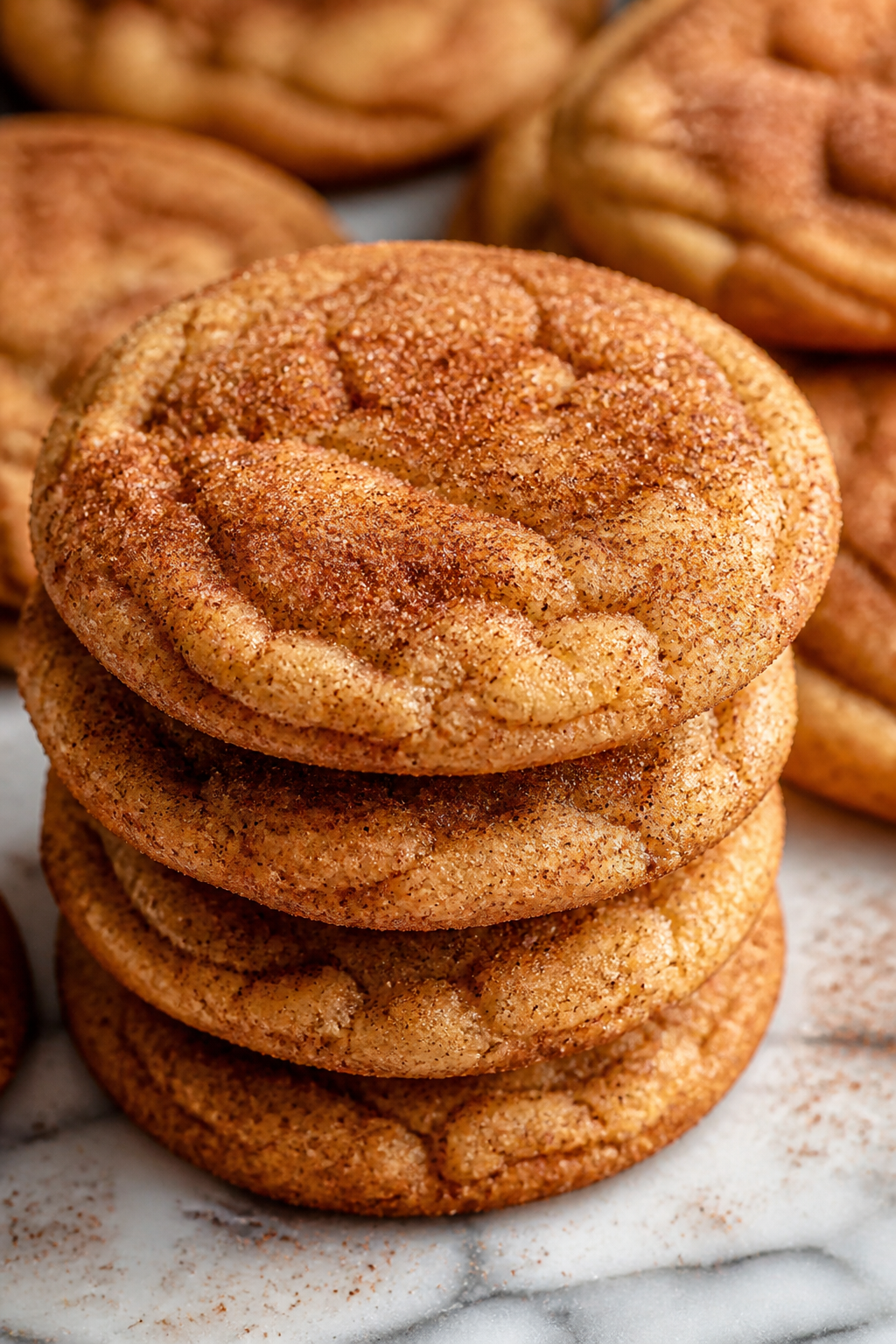
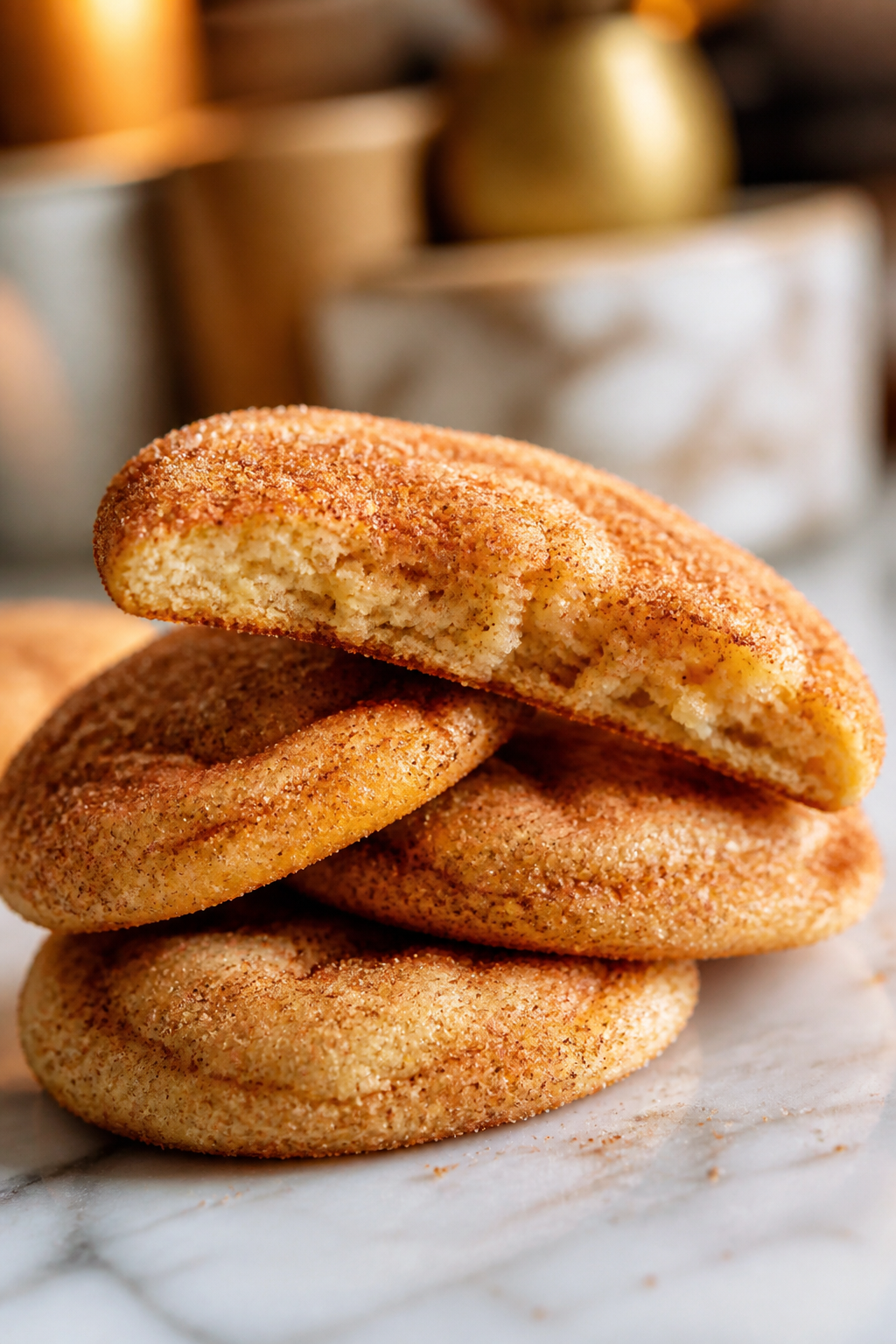
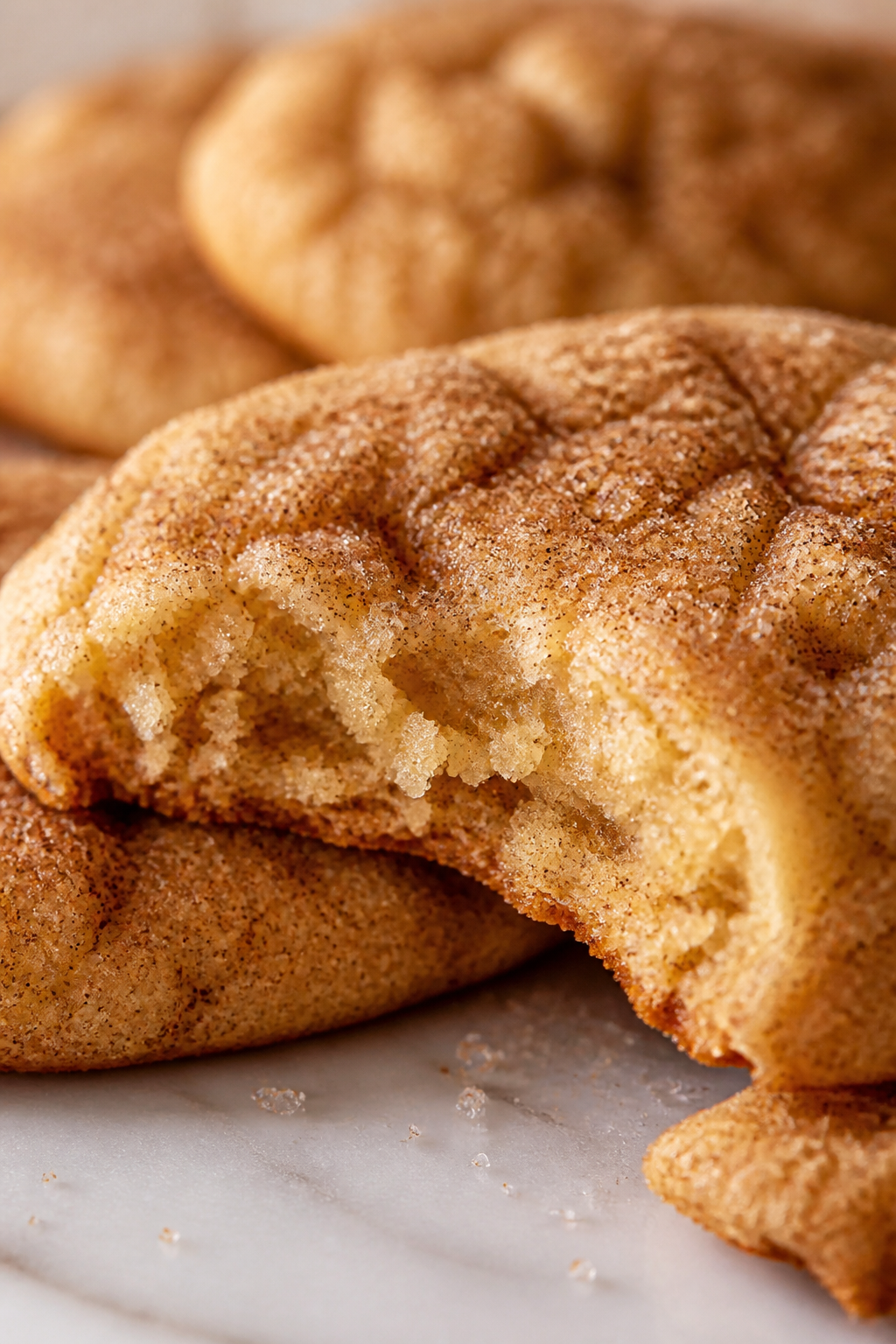
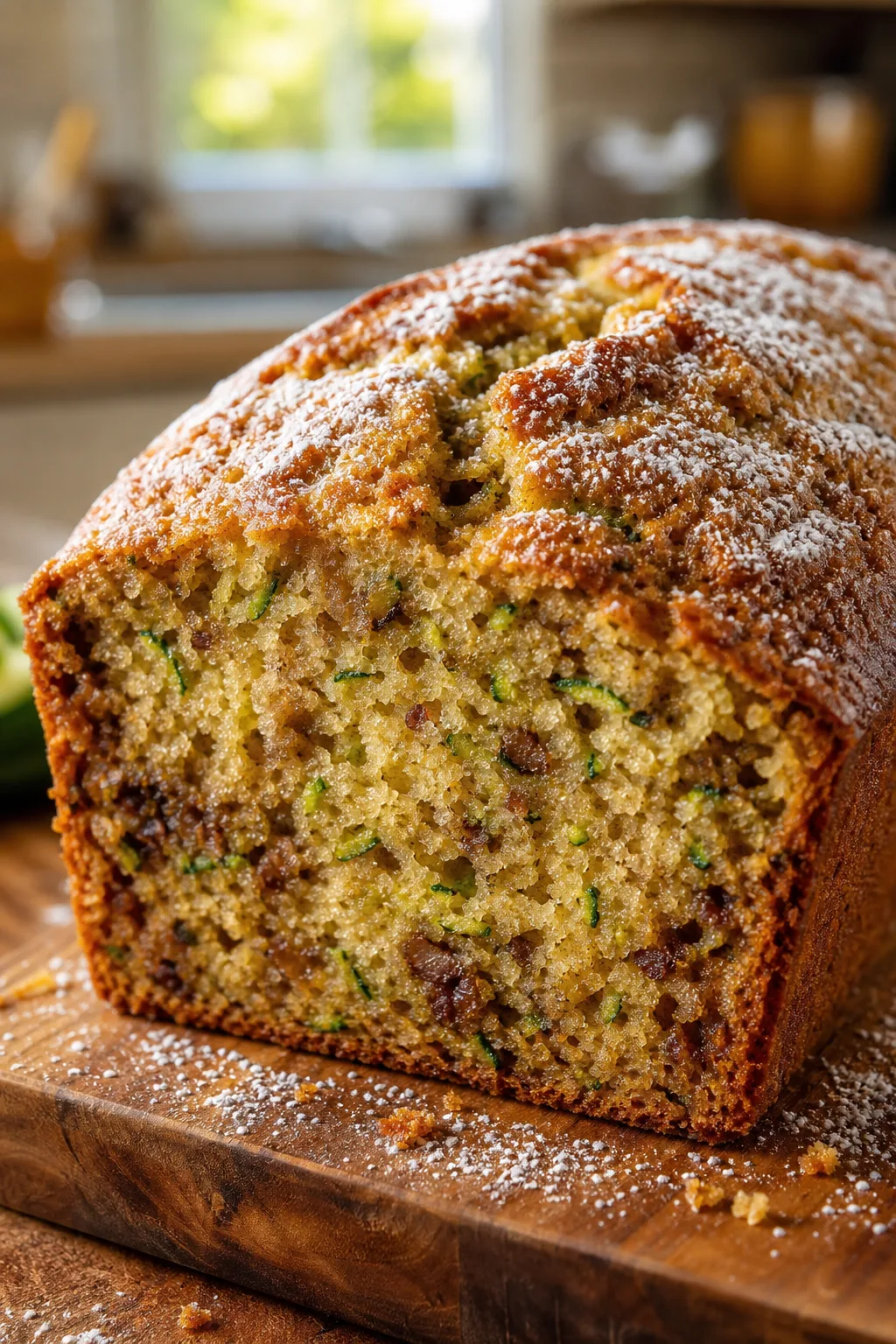
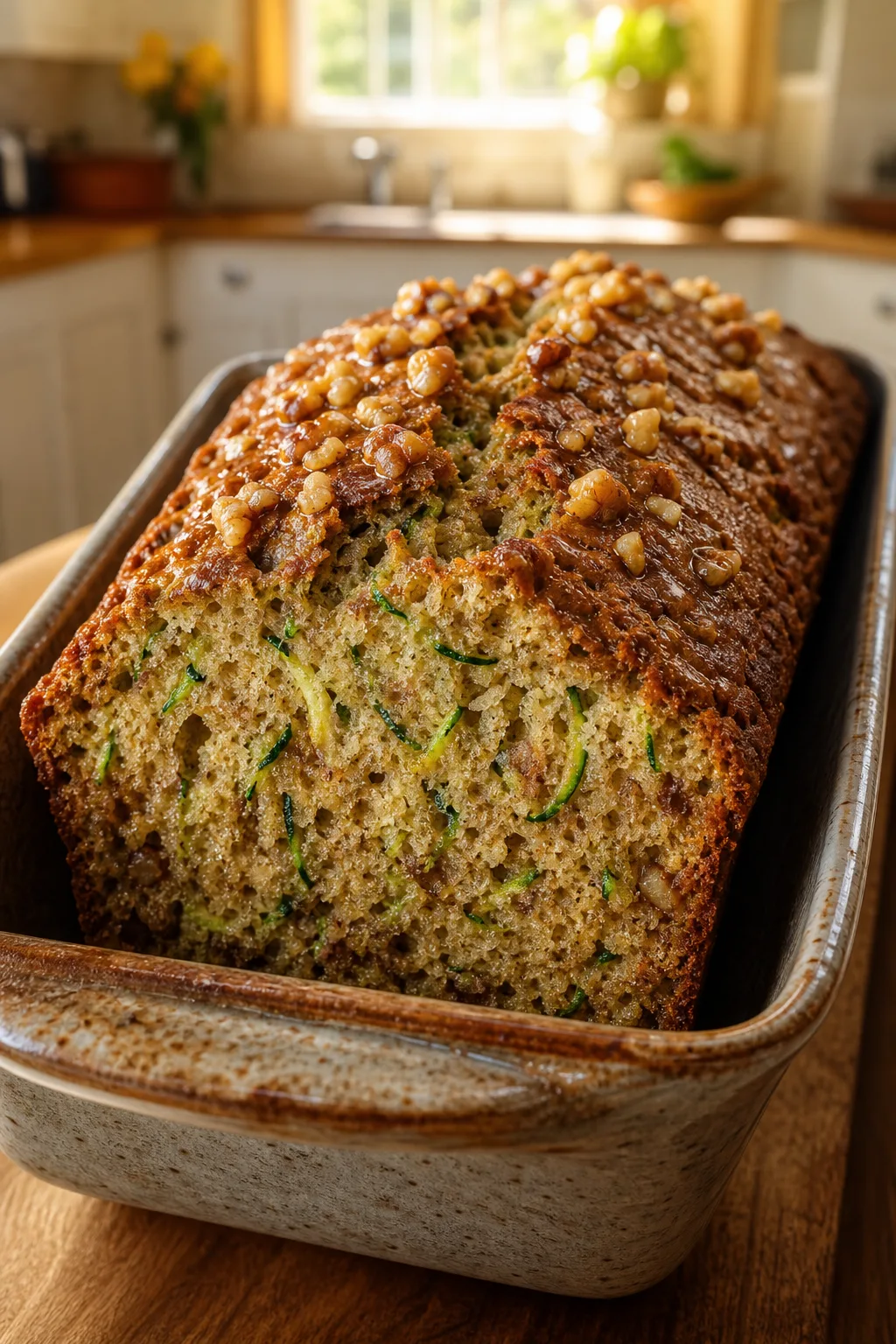
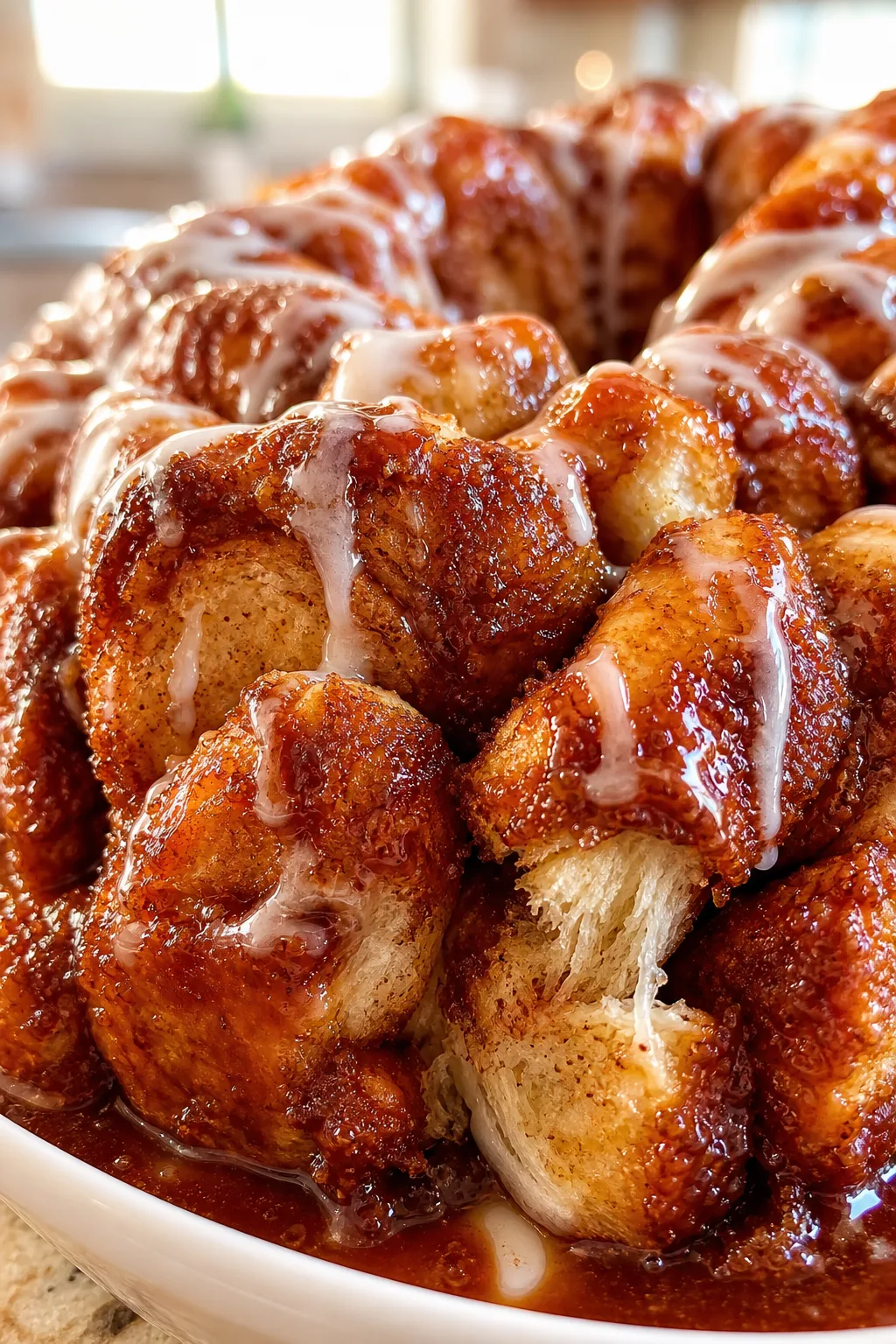
These snickerdoodles strike the ideal balance between soft, buttery centers and a crisp cinnamon-sugar crust. I love how the buttery crust melts in your mouth. Perfect for sharing over afternoon tea or a cozy night in!
Introduction
I first stumbled upon snickerdoodles as a kid visiting my grandma’s house, where she always had a batch fresh from the oven. Over the years, I've tried many recipes, but none quite captured that perfect soft inside with a buttery, cinnamon-sugar crust—until I found this one. What makes this version different? I use cream of tartar for that classic tang and a touch of baking soda to get the ideal chewiness. Plus, rolling the dough balls twice in cinnamon sugar before baking gives the perfect crust that crackles just right. I’ve learned the hard way that overbaking ruins the soft texture, so timing is everything here. When baked just right, these cookies are soft, buttery, and melt in your mouth with a gentle cinnamon kick. They’re my go-to for cozy afternoons or when I want to impress guests with something homemade but effortless. Trust me, once you make these, they’ll become a family favorite too!
How To Do It
Step 1
Preheat your oven to 375°F (190°C) and line two baking sheets with parchment paper. This prevents sticking and promotes even baking. Make sure the oven is fully preheated before baking to ensure proper rising and browning. Avoid opening the oven too early as that can cause the cookies to flatten.
⏱ Time: 10 minutes
✓ Doneness: Oven fully heated and baking sheets ready
Step 2
In a medium bowl, whisk together the flour, cream of tartar, baking soda, and salt. Sifting the flour helps incorporate air and removes lumps, which contributes to a lighter cookie texture. Mixing these dry ingredients thoroughly ensures even distribution of the leavening agents, so the cookies rise uniformly.
⏱ Time: 5 minutes
✓ Doneness: Dry ingredients combined with no lumps
Step 3
In a large bowl, beat the softened butter and 1 1/2 cups granulated sugar until light and fluffy. This usually takes about 3-4 minutes with an electric mixer on medium speed. Creaming butter and sugar well traps air, which is crucial for a tender crumb and that melt-in-your-mouth texture. Don’t rush this step because under-creaming leads to dense cookies.
⏱ Time: 4 minutes
✓ Doneness: Mixture is pale, fluffy, and smooth
Step 4
Add eggs one at a time, beating well after each addition, then mix in the vanilla extract. Eggs provide structure and moisture, while vanilla adds warmth and depth of flavor. Be careful not to overbeat once eggs are added to avoid toughening the dough.
⏱ Time: 3 minutes
✓ Doneness: Smooth, creamy batter with no streaks
Step 5
Gradually add the dry ingredients to the wet mixture, mixing on low speed just until combined. Overmixing at this stage develops gluten, resulting in tougher cookies, so stop as soon as you see no flour streaks. The dough should be soft but not sticky.
⏱ Time: 3 minutes
✓ Doneness: Soft dough that holds shape but isn’t sticky
Step 6
In a small bowl, combine the remaining 3 tablespoons cinnamon with 1/4 cup granulated sugar. This cinnamon sugar mixture will be used to coat the cookie dough balls, creating that iconic crackly crust. Make sure to mix well so the cinnamon is evenly distributed.
⏱ Time: 2 minutes
✓ Doneness: Evenly combined cinnamon sugar mixture
Step 7
Using a tablespoon or cookie scoop, form dough balls and roll each one in the cinnamon sugar mixture. For an extra crispy crust, roll the dough balls twice. This coating caramelizes during baking, giving the cookies their signature crackled look and sweet-spicy flavor.
⏱ Time: 10 minutes
✓ Doneness: Dough balls fully coated with cinnamon sugar
Step 8
Place the coated dough balls about 2 inches apart on the prepared baking sheets. This spacing allows the cookies to spread without merging. If placed too close, they’ll bake into one large cookie, which affects texture and appearance.
⏱ Time: 5 minutes
✓ Doneness: Evenly spaced dough balls on baking sheets
Step 9
Bake cookies for 8-10 minutes until the edges are set and just starting to brown, but the centers still look soft. This timing ensures a tender, chewy interior with a crisp exterior. Overbaking will dry them out. Let cookies cool on the baking sheet for 5 minutes before transferring to a wire rack.
⏱ Time: 10 minutes
✓ Doneness: Edges lightly golden, centers slightly puffy and soft
Variations
Brown Butter Snickerdoodles
Swap regular butter for browned butter to add a nutty, deep flavor that elevates the classic snickerdoodle. The texture remains soft but with a richer taste that’s irresistible.
Note: Brown the butter carefully until golden and fragrant, then cool before mixing to avoid cooking the eggs.
Vegan Snickerdoodles
Use vegan butter and flax eggs (ground flaxseed mixed with water) to make these cookies dairy- and egg-free. The texture is slightly different but still soft and flavorful.
Note: Chill the dough longer to help it firm up since vegan fats behave differently.
Gluten-Free Snickerdoodles
Replace all-purpose flour with a gluten-free flour blend that includes xanthan gum. The cookies stay soft and tender with a slightly different crumb.
Note: Watch baking time closely as gluten-free dough can brown faster.
Spiced Snickerdoodles
Add a pinch of nutmeg and ground ginger to the cinnamon sugar for a warm, spiced twist. These are perfect for fall and winter holidays.
Note: Adjust spice quantities carefully to balance cinnamon without overpowering.
Chocolate Chip Snickerdoodles
Fold mini chocolate chips into the dough before rolling in cinnamon sugar. The melty chocolate pairs wonderfully with the cinnamon crust for a fun twist.
Note: Use mini chips to ensure even distribution without affecting dough consistency.
Pro Tips
Use room temperature butter for creaming.
Softened butter traps air when beaten with sugar, creating a light, fluffy mixture that results in tender, airy cookies. If the butter is too cold, it won’t cream properly, leading to dense cookies.
Don’t overmix the dough after adding flour.
Overmixing develops gluten, which makes cookies tough instead of tender. Stir just until combined to keep the texture soft and chewy.
Roll dough balls twice in cinnamon sugar.
Double rolling ensures a thick, crackly cinnamon sugar crust that caramelizes beautifully during baking, adding flavor and texture contrast.
Chill dough for 15 minutes before baking.
Chilling firms the dough, preventing excessive spreading and helping cookies keep their shape with a soft center.
Use parchment paper or silicone mats on baking sheets.
These prevent sticking and promote even baking, which is essential for consistent texture and appearance.
Bake at 375°F for best texture.
This temperature balances spreading and browning, ensuring cookies are soft inside and crisp on the edges.
Let cookies cool on the baking sheet before transferring.
Cookies continue to set as they cool; moving them too soon can cause them to break apart or lose shape.
Common Mistakes to Avoid
Overbaking the cookies
Why it happens Many assume cookies need to be golden brown all over, but snickerdoodles are best when slightly underbaked for softness.
Fix Remove cookies when edges are just set and lightly golden but centers still look soft. They will firm up as they cool, preserving the tender texture.
Using melted butter instead of softened
Why it happens Some think melted butter is easier to mix, but it prevents proper creaming with sugar.
Fix Use butter softened to room temperature, not melted. This traps air during creaming, creating a light, fluffy dough.
Skipping cream of tartar
Why it happens People sometimes omit it, thinking baking powder alone is enough.
Fix Cream of tartar provides the characteristic tang and chewiness. Make sure to include it for authentic snickerdoodles.
Not rolling dough balls enough in cinnamon sugar
Why it happens Rushing the coating step leads to a thin crust without much cinnamon flavor.
Fix Roll dough balls twice in the cinnamon sugar mixture for a thick, crackly crust full of flavor.
Overmixing after adding flour
Why it happens Eager home bakers often mix too long, developing gluten.
Fix Mix just until flour disappears to keep cookies tender and soft.
Nutrition
Per Serving:
Nutritional values are estimates and may vary based on specific ingredients used.
Storage & Tips
Room Temperature
Store cookies in an airtight container at room temperature for up to 3 days. Keep them away from direct sunlight or heat to prevent softening too much or drying out.
Refrigerator
Cookies can be stored in an airtight container in the fridge for up to 7 days. They may firm up and lose some softness. To enjoy, bring to room temperature or warm gently in the microwave for 10-15 seconds.
Freezer
Freeze cookies in a single layer on a baking sheet, then transfer to a freezer-safe container or bag for up to 3 months. Wrap tightly to avoid freezer burn. Thaw at room temperature before serving.
Reheating
Warm cookies in the oven at 300°F for 5-7 minutes or microwave for 10-15 seconds with a damp paper towel to restore softness. Avoid overheating, which can dry them out.
Make Ahead
You can prepare the dough up to 24 hours in advance, wrapped tightly in plastic wrap and refrigerated. Roll and coat with cinnamon sugar just before baking to keep the coating fresh and crackly.
FAQ
Can I use salted butter instead of unsalted?
Yes, but reduce or omit additional salt in the recipe to avoid over-salting. Unsalted butter lets you control salt levels more precisely, which is important for balanced flavor.
Why do my snickerdoodles spread too much?
Over-soft butter, warm dough, or too little flour can cause excessive spreading. Make sure to use softened (not melted) butter, chill dough briefly if needed, and measure flour accurately.
What can I substitute for cream of tartar?
Cream of tartar is essential for the classic tang and texture. If unavailable, you can try replacing with 1 teaspoon lemon juice or white vinegar plus baking soda, but the flavor and texture may differ.
How do I keep snickerdoodles soft for longer?
Store them in an airtight container with a slice of bread or apple to maintain moisture. Avoid refrigeration unless necessary, as it can dry cookies out.
Can I make the dough ahead of time?
Absolutely! Refrigerate the dough for up to 24 hours before shaping and baking. This can improve flavor and texture, but let dough come to room temperature slightly before rolling.
Why are my snickerdoodles tough?
Overmixing after adding flour or baking too long can cause toughness. Mix just until combined and bake until edges are set but centers still soft.
Can I freeze the dough instead of baked cookies?
Yes, shape dough balls and freeze on a baking sheet. Once firm, transfer to a bag. Bake frozen dough balls adding a couple extra minutes to baking time.
What’s the best way to roll the dough in cinnamon sugar?
Use your hands to gently roll dough balls in a shallow bowl of cinnamon sugar. Rolling twice ensures a thick, crackly crust that's full of flavor.
Final Thoughts
I hope you enjoy making these snickerdoodles as much as I do! They’re perfect for any cozy moment—let me know how your batch turns out!