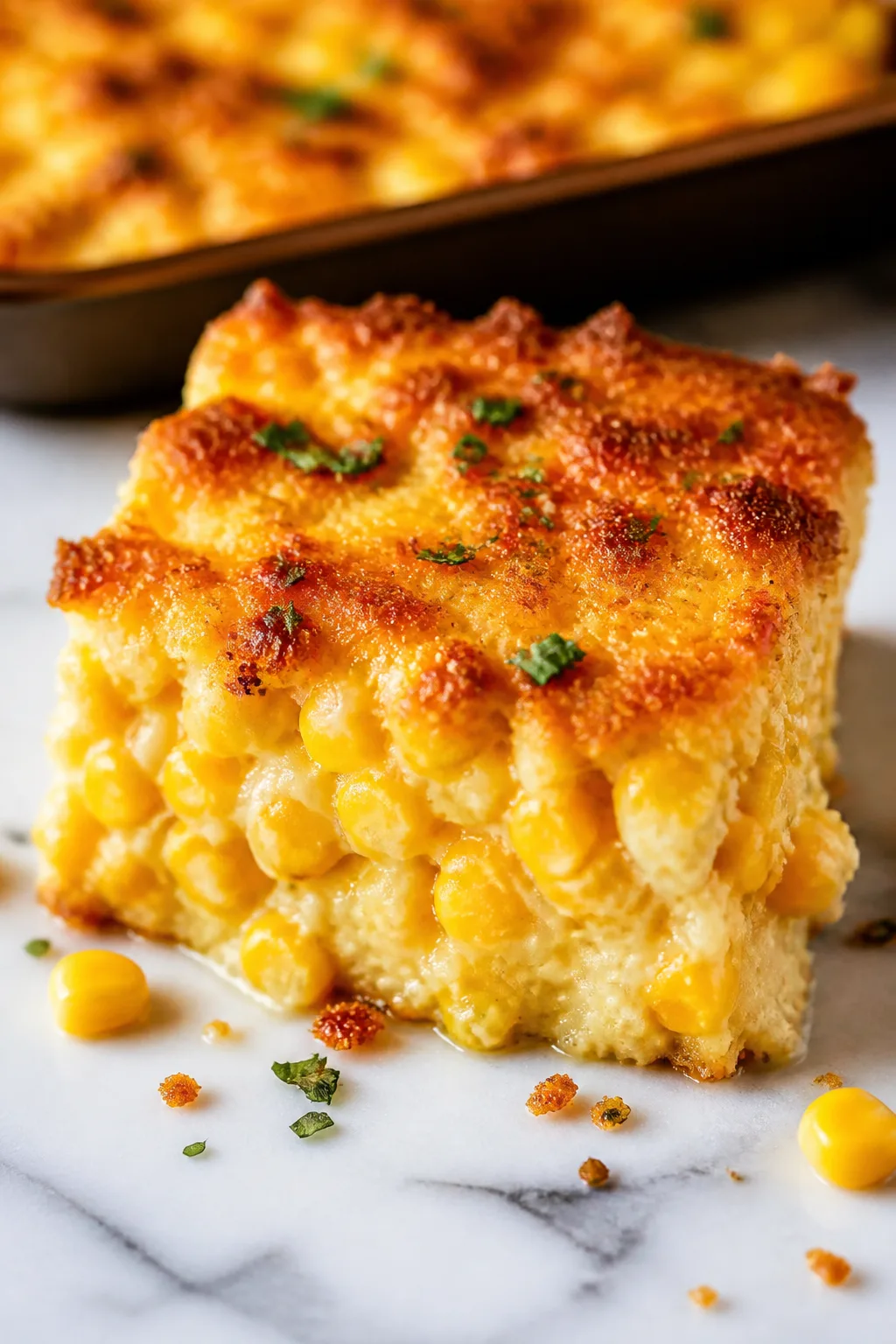
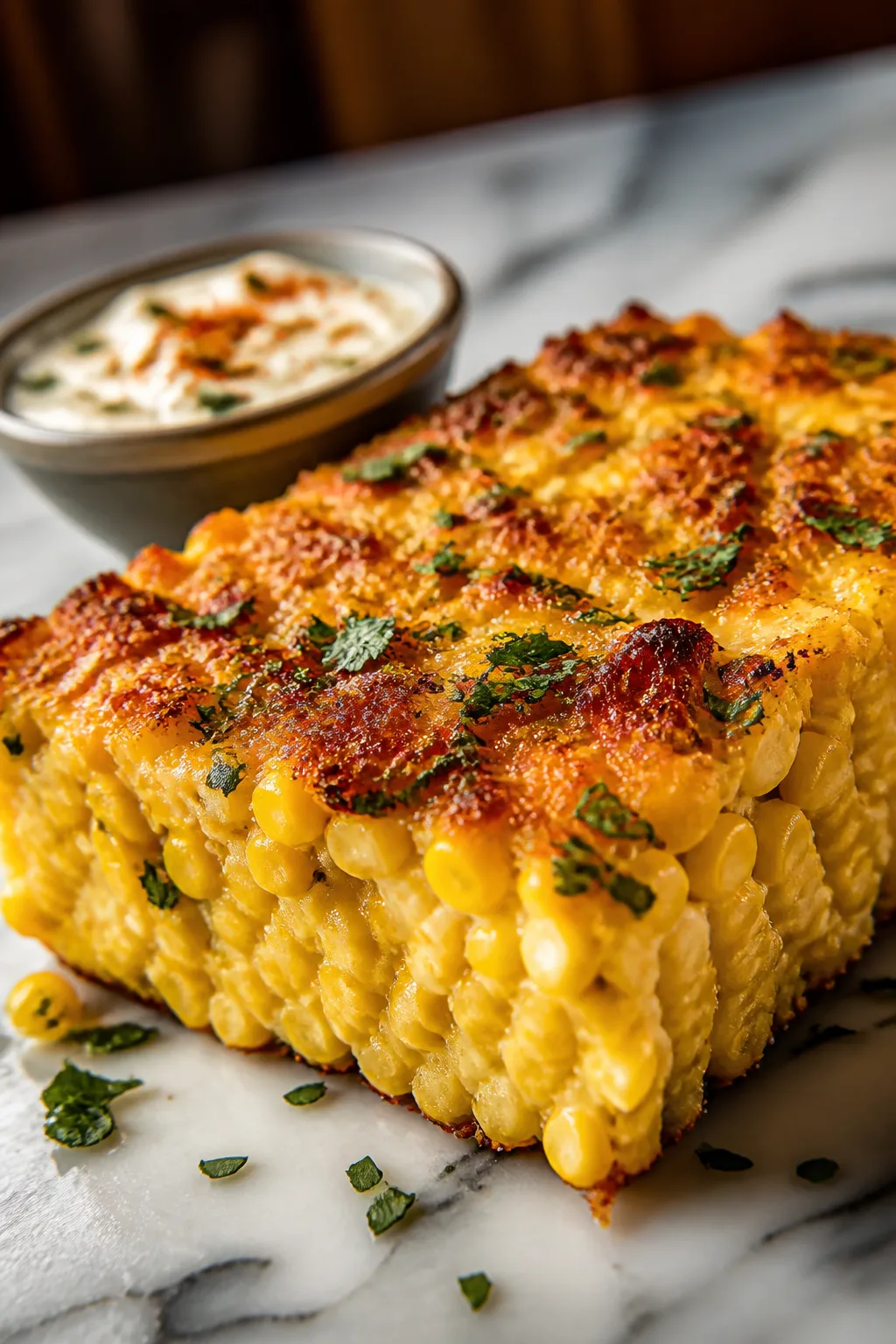
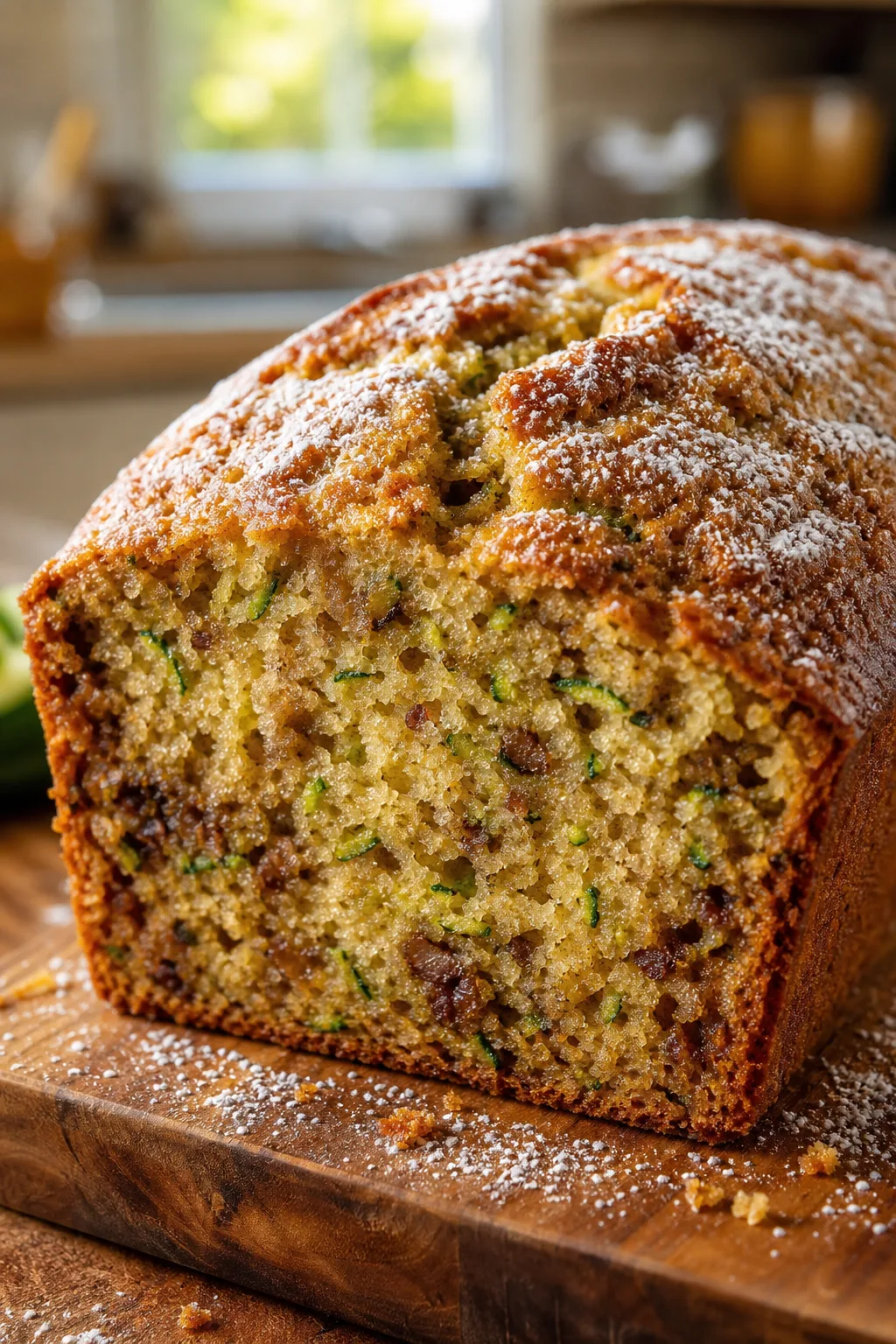
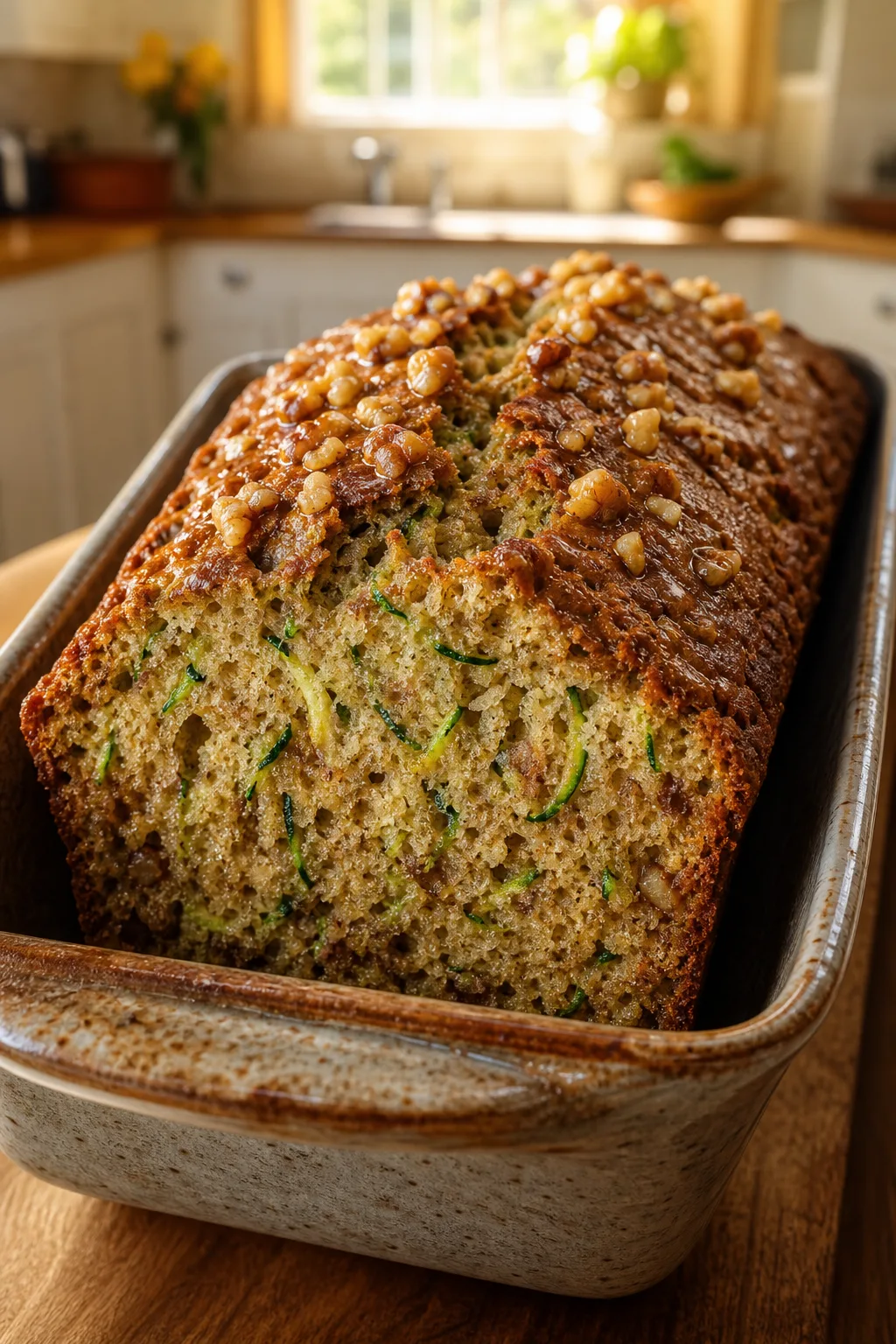
This cornbread is everything I love about comfort food—simple, buttery, and with a golden crust. Using fresh corn kernels adds a sweet pop that you don’t get from boxed mixes. Perfect for weekend dinners or holiday sides!
Introduction
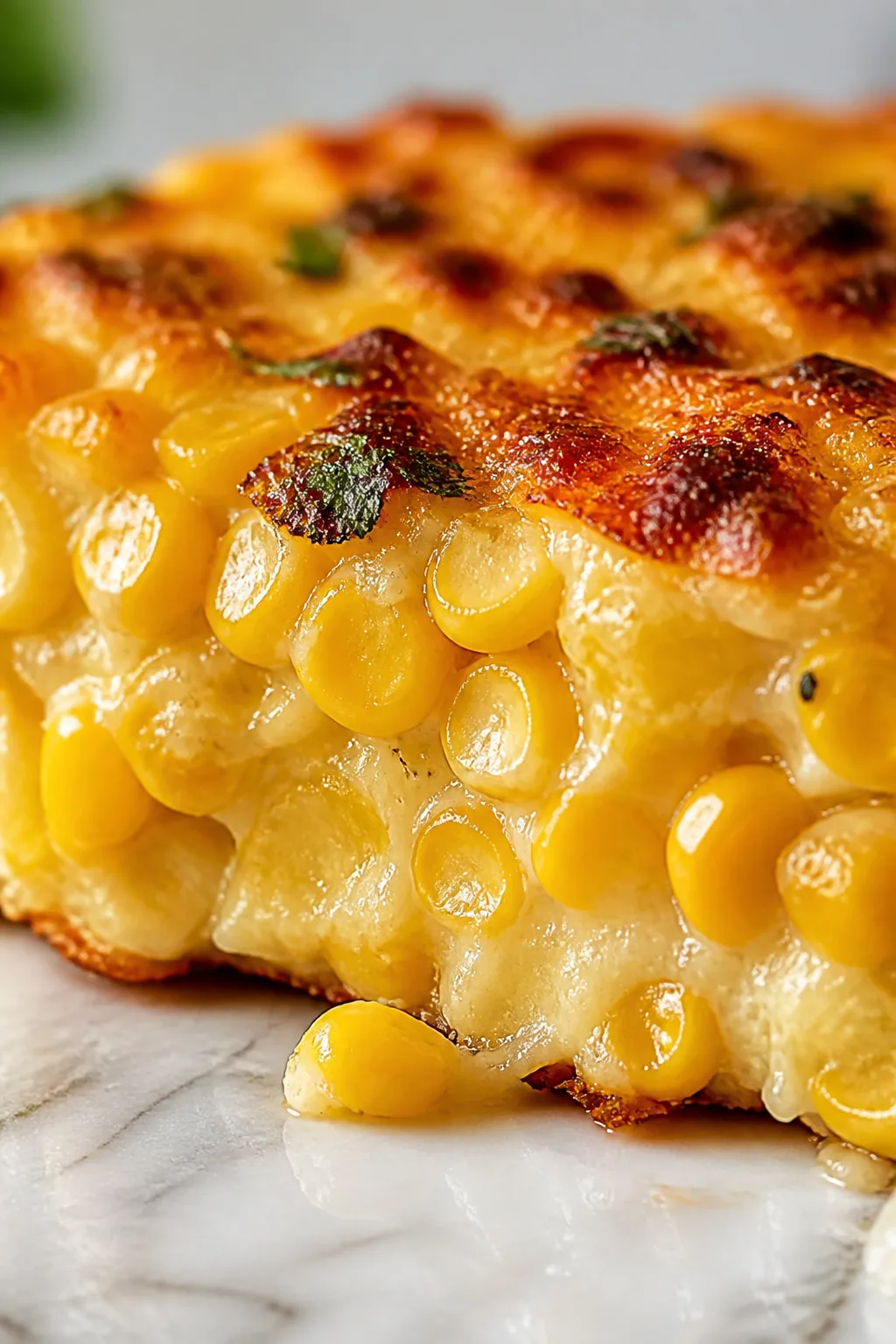
I’ve been making this cornbread for years, and it always reminds me of family dinners growing up. The version I’m sharing here is special because it uses fresh corn kernels, which add a juicy sweetness and a bit of texture that you just don’t get from plain cornbread. I remember the first time I tried adding fresh corn—my first batch was a bit dry, but I quickly learned that balancing the liquid and butter was key to getting that perfect moist crumb. The trick I learned is melting the butter and mixing it into the wet ingredients before combining with the dry—this helps the batter stay tender and rich. When it’s done, the cornbread has this beautiful golden crust with a soft, buttery inside and little bursts of corn that make every bite exciting. It’s perfect for cozy weekend meals or as a side for holiday feasts. Plus, it’s quick enough to whip up anytime you want to bring a little comfort to the table.
How To Do It
Step 1
Preheat your oven to 400°F (200°C) and grease an 8-inch square baking pan or a cast-iron skillet. Getting the oven fully preheated is important because cornbread bakes best with an initial blast of heat, which helps develop that golden crust. Greasing the pan well prevents sticking and ensures the edges brown nicely. Avoid using too little butter or oil here, or your cornbread might stick and tear when you try to serve it.
⏱ Time: 10 minutes
✓ Doneness: Oven fully preheated and pan evenly greased with no dry spots
Step 2
In a large bowl, whisk together the cornmeal, flour, baking powder, and salt. This dry mix forms the base of your cornbread, and mixing it well ensures the leavening is evenly distributed, which helps the bread rise uniformly. If you rush or skip this, you might get uneven texture or pockets of baking powder.
⏱ Time: 5 minutes
✓ Doneness: Dry ingredients fully combined with no lumps or clumps
Step 3
In a separate bowl, beat the eggs, then whisk in the milk, melted butter, and honey or sugar if using. Combining the wet ingredients separately helps you control the texture and sweetness of the batter. The melted butter enriches the batter and keeps the cornbread moist, while the honey adds a subtle sweetness that balances the corn flavor.
⏱ Time: 5 minutes
✓ Doneness: Wet ingredients well combined and smooth
Step 4
Pour the wet ingredients into the dry and stir gently until just combined. Overmixing can make the cornbread tough because it develops gluten in the flour, so mix until you no longer see dry flour but don’t overdo it. The batter should be slightly lumpy and thick.
⏱ Time: 2 minutes
✓ Doneness: Batter combined with no large dry patches but still slightly lumpy
Step 5
Fold in the fresh corn kernels carefully. This step adds texture and bursts of sweetness. Be gentle so you don’t crush the kernels and release too much moisture, which could make the batter watery and affect baking.
⏱ Time: 2 minutes
✓ Doneness: Corn kernels evenly distributed without breaking apart
Step 6
Pour the batter into your prepared pan or skillet and smooth the top with a spatula. This helps the cornbread bake evenly and develop a nice crust. Don’t tap or shake the pan too much as it can create air pockets that cause uneven texture.
⏱ Time: 3 minutes
✓ Doneness: Batter evenly spread with a smooth surface
Step 7
Bake for 20 to 25 minutes until the top is golden brown and a toothpick inserted in the center comes out clean. The high heat helps form a crust while keeping the inside moist. Avoid opening the oven door too often, or the temperature drop can cause the cornbread to sink.
⏱ Time: 20-25 minutes
✓ Doneness: Golden crust with clean toothpick test
Step 8
Remove from oven and let the cornbread cool in the pan for at least 10 minutes before slicing. This resting time allows steam to redistribute, which helps the bread set and prevents it from crumbling when cut.
⏱ Time: 10 minutes
✓ Doneness: Cornbread slightly cooled but still warm and firm
Step 9
Serve warm with a pat of butter or honey drizzle if you like. The contrast between the warm, buttery bread and the sweet corn kernels is irresistible. It’s great alongside chili, soups, or just on its own as a snack.
⏱ Time: Serve immediately
✓ Doneness: Butter melts on warm cornbread and aroma is inviting
Variations
Jalapeño Cheddar Cornbread
Add 1/2 cup shredded sharp cheddar and 1 finely chopped jalapeño to the batter for a spicy, cheesy twist. The cheddar melts into the bread adding richness, while jalapeño gives a mild heat that pairs beautifully with the sweetness of the corn.
Note: Fold in cheese and jalapeño gently after mixing wet and dry ingredients. You may need to bake a few minutes longer due to added moisture.
Honey Butter Cornbread
Serve the cornbread with a generous drizzle of honey mixed into softened butter. This adds a luscious sweetness and creamy texture that complements the corn flavor perfectly.
Note: Make honey butter ahead by combining equal parts softened butter and honey, then chill until firm.
Gluten-Free Cornbread
Swap the all-purpose flour for a gluten-free blend and ensure your baking powder is gluten-free. The texture will be slightly different—more crumbly—but still delicious and moist with fresh corn.
Note: Gluten-free flours absorb liquid differently; you might need to slightly adjust milk quantity for batter consistency.
Skillet Cornbread with Bacon
Cook 4 slices of chopped bacon until crisp and fold them into the batter for a smoky, savory variation. The bacon fat also adds flavor and richness.
Note: Drain bacon well to avoid excess grease in batter which can affect texture.
Sweet Corn and Herb Cornbread
Add 2 tablespoons of finely chopped fresh herbs like thyme or rosemary along with the corn kernels for an herby aroma and flavor that brightens the bread.
Note: Fresh herbs add moisture; fold in gently and avoid overmixing.
Pro Tips
Use a cast-iron skillet if you have one for baking.
Cast iron holds and distributes heat evenly, which helps develop a crisp, golden crust on the cornbread. It also retains heat well, keeping the bread warm longer when served. If you skip this and use a glass or metal pan, the crust might be less pronounced, and baking times could vary.
Don’t overmix the batter after combining wet and dry ingredients.
Overmixing leads to tough texture because gluten strands become too developed. Keeping mixing gentle ensures a tender crumb.
Let the batter rest for 5 minutes before baking.
Hydrating the cornmeal softens its gritty texture and helps the batter thicken slightly for better rise.
Use whole milk or buttermilk instead of skim or low-fat milk.
The fat content in whole milk or buttermilk adds richness and moisture, resulting in a softer, more flavorful cornbread. Buttermilk also adds a subtle tang and reacts with baking powder for extra lift. Using skim milk can make the bread dry and less flavorful.
Add a little honey or sugar for a subtle sweetness.
Cornbread can sometimes taste bland if it’s just savory. A touch of honey or sugar balances the natural corn flavor and enhances browning through caramelization, resulting in a tastier crust and crumb. Adjust sweetness to your preference.
Cut the cornbread into squares while still warm.
Cutting warm cornbread prevents it from crumbling apart. As it cools, the crumb firms up and becomes easier to slice cleanly. Using a sharp, serrated knife also helps keep edges neat.
Serve with a pat of butter or honey drizzle.
Adding butter or honey right before serving enhances moisture and flavor, making the cornbread even more comforting and delicious. It’s a simple finishing touch that makes a big difference in enjoyment.
Common Mistakes to Avoid
Overbaking the cornbread
Why it happens Many people leave the cornbread in the oven too long trying to get a darker crust, but this dries it out.
Fix Remove the cornbread as soon as a toothpick comes out clean and the top is golden. Keep a close eye during the last 5 minutes of baking and test often. Slightly underbaked cornbread is better than dry.
Using old baking powder
Why it happens Baking powder loses its potency over time, which means the bread won’t rise properly.
Fix Test baking powder by mixing a small amount in hot water to see if it bubbles vigorously. Replace if it doesn’t. Always measure fresh baking powder for best rise.
Adding too much liquid
Why it happens Sometimes fresh corn or milk measurements aren’t precise, making the batter too runny.
Fix Measure liquids carefully and drain fresh corn well if it’s very juicy. The batter should be thick but pourable. If it’s too thin, add a little more cornmeal or flour.
Overmixing batter
Why it happens Eager cooks often mix too long trying to get a smooth batter.
Fix Mix just until combined. A slightly lumpy batter is the goal for tender cornbread.
Skipping preheating the oven
Why it happens Impatience leads to putting batter into an oven that’s not hot enough.
Fix Always preheat oven fully before baking. This jumpstarts the leavening and crust formation.
Nutrition
Per Serving:
Nutritional values are estimates and may vary based on specific ingredients used.
Storage & Tips
Room Temperature
Cornbread can safely sit at room temperature for up to 2 hours when covered loosely with foil or a clean towel. After that, it’s best to refrigerate to prevent drying out or spoilage.
Refrigerator
Store leftovers in an airtight container in the refrigerator for up to 4 days. The cornbread may dry slightly but reheating with a bit of butter or wrapped in foil helps restore moisture. It can also be eaten cold if you prefer a firmer texture.
Freezer
Wrap cornbread tightly in plastic wrap and then foil to prevent freezer burn. Freeze for up to 3 months. Thaw overnight in the refrigerator and reheat in a warm oven to refresh the crust and softness.
Reheating
Reheat cornbread in a 350°F oven for 10-15 minutes wrapped in foil to keep it moist. A brief zap in the microwave works but can make the crust soggy. Adding a pat of butter before reheating enhances flavor and moisture.
Make Ahead
You can prepare the batter up to 1 day ahead and keep it covered in the fridge. Bring it to room temperature before baking to ensure even cooking. Alternatively, bake the cornbread and reheat gently before serving for fresh-tasting bread.
FAQ
Can I use frozen corn instead of fresh?
Yes, frozen corn works fine but make sure to thaw and drain it thoroughly before folding it into the batter. Excess moisture from frozen corn can make the batter too wet and affect the texture, so pat it dry with paper towels if needed.
What can I substitute for buttermilk?
If you don’t have buttermilk, you can make a substitute by adding 1 tablespoon of lemon juice or white vinegar to 1 cup of milk. Let it sit for 5 minutes before using. This adds acidity that reacts with baking powder to help the bread rise and adds a subtle tang.
Why is my cornbread dry or crumbly?
Dry or crumbly cornbread often means too little fat or liquid, or overbaking. Make sure you measure ingredients accurately, don’t overmix, and remove the bread from the oven as soon as a toothpick comes out clean to avoid drying it out.
Can I make this recipe vegan?
To make it vegan, substitute eggs with flax eggs (1 tablespoon ground flaxseed mixed with 3 tablespoons water per egg) and use plant-based milk and vegan butter or oil. Texture may be slightly different but still tasty.
How do I get a crispy crust on my cornbread?
Using a cast-iron skillet and baking at a high temperature (400°F) helps develop a crispy, golden crust. Also, preheating the skillet before pouring in the batter can create a nice crust from the start.
Can I double this recipe?
Yes, you can double the ingredients and bake in a larger pan or two pans. Just keep an eye on baking time as it may need a few extra minutes. Test doneness with a toothpick as usual.
What’s the best way to reheat leftover cornbread?
Reheat in a 350°F oven wrapped in foil for 10-15 minutes to restore moisture and crisp the crust slightly. Microwaving works for convenience but can soften the crust.
Why does my cornbread sink in the middle?
This usually happens from opening the oven too early, overmixing batter, or using expired leavening agents. Avoid opening the oven until near the end and mix batter gently. Also, check your baking powder is fresh.
Final Thoughts
I hope you enjoy making this cornbread as much as I do! It’s such a comforting, simple recipe that brings a little warmth to any meal. Don’t forget to share how yours turns out!