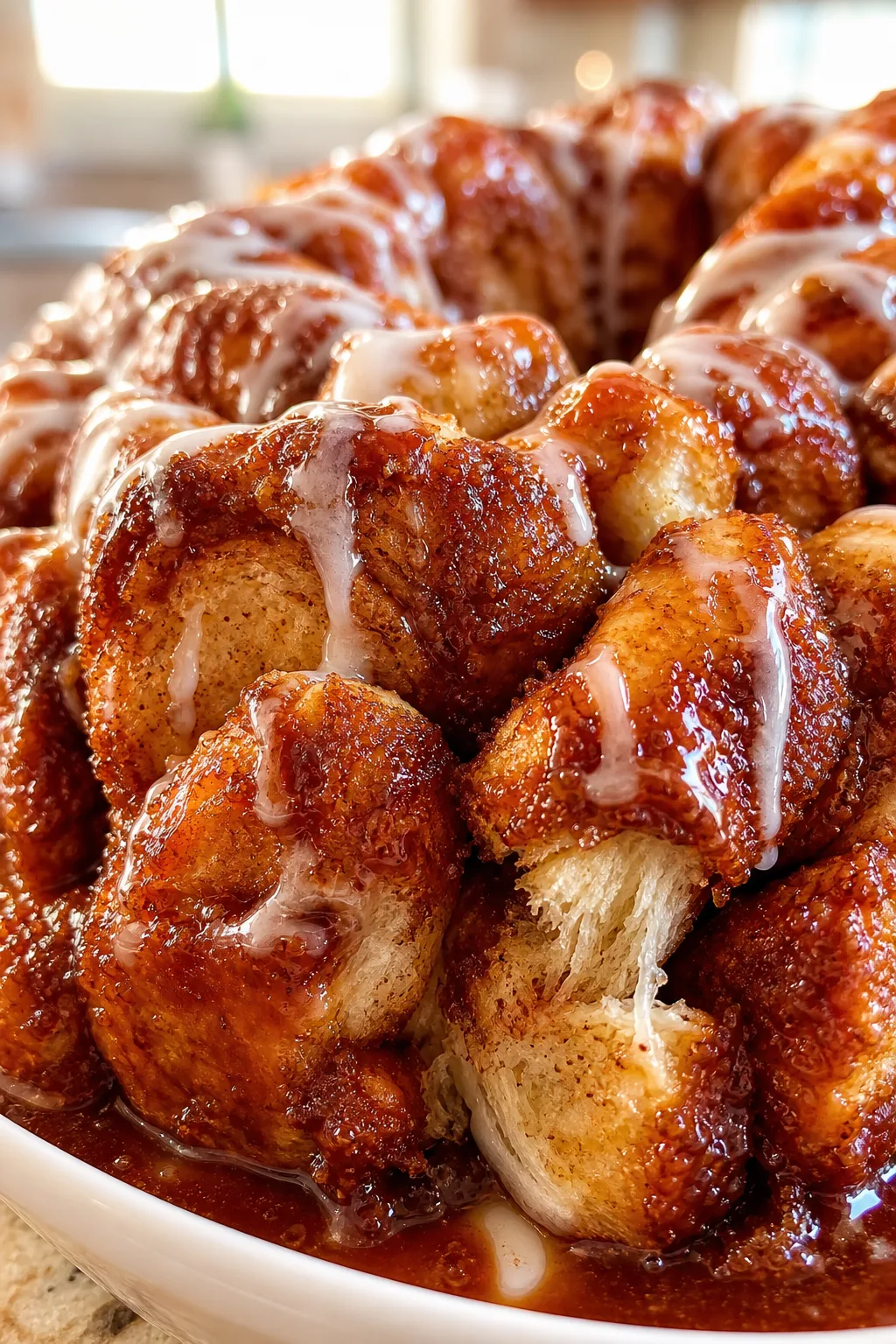
These soft Italian Easter cookies are gently sweet with a lovely almond flavor and a hint of anise. The light glaze adds the perfect finishing touch. Great for holiday celebrations or anytime you crave a nostalgic treat!
Introduction
I first came across these Italian Easter almond cookies years ago at a family gathering, and they instantly became a favorite. What I love most is how soft and tender they are, unlike the usual crunchy almond cookies you find. The secret to their unique flavor is the subtle addition of anise extract, which adds a lovely aromatic hint without overpowering the almonds. I’ve tweaked the glazing technique over time to get that just-right glossy finish that makes these cookies look as good as they taste. It’s a recipe that’s both nostalgic and special, perfect for holidays or any time I want to share a little sweet tradition. The dough is surprisingly easy to work with, and watching the cookies puff up slightly in the oven is always a delight. They’re sweet but not cloying, and the glaze adds just the right balance of texture and shine. I think you’ll find this version a charming twist on the classic Italian treat, perfect for gifting or enjoying with coffee.
How To Do It
Step 1
Preheat your oven to 325°F (160°C) and line two baking sheets with parchment paper. This low temperature helps the cookies bake gently and stay soft inside without browning too much. Lining the sheets prevents sticking and makes cleanup easy. Avoid using a higher temperature because it can dry out the cookies or cause uneven baking.
⏱ Time: 10
✓ Doneness: Oven preheated and baking sheets prepared with parchment paper smoothly laid out.
Step 2
In a large mixing bowl, whisk the egg whites until they become frothy but not stiff. This step helps incorporate air, which will lighten the cookie texture. If you over-whip, the dough can become too dry, so stop when the whites are just frothy and slightly bubbly.
⏱ Time: 3
✓ Doneness: Egg whites look foamy and slightly thickened but still pourable.
Step 3
Add the granulated sugar gradually to the egg whites while gently stirring to dissolve it. This slow addition helps the sugar integrate smoothly without deflating the froth. Stir until the mixture looks glossy and the sugar is mostly dissolved, which ensures your cookies will have a fine texture without graininess.
⏱ Time: 5
✓ Doneness: Mixture becomes glossy and slightly thicker, with no visible sugar granules.
Step 4
Fold in the almond flour, salt, almond extract, and anise extract carefully using a spatula. Folding instead of stirring vigorously maintains the air in the mixture, which keeps the cookies light and soft. Make sure the almond flour is fully incorporated but don’t overmix, or the dough will become dense.
⏱ Time: 7
✓ Doneness: Dough looks smooth, consistent, and slightly thick but still airy.
Step 5
Using a tablespoon or small cookie scoop, drop rounded mounds of dough onto the prepared baking sheets, spacing them about 2 inches apart. This spacing allows the cookies to spread slightly without merging. If placed too close, they will bake into one another, losing their shape.
⏱ Time: 5
✓ Doneness: Evenly spaced mounds of dough on the baking sheets, uniform in size.
Step 6
Bake the cookies for 18-20 minutes until the edges are set but the centers remain soft. The cookies will puff up slightly and develop a pale golden hue. Avoid overbaking to keep them tender inside. If the cookies turn too brown, they can become dry and lose their delicate texture.
⏱ Time: 20
✓ Doneness: Cookies have a pale golden edge and soft, slightly springy center.
Step 7
While the cookies bake, prepare the glaze by mixing powdered sugar and milk until smooth and slightly runny but not watery. The right consistency helps the glaze coat the cookies evenly without dripping too much. If it’s too thick, it won’t spread well; too thin, and it will run off the cookies.
⏱ Time: 5
✓ Doneness: Glaze is smooth, glossy, and coats the back of a spoon lightly.
Step 8
Remove the cookies from the oven and let them cool on the baking sheets for 5 minutes. This rest allows them to firm up a bit so the glaze won’t melt immediately. Then transfer to a wire rack placed over parchment paper to catch drips.
⏱ Time: 10
✓ Doneness: Cookies are warm but firm enough to handle without breaking.
Step 9
Brush the glaze gently over the top of each cookie, coating them evenly. Let the glaze set at room temperature for at least 30 minutes before storing or serving. This step adds a subtle sweetness and a beautiful sheen that makes the cookies look irresistible.
⏱ Time: 30
✓ Doneness: Glaze is dry to the touch but glossy, with no sticky residue.
Variations
Lemon Zest Almond Cookies
Add 1 teaspoon of fresh lemon zest to the dough for a bright, citrusy twist that pairs beautifully with almond flavor. The lemon adds freshness and a slight tang, making the cookies feel lighter and perfect for springtime.
Note: Zest should be finely grated and folded in gently to avoid losing the airy texture of the dough.
Chocolate-Dipped Almond Cookies
After glazing and cooling, dip half of each cookie in melted dark chocolate and let it set. This adds a rich contrast to the sweet almond base and makes the cookies extra special for gifting or celebrations.
Note: Ensure cookies are completely cool before dipping to prevent melting the glaze.
Gluten-Free Almond and Coconut Cookies
Replace half the almond flour with finely shredded unsweetened coconut for a chewy texture and tropical flavor. This variation adds a bit of chew and an extra layer of nuttiness while keeping the cookies gluten-free.
Note: Monitor baking time closely as coconut can brown faster.
Anise-Free Almond Cookies
Simply omit the anise extract for a pure almond flavor. These are perfect for those who prefer a milder cookie or don’t enjoy licorice notes. The glaze and almond extract keep the cookies flavorful and moist.
Note: You may want to add a bit more almond extract to compensate for the missing flavor.
Spiced Almond Cookies with Cinnamon
Add 1/2 teaspoon ground cinnamon and a pinch of nutmeg to the dough for warm, cozy spice notes. This variation works wonderfully in cooler months or as a festive holiday treat with a twist.
Note: Mix spices with the almond flour to distribute evenly without overworking the dough.
Pro Tips
Always sift your almond flour before mixing to remove lumps.
Sifting ensures the almond flour is light and even, which helps create a smoother dough and more uniform cookies. Lumps can cause uneven texture or cause the cookies to crack during baking.
Don’t over-whip the egg whites; stop at frothy stage.
Over-whipping can cause the egg whites to become dry and stiff, leading to a crumbly dough and dry cookies. Frothy whites provide enough aeration for lightness without drying out the batter.
Use parchment paper or silicone mats for baking to prevent sticking.
These surfaces create a non-stick environment that helps maintain the cookies’ shape and texture. Directly baking on metal sheets can cause uneven cooking and sticking.
Let the glaze set completely at room temperature before storing.
Allowing the glaze to dry ensures it forms a nice shell that won’t stick to other cookies or packaging. If stored too soon, the glaze can stay tacky and smudge.
Space cookies evenly on the baking sheet to prevent merging.
Proper spacing lets heat circulate around each cookie, ensuring even baking and perfect shape. Crowding causes cookies to stick together and bake unevenly.
Use room-temperature egg whites for better mixing.
Cold egg whites don’t whip as well and can result in denser dough. Room temperature whites incorporate more air, improving texture and rise.
Add extracts last to preserve their delicate flavors.
Mixing extracts in at the end prevents their volatile aromatic compounds from evaporating during extensive mixing, keeping flavors fresh and pronounced.
Common Mistakes to Avoid
Overbaking the cookies until they’re brown and hard
Why it happens Many assume cookies need to be golden brown to be done, but with these soft almond cookies, that leads to dryness and loss of tenderness.
Fix Watch closely near the end of baking and remove cookies when edges are just set and pale golden. The centers will still be soft, and they firm up as they cool.
Using coarse almond meal instead of fine almond flour
Why it happens It’s easy to confuse almond meal with almond flour, but meal is coarser and can make the texture gritty or crumbly.
Fix Purchase finely ground almond flour or blitz almond meal in a food processor to achieve a finer texture before using.
Adding too much anise extract overpowering the flavor
Why it happens Anise has a strong flavor, and it’s tempting to add more to intensify it, but this masks the almond and sweetness.
Fix Measure precisely and start with a small amount. You can always add a tiny bit more, but err on the side of subtle.
Not dissolving sugar fully in egg whites
Why it happens Rushing this step leaves grainy sugar bits in the dough, affecting texture and sweetness distribution.
Fix Add sugar slowly and stir gently until the mixture looks glossy and smooth with no visible grains.
Skipping the glaze or applying it too thickly
Why it happens Some think the glaze is optional or overdo it, leading to a sticky, overly sweet finish.
Fix Prepare a thin glaze and brush it lightly for a subtle shine and sweetness that complements the cookie.
Nutrition
Per Serving:
Nutritional values are estimates and may vary based on specific ingredients used.
Storage & Tips
Room Temperature
Store the cookies in an airtight container at room temperature for up to 3 days. Make sure the glaze has fully set before storing to prevent sticking. They stay soft and fresh when kept away from humidity and direct sunlight.
Refrigerator
You can refrigerate the cookies in an airtight container for up to 1 week. Refrigeration may cause the glaze to become slightly sticky, so let them come to room temperature before serving to enjoy the best texture.
Freezer
Freeze the cookies in a single layer on a baking sheet, then transfer to a freezer-safe container or bag for up to 2 months. Wrap well to avoid freezer burn. Thaw at room temperature for a few hours before serving.
Reheating
These cookies are best enjoyed at room temperature. If you prefer warm cookies, heat them gently in a low oven (275°F) for 5 minutes. Avoid microwave reheating as it can make the glaze sticky and the cookies chewy.
Make Ahead
You can prepare the dough and shape the cookies a day ahead, storing the unbaked dough mounds covered in the fridge. Bake fresh when ready to enjoy the best texture and flavor. The glaze can also be made a day in advance and stored in the fridge.
FAQ
Can I use almond meal instead of almond flour?
Almond meal is coarser and can make the cookies gritty or crumbly. If you only have almond meal, pulse it in a food processor to make it finer before using. This will give you a smoother texture closer to almond flour.
What if I don’t have anise extract? Can I skip it?
Yes, you can omit the anise extract if you don’t like the flavor or don’t have it on hand. The cookies will still taste delicious with the almond extract alone, though the traditional aromatic note will be missing.
How do I keep the cookies soft and not dry?
Avoid overbaking and bake at a low temperature. Remove cookies when edges are set but centers still look slightly soft. Also, don’t over-whip the egg whites as this can dry the dough out.
Can I make these cookies vegan?
These rely on egg whites for structure, so vegan substitutions are tricky. Aquafaba (chickpea water) can sometimes replace egg whites but may alter texture. I recommend experimenting cautiously or looking for a vegan-specific almond cookie recipe.
Why is my glaze sticky after setting?
If the glaze is too thick or applied before the cookies are cool, it can stay tacky. Make sure the glaze is the right consistency—thin enough to spread but not watery—and brush it on after cookies cool completely.
Can I add other flavors to the dough?
Absolutely! Lemon zest, cinnamon, or even a splash of vanilla can complement the almond flavor nicely. Just add these during the mixing stage and adjust quantities to taste.
How long do these cookies last?
Stored properly in an airtight container at room temperature, they stay fresh for about 3 days. Refrigeration can extend this to a week but may change texture slightly.
Why did my cookies spread too much?
This can happen if the dough is too wet or the oven is too hot. Make sure to measure ingredients accurately and keep the oven temperature low to prevent excessive spreading.
Final Thoughts
I hope you enjoy baking and sharing these soft Italian almond cookies as much as I do. Don’t forget to tell me how your batch turns out—I’d love to hear your stories!