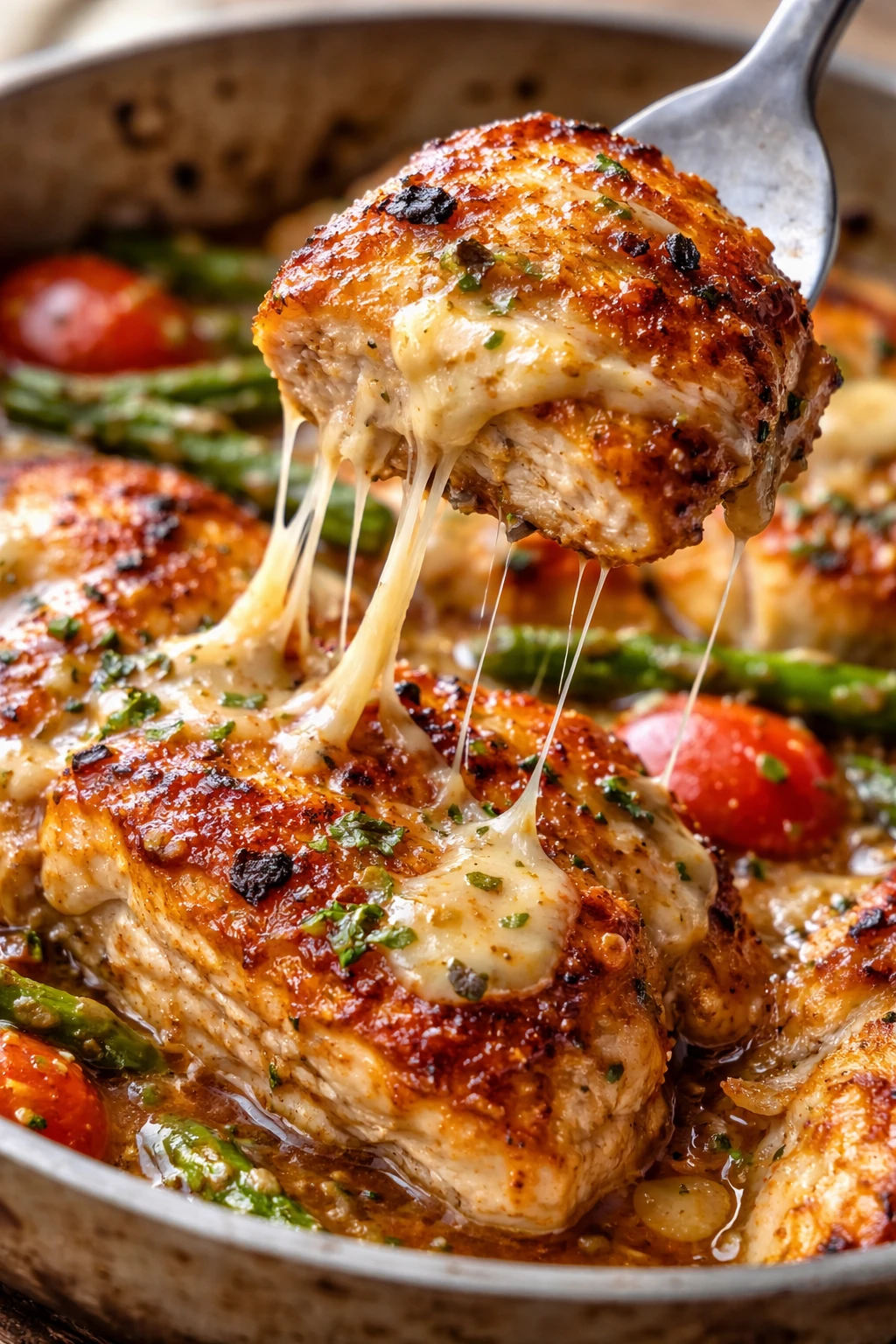
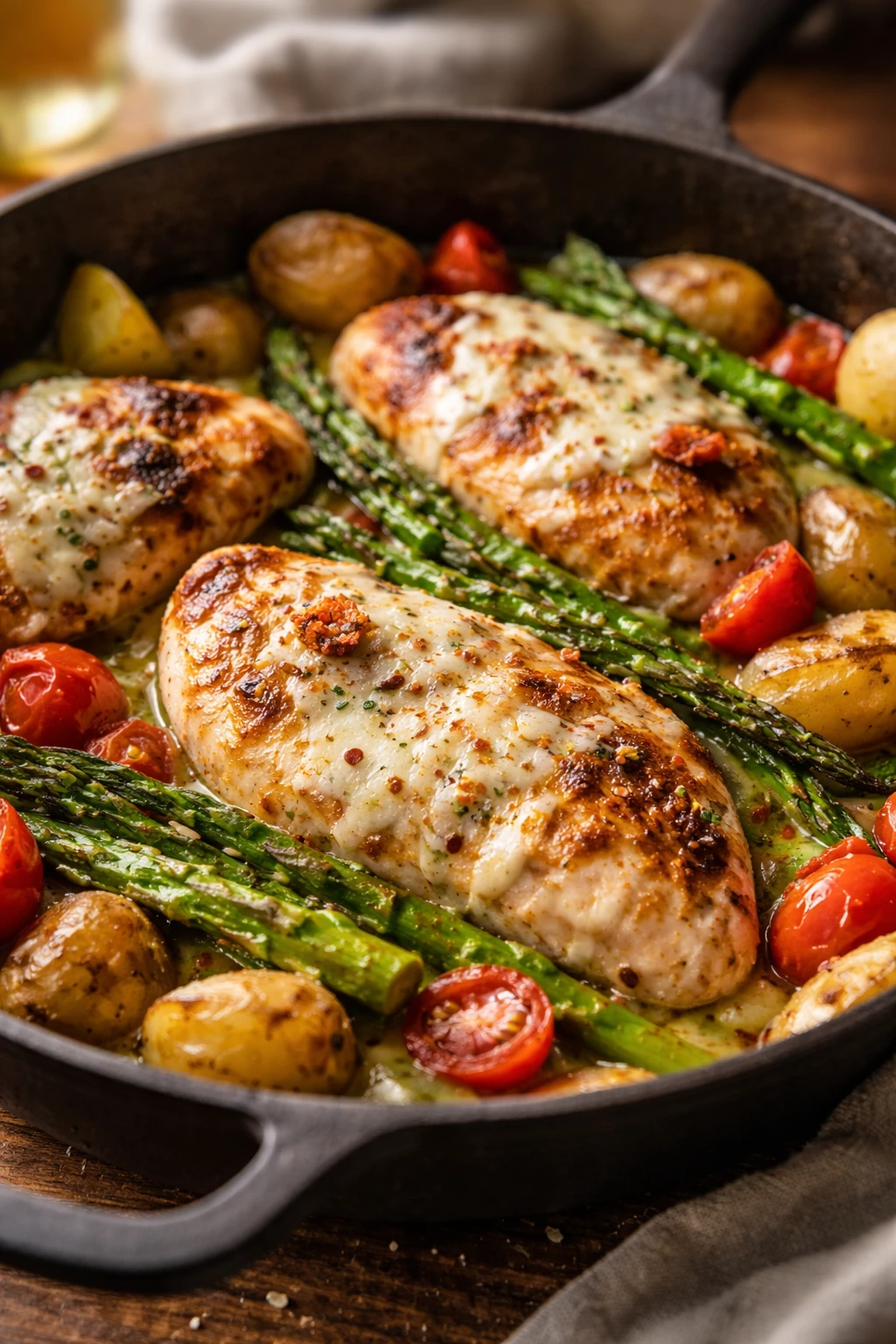
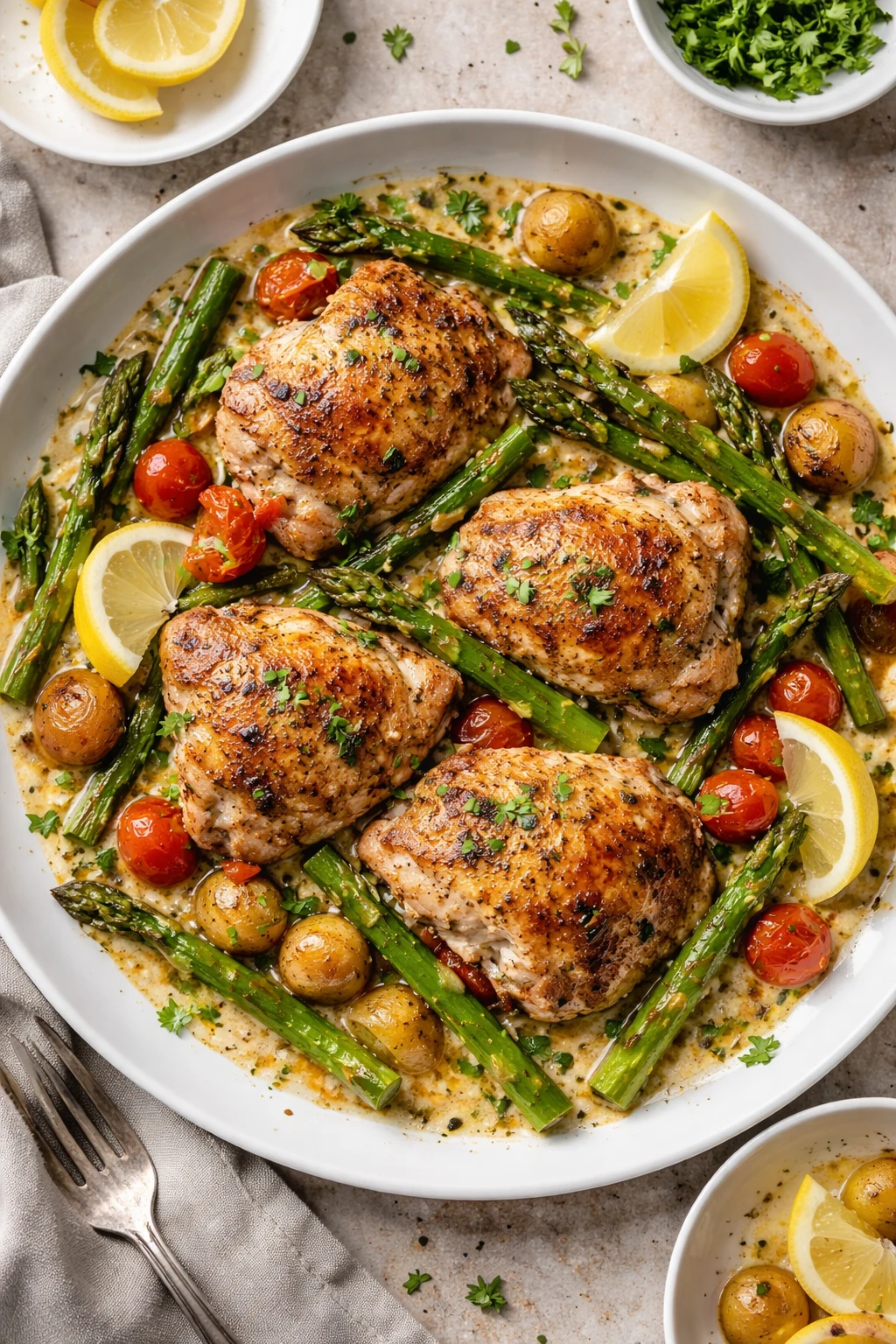
This one-pan chicken dinner is my go-to for busy nights. Juicy chicken roasts alongside crisp spring veggies with fresh herbs for a bright, fuss-free meal everyone loves. Perfect anytime you want simple, wholesome comfort.
Introduction
I first made this one-pan spring chicken dinner on a hectic weeknight when I wanted something fresh but didn’t have a ton of time. It turned out to be a total winner — juicy chicken with crispy skin roasting right alongside bright veggies and fragrant herbs. What sets this recipe apart for me is the way the lemon slices add a subtle zing and keep everything moist without extra fuss. I also love that everything cooks together in one pan, which means less mess and more time to relax after dinner. The trick I learned is to start the chicken skin-side down to get that perfect golden crisp before adding the veggies around it, so nothing gets soggy. When it’s done, you get this vibrant, colorful plate with tender chicken and veggies that still have a little snap. It’s the kind of dinner that feels special but is so easy to pull off. I hope you love it as much as my family does!
How To Do It
Step 1
Preheat your oven to 425°F (220°C). Pat the chicken thighs dry with paper towels — this helps the skin crisp up nicely during roasting. Season both sides with salt, pepper, and dried oregano. Dry skin is key here; if the chicken is damp, it steams instead of roasting, and you won’t get that golden crust everyone loves.
⏱ Time: 10 minutes
✓ Doneness: Chicken skin looks dry and matte before cooking
Step 2
Heat olive oil in a large oven-safe skillet over medium-high heat. Place the chicken thighs skin-side down and cook without moving them for about 6-8 minutes until the skin is deep golden brown and releases easily from the pan. This step renders fat and crisps the skin, adding flavor and texture. Avoid flipping too soon or the skin might tear.
⏱ Time: 8 minutes
✓ Doneness: Skin is golden brown and crispy
Step 3
Flip the chicken thighs over and scatter lemon slices, asparagus, cherry tomatoes, red onion, and minced garlic around the chicken in the pan. The lemon slices infuse a bright citrus aroma while the veggies roast and soak up the chicken juices. Spread everything evenly so it cooks uniformly.
⏱ Time: 5 minutes
✓ Doneness: Vegetables are evenly distributed and lemon slices are nestled close to chicken
Step 4
Transfer the skillet to the preheated oven. Roast for 20-25 minutes until the chicken reaches an internal temperature of 165°F (75°C) and the veggies are tender but still vibrant. Check the chicken with a meat thermometer to avoid overcooking, which can dry it out.
⏱ Time: 25 minutes
✓ Doneness: Chicken thermometer reads 165°F; veggies are tender and slightly caramelized
Step 5
Carefully remove the skillet from the oven. Sprinkle fresh parsley and thyme over the top for a burst of herbal freshness. The warm herbs brighten the dish and add a lovely aroma that complements the roasted flavors. Serve directly from the pan for a rustic, inviting presentation.
⏱ Time: 2 minutes
✓ Doneness: Herbs are fresh and vibrant, chicken juices glistening
Step 6
Let the chicken rest for 5 minutes before serving. Resting allows the juices to redistribute, making the meat more tender and juicy. Cutting into chicken immediately after cooking can cause all the flavorful juices to run out onto the plate.
⏱ Time: 5 minutes
✓ Doneness: Chicken feels firm but not tight, juices stay inside
Step 7
Serve the chicken with the roasted veggies and lemon slices on the side. The contrast of the crispy skin, tender meat, and fresh, bright veggies makes every bite satisfying. You can drizzle a little of the pan juices over the top to keep everything moist and flavorful.
⏱ Time: 2 minutes
✓ Doneness: Dish looks colorful and inviting on the plate
Step 8
Optional: For extra zing, squeeze a little fresh lemon juice over the dish just before serving. This adds an extra layer of brightness that balances the richness of the chicken skin and roasted veggies perfectly.
⏱ Time: 1 minute
✓ Doneness: A fresh citrus aroma wafts from the dish
Step 9
Clean up your skillet promptly after it cools. Using a cast iron or oven-safe stainless steel pan works best to get that crisp skin and even roasting. Avoid nonstick pans for this recipe as they don’t brown as well and can’t go in the oven safely.
⏱ Time: 5 minutes
✓ Doneness: Pan is clean and ready for next use
Variations
Spicy One-Pan Chicken Dinner
Add 1 teaspoon smoked paprika and 1/2 teaspoon cayenne pepper to the chicken seasoning for a smoky, spicy kick. Toss in sliced jalapeños with the veggies for extra heat. Expect a bolder flavor profile with a hint of warmth that complements the fresh herbs.
Note: Spicy seasonings can brown faster; monitor skin closely during sear to avoid burning.
Mediterranean Style
Swap asparagus and tomatoes for artichoke hearts, olives, and bell peppers. Use fresh rosemary and oregano instead of thyme and parsley. This variation brings bright, briny flavors with a Mediterranean twist, perfect for summer dinners.
Note: Olives add saltiness; reduce added salt accordingly to balance flavors.
Creamy Mushroom and Chicken One-Pan
Add 1 cup sliced mushrooms and 1/2 cup heavy cream after roasting. Simmer briefly to create a rich sauce. This version is indulgent and cozy, with earthy mushroom notes complementing the chicken.
Note: Add cream off heat or at low temperature to avoid curdling.
Herb and Mustard Glazed Chicken
Brush chicken with a mixture of Dijon mustard, honey, and chopped herbs before searing. This glaze caramelizes during roasting for a tangy-sweet crust. The flavor is complex and vibrant, ideal for impressing guests.
Note: Mustard glaze can burn if exposed to direct high heat too long; apply carefully.
Vegetarian Roasted Veggie Medley
Skip the chicken and roast a medley of asparagus, cherry tomatoes, bell peppers, and zucchini with lemon and herbs. Drizzle with olive oil and roast until tender and caramelized for a bright, satisfying vegetarian main.
Note: Roast veggies at 400°F for 20-25 minutes; stir halfway for even cooking.
Pro Tips
Pat chicken skin dry before cooking.
Removing surface moisture is key to achieving crispy skin. Moisture causes steaming, which prevents browning. By patting dry, you help the skin render fat and develop that golden, crunchy texture that’s so satisfying.
Use an oven-safe skillet for cooking.
Starting on the stovetop and finishing in the oven allows even cooking and perfect skin crisping. Oven-safe skillets handle high heat well, ensuring the chicken roasts evenly without flipping too much or drying out.
Don’t overcrowd the pan with veggies.
Overcrowding traps steam and prevents caramelization. Spreading veggies evenly around the chicken allows air to circulate and promotes roasting, which concentrates sweetness and adds texture contrast.
Let chicken rest before serving.
Resting allows juices to redistribute throughout the meat. Cutting too soon causes the flavorful juices to spill out, leaving dry chicken. A few minutes of rest ensures tender, juicy bites.
Check chicken temperature with a meat thermometer.
Using a thermometer prevents overcooking or undercooking. Properly cooked chicken is safe and juicy at 165°F (75°C). Guesswork can lead to dry or unsafe chicken.
Add fresh herbs after roasting.
Herbs lose flavor and color when cooked too long. Adding them at the end preserves their bright taste and aroma, lifting the whole dish.
Use lemon slices instead of juice during cooking.
Lemon slices release oils and gentle acidity slowly, infusing flavor without making the dish watery. Juice added too early can cause bitterness or sogginess.
Common Mistakes to Avoid
Cooking chicken without drying the skin first.
Why it happens Many assume seasoning is enough, but moisture on the skin prevents crisping.
Fix Always pat chicken skin completely dry with paper towels before seasoning and cooking. This step ensures the skin crisps rather than steams.
Skipping the resting period after roasting.
Why it happens Impatience to eat leads to slicing chicken immediately.
Fix Allow chicken to rest at least 5 minutes after cooking. Tent loosely with foil to keep warm while juices redistribute.
Overcrowding the pan with vegetables.
Why it happens Trying to cook too many veggies at once to save time.
Fix Spread veggies evenly to avoid steaming. If needed, roast in batches or use a larger pan.
Not using an oven-safe pan.
Why it happens Using non-oven-safe skillets out of convenience.
Fix Use cast iron or stainless steel pans designed for oven use to ensure even cooking and safety.
Removing lemon slices before roasting.
Why it happens Some think lemon slices add bitterness if left too long.
Fix Keep lemon slices in during roasting; they add subtle brightness without overpowering. Remove only if you dislike citrus flavor.
Nutrition
Per Serving:
Nutritional values are estimates and may vary based on specific ingredients used.
Storage & Tips
Room Temperature
This dish can be left out at room temperature for up to 2 hours if covered to prevent contamination. Beyond that, refrigerate promptly to avoid food safety risks.
Refrigerator
Store leftovers in an airtight container for up to 3 days. The chicken may lose some crispness when cold but reheats well. Serve warm for best texture and flavor.
Freezer
Freeze cooked chicken and veggies in a freezer-safe container or bag for up to 2 months. Wrap tightly to prevent freezer burn. Thaw overnight in the refrigerator before reheating.
Reheating
Reheat gently in a 325°F oven for 15-20 minutes until warmed through, adding a splash of water or broth to keep veggies moist. Avoid microwaving as it can make chicken skin soggy.
Make Ahead
You can prep the chicken and vegetables the day before by seasoning and slicing. Store separately in the fridge and assemble in the pan just before cooking. This saves time on busy nights.
FAQ
Can I use chicken breasts instead of thighs?
You can, but breasts cook faster and are leaner, so watch the cooking time closely to avoid drying out. Sear skinless breasts just until golden, then roast for 12-15 minutes. Thighs are more forgiving and stay juicy longer.
What if I don’t have an oven-safe skillet?
You can sear the chicken in a regular pan, then transfer everything to a baking dish for roasting. Just be careful transferring the hot chicken and veggies. Using an oven-safe skillet simplifies the process and improves browning.
Can I make this recipe gluten-free?
Yes! This recipe is naturally gluten-free as it contains no wheat or gluten ingredients. Just double-check any seasonings or store-bought items to ensure they’re certified gluten-free if needed.
How do I keep the veggies from getting mushy?
Don’t overcrowd the pan and cut veggies into uniform sizes for even roasting. Roast at a high temperature so they caramelize quickly but stay crisp-tender. Remove veggies earlier if they cook faster than chicken.
Can I add other vegetables?
Absolutely! Root vegetables like carrots or potatoes work well but require longer roasting times. Add them first and roast for 10-15 minutes before adding chicken and quicker-cooking veggies like asparagus or tomatoes.
What’s the best way to store leftovers?
Cool leftovers promptly and store in airtight containers in the fridge for up to 3 days. Reheat gently in the oven to preserve texture. Avoid microwaving to keep chicken skin from getting soggy.
Can I use dried herbs instead of fresh?
You can, but fresh herbs provide brighter flavor and aroma. If using dried, add them earlier in the cooking process since they need time to release flavor. Use roughly a third of the amount of fresh herbs called for.
How do I know when the chicken is done?
The safest way is to use a meat thermometer. Chicken should reach 165°F (75°C) internally. The juices should run clear, and the meat should feel firm but not hard.
Final Thoughts
Give this one-pan spring chicken dinner a try—you’ll love how easy it is to make and how fresh it tastes. Don’t forget to share your results and tweaks!