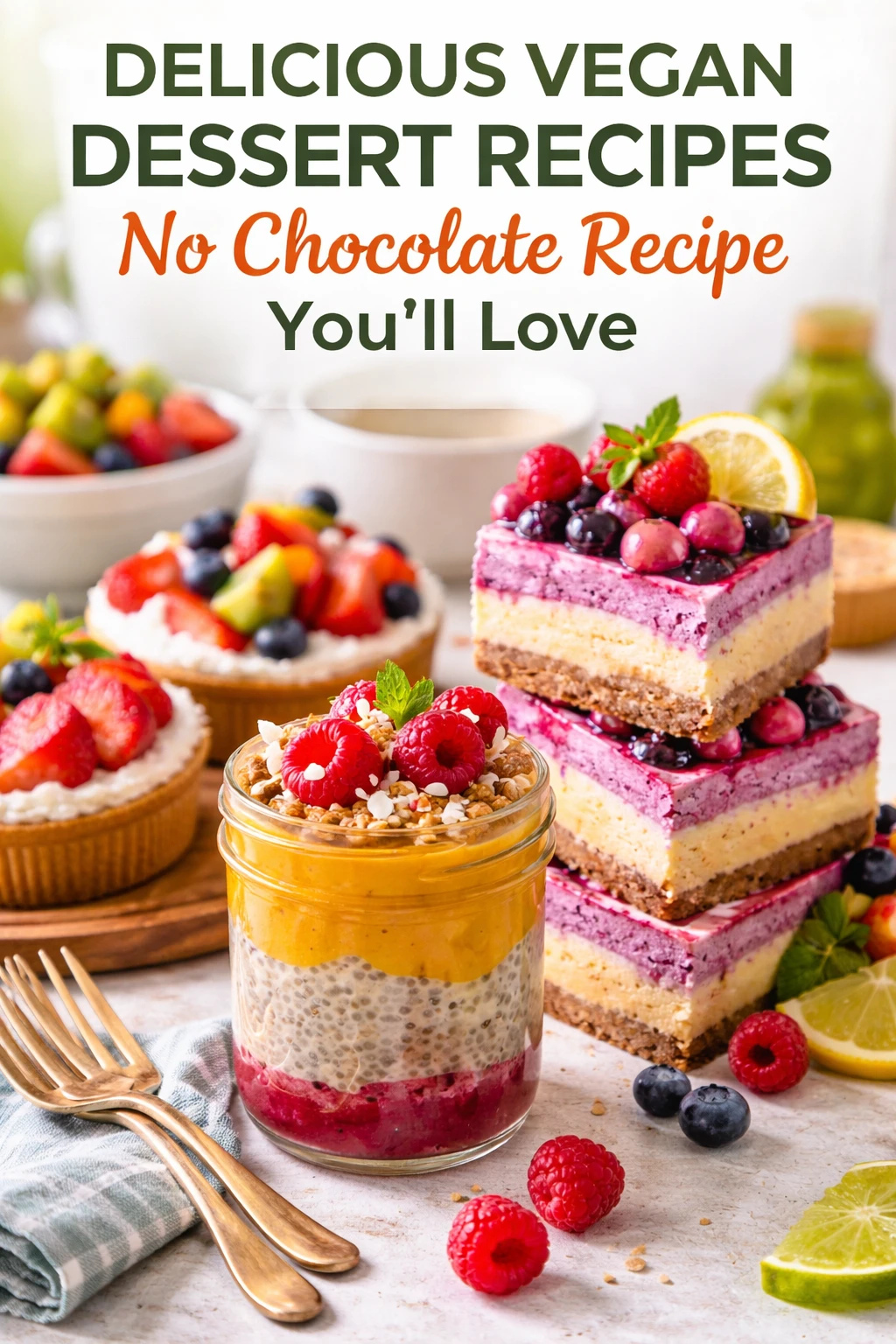
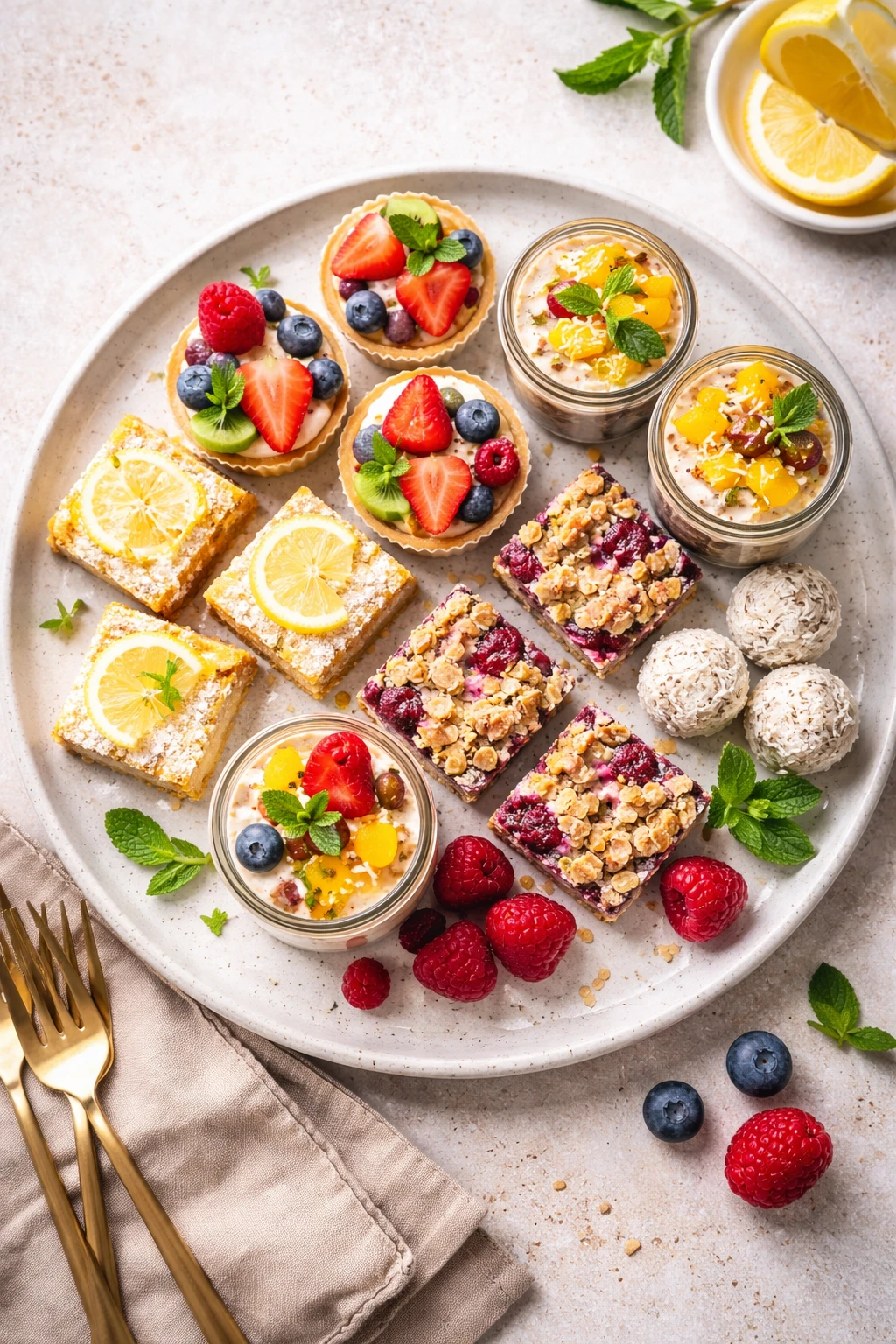
This vegan coconut fruit pudding is a fresh, creamy treat that skips chocolate but keeps all the sweetness you crave. Made with coconut milk and fresh fruit, it’s perfect for a light dessert anytime you want something satisfying but not heavy.
Introduction
I first stumbled upon this vegan coconut fruit pudding during a summer potluck, and honestly, it was a revelation. I’ve always loved creamy desserts but wanted something lighter and dairy-free that still felt indulgent. What makes this recipe special for me is the use of chia seeds—they thicken the pudding naturally without any weird textures or additives. Plus, the fresh fruit adds just the right balance of sweetness and freshness. I’ve tried other vegan puddings before, but they often felt too heavy or overly sweet. This one hits the perfect note of creamy and fruity, and it’s so easy to make. No cooking needed, just a bit of chilling time. The coconut milk gives it that rich mouthfeel, while the vanilla and maple syrup add subtle warmth and sweetness. When it’s ready, the pudding is silky smooth, with little bursts of juicy fruit in every bite. It’s become my go-to dessert when I want something satisfying but not too rich, especially on warm evenings or after a big meal. I think you’ll love how simple and versatile it is—plus, it’s great for sharing with friends who may be vegan or just looking for something fresh and delicious.
How To Do It
Step 1
Start by chilling your can of full-fat coconut milk overnight or for at least 6 hours. When chilled, the cream separates from the water, making it easier to scoop out the thick coconut cream needed for a rich, creamy pudding base. Avoid shaking the can before opening, as this will mix the cream and water back together and dilute the texture. Carefully scoop out the solidified coconut cream into a mixing bowl, leaving the watery part behind for another use or discard. This step ensures your pudding will have a luscious, velvety mouthfeel and prevents it from being too runny.
⏱ Time: 10 minutes
✓ Doneness: The coconut cream should be thick and scoopable, resembling whipped cream
Step 2
Add the maple syrup (or agave nectar) and vanilla extract to the coconut cream. Use a hand mixer or whisk to combine until smooth and slightly fluffy. This whipping incorporates air, giving your pudding a light texture rather than dense creaminess. Be careful not to overwhip, which can cause the mixture to separate. This step also evenly distributes the sweetener and vanilla, enhancing the flavor throughout the pudding base. Taste and adjust sweetness if needed before moving on.
⏱ Time: 5 minutes
✓ Doneness: The mixture should be smooth, glossy, and slightly aerated with no lumps
Step 3
Stir in the chia seeds thoroughly, making sure they’re evenly dispersed throughout the coconut mixture. Chia seeds are key to thickening the pudding naturally as they absorb liquid and swell, creating that classic pudding texture. If you don’t mix them well, you might end up with clumps or uneven consistency. Once mixed, let the pudding rest for 5 minutes and then stir again to break up any clumps and ensure uniform gel formation.
⏱ Time: 5 minutes
✓ Doneness: The mixture should look slightly thickened and chia seeds evenly suspended
Step 4
Cover the bowl with plastic wrap or transfer the pudding into individual serving jars. Refrigerate for at least 2 hours or overnight. This chilling step allows the chia seeds to fully hydrate and the pudding to set to a creamy, spoonable consistency. Avoid skipping this step or rushing it, as the pudding will be too runny and not hold its shape. Overnight chilling also lets the flavors meld beautifully for a deeper taste experience.
⏱ Time: 120 minutes or more
✓ Doneness: Pudding should be thick, creamy, and hold shape when scooped
Step 5
Before serving, prepare your fresh fruit by washing, peeling if necessary, and chopping it into bite-sized pieces. Using a variety of fruits like mango, kiwi, and berries adds vibrant colors, contrasting textures, and natural sweetness. Fresh fruit also lightens the dessert, making it feel refreshing and balanced. Arrange the fruit on top of the pudding just before serving to keep it fresh and visually appealing.
⏱ Time: 10 minutes
✓ Doneness: Fruit should be fresh, juicy, and evenly cut for easy eating
Step 6
Optionally, sprinkle toasted coconut flakes on top of each serving for added crunch and a nutty flavor. Toasting coconut flakes is easy—just spread them on a baking sheet and bake at 350°F for 5-7 minutes until golden brown, stirring halfway. This extra step adds a lovely textural contrast to the creamy pudding and fresh fruit, elevating the overall dessert experience.
⏱ Time: 10 minutes
✓ Doneness: Coconut flakes should be golden, fragrant, and crisp
Step 7
Serve the pudding chilled, straight from the fridge. Use a small spoon to scoop through the creamy base and fresh fruit topping together for a perfect bite every time. If the pudding has thickened too much or feels dense after chilling, stir gently to loosen before serving. This dessert is best enjoyed fresh but keeps well in the fridge for up to 2 days.
⏱ Time: 5 minutes
✓ Doneness: Pudding is chilled, creamy, and fresh with vibrant fruit on top
Step 8
If you want to prepare ahead, you can mix the pudding base and chia seeds up to 2 days in advance and store it covered in the refrigerator. Add the fresh fruit and toasted coconut just before serving to maintain texture and freshness. This approach saves time on busy days and ensures your dessert looks and tastes its best.
⏱ Time: Varies
✓ Doneness: Pudding base remains creamy and thick after refrigeration
Step 9
For a twist, try blending some of the fresh fruit into the pudding base before chilling to infuse it with natural fruit flavor and color. This works especially well with mango or berries. Just puree about half a cup of fruit and fold it into the coconut mixture after whipping. This creates a more vibrant and fruity pudding with smooth texture and beautiful hues.
⏱ Time: 5 minutes
✓ Doneness: Pudding base is evenly tinted and flavored with fruit puree
Variations
Berry Swirl Vegan Pudding
Blend half a cup of fresh or frozen berries into the coconut cream before adding chia seeds. This adds a lovely pink hue and natural berry sweetness, making the pudding feel more vibrant and fruity.
Note: Puree the berries fully to avoid chunks and fold gently into the base to keep the chia seeds suspended evenly.
Chocolate Coconut Pudding
Mix 2 tablespoons of cocoa powder into the coconut cream before whipping for a rich chocolate flavor without dairy. Sweeten to taste and top with fresh raspberries for a decadent yet vegan dessert.
Note: Sift cocoa powder to avoid lumps and adjust sweetener as cocoa adds bitterness.
Tropical Mango Coconut Pudding
Fold diced ripe mango into the pudding just before serving for a juicy tropical twist. You can also puree mango into the base for a smooth, mango-flavored pudding with natural sweetness.
Note: If pureeing mango, reduce other sweeteners slightly to balance flavors.
Matcha Coconut Pudding
Add 1 teaspoon of matcha powder to the coconut cream before whipping for a subtle earthy flavor and beautiful green color. This variation is perfect for matcha lovers looking for a creamy, vegan treat.
Note: Whisk matcha with a small amount of coconut cream first to avoid clumps before mixing into the rest.
Vanilla Almond Coconut Pudding
Add ½ teaspoon almond extract along with vanilla to the coconut cream and top with slivered almonds. This adds a nutty aroma and crunchy texture that pairs beautifully with the creamy pudding.
Note: Use pure almond extract sparingly as it can be very potent.
Pro Tips
Chill the coconut milk can overnight before opening.
This chilling allows the coconut cream to separate and solidify on top, making it easy to scoop out the thick cream needed for a rich, smooth pudding base. If you skip this step, the coconut milk will be too liquidy, resulting in a runny pudding that lacks creaminess.
Whip the coconut cream with sweetener and vanilla before adding chia seeds.
Whipping incorporates air into the cream, creating a lighter texture and ensuring the sweetener and vanilla are evenly mixed. Adding chia seeds afterward prevents them from clumping during whipping and helps distribute them evenly for consistent pudding texture.
Stir the pudding after 5 minutes of chia soaking before refrigerating.
Chia seeds tend to clump together initially. Stirring breaks up these clumps and ensures even hydration and thickening throughout the pudding. This step prevents uneven texture and improves the final creaminess.
Add fresh fruit just before serving.
Adding fruit right before serving keeps it fresh and prevents it from releasing juices that can water down the pudding. This preserves the fruit’s texture and flavor, ensuring each bite has a pleasant contrast between creamy pudding and juicy fruit.
Toast coconut flakes for topping to add crunch.
Toasting coconut flakes enhances their nutty flavor and adds a crispy texture that contrasts beautifully with the smooth pudding. This simple step elevates the dessert from basic to special and adds complexity to each bite.
Use a hand mixer or whisk to combine ingredients thoroughly.
Proper mixing ensures a smooth, lump-free pudding base. A hand mixer aerates the coconut cream, improving texture and mouthfeel, while thorough mixing distributes chia seeds evenly, preventing clumps and uneven thickening.
Let the pudding chill for at least 2 hours or overnight.
Chilling allows chia seeds to fully absorb liquid and swell, setting the pudding to the right consistency. Rushing this step results in a runny pudding that won’t hold its shape and lacks the pleasant spoonable texture.
Common Mistakes to Avoid
Not chilling the coconut milk before scooping the cream.
Why it happens Many assume you can just open and use coconut milk straight from the can, but without chilling, the cream and water remain mixed and the pudding base won't be thick or creamy.
Fix Always chill the can overnight or at least 6 hours. Open carefully without shaking, and scoop out the solidified cream on top for the best texture.
Skipping the stirring step after adding chia seeds.
Why it happens People often add chia seeds and immediately refrigerate, causing clumps and uneven texture as chia seeds gel irregularly.
Fix Let the mixture sit for 5 minutes, then stir well to break up clumps and distribute seeds evenly before chilling.
Adding fruit too early.
Why it happens Adding fresh fruit before chilling can cause the fruit to release water, making the pudding watery and soggy.
Fix Add chopped fresh fruit just before serving to maintain freshness and texture.
Using light coconut milk instead of full-fat.
Why it happens Light coconut milk lacks the fat content needed to create a creamy, rich pudding base.
Fix Use canned full-fat coconut milk and chill it well to separate the cream.
Overwhipping the coconut cream.
Why it happens Whipping too long can cause the fat to separate, resulting in a greasy texture.
Fix Whip just until smooth and slightly fluffy, then stop to keep the creamy consistency intact.
Nutrition
Per Serving:
Nutritional values are estimates and may vary based on specific ingredients used.
Storage & Tips
Room Temperature
This pudding should not be kept at room temperature for more than 2 hours as it contains fresh fruit and chia seeds that can spoil. Always cover with plastic wrap or a lid to avoid contamination.
Refrigerator
Store in an airtight container in the fridge for up to 2 days. The pudding may thicken further when cold; stir gently before serving. Fresh fruit toppings are best added just before eating to maintain texture.
Freezer
Freezing is not recommended as the texture of the coconut cream and chia seeds changes, becoming grainy and watery upon thawing. If necessary, freeze without fruit toppings in a sealed container for up to 1 month and thaw overnight in the fridge.
Reheating
This pudding is best served chilled and is not intended to be reheated. If it thickens too much in the fridge, allow it to sit at room temperature for 10-15 minutes and stir gently to loosen before serving.
Make Ahead
Prepare the pudding base with coconut cream, sweetener, vanilla, and chia seeds 1-2 days ahead and refrigerate covered. Add fresh fruit and toasted coconut toppings on the day of serving to keep them fresh and vibrant.
FAQ
Can I use light coconut milk instead of full-fat?
Light coconut milk doesn’t have enough fat content to create the creamy texture this pudding needs. It will result in a watery, runny pudding. For best results, always use full-fat canned coconut milk and chill it overnight to separate the cream.
What if I don’t have chia seeds? Can I substitute them?
Chia seeds are essential here because they absorb liquid and thicken the pudding naturally. You could try using ground flax seeds as a substitute, but the texture will be different and less gel-like. Another option is agar-agar or cornstarch, but these require cooking. For this no-cook recipe, chia seeds are best.
How long does the pudding keep in the fridge?
Stored in an airtight container, the pudding keeps well for up to 2 days. After this, the texture may become overly thick or the fruit can start to lose freshness. Always add fresh fruit toppings just before serving to maintain the best taste and texture.
Can I make this pudding ahead for a party?
Absolutely! You can prepare the pudding base and let it chill 1-2 days in advance. Keep it covered and refrigerated. Add the fresh fruit and any toasted toppings right before serving to keep everything fresh and appealing.
Why isn’t my pudding thickening properly?
Most likely, the chia seeds didn’t have enough time to absorb liquid or the coconut cream was too diluted. Make sure to use full-fat coconut milk, scoop the cream only, and allow at least 2 hours (preferably overnight) chilling time. Stir the mixture after 5 minutes to break up clumps for even thickening.
Can I add other flavors or extracts?
Yes! Vanilla is classic, but you can add almond extract, citrus zest, or even matcha powder to customize the flavor. Just add these during the whipping step to ensure they blend evenly. Be cautious with strong extracts to avoid overpowering the delicate coconut and fruit flavors.
Is this pudding suitable for diabetics?
This pudding is naturally sweetened with maple syrup, which is a better alternative to refined sugar but still contains sugars. You can reduce the amount or use a sugar-free syrup. The fiber in chia seeds helps moderate blood sugar spikes, but always consult dietary advice specific to your needs.
Can I use frozen fruit instead of fresh?
You can use frozen fruit, but thaw and drain excess liquid before adding to avoid watering down the pudding. Fresh fruit is best for texture and flavor contrast, but frozen fruit can work in a pinch if handled properly.
Final Thoughts
I hope you give this vegan coconut fruit pudding a try—it’s one of those desserts that’s simple, fresh, and always a crowd-pleaser. Don’t forget to share how yours turns out!