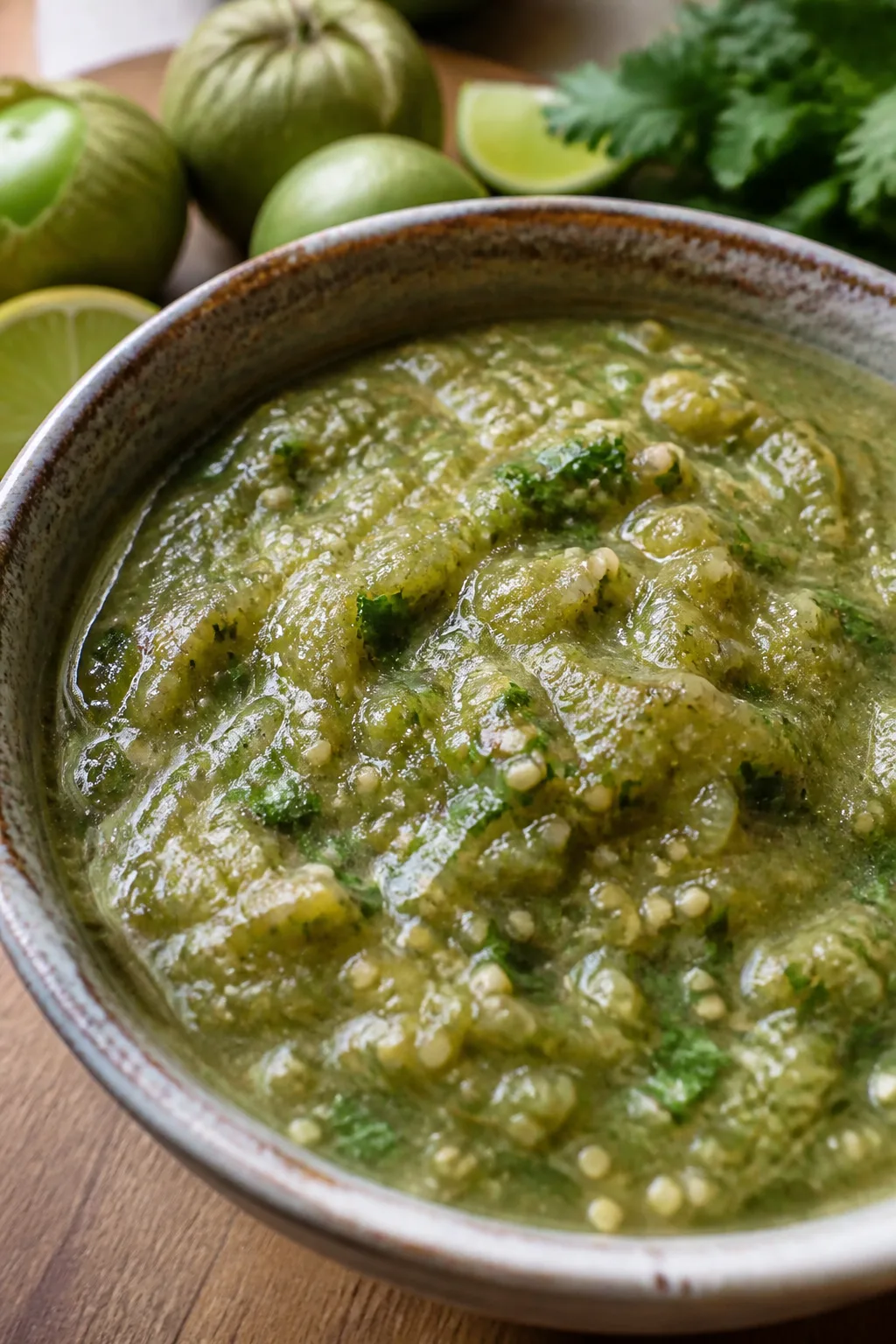
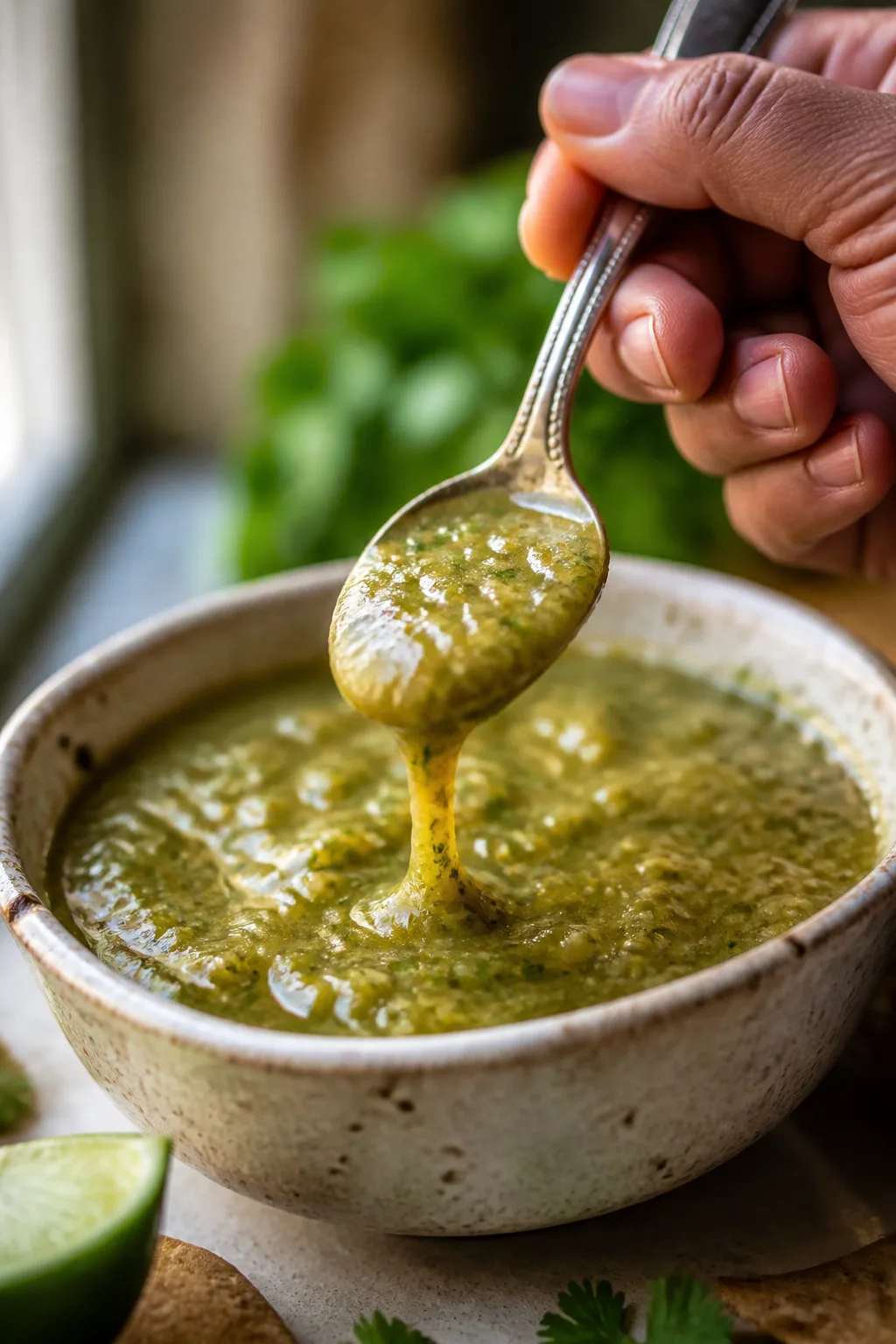
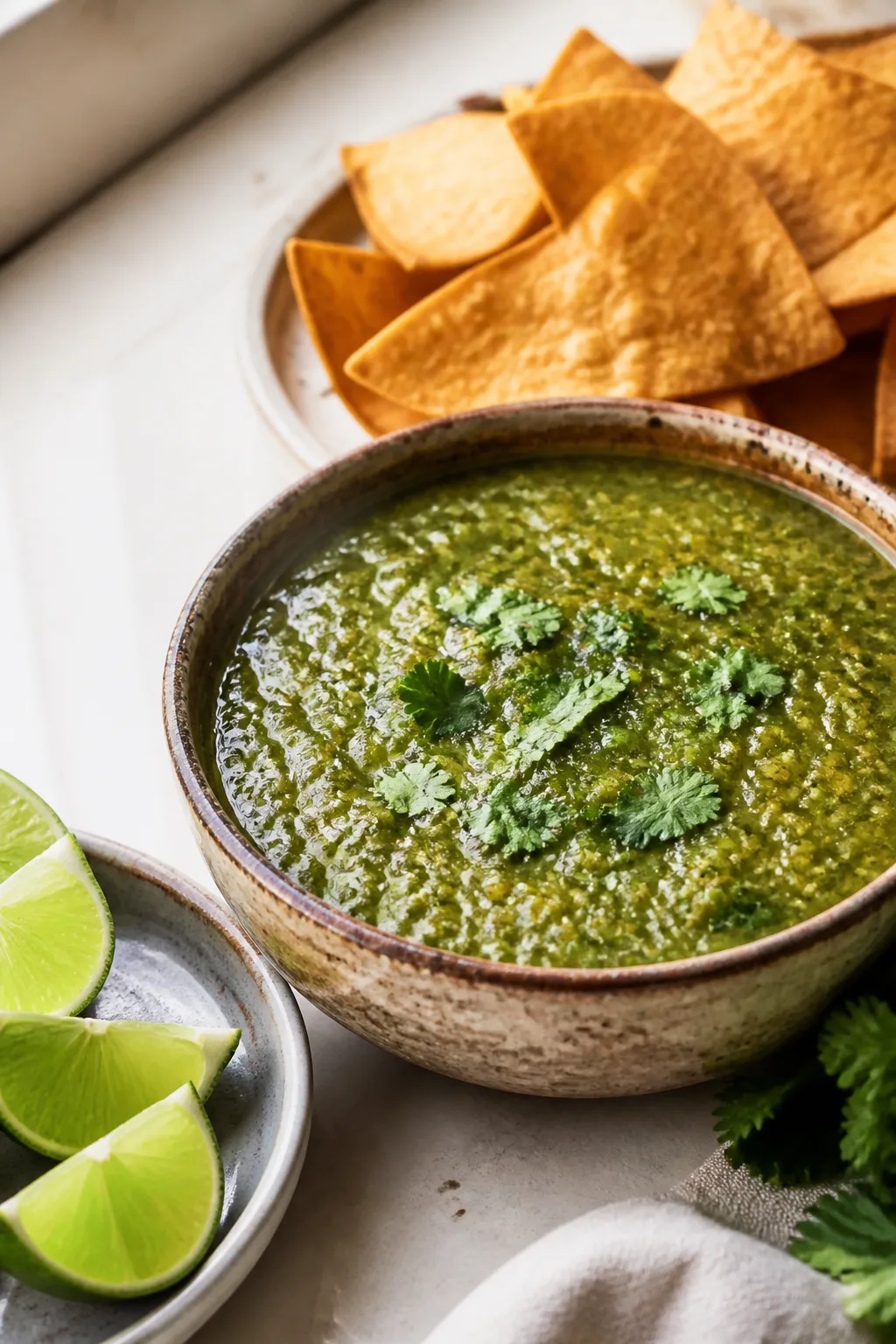
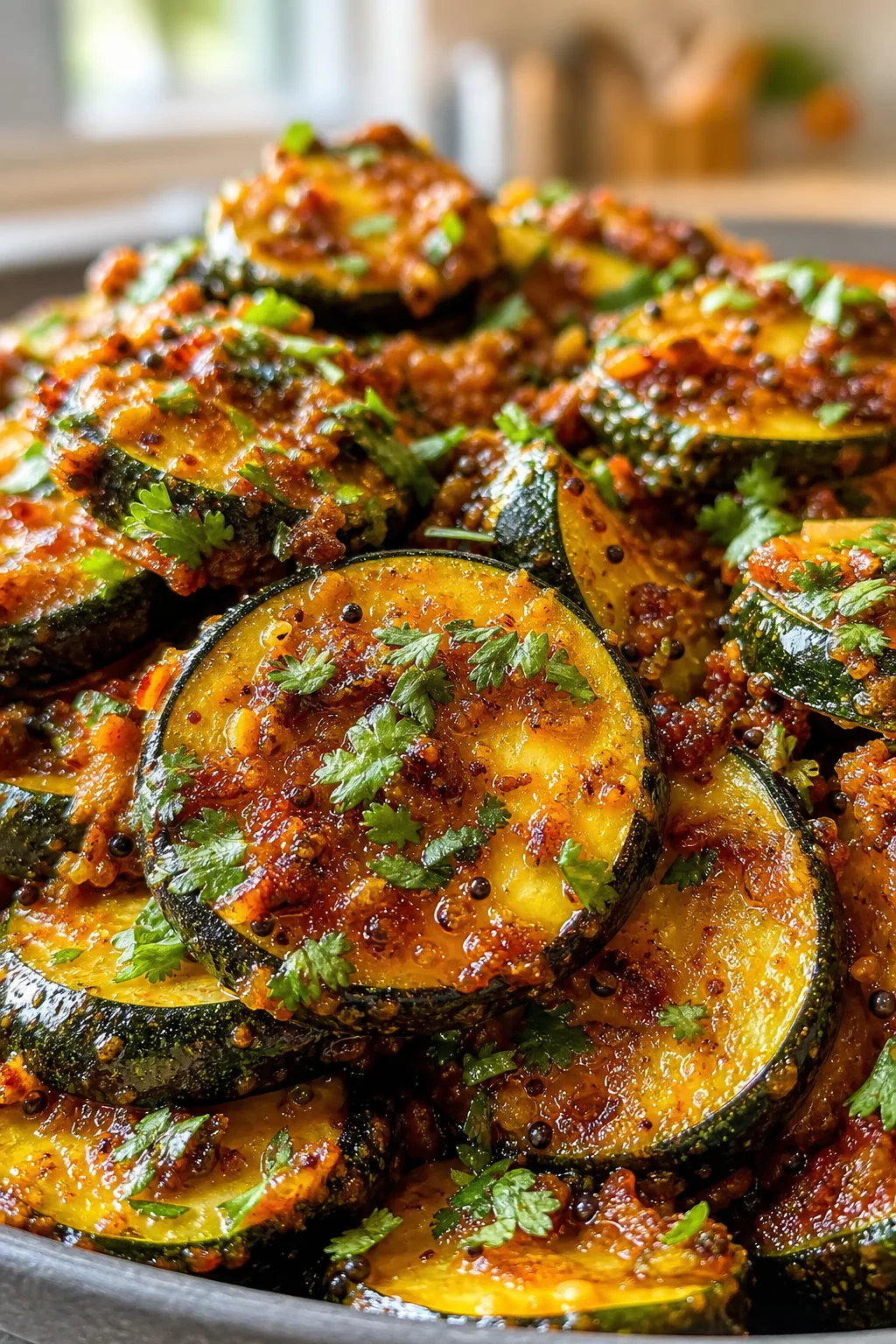
This fresh salsa verde bursts with tangy tomatillos and just the right kick of spice. It's a quick fix that livens up tacos, grilled meats, or chips. I love whipping this up when I want something vibrant and easy!
Introduction
I first stumbled upon tomatillo salsa verde while visiting a friend who made it fresh for a casual taco night. That bright, tangy punch instantly hooked me, and I’ve been making my own version ever since. What sets my salsa apart is roasting the tomatillos and jalapeños just enough to coax out their natural sweetness without losing that vibrant tartness. It’s a delicate balance but really elevates the flavor beyond just raw ingredients blended together. I also add a splash of fresh lime juice at the end to keep it lively. This salsa is incredibly versatile — great with tacos, grilled chicken, or even just as a dip with chips. I’ve had my share of overly watery or bland salsa verdes, so I’ve perfected the roasting and blending technique to get just the right texture and punch. The finished salsa is bright green, slightly chunky, and packed with fresh, zesty flavor. It’s one of those recipes that’s quick enough for weeknights but special enough to impress guests. I love how it adds a fresh, tangy zing to any meal, and I think you will too!
What You'll Need
Approximately 2 cups, 4 servings
- 1 pound fresh tomatillos, husked and rinsed
- 1 small white onion, quartered
- 2 cloves garlic, peeled
- 1-2 jalapeño peppers, stemmed (seeded for less heat)
- 1/2 cup fresh cilantro leaves
- 1 tablespoon fresh lime juice
- 1 teaspoon salt, or to taste
- 1/4 cup water, as needed
How To Do It
Step 1
Start by husking and rinsing the tomatillos thoroughly to remove their sticky residue. This is important because it prevents any bitterness and ensures a clean, fresh flavor. Then, place the tomatillos on a baking sheet along with the quartered onion, peeled garlic cloves, and jalapeño peppers. Roast them in a preheated oven at 425°F (220°C) for about 8-10 minutes. Roasting brings out a subtle sweetness and softens the vegetables, which balances the natural tartness of the tomatillos. Keep an eye on them so they don’t burn; you want some light browning but not blackened skin.
⏱ Time: 10 minutes
✓ Doneness: Tomatillos should turn a softer, dull green with slight caramelized spots; onions and jalapeños will be tender and lightly browned
Step 2
Once roasted, transfer the tomatillos, onion, garlic, and jalapeños to a blender or food processor. Add fresh cilantro leaves, lime juice, salt, and about 1/4 cup of water to help with blending. Pulse the mixture until you reach your desired consistency — some prefer it chunky, others smooth. The water helps thin the salsa slightly, but add it gradually to avoid making it too watery. Taste and adjust salt or lime juice as needed. Blending while the ingredients are still warm helps meld the flavors beautifully.
⏱ Time: 5 minutes
✓ Doneness: Salsa should be vibrant green with a smooth to slightly chunky texture and a balanced tangy, spicy flavor
Step 3
Transfer the salsa verde to a bowl and let it cool to room temperature. This resting step allows the flavors to marry and intensify. If you’re not serving immediately, cover and refrigerate. The salsa will thicken slightly as it chills, so give it a stir before serving. This salsa is best served fresh but can keep well refrigerated for a few days. Remember, the acidity from the tomatillos and lime helps preserve it naturally.
⏱ Time: 10 minutes
✓ Doneness: Salsa is cool, flavors are well combined, and texture is slightly thickened
Step 4
Serve your salsa verde chilled or at room temperature with your favorite dishes. It’s fantastic on tacos, grilled chicken, fish, or even drizzled over roasted vegetables. For a fun twist, try mixing some into guacamole or using it as a marinade base. The fresh, tangy flavor adds brightness and a little heat that livens up any meal.
⏱ Time: 0 minutes
✓ Doneness: Salsa complements dishes without overpowering, bright and fresh on the palate
Step 5
If you want a smokier flavor, you can char the jalapeños over an open flame or under a broiler before roasting the other ingredients. This adds complexity and a subtle heat that’s really nice. Just be careful not to burn them completely, as that can add bitterness. Adjust the number of jalapeños based on your heat preference.
⏱ Time: 5 minutes
✓ Doneness: Jalapeños have blistered skin with smoky aroma but no burnt bitterness
Step 6
For a milder salsa, remove the seeds and membranes from the jalapeños before roasting and blending. These parts contain most of the heat, so taking them out creates a gentler flavor that’s still vibrant and tangy. This is a great option if you’re serving to kids or spice-sensitive guests.
⏱ Time: 2 minutes
✓ Doneness: Salsa has less heat but retains the fresh tomatillo brightness
Step 7
If you prefer a chunkier texture, pulse the salsa just a few times instead of blending fully. This way, you’ll keep some of the roasted vegetable pieces intact, giving the salsa a rustic, homemade feel. It also adds a nice contrast in texture when eating with chips or as a topping.
⏱ Time: 1-2 minutes
✓ Doneness: Salsa has visible pieces of tomatillo, onion, and jalapeño but is still well combined
Step 8
Add extra lime juice or a pinch of sugar if the salsa tastes too tart or flat. The lime juice brightens the flavor, while a tiny bit of sugar balances the acidity without making it sweet. Adjusting these seasonings is key to a well-rounded salsa.
⏱ Time: 1 minute
✓ Doneness: Salsa tastes balanced, tangy but not overpowering, with a fresh finish
Step 9
Store leftovers in an airtight container in the fridge for up to 5 days. Always give it a good stir before serving because the ingredients will settle and separate a bit. You can also freeze salsa verde in ice cube trays for small portions; thaw and stir when ready to use.
⏱ Time: 0 minutes
✓ Doneness: Salsa maintains flavor and texture after storage with minimal separation
Variations
Roasted Tomatillo and Avocado Salsa Verde
Add half an avocado to the blender for a creamy twist on classic salsa verde. This variation is richer and perfect as a dip or spread. The avocado mellows the acidity and adds healthy fats.
Note: Blend avocado last and add less water to maintain a creamy, thick texture.
Spicy Tomatillo Salsa with Chipotle
Add one or two chipotle peppers in adobo sauce to the blender for smoky heat. This salsa has a deeper, smoky flavor perfect for grilled meats or hearty tacos.
Note: Adjust chipotle quantity to control spiciness; start with one and taste before adding more.
Tomatillo and Mango Salsa Verde
Blend in ripe mango chunks for a sweet and tangy salsa. This tropical twist is great for seafood dishes or summer parties, offering a fresh, fruity balance.
Note: Add mango after roasting vegetables and blend gently to retain some texture.
Herbed Tomatillo Salsa with Parsley and Mint
Swap half the cilantro for fresh parsley and mint for a herbaceous, refreshing salsa. This version is lighter and pairs beautifully with grilled lamb or chicken.
Note: Use fresh herbs and add them at blending stage to preserve their bright flavors.
Tomatillo Salsa with Roasted Peppers and Corn
Add roasted red bell peppers and grilled corn kernels for a sweet, smoky salsa with texture. It’s colorful and delicious served with grilled meats or as a topping for tacos.
Note: Roast peppers and corn alongside tomatillos; blend all ingredients together for a chunky salsa.
Pro Tips
Always rinse tomatillos well to remove their sticky coating.
That sticky film can taste bitter or off-putting if not washed off properly. Rinsing ensures a clean, bright flavor and prevents any unpleasant texture in the salsa.
Roast ingredients just until lightly browned, not blackened.
Roasting develops sweetness and depth, but burning can add bitterness and ruin the salsa’s fresh profile. Keep an eye on them and remove from heat as soon as you see caramelization.
Add lime juice last to keep its fresh aroma intact.
Lime juice is volatile and loses its bright citrus notes if cooked or blended too early. Adding it at the end preserves that fresh zing that balances roasted flavors.
Pulse the blender for chunkier texture or blend longer for smooth salsa.
Texture preference varies; pulsing keeps some roasted chunks for rustic appeal, while longer blending creates a smooth, creamy consistency that coats chips nicely.
Adjust jalapeño seeds to control heat level.
Most of the heat is in the seeds and membranes. Removing them makes the salsa milder for sensitive palates, while leaving them in boosts the spice.
Use fresh cilantro leaves and tender stems for best flavor.
The oils in fresh cilantro add vibrant herbal notes. Older or wilted cilantro loses this freshness and can taste dull or bitter.
Store salsa in an airtight container to maintain freshness.
Exposure to air oxidizes the salsa and dulls the bright green color and fresh flavors. Airtight storage also helps preserve it longer in the fridge.
Common Mistakes to Avoid
Skipping the roasting step
Why it happens Some cooks may want to speed up the process or assume blending raw ingredients is enough.
Fix Roasting is essential to develop sweetness and soften the vegetables, balancing the tartness of tomatillos. Don’t skip it, or the salsa will taste raw and overly sharp.
Not rinsing tomatillos properly
Why it happens The sticky residue on tomatillos can be overlooked or underestimated.
Fix Rinse tomatillos under warm water and rub gently to remove the sticky coating. This prevents bitterness and improves texture.
Adding too much water during blending
Why it happens Water is added to help blend but too much can dilute flavor.
Fix Add water gradually and pulse to check consistency. The salsa should be pourable but still thick and flavorful.
Using bottled lime juice
Why it happens Convenience often leads cooks to use bottled juice.
Fix Use fresh lime juice for the best brightness and flavor. Bottled juice can taste artificial and dull the salsa.
Over-blending the salsa
Why it happens Blending too long can make salsa too thin and lose texture.
Fix Pulse in short bursts to control texture. Stop when you reach your preferred consistency.
Nutrition
Per Serving:
Nutritional values are estimates and may vary based on specific ingredients used.
Storage & Tips
Room Temperature
Salsa verde can safely sit out for about 2 hours during serving. Keep it covered with plastic wrap or a lid to prevent contamination and drying out.
Refrigerator
Store salsa in an airtight container in the fridge for up to 5 days. The flavors will deepen but the fresh green color may dull slightly. Stir well before serving chilled or at room temperature.
Freezer
Freeze salsa verde in ice cube trays or airtight containers for up to 3 months. Wrap tightly to prevent freezer burn. Thaw in the fridge overnight and stir well before use. Texture may be slightly thinner after freezing.
Reheating
Salsa verde is best served cold or at room temperature. If preferred warm, gently heat on the stovetop over low heat, stirring frequently. Avoid microwaving as it can alter texture and flavor.
Make Ahead
You can roast and blend the salsa up to 2 days ahead. Store in an airtight container in the fridge and add fresh lime juice just before serving to maintain brightness.
FAQ
Can I use canned tomatillos instead of fresh?
Canned tomatillos are a convenient substitute but often lack the fresh tartness of raw ones. If using canned, rinse them to remove excess brine and reduce added salt. Keep in mind the flavor will be milder and texture softer, so adjust seasoning accordingly.
How long does salsa verde keep in the fridge?
Stored properly in an airtight container, salsa verde will keep fresh for up to 5 days in the refrigerator. Its acidity helps preserve it, but over time the color may darken and flavors mellow. Always give it a stir before serving.
What can I substitute if I don’t have fresh cilantro?
Fresh parsley is the closest mild substitute, though it lacks the distinct citrusy notes of cilantro. You can also try fresh basil or a mix of parsley and mint for a different but still fresh herbal flavor. Avoid dried herbs as they won’t provide the same brightness.
How spicy is this salsa, and can I adjust the heat?
The heat mainly comes from jalapeño peppers, which can be adjusted by removing seeds and membranes for milder salsa or adding more peppers for extra kick. You can also substitute with milder peppers like Anaheim or hotter ones like serrano depending on your preference.
Can I make this salsa without roasting?
While you can blend raw tomatillos and other ingredients, roasting adds essential depth and sweetness that balances the tartness. Skipping roasting results in a sharper, more acidic salsa that some may find less balanced.
Is this salsa good for freezing?
Yes, salsa verde freezes well for up to 3 months. Freeze in small portions like ice cube trays for easy use. Thaw in the refrigerator overnight and stir before serving. The texture may be slightly thinner but the flavor remains vibrant.
What dishes pair best with tomatillo salsa verde?
Salsa verde is incredibly versatile! It pairs beautifully with tacos, grilled chicken or fish, roasted vegetables, eggs, and as a dip for chips. It also works well as a marinade or sauce base for Mexican-inspired dishes.
Can I prepare this salsa in advance for a party?
Absolutely! Prepare the salsa up to 2 days ahead and store it in the fridge. Add fresh lime juice just before serving to keep it bright. This makes entertaining easy and stress-free.
Final Thoughts
Give this tangy tomatillo salsa verde a try — it’s a fresh, flavorful way to brighten your meals. I’d love to hear how it turns out for you, so don’t forget to share your thoughts!