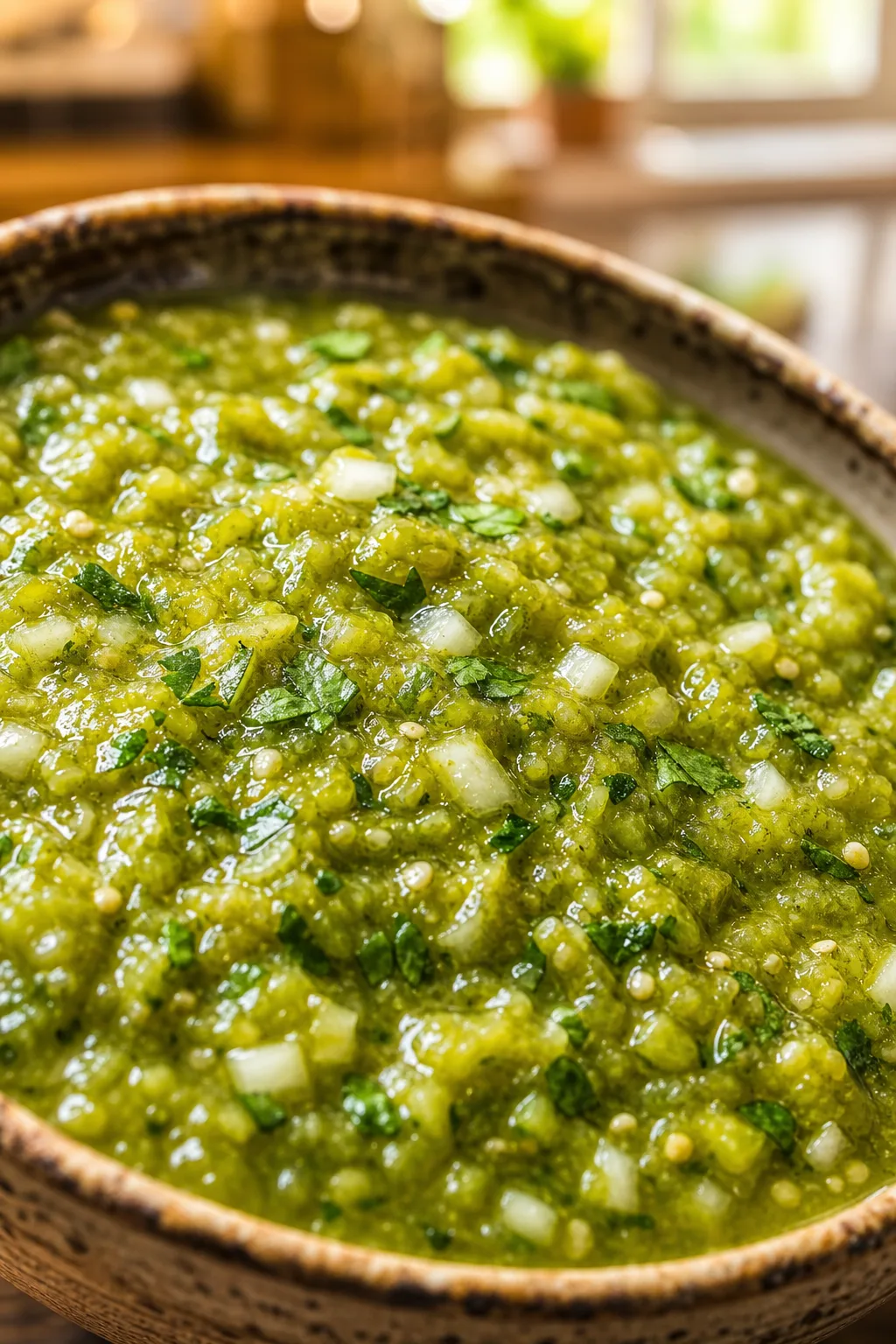
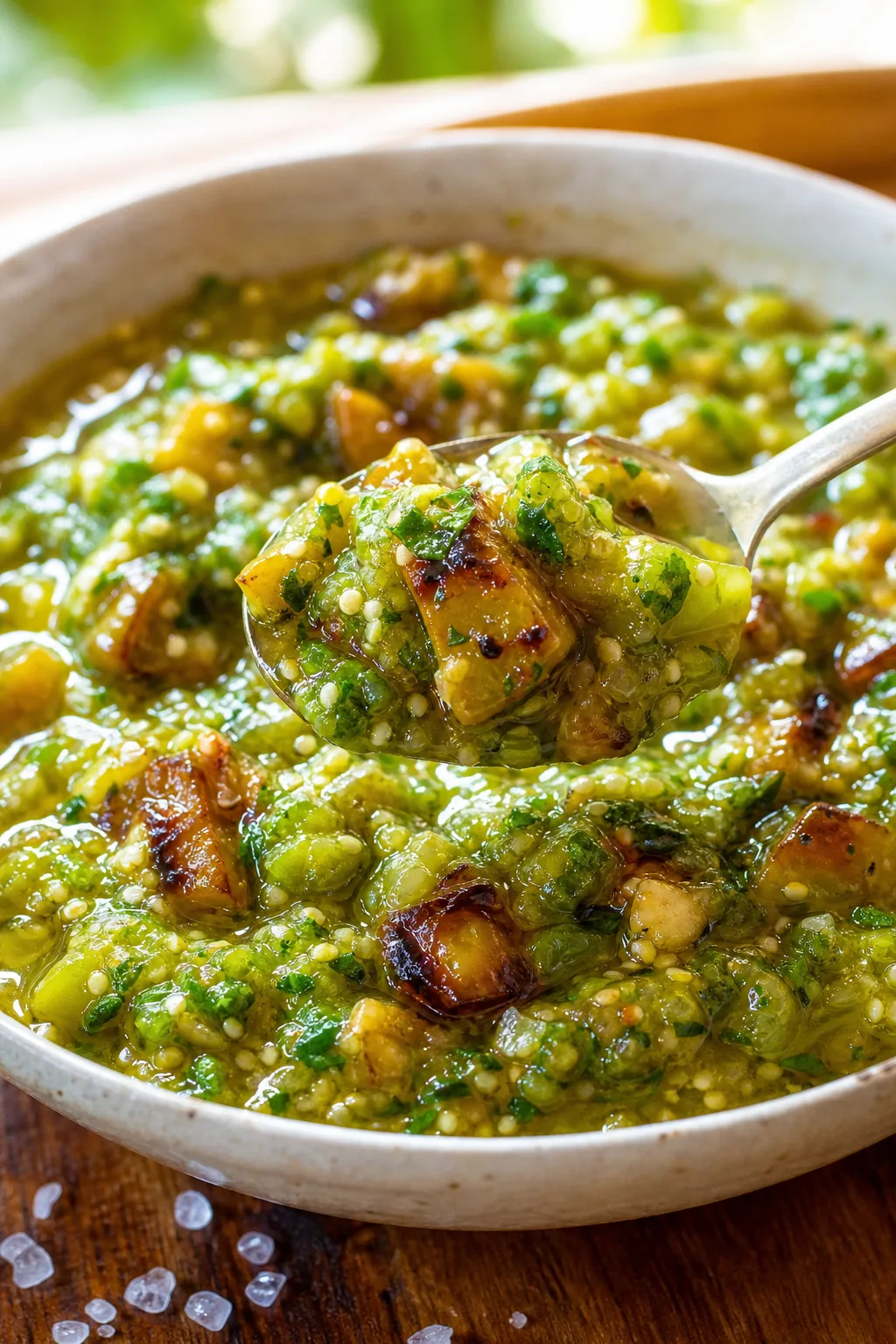
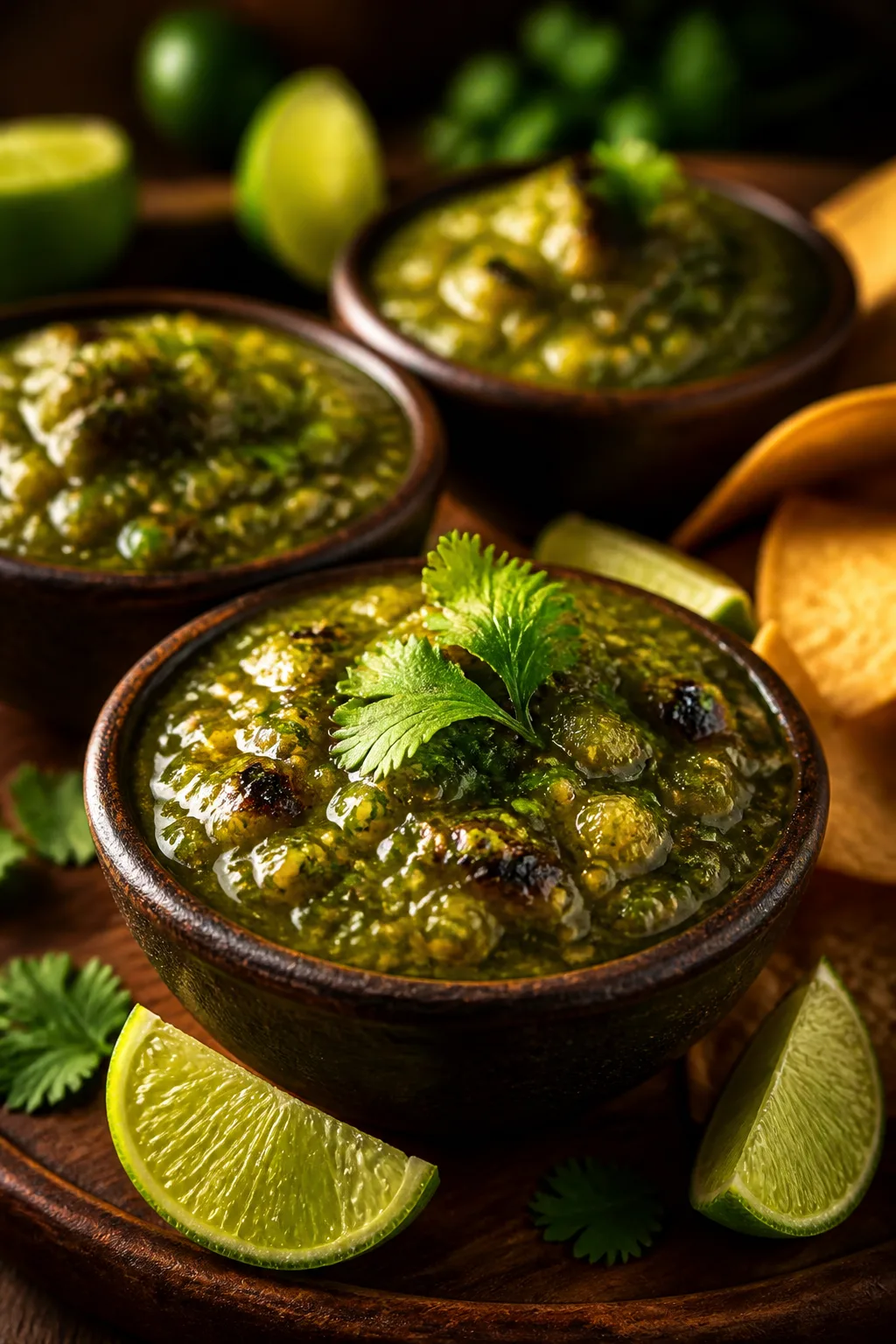
This roasted tomatillo salsa is tangy with a smoky kick, perfect for adding freshness to tacos or dipping chips. Roasting the tomatillos brings out depth and balances the natural tartness. Great for quick weeknight snacks or gatherings!
Introduction
I first stumbled upon roasted tomatillo salsa during a summer cookout a few years back, and it completely changed how I think about fresh salsa. Unlike the raw versions, roasting the tomatillos adds this wonderful smoky depth that balances their natural tartness beautifully. Whenever I make this, it perks up everything from tacos to grilled chicken.
What I love most about this recipe is its simplicity—just a handful of ingredients and a quick roast in the oven or under the broiler. The trick I learned early on is to roast the tomatillos and jalapeño until they get a bit charred; that slight caramelization is what gives the salsa its irresistible flavor. Plus, blending everything while still warm helps the flavors meld perfectly.
This salsa is tangy, bright, and just a little smoky. It’s fresh and vibrant, with enough heat to keep things interesting but gentle enough for kids too. I usually whip this up for easy weeknight dinners or when friends drop by for drinks and snacks. Honestly, once you try roasting your tomatillos, you won’t want to go back to raw salsa again!
What You'll Need
Approximately 2 cups, 4 servings
- 1 pound fresh tomatillos, husked and rinsed
- 1 small white onion, quartered
- 2 cloves garlic, peeled
- 1 jalapeño pepper, stemmed
- 1/4 cup fresh cilantro leaves
- Juice of 1 lime
- 1/2 teaspoon ground cumin
- Salt to taste
How To Do It
Step 1
Preheat your oven to 425°F (220°C). Place the husked and rinsed tomatillos, quartered onion, peeled garlic cloves, and jalapeño on a baking sheet lined with foil or parchment paper. Arrange them in a single layer so they roast evenly. Roasting these ingredients at a high temperature caramelizes their natural sugars and softens them, which deepens the flavor and adds a subtle smokiness. Avoid overcrowding the pan to ensure even roasting and prevent steaming, which would mute the flavors.
⏱ Time: 15 minutes
✓ Doneness: Tomatillos and jalapeño skins should have dark brown, almost blackened spots and the onion edges should be golden and softened.
Step 2
Once roasted, transfer the tomatillos, jalapeño, onion, and garlic to a blender or food processor while still warm. Add fresh cilantro, lime juice, ground cumin, and salt. Blend until you reach your preferred salsa consistency—chunky or smooth. Blending while warm helps the flavors meld better and releases the aromatic oils from the herbs and spices. Don’t over-blend if you want texture; a few quick pulses will do. Taste and adjust seasoning as needed.
⏱ Time: 5 minutes
✓ Doneness: Salsa should be vibrant green with a slightly chunky texture and balanced tangy aroma.
Step 3
Transfer the salsa to a bowl and let it cool to room temperature before serving. This resting time allows the flavors to marry even more. If you’re making it ahead, refrigerate it in an airtight container for at least an hour. The salsa may thicken slightly in the fridge; stir in a splash of water or lime juice to loosen it up before serving. Remember, the flavors intensify after resting, so don’t skip this step!
⏱ Time: 10 minutes
✓ Doneness: Salsa tastes well-rounded, with no harsh raw tomatillo bite and a balanced smoky tang.
Step 4
Serve your roasted tomatillo salsa with tortilla chips, tacos, grilled meats, or as a zesty topping for scrambled eggs. It’s versatile and adds a fresh punch to simple dishes. If you want to spice it up, add extra jalapeño or a pinch of cayenne pepper when blending. For a milder version, remove the jalapeño seeds before roasting. This salsa is best enjoyed fresh but can be stored refrigerated for up to 4 days.
⏱ Time: 0 minutes
✓ Doneness: Salsa complements dishes with bright, smoky, and tangy flavors.
Step 5
If you prefer a chunkier salsa, pulse the blender or food processor only a few times to keep bits of roasted tomatillo and onion intact. This texture contrasts nicely with creamy avocado or melted cheese when used as a topping. On the other hand, blending longer creates a smooth sauce perfect for drizzling over grilled vegetables or meats. Adjust blending time based on your intended use.
⏱ Time: 2 minutes
✓ Doneness: Texture matches intended use: chunky for dipping, smooth for sauces.
Step 6
For an extra layer of flavor, toast the cumin in a dry skillet for a minute before adding it to the salsa. Toasting spices releases their essential oils and intensifies aroma, making the salsa more fragrant. Be careful not to burn the cumin as it can turn bitter. This simple step elevates the salsa from good to unforgettable.
⏱ Time: 3 minutes
✓ Doneness: Cumin smells warm and nutty without any burnt notes.
Step 7
When selecting tomatillos, choose ones that feel firm and have bright green husks without dark spots or wrinkles. Fresh tomatillos are key to a vibrant salsa. If tomatillos are too soft or have brown patches, the salsa may taste dull or overly sour. Properly rinsing off the sticky residue on the tomatillo skin before roasting is essential to avoid bitterness.
⏱ Time: 5 minutes
✓ Doneness: Tomatillos are fresh, firm, and clean before use.
Step 8
To make this salsa ahead, roast and blend everything except the lime juice and salt. Store the salsa base in the fridge and add lime juice and salt just before serving. This keeps the fresh tang and seasoning bright. Lime juice added too early can mellow and lose its punch. This step ensures the salsa tastes freshly made even when prepped in advance.
⏱ Time: 0 minutes
✓ Doneness: Salsa tastes fresh and lively when finally served.
Step 9
If you want to add a smoky depth without roasting, you can char the tomatillos and jalapeño on a hot grill or open flame. This technique imparts a similar smoky flavor but requires close attention to avoid burning. Roasting indoors is more forgiving, especially for beginners. Whichever method you choose, smoky notes are the hallmark of this salsa’s flavor profile.
⏱ Time: 10 minutes
✓ Doneness: Charred spots develop evenly without blackened burnt areas.
Variations
Spicy Chipotle Tomatillo Salsa
Add 1-2 chipotle peppers in adobo sauce during blending for smoky heat and a deeper red-brown color. This variation brings a robust smoky-spicy flavor, great for hearty dishes and barbecue.
Note: Adjust blending time to fully incorporate the chipotles and balance heat.
Fresh Cilantro-Lime Tomatillo Salsa Verde
Skip roasting and blend raw tomatillos with fresh cilantro, lime juice, jalapeño, and onion for a crisp, bright salsa verde. This version is lighter and more herbaceous, perfect for summer meals.
Note: Blend gently to retain a slightly chunky texture and fresh herbal notes.
Creamy Avocado Tomatillo Salsa
Blend in 1 ripe avocado with the roasted salsa for a creamy, rich texture that tempers acidity and adds healthy fats. It’s fantastic on tacos or as a dip for veggies.
Note: Add avocado last and blend briefly to avoid over-processing and browning.
Tomatillo and Pineapple Salsa
Include 1 cup diced fresh pineapple for a sweet-tart contrast that complements the smoky tomatillos. This tropical twist works beautifully with grilled seafood or chicken.
Note: Add pineapple after roasting and blend carefully to maintain some fruit texture.
Roasted Tomatillo and Roasted Corn Salsa
Mix in 1 cup roasted corn kernels for a sweet, smoky crunch alongside the tangy salsa. This adds texture and a summery vibe, great for salads or as a side.
Note: Roast corn until lightly charred; fold into salsa after blending.
Pro Tips
Don’t skip roasting the tomatillos and jalapeño; it’s key to depth.
Roasting triggers caramelization and Maillard reactions, developing complex flavors you won’t get from raw ingredients. Skipping this step results in a sharper, more one-dimensional salsa lacking smoky warmth.
Blend while ingredients are still warm for better flavor melding.
Warmth helps release aromatic oils from herbs and spices, allowing flavors to combine more fully. Blending cold ingredients can yield a less cohesive taste and muted aromas.
Toast cumin seeds before grinding or adding to intensify aroma.
Toasting spices releases essential oils, making their flavor more pronounced and fragrant. Untoasted cumin tastes flatter and less vibrant, which can weaken the salsa’s overall profile.
Use fresh lime juice added last to keep salsa bright and tangy.
Adding lime juice too early dulls its sharp acidity during cooking or blending. Fresh juice added last preserves brightness and balances the roasted flavors with fresh citrus notes.
Rinse tomatillos well to remove sticky residue before roasting.
The sticky coating on tomatillo skins can be bitter when cooked. Proper rinsing ensures the salsa tastes clean and fresh rather than unpleasantly astringent.
Remove seeds from jalapeño for milder heat without losing flavor.
Seeds and membranes hold most of the heat in chili peppers. Removing them softens the salsa’s spiciness while retaining the smoky pepper flavor from roasting.
Let salsa rest after blending to allow flavors to marry.
Resting lets acids, sugars, and aromatics blend harmoniously, smoothing harsh edges and enhancing overall balance. This step improves flavor complexity.
Common Mistakes to Avoid
Using raw tomatillos without roasting
Why it happens Many assume fresh salsa must be raw to be fresh and bright.
Fix Roast tomatillos to develop caramelized, smoky notes that balance tartness. This step softens the fruit too, creating a smoother salsa texture.
Not rinsing tomatillos before cooking
Why it happens People forget about the sticky coating or don’t realize it affects flavor.
Fix Rinse tomatillos thoroughly under warm water to remove residue, preventing bitterness and ensuring a clean, fresh taste.
Over-blending the salsa
Why it happens Trying to get a perfectly smooth texture without realizing some chunkiness adds character.
Fix Pulse blender a few times for texture or blend fully for smoothness. Choose based on your preference but avoid over-processing if you want some bite.
Adding lime juice too early
Why it happens People mix everything at once for convenience.
Fix Add lime juice after blending to keep its bright acidity intact. Adding it too soon dulls the fresh citrus flavor.
Using bottled lime juice
Why it happens Bottled juice is easier and more convenient.
Fix Use fresh lime juice for vibrant citrus flavor and brightness. Bottled juice tastes flat and can alter salsa’s overall freshness.
Nutrition
Per Serving:
Nutritional values are estimates and may vary based on specific ingredients used.
Storage & Tips
Room Temperature
This salsa can safely sit at room temperature for up to 2 hours during serving. Keep it covered to avoid contamination and dry-out. If left longer, refrigerate promptly to prevent spoilage.
Refrigerator
Store the salsa in an airtight container for up to 4 days. The flavors will deepen but the salsa may thicken; stir in a splash of water or lime juice before serving to refresh the texture. It’s best served chilled or at room temperature.
Freezer
Freeze the salsa in a freezer-safe container for up to 2 months. Use airtight packaging to prevent freezer burn. Thaw overnight in the refrigerator and stir well before serving. Texture may soften slightly after freezing but flavor remains good.
Reheating
This salsa is best served cold or at room temperature. If desired warm, gently heat on the stovetop over low heat for a few minutes, stirring frequently. Avoid microwaving at high power to prevent breaking down fresh flavors. Add a splash of water or lime juice if it thickens too much.
Make Ahead
You can roast and blend the salsa base 1-2 days ahead, storing it refrigerated without lime juice and salt. Add fresh lime juice and salt just before serving to maintain brightness and seasoning. This makes for easy prep on busy days.
FAQ
Can I use canned tomatillos instead of fresh?
Canned tomatillos tend to be softer and less tangy than fresh ones, which affects the salsa’s flavor and texture. If using canned, drain well and consider reducing or omitting lime juice since canned tomatillos are often packed in acidic brine. Roasting canned tomatillos is still possible but will yield a milder smoky flavor.
How spicy is this salsa and can I adjust it?
The heat mostly comes from the jalapeño, which is mild to medium spicy. Removing the seeds and membranes reduces heat significantly. For more spice, add extra jalapeño or a pinch of cayenne pepper. To make it milder, omit the jalapeño entirely or substitute with a milder pepper like Anaheim.
Can I prepare this salsa without a blender?
Yes! You can finely chop the roasted ingredients by hand for a rustic, chunky salsa. This method takes longer but creates a nice texture. Just be sure to chop garlic and onion very finely to avoid large raw bites.
What’s the best way to store leftover salsa?
Keep leftovers in an airtight container in the refrigerator for up to 4 days. The salsa thickens and flavors intensify over time. Stir well before serving and add a bit of water or lime juice if it’s too thick or tangy.
Can I make this salsa vegan and gluten-free?
Absolutely! This salsa contains only fresh vegetables, herbs, and spices, making it both vegan and gluten-free naturally. It’s a great option for all diets and allergies related to gluten or animal products.
Why does my salsa taste bitter sometimes?
Bitterness often comes from unwashed tomatillos or burnt roasting. Always rinse tomatillos thoroughly to remove sticky residue, and watch them closely while roasting to prevent burning. Also, avoid over-charring jalapeños as their skin can impart bitterness.
Can I add other herbs or spices?
Sure! While cilantro is classic, you can experiment with fresh parsley, oregano, or even a pinch of smoked paprika for extra depth. Just add herbs at the blending stage and adjust seasoning gradually to suit your taste.
Is it okay to freeze this salsa?
Yes, freezing is fine but the texture may soften slightly upon thawing. Freeze in airtight containers for up to 2 months and thaw overnight in the fridge. Stir well before serving and add a splash of lime juice to refresh the flavor.
Final Thoughts
I hope you love this roasted tomatillo salsa as much as I do! It’s a simple way to add fresh, smoky brightness to your meals. Give it a try and let me know how it turns out!