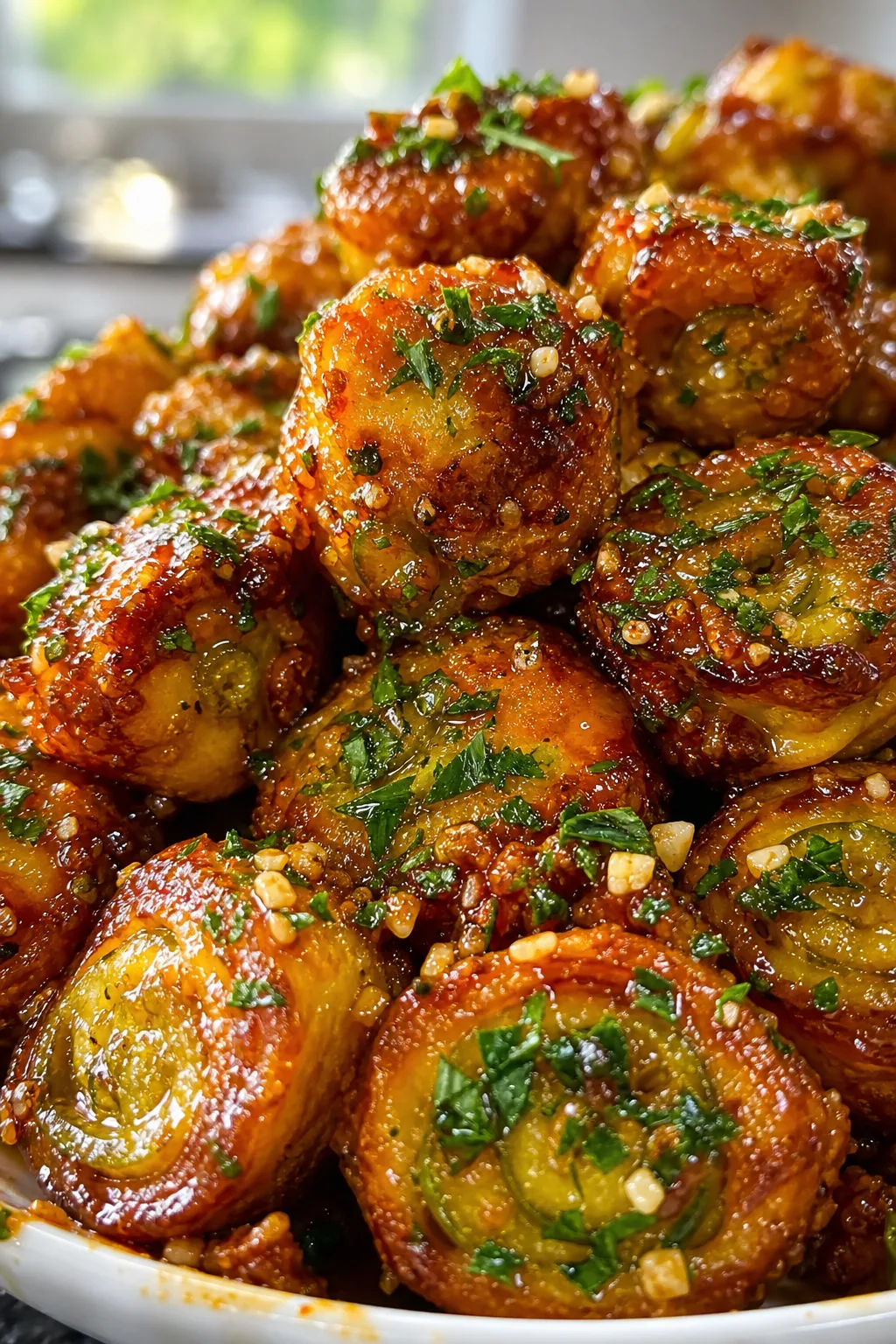
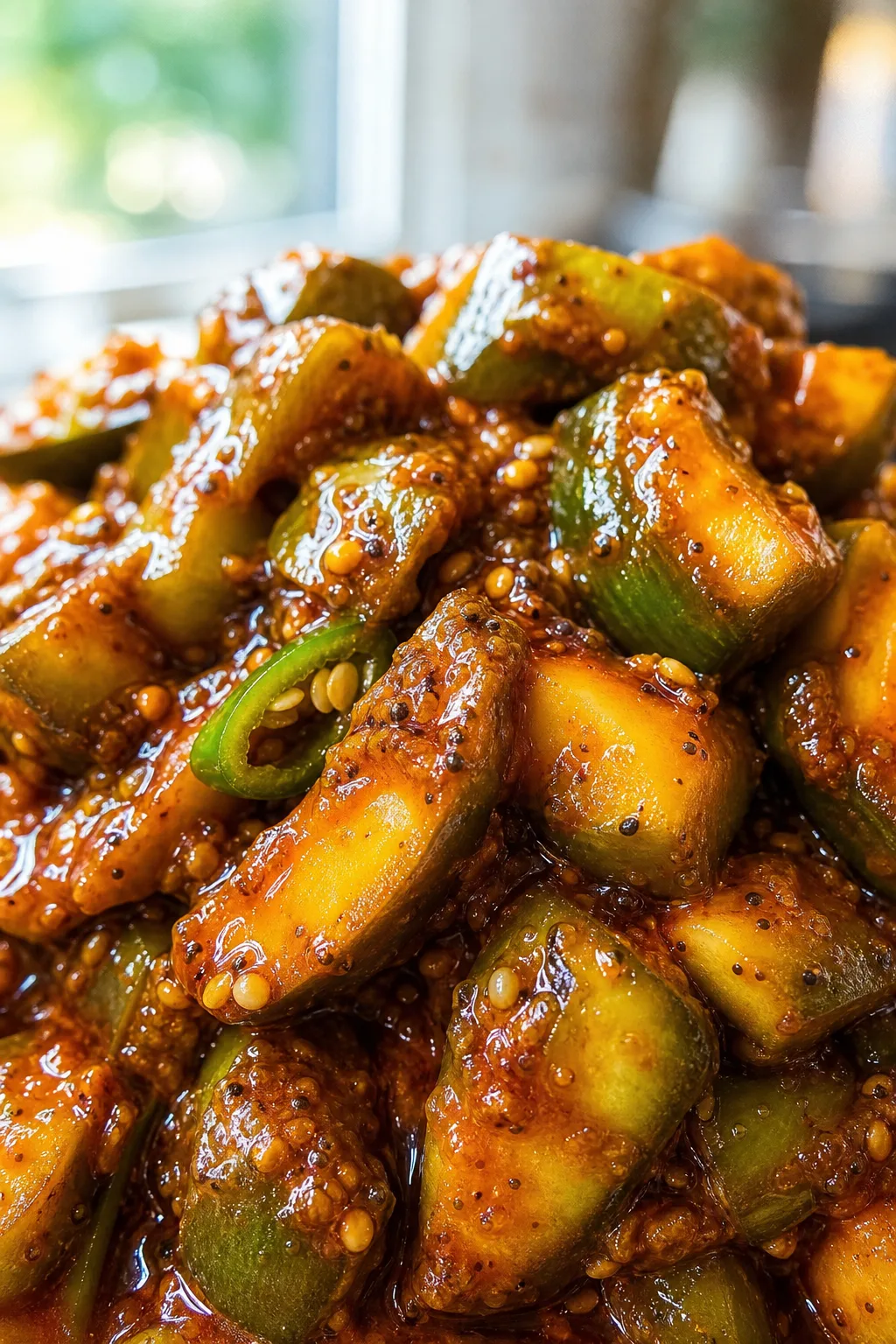
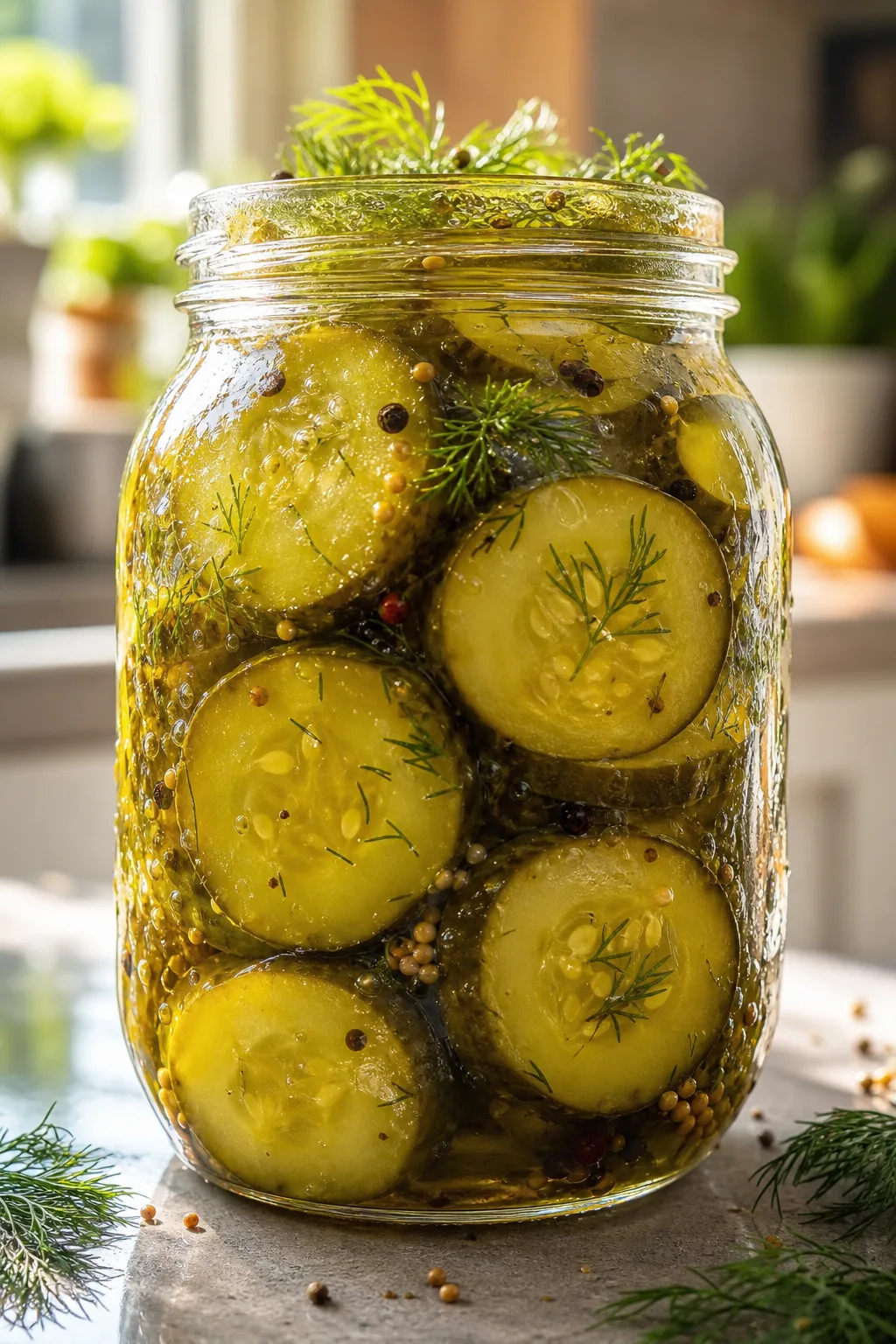
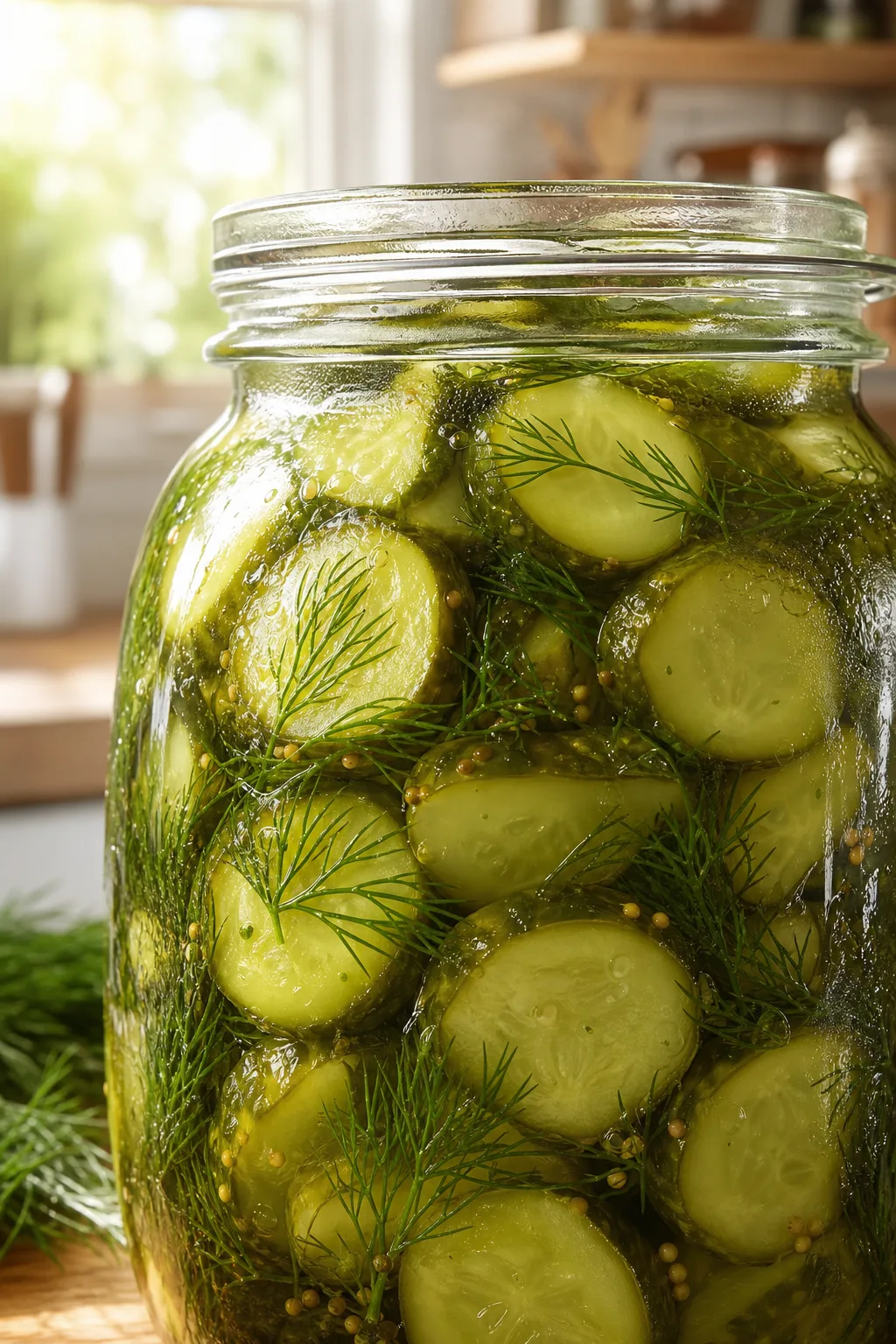
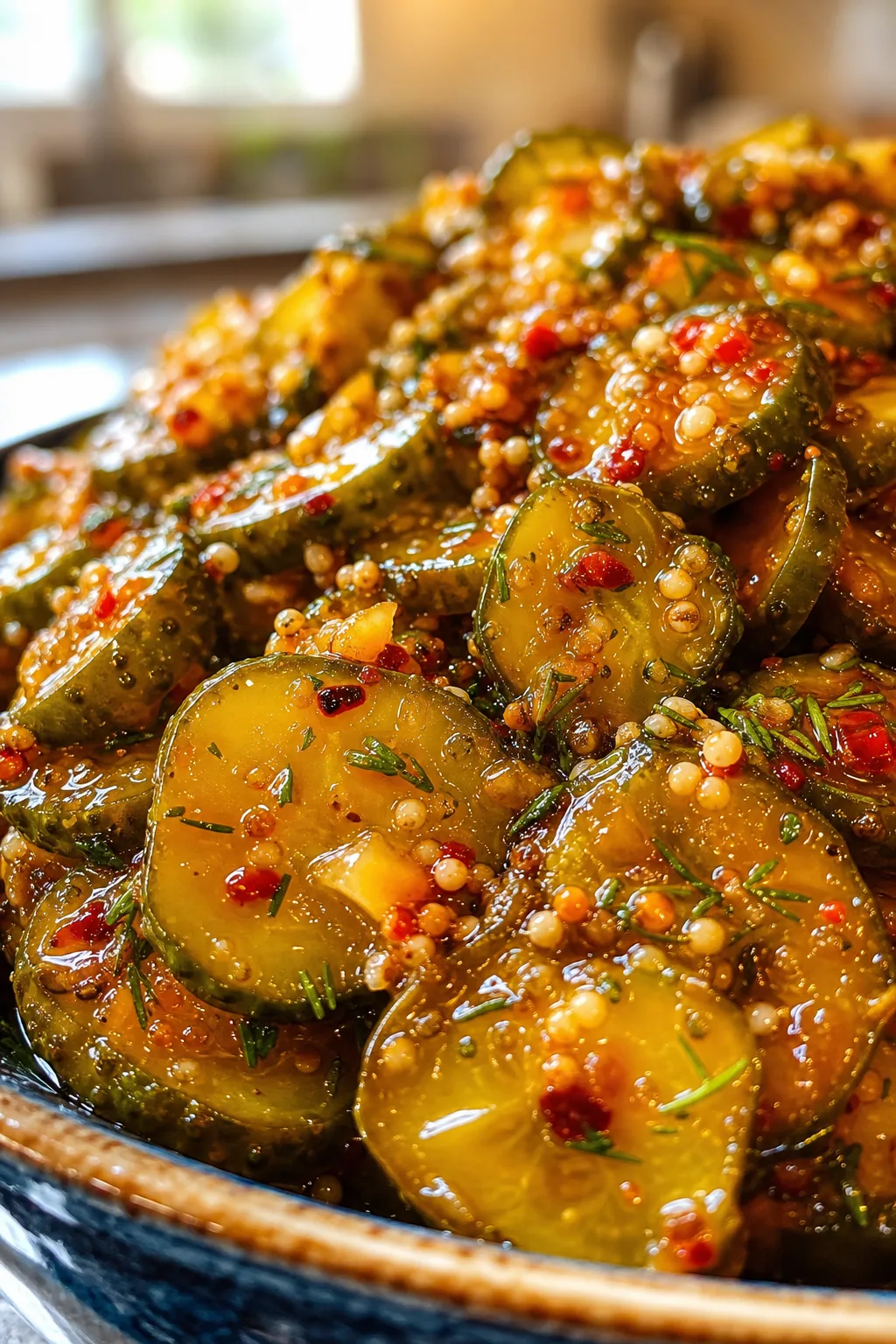
These homemade pickles are delightfully crisp and perfectly tangy, with a classic spice blend that brings out their best. I love keeping these jars ready for snacks or gifts. Super easy and rewarding!
Introduction
I first tried making pickles at home after a friend gifted me a jar of her homemade batch. The crunch and tang were unlike anything store-bought, and I was hooked! Since then, I've tweaked this recipe to get that perfect balance of crispness and flavor every time. The trick I learned is using kosher salt instead of table salt—it really helps keep the cucumbers firm. Also, I soak the jars in hot water beforehand, which helps the pickling liquid penetrate better. The final pickles are crunchy, slightly tangy with a hint of garlic and dill, and they look so inviting in the jars. They’re great for snacking, adding to sandwiches, or even gifting to friends during the holidays. I love how simple this recipe is—no fancy ingredients, just classic spices and fresh cucumbers. It's one of those recipes that feels really rewarding because you can taste the freshness in every bite.
What You'll Need
Approximately 4 pint jars, 4 servings
- 4 cups fresh cucumbers, sliced into spears or rounds
- 2 cups white vinegar
- 2 cups water
- 3 tablespoons kosher salt
- 2 tablespoons sugar
- 4 cloves garlic, peeled and smashed
- 2 teaspoons dill seeds
- 1 teaspoon black peppercorns
- 1 teaspoon mustard seeds
- 1/2 teaspoon red pepper flakes (optional)
How To Do It
Step 1
Start by washing your cucumbers thoroughly to remove any dirt or wax. Slice them into your preferred shape—spears or rounds work great. This step is important because clean cucumbers ensure your pickles stay fresh longer. Cutting them evenly helps the brine soak in uniformly, so none of the pickles end up mushy or under-flavored. Avoid slicing too thin as they might lose crunch quickly.
⏱ Time: 10 minutes
✓ Doneness: Cucumbers are evenly sliced and look fresh and firm
Step 2
In a medium pot, combine vinegar, water, kosher salt, and sugar. Bring the mixture to a boil, stirring occasionally to dissolve the salt and sugar completely. Boiling the brine helps meld the flavors and sterilizes the liquid, which is key for safe preservation. If you rush this step, the salt and sugar won’t fully dissolve, leading to inconsistent pickling.
⏱ Time: 5 minutes
✓ Doneness: Brine is clear, boiling, and salt and sugar fully dissolved
Step 3
Place garlic cloves, dill seeds, black peppercorns, mustard seeds, and red pepper flakes into the bottom of clean, sterilized jars. These aromatics infuse the cucumbers with classic pickle flavors. Adding spices at the bottom ensures even distribution throughout the jar. Don’t skip sterilizing jars—it prevents spoilage.
⏱ Time: 5 minutes
✓ Doneness: Spices evenly settled at jar bottoms, jars are clean and warm
Step 4
Pack the cucumber slices tightly into the jars without crushing them. Packing snugly minimizes air pockets which can cause uneven pickling or spoilage. However, don’t force them too hard; cucumbers should retain their shape to stay crunchy.
⏱ Time: 5 minutes
✓ Doneness: Jars packed full with cucumbers but not smashed
Step 5
Pour the hot brine over the cucumbers in each jar, leaving about 1/2 inch headspace at the top. This ensures the cucumbers are fully submerged, which is essential for proper fermentation and flavor development. Leaving headspace allows for expansion and prevents jar breakage during sealing.
⏱ Time: 5 minutes
✓ Doneness: Cucumbers fully covered by brine, no floating pieces
Step 6
Seal the jars tightly with sterilized lids and rings. Proper sealing prevents air from entering, which could spoil your pickles. After sealing, let jars cool to room temperature before refrigerating. Avoid opening them too soon so the flavors can develop properly.
⏱ Time: 5 minutes
✓ Doneness: Lids sealed firmly, no leaks or gaps
Step 7
Refrigerate the jars for at least 48 hours before tasting. This resting period allows the cucumbers to soak up the brine and spices, turning crunchy cucumbers into tangy pickles. The longer you wait, the more intense the flavor. If you taste too early, the pickles might be bland or soft.
⏱ Time: 48 hours minimum
✓ Doneness: Pickles have developed a tangy aroma and firm texture
Step 8
Once pickled, store the jars in the fridge and consume within 2-3 weeks. Over time, the pickles will continue to soften, so eating them sooner ensures the best crunch. Always use clean utensils to avoid introducing bacteria.
⏱ Time: Storage ongoing
✓ Doneness: Pickles remain crisp and flavorful during storage
Step 9
For gifting or longer storage, you can process the jars in a boiling water bath for 10 minutes after sealing. This step creates a vacuum seal, allowing the pickles to be stored at room temperature for up to a year. Make sure jars are fully submerged and water is boiling throughout. Skipping this means pickles must be refrigerated and consumed sooner.
⏱ Time: 10 minutes
✓ Doneness: Lids pop down and seal securely after cooling
Variations
Spicy Pickles
Add extra red pepper flakes or fresh sliced jalapeños to the jars for a fiery kick. This variation brings heat without losing the classic tang and crunch. Great for those who love spicy snacks!
Note: Increase resting time slightly to mellow the heat and prevent overpowering the other flavors.
Garlic Dill Pickles
Double the garlic cloves and add fresh dill sprigs to intensify the herbal and garlicky notes. This variation is perfect for garlic lovers and adds a fresh garden aroma.
Note: Use fresh dill just before sealing to retain its bright flavor and aroma.
Sweet Pickles
Increase the sugar amount to 1/4 cup for a sweeter, less tangy pickle. This is a great option for kids or those who prefer milder flavors without losing crunch.
Note: Make sure sugar dissolves fully in the brine to avoid grainy texture.
Bread and Butter Pickles
Add sliced onions and a pinch of turmeric along with sugar for a classic bread and butter pickle flavor profile. These are sweet, tangy, and perfect for sandwiches.
Note: Slice onions thinly and soak with cucumbers for even flavor absorption.
Fermented Pickles
Skip the vinegar and rely solely on saltwater brine fermentation at room temperature for 3-5 days. This creates naturally tangy, probiotic-rich pickles with a softer crunch.
Note: Requires careful monitoring to prevent spoilage and maintain food safety.
Pro Tips
Use ice water to soak cucumbers before pickling.
Soaking cucumbers in ice water for a couple of hours before prepping helps them stay extra crisp by hydrating the cells and firming up the flesh. If skipped, cucumbers may become soft or limp faster during pickling.
Sterilize jars and lids by boiling them before use.
Sterilizing jars prevents introducing unwanted bacteria or yeasts that could spoil your pickles or cause off-flavors. Proper sterilization ensures safe preservation and extends shelf life.
Don’t over-pack the jars; leave some headspace.
Leaving headspace allows for expansion of brine and gases during fermentation or processing. Over-packing can cause jars to crack or lids to fail sealing properly.
Use kosher salt instead of table salt.
Kosher salt contains no additives and dissolves cleanly, which avoids cloudiness and off-flavors in your brine. Table salt often contains iodine or anti-caking agents that interfere with pickling.
Let pickles rest in the fridge at least 48 hours before eating.
Waiting allows the cucumbers to absorb the flavors and develop that signature tang. Eating too soon results in bland or under-flavored pickles.
Add fresh dill sprigs for an herbal flavor boost.
Fresh dill contributes bright, aromatic notes that complement the spices. Dried dill seeds work too but fresh adds a vibrant, garden-fresh taste.
Process jars in a hot water bath for shelf stability.
Water bath canning sterilizes the jars and creates a vacuum seal, making pickles shelf-stable for months. Without it, pickles must be refrigerated and consumed quickly.
Common Mistakes to Avoid
Using regular table salt instead of kosher salt
Why it happens Many cooks assume any salt will work the same, but table salt often contains additives that affect brine clarity and flavor.
Fix Switch to kosher salt to avoid cloudiness and unwanted flavors. If only table salt is available, reduce the quantity slightly and ensure it’s pure without anti-caking agents.
Not sterilizing jars properly
Why it happens Sometimes people skip sterilization to save time, not realizing it risks contamination.
Fix Always boil jars and lids for at least 10 minutes before filling. This prevents spoilage and ensures your pickles stay fresh longer.
Overpacking cucumbers in jars
Why it happens Trying to fit as many cucumbers as possible can seem economical, but it causes uneven brining.
Fix Leave some space for brine circulation and gas expansion. Pack cucumbers snugly but not tightly to maintain crunch and safety.
Skipping the resting time before eating
Why it happens Impatience leads some to taste pickles too soon, expecting fully developed flavor immediately.
Fix Refrigerate pickles for at least 48 hours to let flavors meld and cucumbers soften slightly without losing crunch.
Using old or soft cucumbers
Why it happens Sometimes leftover or older cucumbers are used to avoid waste, but they lack firmness.
Fix Always select fresh, firm cucumbers labeled for pickling. Avoid any with soft spots or wrinkles to ensure crisp results.
Nutrition
Per Serving:
Nutritional values are estimates and may vary based on specific ingredients used.
Storage & Tips
Room Temperature
If jars are processed via water bath canning, pickles can be stored at room temperature for up to one year. Keep them in a cool, dark place away from direct sunlight to preserve flavor and texture.
Refrigerator
Unprocessed pickles must be refrigerated and will keep well for 2-3 weeks. The flavor deepens over time but the pickles gradually soften. Always use clean utensils to prevent contamination.
Freezer
Freezing pickles is not recommended as it breaks down their texture, resulting in mushy pickles upon thawing.
Reheating
Pickles are best enjoyed cold or at room temperature. There’s no need to reheat them as heat will reduce their crunch and alter flavor.
Make Ahead
You can prepare the brine and spices 1-2 days ahead and store in the fridge. Slice cucumbers just before assembling jars to keep them fresh and crunchy.
FAQ
Can I use regular table salt instead of kosher salt?
While you can use table salt in a pinch, kosher salt is preferred because it lacks additives like iodine and anti-caking agents that can cloud the brine or change the flavor. If you use table salt, reduce the amount slightly and ensure it’s pure without additives.
Why are my pickles soft after pickling?
Soft pickles usually result from using cucumbers that aren’t fresh or overripe, not soaking them in ice water before pickling, or skipping the salt soaking step. Also, letting pickles sit too long at room temperature or improper sealing can cause softness.
How long do homemade pickles last?
Refrigerated refrigerated pickles last about 2-3 weeks if stored properly in airtight jars. Canned pickles processed in a boiling water bath can last up to a year unopened. Always check for signs of spoilage before eating.
Can I reuse the brine for another batch?
It’s best not to reuse brine because it can harbor bacteria and lose acidity, which is essential for safe pickling. Fresh brine ensures proper preservation and flavor.
Do I have to boil the brine?
Boiling the brine dissolves salt and sugar evenly and sterilizes the liquid, which helps prevent spoilage. Skipping this step can result in uneven flavor and unsafe pickles.
Can I add other vegetables to this recipe?
Absolutely! Carrots, green beans, and peppers can be added for variety. Just ensure they are cut to similar sizes and packed properly to maintain brine coverage.
How can I make my pickles spicier?
Add more red pepper flakes, fresh jalapeños, or even a dash of cayenne pepper. Just remember the spice will intensify over time, so start with a moderate amount if you’re unsure.
Why are my pickles cloudy?
Cloudiness can come from minerals in water, impurities in salt, or fermentation byproducts. Using filtered water and kosher salt usually prevents this. A slight cloudiness is normal and safe.
Final Thoughts
Give this crunchy homemade pickle recipe a try—you'll love how fresh and flavorful they turn out! Don’t forget to share your results and any tweaks you make.