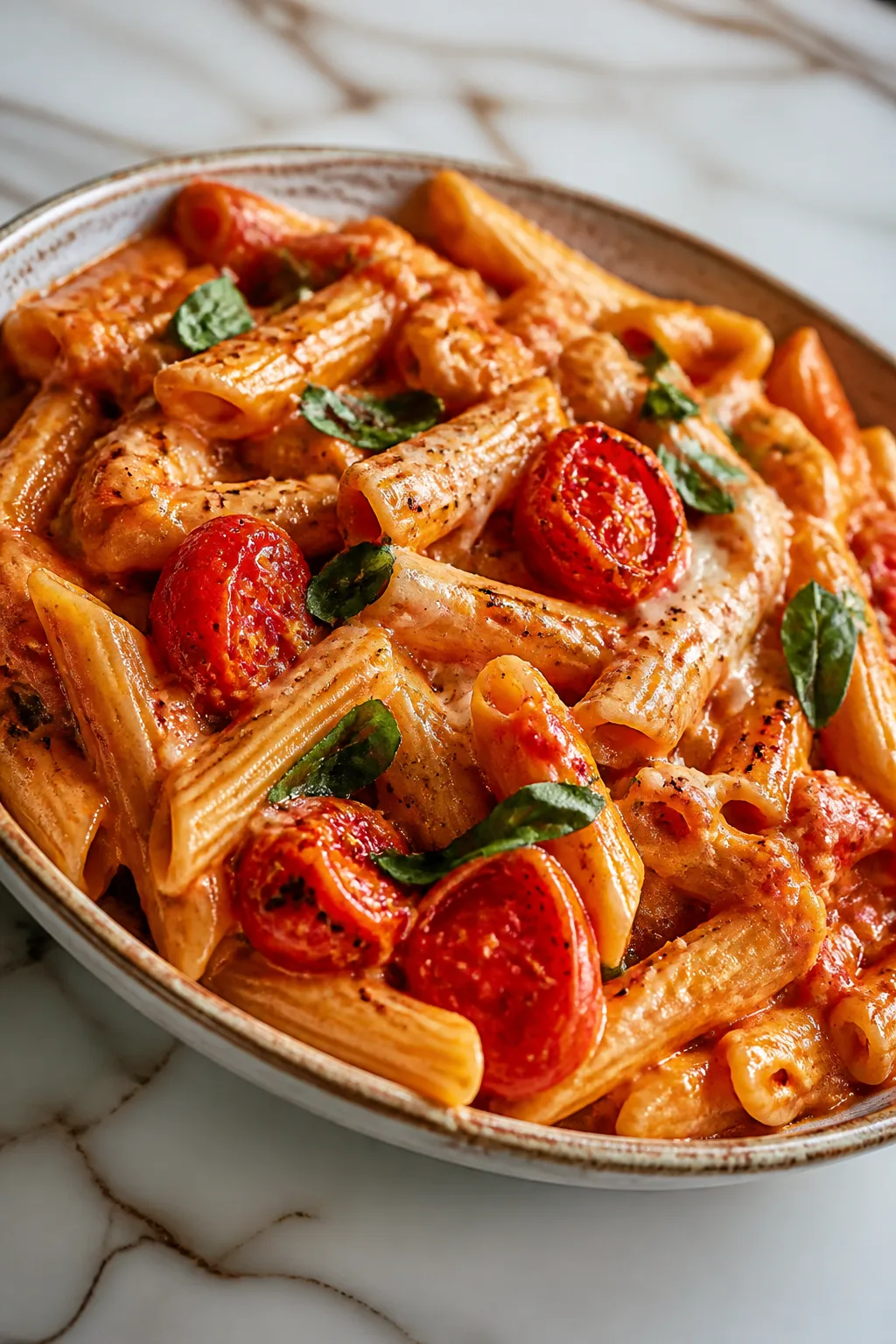
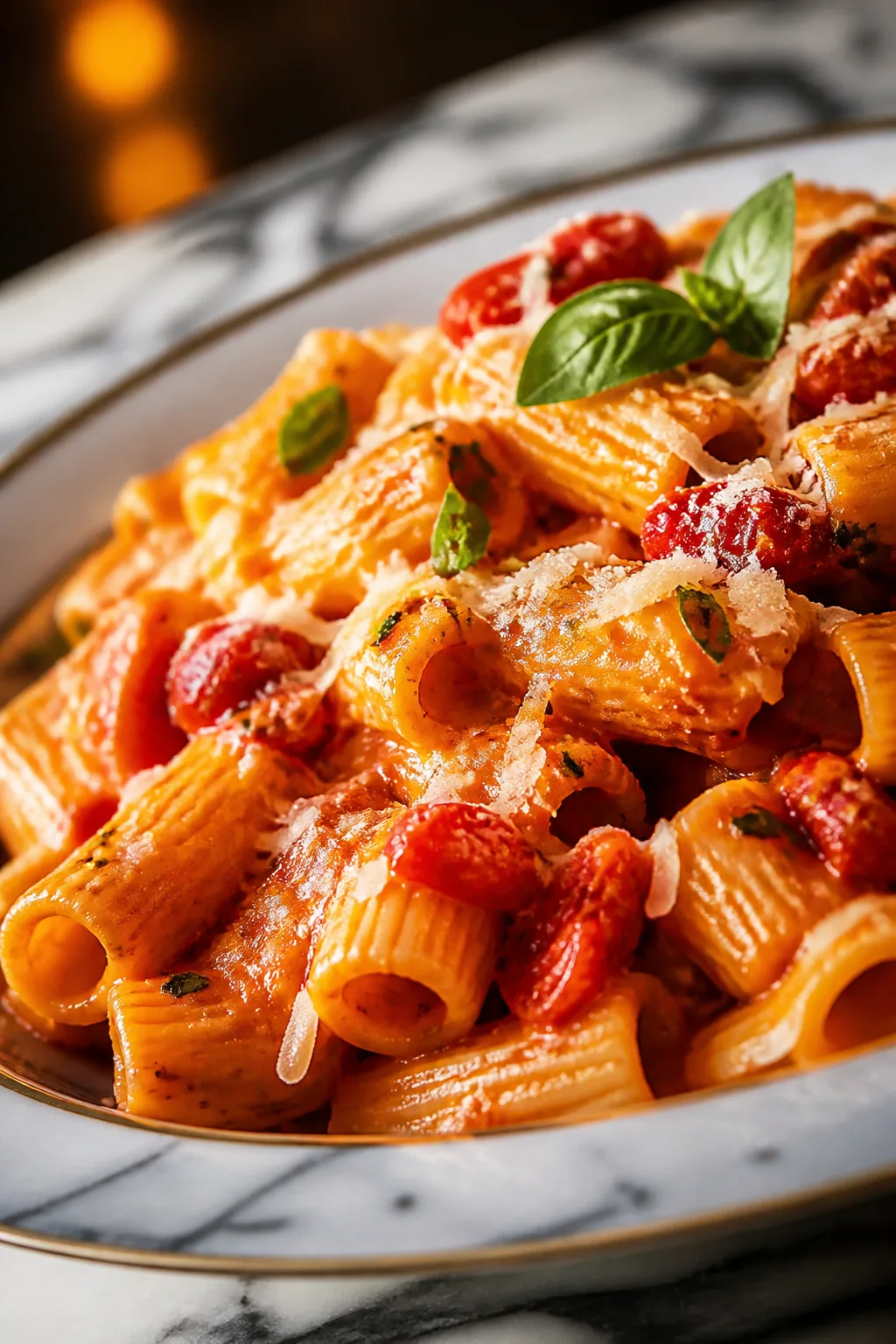
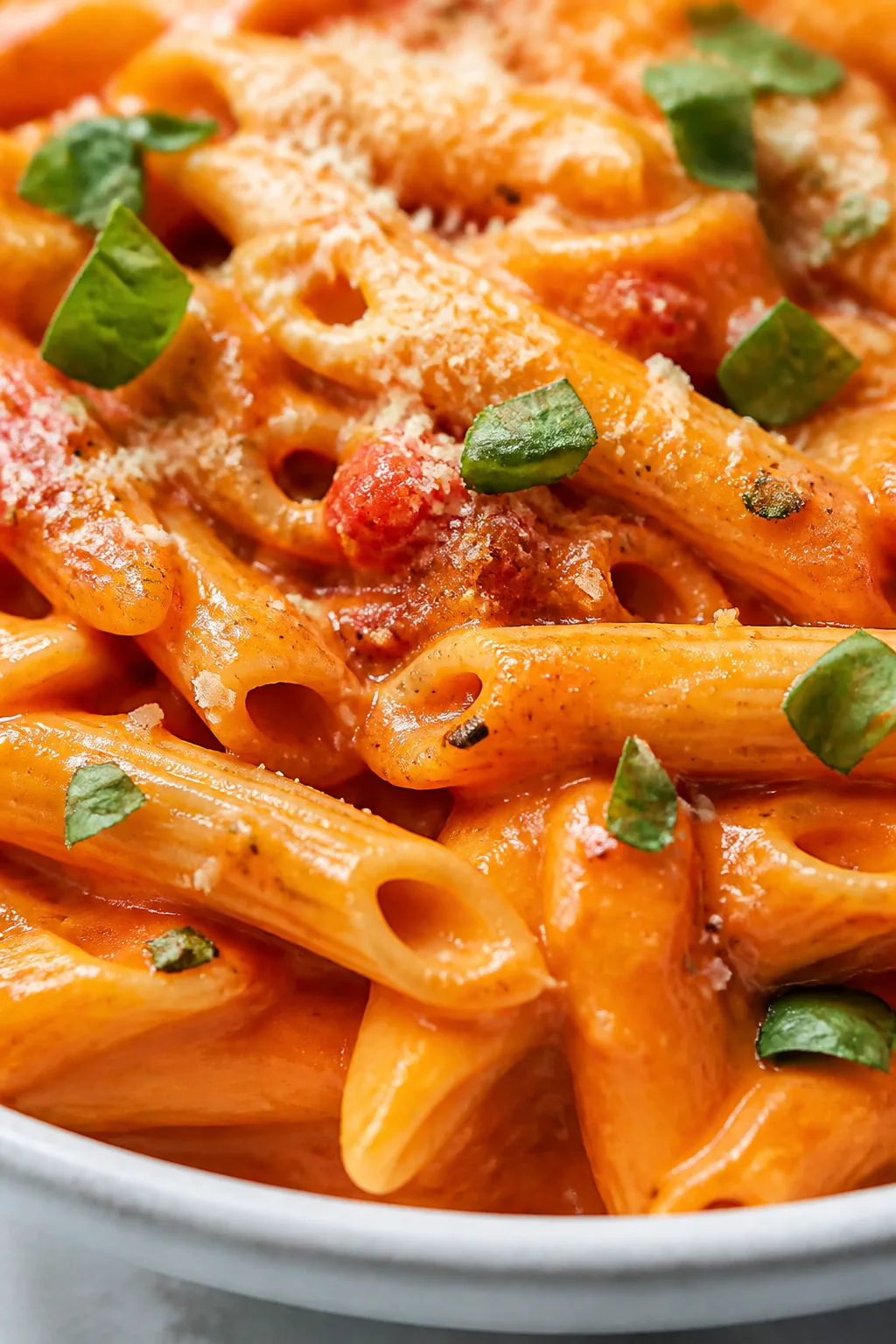
This cheesy tomato pasta is my quick comfort food favorite. It blends a rich tomato sauce with melty cheese for that cozy, satisfying bite. Perfect for busy weeknights when you want something simple but delicious.
Introduction
I first made this cheesy tomato pasta on a hectic weeknight when I needed something comforting but fast. It quickly became my go-to because it’s simple yet full of flavor. Unlike standard tomato pasta recipes, this one gets a creamy boost from a splash of heavy cream and a blend of mozzarella and Parmesan, which gives it that perfect melty texture without being overwhelming. The trick I learned was to simmer the sauce gently to deepen the tomato flavor before adding the cheeses, which keeps everything silky and smooth instead of clumpy. I’ve had my share of tomato sauces that tasted flat or were too watery, but this version holds together beautifully and feels like a warm hug on a plate. The finished dish is rich and cheesy, with just the right balance of tangy tomato and creamy goodness. Plus, it looks so inviting with fresh basil on top. It’s great for busy weeknights when you want to feel like you’re eating something special without spending hours in the kitchen. I think you’ll love how this recipe hits that sweet spot between quick and comforting.
How To Do It
Step 1
Start by bringing a large pot of salted water to a boil. Add the penne pasta and cook according to package instructions until al dente, usually about 10-12 minutes. Cooking the pasta just right is key — overcooked pasta will get mushy once mixed with the sauce. Drain the pasta but save about a cup of the pasta water; this starchy water helps loosen the sauce later if needed. Avoid rinsing the pasta because the starch on the surface helps the sauce cling better.
⏱ Time: 12 minutes
✓ Doneness: Pasta should be tender but still firm when bitten
Step 2
While the pasta cooks, heat olive oil in a large skillet over medium heat. Add the finely chopped onion and sauté for 5 minutes until soft and translucent. This step builds the flavor base, so don’t rush it or let the onions brown too much, which would add bitterness. Once the onions are soft, add minced garlic and cook for another 1-2 minutes until fragrant but not burnt. Garlic cooks quickly, so watch closely to avoid bitterness.
⏱ Time: 7 minutes
✓ Doneness: Onions should be soft and slightly glossy; garlic fragrant but not browned
Step 3
Pour in the crushed tomatoes along with dried oregano and red pepper flakes if you like a little heat. Stir everything together and bring to a gentle simmer. Let the sauce simmer uncovered for about 15 minutes, stirring occasionally. This simmering reduces excess water, concentrates flavors, and mellows the acidity of the tomatoes. Avoid boiling vigorously, which can break down the texture and cause the sauce to become too thick or dry.
⏱ Time: 15 minutes
✓ Doneness: Sauce thickens slightly and deepens in color
Step 4
Season the sauce with salt and freshly ground black pepper to taste. Remember to add salt gradually and taste as you go since the cheeses you’ll add later also contribute saltiness. Balancing seasoning here ensures the final dish isn’t too salty or bland.
⏱ Time: 2 minutes
✓ Doneness: Sauce tastes balanced — neither too acidic nor too flat
Step 5
Reduce the heat to low and stir in the heavy cream, which adds richness and smooths out the acidity of the tomatoes. Slowly add the shredded mozzarella and grated Parmesan, stirring gently until melted and fully incorporated. Adding the cheese off high heat prevents it from clumping or separating, creating a velvety texture. If the sauce feels too thick, add reserved pasta water a little at a time to loosen it to your preferred consistency.
⏱ Time: 5 minutes
✓ Doneness: Cheese fully melted and sauce is creamy and smooth
Step 6
Add the drained pasta directly into the sauce and toss gently to coat each piece evenly. Using tongs or a large spoon helps mix without breaking the pasta. This step is crucial to ensure every bite is flavorful. If the sauce is too thick, add a splash more pasta water to help it cling better and keep the pasta moist.
⏱ Time: 3 minutes
✓ Doneness: Pasta is coated evenly and looks glossy
Step 7
Taste the pasta and adjust seasoning if needed — sometimes it needs a pinch more salt or a crack of black pepper after mixing. This final seasoning tweak ensures the flavors are balanced and vibrant.
⏱ Time: 1 minute
✓ Doneness: Flavors are harmonious and satisfying
Step 8
Serve the pasta hot, garnished with fresh basil leaves for a pop of color and fresh herbal aroma. The basil adds brightness that cuts through the richness beautifully. If you like, sprinkle extra Parmesan on top for added cheesiness.
⏱ Time: 1 minute
✓ Doneness: Dish looks vibrant and fresh with basil garnish
Step 9
Enjoy immediately with a side salad or crusty bread to soak up any extra sauce. This pasta is best eaten fresh but can be reheated gently if needed. Avoid overcooking leftovers to keep the pasta texture intact.
⏱ Time: 0 minutes
✓ Doneness: Pasta remains tender and sauce creamy when reheated
Variations
Spicy Cheesy Tomato Pasta
Add a teaspoon of smoked paprika and increase red pepper flakes for a smoky, spicy twist. You can also toss in some cooked sausage or chorizo for extra heat and protein. Expect a bolder, more intense flavor that’s still creamy but with a kick.
Note: Simmer the sauce slightly longer with spices to meld flavors. Adjust cream amount if sauce becomes too thick.
Vegetable-Packed Cheesy Tomato Pasta
Add sautéed bell peppers, zucchini, and mushrooms to the sauce for a veggie boost. This adds texture and nutrition without sacrificing creaminess. The extra veggies absorb the sauce, making every bite hearty and satisfying.
Note: Cook vegetables until tender before adding tomatoes to ensure even cooking and avoid watery sauce.
Gluten-Free Cheesy Tomato Pasta
Swap regular penne for your favorite gluten-free pasta. The sauce works just as well, making it a great option for gluten-sensitive eaters. The key is to cook gluten-free pasta carefully to avoid mushiness.
Note: Follow package instructions for gluten-free pasta closely and avoid overcooking.
Vegan Cheesy Tomato Pasta
Use plant-based cream and vegan cheese alternatives. Nutritional yeast can add cheesy flavor. While texture differs slightly, this version remains creamy and comforting for dairy-free diets.
Note: Heat vegan cheese gently to prevent separation and stir well to combine with sauce.
Herb-Infused Cheesy Tomato Pasta
Add fresh thyme and rosemary to the sauce while simmering for an aromatic herbal note. Finish with chopped parsley and basil for a fresh, garden-fresh flavor profile that brightens the creamy sauce.
Note: Remove woody herb stems before serving to avoid bitterness.
Pro Tips
Reserve some pasta water before draining.
The starchy pasta water helps loosen the sauce if it becomes too thick and allows it to adhere better to the noodles, creating a cohesive, glossy dish rather than a dry one.
Simmer the tomato sauce gently without boiling.
A gentle simmer concentrates flavors without breaking down the sauce too much. Boiling can cause the sauce to become too thick and lose fresh tomato brightness.
Add cheeses off the heat and stir gently.
Adding cheese at lower temperatures prevents clumping and separation, resulting in a smooth, creamy sauce rather than a grainy or oily one.
Use low-moisture shredded mozzarella instead of fresh.
Low-moisture mozzarella melts better and won’t water down the sauce, preserving the creamy texture you want.
Season the sauce in stages, tasting as you go.
Cheese and cream add saltiness, so gradual seasoning helps avoid over-salting and balances flavors perfectly.
Don’t rinse pasta after cooking.
Rinsing washes away starch that helps sauce stick to the pasta, making the dish less cohesive and flavorful.
Add fresh basil just before serving.
Fresh basil adds brightness and aroma that elevate the dish. Adding it too early causes wilting and loss of vibrant flavor.
Common Mistakes to Avoid
Overcooking the pasta
Why it happens Many assume pasta should be very soft, but overcooking leads to mushy texture especially after mixing with sauce.
Fix Cook pasta al dente and drain promptly. Taste test a minute or two before package time to ensure firmness. This keeps the pasta texture firm and pleasant after tossing with sauce.
Adding cheese on high heat
Why it happens Rushing to melt cheese often means adding it to a boiling sauce, causing clumping or separation.
Fix Lower the heat or remove the pan from direct heat before stirring in cheese. This gentle approach keeps cheese smooth and creamy.
Not seasoning sauce properly
Why it happens Skipping gradual seasoning can result in bland or overly salty sauce once cheese and cream are added.
Fix Season in steps, tasting after simmering tomatoes and again after adding dairy and cheese. Adjust salt and pepper carefully.
Rinsing the pasta after cooking
Why it happens Some rinse pasta to cool it down, but this removes starch that helps sauce stick.
Fix Drain pasta without rinsing and add directly to sauce while warm for best flavor adhesion.
Using watery fresh mozzarella
Why it happens Fresh mozzarella has high moisture which can dilute the sauce and make it watery.
Fix Use low-moisture shredded mozzarella for better melting and creaminess without excess liquid.
Nutrition
Per Serving:
Nutritional values are estimates and may vary based on specific ingredients used.
Storage & Tips
Room Temperature
This pasta can be left out at room temperature for up to 2 hours if covered. Beyond that, bacteria growth increases, so refrigerate promptly to keep it safe.
Refrigerator
Store leftovers in an airtight container for up to 3 days. The sauce may thicken and the pasta can absorb more liquid, so add a splash of water or cream when reheating to restore creaminess.
Freezer
Freeze in a sealed container or freezer bag for up to 2 months. Wrap tightly to prevent freezer burn. Thaw overnight in the fridge before reheating to maintain texture.
Reheating
Reheat gently on the stovetop over low heat or in the microwave with short bursts. Stir often and add a splash of cream or pasta water to loosen sauce and prevent drying out.
Make Ahead
You can prepare the tomato sauce up to 2 days ahead and refrigerate. Cook pasta fresh when ready to serve, then combine and add cheeses at the last minute for best texture.
FAQ
Can I use other types of pasta for this recipe?
Absolutely! While penne works well because it holds sauce nicely, feel free to use fusilli, rigatoni, or even spaghetti. Just adjust cooking times to the pasta type and ensure it’s al dente so it doesn’t get mushy when mixed with the sauce.
What can I substitute for heavy cream?
If you want a lighter version, half-and-half or whole milk can be used but expect a thinner, less creamy sauce. For dairy-free options, coconut cream or cashew cream works well to add richness without dairy.
How do I prevent the cheese from clumping in the sauce?
Add cheese off the heat or on very low heat and stir gently. High heat causes cheese proteins to seize up and clump. Also, shred cheese finely so it melts evenly.
Can I make this recipe ahead of time?
Yes, you can make the tomato sauce up to 2 days ahead and refrigerate. Cook pasta fresh when ready to serve and combine with sauce and cheese for best texture and flavor.
Is it okay to use fresh mozzarella instead of shredded?
Fresh mozzarella has more moisture and can make the sauce watery. If you use it, drain it well and add it sparingly. Shredded low-moisture mozzarella is best for melting and maintaining sauce consistency.
What if my sauce is too thick or too thin?
If too thick, add reserved pasta water a little at a time to loosen it. If too thin, simmer a few more minutes uncovered to reduce excess liquid and thicken naturally.
Can I add protein like chicken or sausage?
Definitely! Cook your protein separately and add it when mixing pasta and sauce. This adds heartiness without changing the sauce texture.
How do I store leftovers properly?
Store in an airtight container in the fridge for up to 3 days. When reheating, add a splash of cream or water to loosen the sauce and heat gently to keep pasta tender.
Final Thoughts
I hope you give this cheesy tomato pasta a try soon—it’s one of those dishes that feels like a warm hug on a plate. Don’t forget to share how it turns out!