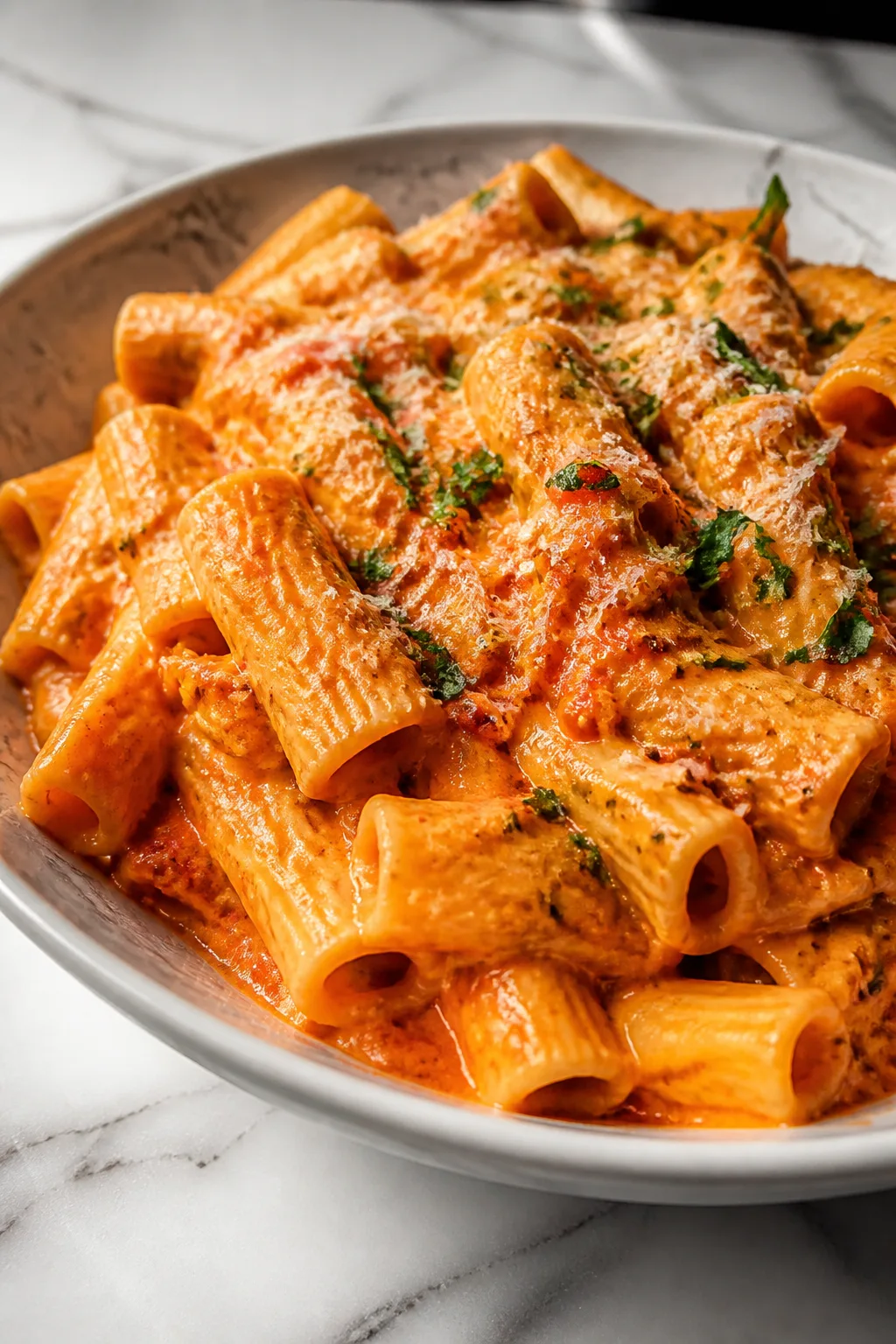
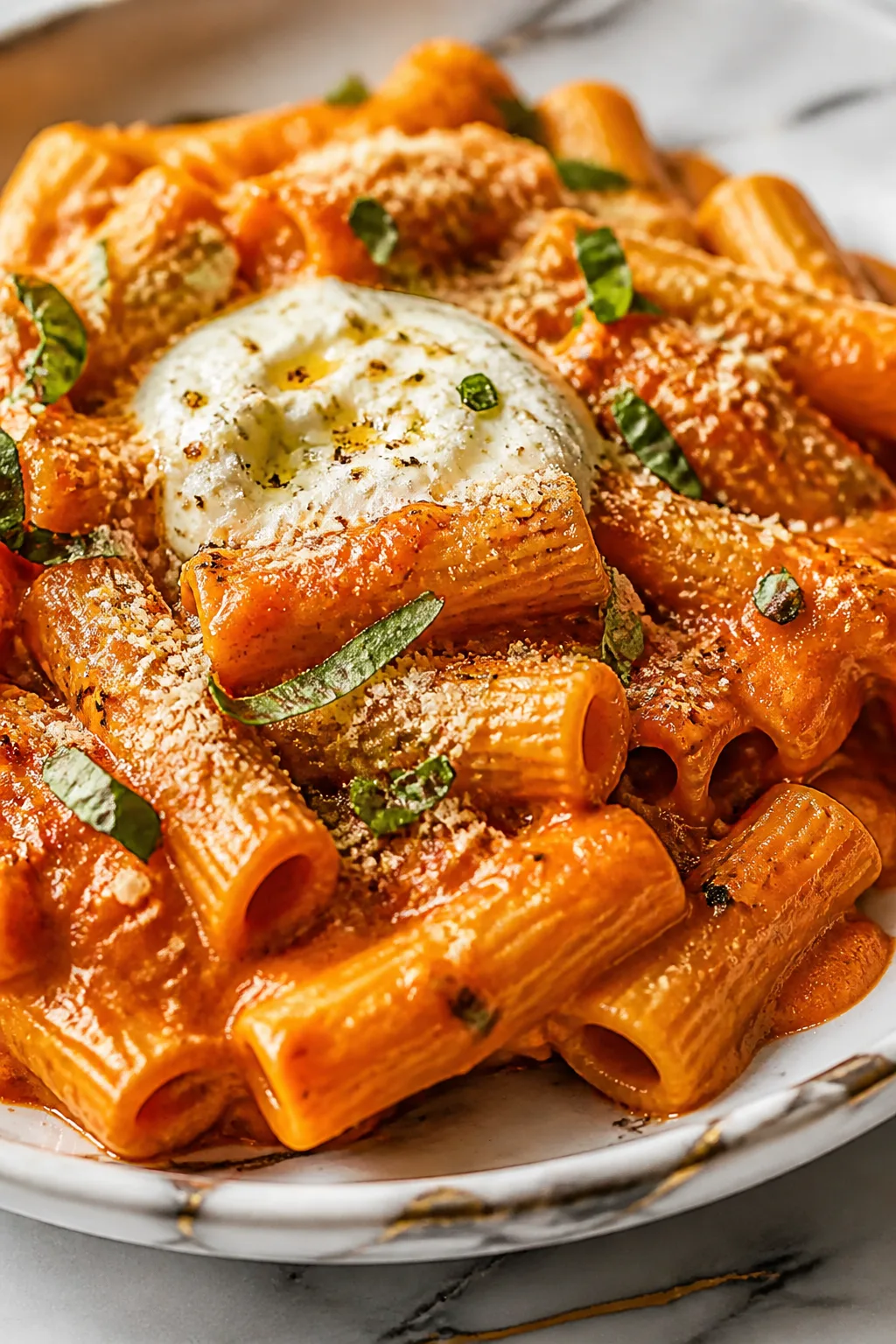
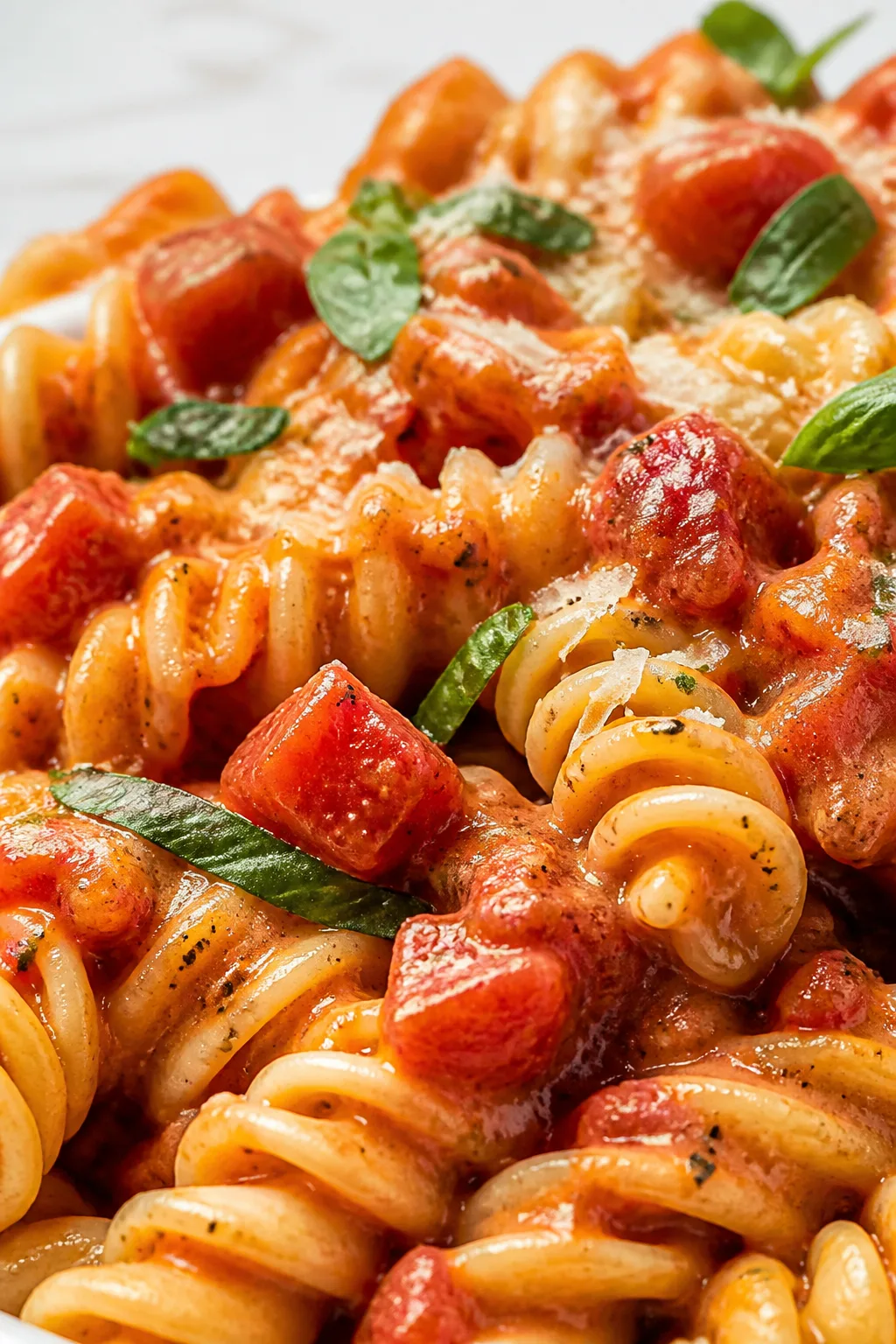
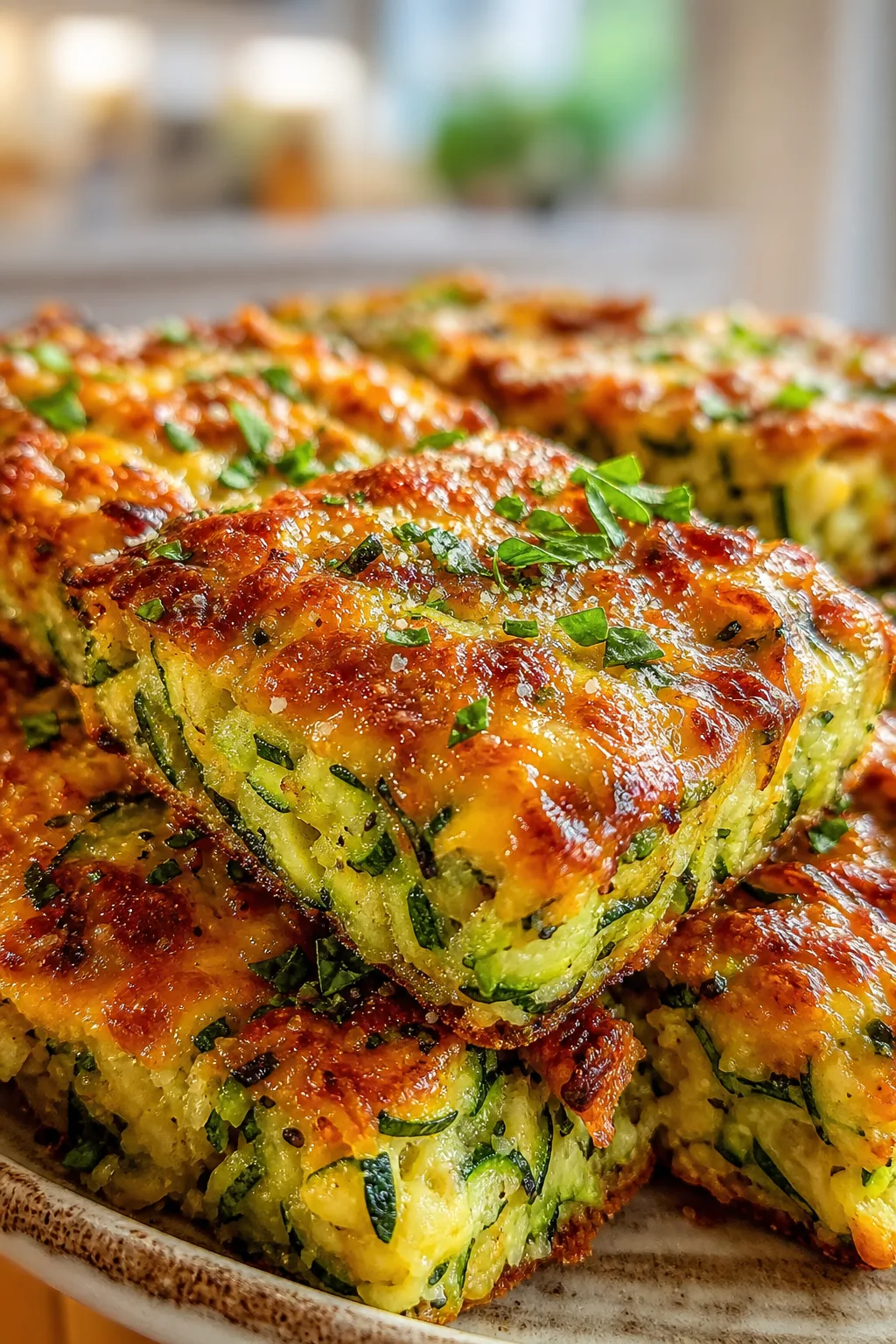
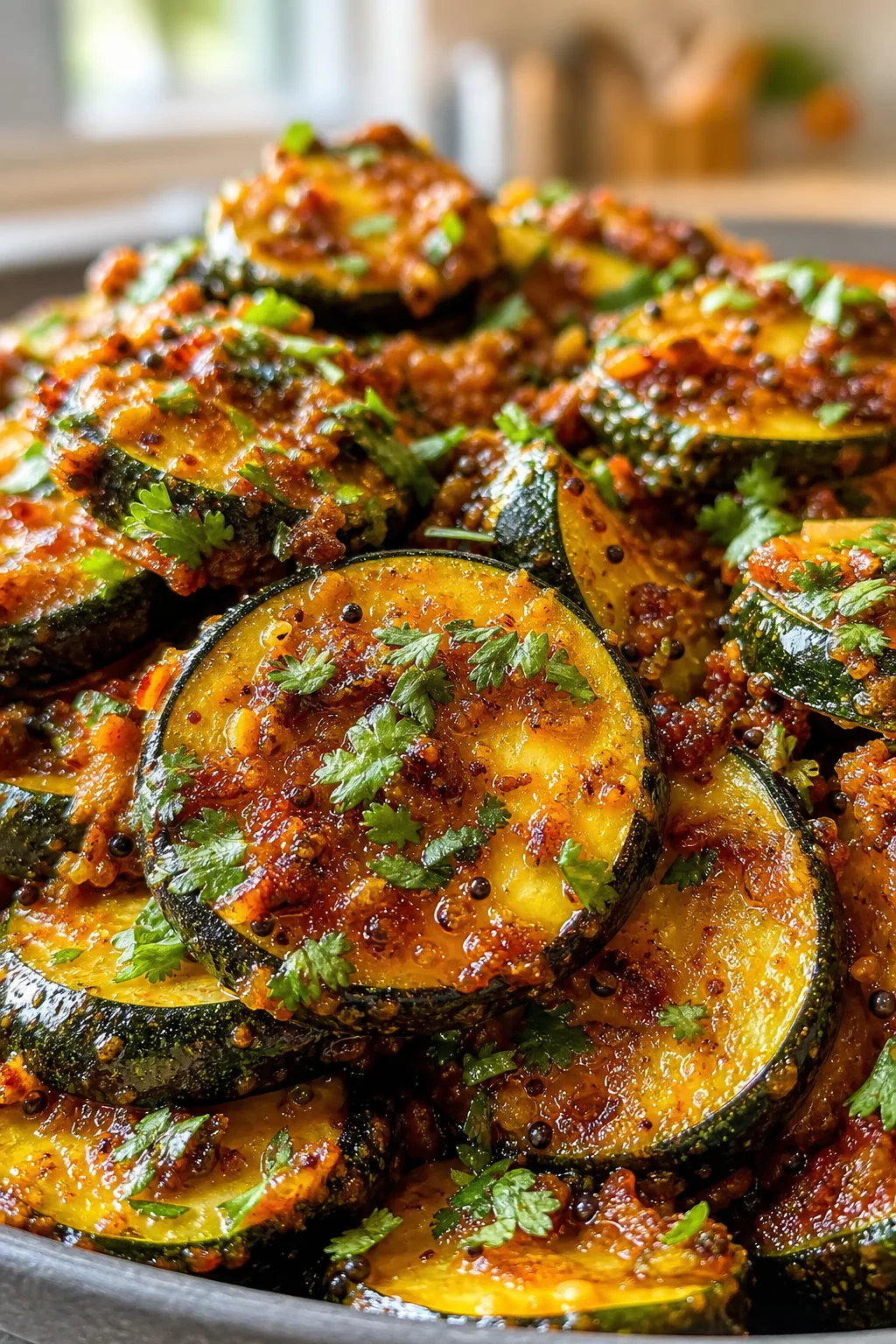
This cheesy tomato sauce is my go-to for cozy dinners. It's rich, creamy, and has just the right tang from fresh tomatoes. Perfect for a quick pasta night or dipping crusty bread when you want comfort fast.
Introduction
I first stumbled on this cheesy tomato sauce recipe during a chilly fall evening when I craved something warm and comforting but didn’t want to fuss with a complicated meal. Over the years, it's become my go-to for quick dinners because it’s ridiculously easy and tastes like you spent hours in the kitchen. What sets this version apart is the blend of fresh tomatoes with creamy mozzarella and Parmesan, creating a luscious sauce that’s both tangy and rich without being too heavy. I also learned that gently cooking the onions and garlic in olive oil first really brings out their sweetness and forms a perfect flavor base. The trick I use to get the sauce silky smooth is adding the cream after the tomatoes have softened, then melting in the cheese slowly so it doesn’t curdle. The finished sauce is velvety, with a fresh tomato brightness balanced by the cheese’s richness. It’s fantastic tossed with pasta, but I also love using it as a dip for crusty bread or roasted veggies. Honestly, this sauce feels like a hug on a plate and it always gets rave reviews from family and friends. I think you’ll love how simple it is yet so satisfying. Plus, it’s a great way to use up ripe tomatoes when they’re in season. Give it a try and let me know what you think!
What You'll Need
Approximately 4 cups, serves 4
- 2 tablespoons olive oil, extra virgin
- 1 small onion, finely chopped
- 3 cloves garlic, minced
- 4 large ripe tomatoes, peeled and chopped
- 1/2 cup heavy cream
- 1 cup shredded mozzarella cheese
- 1/4 cup grated Parmesan cheese
- Salt and freshly ground black pepper, to taste
- 1 teaspoon dried basil or fresh basil leaves, chopped
How To Do It
Step 1
Heat the olive oil in a large skillet over medium heat. Add the finely chopped onion and cook gently, stirring occasionally, until it becomes translucent and soft—about 7-8 minutes. This slow cooking draws out the onion’s natural sweetness, which forms the flavor base for the sauce. Avoid turning the heat too high to prevent browning, which can make the sauce bitter. Watch carefully and stir often to ensure even cooking without burning.
⏱ Time: 8
✓ Doneness: Onions should look soft, translucent, and slightly glossy but not browned
Step 2
Add the minced garlic to the softened onions and cook for about 1-2 minutes until fragrant. Garlic cooks quickly and can burn easily, so keep stirring and watch closely. This step infuses the oil and onions with that lovely aromatic base that makes the sauce so tasty. If you skip or rush this, the sauce might lack depth.
⏱ Time: 2
✓ Doneness: Garlic should smell fragrant and look slightly softened but not browned
Step 3
Add the peeled and chopped fresh tomatoes to the skillet. Stir well to combine with the onions and garlic. Cook over medium-low heat for 15-20 minutes, stirring occasionally, until the tomatoes break down and the sauce thickens. This slow simmer allows the flavors to meld and the sauce to develop a nice body. Patience here is key—rushing can leave you with watery sauce.
⏱ Time: 20
✓ Doneness: Sauce should be thickened, with tomatoes broken down into a chunky but cohesive texture
Step 4
Once the tomatoes have softened, reduce heat to low and slowly stir in the heavy cream. Adding cream at this stage ensures it blends smoothly without curdling. Stir gently but thoroughly so the sauce turns creamy and silky. If you add the cream too early or on high heat, it might separate. Take your time here for the best texture.
⏱ Time: 3
✓ Doneness: Sauce becomes smooth and creamy with a consistent pale pink color
Step 5
Gradually add the shredded mozzarella cheese into the warm sauce, stirring constantly to melt it evenly. Mozzarella adds that gooey, cheesy texture we all love but it melts best when the sauce isn’t too hot. Keep the heat low and stir until fully combined. Avoid adding cheese in a hurry or on high heat, or it might clump.
⏱ Time: 5
✓ Doneness: Cheese should be fully melted and sauce thickened with a stretchy, creamy texture
Step 6
Stir in the grated Parmesan cheese and dried or fresh basil. Parmesan adds a sharp, nutty flavor that balances the creaminess and fresh tomato taste. Basil brings a fresh herbaceous note. Mix well and season with salt and freshly ground black pepper to taste. Don’t be shy with seasoning here—it really brings the sauce alive.
⏱ Time: 2
✓ Doneness: Sauce smells fragrant with herbs and cheese, and seasoning tastes balanced
Step 7
Remove the sauce from heat and let it sit for a few minutes. This resting time allows the flavors to meld even more and the sauce to thicken slightly. If you serve too hot immediately, the cheese can feel stringy rather than creamy. A brief rest makes all the difference.
⏱ Time: 5
✓ Doneness: Sauce thickens slightly and flavors deepen
Step 8
Serve the sauce warm over your favorite cooked pasta. Toss well to coat every strand or piece. The sauce clings beautifully thanks to its creamy texture. If you want, garnish with extra basil or Parmesan for a fresh touch. This sauce also doubles as a fantastic dip for crusty bread or roasted veggies.
⏱ Time: 3
✓ Doneness: Pasta is evenly coated with a glossy, creamy sauce
Step 9
Store any leftovers in an airtight container in the fridge for up to 3 days. Reheat gently on the stove with a splash of cream or water to loosen the sauce if it thickens too much. Avoid high heat reheating to keep the sauce smooth and prevent cheese from separating.
⏱ Time: 2
✓ Doneness: Sauce reheats to smooth, creamy consistency without graininess
Variations
Spicy Cheesy Tomato Sauce
Add a pinch of red pepper flakes or diced fresh chili during the onion sauté step to give this sauce a gentle spicy kick. The creaminess balances the heat beautifully while adding complexity. Great for those who love a little zing in their pasta.
Note: Be cautious with spice amounts to avoid overpowering the sauce’s delicate balance.
Vegan Cheesy Tomato Sauce
Use coconut cream or cashew cream instead of heavy cream and substitute mozzarella and Parmesan with vegan cheese alternatives. Nutritional yeast can add a cheesy flavor. This version keeps the creamy texture while accommodating dairy-free diets.
Note: Melting vegan cheese can vary, so add slowly and stir gently to prevent separation.
Roasted Tomato and Garlic Sauce
Roast tomatoes and garlic cloves in the oven until caramelized before adding to the sauce. This deepens the flavor with smoky, sweet notes. Use this as the base and then add cream and cheese for a richer, more complex sauce.
Note: Roasting time varies; watch for soft, slightly charred tomatoes.
Herbed Cheesy Tomato Sauce
Add fresh herbs like oregano, thyme, or rosemary along with basil to give the sauce an aromatic herbaceous twist. This variation is lovely with grilled chicken or roasted vegetables tossed in pasta.
Note: Add hardy herbs early and delicate herbs near the end to preserve flavors.
Chunky Vegetable Cheesy Tomato Sauce
Include diced zucchini, bell peppers, or mushrooms sautéed with the onions to boost nutrition and texture. This makes the sauce heartier and perfect as a main dish with pasta or polenta.
Note: Cook vegetables fully before adding tomatoes to avoid watery sauce.
Pro Tips
Cook onions slowly over medium-low heat until translucent.
Slow cooking onions allows their natural sugars to caramelize gently, building a sweeter, more complex flavor base. Rushing this step or cooking on high heat risks burning, which adds bitterness and ruins the sauce’s delicate balance.
Add cream after tomatoes have softened and cooled slightly.
Adding cream too early or to very hot tomatoes can cause it to curdle and separate. Waiting until tomatoes have broken down and lowering heat ensures a smooth emulsion, resulting in a creamy, cohesive sauce.
Use fresh mozzarella and shred it yourself.
Fresh mozzarella melts evenly and creates that signature gooey texture. Pre-shredded versions often contain anti-caking agents that prevent smooth melting, resulting in a clumpy sauce. Shredding fresh cheese guarantees better texture.
Simmer tomatoes gently to develop flavor and thickness.
Gentle heat breaks down tomato fibers and concentrates flavor without causing bitterness. High heat or rushing cooking leaves watery sauce with underdeveloped taste. Patience here improves both texture and aroma.
Season at the end with salt, pepper, and fresh herbs.
Salt and herbs added too early can lose potency during cooking. Adding them near the end preserves their brightness and allows you to adjust seasoning precisely, enhancing the sauce’s fresh, vibrant character.
Let sauce rest before serving to thicken and meld flavors.
Resting off the heat allows the sauce to thicken as it cools slightly and flavors to marry. Serving immediately might result in a thinner sauce with less integrated taste.
Reheat gently with a splash of cream or water if thickened too much.
Reheating at high heat can cause cheese to separate and sauce to become grainy. Adding a bit of liquid and warming slowly preserves creaminess and texture.
Common Mistakes to Avoid
Burning onions or garlic by cooking on high heat.
Why it happens Many cooks rush the base by turning heat too high, thinking it speeds things up. However, this causes bitter burnt flavors that overpower the sauce.
Fix Cook onions and garlic slowly over medium-low heat, stirring often to avoid sticking. Patience here yields sweeter, more balanced flavors.
Adding cream too early or at high temperature causing curdling.
Why it happens Adding dairy to very hot acidic tomatoes can cause proteins to clump and separate.
Fix Wait until tomatoes have softened and lower the heat before stirring in cream slowly to ensure a smooth sauce.
Using pre-shredded mozzarella cheese.
Why it happens Pre-shredded cheeses contain anti-caking agents that interfere with melting, resulting in clumps.
Fix Shred fresh mozzarella yourself for smooth melting and creamy texture.
Skipping resting time before serving.
Why it happens Impatience to serve immediately can leave sauce thin and flavors not fully blended.
Fix Let sauce sit off heat for 5 minutes to thicken and for flavors to meld.
Overcooking tomatoes at too high heat leading to bitterness.
Why it happens High heat breaks down tomatoes too fast and can produce bitter compounds.
Fix Simmer gently over medium-low heat and stir occasionally for balanced flavor.
Nutrition
Per Serving:
Nutritional values are estimates and may vary based on specific ingredients used.
Storage & Tips
Room Temperature
This sauce can safely sit at room temperature for up to 2 hours if covered to prevent contamination. Keep it away from direct heat or sunlight to avoid spoilage.
Refrigerator
Store the sauce in an airtight container in the fridge for up to 3 days. The sauce may thicken and flavors intensify when cold. Gently reheat on the stove with a splash of cream or water to restore creamy texture.
Freezer
Freeze in a freezer-safe container for up to 2 months. Wrap tightly to prevent freezer burn. Thaw overnight in the fridge and reheat slowly on the stove, stirring frequently to maintain smoothness.
Reheating
Reheat gently on low heat in a saucepan, stirring often. Add a splash of cream or water if the sauce becomes too thick or grainy. Avoid microwaving at high power, which can cause cheese to separate.
Make Ahead
You can prepare the sauce base (onions, garlic, tomatoes) 1-2 days ahead and refrigerate. Add cream and cheeses fresh before reheating and serving for best texture and flavor.
FAQ
Can I use canned tomatoes instead of fresh?
Absolutely! Use high-quality canned whole peeled tomatoes if fresh aren’t available. They’re convenient and provide consistent flavor. Just crush or chop them before cooking. The sauce might taste slightly different—less bright and fresh—but still delicious.
What if my sauce is too thin?
Simmer it longer to reduce excess liquid and concentrate flavors. You can also add a small amount of tomato paste early in cooking for thickness. Avoid adding too much cream at once as that can thin the sauce.
How do I prevent the cheese from clumping?
Add cheese gradually over low heat and stir constantly. High heat or adding cheese too quickly causes proteins to seize up and clump. Using fresh shredded cheese also helps it melt smoothly.
Can I make this sauce vegan?
Yes! Substitute heavy cream with coconut or cashew cream and use vegan mozzarella and Parmesan alternatives. Nutritional yeast adds cheesiness. Just be mindful that melting behavior differs slightly.
How long can I store leftover sauce?
Keep leftovers refrigerated in an airtight container for up to 3 days. For longer storage, freeze for up to 2 months. Reheat gently to preserve texture and flavor.
Can I use this sauce for other dishes?
Definitely! It works great as a dip for bread, a sauce for roasted veggies, or even as a base for baked dishes like lasagna or casseroles.
What pasta pairs best with this sauce?
Medium to long pastas that can hold creamy sauces work well—think penne, rigatoni, fettuccine, or spaghetti. The creamy texture clings beautifully, making every bite flavorful.
Why does my sauce sometimes taste bitter?
Bitterness often comes from overcooking tomatoes at high heat or burning onions and garlic. Cook gently over medium-low heat and stir often to avoid this.
Final Thoughts
Give this creamy cheesy tomato sauce a try—it’s simple, comforting, and always a crowd-pleaser. Can’t wait to hear how it turns out for you!