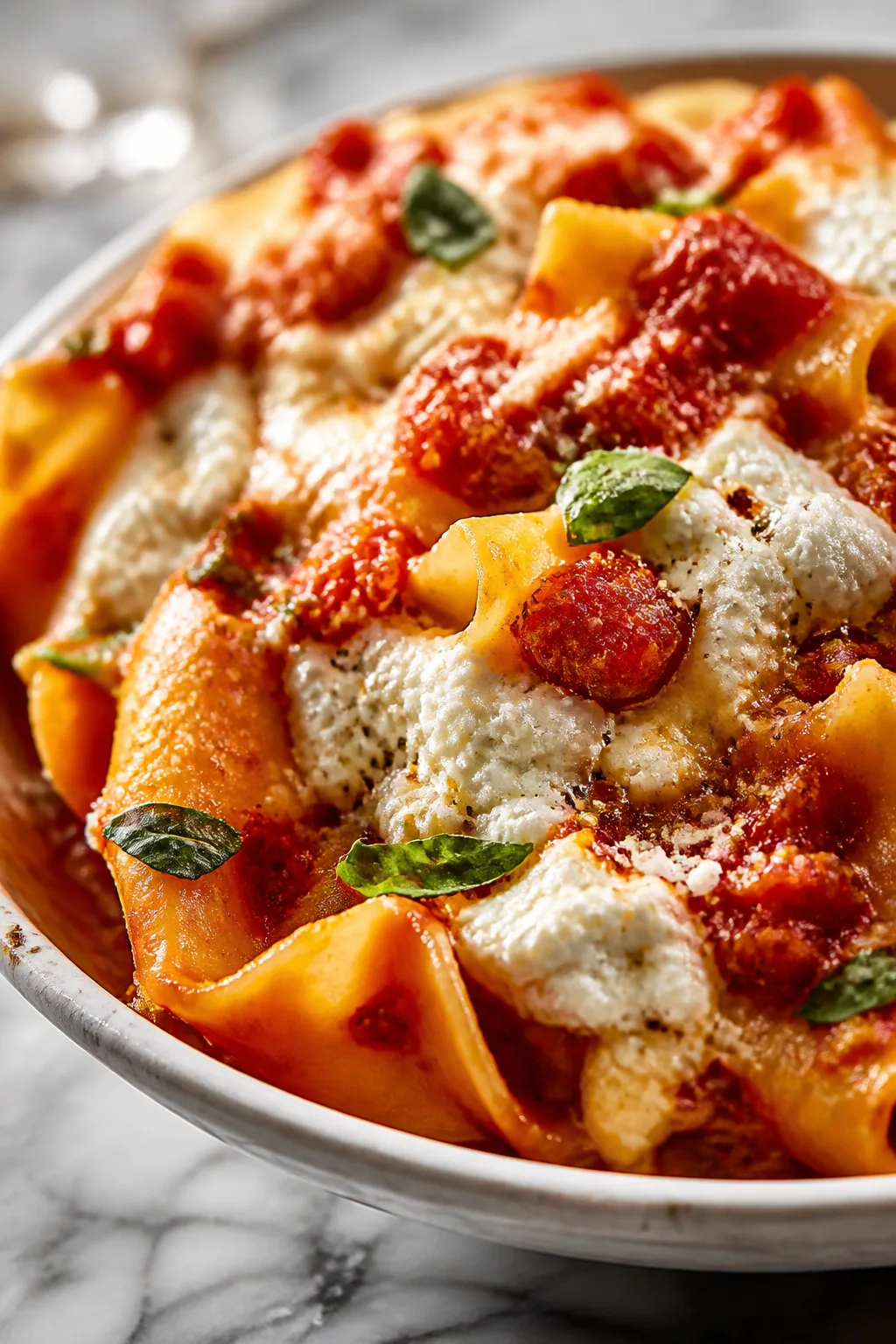
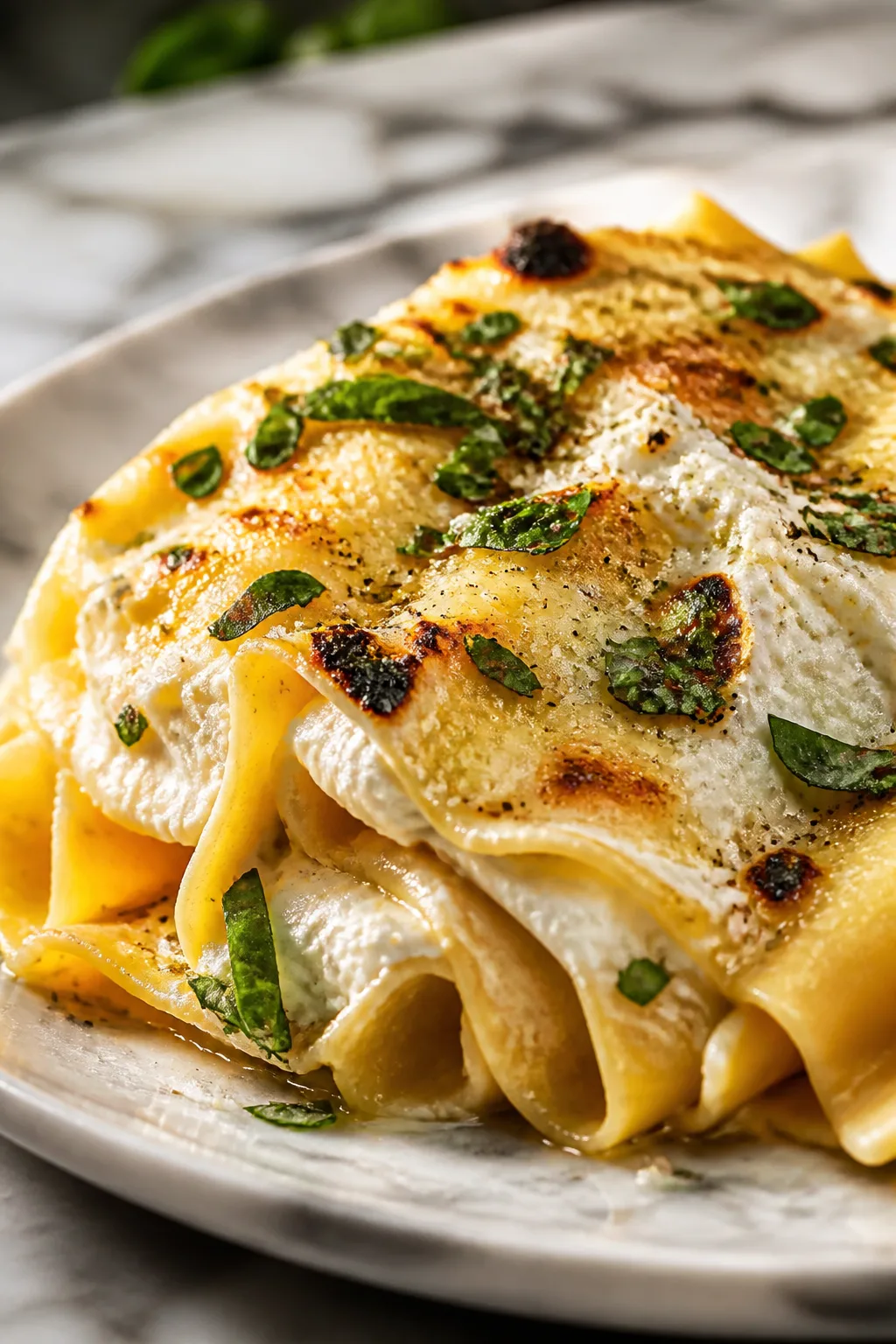
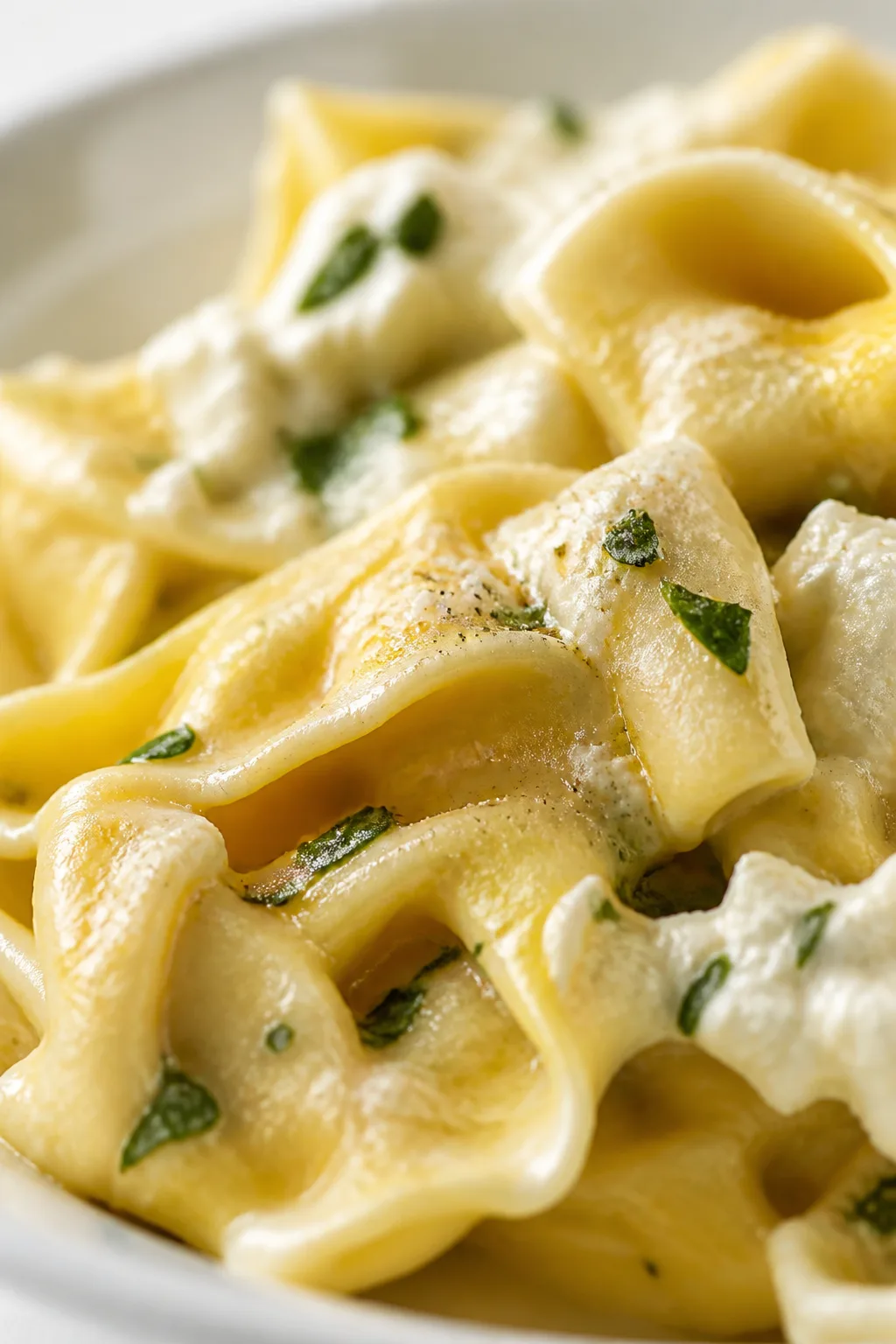
This ricotta pasta is pure comfort—super creamy and light thanks to fresh ricotta. It’s quick to whip up and perfect for cozy dinners when you want something simple but special.
Introduction
I first stumbled upon this creamy ricotta pasta recipe on a chilly evening when I wanted something comforting but easy. Most ricotta pasta dishes I tried before felt too heavy or bland, but this one hit the perfect balance — light, fluffy, and bursting with subtle lemon zest that lifts the whole dish. What I love about this version is how the ricotta is gently folded into the pasta water and Parmesan, creating a silky sauce without any cream. The trick I learned is to reserve some pasta water to loosen the sauce just enough so it clings beautifully to each strand. It’s a simple technique that transforms the dish from ordinary to restaurant-worthy. When you plate it up, the pasta looks glossy and inviting, with fresh basil adding a pop of color and freshness. This recipe has become my go-to for busy weeknights or when I want to impress friends without spending hours in the kitchen. Honestly, it tastes like a warm hug from Italy, and I’m sure you’ll love it as much as my family does.
How To Do It
Step 1
Bring a large pot of salted water to a boil and cook the pasta according to package instructions until just al dente. It’s important not to overcook here because the pasta will continue to cook slightly when you toss it with the sauce. Overcooked pasta can turn mushy and won’t hold the creamy ricotta sauce as well. Reserve about 1/4 cup of the pasta cooking water before draining—the starchy water helps create a silky sauce that clings perfectly to the noodles.
⏱ Time: 10
✓ Doneness: Pasta should be tender but still firm to the bite (al dente), not mushy or soft.
Step 2
While the pasta cooks, heat olive oil in a large skillet over medium heat. Add the minced garlic and sauté gently for 1-2 minutes until fragrant but not browned. Browning garlic too much can turn it bitter, so keep an eye on it and stir frequently. This step infuses the oil with garlic flavor, which will carry through the sauce and add depth to the ricotta’s mild creaminess.
⏱ Time: 2
✓ Doneness: Garlic should be golden and aromatic, without any burnt bits.
Step 3
Reduce heat to low and add the ricotta cheese to the skillet. Stir gently to warm it through—don’t rush or increase the heat too much, or the ricotta might curdle. The goal is to create a warm, creamy base that will coat the pasta. Slowly add the reserved pasta water a little at a time while stirring to loosen the ricotta into a smooth sauce. This step is crucial for achieving that silky, luscious texture.
⏱ Time: 3
✓ Doneness: The ricotta sauce should be smooth and creamy without lumps.
Step 4
Add the cooked pasta directly into the skillet with the ricotta sauce. Toss gently but thoroughly to combine, ensuring every strand is coated. Use tongs or a pasta fork to lift and mix the noodles carefully, which helps the sauce cling evenly. If the sauce feels too thick, add a splash more of the reserved pasta water until it reaches your desired consistency.
⏱ Time: 2
✓ Doneness: Pasta should be evenly coated with a glossy, creamy sauce.
Step 5
Stir in the grated Parmesan cheese and lemon zest. The Parmesan adds a salty, nutty depth that balances the mild ricotta, while the lemon zest brightens the whole dish with fresh citrus notes. Taste and season with salt and freshly ground black pepper as needed. Remember, Parmesan is salty, so add salt gradually to avoid over-seasoning.
⏱ Time: 3
✓ Doneness: Cheese is melted and incorporated; sauce has a lively, fresh aroma from lemon.
Step 6
Remove the skillet from heat and let the pasta rest for a minute or two. This allows the sauce to thicken slightly and cling better to the noodles. If you serve it immediately, the sauce can be a bit loose, but a short rest helps it set to the perfect consistency.
⏱ Time: 2
✓ Doneness: Sauce thickens slightly but remains creamy and smooth.
Step 7
Divide the pasta among plates and garnish with fresh basil leaves. The basil adds a fresh herbal note and a pop of vibrant green color that makes the dish look as good as it tastes. If you like, drizzle a little extra virgin olive oil on top for added richness.
⏱ Time: 1
✓ Doneness: Final dish looks inviting with fresh herbs and glossy sauce.
Step 8
Serve immediately while warm and creamy. This pasta is best enjoyed fresh because the ricotta sauce can thicken and lose its silkiness when cooled. Pair it with a crisp green salad or crusty bread to soak up every bit of that luscious sauce.
⏱ Time: 1
✓ Doneness: Pasta is warm and sauce is creamy, with no separation.
Step 9
If you want to add a bit of protein or veggies, consider tossing in sautéed mushrooms, grilled chicken, or steamed asparagus during step 4. These additions add texture and flavor but keep the essence of the creamy ricotta intact.
⏱ Time: 5
✓ Doneness: Add-ins are tender and well integrated without overpowering the sauce.
Variations
Mushroom and Spinach Ricotta Pasta
Sauté sliced mushrooms and fresh spinach with garlic before adding ricotta sauce. This adds earthiness and a pop of green, making the dish heartier and more colorful. The spinach wilts perfectly into the creamy sauce for added nutrition.
Note: Add mushrooms first and cook until browned, then toss in spinach last until just wilted to avoid soggy greens.
Lemon Herb Ricotta Pasta with Thyme and Parsley
Enhance the lemon zest with fresh thyme and chopped parsley for a fragrant, herbaceous twist. These herbs add complexity and freshness, perfect for spring or summer dinners.
Note: Add herbs off heat to preserve their bright flavor and avoid bitterness.
Spicy Ricotta Pasta with Red Pepper Flakes
For those who like a kick, sprinkle red pepper flakes into the garlic oil before adding ricotta. This adds warmth and depth without overpowering the creamy sauce.
Note: Adjust chili flakes to taste and add gradually to prevent the dish from becoming too spicy.
Ricotta Pasta with Roasted Cherry Tomatoes
Roast cherry tomatoes with olive oil, salt, and pepper until blistered and sweet. Toss them into the pasta for bursts of acidity and color that contrast beautifully with the creamy ricotta.
Note: Roast tomatoes at 400°F for 15-20 minutes until soft but still holding shape.
Creamy Ricotta Pasta with Grilled Chicken
Add sliced grilled chicken breast for protein and a smoky flavor. This variation turns the pasta into a satisfying main course that’s still light and creamy.
Note: Grill chicken separately and add just before serving to keep it juicy.
Pro Tips
Always reserve some pasta cooking water before draining.
The starchy water helps emulsify the ricotta and Parmesan into a smooth sauce that clings well to the pasta. Without it, the sauce can be too thick or separate. This simple step transforms the texture completely.
Warm the ricotta gently over low heat instead of high heat.
High heat can cause ricotta to curdle and separate, ruining the creamy texture. Slow warming keeps it silky and fluffy, ensuring the sauce is smooth and luscious.
Use freshly grated Parmesan for the best melting and flavor.
Pre-grated Parmesan often contains anti-caking agents that inhibit melting and can make the sauce grainy. Freshly grated cheese melts smoothly and adds a rich, nutty depth.
Don’t skip the lemon zest—it adds essential brightness.
Lemon zest cuts through the richness of the cheese and oil, balancing the flavors. It prevents the dish from tasting too heavy or flat.
Toss pasta and sauce off the heat to avoid overcooking.
Continuing to heat pasta with cheese can cause the sauce to thicken too much or separate. Tossing off heat preserves the perfect creamy consistency.
Use a pasta fork or tongs to gently toss the noodles.
This helps coat each strand evenly without breaking the pasta or clumping the sauce, ensuring every bite is flavorful and silky.
Serve immediately for the best texture and flavor.
Ricotta sauce thickens as it cools and can lose its glossy, creamy appeal. Eating it fresh keeps it light and indulgent.
Common Mistakes to Avoid
Overcooking the pasta
Why it happens Many cooks assume pasta should be very soft, but overcooking leads to mushy noodles that don’t hold sauce well.
Fix Cook pasta al dente according to package instructions. Test a strand a minute before the recommended time to ensure it’s firm to the bite. This helps maintain texture and prevents the dish from becoming gluey.
Adding ricotta to very hot pan
Why it happens Rushing to melt ricotta over high heat can cause curdling because the cheese proteins tighten and separate.
Fix Lower the heat before adding ricotta and warm it gently. Stir slowly and add pasta water gradually to create a smooth sauce without lumps.
Skipping the pasta water
Why it happens Some believe the sauce will be fine without it, but this water is key for emulsification.
Fix Always reserve and add pasta water in small amounts to loosen the sauce, creating a silky texture that clings to noodles.
Using pre-grated Parmesan
Why it happens Convenience leads cooks to use pre-grated cheese, unaware it contains additives that affect melting.
Fix Grate Parmesan fresh to ensure it melts smoothly and adds authentic flavor and texture.
Not seasoning properly
Why it happens Since ricotta is mild, some shy away from adding enough salt or pepper, resulting in bland pasta.
Fix Season gradually, tasting as you go. Remember Parmesan adds salt, so balance seasoning carefully for a flavorful dish.
Nutrition
Per Serving:
Nutritional values are estimates and may vary based on specific ingredients used.
Storage & Tips
Room Temperature
This pasta should not be left at room temperature for more than 2 hours to avoid bacterial growth. Cover it loosely if you plan to serve within that time but best to eat immediately.
Refrigerator
Store leftover pasta in an airtight container in the refrigerator for up to 3 days. The sauce may thicken and lose some creaminess when cold. Reheat gently to restore texture.
Freezer
Freezing is not recommended as ricotta sauces tend to separate upon thawing, making texture grainy and watery.
Reheating
Reheat leftovers gently on the stovetop over low heat, adding a splash of water or milk to loosen the sauce. Avoid microwaving at high power to prevent curdling.
Make Ahead
You can cook the pasta and prepare the ricotta sauce separately up to 1 day ahead. Keep them refrigerated separately and combine just before reheating and serving for best results.
FAQ
Can I use low-fat ricotta for this recipe?
You can, but low-fat ricotta tends to be less creamy and more watery, which may affect the sauce’s texture and richness. For best results, use whole-milk or fresh ricotta to keep the sauce silky and flavorful.
What’s the best pasta shape for ricotta sauce?
Long, flat noodles like fettuccine or linguine work best because they hold the creamy sauce well. Short shapes like penne can be used but may not coat as evenly.
Can I add cream to make the sauce richer?
Adding cream is optional but not necessary. The ricotta combined with pasta water and Parmesan creates a rich, creamy texture naturally. Cream might make it heavier and mask the fresh ricotta flavor.
How do I prevent the ricotta sauce from curdling?
Warm the ricotta slowly over low heat and avoid boiling. Adding pasta water gradually and stirring gently helps maintain a smooth texture without separation.
Can this recipe be made vegan?
You can try substituting ricotta with a plant-based alternative like cashew cream and use nutritional yeast instead of Parmesan. However, texture and flavor will differ from the original recipe.
Is it okay to prepare this pasta ahead of time?
You can prep components separately but it’s best to toss pasta and sauce together right before serving. This preserves the sauce’s creamy texture and prevents it from thickening too much.
What can I serve alongside this ricotta pasta?
A crisp green salad, garlic bread, or roasted vegetables complement this dish well, balancing the creamy richness with freshness or crunch.
How can I add more protein to this dish?
Grilled chicken, sautéed shrimp, or crispy pancetta are great options to add protein without overpowering the ricotta’s delicate flavor.
Final Thoughts
I hope you try this creamy ricotta pasta soon—it’s become a favorite in my kitchen for good reason! Don’t forget to share how yours turns out, I’d love to hear.