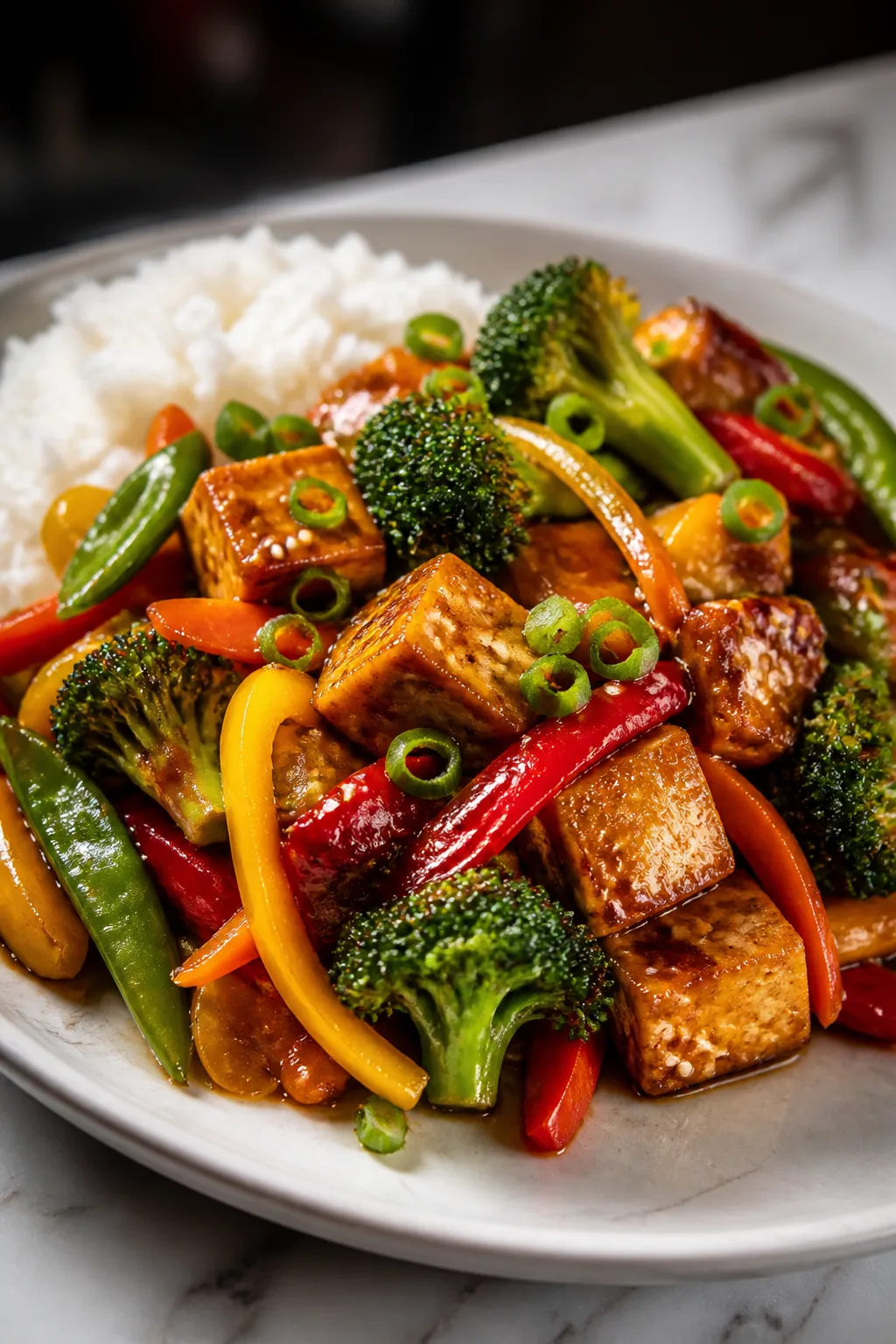
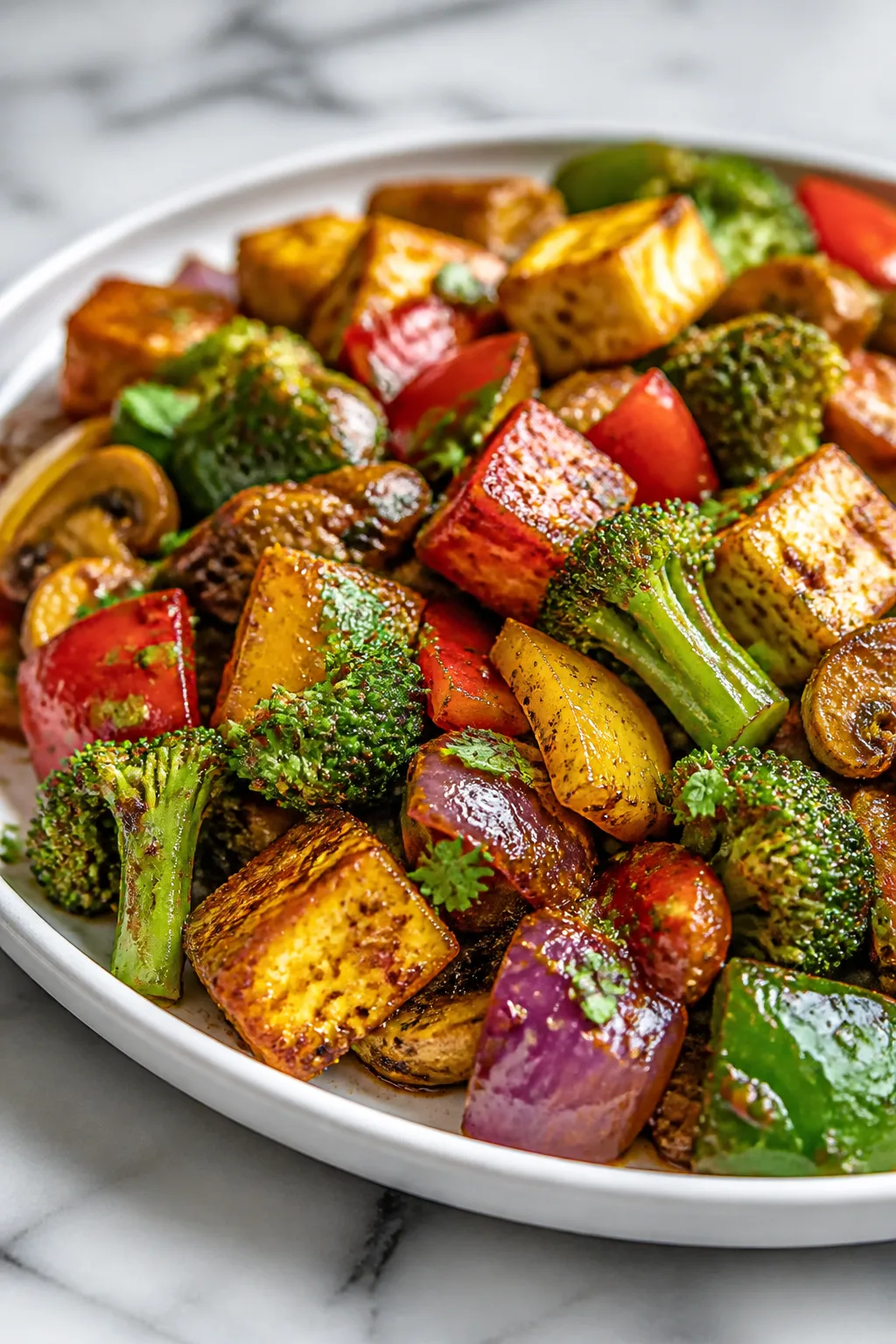
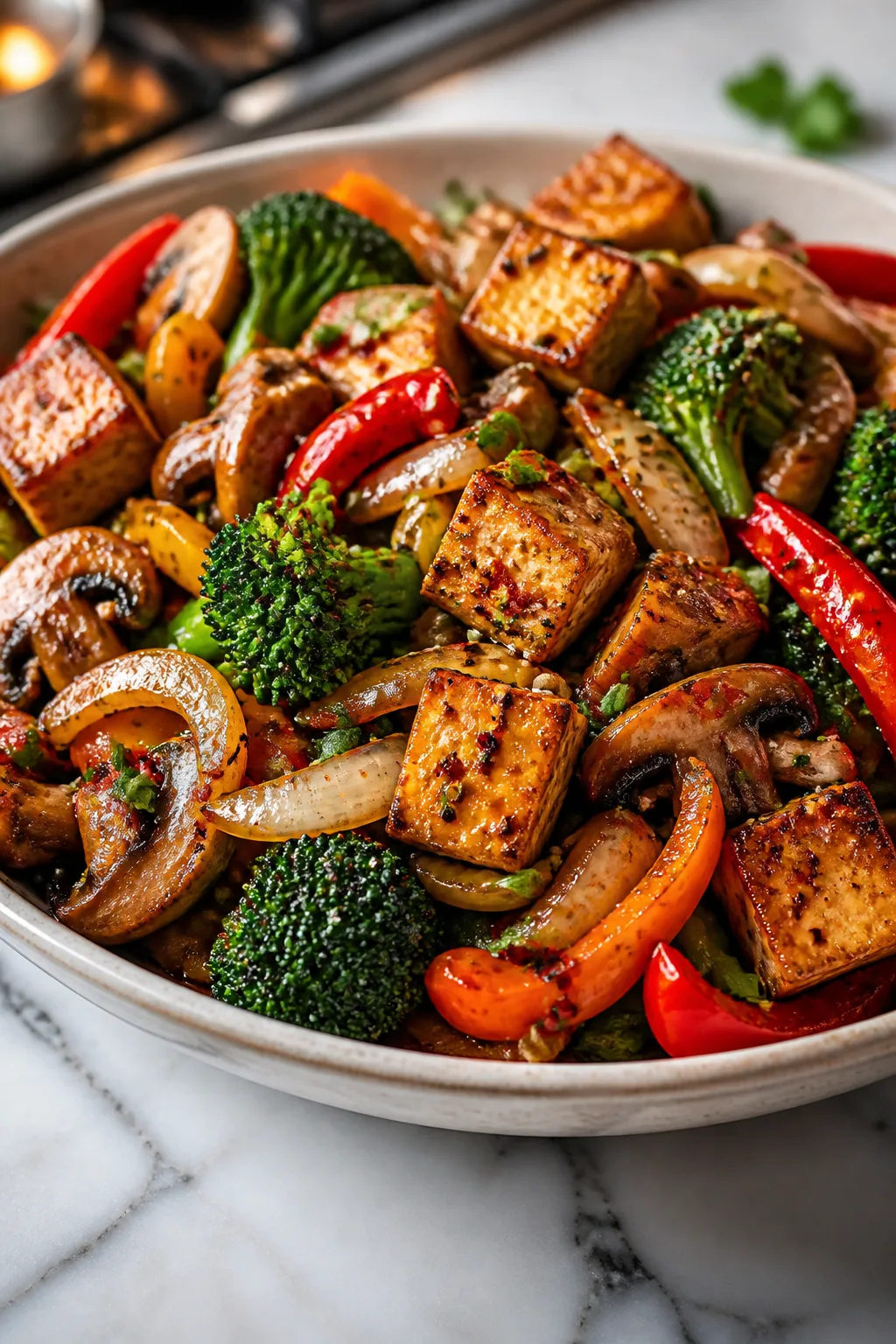
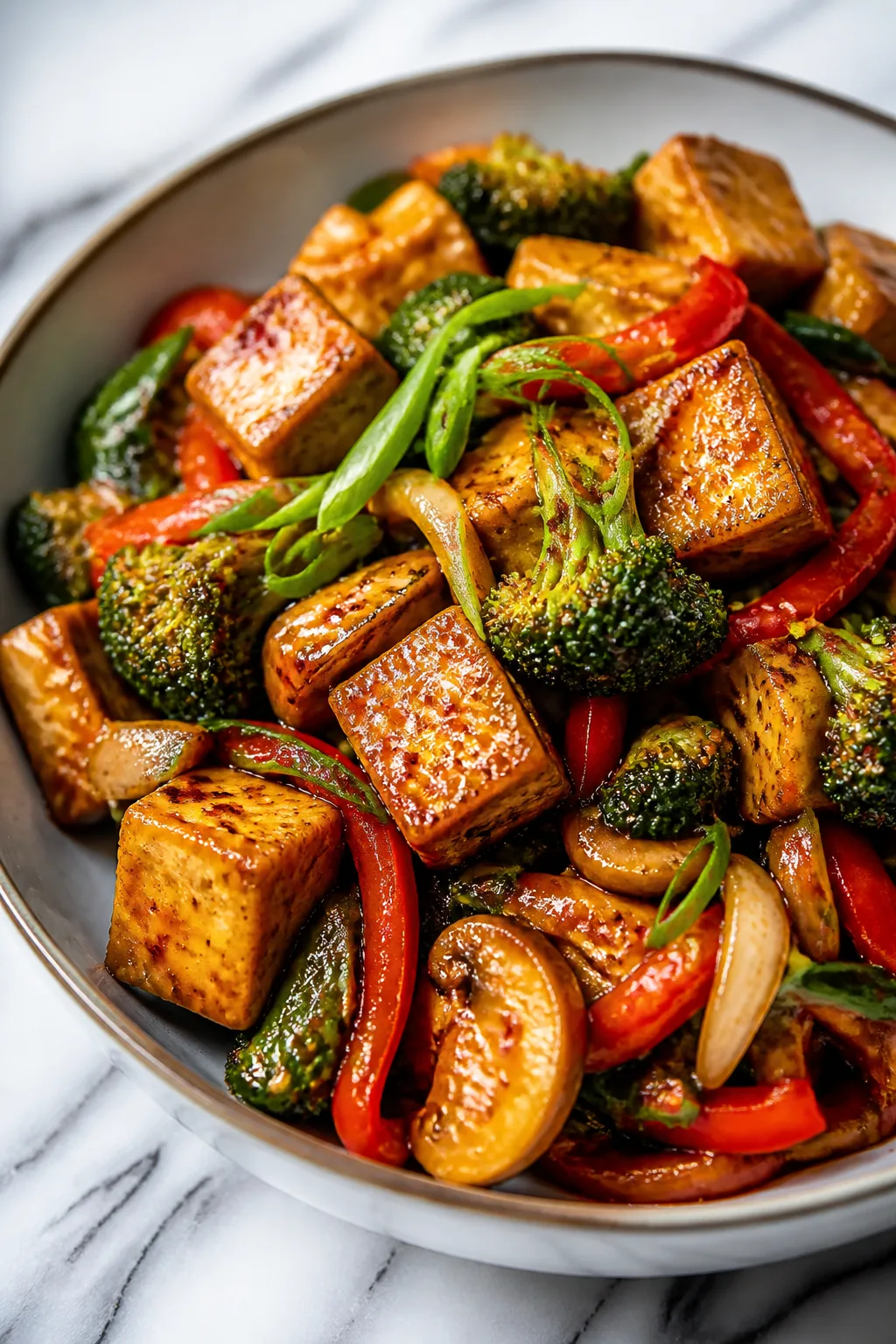
This vegan stir fry is my quick fix for busy nights—loaded with crisp veggies and a sauce that really wakes up the flavors. It’s super satisfying and ready in under 30 minutes. Perfect for a comforting dinner any day!
Introduction
I first stumbled upon this vegan stir fry recipe when I was looking for a quick, no-fuss dinner that felt satisfying without hours in the kitchen. What I love about this version is how fresh, crisp veggies meet a perfectly balanced, savory-sweet sauce that really brings everything to life. Unlike some stir fries that can get soggy or bland, this one stays vibrant and flavorful because of a few simple tricks I've picked up over time. For example, cooking the rice separately and letting it rest ensures it’s fluffy and not mushy. Also, tossing the veggies in a hot pan with just the right amount of oil keeps them tender-crisp, which I think makes all the difference. The ginger and garlic combo adds a nice punch, while the maple syrup gives just a touch of sweetness without overpowering the dish. When it’s all done, you get this colorful, comforting bowl that’s perfect for a cozy weeknight dinner or even meal prep. Honestly, my family always asks for seconds, and it’s become a staple when I want something fast but wholesome. If you’re new to vegan cooking or just want a reliable, tasty stir fry, this recipe will quickly become your go-to.
How To Do It
Step 1
Start by cooking the jasmine rice according to package instructions. Use a fine mesh sieve to rinse the rice under cold water until the water runs clear—this removes excess starch for fluffier grains. Then, combine the rinsed rice with 1 1/4 cups of water in a pot, bring to a boil, then reduce to a simmer and cover tightly. Let it cook undisturbed for about 15 minutes. Avoid lifting the lid during this time, as trapped steam is what finishes cooking the rice perfectly. Once done, remove from heat and let it sit covered for another 5 minutes to absorb any remaining moisture.
⏱ Time: 20 minutes
✓ Doneness: Rice grains are tender but separate, with no excess water visible
Step 2
While the rice cooks, prep all your veggies: thinly slice the bell pepper, julienne the carrot, trim the snap peas, and cut broccoli into small florets. Having everything ready upfront is key because stir frying happens quickly. This mise en place prevents overcooking and ensures the veggies stay crisp and colorful.
⏱ Time: 10 minutes
✓ Doneness: All vegetables are prepped evenly and ready to toss in the pan
Step 3
Heat 2 tablespoons of vegetable oil in a large skillet or wok over medium-high heat until shimmering. Add the minced garlic and grated ginger, stirring constantly for about 30 seconds until fragrant but not browned. This step infuses the oil with flavor, which will coat the vegetables and sauce later. Watch closely since garlic can burn quickly and turn bitter.
⏱ Time: 1 minute
✓ Doneness: Aromatic garlic and ginger scent fills the kitchen without any browning
Step 4
Add the broccoli florets and carrot first, as they take the longest to cook. Stir-fry for about 3-4 minutes, tossing frequently to cook evenly but keep them crisp. The goal is tender-crisp veggies, not mushy. If your pan isn’t hot enough, you’ll end up steaming instead of stir-frying, which changes texture.
⏱ Time: 4 minutes
✓ Doneness: Broccoli is bright green and tender but still firm; carrots are slightly softened
Step 5
Next, toss in the bell pepper and snap peas. Stir-fry for another 2-3 minutes until they soften slightly but retain some crunch. These veggies cook faster, so adding them later prevents overcooking. Keep stirring to ensure everything cooks evenly and doesn’t stick or burn.
⏱ Time: 3 minutes
✓ Doneness: Bell peppers look glossy but still vibrant; snap peas have a slight snap when bitten
Step 6
While the veggies cook, whisk together the sauce ingredients in a small bowl: soy sauce, maple syrup, rice vinegar, toasted sesame oil, and crushed red pepper flakes if using. This balance of salty, sweet, tangy, and spicy flavors is the heart of the dish and ties everything together beautifully.
⏱ Time: 2 minutes
✓ Doneness: Sauce is well combined and glossy
Step 7
Pour the sauce over the stir-fried veggies and toss quickly to coat everything evenly. Cook for an additional 1-2 minutes so the sauce slightly thickens and clings to the vegetables. Stirring constantly prevents burning and helps the sauce integrate with the veggies for maximum flavor.
⏱ Time: 2 minutes
✓ Doneness: Sauce has thickened slightly and veggies are glossy and coated
Step 8
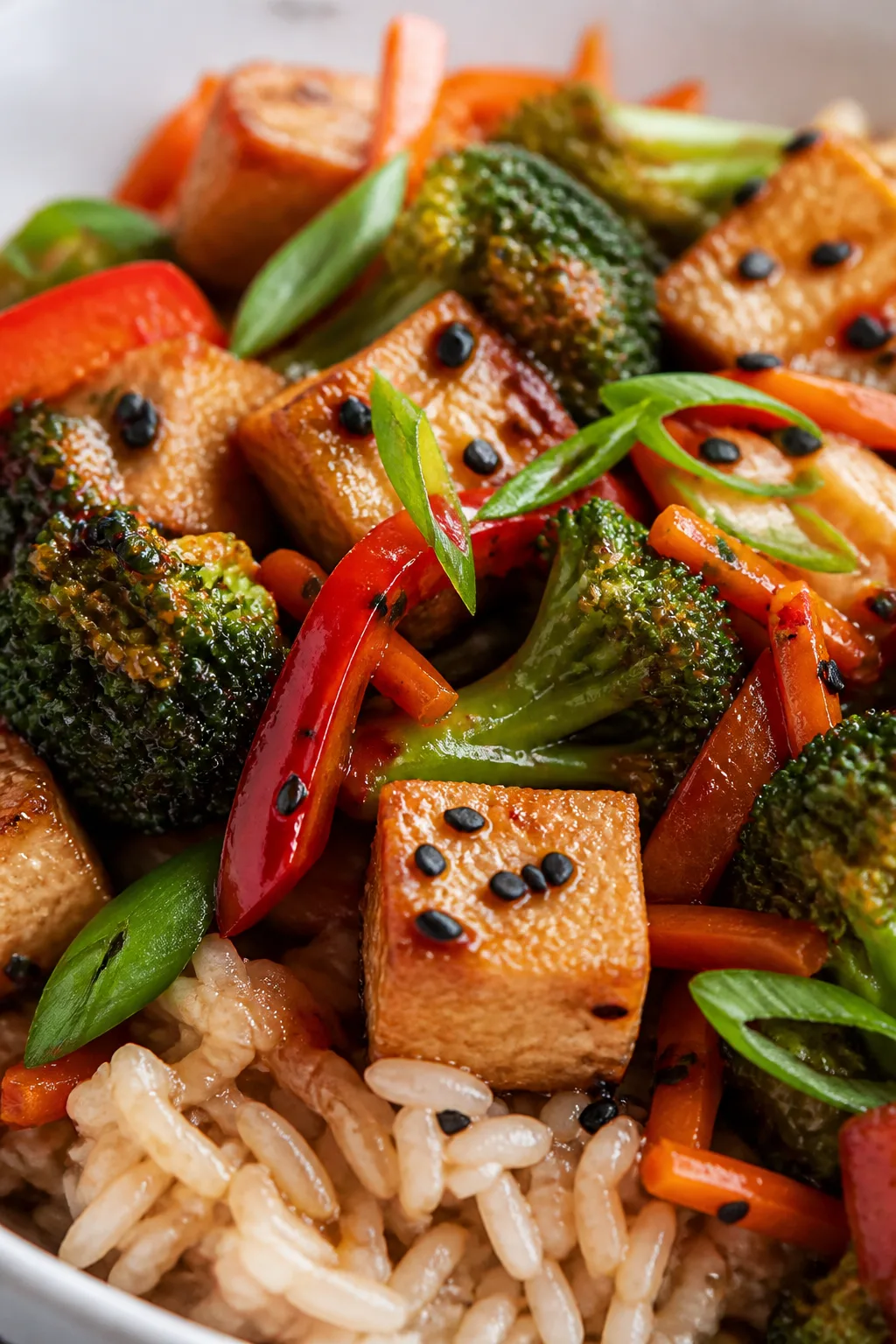
Fluff the cooked rice with a fork and divide it among plates or bowls. Spoon the saucy veggies on top and sprinkle with sliced green onions and toasted sesame seeds for a bit of crunch and fresh bite. These finishing touches add texture contrast and elevate the dish visually and flavor-wise.
⏱ Time: 3 minutes
✓ Doneness: Rice is fluffy and veggies glisten with sauce, garnished attractively
Step 9
Serve immediately while warm. This stir fry is best fresh to enjoy the crisp veggies and vibrant sauce. If needed, you can prepare all components ahead but reheat gently on the stove with a splash of water to avoid drying out or overcooking.
⏱ Time: 1 minute
✓ Doneness: Dish is hot, fresh, and ready to eat
Variations
Spicy Peanut Vegan Stir Fry
Add 2 tablespoons of peanut butter to the sauce and a splash of sriracha for a creamy, spicy twist. Swap maple syrup with honey or agave if preferred. This version adds richness and a kick, perfect for peanut lovers.
Note: Peanut butter thickens the sauce, so reduce cooking time slightly to avoid burning.
Tofu Boosted Vegan Stir Fry
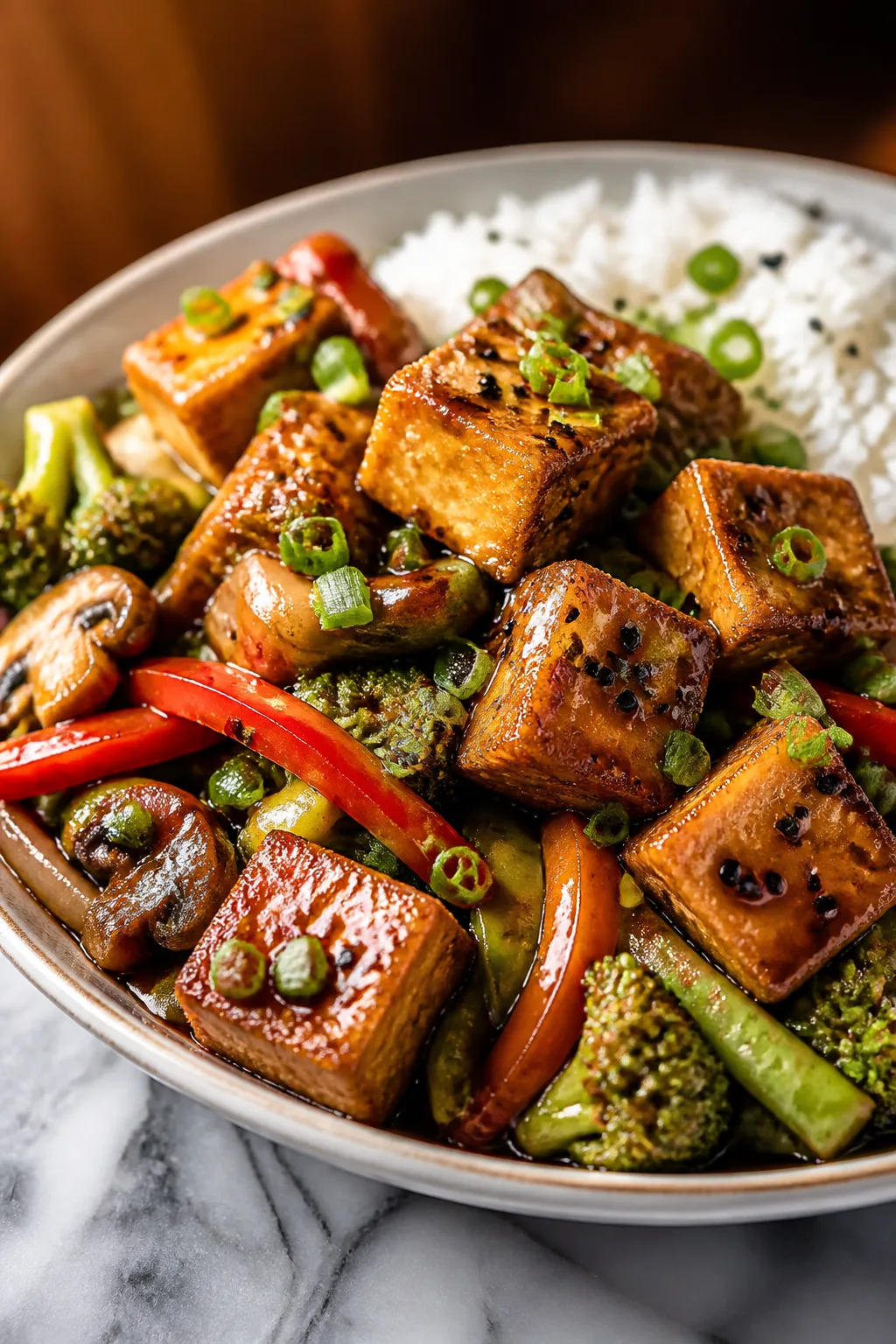
Add firm tofu cubes for extra protein. Press tofu well, then pan-fry until crispy before tossing with veggies and sauce. This adds heartiness and texture to the dish, making it more filling.
Note: Cook tofu separately to get a golden crust without steaming it with the veggies.
Low Sodium Vegan Stir Fry
Use low-sodium soy sauce and reduce added salt. Add more fresh herbs like cilantro or basil for flavor depth. This keeps the dish heart-healthy without sacrificing taste.
Note: Adjust cooking time for sauce reduction as lower salt affects thickening.
Brown Rice Vegan Stir Fry
Swap jasmine for brown rice for a nuttier flavor and more fiber. Cook brown rice ahead as it takes longer. This makes the meal more wholesome and filling.
Note: Brown rice requires longer cooking and more water; plan prep accordingly.
Sweet and Sour Vegan Stir Fry
Add pineapple chunks and increase rice vinegar for a tangy-sweet flavor. Substitute maple syrup with brown sugar for a classic sweet and sour profile. Great for a tropical twist.
Note: Add pineapple at the end to avoid overcooking and maintain its texture.
Pro Tips
Rinse your rice thoroughly before cooking.
Rinsing removes surface starch, which prevents the rice from becoming gummy or clumping together. This step ensures fluffy, separate grains that complement the stir fry perfectly. Skipping this can result in a sticky, heavy base that detracts from the dish’s texture.
Prep all vegetables before heating the pan.
Stir frying happens quickly, so having everything ready prevents overcooking or burning. This technique, called mise en place, lets you add ingredients in the correct order for even cooking and preserves the fresh crunch of each vegetable.
Use a hot pan and high smoke point oil.
A hot pan sears the vegetables quickly, locking in flavor and texture. Oils with high smoke points like vegetable oil withstand this heat without burning, which is crucial to avoid bitter flavors and maintain the integrity of the dish.
Cook dense veggies first, then add quicker-cooking ones later.
Different vegetables require different cooking times. Adding them in stages prevents some from becoming mushy while others remain raw, ensuring every bite has perfect texture and flavor balance.
Don’t skip the sauce resting time after tossing.
Allowing the sauce to slightly thicken while coating the vegetables intensifies flavor and helps it cling better. Rushing this step results in a watery dish where the sauce doesn’t meld well with the ingredients.
Add garnishes like green onions and sesame seeds last.
These fresh toppings add contrast in texture and a burst of flavor that brightens the dish. Adding them too early causes them to wilt or lose crunch, diminishing their impact.
Serve the stir fry immediately after cooking.
The dish tastes best fresh while the vegetables are crisp and sauce is vibrant. Waiting too long causes sogginess and loss of that fresh, lively texture that makes this meal so satisfying.
Common Mistakes to Avoid
Overcrowding the pan.
Why it happens People often try to cook all the veggies at once to save time, but this lowers the pan temperature, causing steaming instead of stir frying.
Fix Cook in batches if needed, ensuring the pan stays hot. This keeps vegetables crisp and prevents them from becoming soggy or mushy.
Skipping rinsing the rice.
Why it happens It’s easy to overlook rinsing, especially when in a hurry, but this step is crucial for texture.
Fix Always rinse rice under cold water until clear to remove starch. This results in fluffy, separate grains rather than sticky clumps.
Burning the garlic and ginger.
Why it happens Garlic and ginger cook quickly and can burn if the heat is too high or if left unattended.
Fix Add them to oil on medium heat and stir constantly just until fragrant. Remove from heat if they start to brown.
Adding all vegetables at once.
Why it happens Different veggies cook at different speeds, so adding them together leads to uneven cooking.
Fix Add dense vegetables like broccoli first, then quicker-cooking ones like bell peppers last to maintain texture.
Not letting the rice rest after cooking.
Why it happens Removing the rice from heat immediately and serving can leave it gummy or wet.
Fix Let the rice sit covered off heat for 5 minutes to absorb steam and finish cooking evenly.
Nutrition
Per Serving:
Nutritional values are estimates and may vary based on specific ingredients used.
Storage & Tips
Room Temperature
This stir fry can be left at room temperature for up to 2 hours if covered loosely to avoid contamination. Beyond that, bacteria growth becomes a risk.
Refrigerator
Store leftovers in an airtight container in the fridge for up to 3 days. The veggies may soften slightly, so reheat gently on the stove or microwave with a splash of water to refresh the texture.
Freezer
Freeze in a sealed container for up to 1 month. To prevent freezer burn, wrap tightly with plastic wrap before placing in freezer bag. Thaw overnight in the fridge before reheating.
Reheating
Reheat on the stovetop over medium heat with a splash of water or broth to loosen the sauce. Avoid microwaving too long to prevent soggy vegetables. Stir frequently until heated through.
Make Ahead
Cook the rice and prep all vegetables up to 1 day ahead, storing separately. Assemble and stir fry the veggies just before serving for best freshness and texture.
FAQ
Can I use other types of rice for this stir fry?
Absolutely! While jasmine rice is ideal for its aroma and texture, you can use basmati, brown rice, or even quinoa. Just adjust cooking times accordingly—brown rice takes longer to cook, so plan ahead.
What if I don’t have maple syrup? Can I substitute it?
Yes, you can use agave nectar, honey (if not strictly vegan), or brown sugar as alternatives. Each will slightly change the flavor profile, but they all provide the necessary sweetness to balance the sauce.
How do I keep the veggies crisp and not soggy?
The key is cooking on high heat and adding veggies in stages based on their cooking times. Avoid overcrowding the pan so the heat stays high and veggies sear instead of steam.
Can I prepare this recipe ahead of time?
You can prep rice and chop veggies a day in advance. Store them separately in the fridge and stir fry just before serving to keep the veggies fresh and crisp.
Is there a gluten-free option for the soy sauce?
Yes, tamari or coconut aminos are great gluten-free substitutes. They maintain a similar flavor profile and work well in the sauce without compromising taste.
Can I add protein to this dish?
Definitely! Firm tofu, tempeh, or edamame are excellent vegan protein options. Cook them separately to get a nice texture before mixing with the veggies.
What if I want it spicier?
Add crushed red pepper flakes to the sauce or drizzle sriracha over the finished dish. Start small—you can always add more to suit your heat preference.
How do I prevent the garlic from burning?
Add garlic to hot oil on medium heat and stir constantly. Remove from heat if it starts to brown too quickly, as burnt garlic tastes bitter.
Final Thoughts
Give this vibrant vegan stir fry a try—it's quick, tasty, and comforting. I’d love to hear how it turns out for you, so don’t forget to share your thoughts!