These quick Easter dishes bring vibrant, fresh flavors to your table without the stress. Using simple, fresh ingredients and easy techniques, they’re perfect for last-minute hosting or casual family meals.
Introduction
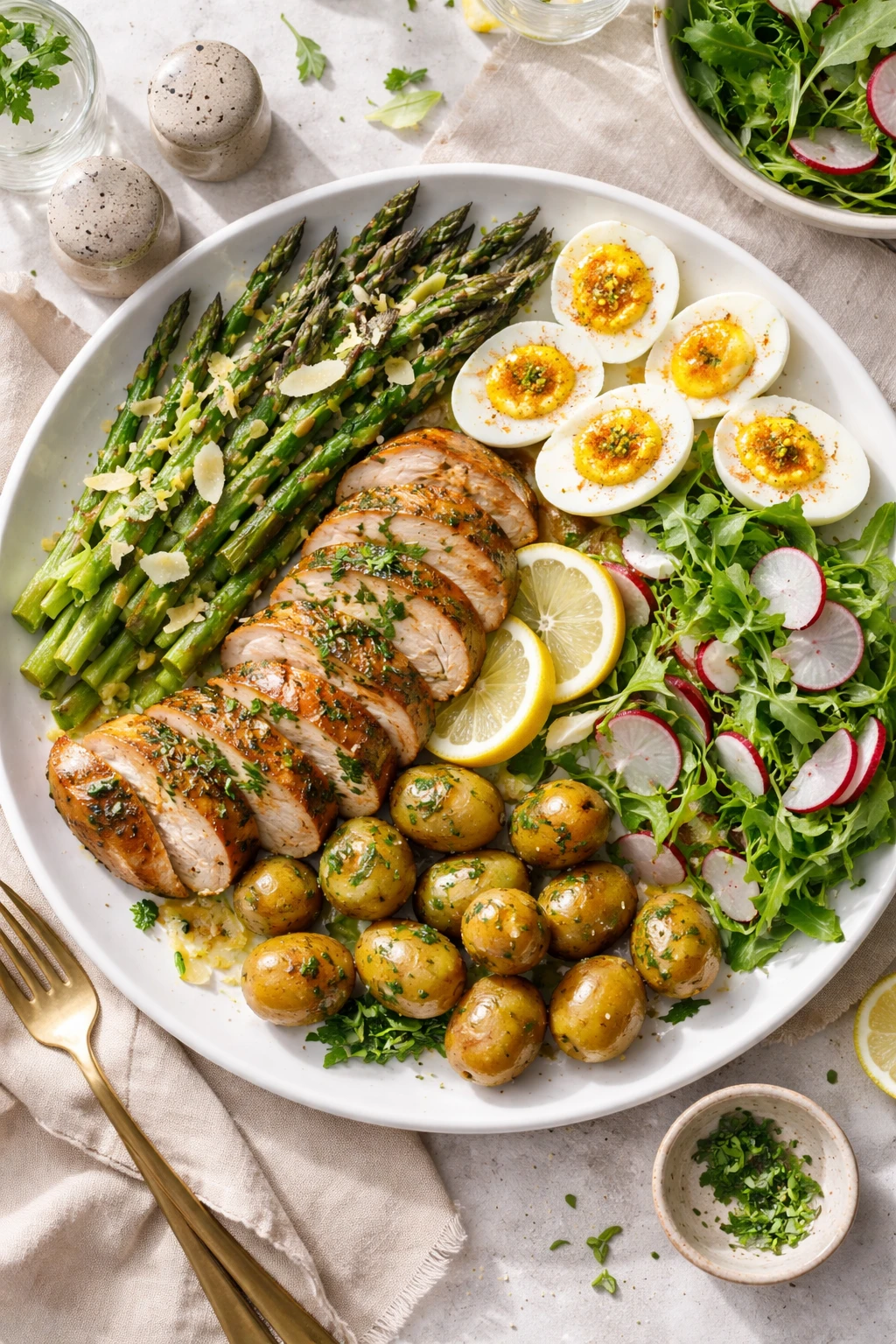
I first put this quick Easter menu together when I realized that not every holiday needs to mean hours in the kitchen. I wanted something fresh and vibrant but fast enough to whip up even if I started late in the day. What I love about this menu is how the lemon and fresh basil brighten the chicken and veggies, making it feel special without any fuss. Unlike heavier traditional dishes, this one feels light and lively on the palate but still satisfying. The trick I learned was to cook the chicken just right so it stays juicy and pair it with crisp asparagus that still has a little snap. It’s a balance of textures and flavors that makes this meal stand out. Plus, the Parmesan adds that little umami kick that ties everything together. When it’s all done, you have a colorful plate that looks like you spent hours, but really, it’s all about smart prep and fresh ingredients. Perfect for Easter or any time you want a bright, easy dinner.
How To Do It
Step 1
Start by heating 1 tablespoon of olive oil in a large skillet over medium-high heat. Once hot, add the sliced chicken breasts in a single layer without crowding. Cooking the chicken in one layer ensures even browning and helps seal in juices. Avoid moving the chicken too much so you get a nice golden crust. Cook for about 4-5 minutes on one side until golden, then flip and cook another 3-4 minutes until cooked through. Overcooking will dry the meat, so watch for a firm texture and no pink inside.
⏱ Time: 9
✓ Doneness: Chicken is golden brown on the outside and firm but juicy inside with no pink.
Step 2
Remove chicken from the skillet and set aside. Add the remaining tablespoon of olive oil, then toss in the minced garlic. Sauté for about 30 seconds until fragrant but not browned, as burnt garlic tastes bitter. Quickly add the asparagus pieces and cook for 4-5 minutes until tender-crisp. The asparagus should turn bright green and still have a slight snap. Adding cherry tomatoes in the last 2 minutes softens them just enough to release sweetness without losing their shape.
⏱ Time: 7
✓ Doneness: Asparagus is bright green and tender but still crisp; tomatoes are softened but intact.
Step 3
Return the chicken to the skillet with the veggies. Pour in the lemon juice and sprinkle lemon zest over everything. Stir gently to combine and heat through for 1-2 minutes. The lemon juice brightens the whole dish and helps meld the flavors. Make sure not to cook too long here or the chicken might dry out.
⏱ Time: 3
✓ Doneness: All ingredients are heated through, and the lemon scent is fresh and noticeable.
Step 4
Turn off the heat and sprinkle chopped fresh basil over the skillet. Toss lightly to distribute the herb’s fresh aroma and flavor. Basil adds a lovely peppery brightness that complements the lemon and garlic. Be gentle here to avoid bruising the leaves.
⏱ Time: 1
✓ Doneness: Fresh basil is evenly scattered and vibrant green without wilting.
Step 5
Plate the chicken and vegetables, then finish with a generous sprinkle of grated Parmesan cheese. The cheese melts slightly from the residual heat, adding a savory richness that balances the lemon and herbs. If you like, add a pinch more black pepper for a little extra kick.
⏱ Time: 2
✓ Doneness: Cheese is slightly melted and evenly distributed, adding a creamy texture.
Step 6
Serve immediately with crusty bread or over cooked quinoa or rice for a fuller meal. The fresh flavors and quick cooking make this dish ideal for a casual yet special holiday dinner. Leftovers can be reheated gently without losing much moisture.
⏱ Time: 0
✓ Doneness: Dish is plated attractively and ready to enjoy while hot.
Step 7
For an extra touch, drizzle a little good-quality extra virgin olive oil over the finished dish just before serving. This adds a silky mouthfeel and brightens the flavors further. It’s a simple step that elevates the whole meal.
⏱ Time: 1
✓ Doneness: Olive oil glistens lightly on the surface, enhancing the dish’s appeal.
Step 8
If you want to add a side salad, toss mixed greens with a lemon vinaigrette made from lemon juice, olive oil, salt, and pepper. This pairs perfectly with the chicken and veggies, keeping the meal light and fresh.
⏱ Time: 5
✓ Doneness: Salad leaves are crisp and coated evenly with a bright vinaigrette.
Step 9
Clean up as you go to keep your kitchen tidy and make the post-meal routine easier. Having a clear workspace helps maintain the relaxed vibe this meal is meant to inspire. Plus, it lets you enjoy your food without worrying about the mess.
⏱ Time: 0
✓ Doneness: Kitchen is clean and organized, ready for the next cooking adventure.
Variations
Garlic Butter Shrimp with Asparagus
Swap chicken for peeled shrimp and cook in garlic butter instead of olive oil. The shrimp cooks quickly and pairs beautifully with asparagus and lemon for a seafood twist. Expect a richer, buttery flavor and tender bite.
Note: Shrimp cooks faster than chicken; watch carefully to avoid overcooking and becoming rubbery.
Vegan Lemon Herb Stir-Fry
Replace chicken with firm tofu cubes and skip Parmesan. Use nutritional yeast for a cheesy flavor and add extra basil and lemon zest. This keeps the dish fresh and vibrant but plant-based, with a slightly different texture.
Note: Press tofu well to remove moisture before cooking to achieve a crisp exterior.
Roasted Spring Vegetable Medley
Instead of sautéing, roast asparagus, cherry tomatoes, and add baby carrots with olive oil, lemon, and herbs. The roasting intensifies sweetness and adds a pleasant caramelized flavor. Serve with grilled chicken or on its own.
Note: Roast at 425°F for 15-20 minutes until vegetables are tender and lightly browned.
Creamy Parmesan Lemon Pasta
Use the lemon, garlic, basil, and Parmesan to create a quick pasta sauce. Toss cooked pasta with olive oil, lemon juice, zest, basil, and cheese for a light, fresh dish perfect for Easter sides or main course.
Note: Reserve pasta water to loosen sauce and help it cling to noodles.
Herbed Quinoa Salad with Lemon Dressing
Serve the chicken and veggies over a bed of herbed quinoa tossed with lemon vinaigrette. This adds a nutty texture and extra protein, making the meal more filling and colorful.
Note: Cook quinoa according to package instructions and fluff with fork before mixing.
Pro Tips
Pat the chicken dry before cooking.
Removing excess moisture helps the chicken brown properly instead of steaming. This Maillard reaction creates flavorful crust and locks in juices, making the chicken tender and tasty.
Don’t overcrowd the pan when searing chicken.
Crowding lowers pan temperature and causes uneven cooking and steaming rather than browning. Cook in batches if needed to maintain high heat and develop that golden crust.
Add garlic last when sautéing vegetables.
Garlic burns quickly and turns bitter. Adding it last and cooking briefly releases its aroma without overpowering or ruining the dish.
Cook asparagus until just tender-crisp.
Overcooked asparagus becomes mushy and loses vibrant color and fresh flavor. Tender-crisp maintains texture contrast and visual appeal.
Use fresh lemon zest and juice for brightness.
Fresh lemon adds acidity and aroma that brighten the dish. Bottled lemon juice lacks the essential oils in zest and tastes flat.
Add fresh basil at the end of cooking.
Basil’s flavor is delicate and fades with heat. Adding it last preserves its fresh aroma and bright flavor.
Serve immediately for best texture and flavor.
This dish tastes best hot and fresh. Waiting too long causes veggies to soften and chicken to dry out.
Common Mistakes to Avoid
Overcooking the chicken
Why it happens It’s easy to keep cooking chicken to be ‘sure’ it’s done, but this dries it out and makes it tough.
Fix Use a timer and check for doneness early by cutting into the thickest part. Chicken should be firm but still juicy with no pink inside. Remove it from heat as soon as it’s cooked through.
Burning the garlic
Why it happens Garlic cooks quickly and can burn if left unattended or cooked at too high heat.
Fix Add garlic last when sautéing and stir constantly. Cook just until fragrant, about 30 seconds, then add other ingredients right away.
Crowding the pan when searing chicken
Why it happens Trying to cook all chicken at once lowers pan temperature and causes steaming instead of browning.
Fix Cook chicken in batches if needed to keep pan hot and get a golden crust on each piece.
Overcooking asparagus
Why it happens Cooking asparagus too long makes it mushy and dulls its color and flavor.
Fix Cook just until bright green and tender-crisp, about 4-5 minutes. Test by piercing with a fork.
Adding basil too early
Why it happens Basil loses flavor and turns bitter if cooked too long.
Fix Add fresh basil off heat at the end to keep its bright, fresh taste.
Nutrition
Per Serving:
Nutritional values are estimates and may vary based on specific ingredients used.
Storage & Tips
Room Temperature
This dish can safely sit out for up to 2 hours if covered to prevent contamination. After that, it should be refrigerated to avoid spoilage.
Refrigerator
Store leftovers in an airtight container for up to 3 days. The chicken may firm up and veggies soften when cold, so reheat gently to restore texture and flavor.
Freezer
Freeze cooked chicken and vegetables in a sealed container or freezer bag for up to 2 months. Wrap tightly to prevent freezer burn. Thaw overnight in the fridge before reheating.
Reheating
Reheat gently on the stovetop over low heat adding a splash of water or olive oil to prevent drying out. Microwave on medium power in short bursts, stirring in between to heat evenly.
Make Ahead
You can prep and slice the chicken and chop vegetables 1-2 days ahead, storing them separately in the fridge. Cook everything fresh on the day for best texture and flavor.
FAQ
Can I use chicken thighs instead of breasts?
Absolutely! Chicken thighs are juicier and more forgiving if slightly overcooked. Just adjust cooking time as thighs may take a bit longer to cook through. They also add a richer flavor to the dish.
What can I substitute for fresh basil?
If you use dried basil, add it early in cooking to help release flavor, but fresh basil is best added at the end.
How do I know when chicken is fully cooked?
The best way is to use a meat thermometer—165°F internal temperature means it’s safe. Without one, cut into the thickest part; the meat should be white with clear juices and no pink. It should feel firm but not hard.
Can I make this recipe gluten-free?
Yes! The recipe is naturally gluten-free if you avoid serving it with bread or pasta containing gluten. Serve with quinoa or rice for a gluten-free meal option.
Is it okay to use bottled lemon juice?
Fresh lemon juice is preferred for brightness and fresh aroma. Bottled lemon juice can be used in a pinch but often tastes less vibrant and may impart an off flavor.
Can I prepare this dish ahead of time?
You can prep ingredients a day or two in advance but cook chicken and vegetables fresh for best texture. Reheating cooked dish is possible but may soften veggies and dry chicken slightly.
What’s a good side to serve with this meal?
A simple green salad or crusty bread pairs well. You could also serve it over quinoa or rice to make the meal heartier without overshadowing the fresh flavors.
How do I avoid mushy asparagus?
Cook asparagus only until tender-crisp, about 4-5 minutes. Overcooking causes it to lose color and become mushy. Test by piercing with a fork; it should still have slight resistance.
Final Thoughts
Give this quick and fresh Easter menu a try for your next holiday or anytime you want a colorful, stress-free meal. I’d love to hear how it turns out for you!