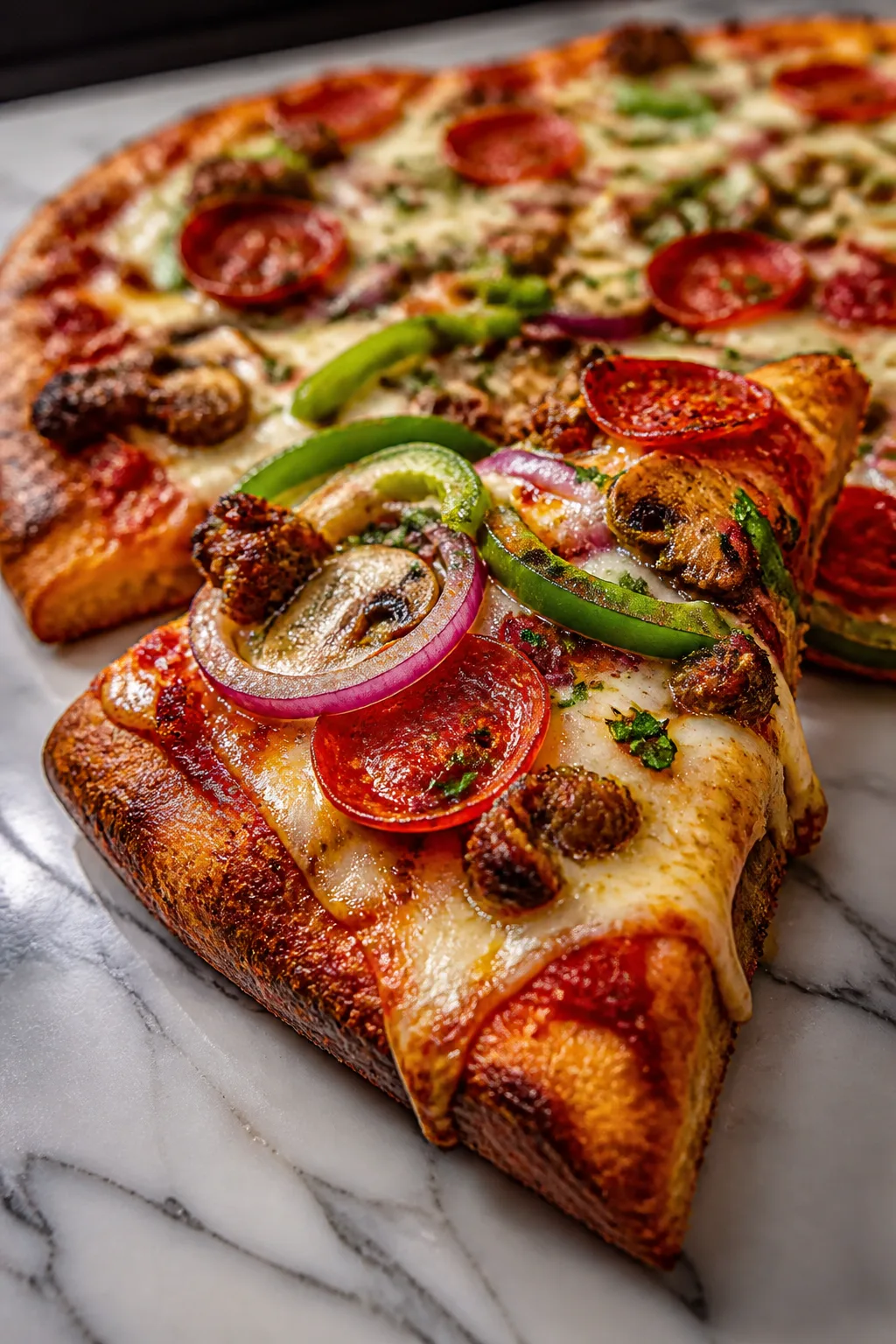
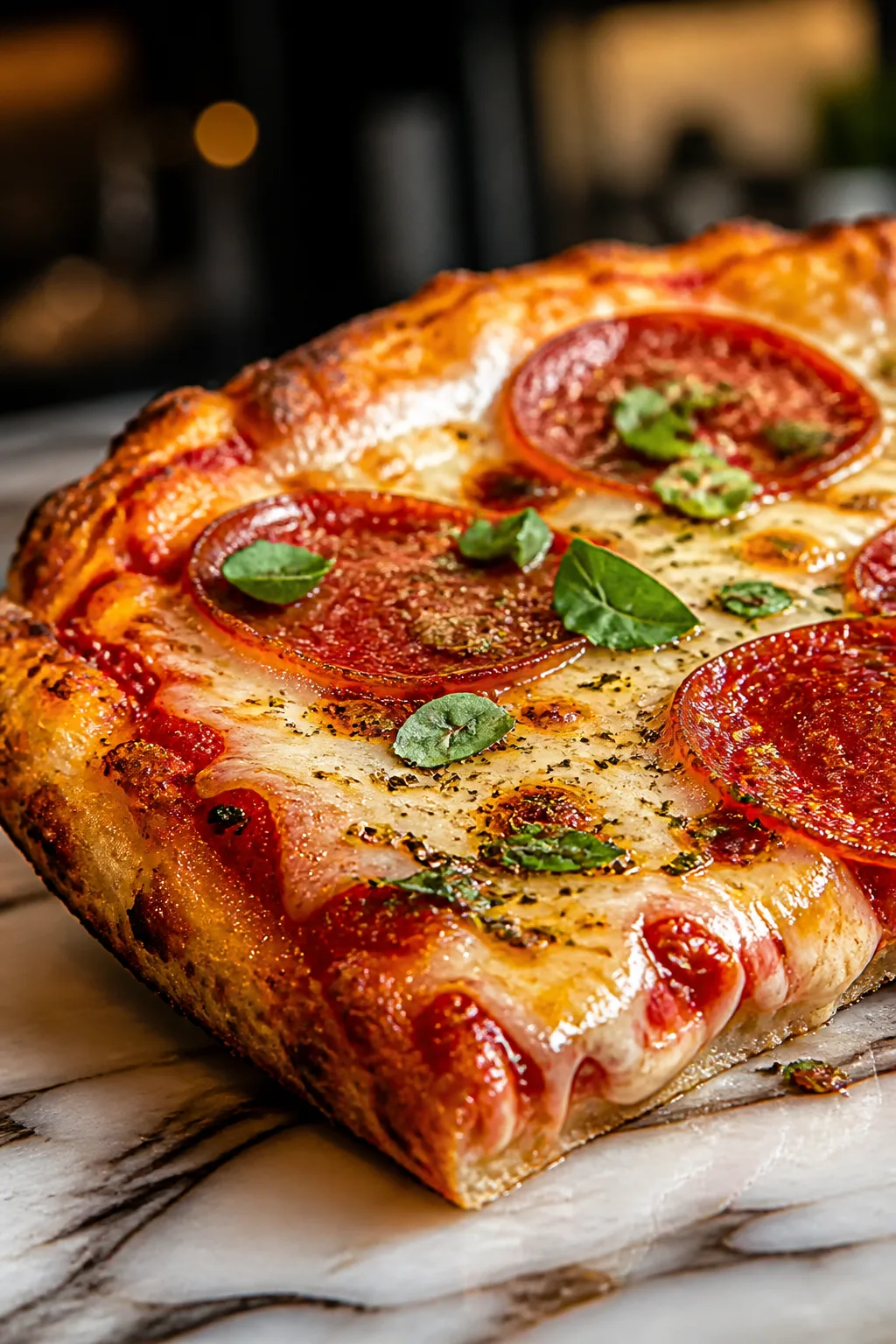
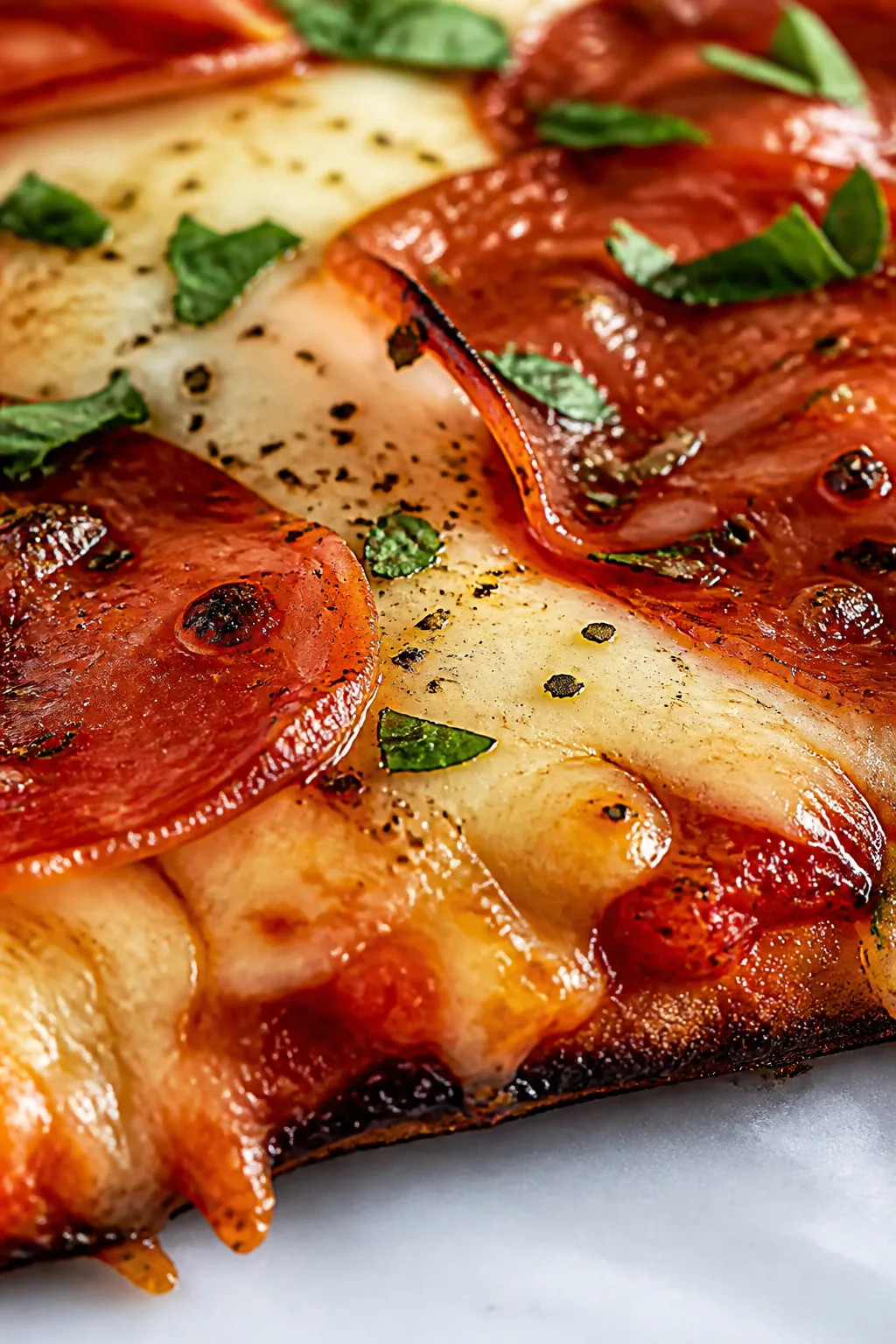
This Blackstone pizza is my weekend favorite — the crust gets perfectly crispy on the griddle while the cheese melts just right. I love throwing on fresh toppings to customize it. Great for casual family nights!
Introduction
I first stumbled upon this Blackstone pizza recipe a couple of years ago when I wanted to try something different for our weekend dinners. Using the griddle to cook pizza gives the crust this amazing crispy texture you just don’t get from a regular oven. I remember my first attempt was a bit messy—I rushed the dough and it stuck to the griddle! But after a few tries, I learned the trick: letting the dough rest and preheating the griddle properly makes all the difference. What sets this version apart is how the cheese melts perfectly while the crust crisps up beneath it, all in about 30 minutes. Plus, you can customize it endlessly with whatever toppings you have on hand. The finished pizza comes out with a crunchy bottom, bubbly cheese, and fresh toppings that make every bite a delight. It’s become our go-to for casual family nights when we want something fun, easy, and totally satisfying.
What You'll Need
One 12-inch pizza, serves 4
- 2 cups all-purpose flour, sifted
- 1 teaspoon instant yeast
- 1 teaspoon sugar
- 3/4 teaspoon salt
- 3/4 cup warm water (about 110°F)
- 1 tablespoon olive oil, plus extra for cooking
- 1/2 cup pizza sauce
- 1 1/2 cups shredded mozzarella cheese
- Your favorite toppings (pepperoni, bell peppers, mushrooms, etc.)
How To Do It
Step 1
Start by mixing the flour, instant yeast, sugar, and salt in a large bowl. Slowly add the warm water and olive oil while stirring with a wooden spoon until the dough begins to come together. This step is essential because the warm water activates the yeast, helping the dough to rise properly. Avoid using water that’s too hot, or it might kill the yeast, and your dough won’t rise. Once combined, knead the dough on a lightly floured surface for about 8-10 minutes until it’s smooth and elastic. Proper kneading develops gluten, which gives the crust its chewy texture.
⏱ Time: 15 minutes
✓ Doneness: The dough is smooth, slightly tacky but not sticky, and springs back when poked.
Step 2
Place the dough in a lightly oiled bowl, cover it with a damp towel or plastic wrap, and let it rise in a warm spot for about 45 minutes to an hour until it doubles in size. This resting period lets the yeast ferment the sugars, producing carbon dioxide that puffs up the dough and creates air pockets for a light crust. Skipping or shortening this step will result in a dense, flat pizza base. Make sure the dough is in a draft-free area to rise evenly.
⏱ Time: 45-60 minutes
✓ Doneness: The dough has roughly doubled in size and looks puffy and soft.
Step 3
Preheat your Blackstone griddle to medium-high heat (around 375°F). While it heats, gently punch down the dough to release the air, then transfer it to a floured surface. Roll it out into a 12-inch circle, about 1/4-inch thick. The rolling technique is important — too thin and it’ll crisp too much and burn, too thick and it won’t cook through properly. You want an even thickness for consistent cooking.
⏱ Time: 10 minutes
✓ Doneness: The dough is evenly rolled and holds its shape without tearing.
Step 4
Brush a thin layer of olive oil on the griddle to prevent sticking. Carefully place the rolled dough onto the griddle. Cook uncovered for about 4-5 minutes until the bottom is golden brown and crispy. Resist the urge to move it around — this allows a crust to form. If you try flipping too early, the dough might tear or stick.
⏱ Time: 4-5 minutes
✓ Doneness: The dough’s bottom is golden with some brown spots and feels firm to the touch.
Step 5
Flip the dough carefully using a spatula or tongs. Immediately spread pizza sauce evenly over the cooked side, then sprinkle the shredded mozzarella cheese. Add your favorite toppings now. The key here is to work quickly so the dough doesn’t cool down, which helps the cheese melt evenly. If you add too much sauce, the crust could get soggy.
⏱ Time: 5 minutes
✓ Doneness: The cheese starts to melt and bubble gently.
Step 6
Cover the pizza with a large metal lid or a dome to trap heat and help the cheese melt thoroughly. Cook for another 5-7 minutes. The trapped heat acts like a mini-oven, melting the cheese without burning the crust. Keep an eye on it to avoid overcooking. If the edges start to burn, reduce the heat slightly.
⏱ Time: 5-7 minutes
✓ Doneness: Cheese is fully melted and bubbly, edges are golden brown.
Step 7
Once the cheese is melted and toppings are cooked, carefully remove the pizza from the griddle using a spatula. Let it rest for a couple of minutes before slicing. Resting allows the cheese to set slightly, making it easier to cut without everything sliding off.
⏱ Time: 2-3 minutes
✓ Doneness: Pizza feels firm but still warm to the touch.
Step 8
Slice the pizza with a sharp pizza cutter or large knife. Serve immediately while the crust is still crispy and the cheese gooey. This step matters because pizza tends to lose its crispness and freshness as it cools, so enjoy it hot for the best experience.
⏱ Time: 5 minutes
✓ Doneness: Slices hold shape well and toppings stay in place.
Step 9
Clean your Blackstone griddle after it cools down by scraping off any leftover bits with a spatula and wiping with a damp cloth. Regular cleaning keeps your griddle in great shape and prevents burnt residue from affecting future pizzas. Avoid using harsh detergents that can damage the seasoning.
⏱ Time: 10 minutes
✓ Doneness: Griddle surface is clean and lightly oiled.
Variations
Spicy Jalapeño and Pepperoni Blackstone Pizza
Add sliced jalapeños and spicy pepperoni for a kick. The heat from jalapeños pairs perfectly with the crispy crust and gooey cheese, offering a bold, flavorful twist.
Note: Keep an eye on cooking time as spicy toppings can burn quickly; cover promptly to melt cheese without overcooking.
Veggie Lover’s Blackstone Pizza
Pile on bell peppers, mushrooms, olives, and red onions for a colorful veggie-packed pie. The quick griddle cooking preserves the freshness and crunch of vegetables.
Note: Use sliced thin veggies and pat dry to avoid sogginess; add toppings after flipping the dough for best results.
Margherita Style Blackstone Pizza
Keep it simple with fresh mozzarella, basil leaves, and sliced tomatoes. This variation highlights fresh ingredients and classic flavors with a crispy twist.
Note: Add basil after cooking to prevent wilting; use fresh mozzarella carefully to avoid excess moisture.
BBQ Chicken Blackstone Pizza
Swap traditional sauce for BBQ sauce, add cooked shredded chicken and red onions for a smoky, tangy pizza everyone loves. The griddle crisps the crust while the BBQ sauce caramelizes slightly.
Note: Use precooked chicken to ensure even cooking; watch sauce amount to prevent sogginess.
White Garlic and Spinach Blackstone Pizza
Use a garlic cream sauce base with fresh spinach and ricotta cheese. This white pizza is rich and flavorful, perfect for something different.
Note: Precook spinach slightly to reduce moisture; add ricotta after flipping the dough for even melting.
Pro Tips
Let your dough rest fully before cooking.
Resting allows the gluten to relax and the yeast to ferment properly, producing a light, airy crust. If you skip this, the dough will be tough and dense, lacking the characteristic crispiness and chewiness.
Preheat your Blackstone griddle thoroughly before cooking.
A hot griddle ensures the dough crisps quickly, locking in moisture and preventing sticking. If the surface isn’t hot enough, the pizza will cook unevenly and become soggy instead of crispy.
Use a metal lid to cover the pizza while melting cheese.
Covering traps heat and creates a mini-oven effect, allowing cheese to melt evenly without burning the crust. Without coverage, the cheese may not melt fully, or the crust may burn before toppings are cooked.
Roll your dough to an even thickness of about 1/4 inch.
Even thickness ensures uniform cooking; too thin dough burns easily, and too thick dough may remain undercooked inside. Consistency is key for that perfect crispy-chewy balance.
Avoid overloading your pizza with sauce or toppings.
Excess moisture from toppings and sauce can make the crust soggy and prevent proper crisping. Use moderate amounts and choose toppings that won’t release too much water during cooking.
Brush the griddle with olive oil before placing the dough.
Oil creates a non-stick surface and adds flavor to the crust. Without it, the dough may stick and tear when flipping, ruining the pizza’s texture.
Use low-moisture shredded mozzarella for best melting.
Low-moisture mozzarella melts consistently and avoids watery puddles on your pizza, helping maintain a crisp crust and rich cheesy flavor.
Common Mistakes to Avoid
Using cold water to mix the dough
Why it happens Many assume any water temperature works, but cold water slows or halts yeast activation, which means the dough won’t rise properly.
Fix Always use warm water around 105-110°F to activate the yeast effectively. Use a thermometer or test with your finger to ensure it’s warm but not hot enough to kill the yeast.
Skipping the dough rising time
Why it happens Impatience or rushed schedules lead cooks to skip or shorten the rise, thinking it won’t make much difference.
Fix Allow at least 45 minutes to 1 hour for the dough to double in size. This fermentation process is crucial for light, airy crust and flavor development.
Flipping the dough too early
Why it happens Eager cooks try to flip before a crust forms, causing tearing and sticking to the griddle.
Fix Wait until the bottom is golden and firm before flipping. This forms a stable crust that holds toppings and flips cleanly.
Using too much sauce or watery toppings
Why it happens Some add generous sauce or fresh vegetables without draining, thinking more is better.
Fix Use a thin sauce layer and pat dry vegetables to prevent sogginess. This keeps the crust crisp and toppings flavorful.
Not preheating the griddle properly
Why it happens Rushing to cook causes uneven heat and soggy crust.
Fix Preheat the griddle for 10-15 minutes to ensure even heat distribution and optimal crust crispness.
Nutrition
Per Serving:
Nutritional values are estimates and may vary based on specific ingredients used.
Storage & Tips
Room Temperature
You can keep leftover pizza at room temperature for up to 2 hours, covered loosely with foil or a clean kitchen towel to prevent drying out. Beyond that, bacteria growth can become unsafe.
Refrigerator
Store pizza slices in an airtight container or wrapped tightly with plastic wrap for up to 3 days. The crust may lose some crispness and become chewy when cold, so reheat before serving for best texture.
Freezer
Freeze pizza slices wrapped tightly in plastic wrap and then in a freezer-safe bag for up to 2 months. To prevent freezer burn, remove as much air as possible. Thaw in the fridge overnight before reheating.
Reheating
Reheat pizza on a skillet over medium-low heat for 3-5 minutes to restore crisp crust and warm toppings. Alternatively, use a 375°F oven for 8-10 minutes. Avoid microwaving as it makes crust soggy.
Make Ahead
Prepare the dough a day ahead and refrigerate after the first rise to develop more flavor. Roll and assemble pizza just before cooking. This saves time and enhances taste.
FAQ
Can I use regular oven instead of a Blackstone griddle?
Yes, you can bake this pizza in a conventional oven at 475°F on a preheated pizza stone or baking sheet. However, the griddle gives a unique crispy bottom due to direct contact with a hot flat surface, which is harder to replicate in an oven.
How do I prevent the dough from sticking to the griddle?
Make sure to brush the griddle with olive oil before placing the dough. Also, preheat the griddle thoroughly, and avoid moving the dough too soon. Using enough oil and proper heat helps create a non-stick surface.
What if my dough doesn’t rise properly?
Check that your yeast isn’t expired and that the water temperature is warm but not hot. Also, give the dough enough time in a warm, draft-free spot. If it still doesn’t rise, try proofing the yeast separately before mixing.
Can I make the dough ahead and freeze it?
Absolutely! After the first rise, punch down the dough, wrap it tightly, and freeze for up to 1 month. Thaw overnight in the fridge before using and allow it to come to room temperature before rolling.
What toppings work best on this griddle pizza?
Toppings that cook quickly and aren’t too watery work best, such as pepperoni, mushrooms, bell peppers, olives, and pre-cooked meats. Avoid fresh watery veggies unless drained well to keep the crust crispy.
How do I get the cheese to melt evenly on the griddle?
Covering the pizza with a metal lid traps heat and creates a mini-oven effect, which melts cheese evenly without burning the crust. Don’t rush this step or the cheese may not fully melt.
Can I use whole wheat flour instead of all-purpose?
You can substitute whole wheat flour for half of the all-purpose flour to add nuttiness and fiber. However, whole wheat absorbs more water and can make the crust denser, so adjust water accordingly and expect a chewier texture.
How do I clean my Blackstone griddle after making pizza?
Once cooled, scrape off food bits with a spatula and wipe the surface with a damp cloth. Avoid harsh soaps as they can strip seasoning. Regular maintenance keeps your griddle non-stick and ready for next use.
Final Thoughts
Give this Blackstone pizza a try for your next weekend night — it’s fun, tasty, and a real crowd-pleaser! I can’t wait to hear how yours turns out.